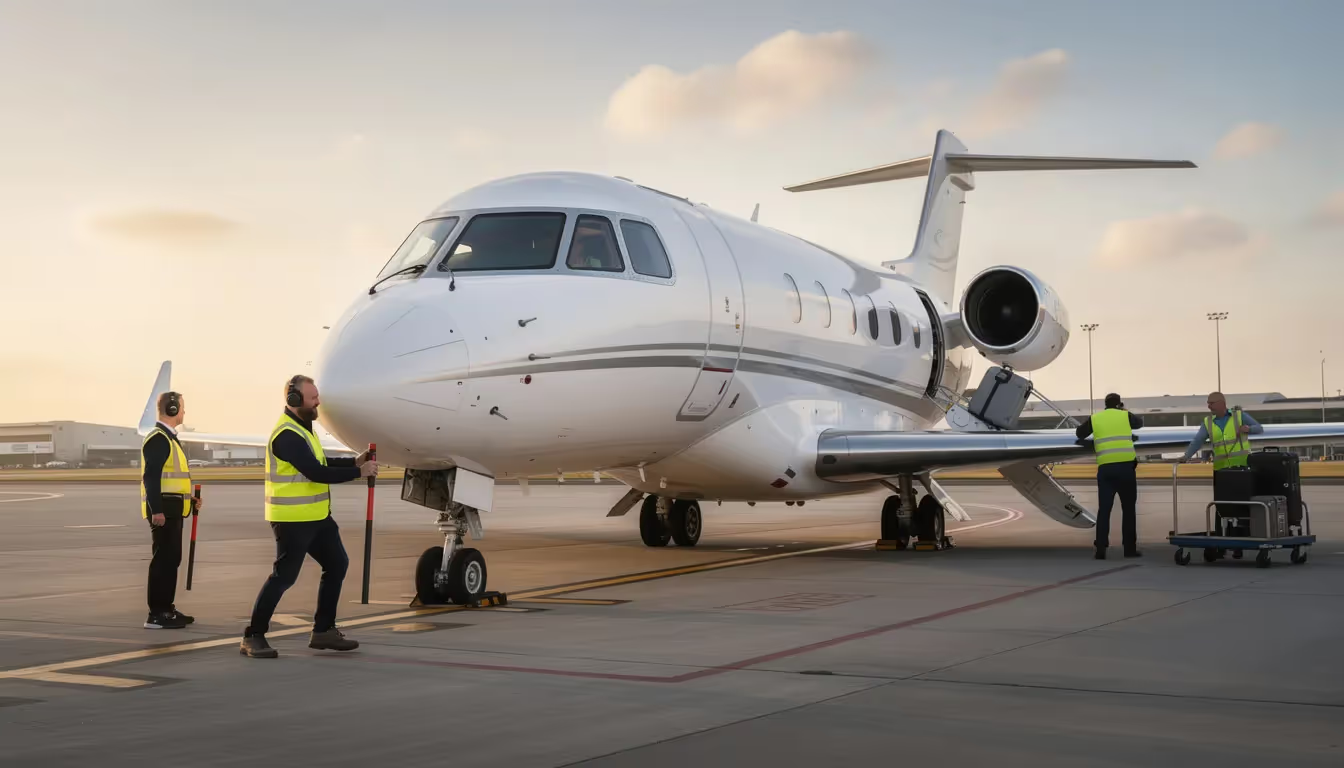
Aviation financing, often referred to as aircraft financing, is a specialized financial service designed to help aircraft owners acquire the funds needed to purchase an airplane. This type of financing is particularly popular among high-net-worth individuals, corporate entities, and pilots who wish to own an aircraft for personal or business use. Loans are a widely understood method of financing aircraft, similar to loans for vehicles or homes. The process is more complex than a typical car or house loan, as it involves unique considerations such as aircraft type, intended use, and regulatory requirements. A minimum credit score of 700 is often required to secure favorable loan terms for aircraft financing.
Aircraft financing opens the door for buyers to afford a wide range of aircraft, from twin-engine piston planes to sophisticated jets, without tying up significant capital. Lenders in the aviation market evaluate factors like the aircraft’s value, the borrower’s financial profile, and the intended mission of the plane. Brokers, such as AOPA Finance, play a crucial role by connecting borrowers with multiple lenders, streamlining the process, and helping aircraft owners find the most competitive loan options available.
The best options for financing an airplane are aircraft loans from commercial banks or specialized finance companies and lease agreements. SBA loans feature lower down payments and longer terms compared to traditional bank loans, making them an attractive option for some buyers. Whether the goal is to purchase a business jet or a personal aircraft, aviation financing provides the flexibility and access needed to make aircraft ownership a reality.
Key Takeaways
Aircraft financing offers strategic advantages, including preserved capital liquidity and enhanced tax benefits through 100% bonus depreciation
Multiple financing structures available, including traditional loans, operating leases, and capital leases, with terms ranging from 5-20 years
Corporate jet financing provides immediate access to time-sensitive travel while preserving cash flow for core business operations
The term of an aircraft loan is typically shorter than the amortization period, which can help reduce monthly payments.
Application approval typically takes 3-5 business days, with competitive rates starting from prime + 1% for qualified borrowers
Comprehensive insurance coverage and proper aircraft documentation are essential requirements for securing optimal financing terms
Fixed interest rates remain stable throughout the duration of the loan, whereas floating rates may fluctuate in response to market changes. The choice between fixed and floating rates is ultimately yours.
The short answer to why most buyers choose financing over cash is that it allows them to preserve liquidity and leverage tax benefits, but the best approach depends on individual financial goals—consulting with a trusted advisor is recommended.
In 2024, 72% of corporate aircraft purchases utilize financing versus 28% cash transactions, revealing a fundamental shift in how sophisticated buyers approach aircraft acquisition. This trend reflects a deeper understanding among high-net-worth individuals and corporate executives that financing an airplane represents strategic capital deployment rather than a simple asset purchase. Fractional ownership allows multiple owners to share the costs and use of an aircraft, offering another flexible option for accessing private aviation.
The modern aircraft financing market has evolved into a sophisticated ecosystem offering multiple pathways to aircraft ownership, each designed to optimize different business objectives. Whether preserving liquidity for high-return investments, maximizing tax advantages through accelerated depreciation, or maintaining operational flexibility through structured lease agreements, today’s aviation financing options provide strategic advantages that extend far beyond traditional asset acquisition.
For discerning clients seeking private aviation access, understanding these financing structures becomes essential for making informed decisions that align with broader wealth management and business strategies. The ability to access premium aircraft while preserving capital for core business operations or investment opportunities represents a compelling value proposition in today’s competitive marketplace.
Why Finance Your Aircraft: Strategic Capital Deployment
The decision to finance rather than purchase aircraft outright typically stems from sophisticated capital allocation strategies employed by successful businesses and high-net-worth individuals. Rather than viewing financing as a necessity born from capital constraints, smart money recognizes financing as a tool for optimizing overall portfolio performance and operational efficiency. Purchasing an aircraft outright allows the buyer to build equity and gain full control over its use. Careful consideration of factors such as unique needs, financial goals, and operational requirements plays a crucial role in determining the most suitable financing approach.
Preserve liquidity for high-return investments and business opportunities
By financing an airplane rather than deploying cash, buyers maintain liquid capital for opportunities that may yield superior returns. However, choosing financing means you are obligated to pay regular installments on the loan, which should be considered alongside the opportunity cost. With qualified borrowers accessing rates of 7-9% in the current market, the opportunity cost calculation becomes straightforward when alternative investments offer double-digit returns or when maintaining working capital proves essential for business operations.
Leverage favorable interest rates versus potential investment returns
Currently, qualified borrowers can secure aircraft loans at prime + 1% to prime + 3%, depending on aircraft age, down payment percentage, and creditworthiness. This creates compelling arbitrage opportunities for buyers whose investment portfolios or business ventures generate returns exceeding financing costs.
Tax advantages through Section 179 deduction and bonus depreciation
The most compelling argument for aircraft financing often emerges from tax optimization strategies. For 2024, Section 179 allows immediate expensing of up to $1.16 million for qualifying business aircraft, while 100% bonus depreciation enables full first-year write-offs on aircraft used primarily for business purposes. When combined with financing, these benefits essentially allow buyers to depreciate the full aircraft value while preserving most of their capital.
Comparison data reveals strategic preferences
Market analysis shows sophisticated buyers increasingly favor financing over cash purchases. AOPA Finance reports that businesses using aircraft for time-sensitive operations prefer financing arrangements that preserve operational capital while providing immediate aviation access. This approach allows companies to maintain credit facilities for unexpected opportunities while accessing premium aircraft benefits.
Flexible exit strategies through structured buyout options
Modern aircraft financing includes sophisticated exit provisions that provide operational flexibility unavailable in cash transactions. Early termination clauses, structured buyout options, and refinancing provisions allow buyers to adapt their aircraft strategy as business needs evolve, without the capital constraints associated with outright ownership. These exit strategies also enable buyers to manage or restructure outstanding debt, ensuring that financial obligations can be adjusted in line with changing circumstances.
Aircraft Financing Structures and Options
The aviation financing market offers multiple structures designed to accommodate different operational requirements, tax objectives, and capital preservation goals. Understanding these options allows buyers to select arrangements that optimize their specific situation rather than accepting generic financing products.

Traditional aircraft loans represent the most straightforward approach
Conventional aircraft loans typically require 15-20% down payments for new aircraft and 20-25% for pre-owned aircraft. Terms range from 5-20 years, depending on aircraft age and intended use, with amortization periods often extending beyond loan terms to reduce monthly payments. Interest rates vary based on creditworthiness, down payment percentage, and aircraft specifications, with qualified borrowers accessing prime-based rates. It is important to ensure fair loan structures and fair asset valuation so that buyers receive equitable terms when considering traditional aircraft loans.
Operating leases provide off-balance-sheet benefits
Operating leases appeal to corporations seeking to avoid balance sheet impact while accessing premium aircraft. These arrangements typically feature lower upfront costs, with monthly payments often tax-deductible as business expenses. Operating leases do not tie the lessee's name to the title of the aircraft, and the lessor retains ownership. Lease terms and conditions, such as down payment requirements or interest rates, are often dependent on the lessee's financial strength or credit profile. Lease terms commonly range from 3-7 years, providing flexibility for companies with evolving aviation needs or those preferring to upgrade aircraft regularly.
Capital leases offer ownership benefits with lease flexibility
Capital lease structures provide many ownership advantages while maintaining lease payment flexibility. These arrangements often include $1 buyout options at lease termination, allowing lessees to gain aircraft ownership while benefiting from lease payment structures during the term. This hybrid approach particularly appeals to buyers seeking ownership benefits without traditional loan requirements.
Balloon payment structures enable lower monthly payments
Balloon payment loans feature reduced monthly payments with larger final payments, typically 25-50% of the original loan balance. This structure suits buyers expecting significant liquidity events or those planning strategic refinancing before balloon payment maturity. The approach maximizes cash flow during the loan term while providing multiple exit strategies.
Sale-leaseback arrangements release immediate capital
For existing aircraft owners, sale-leaseback transactions provide immediate capital access while maintaining operational control. These arrangements involve selling aircraft to specialized leasing companies, then leasing back the same aircraft under negotiated terms. This strategy proves particularly valuable for businesses needing immediate liquidity while preserving aviation capabilities. Leasing often requires minimal or no down payment compared to purchasing an aircraft.
Understanding Fees and Charges
When navigating the world of aircraft financing, it’s essential for aircraft owners to understand the various fees and charges that can impact the total cost of their loan. One of the primary costs is the broker fee, which compensates the broker for their expertise in matching borrowers with suitable lenders and negotiating favorable terms. These broker fees are typically a small percentage of the loan amount and are paid at closing.
Interest rates are another significant factor, representing the cost of borrowing and varying based on the lender, the borrower’s credit profile, and the specifics of the aircraft. Even a small difference in interest rates can have a substantial impact on the overall cost of financing. Additionally, lenders may charge credit approval fees to cover the administrative costs of processing the loan application and conducting due diligence.
AOPA Finance, for example, helps aircraft owners navigate these fees by providing clear explanations and helping clients compare offers from multiple lenders. By understanding all associated costs—broker fees, interest rates, and approval charges—aircraft owners can make informed decisions, avoid unexpected expenses, and ensure a smooth financing process.
Aircraft Categories and Financing Considerations
Different aircraft categories command varying financing terms, down payment requirements, and interest rates based on market demand, resale values, and operational characteristics. Regulations such as Part 91, Part 135, and the new MOSAIC can also impact financing considerations, as regulatory classifications may affect flying privileges, aircraft eligibility, and loan terms. Some lenders only focus on Part 91 operators, so you'll want to keep that in mind. Understanding these distinctions enables buyers to select aircraft that align with both operational requirements and optimal financing availability.
Light Jets and Turboprops
Light jets, including Citation CJ series, Phenom 100/300, and turboprop aircraft like King Air models, typically offer the most favorable financing terms due to strong market demand and proven resale values. Lenders commonly provide loan-to-value ratios of 80-85% for newer aircraft under 10 years old, with competitive interest rates reflecting lower risk profiles.
These aircraft categories benefit from standardized maintenance programs, established parts availability, and broad pilot qualification pools, all factors that enhance lender confidence. Insurance requirements remain relatively modest compared to larger aircraft, while operational costs support stronger cash flow calculations during underwriting processes.
Entry-level corporate aircraft in this category provide access to private aviation benefits while maintaining financing accessibility for emerging businesses and individual buyers. The combination of lower acquisition costs, favorable financing terms, and proven operational economics makes this segment particularly attractive for first-time corporate aircraft buyers.
Mid-Size and Super-Mid Jets
Premium financing options expand for mid-size aircraft, including Hawker 4000, Citation Latitude, and Challenger 350 series aircraft. These aircraft command enhanced loan terms when supported by established maintenance programs and documented corporate usage patterns. Lenders often provide rate reductions of 0.5-1% for aircraft with comprehensive maintenance tracking and regular professional management.
Corporate usage documentation becomes increasingly important for this aircraft category, as lenders recognize the operational patterns that support consistent cash flows and responsible ownership. Many financing packages for mid-size aircraft include working capital lines for operational expenses, providing integrated solutions for comprehensive aviation programs.
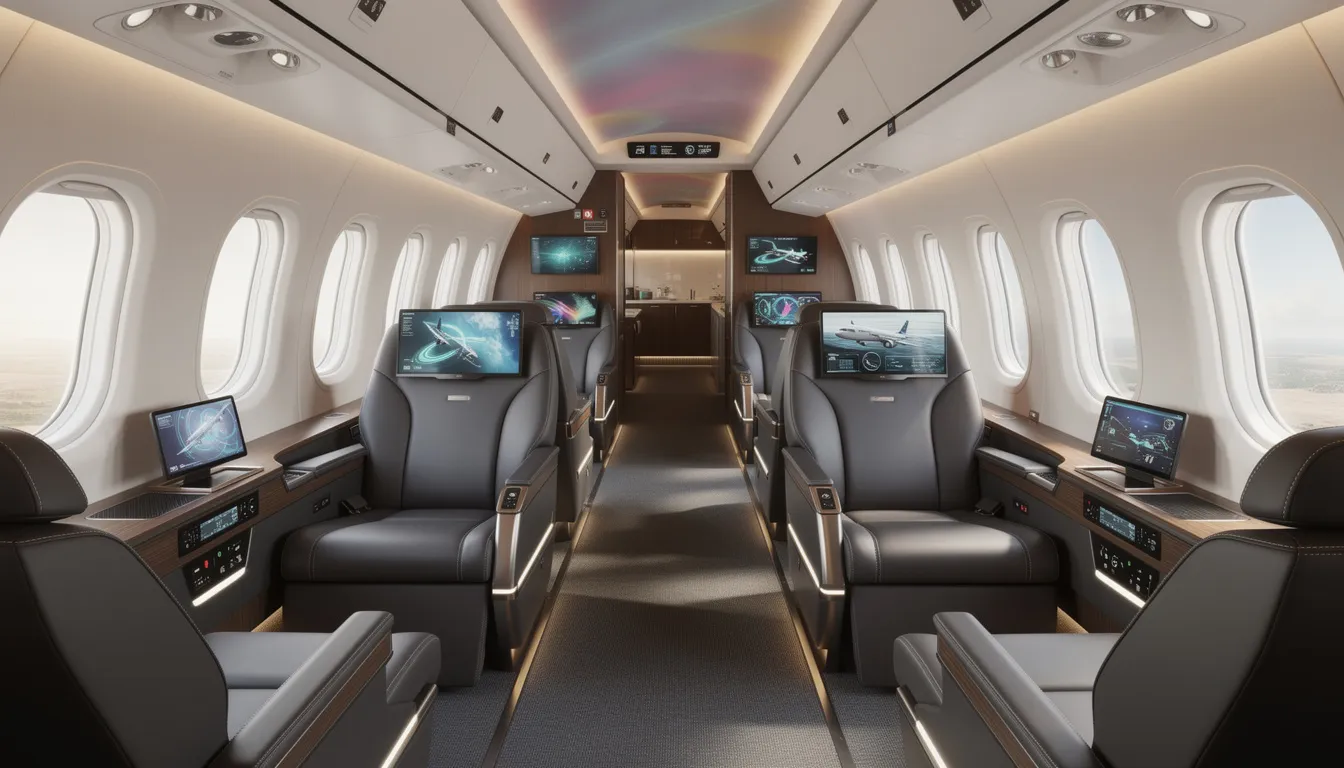
The enhanced capabilities of mid-size aircraft—including intercontinental range and premium cabin amenities—support higher utilization rates that justify financing costs through operational efficiency gains. These aircraft typically serve as cornerstone assets for established corporate flight departments and high-net-worth individuals requiring transcontinental capabilities.
Heavy Jets and Ultra-Long Range Aircraft
Specialized financing structures support heavy jets, including Gulfstream G650/700, Global 7500, and Falcon 8X models, with enhanced due diligence reflecting higher transaction values and operational complexity. Lenders typically require comprehensive operational plans, including international registration capabilities and management structure documentation for aircraft exceeding $50 million in value. As part of the compliance process in large aircraft transactions, lenders and advisors often verify that involved parties are members of relevant regulatory bodies or professional associations, ensuring adherence to industry standards and regulatory requirements.
Structured financing options often involve multiple lenders or capital sources for large aircraft transactions, with specialized aviation banks providing expertise in complex international operations. These arrangements may include currency hedging options for international operators and sophisticated tax optimization structures for multinational businesses.
Cross-border financing solutions become essential for ultra-long-range aircraft intended for international operations, as these aircraft often serve global businesses requiring seamless operational capabilities across multiple jurisdictions. The financing process involves coordination with international legal and tax advisors to optimize registration and operational structures.
Application Process and Requirements
The aircraft financing application process demands comprehensive documentation and typically follows accelerated timelines compared to traditional asset financing. Understanding requirements and preparing documentation in advance enables smooth transactions and optimal terms of negotiation. Financial advisors or professionals can also assist applicants by providing guidance and support throughout the application process. The profit and loss statement (P&L) and balance sheets are required as part of the aircraft loan package when a business entity is involved in the transaction. It is important to ensure you have your financing approved by the lender when you take delivery of your aircraft.
Complete financial documentation forms the foundation
Lenders require three years of personal and business tax returns, up-to-date financial statements, and detailed credit reports for all guarantors. Business applicants must provide profit and loss statements, balance sheets, and cash flow projections, preferably reviewed by certified public accountants. The documentation requirements scale with loan amounts, with transactions exceeding $1 million requiring enhanced due diligence.
Aircraft specifications and maintenance history prove essential
Complete aircraft logbooks, maintenance records, and current market appraisals establish the collateral foundation for financing decisions. Lenders particularly scrutinize maintenance compliance, modification history, and any damage history that might affect residual values. Common red flags for lenders include missing logbooks and high airframe hours. Pre-purchase inspections by qualified aviation professionals often support the underwriting process.
Timeline expectations enable strategic planning
Pre-approval decisions typically occur within 24-48 hours for qualified applicants with complete documentation packages. Full approval processes generally require 5 business days from submission, though complex transactions or international elements may extend timelines. Expedited processing options exist for time-sensitive transactions, particularly in competitive acquisition scenarios. The application process for aircraft loans typically takes 1 to 3 business days once a complete application package is received.
Documentation requirements vary by loan amount and complexity
Loans exceeding $1 million trigger enhanced due diligence requirements, including detailed business plans, aircraft utilization projections, and comprehensive insurance documentation. International operations add complexity, requiring operational letters from destination countries and specialized insurance endorsements.
Closing processes typically require 7-10 days
From approval to funding, aircraft financing closings generally require 7-10 days, though expedited options reduce this timeline for urgent transactions. The closing process involves title work, insurance placement, registration documentation, and final inspection confirmation. Experienced aviation attorneys prove essential for navigating closing requirements efficiently.
Insurance and Operational Requirements
Aircraft insurance requirements for financed aircraft exceed typical coverage levels and include specific endorsements protecting lender interests. Lenders require full insurance coverage effective as of the loan funding date, with a lien holder endorsement. Understanding these requirements enables accurate budgeting and ensures compliance with loan covenants throughout the financing term.
Hull insurance protects the aircraft value comprehensively
Full replacement value coverage with agreed value provisions protects both owner and lender interests in total loss scenarios. Coverage amounts must equal or exceed the loan balance plus any additional requirements specified by lenders. Agreed value provisions eliminate disputes over aircraft valuation in claim situations, providing certainty for all parties.
Liability coverage addresses operational and lender requirements
Most lenders require minimum liability coverage of $100 million for corporate operations, with higher limits mandated for international travel or commercial operations. Per-occurrence and aggregate limits must meet lender specifications, while coverage territory must encompass all planned operational areas.
Lender endorsement requirements protect financing interests
Standard lender endorsements include additional insured status for the financing company, breach of warranty provisions that maintain coverage despite owner violations, and notification requirements ensuring lenders receive advance notice of policy changes or cancellations. These endorsements prove non-negotiable elements of aircraft financing arrangements.
Pilot qualification standards ensure operational safety
Minimum flight hour requirements vary by aircraft type, typically ranging from 1,000 hours total time for light aircraft to 3,500+ hours for heavy jets. Recurrent training documentation must demonstrate ongoing proficiency, while insurance carriers often specify approved training providers for complex aircraft types.
Hangar and maintenance facility requirements protect asset value
Lenders typically require enclosed hangar storage to protect aircraft from weather-related damage and theft. Maintenance must occur at facilities with appropriate certifications and capabilities for the specific aircraft type. Some lenders maintain approved facility lists or require notification before maintenance events.
Tax Optimization and Financial Benefits
Aircraft financing unlocks sophisticated tax optimization strategies that can significantly reduce the effective cost of aircraft ownership while providing operational flexibility unavailable through cash purchases. These benefits often prove decisive factors in financing decisions for tax-aware buyers.
Section 179 immediate expensing provides substantial deductions
For 2024, qualifying business aircraft enable immediate expensing of up to $1.16 million through Section 179 deductions. This benefit applies to aircraft used primarily for business purposes, effectively reducing taxable income by the deduction amount in the year of purchase. When combined with financing, buyers can claim the full deduction while preserving most acquisition capital.
100% bonus depreciation accelerates tax benefits
Qualifying aircraft purchases enable 100% first-year depreciation, allowing full cost recovery in the purchase year for business aircraft. This benefit applies to both new and pre-owned aircraft placed in service for business purposes. The combination of bonus depreciation with financing creates powerful arbitrage opportunities for buyers in high tax brackets.
Interest deduction strategies enhance financing benefits
Interest payments on aircraft loans typically qualify for business deductions when aircraft serve business purposes. For investment use of aircraft, interest deductions may apply against investment income under specific circumstances. Proper documentation of business use percentages proves essential for maximizing available deductions.
State tax considerations affect the total cost of ownership
Aircraft registration and usage taxes vary significantly across states, with some jurisdictions offering favorable treatment for business aircraft. Strategic registration in appropriate states can reduce annual tax burdens, while fly-away provisions may minimize initial sales tax obligations. Professional tax advice proves essential given the complexity of multi-state operations.
Estate planning benefits support wealth transfer strategies
Aircraft ownership through family limited partnerships or trusts can provide estate planning advantages while maintaining operational control. These structures may enable discounted valuations for gift and estate tax purposes while preserving access to aircraft benefits. Financing can support these strategies by reducing initial capital requirements for trust funding.

Customizing the Financing Experience
Aircraft financing is far from a one-size-fits-all solution. Each aircraft owner—whether an individual pilot or a large corporation—has unique needs, financial goals, and operational requirements. Customizing the financing experience is key to ensuring that the loan structure aligns with the owner’s mission, budget, and long-term plans.
For example, corporate aircraft financing may involve more complex structures, such as multi-aircraft fleets or international operations, while personal aircraft financing might focus on flexibility and ease of approval. Brokers like AOPA Finance add value by providing access to a wide network of lenders and a variety of loan products, allowing aircraft owners to compare options and select the best fit for their situation. This could include loans for new or pre-owned aircraft, refinancing existing loans, or funding upgrades and improvements to a turboprop or jet.
By working with an experienced broker, aircraft owners can tailor their financing package—choosing the right term length, down payment, and payment structure—to match their specific needs and budget. This personalized approach ensures that the financing solution supports both current and future aviation goals.
Choosing the Right Financing Partner
The selection of financing partners significantly impacts transaction success, ongoing costs, and operational flexibility throughout the aircraft ownership experience. Working with a knowledgeable team can help you navigate the complexities of aviation financing and ensure you make informed decisions. Specialized aviation lenders often provide superior terms and service compared to traditional banking relationships.
For personalized guidance, connect with our financing professionals or contact us today to discuss your specific needs.
Specialized aviation lenders versus traditional banks differ substantially
Aviation-focused lenders typically offer 0.25-0.75% better interest rates than traditional banks due to specialized underwriting expertise and portfolio concentration in aircraft assets. These lenders understand aircraft values, operational requirements, and market dynamics in ways that generalist lenders cannot match. Basically, the key difference is that specialized aviation lenders have a deeper understanding of the industry, which allows them to provide better rates and more tailored solutions. The expertise advantage often translates into faster decisions and more flexible structures.
Service capabilities extend beyond basic lending functions
Leading aviation lenders provide 24/7 support for time-sensitive transactions, modification requests, and operational changes that arise during aircraft ownership. This service level proves essential for buyers whose aircraft operations cannot accommodate traditional banking hours or bureaucratic processes.
Portfolio management supports ongoing relationships
Established aviation lenders offer ongoing relationship management for fleet expansion, refinancing opportunities, and market guidance throughout the ownership cycle. These relationships prove valuable as aircraft needs evolve or market conditions create refinancing opportunities. The ability to leverage existing relationships for future transactions provides competitive advantages in fast-moving markets.
International capabilities serve global operations
For aircraft intended for international operations, lenders with cross-border registration experience and currency hedging capabilities provide essential services. These capabilities include understanding foreign registration requirements, international insurance markets, and operational restrictions that affect aircraft values and financing terms.
Rate comparison reveals meaningful differences
Direct comparison shopping among aviation lenders can yield rate differences of 0.5-1.5% depending on aircraft type, buyer qualifications, and market conditions. The rate differential often justifies switching from existing banking relationships, particularly for larger transactions where percentage differences translate into substantial dollar amounts.
Avoiding Common Mistakes
Securing aircraft financing is a significant financial commitment, and avoiding common mistakes can save aircraft owners time, money, and stress. One frequent error is failing to fully understand the fees and charges associated with the loan, which can lead to unexpected costs down the line. Another pitfall is overlooking the tax implications of aircraft ownership, which can affect the overall affordability and financial benefits of the purchase.
AOPA Finance and similar brokers can provide valuable guidance to help aircraft owners navigate these complexities. It’s crucial to work with reputable lenders, carefully review all loan documents, and seek professional advice on factors such as amortization schedules, aircraft valuation, and trading options. Additionally, considering the long-term impact of financing decisions—such as how the loan structure affects cash flow and asset value—can help owners avoid costly missteps.
By taking the time to understand the process, asking the right questions, and leveraging expert resources, aircraft owners can make informed decisions and ensure a successful financing experience from application to closing.
The Role of Broker Fees in Aircraft Financing
Broker fees are an integral part of the aircraft financing process, reflecting the value that experienced brokers bring to the table. In aviation financing, brokers like AOPA Finance act as intermediaries between aircraft owners and lenders, using their market knowledge and industry connections to secure the best possible loan terms.
These broker fees are typically a small percentage of the total loan amount and are paid by the borrower at the time of closing. While this represents an additional cost, the benefits often far outweigh the expense. Brokers provide access to a broader range of lenders, negotiate competitive interest rates, and guide clients through the complexities of the financing process. For example, AOPA Finance can help aircraft owners compare multiple loan offers, understand the nuances of each option, and avoid common pitfalls.
In the world of aviation financing, broker fees are a worthwhile investment for aircraft owners seeking expert advice, streamlined approvals, and access to the best financing solutions available. By leveraging a broker’s expertise, buyers can confidently navigate the market and secure the funding needed to achieve their aviation goals.
Frequently Asked Questions
What down payment is typically required for aircraft financing?
Most lenders require a 15-20% down payment for new aircraft and 20-25% for pre-owned aircraft. High net worth individuals with strong credit profiles may qualify for reduced down payments of 10-15%. Asset-based lenders sometimes require 30-40% down payments but offer faster approval processes and reduced financial documentation requirements.
How does aircraft age affect financing terms?
Aircraft under 10 years old typically receive the most favorable rates and terms. Aircraft 10-20 years old may see slightly higher rates (0.5-1% increase), while aircraft over 20 years may require larger down payments and shorter terms. Some lenders specialize in older aircraft financing with terms specifically designed for vintage or classic aircraft.
Can I finance aircraft modifications and upgrades?
Yes, many lenders will finance avionics upgrades, interior refurbishments, and engine overhauls when completed as part of the purchase transaction. Post-purchase modifications typically require separate financing arrangements, though some lenders offer equipment financing lines specifically for aircraft improvements. Engine programs are often required by lenders for turbine aircraft and can increase the aircraft's value. Modifications that enhance safety or operational capabilities often receive favorable financing treatment.
What happens if I want to sell my financed aircraft early?
Most aircraft loans allow early payoff without prepayment penalties. The remaining loan balance must be satisfied at closing, and any equity above the loan balance belongs to the owner. Some structured financing arrangements include early termination fees, though these typically decrease over time. Lease arrangements may include early termination options with predetermined buyout calculations.
How do international operations affect financing options?
International usage requires specific insurance coverage and may impact loan terms. Some lenders specialize in international operations and offer enhanced services, including currency hedging and cross-border registration support. Additional documentation requirements may include operational letters from destination countries and enhanced insurance endorsements for foreign operations.
Conclusion
Financing an airplane offers high-net-worth individuals and corporate buyers a strategic tool to optimize capital deployment, enhance tax benefits, and maintain operational flexibility. With a variety of financing structures available—from traditional loans to operating and capital leases—buyers can tailor solutions to fit their unique mission and financial goals. Debt covenants can include restrictions on outside spending and minimum cash balances, which borrowers should carefully review. Expenses beyond the loan payment, including insurance and maintenance, should be considered when financing an aircraft. Understanding aircraft categories, application requirements, and insurance obligations ensures a smooth financing process and a successful aircraft ownership experience.
By partnering with specialized aviation lenders and leveraging expert advice, such as the comprehensive resources available at BlackJet.com, aircraft owners gain access to competitive interest rates, efficient approval timelines, and ongoing support tailored to the complexities of aviation financing. Whether acquiring a light jet, turboprop, or ultra-long-range aircraft, financing enables buyers to preserve liquidity, maximize tax advantages, and adapt their aviation strategy as business needs evolve.
For those considering aircraft acquisition, engaging with knowledgeable financing teams and utilizing available resources like BlackJet.com is essential to making informed decisions that align with both personal and corporate objectives. Ultimately, financing an airplane is not just about purchasing an asset—it is a strategic commitment to unlocking the full potential of private aviation within a dynamic financial landscape. Closing fees vary across different lenders and are charged by every bank involved in the aircraft loan process, so understanding these costs is crucial for effective financial planning.


 Sign up with google
 Sign up with Apple