Owning a HondaJet is a financial commitment that extends well beyond the purchase price. Here is what the numbers look like for real-world operators.
Why HondaJet Operating Costs Matter For Serious Private Fliers
A HondaJet Elite or Elite II typically costs about $2,687 per flight hour at moderate utilization, with that figure often falling to roughly $1,600 to $2,100 per hour as annual usage rises; for 200 to 400 flight hours, that translates to an annual operating budget of about $580,000 to $950,000, excluding acquisition cost and depreciation. For frequent private fliers, business executives, and high-net-worth travelers considering HondaJet ownership or comparing it with a jet card, those numbers set the baseline for deciding how to access private aviation efficiently.
These costs shape real-world travel decisions. As one example, a business executive flying New York to Chicago twelve times a year may find that commercial first class still takes five to six hours door-to-door per round trip, while a private jet can cover the same route in under three hours with no security lines, no connections, and the ability to return the same day. Owning and operating a HondaJet means budgeting for both fixed and variable expenses, and that comparison is what tells you whether ownership justifies the capital and operating commitment or whether a jet card program delivers similar access with less financial risk and more flexibility; understanding jet card pricing and fee structures is central to making that decision.
BlackJet members regularly fly in similar light jet aircraft, including HondaJets and comparable airplanes, without taking on ownership fixed costs, management complexity, or resale exposure, often choosing to buy individual seats on private jets or book whole-aircraft charters depending on the trip, which can mirror many of the advantages described in budget-friendly private aircraft options for cost-conscious travelers. The sections below break down fixed versus variable operating costs, budget scenarios by annual flight hours, HondaJet specifications and interior features, comparisons with similar light jets, ownership versus jet card economics, and the safety and sustainability factors that also influence the total value of private jet access.
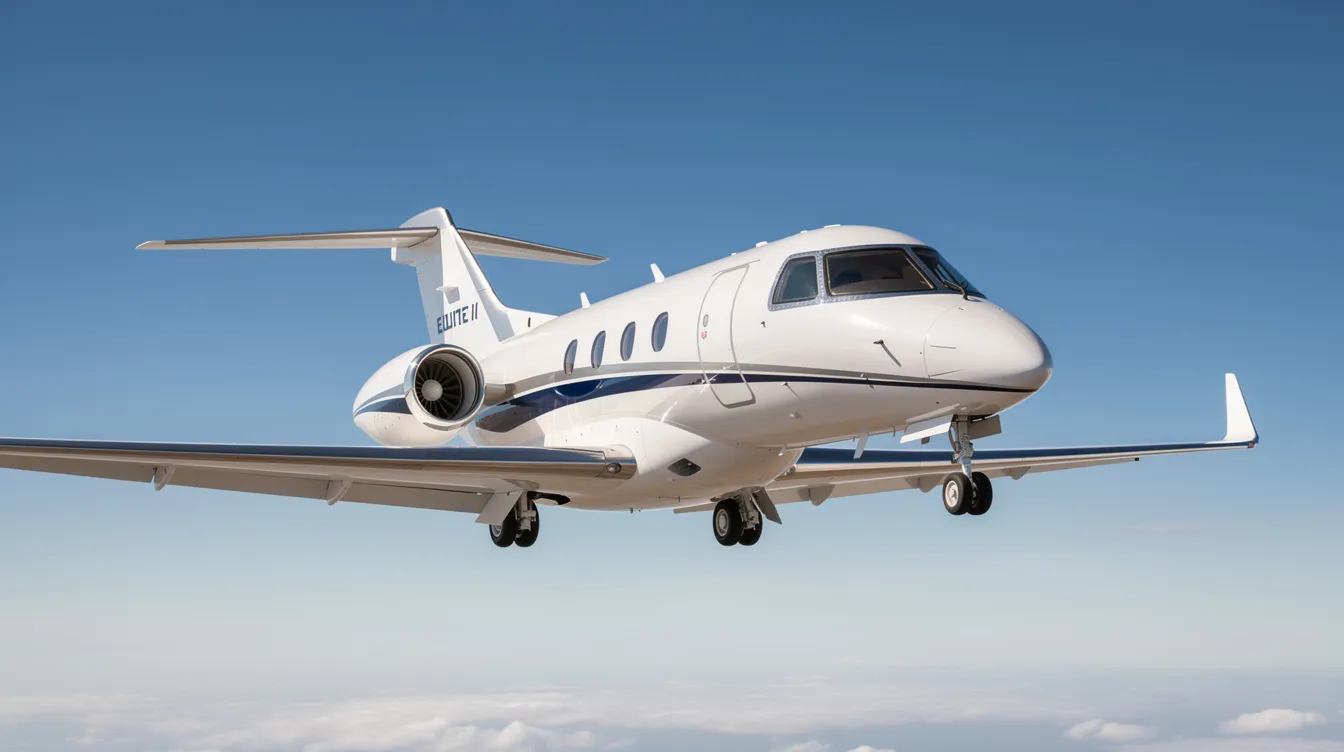
HondaJet & HondaJet Elite II Overview
Honda Aircraft Company began developing the HondaJet concept in the late 1990s and formally launched the program in the early 2000s. The HA-420 received FAA certification in 2015, followed by the HondaJet Elite in 2018 and the Elite II in 2022. HondaJets are generally positioned as one of the more economical twin-engine light jets to own, optimized for short to mid-range business and leisure missions.
Key specifications for the Elite II:
Crew: the HondaJet is certified for single-pilot operation, though some operators fly with one pilot and a second crew member on longer legs
Passengers: standard cabin seats four to five in a club-plus layout
Maximum speed: approximately 422 knots (486 mph) cruising speed, with a service ceiling of 43,000 ft
Range: the original HA-420 covers roughly 1,223 nm; the Elite extends to about 1,437 nm; the Elite II reaches approximately 1,547 nm under ideal conditions
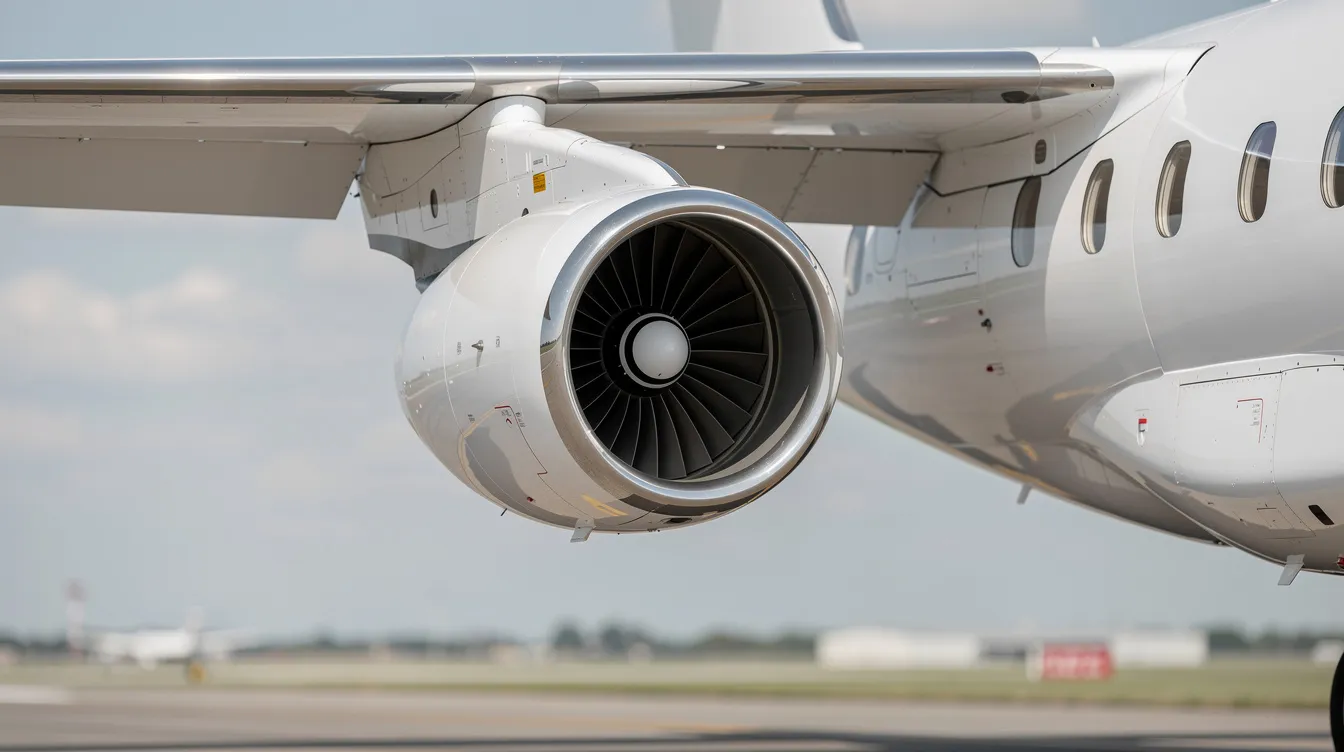
Engines: two GE Honda HF120 turbofans mounted over the wing, reducing cabin noise and aerodynamic drag
Avionics: Garmin G3000 flight deck supporting single pilot operations and real-time performance monitoring
These specs make the HondaJet popular with owner-pilots and corporate flight departments doing frequent regional flying across the East Coast, the U.S. interior, and intra-Europe routes. The aircraft fits the light jet category and competes directly with other aircraft like the Cessna Citation M2 and Embraer Phenom 100.
Fixed Costs Of Owning And Operating A HondaJet
Fixed costs are incurred whether the aircraft flies or not. They include crew salaries, hangar rent, insurance, recurrent training, avionics subscriptions, and management fees. Estimated annual fixed costs for the HondaJet reach $333,744 in one widely referenced model; for the older HA-420 variant, the annual fixed cost is $223,890, reflecting differences in hull value, insurance premiums, and crew structure.
Typical line items break down as follows:
Fixed Cost Item | Estimated Annual Cost |
|---|
Crew Salary (Single Pilot) | $175,000 |
Recurrent Training | $13,000 – $18,000 |
Hangar Rent | $18,000 – $45,000 |
Insurance | $25,000 – $35,000 |
Management Fees | $40,000 – $60,000 |
Utilization rates affect the spread of fixed operating costs over each flight hour. At 200 hours per year, total fixed costs of $333,744 translate to roughly $1,669 per hour in overhead alone. At 400 hours, that same burden drops to about $834 per hour. Heavy utilization lowers the cost per hour when fixed costs are spread over more hours.
BlackJet jet card members pay only for actual flight hours plus a transparent membership fee, with no hangar, crew, or insurance obligations, and can choose among premium private jet card programs tailored to their flying patterns, similar to many of the best jet card options for frequent flyers in the broader market, while still benefiting from transparent jet card cost per hour comparisons.
Variable Operating Costs: Fuel Burn, Maintenance, And Hourly Expense
Variable costs increase with flying time and include fuel and maintenance expenses, engine program reserves, landing and handling fees, and catering. Total variable costs for the HondaJet reach $875,552 annually at high utilization in some published models.
Fuel burn averages roughly 102 to 120 gallons per hour depending on the model and cruise altitude. At $6.50 per gallon, fuel cost alone runs about $660 to $780 per hour; at $7.50 per gallon, that climbs toward $900 per hour. Fuel costs typically account for 40 to 60 percent of direct operating costs.
Other variable items include:
Variable Cost Item | Estimated Hourly Cost |
|---|
Fuel | $660 – $900 |
Engine Reserves | $200 – $300 |
Airframe Maintenance | Several hundred dollars |
Landing, Handling, Fees | $100 – $200 |
Variable operating costs for the HondaJet are typically $1,500 to $2,500 per flight hour, with the HA-420 variant averaging about $1,108 per hour in hourly variable cost at moderate fuel prices. Higher utilization at 400-plus hours per year gives operators better visibility into these expenses and more leverage to negotiate fuel and maintenance rates.
Annual Budget Scenarios: 200, 300, And 400+ Hour HondaJet Profiles
These sample operating budget cost scenarios illustrate how usage reshapes the economics.
At 200 hours per year, direct variable costs land near $350,000 (fuel, maintenance, trip charges), and fixed costs add roughly $230,000 to $334,000. The estimated annual budget falls in the high $500,000 range; one published estimate places it at approximately $580,000. Cost per mile at an average cruise speed of 338 mph works out to about $8.50. Total annual expenses scale between $600,000 and $1,000,000 depending on usage, crew model, and base location.
At 400 hours per year, variable costs roughly double to about $700,000 while fixed costs remain unchanged. The total annual cost approaches $930,000, and the cost per mile drops to the mid-$6 range because fixed overhead is diluted across twice as many hours.
At 450 hours per year, operators who offset some hours through charter management can bring the effective hourly operating cost down near $2,000. One detailed model projects an estimated annual budget for the HondaJet at $1,209,296 when all fixed costs, variable costs, interest payments, and depreciation are included, though this figure reflects a fully loaded calculation rather than pure operating expense.
Corporate flight departments typically target 300 to 450 hours per year to justify a dedicated jet, while frequent travelers in a similar usage band sometimes opt for a 100-hour jet card cost structure instead of full ownership. Owners flying fewer than 200 hours annually may find fractional ownership more economical than full ownership, and many in the 100 to 200 hour range discover that a jet card program removes the capital burden entirely; understanding jet card pricing structures and benefits is critical to making an apples-to-apples comparison against ownership, especially when weighing fractional jet ownership depreciation and its impact on long-term cost.
HondaJet Interior, Comfort, And Mission Profile
The honda jet interior features club seating for four passengers plus an optional side-facing seat, a fully enclosed lavatory aft, a small refreshment center, and windows larger than most in the light jet class, placing it firmly among small private jet luxury options optimized for short- to mid-range missions. The over-the-wing engine mount design frees cabin floor space and pushes noise away from passengers, a noticeable difference on flights lasting one to three hours.
Cabin dimensions run roughly 4 feet 10 inches high, 5 feet wide, and over 12 feet of usable cabin length. Baggage capacity reaches about 66 cubic feet split between nose and aft compartments, enough for four passengers' luggage and a set of golf bags.
These dimensions suit the aircraft's primary mission profile: business day trips between regional hubs like Dallas to Nashville or London to Zurich, weekend leisure flights to resort destinations, and quick hops between corporate sites along the East Coast. Cabin configuration, passenger count, weather, and temperature affect useful payload when flying with full fuel, which in turn limits real-world range and routing choices on longer legs.
BlackJet clients who want this cabin experience but prefer flexibility across multiple aircraft types can select from a curated light jet fleet on a per-trip basis, using guides to private jet sizes and categories to match each trip to the right cabin and range profile.

HondaJet Elite II Versus Similar Light Jets On Operating Cost
The HondaJet Elite II competes with the Embraer Phenom 100EV, Cessna Citation M2 Gen2, and Citation CJ3+. The HondaJet provides superior fuel efficiency and speed compared to other light jets in several head-to-head metrics, but actual hourly cost per flight hour lands in a similar band once maintenance, crew, and fixed costs are included.
Key comparison angles:
Fuel burn: the HondaJet's 102 to 120 gallons per hour compares favorably to competitors burning 130 to 150 gph; over 300 flying hours, a 20-gallon-per-hour difference at $7 per gallon saves $42,000 annually
Range: the Elite II covers roughly 1,547 nm, while some competitors in the larger aircraft category such as the Phenom 300 can reach 1,800-plus nm, though at higher acquisition cost and operating expense
Cabin: the over-the-wing engine placement gives the HondaJet a quieter cabin than many wing-mounted-engine designs; cabin width and baggage capacity are competitive
Landing distance and takeoff distance: the HondaJet's short-field capability opens access to smaller regional airports, saving ground transport time
For owners, fuel savings must be weighed against acquisition cost, resale market value, and the support network of each manufacturer. From a charter or jet card perspective, clients pay comparable rates regardless of model, and the operator matches each mission to the most efficient aircraft available, so understanding jet card cost per hour across aircraft types helps clarify how HondaJet economics compare to other light jets.
Ownership Versus Jet Card: Cost, Risk, And Flexibility
The purchase cost for a new HondaJet Elite II lists at roughly $6.95 million. The average price for a pre-owned HondaJet is $3,480,000, making the sale of used units a common entry point. A $1,740,000 loan over 120 months costs $87,250 monthly in principal and interest payments alone, before any operating expense is calculated.
Beyond direct operating and fixed costs, ownership carries depreciation risk, opportunity cost on tied-up capital, and exposure to unexpected maintenance events. If the market shifts or a major engine event occurs outside warranty, owners absorb the full financial impact. Lease arrangements reduce some capital exposure but still leave the lessee responsible for operating costs and return-condition obligations.
A jet card converts these unknowns into a predictable rate. Members pay a fixed amount per hour with fuel surcharges and taxes disclosed up front. There is no crew to hire, no hangar to lease, and no insurance to negotiate. A business leader flying 100 to 150 hours per year on routes within HondaJet range will likely find total ownership economics exceed a premium jet card solution once purchase price, depreciation, and fixed overhead are included; comparing jet card cost per hour against a detailed ownership model, and exploring options like the BlackJet 25+ Hour Jet Card, typically reveals a lower-risk, more flexible path to similar cabin time.
BlackJet members also gain access to multiple cabin categories under a single program and can calculate their cost in advance using digital booking tools, similar to travelers evaluating the best jet cards for frequent flyers who want predictable pricing and guaranteed availability.
Safety, Sustainability, And Technology In Managing HondaJet Operating Costs
Reputable HondaJet operators maintain compliance with ARGUS, IS-BAO, or equivalent audit frameworks, and pilots complete recurrent simulator training annually. These obligations raise apparent costs but are non-negotiable for risk management. BlackJet's certification process applies a proprietary vetting layer on top of industry standards, covering maintenance records, crew qualifications, and operational history.
Sustainability adds a modest cost variable. Sustainable aviation fuel carries a premium over standard Jet-A, and corporate ESG frameworks increasingly require carbon-neutral flights. Technology offsets some of this pressure: the Garmin G3000 avionics suite, autothrottle on the Elite II, and digital flight planning tools help pilots optimize cruise altitude, reduce fuel burn, and schedule maintenance proactively, all of which shape long-term operating costs. BlackJet embeds carbon-neutral operation into its jet card programs at no additional charge to members, which aligns HondaJet-style flying with the cheapest private aircraft and budget-friendly access models that emphasize both cost control and sustainability, including guides on the cheapest private jet options that balance acquisition price with ongoing operating expenses.
Frequently Asked Questions About HondaJet Operating Costs
Q1: What are the key factors influencing HondaJet operating costs?
Operating costs are driven primarily by fixed expenses such as crew salaries, insurance, and hangar fees, plus variable costs including fuel burn, maintenance, and landing fees. Utilization rate significantly affects cost per hour, with higher flight hours lowering fixed cost impact.
Q2: How do HondaJet specifications impact its operating cost?
The HondaJet’s efficient GE Honda HF120 engines, over-the-wing engine mounting, and advanced Garmin G3000 avionics contribute to superior fuel efficiency and lower maintenance compared to similar light jets, helping reduce total cost of operation.
Q3: Can I sell my HondaJet easily if I want to exit ownership?
The resale market for HondaJets is active, with average pre-owned prices around $3.48 million, and prospective buyers often evaluate them alongside other premium private jets for sale in the UK and Europe when comparing total ownership cost and mission fit. However, market conditions and aircraft condition affect resale value, so owners should consider depreciation and liquidity risk as part of total cost.
Q4: How does HondaJet ownership compare to joining a jet card program?
Ownership involves upfront capital, fixed costs, and operational responsibilities, making it more cost-effective for operators flying over 300 hours annually. Jet cards offer flexibility, no fixed costs, and access to multiple aircraft types, ideal for those flying fewer hours or seeking convenience.
Q5: What sustainability options are available for HondaJet operators?
Operators can choose sustainable aviation fuel and participate in carbon offset programs. BlackJet includes carbon-neutral flights in its jet card offerings at no extra cost, helping reduce environmental impact without raising total cost.
Conclusion: When Does A HondaJet Make Sense And When To Choose A Jet Card
HondaJet operating cost comes down to one variable above all others: how many hours per year the aircraft flies. At 300-plus hours with stable routes, ownership can deliver competitive cost per mile and the convenience of a dedicated plane. Below 200 to 250 hours, the math shifts; fixed costs consume a disproportionate share of the budget, and a jet card or on-demand charter delivers comparable cabin time without capital risk.
For many BlackJet clients, accessing HondaJets and similar light jets through a 25-hour or 50-hour jet card provides the same speed, comfort, and privacy of ownership while eliminating hangar obligations, crew management, insurance negotiations, and resale uncertainty.
If you are weighing whether to buy a HondaJet or join a jet card program, explore BlackJet's membership options and request a tailored cost comparison for your specific flying pattern. An aviation advisor can model real-world HondaJet ownership spend against jet card economics, so the decision is grounded in numbers rather than assumptions.


 Sign up with google
 Sign up with Apple


