How Much Is a 12-Seater Private Jet: Cost, Chartering, and Ownership Guide
February 3, 2026
Private jet access isn’t just a matter of luxury—it’s a strategic asset. For high-net-worth individuals, corporate executives, and global families, knowing how much a 12-seater private jet costs—and what you get in return—is critical to making the right travel decision.
Flying private is now more accessible and customizable than ever, offering a range of options to suit different travel needs and budgets. The affordability and flexibility of private jet charters mean costs can vary widely depending on the type of flight, aircraft capacity, and level of service required.
This guide delivers clarity across all models of access: buying, chartering, leasing, and renting, with deep insights on private jet ownership costs, private jet charter pricing, aircraft types, and real-world private jet rental prices.
Who This Guide Is For
This guide is crafted for:
Business leaders evaluating Jet Card programs vs full ownership
Families or family offices considering fractional ownership or on-demand private flight access
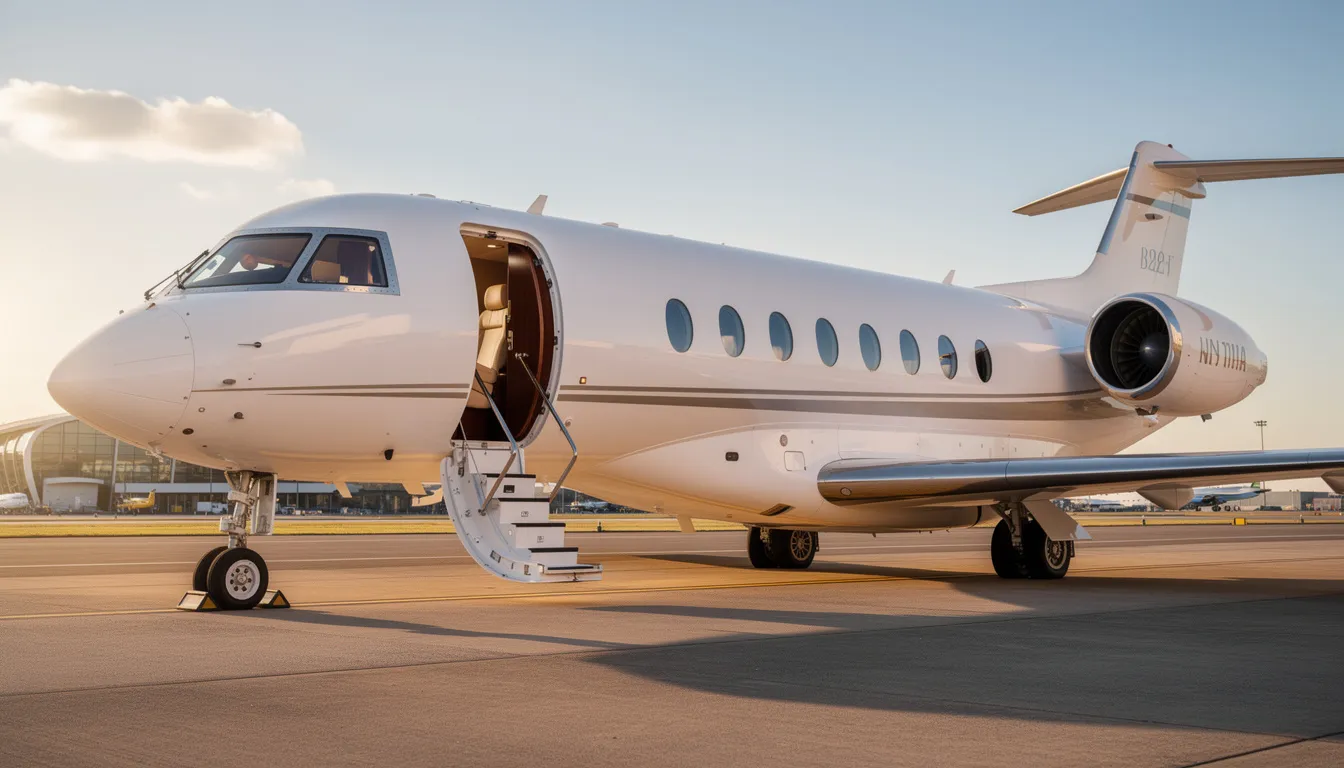
12-seater private jets typically fall into the super-midsize and heavy jet categories, offering a balance of range, comfort, and mission flexibility. Common models include:
Gulfstream GIV-SP
Dassault Falcon 900
Bombardier Challenger 850
Embraer Legacy 600
Cessna Citation Longitude
These jets are designed to accommodate between 8 and 16 passengers, with super mid-size jets typically seating 8 to 12 and heavy jets carrying 10 to 16 passengers. Amenities often include a mini galley, private lavatory, lie-flat seats, Wi-Fi, and spacious cabins that allow for movement and socialization.
Cabin and Range Expectations
Cabin height: ~6 ft
Range: 3,000–6,000 nautical miles (flight distance varies by aircraft type)
Cruising speed: ~500–560 mph
Amenities: Full galley, enclosed lavatory, lie-flat seats, Wi-Fi, baggage hold accessible during flight
New 12-seater jets: $20 million to $70 million+, depending on aircraft size and customization
Pre-owned (5–10 yrs old): $4 million to $25 million, with some models available as low as $1 million to $15 million depending on condition and flight hours
The price of a 12-seater private jet can vary widely, influenced by whether the aircraft is new or pre-owned, its age, maintenance history, and onboard features. For example, super mid-size jets tend to be priced around $20 million to $25 million, while larger heavy jets may command prices up to $70 million or more.
What Drives the Private Jet Price?
Original Equipment Manufacturer (OEM) reputation (e.g., Gulfstream vs Embraer)
Cabin upgrades and avionics, including Wi-Fi and compliance with regulations like ADS-B
Total airframe hours/cycles and maintenance pedigree
Pre-buy inspection at an independent Maintenance, Repair, and Overhaul (MRO) provider
Logbook audit for maintenance consistency and regulatory compliance
Engine program verification (e.g., JSSI, Rolls-Royce CorporateCare)
Depreciation & Resale Outlook
Expect 5–7% annual depreciation on average
High resale value for aircraft on engine programs with updated interiors
Older aircraft with obsolete avionics may incur costly upgrades
Financing and Leasing Options for 12-Seater Private Jets
For many individuals and companies, acquiring a 12-seater private jet outright isn’t always the most practical or efficient route. Financing and leasing options offer flexible alternatives, allowing you to access the benefits of private jet travel while managing cash flow and preserving capital. Understanding these options can help you tailor your private aviation strategy to your unique financial goals and travel requirements.
Financing Basics: Loans, Terms, and What to Expect
Financing a private jet typically involves securing a specialized loan to cover a significant portion of the aircraft’s purchase price. These loans are structured much like other high-value asset financings, with terms that generally range from 5 to 20 years. Interest rates can be fixed or variable, depending on the lender and your financial profile. Most lenders require a down payment of 10% to 20% of the purchase price, and the approval process involves a thorough review of your financial standing. Expect to provide detailed personal or business financial statements, proof of income, and information about your assets and liabilities. The aircraft itself often serves as collateral, and lenders may also consider the aircraft’s age, model, and intended usage when determining loan terms.
Leasing vs. Buying: Pros, Cons, and Cost Implications
Leasing a private jet is an appealing option for those who want the advantages of private jet access without the long-term commitment or substantial upfront investment of ownership. With a lease, you pay a set monthly fee to use the aircraft for a defined period—often with the flexibility to upgrade or return the jet at the end of the term. Leasing can help you avoid tying up capital and may include maintenance and management services, reducing some ongoing expenses. However, monthly lease payments are typically higher than loan payments for the same aircraft, and you won’t build equity in the jet. In contrast, buying a private jet means you own the asset outright, which can offer long-term value and full control over customization and usage. Ownership, however, comes with significant initial costs and ongoing expenses such as maintenance, insurance, hangar fees, and crew salaries. The right choice depends on your travel frequency, financial strategy, and desire for flexibility versus long-term investment.
How to Qualify and What Lenders Look For
Qualifying for private jet financing or leasing requires a strong financial profile and thorough documentation. Lenders and lessors will assess your credit history, income stability, and overall net worth. For businesses, expect to provide recent financial statements, tax returns, and details about your company’s operations and management. Individuals should be prepared with personal financial statements, proof of income, and a clear outline of assets and liabilities. The private jet itself is also evaluated—lenders consider the aircraft’s value, age, and maintenance history, as well as how it will be managed and operated. A well-prepared application, possibly supported by an experienced aviation finance broker, can streamline the process and improve your chances of approval. Demonstrating a clear plan for aircraft management and ongoing expenses will further reassure lenders of your ability to meet financial obligations.
By exploring financing and leasing options, you can enjoy the advantages of private jet travel while optimizing your financial resources and maintaining flexibility for future needs.
How Much Is Private Jet Rental and Chartering a Private Jet
On-Demand Private Jet Charter Explained
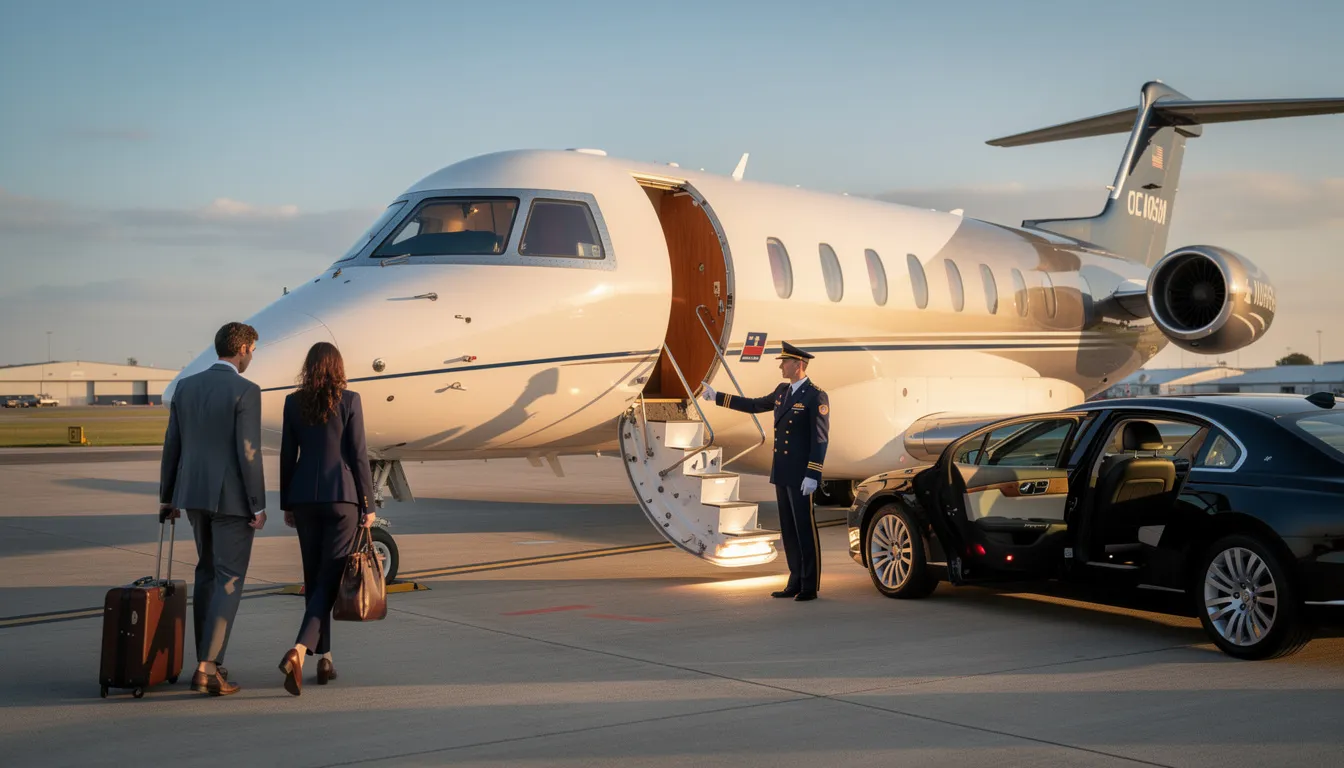
Chartering offers non-committal access to a 12-seat private aircraft, perfect for:
One-off international flights and domestic flights
Short-notice business needs
Events, weddings, or sports travel
Private jet charter pricing is charged on an hourly basis, with additional fees for repositioning legs, fuel surcharges, government taxes, and crew wait time.
Avoids maintenance, crew management, and depreciation
Flexibility to choose preferred aircraft per mission and adjust for flight distance
Typical Hourly Rates for 12-Seater Jets
Renting or chartering a 12-seater jet ranges from approximately $5,500 to $15,000+ per hour.
Hourly rates for a 12-seat jet typically range from $7,000 to $20,000+ per billable flight hour.
For a 12-passenger jet, hourly rates can vary between $5,500 and $22,000 per hour depending on the aircraft type and additional services.
The cost to rent a private jet overall varies from $2,000 to $14,000 per billable flight hour, with smaller jets starting around $3,000 to $5,000 per hour.
Larger or ultra-long-range jets can command hourly charter rates exceeding $20,000.
What’s Included in Private Jet Rental Prices
Entire aircraft rental, including crew salaries and expenses
Fuel (unless listed separately with fuel surcharges due to fluctuating fuel prices)
Basic catering and ground transportation
Standard airport fees, such as landing fees and hangar fees
Billable flight time includes positioning and airborne time, usually billed wheels-up to wheels-down
Additional Costs to Consider
Fuel surcharges can add $600 to $900 per hour or more depending on aircraft size.
Federal Excise Tax (7.5%) applies to all US domestic flight legs.
Landing fees vary by airport, typically ranging from $150 to $500 based on aircraft size and weight.
Short leg fees apply to larger aircraft for flights under a specified duration to offset fuel burn and maintenance.
Aircraft positioning fees cover the cost to reposition the plane for your departure.
Crew overnight expenses and wait time fees per crew member may apply.
International fees, including landing permits, overflight permits, customs, and immigration fees, can add $500 to $5,000 or more depending on the route.
Wi-Fi fees range from $3.00 to $8.50 per megabyte depending on region.
Ground transportation can cost anywhere from $100 to $1,000 or more per reservation.
Custom in-flight catering costs typically range from $600 to $1,000 for lunch for four passengers.
How to Save on Charter Costs
Booking during off-peak times can yield significant cost savings due to lower demand.
Empty leg flights offer discounts up to 75% off standard private jet charter prices by filling repositioning flights.
Right-sizing the aircraft to your passenger count and mission avoids overpaying for larger jets.
Combining travelers to split costs efficiently.
Sample Price Scenarios: Short Hop, Transcontinental, Ultra Long Range
A 2-hour flight on a light jet like a Phenom 300 (7-seater) may cost around $3,800 per hour plus fees.
Cross-country mid-size jets like the Citation Sovereign can cost around $7,000 per hour.
Ultra-long-range jets such as the Gulfstream G650 can cost $12,000 to $18,000 per hour, with total trip costs exceeding $200,000 for long-haul flights including fuel stops and fees.
Private Jet Ownership: Operating Costs and Comparison
Annual Operating Cost Breakdown (12-Seater)
Crew salaries & training: $800,000+
Fuel: $400,000–$600,000 (subject to fuel price fluctuations)
Maintenance & inspections: $350,000+
Hangar fees: $100,000+ (heated hangars help avoid deicing costs)
Insurance: $80,000+
Aircraft management: $100,000–$200,000
Total: Approximately $2 million to $4 million per year, depending on aircraft size and usage
Ownership vs. Charter Cost Per Hour
Private jet ownership costs typically range from $7,000 to $14,000 per hour (all-in).
Jet card programs offer hourly rates between $8,500 and $12,000.
Commercial first-class international flights cost approximately $1,200 to $3,000 per hour.
Fixed and Variable Costs
Fixed costs, including crew salaries and maintenance, are about $1 million to $1.2 million annually.
Variable costs run roughly $4,000+ per flight hour, driven by fuel consumption and maintenance reserves.
When Ownership Makes Financial Sense
If you fly more than 200 hours per year, ownership may be more cost-effective than chartering.
For infrequent travelers, chartering remains the more economical and flexible option.
Factors Influencing Private Jet Charter Costs
Aircraft categories and size significantly affect hourly rates.
Newer aircraft command higher hourly rental rates than older planes.
Billable flight time includes positioning and airborne time, billed wheels-up to wheels-down.
Additional fees such as landing fees, government taxes, and handling charges can add 10–20% to base charter costs.
International flights involve extra fees for permits, customs, and head taxes.
Fuel surcharges fluctuate with market prices.
Short leg fees help offset increased fuel consumption and maintenance from frequent takeoffs and landings.
Ground transportation, catering, and Wi-Fi add to the total cost.
Conclusion
Whether you decide to rent, charter, lease, or buy a 12-seater private jet depends largely on your flying frequency, budget, and travel preferences. For those flying fewer than 150–200 hours annually, chartering or renting offers flexibility and cost savings. For frequent flyers exceeding 200 hours per year, ownership becomes increasingly viable, offering control and personalization despite higher fixed costs.
Understanding the full spectrum of costs—including hourly rates, additional fees, and ongoing expenses—is essential to making an informed decision. Working with a reputable private jet charter company and trusted aircraft management professionals can help you navigate options and optimize your private aviation experience.


 Sign up with google
 Sign up with Apple