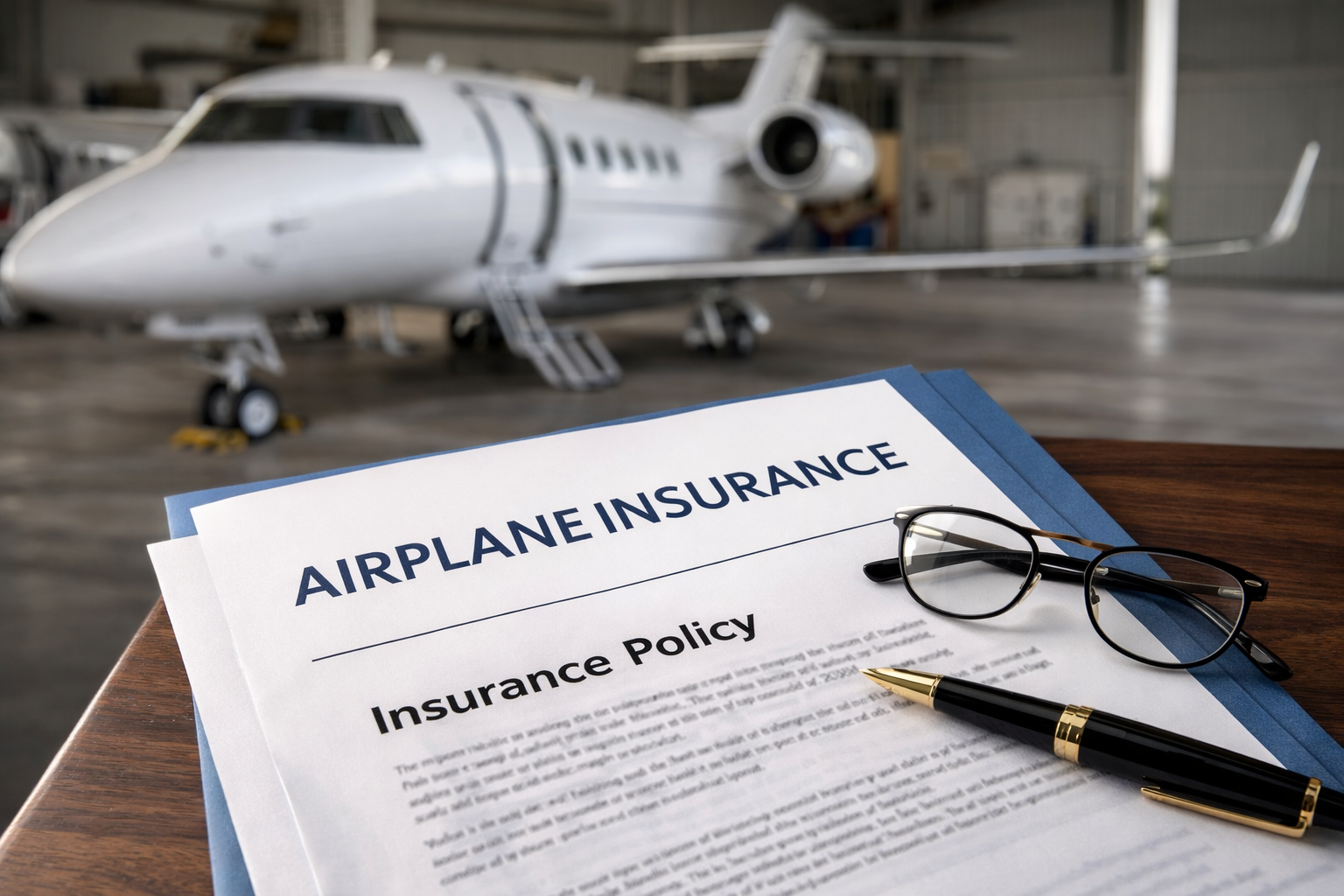
Insurance for Airplanes: Comprehensive Aviation Insurance Guide
February 7, 2026
For aircraft owners and operators, insurance isn’t just a regulatory formality — it’s a strategic layer of protection that ensures long-term sustainability and financial security in your flight operations. As an experienced aircraft insurance company and strategic insurance partner, BlackJet brings decades of expertise in providing specialized insurance for various types of aircraft, from light sport planes to commercial fleets. Whether you’re flying a single light sport aircraft or managing a fleet in the commercial aviation industry, understanding your aviation insurance options is critical to protecting your substantial investment.
This comprehensive guide explores tailored insurance coverage, policy types, coverage details, pricing factors, and expert advice to help you safeguard your aircraft and financial future with confidence. Working with a specialized aviation broker can provide you with access to personalized insurance solutions and expert support tailored to your unique aviation needs.
Aircraft Insurance Overview for Aircraft Owners
What Is Aircraft Insurance?
Aircraft insurance is a specialized form of coverage designed to protect aircraft owners and operators against financial claims relating to aircraft damage, potentially costly legal liabilities, and operational risks. These policies provide precise coverage tailored to a variety of scenarios—from in-flight accidents and ground-handling incidents to third-party property damage. Aviation insurance offers protection not only for your plane but also for commercial-use drones and aviation businesses.
Who Needs It?
The primary audience for aviation insurance includes:
Private aircraft owners, including those who fly their own aircraft
Light aircraft clients, with specialized insurance solutions available for personal-use, rental, or instructional aviation
Commercial fleet operators
Flight schools and charter services, which have unique insurance needs related to operating a flight school and providing pilot training services
Pilots flying rented or borrowed aircraft
Whether you operate a Cessna 172 or a Gulfstream G650, securing coverage through major insurance companies ensures your aviation business remains protected.
Why It Matters for Light Aircraft
While the light aircraft sector has unique insurance requirements, light aircraft may have lower asset value, but the risks of unexpected repair costs, passenger liability, and other operational risks remain significant. Without proper aircraft hull insurance protection, owners face potential out-of-pocket expenses that can disrupt operations and finances. Gallagher’s Light Aircraft Insurance team provides precise coverage tailored to reflect aircraft type, usage, pilot experience, and operational risks, helping to minimize risks and position organizations for growth.
Why It Matters for Commercial Fleets
For commercial aviation operators, aviation insurance is vital to maintaining operational continuity, managing third-party exposure, and limiting financial losses. Tailored insurance coverage with high liability limits and expanded aviation coverage options is essential for fleet resilience.
Aviation Insurance Solutions and Policy Types
Core Policy Types
Aircraft insurance policies generally fall into two key categories:
Hull Insurance – Covers physical damage to the aircraft itself, whether on the ground or in flight. Ground Risk Hull Insurance specifically covers the aircraft only when it is stationary, protecting against risks like fire and theft.
Liability Insurance – Protects against financial claims arising from bodily injury, property damage, or passenger liability.
Purpose of Hull Coverage
Aircraft hull insurance protects your aircraft from damage caused by accidents, weather events, theft, or vandalism. Coverage ensures owners can repair or replace their aircraft promptly, minimizing downtime. All-Risk Insurance provides comprehensive coverage for the aircraft at all times, including when parked or in flight.
Purpose of Liability Coverage
Liability coverage protects owners and operators from claims involving bodily injury, including injuries to passengers and third parties, as well as damage to property. This coverage is critical for limiting financial claims and legal liabilities. Public Liability Insurance protects against damage to property or injury to people on the ground, while Passenger Liability coverage specifically addresses injuries or fatalities of passengers on board the aircraft. Policies typically require at least $1 million in liability coverage. Combined Single Limit (CSL) combines public and passenger liability into one overall limit per accident.
Personal vs. Commercial Use
Personal-use policies typically limit passenger liability and exclude commercial activities.
Commercial-use policies offer broader protection, including flight training, charter services, and aerial work.
Fleet Insurance Solutions
Fleet insurance provides consolidated coverage for multiple aircraft, delivering competitive premiums and streamlined administration—ideal for flight schools, charter companies, and corporate operators.
Insurance Coverage Details
Aviation insurance policies are layered and nuanced. Choosing a small insurance broker means you benefit from personalized claims support and dedicated client assistance, combining tailored service with industry expertise. Below are key coverage elements:
Aircraft Hull Insurance (Hull Coverage)
What Does Hull Insurance Cover?
Hull insurance protects against physical damage from ground collisions, weather events, and flight accidents. It may also cover specialized costs such as search and rescue operations or emergency landing fees.
Hull Coverage Limits
Limits are based on the aircraft's stated value, typically agreed with aviation insurance underwriters at policy inception. Proper valuation prevents under-insurance and facilitates swift claims settlement.
Valuation Methods
Agreed Value: The insurer pays a pre-agreed amount for a total loss, providing financial protection and certainty.
Actual Cash Value: The payment reflects the market value at the time of loss, which may lead to disputes.
Example of a Total Loss Claim
A Piper Meridian valued at $1.2M skids off a runway and is declared irreparable. Under agreed-value terms, the insurance carrier pays the full $1.2M, enabling quick replacement.
Liability Insurance for Aircraft Owners
Scope of Liability Coverage
Liability policies cover:
Injuries to passengers or third parties (both bodily injury and passenger liability)
Damage to property (buildings, other aircraft)
Legal defense costs
Typical Liability Limits
Common tiers include:
$1M per occurrence / $100k per passenger (standard for general aviation)
$5M+ per occurrence for commercial aircraft or high-net-worth owners
Third-Party Property Damage
Coverage protects against damage caused during taxiing or flight to other aircraft, airport equipment, or private property.
Coverage for Light Aircraft
Tailored Coverage Considerations
Light aircraft face unique operational risks, including bird strikes, gear failures, and training-related incidents. Light aircraft insurance options reflect these factors with specialized underwriting. Gallagher tailors small plane insurance policies to reflect these unique factors for light aircraft clients, ensuring coverage protects owners effectively.
Light Sport Aircraft
LSA policies emphasize liability coverage with lower hull limits, given their design and pilot profiles.
Experimental Aircraft
Experimental aircraft require customized policies, often limiting usage to named pilots and mandating additional inspections.
Minimum Pilot Requirements
Insurance companies often require:
Minimum 200 hours total flight time
25 hours in make/model
Recent flight reviews or checkouts
Additional Coverages and Endorsements
Common Endorsements
Medical Payments (Med Pay) — covers medical expenses for passengers regardless of fault.
Personal Effects Coverage — reimburses damaged personal belongings.
Hangar Keepers Liability — protects against damage while the aircraft is stored.
Non-Owned Aircraft Coverage — for pilots flying rented or borrowed planes.
Aircraft Hull Insurance and Hull Coverage Comparisons
Comparing Coverage Limits
Some insurers offer higher limits for newer aircraft; others cap hull value based on age or flight hours.
Repair vs. Replacement
Policies may default to repair unless costs exceed a threshold or provide new-for-old replacement for younger aircraft.
Agreed vs. Actual Cash Value
Agreed value policies provide financial certainty, while actual cash value may require appraisals and risk underpayment.
Liability Insurance Limits and Risk Management
Standard Limit Tiers
Entry Level: $1M per occurrence / $100k per passenger
Executive Tier: $5M–$10M
Fleet Operators: $25M+
If you're interested in how these tiers relate to pilot earnings, check out our Private Jet Pilot Salary Guide for more information.
Pilot Risk Management Practices
Regular recurrent training
Flight data monitoring
Currency in type and recent experience
Premium Reduction Strategies
FAA WINGS program participation
Accident-free history
Hangaring aircraft
Higher deductibles and deductible waiver programs
Deductibles affect annual premiums; higher deductibles generally result in lower premiums, making it important to balance risk tolerance with cost.
Insurance Solutions for Aircraft Owners and Operators
When considering insurance for airplanes, it is crucial to select an experienced aviation insurance company or insurance company that specializes in comprehensive protection for aircraft owners and operators. This ensures you receive the right coverage tailored to your specific needs.
Custom Solutions for Owners
Tailored insurance coverage options combine hull, liability, medical, and non-owned coverage under flexible policies. Gallagher’s Light Aircraft Insurance team provides strategic and proactive solutions that continue meeting business obligations while improving pilot safety.
Non-Owned Aircraft Insurance
Ideal for club pilots or occasional flyers, covering liability and optional hull coverage on borrowed aircraft.
Renters Insurance
Affordable liability coverage for student pilots or occasional flyers, often under $200/year.
Fleet Insurance for Operators
Fleet policies offer consolidated premiums, administrative efficiency, and reduced overhead.
Bundled Administration
Working with one insurance carrier across lines simplifies compliance and renewals.
Specialized Aviation Insurance Solutions
Drones and UAS Coverage
Policies cover third-party liability, payload protection, and privacy invasion defense for commercial drones.
Flight Schools and Training Programs
Coverage includes student mishaps, instructor negligence, and training aircraft hull insurance.
Aircraft Manufacturing and Maintenance Liability
Policies address defects, product liability, and damages from service errors.
Claims Support and Post-Accident Assistance
Claims Process
Navigating the aviation claims process can be complex, requiring detailed documentation and ongoing communication with the insurance provider. Gallagher provides personalized assistance through every stage of the aviation claims process, with an in-house claims advisor working directly on behalf of clients. This dedicated support helps reach a resolution swiftly and effectively, minimizing disruption and stress for aircraft owners and operators.
Documentation Required
Pilot logs
Maintenance records
Weather data
Incident reports and photos
Typical Timeline
Simple claims resolve in 2–4 weeks; complex cases may take 60–90 days.
The process of obtaining quotes for aircraft insurance can be simplified through online platforms, allowing you to compare proposals from multiple major insurance companies efficiently.
Compare Proposals
Review 3–5 quotes from major insurance companies, noting liability limits, pilot restrictions, deductibles, and endorsements.
Negotiate Terms
Underwriters may adjust pilot requirements, deductibles, and policy language.
It is advisable to review and re-evaluate insurance policies annually, especially as pilot hours increase and aircraft value changes, to ensure coverage remains appropriate and affordable.
Pricing, Underwriting Factors, and Discounts
What Affects Premiums?
Aircraft age and type
Pilot experience
Hangared vs. tied-down
Claims history
Intended use
Higher-value and more complex aircraft carry higher insurance premiums.
Underwriting Requirements
Current airworthiness certificate
Maintenance compliance
Clean safety record
Common Discounts
Loss-free renewal
Multi-policy bundling
Pilot safety program completion
Higher deductibles
FAQ and Resources for Aircraft Owners
Is aircraft insurance required by law?
Not federally in the U.S., but often required by lenders, hangars, or FBOs.
Can I insure an aircraft I don’t own?
Yes, through non-owned or renter’s insurance policies.
How do I reduce my insurance premiums?
Improve pilot experience, maintain a clean record, complete safety programs, and hangar your aircraft.
Aircraft ownership is a substantial investment deserving unparalleled insurance protection. Whether operating a single light aircraft or managing a commercial fleet, tailored insurance coverage ensures financial protection, operational continuity, and peace of mind.
Leading aviation insurance providers like Gallagher, Skywatch, and BWI specialize in delivering comprehensive insurance solutions. Gallagher’s deep industry knowledge and status as the only aviation broker with an in-house claims advisor exemplify the quality of service available. Skywatch offers extensive coverage for private aircraft owners across a wide range of light aircraft, while BWI provides a broad spectrum of insurance solutions addressing personal and commercial aviation risks.
Discover how BlackJet supports safe, certified, and reliable travel. Explore aviation insurance solutions that prioritize safety, compliance, and premium service.


 Sign up with google
 Sign up with Apple