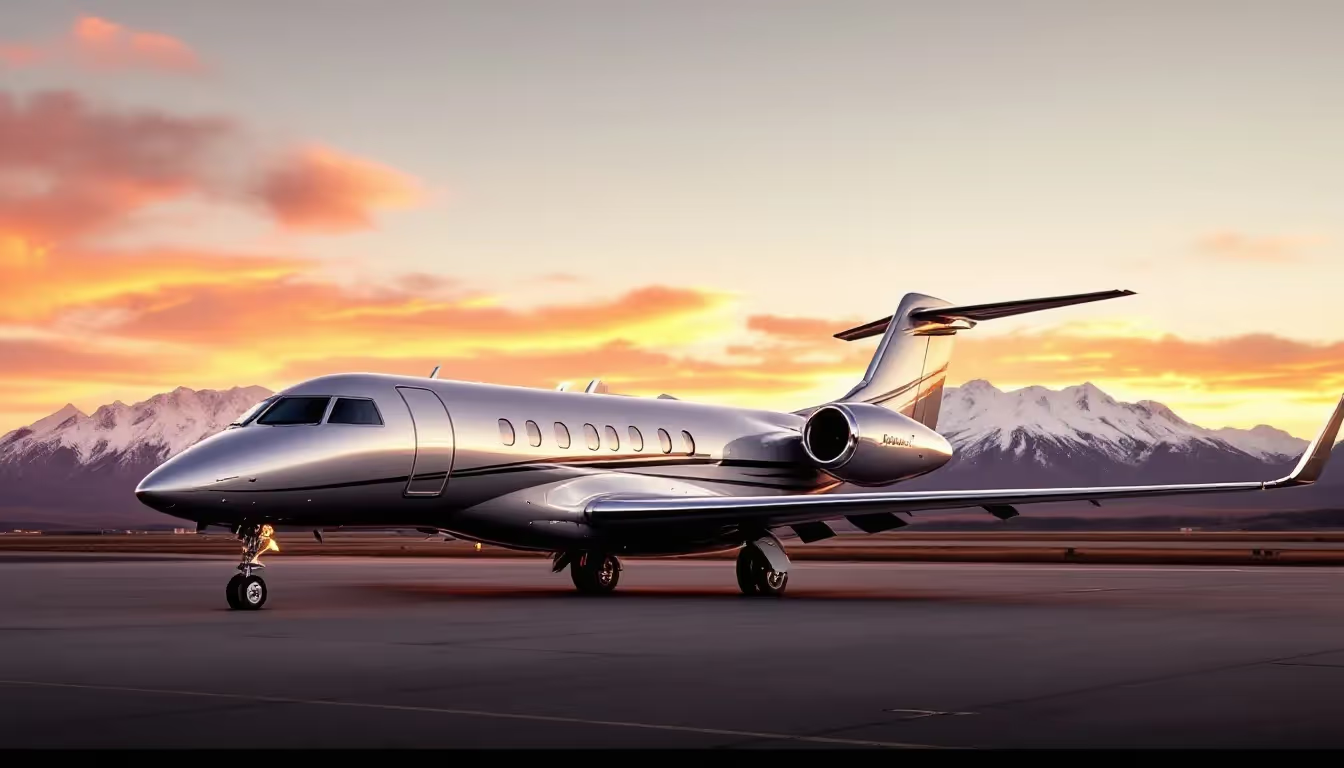
Private jets represent the pinnacle of personalized air travel, offering a level of flexibility, comfort, and convenience that commercial flights simply can’t match. Whether you’re flying for business or leisure, private jet travel allows you to bypass long security lines, avoid crowded terminals, and set your own schedule. With a diverse range of aircraft types available—from nimble light jets ideal for short hops to midsize jets and ultra long-range jets capable of intercontinental journeys—there’s a private jet solution for virtually every travel need. Hourly rates for smaller jets start around $2,000, while larger jets can cost up to $14,000 or more per hour. Jet ownership and private jet rentals both provide access to this exclusive world, making it possible to tailor your travel experience to your exact preferences. Understanding the nuances of private jet travel, including the various aircraft types and associated costs, is essential for anyone considering making the leap from commercial flights to the world of private aviation.
Key Takeaways
Private jet charter costs range from $2,000 to $23,000+ per flight hour, depending on aircraft size and category
Light jets start around $2,000-4,000/hour, while ultra-long-range jets cost $8,000-14,000/hour domestically
Ownership becomes cost-effective only when flying 200+ hours annually, with annual costs reaching $500,000-1,000,000
Additional fees include Federal Excise Tax (7.5%), landing fees ($100-1,500), and potential positioning costs
International flights can add $500-5,000+ in permits, customs, and head tax fees
Additional costs like catering, ground transportation, and Wi-Fi can significantly impact the total cost of a private jet charter
The world of private aviation presents a complex landscape of pricing options that can seem overwhelming at first glance. From turboprops starting at $2,000 per flight hour to VIP airliners commanding $23,000+ hourly, the private aircraft price spectrum spans an incredible range that reflects the diverse needs of today’s discerning travelers. The cost of chartering a jet for a week can range from tens of thousands to several hundred thousand dollars, depending on the aircraft type and itinerary.
Understanding these costs requires more than simply looking at hourly charter rates. The true private aircraft price encompasses everything from government taxes and landing fees to crew costs and international permits. Whether you’re considering occasional charter flights or evaluating private jet ownership, having a comprehensive grasp of all expenses ensures you make informed decisions that align with your travel patterns and budget.
BlackJet’s approach to refined, meaningful travel has revolutionized how we think about private aviation accessibility. By eliminating the complexities traditionally associated with private jet travel while maintaining the highest standards of luxury and service, they’ve created a new paradigm that focuses on the experience rather than the operational burdens.
Private Aircraft Charter vs Ownership Costs
The fundamental decision between chartering and purchasing a private jet hinges on annual flight hours, with the break-even point typically occurring around 200 flight hours per year. For an aircraft owner, this calculation becomes critical when evaluating the total cost of private aviation access, as they must manage ongoing operational expenses, customization, and long-term financial commitments. Crew salaries for private jets can vary widely, ranging from $50,000 to over $300,000 per year based on experience and role, further influencing the overall cost of ownership.
Charter arrangements offer maximum flexibility without the substantial upfront investment required for aircraft ownership. The private jet rental model allows travelers to select the optimal aircraft type for each specific trip, whether that’s a light jet for short regional flights or an ultra-long-range aircraft for international travel. Rental costs are a key consideration, as they vary based on aircraft type, duration, and additional services. Annual recurring costs for jet operations can generally range from $500,000 to $1 million, influenced by the age and condition of the aircraft. Chartering a private jet through aircraft operators provides convenience and efficiency, with the added benefit of avoiding the responsibilities and ongoing operational expenses faced by aircraft owners. This flexibility proves particularly valuable for travelers with varying route requirements and passenger counts, and can result in significant cost savings compared to ownership.
Private jet ownership, conversely, requires substantial capital commitment beyond the initial purchase price. Aircraft owners and jet owners must consider not only the purchase price—ranging from $2 million for entry-level very light jets to over $100 million for the most advanced ultra long range jets or VIP-configured airliners—but also the ongoing costs of customization and maintenance. Depreciation affects the resale value of private jets, which typically lose about 10% of their initial purchase price annually. Fuel costs can account for 25-35% of total operational expenses for private jets, making them a significant factor in the overall cost of ownership. The Cirrus Vision Jet SF50, for example, represents the most affordable new private aircraft at approximately $3.5 million, while the Bombardier Global 8000 commands $78 million for its exceptional 8,000-nautical-mile range and Mach 0.94 cruise speed.
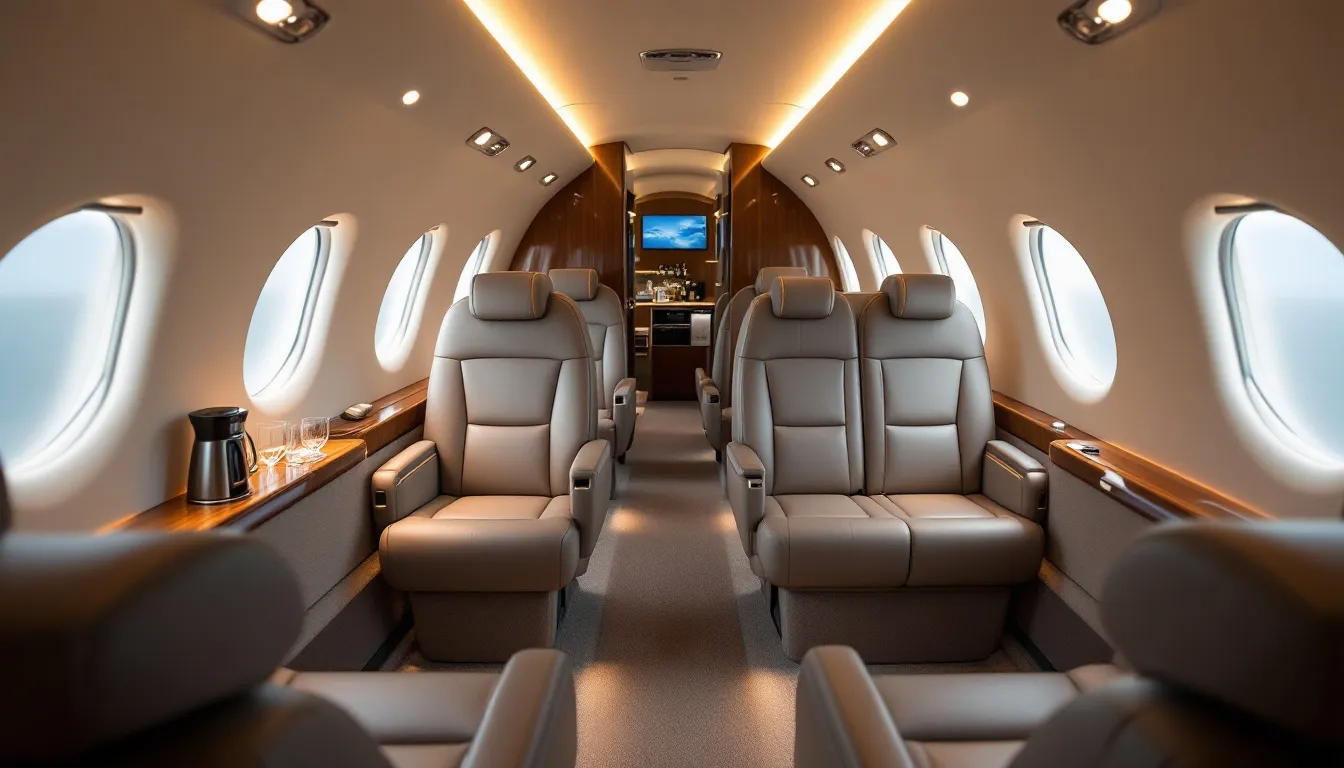
Annual private jet ownership costs typically consume $500,000 to $1,000,000 regardless of flight activity, encompassing crew salaries, insurance premiums, hangar fees, scheduled maintenance, and regulatory compliance. Maintenance can be about 10% of the jet's purchase price annually, covering inspections, parts, and repairs. Typical fuel costs for a light jet can reach $1,100 per flight hour, while larger jets can cost over $2,700 per hour, further adding to the operational expenses. These fixed and variable operational expenses persist whether the aircraft flies 50 hours or 500 hours annually, making ownership economically challenging for occasional users. Aircraft owners must also be vigilant about hidden fees that can arise from unexpected maintenance, regulatory changes, or service charges.
The used private jet market offers more accessible entry points, with pre-owned aircraft like the Dassault Falcon 50 available for $1.5-2.5 million. However, aircraft owners often face higher maintenance costs and upgrade requirements, as older aircraft may require significant avionics upgrades and may face higher maintenance costs, impacting the total ownership equation. It is recommended to conduct a pre-buy inspection when considering a pre-owned aircraft to evaluate needed maintenance investments.
BlackJet’s refined approach to meaningful travel eliminates these ownership complexities entirely. By providing access to diverse aircraft types without the burden of crew management, maintenance scheduling, or regulatory compliance, travelers can focus exclusively on their journey rather than operational concerns. Unlike jet owners, who must manage ongoing expenses and customization, chartering a private jet through BlackJet offers a service-centric solution with fewer responsibilities and greater flexibility. This model represents the evolution of private aviation toward service-centric rather than asset-centric solutions, allowing travelers to avoid many of the hidden fees and long-term commitments associated with ownership.
Jet Rental Options
When it comes to accessing a private jet, travelers have several rental options to choose from, each designed to suit different needs and budgets. On-demand charter flights are the most flexible, allowing you to book a private jet for a single trip without any long-term commitment. This option is ideal for those who value flexibility and only require a few flight hours per year. For more frequent flyers, jet cards offer a prepaid solution with guaranteed aircraft availability and fixed hourly rates, making budgeting for private jet travel more predictable.
Fractional jet ownership offers a more personalized experience, providing you with a share of a specific aircraft and access to a fleet, often accompanied by enhanced concierge services and additional amenities. When selecting a private jet rental option, it’s important to consider factors such as your expected flight hours, preferred aircraft type, and the value of additional services like ground transportation and in-flight concierge support. Each jet rental model offers unique advantages, so evaluating your travel patterns and service expectations will help you find the best fit.
Factors Determining Private Aircraft Pricing
Multiple interconnected variables influence private aircraft price structures, creating a dynamic pricing environment that requires careful consideration for optimal value. Understanding these factors enables more strategic decision-making and better cost predictions.
Aircraft type represents the primary pricing determinant, with larger aircraft commanding higher hourly rates due to increased fuel consumption, crew requirements, and operational complexity. For example, a large jet or large jets typically have higher operational costs and hourly rates compared to a midsize jet, reflecting their greater capacity, longer flight range, and increased maintenance needs. However, the relationship between aircraft size and flight cost isn’t strictly linear, as efficiency factors and passenger capacity create varying value propositions across different aircraft categories.
Flight distance significantly impacts total charter costs through fuel burn calculations and positioning requirements. Flight range is a critical factor in selecting the right aircraft for your journey, ensuring the aircraft can complete the route efficiently. Short flights may trigger daily minimums or short leg fees, while longer flights typically offer better value per mile traveled. The positioning of aircraft—moving empty to pick up passengers—can add substantial costs to one-way trips, making round-trip arrangements more economical.
Peak demand periods create substantial pricing variations, with holiday travel commanding premium rates. Thanksgiving, Christmas, and New Year periods often see 25-50% rate increases due to limited aircraft availability. Similarly, major sporting events like the Super Bowl or the Masters Tournament create regional demand spikes that affect pricing in specific markets. Your preferred travel dates can significantly affect the price of a private jet flight, as seasonal demand and availability play a major role in determining final costs.
Aircraft Categories and Hourly Rates
The private aviation market segments aircraft into distinct categories, each serving specific mission profiles and passenger requirements while commanding corresponding rate structures.
Turboprops occupy the entry-level position at $2,000-3,500 per flight hour, ideal for short regional flights up to 1,000 miles. These aircraft excel in accessing smaller airports with shorter runways, making them valuable for reaching destinations inaccessible to larger jets.
Light jets represent the most popular charter segment, priced at $2,500-4,500 hourly for 4-8 passengers with ranges up to 1,500 miles. The HondaJet HA-420, priced at $5.9 million new, exemplifies this category with its efficient design and owner-pilot capabilities. Very Light Jets typically start around $2 to $5 million, while Light Jets range from $5 to $15 million and Midsize Jets can cost between $15 and $35 million. These aircraft provide excellent value for business trips and short getaways.
A midsize jet commands $4,000-7,000 per hour while accommodating 6-9 passengers with 2,500-mile range capabilities. The Embraer Phenom 300E, popular in charter fleets, offers transcontinental US capability with enhanced comfort features that justify higher hourly rates. Midsize jets are a cost-effective choice for those needing more space and range than light jets, but without the higher costs of large jets.
Super midsize jets bridge the gap to heavy aircraft at $5,500-8,500 hourly, seating 8-10 passengers with improved range and cabin amenities. These aircraft often provide the optimal balance of cost and capability for many charter clients.
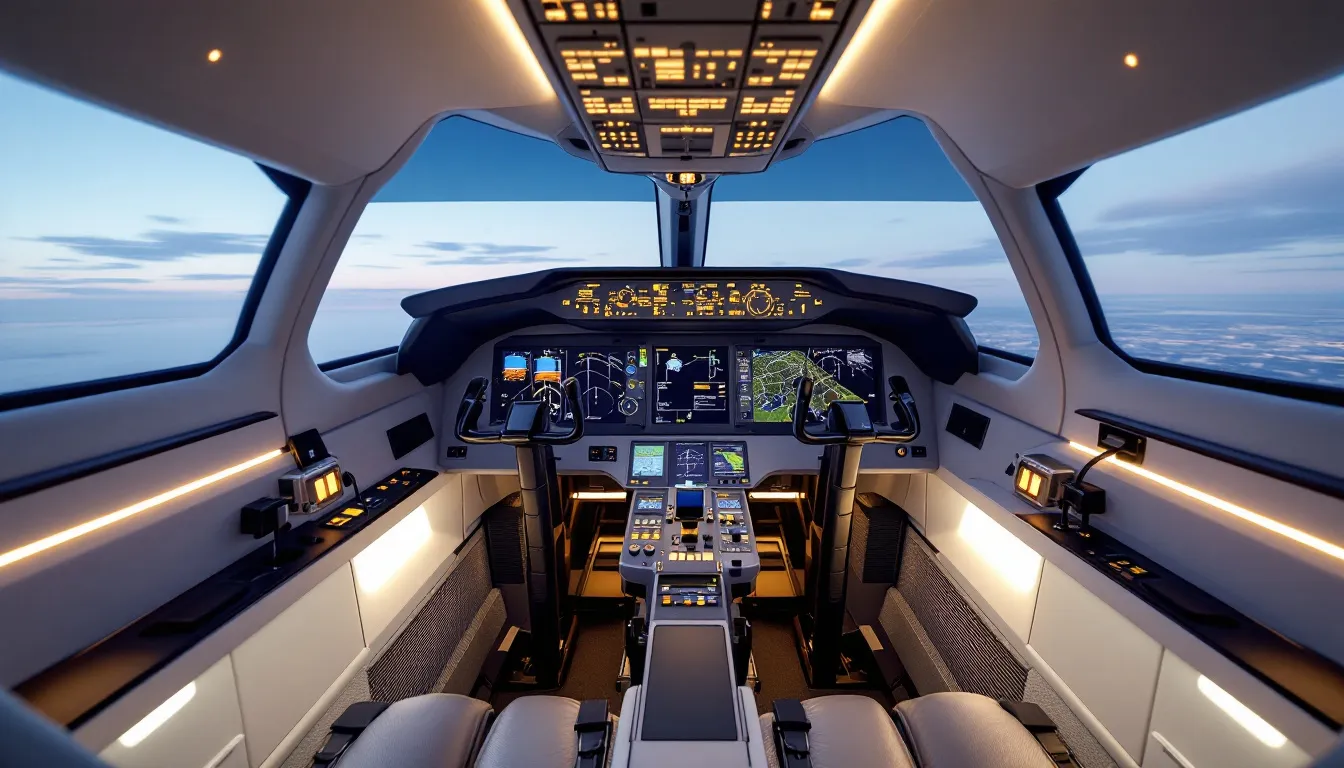
Heavy jets serve the premium market at $6,500-11,000 per hour, accommodating 10-16 passengers for long-haul flights. A large jet typically falls into this category, making it suitable for extended international journeys. The Dassault Falcon 2000LXS, priced at approximately $36 million new, represents this category’s blend of range, comfort, and prestige. Large jets offer spacious interiors and extended range for international travel, but their higher hourly fuel costs and increased annual expenses—such as hangarage, crew, and insurance—make them more expensive to operate and maintain compared to smaller aircraft.
Ultra-long-range jets command top-tier rates of $8,000-14,000 hourly for intercontinental travel up to 7,000 miles. The Gulfstream G700 and Global 8000 define this category, offering the capability for non-stop flights between virtually any city pairs worldwide.
VIP airliners represent the pinnacle at $16,000-23,000 hourly, providing airline-style amenities for large groups. These converted commercial aircraft offer unmatched space and luxury but require substantial operational expertise and airport infrastructure.
Flight Distance and Time Considerations
Flight distance calculations extend beyond simple point-to-point mileage, incorporating factors that significantly impact total charter costs and aircraft selection decisions.
Billable flight time encompasses wheels-up to wheels-down duration plus any required positioning flights. When aircraft must relocate empty to begin a charter, those positioning costs transfer to the client, potentially doubling trip expenses for one-way travel to remote destinations.
Daily minimums protect operators from inefficient aircraft utilization, typically requiring 1.5-2 hours for light jets and 2.5-3 hours for larger aircraft. Short flights under these minimums still incur full daily minimum charges, making brief hops potentially expensive relative to the distance traveled.
Short leg fees address the economic reality that brief flights generate disproportionate fuel burn during takeoff and climb phases. These fees ensure operators maintain profitability on flights that might otherwise lose money despite high hourly rates.
Longer flights generally provide superior value per mile as aircraft reach optimal cruise altitudes and speeds. However, longer flights may require larger aircraft with higher hourly rates to complete missions without fuel stops, creating a complex optimization equation. Flight range is a key factor in determining which aircraft can complete certain routes non-stop, making it essential to consider when planning long-distance or intercontinental travel.
Peak Demand and Seasonal Pricing
Private aviation pricing fluctuates significantly based on seasonal demand patterns and special events that strain aircraft availability across different markets.
Major holidays create the most predictable pricing premiums, with Thanksgiving week representing the year’s peak demand period. The Christmas and New Year periods similarly command premium rates as both business and leisure travelers seek to maximize their holiday time.
Summer travel to popular destinations like the Hamptons, Martha’s Vineyard, or European vacation spots sees sustained rate increases throughout the season. These destinations often have limited airport slots and aircraft availability, creating natural pricing pressure.
Sporting events generate intense but localized demand spikes. Super Bowl weekend can see 200-300% rate increases in the host city as aircraft availability becomes severely constrained. Similar patterns occur around the Masters Tournament, major tennis tournaments, and championship games.
Weather-related disruptions in commercial aviation create sudden private jet demand surges as travelers seek alternatives to cancelled flights. These unpredictable events can temporarily drive rates significantly higher as available aircraft become scarce.
Ultra Long Range Flights: Special Considerations and Costs
Ultra-long range flights open up the world, enabling non-stop travel between continents and remote destinations. However, these extended journeys come with unique considerations that can significantly impact private jet cost. The flight distance and duration often require specialized aircraft types equipped for ultra-long range performance, which command premium rates—typically ranging from $10,000 to $50,000 or more per hour.
In addition to the higher base charter rates, travelers must account for international landing permits, variable airport fees, and increased crew costs, as longer flights may require additional crew members and rest periods. Fuel costs and surcharges can also fluctuate dramatically on these routes, especially with changing global fuel prices. Navigating the complexities of ultra long range private jet travel—such as securing landing permits and managing international regulations—requires the expertise of a seasoned jet charter provider. By working with experienced professionals, you can ensure a seamless, comfortable, and efficient ultra-long-range flight experience.
Additional Fees and Government Charges
Beyond base hourly rates, private aircraft charter involves numerous additional costs that can substantially impact total trip expenses. Travelers should be aware of hidden fees that may not be included in initial quotes, such as fuel surcharges, airport fees, and other miscellaneous expenses. Providing in-flight catering is an optional service that can affect the total cost of renting private jets, with costs varying based on the level of service and menu selection. Understanding these fees enables accurate budgeting and prevents surprise charges that could affect travel decisions.
The comprehensive fee structure reflects the complex regulatory environment surrounding private aviation, with government agencies at multiple levels imposing taxes and charges designed to fund aviation infrastructure and oversight activities. For example, landing fees are typically set and charged by the airport authority, and international airports often have higher fees due to increased infrastructure and regulatory requirements.
International travel particularly multiplies fee structures as multiple countries impose their own tax regimes, permit requirements, and operational charges. These costs can sometimes exceed the base charter rate for shorter international flights, making fee awareness critical for accurate trip budgeting. Aircraft operators may include these additional charges, such as fuel surcharges during periods of high fuel prices, in the final bill.
Mandatory Government Fees
Government-imposed charges represent unavoidable costs that apply systematically across different flight types and destinations, creating predictable expense categories for charter planning.
Federal Excise Tax applies to all domestic US flights at 7.5% of the total charter cost, automatically included in charter quotes. This substantial tax reflects the federal government’s approach to funding aviation infrastructure through user fees rather than general tax revenue.
The US Segment Fee charges $5.00 per passenger per flight leg in 2025, adding modest but consistent costs to domestic travel. This fee funds Transportation Security Administration operations and airport security infrastructure.
International flights trigger the International Head Tax of $22.20 per passenger for flights to or from the United States. Alaska and Hawaii flights incur a reduced Head Tax of $11.10 per passenger, reflecting their unique geographic positions within the US aviation system.
European destinations may impose additional luxury taxes, with Italy charging €100-200 per passenger depending on flight distance. These taxes specifically target private aviation as a form of luxury consumption, generating revenue while potentially discouraging excessive private jet use.
Airport and Operational Fees
Airport-specific charges vary dramatically based on facility size, location, and aircraft weight, creating significant cost variations between different routing options.
Landing fees range from $150 at smaller airports to $1,500+ at major international hubs, calculated based on aircraft maximum takeoff weight. The airport authority determines these fees based on aircraft size and airport capacity. These fees fund runway maintenance, air traffic control, and airport infrastructure development. International airports often charge higher landing and handling fees due to their strategic locations and extensive facilities.
Ramp and handling charges typically cost $100-500 per airport visit, though many fixed-base operators waive these fees with minimum fuel purchases. These services include aircraft parking, ground power, and basic passenger assistance. Hangar costs for storing a private jet can range from $1,500 to $3,000 per month, depending on the facility and location.
Hangar fees become necessary during winter weather, overnight stops, or high-wind conditions, costing $500-1,500 per day depending on aircraft size and facility quality. Premium facilities with luxury passenger lounges command higher rates but provide superior service levels.
Deicing represents a significant winter expense, ranging from $1,500 for light jets to $15,000+ for large aircraft during severe weather conditions. Deicing is necessary to remove ice, snow, or frost from aircraft surfaces to ensure safe operations. Multiple deicing applications may be required for extended ground delays, multiplying these costs substantially.
International permits encompass landing rights, customs clearance, and immigration processing, costing $500-5,000+ depending on destination complexity and advance notice. Expedited permit processing commands premium fees but ensures smoother international operations.
Crew and Service Fees
Human factors create additional cost categories that reflect the service-intensive nature of private aviation operations, with crew-related expenses varying significantly based on trip duration and destination requirements.
Crew overnight accommodation becomes necessary when flights exceed duty time limitations or involve overnight stops, costing $200-600 per crew member per night. Premium destinations with limited hotel availability command higher crew accommodation rates.
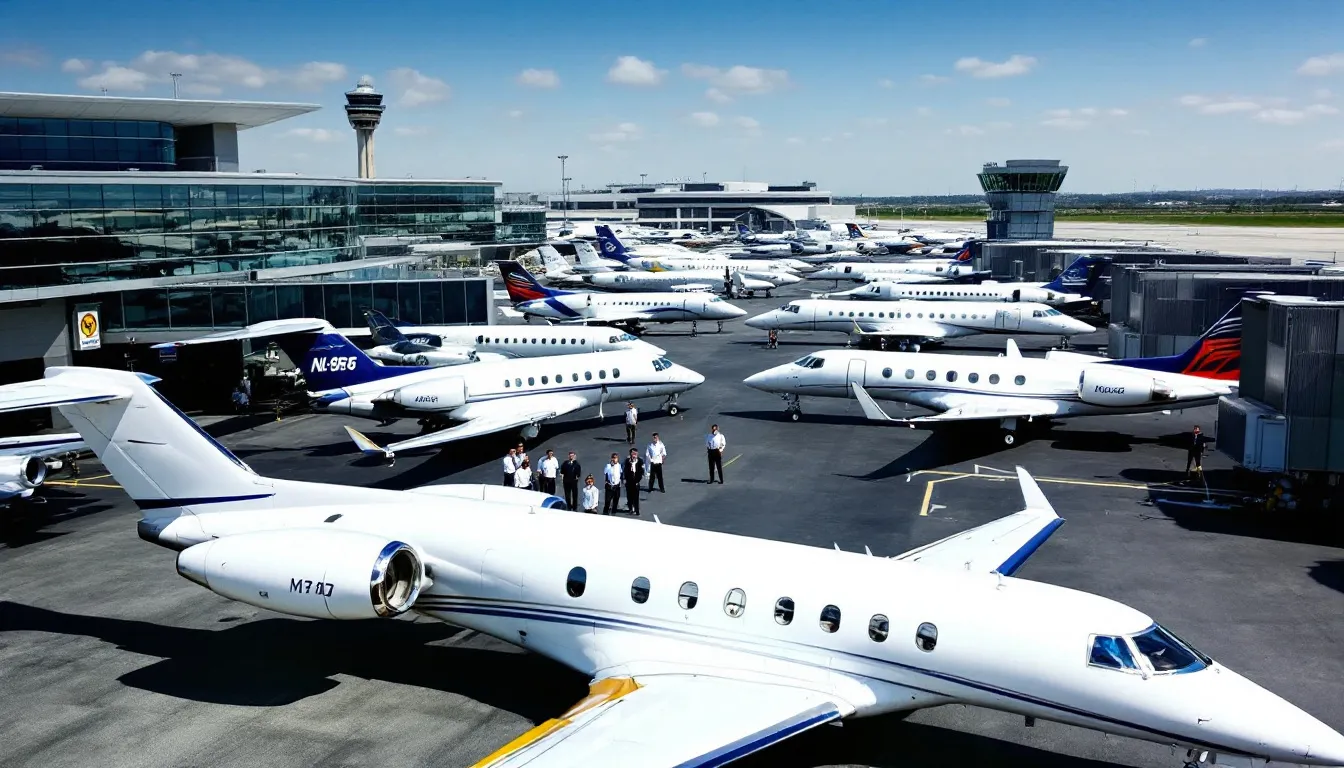
Aircraft positioning costs apply when aircraft must relocate empty to begin charter service, potentially doubling trip costs for one-way travel to remote locations. Strategic trip planning can minimize positioning through empty leg opportunities or round-trip arrangements.
Fuel surcharges fluctuate with aviation fuel prices, typically adding $300-900+ per hour during periods of price volatility. These surcharges protect operators from sudden fuel cost increases while maintaining predictable base charter rates.
Custom catering expenses range from $600 for basic meal service to $2,000+ for elaborate multi-course dining experiences. High-end catering from premium restaurants or specialized dietary requirements commands substantial premiums.
Ground transportation coordination through charter operators typically costs $180-1,000+ per reservation, depending on vehicle type and distance. Luxury transportation matching the aircraft service level maintains the seamless travel experience that private aviation clients expect.
Popular Routes and Cost Estimates
Real-world pricing examples demonstrate how theoretical hourly rates translate into actual trip costs for a private flight, illustrating the complex interplay of factors that determine final charter expenses across popular business and leisure destinations.
Route-specific analysis reveals significant cost variations based on aircraft availability, airport infrastructure, and competitive dynamics in different markets. When considering a charter flight or private jet flight, factors such as rental costs, flight range, and the selection of suitable aircraft for specific routes become crucial. Understanding these patterns helps optimize aircraft selection and routing decisions for maximum value.
The integration of all cost components—base hourly rates, positioning, fees, and services—creates total charter investments that may surprise first-time charter clients. Rental costs can fluctuate depending on aircraft type, duration, and additional services, while cost savings may be achieved by booking empty leg flights or being flexible with preferred travel dates. Transparent pricing discussion prevents budget overruns and ensures realistic trip planning.
Domestic US Routes
High-traffic domestic routes represent the core of private aviation activity, with established pricing patterns that reflect competitive market dynamics and infrastructure availability.
New York to Los Angeles remains the flagship transcontinental route, typically costing $25,000-45,000 in midsize to heavy jets. The 2,500-mile distance requires aircraft with sufficient flight range to complete the journey non-stop, ensuring passenger comfort for the 5.5-hour trip. Light jets cannot complete this route non-stop due to limited flight range, while ultra-long-range aircraft represent overkill for domestic travel. Choosing the right private plane for this route is essential for balancing comfort and efficiency.
Miami to New York serves both business and leisure markets at $12,000-22,000, depending on aircraft selection. The 1,200-mile distance allows light jet service, though midsize aircraft provide superior comfort for the 2.5-hour flight duration. Rental costs can increase substantially during peak season as snowbirds migrate south, so travelers should consider these fluctuations when booking a private plane.
Chicago to Las Vegas exemplifies popular weekend getaway pricing at $15,000-28,000, with demand spiking around major conventions and entertainment events. The 1,500-mile distance sits at the edge of light jet capability in terms of flight range, making midsize aircraft the preferred choice for most charter clients seeking a comfortable private plane experience.
Los Angeles to San Francisco represents the shortest popular business route at $8,000-15,000, highlighting how daily minimums impact rental costs for brief flights. The 350-mile distance takes only 1.5 hours flight time, but daily minimums often apply full charges regardless of actual flight duration, making it important to consider the type of private plane and associated costs.
International Route Examples
International private jet travel introduces additional complexity through permit requirements, customs procedures, and varying fee structures that can substantially impact total trip costs.
New York to London ranks among the most popular international routes, connecting two major international airports. The cost for a private jet flight is $85,000-140,000 in ultra-long-range jets, plus international fees. The 3,500-mile distance requires careful aircraft selection, with flight range being a critical factor—aircraft like the Global 8000 or Gulfstream G700 are needed for non-stop capability with meaningful passenger loads. Lower-range aircraft require fuel stops, increasing total trip time and costs.
Los Angeles to Tokyo represents ultra-long-haul private aviation between prominent international airports at $120,000-180,000 for a private jet flight, including permits and positioning costs. The 5,500-mile Great Circle distance pushes even the longest-range aircraft, making flight range essential for planning. Weather conditions and passenger loads may require fuel stops in Anchorage.
Miami to Caribbean destinations offer more accessible international pricing at $8,000-18,000 for a private jet flight, depending on specific island destinations and international airport access. Short distances allow light jet service to many Caribbean airports, though some destinations require midsize aircraft due to runway limitations or customs facility requirements.
US to European cities generally cost $75,000-160,000 plus international head tax and permits for a private jet flight, with pricing varying significantly based on specific international airport destinations and routing requirements. Eastern US departures offer shorter distances than western origins, creating natural cost advantages for Atlantic crossings. Flight range remains a key consideration when selecting suitable aircraft for these long-haul routes.
Fractional Jet Ownership: Costs and Benefits
Fractional jet ownership offers a compelling alternative for those seeking the benefits of private jet access without the full financial commitment of sole ownership. In this model, multiple owners share a percentage of an aircraft, with costs typically ranging from $500,000 to $5 million, depending on the aircraft type and the size of your ownership share. This approach provides guaranteed access to a fleet of private jets, flexible travel dates, and the convenience of professional aircraft management.
Fractional owners enjoy many of the perks of jet ownership, such as personalized service and the ability to select from various aircraft types to suit each trip. However, it’s important to factor in ongoing costs, including maintenance fees, fuel costs, and annual management fees, which can add $50,000 to $200,000 or more per year. Carefully weighing these ongoing costs against the benefits—like guaranteed availability and flexibility—will help determine if fractional jet ownership aligns with your travel needs and financial goals.
Sustainable Aviation: Green Options and Their Impact on Pricing
As environmental awareness grows, the private aviation market is embracing sustainable aviation solutions to reduce its carbon footprint. Options such as sustainable aviation fuel (SAF), carbon offsetting programs, and the development of electric aircraft are transforming the landscape of private jet travel. While these green initiatives often come with a premium—SAF, for example, can increase fuel costs, and carbon offsetting may add a modest fee—they offer travelers a more responsible way to enjoy the benefits of private aviation.
The impact on private jet cost varies depending on the chosen sustainability measures, but as demand for eco-friendly options rises, the industry is investing in more efficient and affordable solutions. By choosing sustainable aviation options, private jet travelers can help drive positive change in the private aviation market, making luxury travel more environmentally conscious without sacrificing comfort or convenience.
Importance of Aircraft Type in Cost Optimization
Choosing the appropriate aircraft type for specific missions represents the single most important factor in optimizing private aircraft price while maintaining travel objectives and comfort expectations. Flight range is a primary consideration, as it ensures the selected aircraft matches the mission requirements for both short and long-distance travel.
Right-Sizing for Efficiency and Comfort
Right-sizing prevents overpaying for unused capacity when smaller groups travel shorter distances, while ensuring adequate capability for longer flights with larger passenger loads. This optimization requires careful analysis of passenger count, baggage requirements, flight range needs, and comfort preferences.
Range and Flight Planning Considerations
Range requirements often determine minimum aircraft categories for non-stop flights, with fuel stops adding time, cost, and complexity to travel plans. However, selecting aircraft with excessive range capability for shorter flights is wasteful, as it incurs unnecessary performance.
Expertise in Aircraft Matching
BlackJet’s expertise in aircraft matching ensures optimal selections for refined travel experiences, eliminating the guesswork that often leads to suboptimal charter decisions. Their sophisticated understanding of aircraft capabilities, airport limitations, and routing options creates superior value propositions for discerning travelers. Aircraft operators play a key role in providing charter services and ensuring the right aircraft is available for each mission.
New vs. Older Aircraft Considerations
Newer aircraft command premium rates but offer enhanced reliability, advanced avionics, and superior passenger amenities that may justify higher costs for important travel or demanding schedules. Conversely, well-maintained older aircraft can provide excellent value for price-sensitive travel where cutting-edge technology isn’t essential. Jet owners often invest in customizing and maintaining their aircraft to meet personal preferences, which can impact overall costs.
Weather and Operational Factors
Weather considerations influence aircraft selection, particularly for winter travel, where deicing capabilities, advanced weather radar, and autoland systems provide operational advantages. These capabilities may prove critical for maintaining schedule reliability during challenging weather conditions.
Passenger Comfort and Amenities
Passenger comfort factors vary significantly between aircraft categories, with larger aircraft offering superior ride quality, lower cabin altitude, and enhanced amenities that may justify higher hourly rates for longer flights or VIP passengers requiring maximum comfort.
Airport Compatibility and Restrictions
Airport compatibility represents another crucial selection factor, as some destinations require specific aircraft types due to runway length, approach procedures, or noise restrictions. These limitations may dictate aircraft selection regardless of cost considerations.
Operational Expenses Beyond Charter Rates
The operational expenses beyond charter rates—such as maintenance, fuel, crew costs, positioning requirements, and service levels—often have a greater influence on total trip value than the base hourly rates. A comprehensive cost analysis prevents the false economy of selecting inappropriate aircraft types. Aircraft owners must manage these ongoing operational expenses and maintenance responsibilities as part of ownership.
Strategic Trip Planning for Cost Savings
Strategic trip planning can optimize aircraft utilization through empty leg opportunities, multi-stop itineraries, or round-trip arrangements that minimize positioning costs and maximize value from charter investments. These strategies can lead to significant cost savings for travelers seeking the best value in private aviation.
FAQ
How much does it cost to buy a private jet versus chartering?
Private jet purchase ranges from $2 million to $100 million, plus $ 500,000-$1 million in annual private jet ownership costs, including expenses such as maintenance, crew salaries, and insurance. In contrast, chartering a private jet costs $2,000-$ 23,000 per flight hour, with no ownership responsibilities, offering flexibility and convenience. Charter becomes more economical for travelers flying under 200 hours annually.
What additional costs should I expect beyond the hourly charter rate?
Expect additional costs of 15-25%, including Federal Excise Tax (7.5%), landing fees ($150-$ 1,500), handling fees ($100-$ 500), and potential overnight crew costs ($200-$ 600 per crew member). International flights incur additional costs of $ 500-$5,000+ in permits and taxes. Travelers should also be aware of hidden fees and potential fuel surcharges that may not be included in the initial quote, as these can significantly impact the overall cost.
How far in advance should I book to get the best private jet prices?
Booking 7-14 days ahead typically provides better aircraft availability and rates. Selecting your preferred travel dates can significantly impact both pricing and aircraft availability, as costs and options may vary depending on when you wish to fly. Last-minute bookings (under 48 hours) may incur a 20-30% premium due to limited options, while peak periods, such as holidays, require a 2-4 week booking for optimal rates. Booking during off-peak times can lead to potential savings on charter costs.
Can I split costs when sharing a private jet with other passengers?
Yes, charter costs can be divided among passengers, though FAA regulations require the primary charterer to handle booking and payment. Sharing a private jet can lead to significant cost savings for all passengers, making private aviation more affordable. Some operators offer empty leg flights at 25-50% discounts when sharing with other travelers on predetermined routes.
Are there membership programs that reduce private aircraft costs?
Jet cards and membership programs offer fixed hourly rates and guaranteed availability, typically requiring deposits of $ 25,000 or more. These programs provide rate protection and simplified booking but may cost 10-15% more than on-demand charter for occasional users. For frequent travelers, membership programs can help manage rental costs by offering predictable pricing and reducing unexpected expenses associated with aircraft rentals.
Conclusion
Navigating the private aircraft pricing landscape requires a thorough understanding of the various factors that influence costs, including aircraft type, flight distance, additional fees, and operational expenses. Whether opting for private jet ownership or chartering, travelers must weigh the benefits of flexibility, convenience, and luxury against the associated financial commitments. For those seeking to enjoy the exclusivity of private aviation without the complexities of ownership, BlackJet offers an innovative, service-centric approach.
By providing access to a diverse fleet of aircraft, expert matching services, and transparent pricing, BlackJet simplifies the private jet experience, allowing travelers to focus on their journey rather than operational concerns. Embracing BlackJet’s refined model enables you to experience the pinnacle of flying private with ease, efficiency, and unparalleled comfort.


 Sign up with google
 Sign up with Apple