Private Jet Airbus A380: The Ultimate Experience and Insights
January 30, 2026
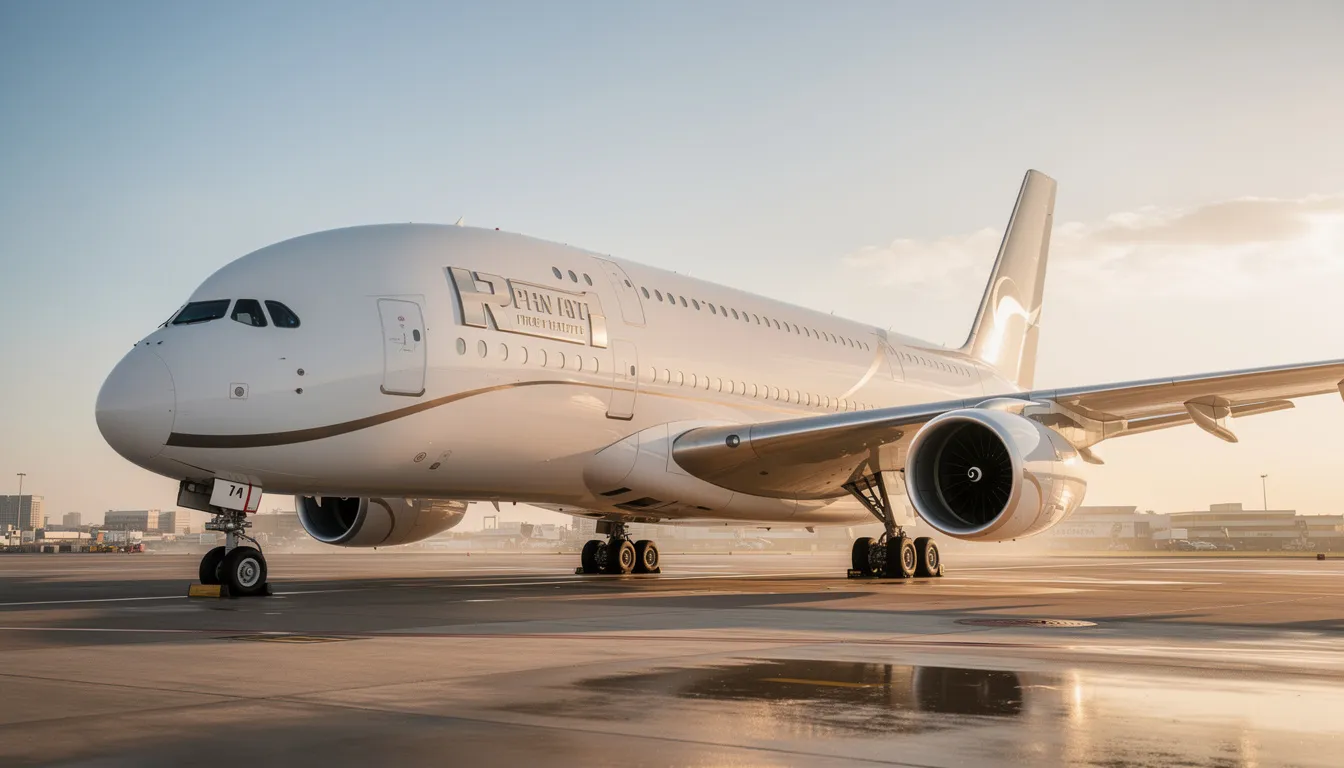
In a world where time is capital and privacy is power, private aviation isn’t just a luxury — it’s a strategic move. And among all aircraft options, the Airbus A380 stands in a class of its own as the world's largest passenger jet.
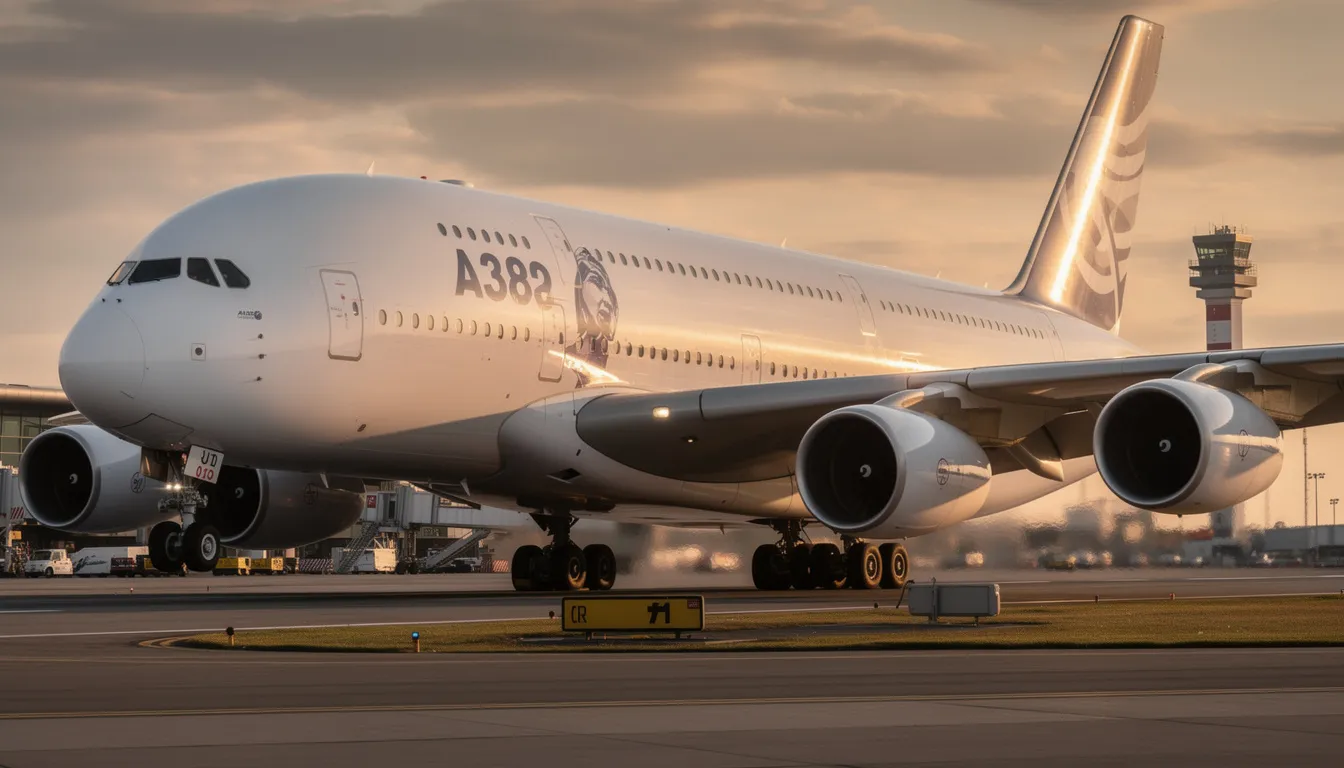
As the world’s largest passenger aircraft, the A380 redefines what’s possible in the skies. The Airbus A380 is the world's largest four-engine jet airliner. But as a private jet, it transforms again — into a flying palace that speaks to those who value scale, silence, and sophistication above all.
While commercial passengers experience it through the likes of Singapore Airlines, private ownership or charter unlocks a level of exclusivity that simply cannot be replicated. To have a private Airbus A380 is a rare privilege, reflecting significant financial investment and ongoing costs. For global entrepreneurs, ultra-high-net-worth families, and forward-looking travel managers, the A380 is not a ride — it’s a power move.
The Airbus A380: A Quick Overview
The Airbus A380 isn’t just big — it’s monumental.
Max takeoff weight (MTOW): 575,155 kg (over 1.4 million pounds), allowing for high payload capacity
Typical range: Approximately 8,000 nautical miles (14,800 km), with the ability to fly 14.5 to 16 hours non-stop
Maximum seating capacity: 853 passengers in an all-economy configuration; up to 50 passengers in a luxurious private jet layout
Decks: Double-deck interior, providing more space for passengers, with private versions featuring three decks and bespoke amenities
Powered by: Four engines, either Rolls-Royce Trent 900 or Engine Alliance GP7000
Glass cockpit: Equipped with multiple liquid crystal displays for advanced navigation and flight management
Noise compliance: Designed to meet noise restrictions set by key destination airports
Originally designed for high-volume long-haul routes, the A380 can carry up to 853 passengers, making it the largest passenger aircraft in the world. Its double-deck interior provides unmatched cabin space and the quietest interior in the sky. Wide aisles, generous ceilings, and panoramic windows make it feel less like an airplane and more like a boutique hotel suite at 40,000 feet. Since its development began, the A380 has influenced new aircraft models and materials, with over 250 units delivered to customers as of 2023. The A380 was first produced in 2005 and is still in production as of 2023.
Inside the Flying Palace: What Makes It So Special
A Jet Fit for Royalty
The Flying Palace is a term often reserved for the most customized A380s in private hands. Think:
Three full decks with a third deck adding unprecedented space
Master bedrooms with en-suite spa bathrooms featuring full-sized showers
Private offices and meeting rooms, including large conference rooms equipped with holographic tables for business partners
Entertainment lounges and fitness zones
Prayer rooms for reflection
Even a car garage for luxury vehicle storage, such as a Rolls-Royce
Wellness areas with Turkish baths and spa treatments
Onboard concert halls for exclusive performances
No other aircraft offers this level of design freedom. For those seeking total separation between business and family zones, or hosting board-level summits at cruising altitude, the A380 adapts with elegance.
The private jet variant of the Airbus A380, known as the Airbus ACJ380, is the most spacious and expensive private aircraft ever designed. It is capable of transporting between 50 and 100 passengers over extended ranges of up to approximately 9,450 nautical miles (17,250 km), combining luxury with impressive fuel efficiency for its size.
The Airbus Corporate Jets Program: Tailored Luxury
ACJ: Where Commercial Meets Private
Airbus Corporate Jets (ACJ) transforms commercial-grade aircraft into bespoke private jets. ACJ clients range from governments to Fortune 100 families.
The ACJ380 is the pinnacle of that offering. While Airbus no longer produces the A380 for commercial clients, those with access to the aircraft through ACJ programs enjoy:
Custom-built interiors designed by renowned firms such as Edese Doret Industrial Design and Design Q
Dedicated service and maintenance teams
Enhanced privacy and security protocols
ACJ doesn’t just sell planes — it delivers a tailored ownership experience, ensuring that the aircraft reflects your lifestyle and operational needs.
Real-World Use Case: Singapore Airlines & the A380
While most A380s operate in commercial fleets, with major customers including leading airlines and select private entities, Singapore Airlines has set a gold standard in showcasing what’s possible with this aircraft. The A380 is also often used by high-profile individuals, including oil sheiks, politicians, and celebrities.
Their Suites Class — with fully enclosed private cabins, leather armchairs, and separate beds — gives just a glimpse into the potential of private configurations. If this is the benchmark for public travel, imagine what’s achievable in a fully customized private layout.
BlackJet clients inspired by this experience often seek similar features: separate sleep zones, high-end dining, and spa-like restrooms — made permanent and personal.
Capabilities That Go Beyond First Class
Performance Meets Prestige
Range: Over 8,000 nautical miles (e.g., LA to Sydney nonstop), with the ACJ380 variant extending to approximately 9,450 nautical miles
Cabin Altitude: Low-pressure environment minimizes jet lag
Noise Levels: Quietest commercial aircraft cabin in operation
Fuel consumption: Approximately 11 metric tonnes per hour, costing roughly $11,000 hourly
Operating costs: Between $25,000 and $35,000 per flight hour, covering fuel, maintenance, and crew
Hourly rental rate: Around 37,150 USD
Whether used for global business trips or luxury family expeditions, the A380 ensures that comfort is never compromised — even on 15+ hour flights.
Should You Own an A380?
Strategic Ownership for the Few
With only a few A380s ever converted into private jets, ownership is ultra-exclusive. Here's what it offers:
Acquisition cost: New aircraft average $455 million; pre-owned models around $50 million
Flying Palace project cost: Estimated between $380 million and $500 million for the ultra-luxurious configuration
Ongoing expenses: Maintenance, fuel, crew salaries, and customization upkeep
Unmatched in-flight experience
Brand-enhancing prestige for heads of state and business leaders
BlackJet helps its clients evaluate the operational and financial viability of ultra-large aircraft and connects them with the right acquisition and management partners if ownership is pursued.
Luxurious Amenities at 40,000 Feet
From Michelin-grade dining rooms to spa bathrooms and cinema lounges, the A380’s square footage unlocks experiences other jets can’t touch.
Common amenities in private configurations include:
Bedrooms with real beds and king-sized suites
Full bars and lounges
Walk-in showers and spa facilities
Crew quarters and service galleys
High-speed global Wi-Fi with VPN encryption
It’s not just travel — it’s life uninterrupted, above the clouds.
Cabin Layout and Design: Crafting the Ultimate Space
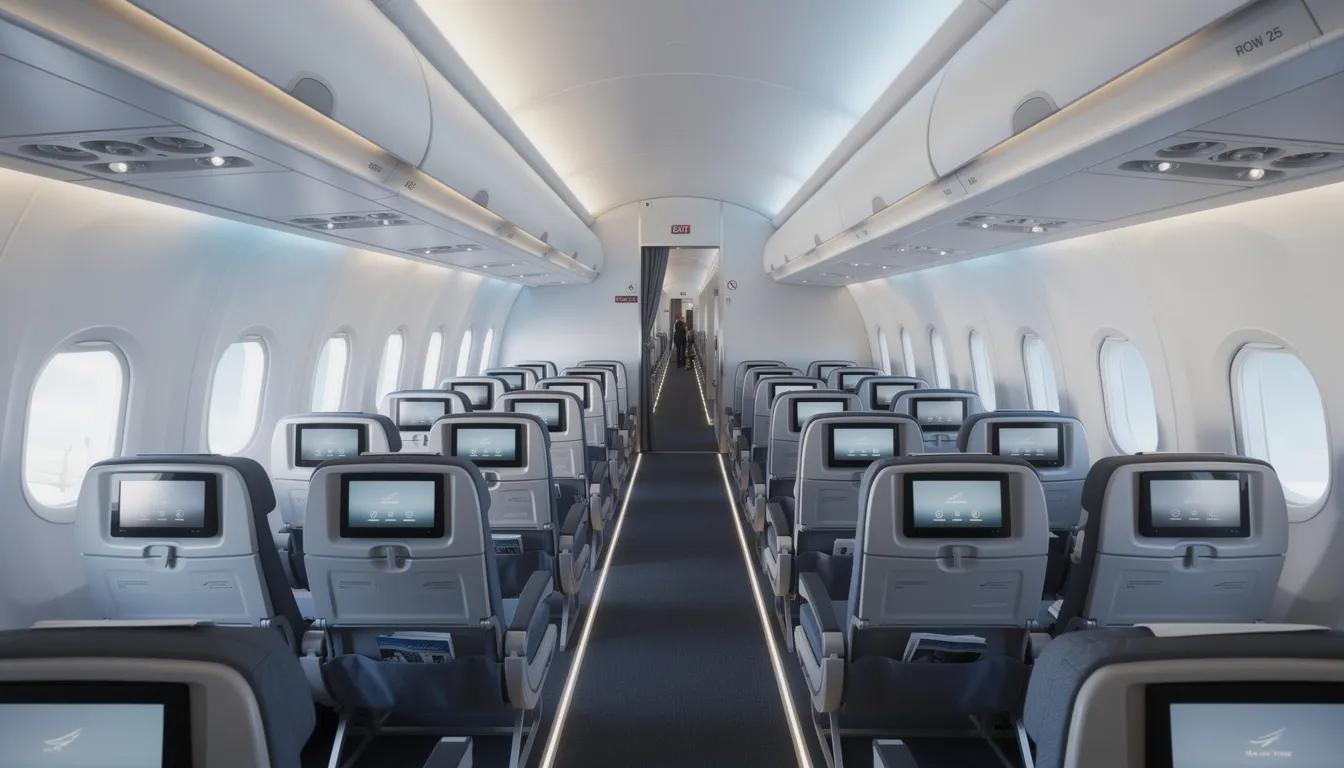
The Airbus A380’s cabin layout and design set a new benchmark for maximum passenger comfort in the sky. As the largest passenger plane ever built, the A380 offers an extraordinary amount of space, allowing operators to reimagine what’s possible in both commercial aviation and private jet configurations. Passengers are greeted by wider seats, expansive aisles, and soaring ceilings that create an open, airy atmosphere unlike any other aircraft.
This abundance of space means the A380 can be tailored to suit a variety of needs—whether it’s a fully equipped business center for in-flight productivity, a tranquil prayer room for reflection, or a luxurious living room for relaxation. The cabin’s modular design allows airlines and private owners to craft bespoke environments that reflect their brand identity or personal style, making every journey unique.
The A380 is also renowned for offering the quietest cabin in the sky, thanks to advanced soundproofing and air filtration systems that ensure a peaceful, refreshing flight. Whether flying for business or leisure, passengers benefit from an environment designed for rest, work, and play. For operators seeking to deliver the ultimate in comfort and versatility, the Airbus A380’s cabin layout and design remain unmatched in the world of aviation.
Aviation Technology Meets Modern Design
The A380 features:
Fly-by-wire controls that allow pilots to operate the aircraft with advanced side sticks and cockpit technology, enhancing operational efficiency and safety
Advanced navigation systems
Four high-bypass Rolls-Royce Trent 900 engines or Engine Alliance GP7000 engines
Its build also uses carbon-fiber-reinforced plastics as key components and lightweight alloys, contributing to improved performance, reduced weight, and greater fuel efficiency despite its size. The A380 incorporates advanced wing designs that further improve aerodynamics and fuel efficiency. Its quiet engines and spacious cabins provide a comfortable flying experience. BlackJet highlights such innovations for clients concerned about long-term asset value and performance.
Prioritizing Safety & Reliability
With over 15 years of operational history and an impeccable safety record, the A380 is regarded as one of the safest wide-body aircraft in service.
Its advanced cockpit systems, backup redundancies, and Airbus training protocols make it a standout for owners who prioritize safety.
Maintaining a jet of this scale requires precision logistics, which is why BlackJet only works with partners meeting the highest certification standards.
Sustainability and the A380
The A380’s fuel consumption per seat (in commercial config) is impressive, but its size means a significant environmental impact and higher carbon emissions per flight when used privately. The A380 sets a bar for environmental responsibility and efficiency in the aviation industry, thanks to its innovative technologies that reduce CO2 and NOx emissions compared to other aircraft of its size.
This is why BlackJet emphasizes carbon neutrality — all flights on the BlackJet platform, including larger aircraft, are offset at no extra cost to the client.
Clients can also opt for:
Sustainable aviation fuel (SAF) programs
Fleet optimization (e.g., using A380 only when truly justified by passenger count and range)
Looking Ahead: Is the A380 the Future of Luxury Aviation?
While production of new A380s has ended, its legacy will last.
Expect to see:
More A380 conversions from commercial to private use, with plans for future luxury projects and upgrades to extend the aircraft's capabilities
The original Airbus A380 Flying Palace was based on a test flight version, which was later sold after the project was cancelled
The A380's size restricts it to larger airports with specialized infrastructure and gates, requiring specific "Code F" facilities due to its wingspan and weight
New aircraft models like the A350 and A220-300 are replacing the A380, offering innovations in efficiency, range, and passenger comfort
Innovations in electric propulsion and hybrid aircraft are influencing future wide-body jets
Advanced cabin personalization tech
For those who act now, owning or flying an A380 isn’t just a luxury — it’s a chance to own an aviation legend while shaping what comes next.
Legacy of the Airbus A380
The legacy of the Airbus A380 is one of ambition, innovation, and lasting influence on the aviation industry. As a symbol of luxury and engineering prowess, the A380 redefined what a commercial aircraft could achieve in terms of fuel efficiency, range, and passenger capacity. Its introduction marked a turning point in commercial aviation, enabling airlines to transport more passengers in greater comfort across longer distances than ever before.
The concept of the Flying Palace—an ultra-luxurious private version of the A380—captured the imagination of the world, even if it was never fully realized. This vision underscored the aircraft’s potential to deliver unparalleled luxury and exclusivity, setting a new standard for what was possible in the sky. Airlines like Singapore Airlines have showcased the A380’s capabilities on high-demand routes, leveraging its spacious cabins and advanced technology to offer a superior travel experience.
Although production of the A380 has ended, its impact endures. The aircraft continues to inspire new generations of designers and engineers to push the boundaries of comfort, sustainability, and performance in aviation. Its advanced features, impressive range, and ability to accommodate a wide variety of operator needs ensure that the A380 remains a sought-after asset in both commercial and private fleets. As the aviation industry evolves, the Airbus A380 stands as a testament to the power of innovation and the enduring appeal of true luxury in the air.
FAQ: Airbus A380 as a Private Jet
How many private A380s exist?
Only a handful — fewer than five A380s have been converted for private or governmental use globally.
Can I charter an A380?
Rarely, and only through special charter arrangements. BlackJet can advise on availability for ultra-VIP trips.
What is the max range of an A380?
Up to 8,000 nautical miles, depending on configuration and load.
How does BlackJet support large jet access?
BlackJet connects eligible Jet Card members with ultra-large aircraft partners, offering seamless coordination and white-glove planning.
Is the A380 carbon neutral when flying with BlackJet?
Yes — every flight is offset, and clients can request SAF integration when available.
Discover the Ultimate in Private Jet Travel
For the select few seeking the largest and most luxurious aircraft ever built, the Airbus A380 represents the pinnacle of private aviation.
Whether you're exploring a purchase, a bespoke charter, or integrating large jets into your global mobility plan, BlackJet is your trusted partner.


 Sign up with google
 Sign up with Apple