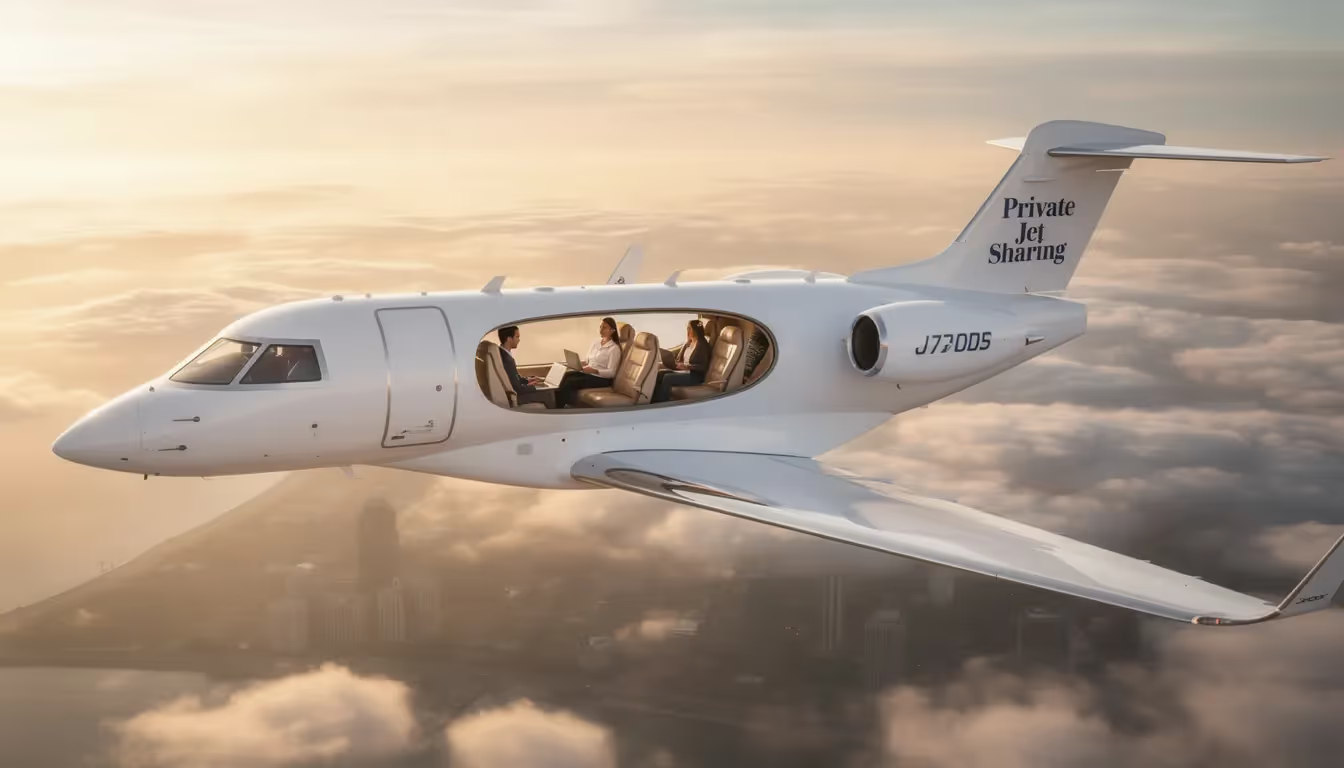
For discerning travelers, business executives, and high-net-worth individuals, private aviation isn't just about luxury—it’s about control, efficiency, and access. While commercial airlines offer fixed routes and rigid schedules, private jet charters give you the power to reclaim time, eliminate airport chaos, and travel on your terms.
But what about the cost?
It’s a fair question—and one that’s often surrounded by vague answers or unnecessary mystery. In this guide, we break down what really drives private jet pricing, what “jet sharing” means in practice, and how travelers can optimize every dollar without sacrificing the seamless BlackJet experience.
Why Private Jet Access is Worth Understanding
Before we dive into pricing mechanics, it's important to recognize why private jet travel is not a luxury splurge, but a strategic upgrade.
A typical commercial first-class flyer spends 3–4 times the actual flight time just navigating airports—think check-ins, delays, cancellations, security lines, and last-minute gate changes. In contrast, private aviation slashes total travel time by 50–70%, with direct flights from private terminals and the ability to depart or reroute on demand. Additionally, the cost of a private jet is primarily determined by the flight distance, as longer flights consume more fuel. The aircraft's age can also affect rental rates, with newer aircraft typically costing more per hour than older ones.
Short-leg fees are applied to flights within a specified duration to offset fuel burn and maintenance costs. Larger, faster, more luxurious jets cost significantly more per hour than light jets, with rates ranging from approximately $2,000 to over $14,000. The cost to rent a private jet varies from $2,000 to $14,000 per billable flight hour. The cost of chartering a plane for a week can range from tens of thousands of dollars to several hundred thousand dollars.
For a high-level executive, the ability to conduct three meetings in three cities in one day—without delay—is worth far more than the flight cost. For families, athletes, or celebrities, it’s about privacy, safety, and control over their schedule and environment.
What is Jet Sharing?
Jet sharing, or semi-private flying, allows travelers to book a seat on a private aircraft without chartering the entire plane. It’s an increasingly popular model for those who want the benefits of private aviation at a more predictable, shared cost—especially on popular routes. Private jet sharing allows travelers to pay per seat for pre-scheduled or on-demand flights, similar to a commercial first-class ticket but with private-jet benefits. Another cost-effective option is booking empty leg flights, which are private jets flying without passengers.
These flights are often available at discounted rates, providing a more affordable way to experience private aviation. However, the availability of empty-leg flights depends on the travel plans of other customers, so those interested in booking must be flexible.
However, it’s not the same as booking a seat on a commercial airline. Jet sharing still offers access to private terminals, minimal boarding time, and a luxury experience—with fewer passengers, custom catering, and elite-level service.
At BlackJet, we see jet sharing and Jet Card membership models as powerful ways to maximize value—providing private jet access without the financial and operational burden of ownership or full chartering.
How Much Does a Private Jet Cost Per Hour?
Private jet charter rates vary widely, but here’s a general range by aircraft type:
Turboprops: $2,000 – $4,000/hour. Turboprops are economical private jets that typically cost around $2,000 to $4,000 per flight hour.
Very Light Jets: $2,000 – $3,000/hour
Light Jets: $3,000 – $4,500/hour
Midsize Jets: $4,500 – $6,000/hour
Super Midsize Jets: $6,000 – $8,000/hour
Ultra Long Range Jets: $10,000 – $14,000+/hour
Heavy Jets: These charters cost closer to $10,000 an hour, offering unparalleled luxury and range for long-haul flights. Private jet charter rates start at around $4,000 per hour and can exceed $15,000 per hour.
These rates typically include the aircraft's hourly rate but do not include additional fees such as fuel surcharges, landing fees, crew overnight charges, international handling, or repositioning costs. Federal Excise Tax is charged for all US domestic flight legs at a rate of 7.5%. Landing fees are charged by the airport authority and vary based on the aircraft's size and weight, typically ranging from $150 to $500. Airport fees, including landing fees, ramp/handling fees, and US segment fees, can add hundreds to thousands of dollars to the flight cost. Segment fees are a government tax per passenger that varies by region.
Understanding Billable Flight Time
One of the most misunderstood parts of private jet pricing is billable flight time. Unlike commercial tickets, where you pay per seat, chartering means you’re responsible for all flying time, whether you’re onboard or not. Billable flight time is the primary cost driver when renting a private jet. Private jet sharing costs include an hourly base rate and significant extra fees for fuel, crew, airport fees, catering, Wi-Fi, taxes, and repositioning, with costs ranging from a few thousand to tens of thousands per hour.
Billable time includes:
Flight Time – The actual in-air time
Repositioning Time – Flying the aircraft to pick you up
Minimum Daily Flight Hours – Most operators have a 2-hour minimum. This total billable flight time encompasses positioning time, actual air time, and adheres to a standard minimum of two hours per day.
Crew Wait Time / Overnights – For multi-day trips or late returns
That’s why a 1.5-hour one-way flight may still be billed at 4+ hours, especially if repositioning is involved. Working with a provider like BlackJet ensures transparent billing—with advanced route optimization and bundled rates that can offset repositioning charges.
Additional Fees to Expect
Private aviation offers exclusivity, but it’s not without complexity. Hangar fees are incurred to protect aircraft from ice, snow, or frost accumulation, especially in winter.
Here are common additional charges that affect your final invoice:
Fuel Surcharges – Especially with long-haul or last-minute bookings. These fluctuate with market prices and can add hundreds of dollars per hour to the cost.
Landing and Handling Fees – Varies by airport; international hubs are higher
International Fees – Customs clearance, permits, overflight rights
Ground Transportation – If requested
Catering and In-Flight Services – Varies based on customization. Custom in-flight catering costs can range from $600 to $1,000 for lunch for four passengers.
De-icing or Special Weather Ops – In cold weather regions. Deicing fees can vary depending on aircraft size and conditions, ranging from $1,500 to $15,000.
Wi-Fi Charges – These can vary significantly, often ranging from $2 to $9 per megabyte, depending on the provider and aircraft. Fuel surcharges for private jet sharing fluctuate with market prices and can add $600 to $900 per hour or more, depending on the size of the aircraft.
Ramp and Handling Fees – Charged by the fixed-base operator to handle and park the aircraft, ranging from $100 to $500 per visit.
Crew Overnight and Per Diem Fees – These range between $200 and $600 per crew member per night.
At BlackJet, we streamline these into upfront estimates so our members know what to expect—no surprise invoices, ever.
Choosing the Right Aircraft Category
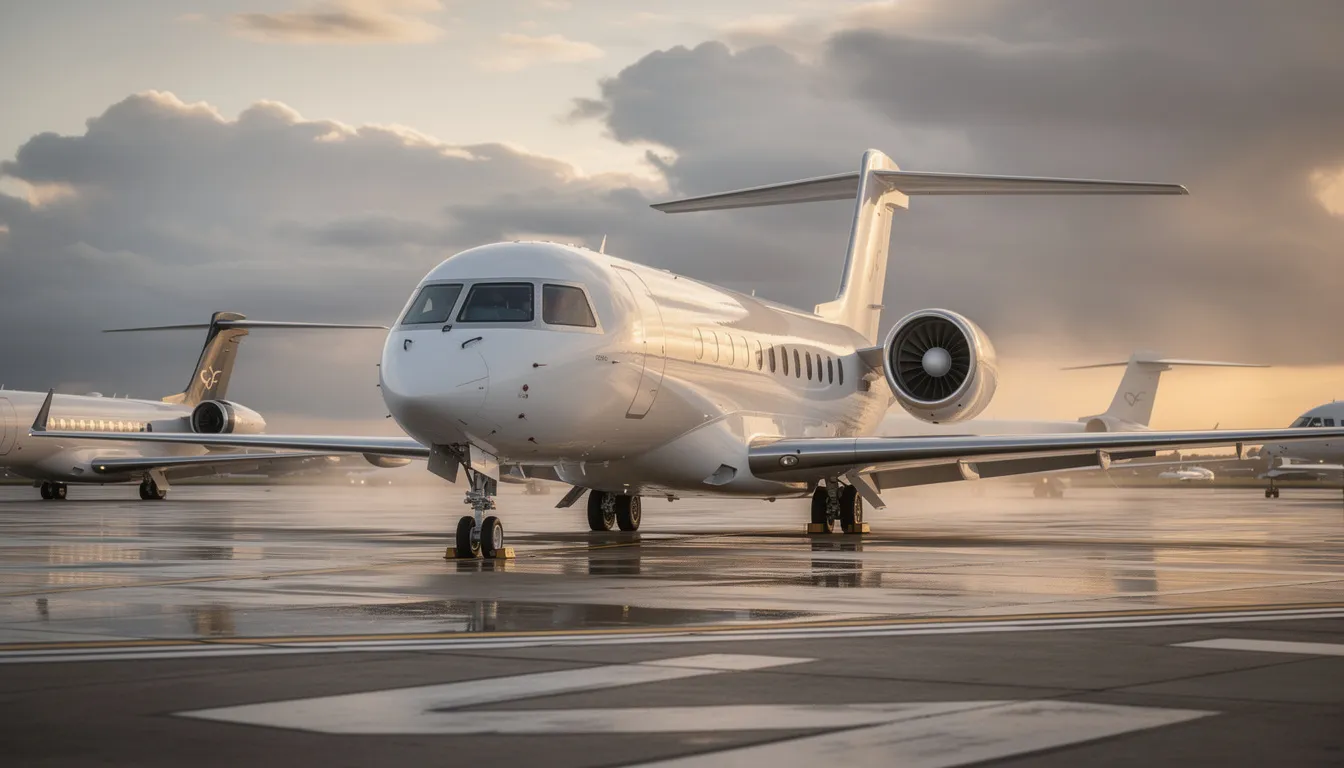
Not all jets are created equal. Your choice of aircraft significantly impacts cost, speed, range, and comfort:
Very Light Jets: Ideal for 2–4 passengers, short hops (e.g., NYC to DC). Designed for short day trips, they can accommodate 3 to 4 passengers.
Light Jets: Better range and seating (4–6 pax); think business city pairs. Light Jets can accommodate 6 to 9 passengers and are suitable for both short and medium-haul flights.
Midsize Jets: 5–10 passengers, more baggage room, up to 4+ hour range. Midsize Jets are designed for medium-length journeys, offering a balance of comfort and efficiency. They can seat up to 10 passengers, making them a versatile choice for group travel.
Super Midsize: 8–10 passengers, coast-to-coast U.S. capable. Super Midsize Jets offer increased comfort and can accommodate 8 to 10 passengers. These jets offer increased comfort and are ideal for longer domestic routes or cross-country travel.
Ultra Long Range Jets: 10–14 passengers, international range (e.g., NY → London or LA → Tokyo). These jets are capable of transcontinental flights and can accommodate 10 to 19 passengers, making them perfect for international business or leisure travel.
Large Jets: Designed for larger groups and can seat 10 or more passengers.
VIP Airliners: Designed for long-distance travel, these aircraft can seat between 16 and 80 passengers, offering unparalleled luxury and space for large groups or special events. Learn more about private jets and their different categories.
Matching the aircraft to the mission is where elite operators shine. At BlackJet, your dedicated advisor ensures you never overpay for underused capacity.
Jet Cards vs. On-Demand Charter: Cost Breakdown
Let’s compare three popular private travel options:
Jet Ownership: Ideal for ultra-high usage, but comes with 7-figure costs annually (maintenance, hangar, pilots, insurance).
On-Demand Charter: Great for infrequent flyers, but unpredictable rates and limited availability during peak seasons. Traditional private jet rentals require no upfront investment but have higher hourly rates than private jet sharing services. Private jet charter rates are generally lower than the costs associated with owning a private jet.
Jet Cards: Pre-purchase flying hours with guaranteed access, fixed rates, and flexible scheduling.
BlackJet’s Jet Card members benefit from:
Fixed hourly rates (locked in regardless of season)
No repositioning fees on many routes
Guaranteed aircraft availability (even 24–48 hours out)
Carbon-neutral flights, every time
For frequent travelers, Jet Cards deliver the best cost predictability, access, and overall experience—without owning or managing an aircraft. However, fractional ownership and jet cards require significant upfront capital and ongoing fixed costs but offer lower hourly rates than traditional rentals. It’s also worth noting that peak travel seasons and holidays can drive higher demand, potentially increasing prices for private jet services.
The Role of Technology in Cost Optimization
Modern private aviation isn’t run by paper manifests and phone calls anymore.
BlackJet leverages proprietary tech to:
Match flights to optimal aircraft and crews
Minimize repositioning costs with smart routing
Enable seamless booking via app or concierge
Track sustainability metrics on your flights
Whether you're flying solo to Miami or taking your team from LA to Toronto, our platform ensures you're always flying smarter, not just in style.
Flying Sustainably—Without Compromise
Private jet travel has long faced criticism for emissions—but that’s exactly why forward-looking operators are leading the change.
At BlackJet, every flight is carbon neutral. We:
Use efficient, newer aircraft with lower burn rates
Offset all emissions through verified carbon programs
Invest in future-ready aviation tech and sustainable fuel exploration
For travelers who value performance and principle, this is the way forward.
What Does a Real Jet Card Trip Look Like?
Let’s bring this home with a few sample use cases:
Scenario 1: Business Leader – NYC to London
Uses BlackJet Jet Card
Book a flight with 48 hours’ notice
Avoids an overnight hotel with a red-eye return
Total value gained: 2 full business days saved + peace of mind
Scenario 2: Family Holiday – LA to Aspen
Chooses a midsize jet with ski equipment storage
Custom catering + pet onboard
Avoids a long drive from Denver
Total cost: ~20% less than chartering on-demand during peak
Scenario 3: Global Team Retreat – Miami to Tulum
Jet Card member books a super midsize jet
Shared cost across executives
Onboard Wi-Fi used for a midair planning session
Trip becomes part of the company’s carbon-neutral pledge
Frequently Asked Questions About Private Jet Sharing Cost
How much is a private jet flight per hour?
Anywhere from $2,000 to $14,000, depending on aircraft category.
Can I share a private jet with others?
Yes—jet sharing models allow multiple travelers to book seats, reducing individual costs.
What’s included in Jet Card pricing?
Guaranteed hourly rates, priority aircraft access, carbon offsets, and simplified billing.
Do I pay for flights I'm not on?
You may pay for repositioning, depending on route and provider. Jet Card memberships often minimize this.
Is flying private really carbon neutral?
With BlackJet, yes. We offset 100% of flight emissions through third-party certified programs.
Conclusion: Strategic Luxury, Grounded in Value
Private jet sharing costs can appear complex—but with the right structure, the value is clear.
When you choose BlackJet, you’re not just booking a jet. You’re:
Saving time, reducing stress, and gaining flexibility
Flying with top-tier safety and certification standards
Supporting carbon-neutral, responsible travel
Accessing a seamless experience backed by elite service and tech
Whether you fly once a quarter or every week, there’s a smarter, more strategic way to experience private aviation.
Ready to Travel Smarter?
Explore premium jet access with BlackJet.
Let’s reshape how you fly—one effortless journey at a time.


 Sign up with google
 Sign up with Apple