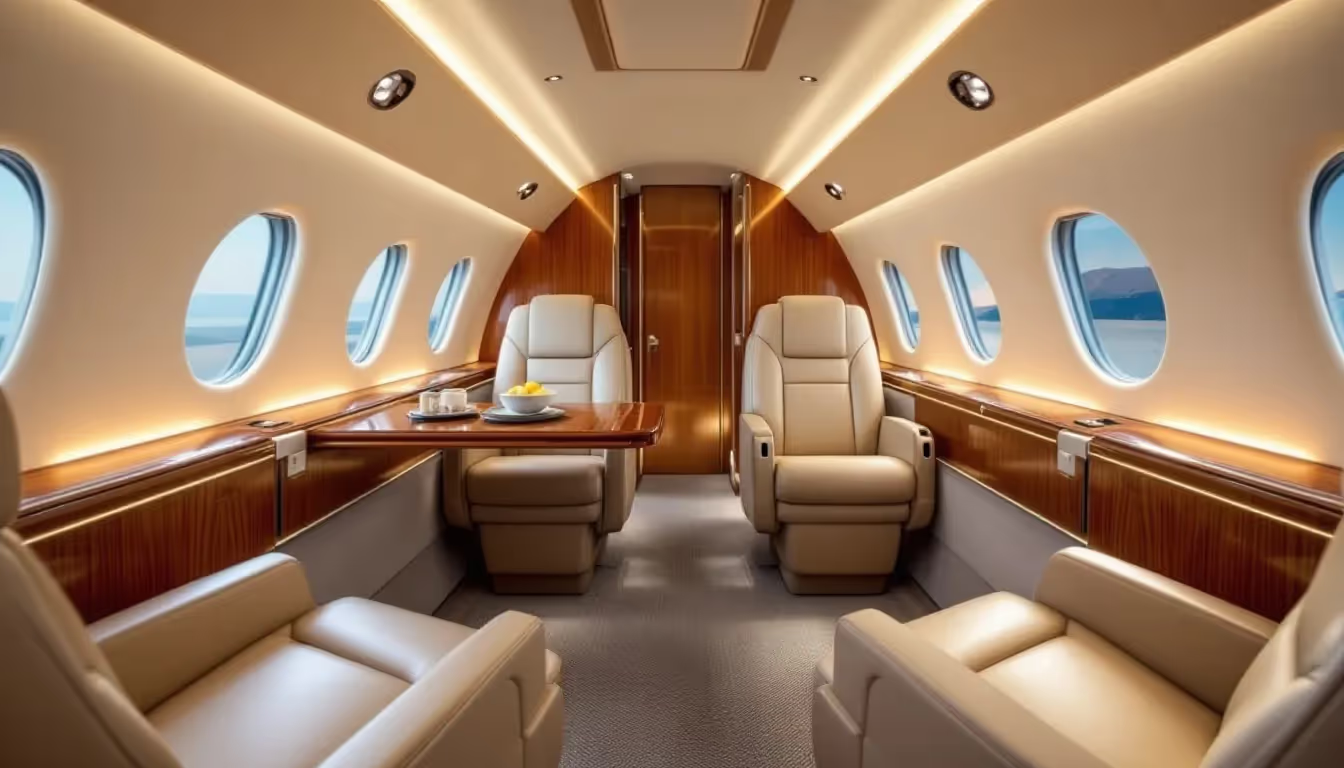
For discerning travelers, time is the most valuable currency. Private jet travel has long been associated with exclusivity, but for today’s executives, entrepreneurs, and frequent flyers, it is more than a luxury; it is a strategic advantage. Unlike commercial aviation, where delays, long security lines, and unpredictable schedules can consume hours, private jet programs deliver efficiency, privacy, and unparalleled convenience.
The private aviation market offers several access models: full ownership, fractional ownership (timeshare), private jet charter, and jet card programs. Each has distinct cost structures and advantages, but fractional ownership, sometimes called a private plane “timeshare”, stands out as a cost-efficient way to enjoy the benefits of ownership without the full responsibility. Fractional jet ownership costs typically include an initial investment to purchase a share of the aircraft, along with ongoing expenses for operations and maintenance. These costs range widely and vary depending on factors such as aircraft type, share size, and provider.
To understand whether this model is right for you, it’s important to break down not only the numbers but also the intangibles, safety standards, sustainability commitments, and the technology that ensures a seamless flying experience.
Introduction to Private Jet Travel
Private jet travel represents the pinnacle of convenience, privacy, and flexibility, offering travelers the ability to fly on their own terms, wherever and whenever they choose. Unlike commercial flights, private aviation eliminates the hassles of crowded terminals, long security lines, and rigid schedules. Today’s private aviation landscape offers a variety of access models, including fractional jet ownership, private jet charter, and jet cards, each catering to different travel needs and budgets.
Fractional jet ownership has emerged as a particularly attractive option for those seeking the benefits of private jet travel without the full commitment and expense of outright aircraft ownership. By sharing the costs and responsibilities with other owners, individuals and businesses can enjoy access to a private jet for a set number of flight hours each year. This model significantly reduces the initial purchase price, ongoing maintenance, and operating costs compared to full aircraft ownership, while still delivering the exclusivity and efficiency that private jet travel is known for.
Whether you’re considering jet charter for occasional trips, exploring jet cards for flexible access, or evaluating the long-term value of fractional jet ownership, understanding the financial and operational aspects of each option is essential. By doing so, you can make a well-informed decision that aligns with your travel habits and financial goals.
Fractional Ownership Basics
Fractional jet ownership (often referred to as a timeshare) allows an individual or corporation to purchase a fractional share of an aircraft, typically between 1/16 and 1/2, entitling them to a corresponding number of annual flight hours. Each fractional share gives the fractional owner a set number of flight hours per year, and fractional shares can be bought or sold within the fractional ownership program. For example:
1/16 share = ~50 flight hours per year
1/8 share = ~100 flight hours per year
1/4 share = ~200 flight hours per year
Programs like those offered by NetJets, Flexjet, and other operators provide access to a diverse fleet of private aircraft across categories: light jets for regional travel, midsize jets for cross-country trips, and ultra-long-range jets for transatlantic flights.
The cost of fractional ownership is structured in three main categories:
Initial Acquisition Cost – A one-time purchase of the aircraft share. Depending on aircraft type and size, this ranges from $275,000 to over $1.2M.
Monthly Management Fees – Covering administration, crew, insurance, and maintenance. Expect anywhere from $8,000 to $15,000+ per month.
Hourly Occupied Flight Fees – Charges for actual flight time, which vary by aircraft. These range from $1,800 per flight hour for light jets to $8,000+ for ultra-long-range aircraft.
Jet ownership costs are shared among multiple owners in a fractional ownership program, reducing the financial burden compared to owning an entire aircraft.
Unlike full ownership, fractional jet owners don’t shoulder unpredictable costs such as unexpected maintenance or hangar fees; the provider manages all operational responsibilities. Aircraft owners in a fractional ownership program benefit from predictable ongoing costs and professional management of the private aircraft.
Benefits of Fractional Jet Ownership
Fractional ownership combines the prestige of ownership with the flexibility of chartering, creating a middle ground for those who fly frequently but not enough to justify a full aircraft. Flying privately through fractional ownership offers a premium private flight experience with lower upfront costs than purchasing an entire jet.
Key Benefits Include:
Guaranteed Access – Owners enjoy guaranteed aircraft availability, often with as little as 4–6 hours’ notice.
Fleet Flexibility – A share in one aircraft unlocks access to an entire fleet, allowing you to choose the right jet for each trip.
Predictable Costs – Transparent pricing includes most fees (landing, fuel surcharges, de-icing), making annual budgeting simpler, and fractional ownership can lead to significant savings compared to full ownership or frequent chartering.
Empty Leg Flights – Fractional owners often have opportunities to book repositioning flights at reduced costs.
Luxury Experience – Consistent service levels, in-flight catering, and ground transportation integration elevate the experience of flying privately.
For executives, the true ROI is measured in productivity and peace of mind. Being able to conduct meetings onboard, arrive closer to final destinations, or save overnight stays by flying directly into regional airports has tangible business and personal value.
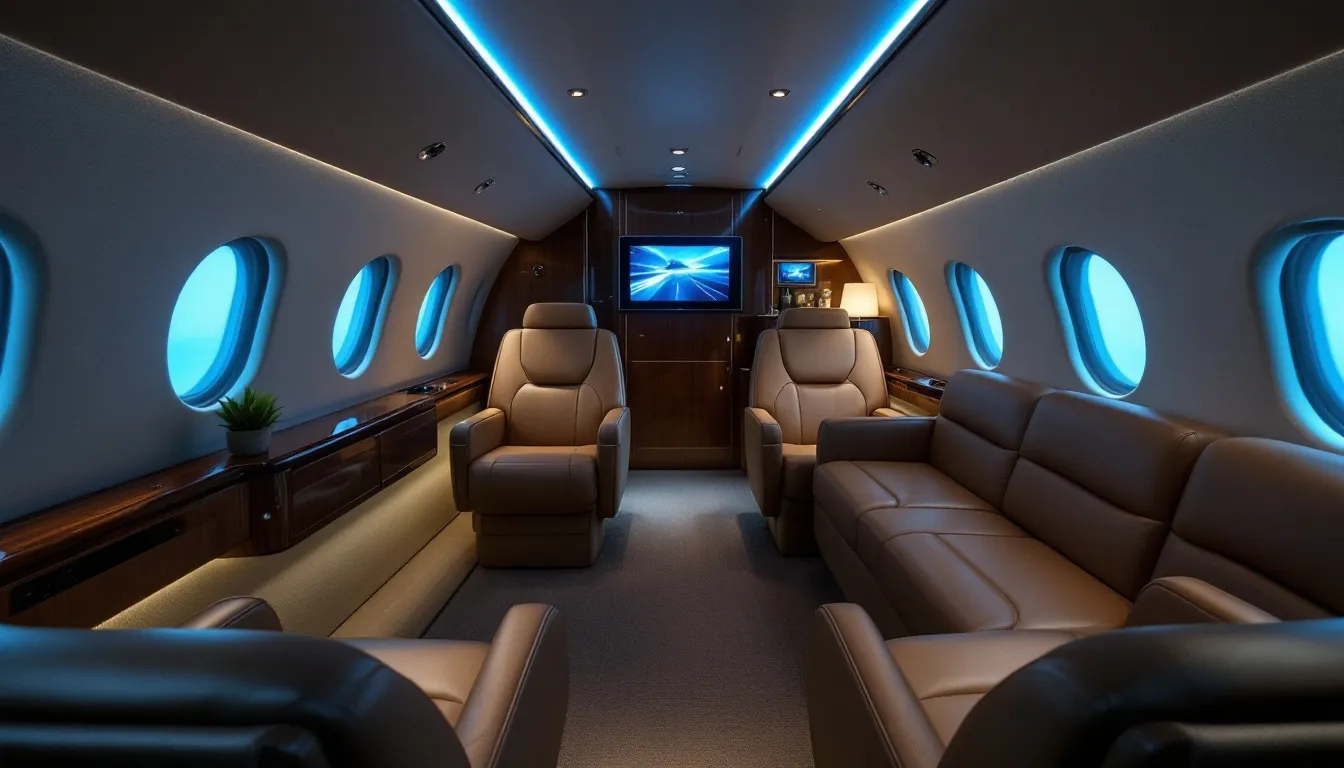
Travel Needs Assessment
Choosing the right private jet travel solution starts with a clear assessment of your unique travel requirements. Key factors to consider include how often you fly, your preferred travel dates, the typical distance of your flights, and the number of passengers you usually travel with. Frequent flyers who value flexibility and guaranteed availability may find fractional jet ownership especially appealing, as it provides a set number of flight hours per year and access to a dedicated fleet.
For those who travel less frequently or have unpredictable schedules, private jet charter or jet cards may offer greater cost savings and flexibility. Jet charter allows you to book flights as needed, while jet cards provide prepaid access to a range of aircraft types without the long-term commitment of ownership.
The type of aircraft you choose, whether light jets for short regional trips, midsize jets for cross-country journeys, or ultra-long-range jets for international flights, also plays a crucial role in matching your travel needs. By carefully evaluating factors such as flight distance, passenger count, and preferred travel dates, you can determine whether fractional jet ownership, private jet charter, or a jet card program best fits your lifestyle and budget. This thoughtful approach ensures you maximize both the value and convenience of your private jet travel experience.
Aircraft Options
The type of aircraft directly influences both cost and experience. Fractional ownership programs typically offer:
Light Jets (e.g., Embraer Phenom 300, Citation CJ3)
Seats 6–7 passengers
Ideal for short regional hops (2–3 hours)
Lower hourly costs: $1,800–$3,000
Midsize Jets (e.g., Hawker 800XP, Citation XLS+)
Seats 7–8 passengers
Cross-country capability (3–5 hours)
Hourly costs: $3,500–$5,000
Super-Midsize & Long-Range Jets (e.g., Challenger 350, Gulfstream G450)
Seats 9–14 passengers
Capable of transatlantic and long-haul trips
Hourly costs: $6,000–$9,000+
Ultra-Long-Range Jets (e.g., Gulfstream G650, Bombardier Global 7500)
Seats 14–19 passengers
Non-stop flights from New York to Hong Kong
Hourly costs: $9,000–$12,000+
Aircraft size and aircraft model directly influence both the initial investment and ongoing costs. Larger aircraft generally have higher hourly rates and may incur additional charges, such as short-leg fees for shorter flights. The specific aircraft model you choose can also affect ownership costs, daily minimum usage requirements, and resale value.
Choosing the right aircraft depends on average trip length, passenger count, and destinations. Fractional programs allow access to multiple categories, offering far more flexibility than outright ownership of a single plane.
Provider Comparison
Two dominant providers in the fractional market are NetJets and Flexjet, with others like PlaneSense focusing on niche markets. Comparing them requires looking at more than cost:
Evaluation Factors Include:
Fleet diversity and aircraft age
Guaranteed access policies
Monthly management fees and occupied hourly rates
Safety certifications (FAA Part 135/91, ARGUS, Wyvern)
Sustainability commitments (carbon offsets, newer aircraft)
Technology (ease of booking, digital platforms)
It's important to note that market demand can impact both the pricing and availability of fractional shares, while the asset value of the aircraft may decline over time due to depreciation, affecting resale opportunities.
Some providers also offer jet card programs, allowing you to pre-purchase flight hours without committing to ownership. Jet cards provide flexibility for those flying fewer than 50–75 hours annually and often include similar perks without the upfront acquisition cost.
Private Jet Timeshare vs. Other Models
Comparison of Private Jet Access Models:
Upfront Cost: Fractional Ownership requires a high upfront purchase of a share; Jet Cards and On-Demand Charter have no upfront costs; Full Ownership involves a very high cost (often $20M+); First-Class Commercial has no upfront cost.
Hourly Rate: Fractional Ownership offers a lower, locked-in hourly rate; Jet Cards have mid-range hourly rates; On-Demand Charter rates are variable and market-driven; Full Ownership has the lowest per-flight cost; First-Class Commercial has a fixed rate.
Flexibility: Fractional Ownership and Jet Cards provide high flexibility; On-Demand Charter offers moderate flexibility; Full Ownership and First-Class Commercial have limited flexibility.
Fleet Access: Fractional Ownership and Jet Cards provide access to a full fleet; On-Demand Charter depends on market availability; Full Ownership offers access to a single aircraft; First-Class Commercial uses the commercial airline fleet.
Predictability: Fractional Ownership, Jet Cards, Full Ownership, and First-Class Commercial offer high cost predictability; On-Demand Charter has low predictability.
Sustainability Options: Fractional Ownership and Jet Cards often include sustainability options; On-Demand Charter depends on the provider; Full Ownership depends on the owner; First-Class Commercial depends on the airline.
Best For: Fractional Ownership suits frequent flyers (100–200 hours per year); Jet Cards are ideal for mid-frequency flyers (25–75 hours per year); On-Demand Charter works for occasional users; Full Ownership is best for ultra-high usage; First-Class Commercial suits price-sensitive travelers.
Charter flight options provide on-demand access to a wide variety of private jets, offering flexibility and personalized travel. However, compared to fractional jet ownership, charter flights may have less predictable costs due to variable market rates.
This table demonstrates why many executives consider fractional ownership the “sweet spot”, balancing guaranteed access and cost efficiency without the financial and operational burdens of full ownership.
Safety & Certification: Why It Matters
In private aviation, safety is the ultimate luxury. Top providers adhere to stringent safety protocols, including:
FAA Part 135 & Part 91 standards
ARGUS Platinum and Wyvern Wingman certifications
Proprietary internal audits of pilots, crew, and maintenance providers
For clients, this means every flight is not only seamless but also secured by multiple layers of oversight. In contrast, ad-hoc chartering may vary widely in operator standards, making established fractional providers the safer choice.
Sustainability in Private Aviation
Sustainability has become a defining issue in aviation. While commercial carriers struggle with massive footprints, private aviation providers are making carbon neutrality a core pillar.
Fractional ownership and jet card programs often include:
Carbon offsets for every flight
Newer, more fuel-efficient aircraft
Partnerships with verified sustainability organizations
At BlackJet, carbon neutrality is not optional; it is built in. Every journey is offset, allowing clients to enjoy private travel without compromising environmental responsibility.
Technology & Seamless Access
The convenience of private aviation today is powered by technology-driven platforms. BlackJet and leading providers allow:
App-based scheduling with guaranteed availability
Instant aircraft matching for mission needs
Transparent cost tracking
24/7 concierge integration for ground transport, catering, and special requests
Technology transforms private aviation from a complex logistics exercise into a seamless, effortless experience, ensuring you spend less time planning and more time flying.
Real-World Scenarios
Executive Travel
A New York–based CEO with a 1/8 share in a midsize jet uses 100 flight hours annually to fly to Chicago, Miami, and London. The predictable costs allow seamless budgeting, while guaranteed availability ensures board meetings aren’t missed. Seamless scheduling also allows the CEO to plan the next flight efficiently, even during peak travel periods.
Family Leisure
A family with a 1/16 share in a light jet uses 50 hours yearly for ski trips to Aspen and summer holidays in the Caribbean. Access to multiple aircraft categories ensures every trip fits both passenger count and distance.
Corporate Teams
A company maintains a 1/4 share in a super-midsize jet, enabling executives to travel to client sites across the U.S. without overnight stays, reducing both travel costs and lost productivity. The provider operates the aircraft, ensuring reliable service and minimizing logistical challenges for the company.
These examples highlight how fractional ownership provides measurable value and lifestyle enhancement.
FAQs About Private Jet Timeshare Costs
How much does private jet fractional ownership cost?
Shares range from ~$275,000 to $1.2M+, with monthly management fees and hourly rates on top.
What’s the difference between a jet card and fractional ownership?
A jet card requires no upfront purchase and suits flyers under 75 hours per year, while fractional ownership is ideal for 100–200+ hours annually.
Are fractional ownership flights carbon neutral?
With providers like BlackJet, yes. Every journey is offset at no additional cost.
How safe are fractional ownership flights?
They operate under FAA Part 135/91 standards with multiple third-party certifications, making them among the safest options in private aviation.
What aircraft types are available?
Everything from light jets to ultra-long-range aircraft, depending on your program and provider.
What additional fees should I expect beyond the listed costs?
Additional fees may include landing fees charged by the airport authority, fuel surcharges due to fluctuating fuel prices, international fees such as landing permits, and crew salaries. These costs are often not included in the base price and can vary depending on your travel itinerary.
How can I avoid deicing costs?
You can avoid deicing costs by using hangar services during the winter months. Keeping aircraft surfaces free of ice and snow helps prevent the need for deicing, reducing both operational costs and potential delays.
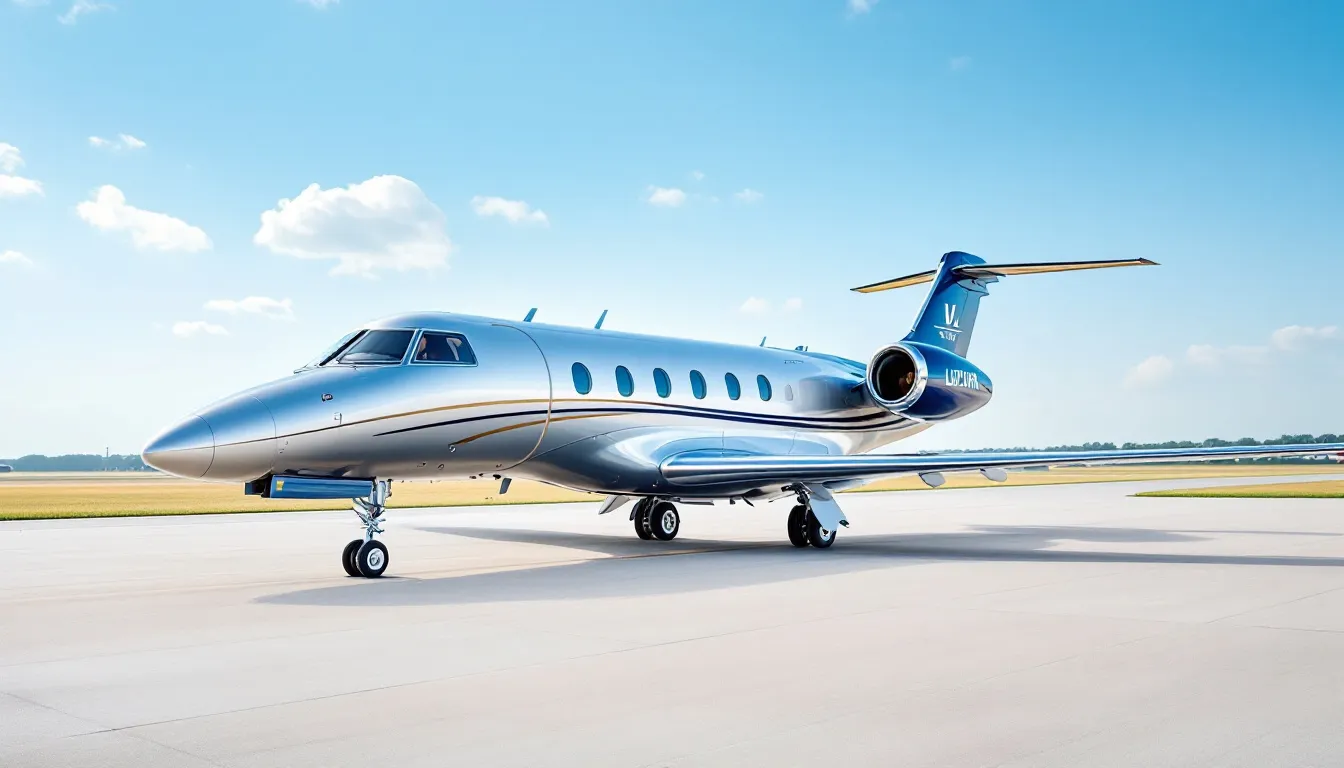
Conclusion: Elevating Travel with BlackJet
Understanding private plane timeshare costs is about more than just numbers; it’s about evaluating time saved, safety standards, sustainability commitments, and the strategic advantage of seamless access.
For the frequent traveler who values efficiency, comfort, and responsibility, fractional ownership remains a powerful model. But with innovations like BlackJet’s Jet Card and carbon-neutral commitment, discerning flyers can access all the benefits of private aviation without the complexities of ownership.
Discover how BlackJet can reshape your travel experience.
Visit www.blackjet.com to explore premier jet access designed for modern leaders.


 Sign up with google
 Sign up with Apple