Preserving Backcountry Airstrips & Expanding Recreational Access
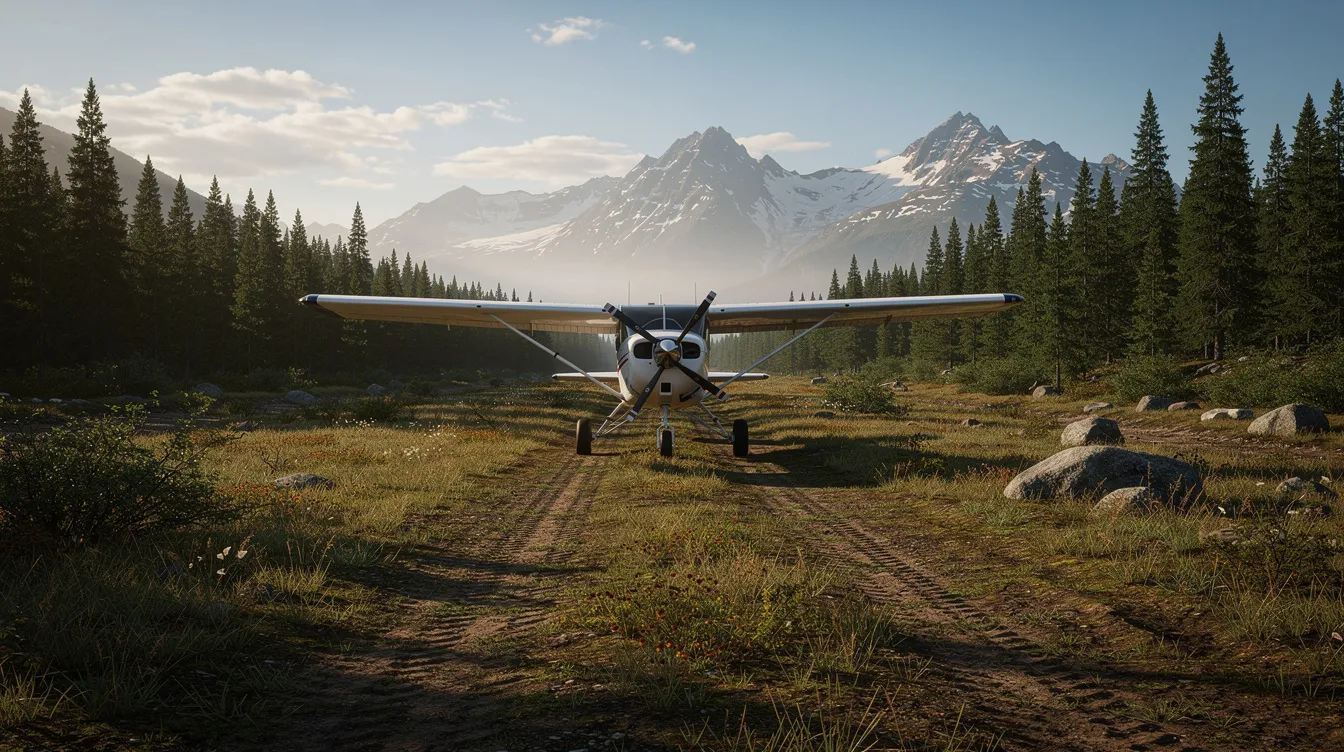
Imagine landing a small aircraft on a grass runway bordered by mountains, stepping out to the sound of a river, and camping under the wing with nothing but wilderness ahead. The Recreational Aviation Foundation makes that experience possible—and fights the real threat of that access disappearing.
This guide is for pilots, outdoor enthusiasts, and anyone interested in recreational aviation access. Preserving backcountry airstrips ensures continued access to remote wilderness areas for future generations.
Recreational Aviation Foundation Overview
The Recreational Aviation Foundation (RAF) is a nonprofit organization founded in 2003 by a group of Montana pilots who watched recreational airstrips vanish at an alarming rate, a national threat to access across the country. Their response was to create a charitable organization with a singular mission: to preserve, improve, and create airstrips for recreational access on both public and private land.
Today, the RAF has 11,000 supporters from all 50 states. The organization collaborates with public land agencies and private landowners to develop airstrip solutions that protect public recreational opportunities for pilots, campers, hunters, anglers, and hikers. The foundation works at local, state, and federal levels to promote the value of recreational aviation, building on a strong history of access preservation and advocacy.
What makes this aviation foundation relevant to modern private travel? Preserving small backcountry airstrips complements premium aviation solutions like BlackJet's jet card programs and the flexible BlackJet 25+ Hour Jet Card. A traveler might fly via private jet to a regional hub, then transition to a smaller aircraft for the final leg into remote terrain. Without RAF's efforts, those remote destinations would be inaccessible. The organization works closely with aviation groups, federal land agencies, and communities across the country to keep that chain of access intact.
Mission, Guiding Principles & The RAF Way
The RAF mission is direct: preserve existing airstrips, improve public use recreational airstrips, and create new airstrips so that present and future generations of aviators can reach remote landscapes. The Recreational Aviation Foundation preserves recreational access by advocating for aviation as a valid mode of reaching public lands, national forests, and conservation areas—and by preventing recreational airstrip closure before it becomes permanent.
The RAF Way defines the organization's culture—a unified effort built on collaboration, safety, and low-impact recreation. RAF liaisons work respectfully with public land managers, private landowners, and recreation groups to achieve outcomes that benefit everyone. The foundation fosters cooperation among landowners, public agencies, and pilots to access recreational areas, promoting a collaborative approach that reconciles recreational aviation with conservation efforts.
Core guiding principles include:
Integrity and transparency in negotiations
Long-term stewardship commitments to every airfield
Responsible recreational aviation etiquette—noise awareness, fuel handling, pack-in/pack-out camping
Community-building among pilots and non-flying outdoor users
RAF's Fly-Stay-Play philosophy encourages pilots to enjoy destinations responsibly, leave campsites and airstrips better than they found them, and advocate for continued access. This preservation mindset aligns with BlackJet's emphasis on sustainable, carbon-neutral private jet operations—both approaches aim to keep aviation compatible with long-term environmental and community interests. The RAF offers guidelines for safe and responsible backcountry flying, and it promotes safety practices that protect both the environment and the pilots who fly into these strips.
Key Programs, Projects & Backcountry Airstrips
RAF operates numerous formal programs and individual projects dedicated to preserving existing airstrips, reopening abandoned ones, and creating new recreational airstrips on public and private land. The organization helps fund projects to improve airstrip infrastructure and amenities, and actively works to reopen historical or disused backcountry airstrips, often enabling access for budget-friendly private aircraft options that can operate from shorter, simpler runways.
RAF also provides funding and project support to improve airstrip infrastructure, amenities, and safety. The organization is actively involved in reopening historical or disused backcountry airstrips, supporting both public and private land access, and enabling cost-effective aviation solutions for remote destinations.
Safety, Education & Etiquette (SEE) Committee
Safety, Education & Etiquette (SEE) Committee: RAF's SEE team partners with the US Forest Service and organizations like Tread Lightly! to promote safe backcountry flying. The RAF offers safety briefings for pilots flying into airstrips, covering hazard assessment, noise awareness, and responsible camping. The RAF emphasizes the importance of preserving existing airstrips to maintain access for recreational flying.
Signature Airstrip Projects
Signature airstrip projects demonstrate how the Recreational Aviation Foundation preserves and creates airstrips:
Airstrip | Location | Runway | Key Details |
|---|
Trigger Gap (17A) | Arkansas, Nature Conservancy land | 3,000 ft grass | Pilot pavilion, camping, fire rings; construction funded by private donations |
Grapevine (88AZ) | Arizona, Tonto National Forest | ~3,800 ft asphalt | Reopened 2012 after decades of abandonment; shade canopies, vault toilets |
Ryan Field (2MT1) | Montana, near Glacier National Park | 2,500 ft, 65 ft turf | Maintained airstrip with cabins, showers, shelters at ~3,660 ft elevation |
The RAF improved Sacaton airstrip in New Mexico in cooperation with the Forest Service, clearing the runway, installing a windsock and shade structures, and adding vault toilets to improve backcountry access and support emergency use in remote terrain. RAF supports the establishment of new recreational airstrips on public and private land across the country, including work in New Mexico and beyond.
The RAF Airfield Guide
The upgraded RAF online Airfield Guide is a comprehensive repository for details on airfields and safety advisories. The RAF enhanced 389 airfields in its online guide, complete with hazard notes, amenities, approach details, and a comment system so pilots can share current conditions before planning flights.
For travelers who value both reach and comfort, bush planes and aircraft requiring smaller runways connect the dots between a regional airport and an RAF-supported backcountry airstrip—making the truly remote leg of a trip possible, even when using the most affordable private jet options designed for cost-effective access to remote regions.
Funding, Partnerships & National Reach
RAF is a 501(c)(3) charitable organization funded primarily by grants from philanthropic foundations, individual donations, corporate partnerships, and proceeds from RAF gear. The organization also launched an online auction for fundraising. RAF supports projects through tax-deductible donations, keeping overhead lean with an unpaid board, while private fliers may explore maximizing jet card tax deductions when aligning their travel spending with charitable and business objectives.
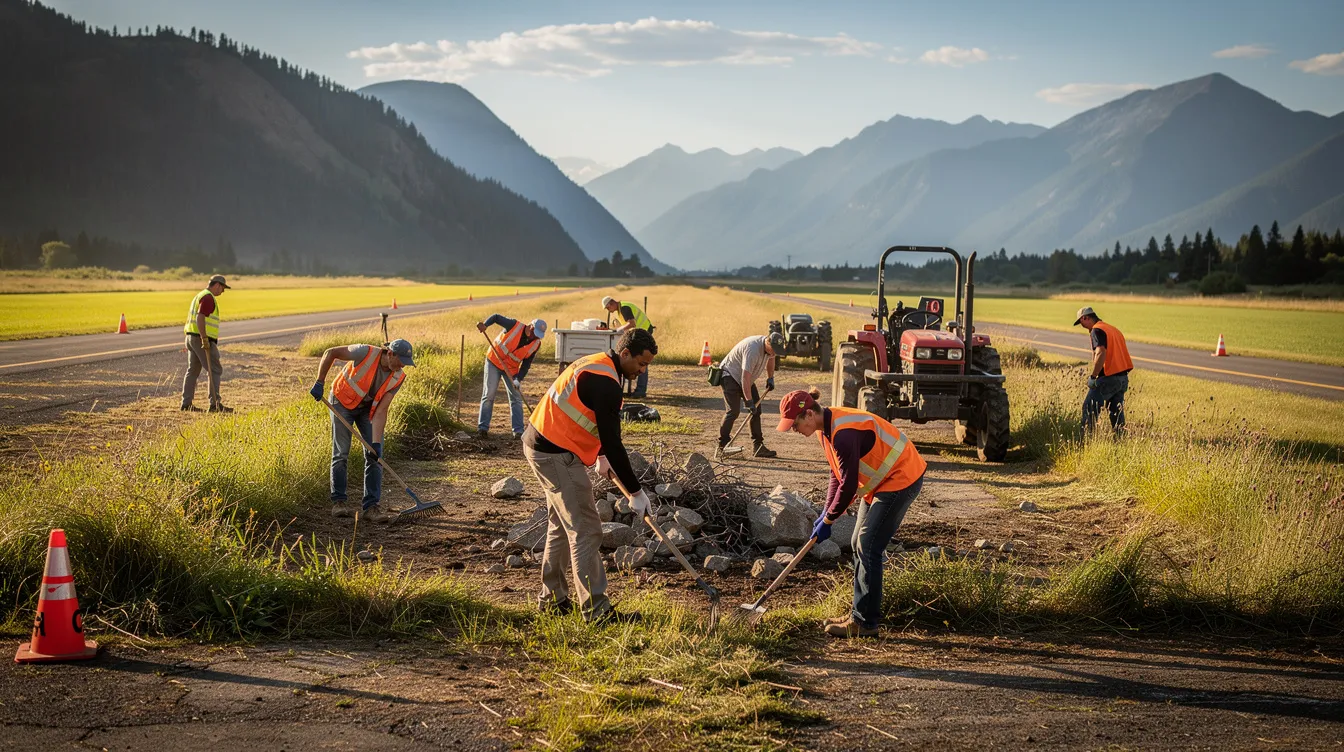
Notable funding examples include an RAF receiving a $10,000 grant from Apex Foundation. The RAF maintains agreements with the U.S. Forest Service through formal cost-share arrangements, and partners with the Bureau of Land Management, National Park Service, and The Nature Conservancy. RAF organizes work parties for maintaining and upgrading airstrips, and mobilizes volunteers to clear brush and maintain airstrips across the national network. RAF volunteers and dedicated members engage in everything from mowing and runway surface repair to constructing shelters and signage.
Many rural and backcountry airstrips face closure threats from lack of maintenance and regulatory shifts—a national concern that RAF addresses through hard work and expanding coalitions. RAF's geographic reach spans Montana, Arizona, Arkansas, New Mexico, Washington, Michigan, Tennessee, and West Virginia, where the RAF improved the Rainelle airfield. This patchwork of preserved airstrips forms a loosely connected national network for recreational aviation. RAF liaisons build coalitions with local aviation groups, flying clubs, and state pilot associations—including Montana pilots—to advocate for liability protections, airstrip zoning support, and state-level recognition, all while emphasizing that private jet travel safety standards and best practices extend into the backcountry environment.
While BlackJet invests in premium fleet access, technology, and carbon-neutral operations, organizations like RAF invest in the grassroots infrastructure—short strips, camping facilities, and pilot education—that make remote adventure flying possible, complementing broader decisions about private jet pricing and access models that determine how travelers reach these gateway airports.
RAF Headquarters & Transparency
RAF's headquarters is located at 1711 W College St, Bozeman, Montana (EIN: 42-1613294). Readers can review posted IRS Form 990s and annual reports for full transparency on how funds are allocated each fiscal year. These records also help document the organization's history over time.
How RAF Supports Pilots, Travelers & the Future of Recreational Aviation
For many aviators, recreational aviation means landing on a grass strip near a river, camping under the wing, and reaching landscapes unreachable by road. The Recreational Aviation Foundation preserves this experience by keeping backcountry airstrips open, adding amenities—restrooms, showers, picnic areas, shelters, fire rings—and maintaining safe approaches and clear runway environments.
RAF's educational resources include online safety briefings, etiquette guidelines, and the Airfield Guide, enabling pilots to assess strip suitability—runway length, obstacle environment, surface condition—and plan safety-focused operations, whether they arrive via chartered aircraft or buy a seat on a private jet as part of a multi-leg journey into remote terrain.
Trip scenario:
A private traveler uses a BlackJet jet card to fly from New York to a regional airport in Montana. From there, they transfer to a smaller aircraft and land at Ryan Field for a long-weekend fishing and hiking expedition near Glacier National Park. Without RAF's pathfinder efforts in opening and reopening strips, that final destination wouldn't exist.
RAF's emphasis on low-impact recreation and partnerships with land managers complements modern sustainability trends in private aviation, including carbon-neutral flights and carefully managed visitor impacts on fragile landscapes, trends that align with predictable-cost models such as jet card membership pricing for travelers planning repeated access to remote regions. Getting involved is straightforward: join RAF as a member, volunteer at a work party—like those at Rocky Top airstrips in Tennessee—or sign up to support partner initiatives.
Looking ahead, RAF plans to open 15+ airstrips by 2026 and beyond, expanding backcountry access for future generations, just as evolving jet card pricing structures expand flexible options for travelers who will use these remote gateways. The combination of nonprofit stewardship and responsible private aviation can keep remote flying adventures accessible for decades—a sign that the best destinations are worth protecting.
FAQs
What is the Recreational Aviation Foundation (RAF)?
The RAF is a nonprofit organization dedicated to preserving, improving, and creating backcountry airstrips across the United States to maintain recreational aviation access.
How does RAF support safe backcountry flying?
RAF offers safety briefings, educational materials, and promotes best practices for responsible flying, camping, and etiquette to protect both pilots and the environment.
Can anyone join the RAF or volunteer?
Yes, the RAF welcomes supporters and volunteers from all backgrounds who are passionate about preserving recreational aviation access.
How does RAF fund its projects?
Funding comes from grants, individual donations, corporate partnerships, and proceeds from fundraising events and merchandise sales.
What types of airstrips does RAF work with?
RAF works with public and private landowners to preserve existing airstrips, reopen disused ones, and create new recreational airstrips suitable for small aircraft.
How does RAF collaborate with government agencies?
RAF maintains agreements and partnerships with agencies like the U.S. Forest Service, Bureau of Land Management, and National Park Service to support airstrip maintenance and development.
Where can I find information about backcountry airstrips?
RAF offers an online Airfield Guide featuring detailed information on nearly 400 airfields, including runway details, amenities, hazards, and pilot comments.
What is the RAF's plan for future airstrip openings?
The RAF plans to open and reopen more than 15 airstrips across the country by 2026, expanding access for recreational pilots.
How does RAF's mission align with sustainability?
RAF promotes responsible, low-impact aviation and recreation practices that complement sustainable private aviation efforts like carbon-neutral flights.
How can I support RAF?
You can support RAF by becoming a member, volunteering at work parties, donating, or purchasing RAF merchandise to help fund ongoing projects.
Conclusion
The Recreational Aviation Foundation stands as a vital steward of backcountry airstrips, ensuring that remote wilderness areas remain accessible for pilots and outdoor enthusiasts alike. By preserving, improving, and creating airstrips, RAF not only safeguards recreational aviation opportunities but also supports a sustainable and responsible approach to flying that aligns with modern private aviation values, including safety, environmental stewardship, and community collaboration.
For discerning travelers who combine premium private jet access with smaller aircraft to reach off-the-beaten-path destinations, the RAF’s work is indispensable. Their efforts extend the reach of private aviation beyond traditional airports, opening doors to new adventures and experiences that only backcountry aviation can offer.
Supporting the RAF—whether through membership, volunteering, or donations—helps maintain this unique network of airstrips and promotes the future of recreational aviation. As the RAF plans to open more airstrips by 2026, it invites pilots and travelers to join in preserving these gateways to nature, enriching the private aviation landscape with access, safety, and sustainability.
Elevate your travel experience by embracing the spirit of exploration that RAF fosters. Together, private aviation and grassroots efforts like those of the Recreational Aviation Foundation ensure that the skies—and the wild places below—remain open to those who seek them. Discover how BlackJet can reshape your travel with our jet card programs that complement RAF’s mission.
Explore our insights on sustainable, carbon-neutral private jet operations that align with RAF’s environmental stewardship.
Learn more about private jet travel safety standards that extend into backcountry flying.
Plan your next adventure with guidance from our budget-friendly private aircraft options that connect you to RAF-supported backcountry airstrips.


 Sign up with google
 Sign up with Apple