In today’s global economy, time is more than money—it’s leverage. For executives, investors, and high-performing teams, the ability to move efficiently between cities, countries, and opportunities is a strategic advantage. Renting a plane—whether through private charter flights, air charter services, aircraft rentals, or aircraft charter—has evolved from a luxury into a highly practical solution for those who value control, privacy, and precision.
Commercial aviation still serves its purpose, but it comes with rigid schedules, crowded terminals, and inefficiencies that compound over time. Private aviation removes those constraints. The private aviation market is experiencing rapid growth worldwide, driven by rising demand for flexible, global travel solutions. With the right approach, renting a plane becomes not just convenient—but smarter.
This guide breaks down everything you need to know: pricing, aircraft types, booking processes, safety standards, and how to choose the right option for your mission. You’ll also discover the wide variety of aircraft rental options available to suit different travel needs and preferences.
Why Choose Private Charter Flights or an Air Charter Service
On-Demand Travel Without Commercial Constraints
Private charter flights eliminate the biggest inefficiency in commercial travel: waiting, and understanding the full meaning of charter flights helps clarify why they offer such flexibility and control. Unlike commercial flights, boarding a private aircraft is fast and convenient, with private terminals and seamless access allowing you to board quickly and comfortably. No long security lines, no boarding delays, no missed connections. You depart when you’re ready.
For a business executive flying from Los Angeles to San Francisco, this could mean saving 3–5 hours per trip—time that can be reinvested into meetings, strategy, or rest.
Full-Service Air Charter Support
Air charter service providers act as a single point of coordination. From flight planning to ground transportation, everything is handled seamlessly.
This includes:
Dedicated operations teams are monitoring your flight in real time
Ground handling coordination at private terminals (FBOs)
Catering, luggage handling, and special requests
The result is a frictionless travel experience that aligns with high-performance schedules.
Many aircraft rental services also offer personalized support to help clients choose the best aircraft for their specific travel needs.
Versatility Across Missions
Private charter flights adapt to a wide range of use cases:
Same-day business trips across multiple cities
Leisure travel with family or groups
Medical evacuation (medevac)
Cargo and urgent logistics
Event or team transport
This flexibility is what makes private aviation a strategic asset—not just a convenience.
Private Jet, Turboprop, and Light-Aircraft Differences for Charter Flights
Private Jets: Speed, Range, and Comfort
Private jets are built for performance. With cruise speeds between 400 and 600 mph, they dramatically reduce travel time compared to turboprops or piston aircraft.
They are best suited for:
Transcontinental routes (e.g., New York to Los Angeles)
International travel
Heavy jets can fly up to eight hours nonstop, making them ideal for long international routes
Corporate travel requiring onboard productivity
Cabins are pressurized, spacious, and equipped with amenities like Wi-Fi, conference seating, and premium catering.
Turboprops: Efficiency and Accessibility
Turboprops offer a compelling balance between cost and performance. While slower than jets, they are significantly more fuel-efficient—especially on short routes. While turboprops are best suited for short routes, some models can fly longer distances when needed, providing added flexibility for travelers.
They excel at:
Flights under 1,500 miles
Accessing shorter or regional runways
Operating in areas where jets cannot land
For example, a turboprop flying between smaller regional airports can eliminate the need for long ground transfers.
Light Aircraft: Practical and Cost-Effective
Single-engine piston aircraft and light rentals are commonly used for:
Many aircraft rental companies offer a variety of aircraft types suitable for both leisure travel and flight training.
They are the most affordable way to rent a plane, though they lack the speed, range, and comfort of larger aircraft. The Cessna 150 is a popular and affordable option for aircraft rental, especially for inexpensive flights with a friend.
Cabin, Baggage, and Amenities
Aircraft selection impacts:
Passenger comfort
Baggage capacity
Onboard experience
A light jet may seat 6 passengers comfortably, but luggage space could be limited. A heavy jet offers far more room—but at a higher cost. Matching the aircraft to your mission is critical.
How Aircraft Rentals and Private Plane Rentals Are Priced
Hourly Rates and What They Include
Most private jet charter pricing is based on hourly flight time, typically including:
However, additional costs can apply depending on the trip.
Rental rates for planes generally range from $150 to $500 per hour, depending on the aircraft and rental type. For private jets, hourly rates can vary widely—from around $2,500 per hour for light jets to upwards of $9,000 per hour for heavy jets, with total costs ranging from $2,000 to over $20,000 per hour depending on factors like aircraft type, distance, and additional services.
Wet vs. Dry Rates
Wet rates include fuel, simplifying billing and reducing surprises
Dry rates exclude fuel, which is billed separately
Jet charter flights typically use wet pricing, while smaller aircraft rentals may use dry rates.
Additional Fees to Expect
Common extra charges include:
Landing and airport fees
Aircraft repositioning (if needed)
Crew overnight accommodations
Catering and special requests
International handling and permits
Hidden fees like fuel surcharges and landing fees should be considered beyond standard hourly rental costs. Choosing small regional airports can help reduce landing and handling fees compared to major international airports.
Membership and Jet Card Pricing
For frequent flyers, jet cards and hourly block programs reduce costs and increase predictability.
Instead of paying fluctuating market rates, members lock in:
Fixed hourly pricing
Guaranteed availability
Simplified billing
This is where providers like BlackJet differentiate—offering consistent pricing alongside carbon-neutral flights and advanced safety protocols.
Choosing the Ideal Aircraft for Your Trip
Match Range to Distance
Selecting an aircraft with the correct range avoids unnecessary fuel stops.
For example:
A light jet is ideal for regional flights under 2,000 miles
A heavy jet is required for transatlantic routes
Nonstop travel reduces total travel time and improves comfort.
Choose Cabin Size Based on Experience
Don’t just choose based on maximum capacity. A jet that technically seats 8 may feel cramped with full occupancy.
Consider:
Legroom
Seating layout
Work or relaxation needs
Evaluate Baggage Requirements
Transporting skis, golf clubs, or oversized luggage requires careful planning. Not all aircraft can accommodate bulky items.
Consider Airport Access
Some destinations require shorter runways or regional access. Turboprops often outperform jets in these scenarios.
Private aviation provides access to more airports, including smaller regional airports that commercial airlines do not serve, enhancing flexibility and efficiency for travelers.
Fleet Examples and Typical Capabilities
Light Jets
Light jets typically seat 4–8 passengers, cruise at 400–500 mph, and offer ranges between 1,200–2,000 miles. They are ideal for regional business trips and quick getaways.
Midsize and Super-Midsize Jets
These aircraft seat 6–10 passengers and can fly 2,500–4,500 miles nonstop. They are well-suited for coast-to-coast travel or longer domestic routes.
Heavy and Ultra-Long-Range Jets
Heavy jets accommodate 10+ passengers and can exceed 5,000 miles in range. These are the aircraft of choice for intercontinental travel.
Turboprops
Turboprops seat 4–10 passengers and cruise at 220–350 mph. They excel in short-range travel and accessing remote destinations.
Popular Rental Aircraft Examples
Sweet Aviation offers a variety of aircraft for rent, including the DA20, a two-seat aircraft popular for private pilot training.
St. Pete Air's rental fleet includes Cessna 172, Diamond DA-40 G1000 equipped with state-of-the-art avionics, and Piper Warrior.
The King Air 350 is a leading choice for private aviation, accommodating up to nine passengers and offering cost-effective charter options.
Booking Process for a Private Plane or Air Charter Service

Step 1: Request a Quote
A detailed quote should include:
Aircraft type
Estimated flight time
Total cost breakdown
Additional fees
Transparency at this stage is critical.
Step 2: Confirm Availability and Logistics
Operators or brokers:
Step 3: Provide Passenger Details
Passengers must submit:
Step 4: Payment and Final Confirmation
Most operators require payment or a deposit before departure. Once confirmed, your itinerary is locked.
Personalized Support
After inquiring about a charter jet, you will be assigned a personal charter specialist who will provide quotes and options tailored to your needs. Your dedicated account manager will help you choose the best aircraft based on your specific trip requirements.
Insurance, Safety Standards, and Rental Policies
Insurance Coverage
Operators maintain:
Renters are highly recommended to obtain renters' insurance for liability and damage, even though rental companies have their own insurance policies. This additional coverage protects pilots and renters during the rental period.
Aircraft Maintenance and Airworthiness
Rental aircraft must undergo 100-hour inspections regularly. It is the Pilot in Command's responsibility to verify the aircraft's airworthiness before takeoff to ensure safety and compliance.
Pilot Requirements for Rentals
To rent a plane, pilots typically need to provide:
A valid pilot certificate (Private Pilot License is usually required for personal and business rentals)
Current medical certificate
Current flight review
Renters' insurance coverage
Additionally, a checkout flight with a Certified Flight Instructor is often mandatory to ensure familiarity with the specific aircraft being rented.
Completing these requirements can also be an important step in advancing your career in aviation.
Cross Country Considerations for Charter Flights
Flight Planning and Diversions
For long routes:
Alternate airports must be identified
Fuel stops planned if necessary
Weather contingencies accounted for
Weight and Balance Constraints
Longer flights increase fuel load, which can limit:
Passenger count
Baggage capacity
Crew Duty Limitations
Flight crews are subject to strict duty regulations, impacting scheduling for long-haul trips.
Business Versus Leisure Private Plane Rental Uses
Business Travel
Executives prioritize:
Time efficiency
Multi-leg scheduling
In-flight productivity
A same-day trip across multiple cities becomes not only possible, but efficient.
Leisure Travel
Private plane rental for leisure travel is becoming extremely popular because it values every moment of leisure time, making the journey as important as the destination. Families and individuals appreciate the privacy, direct airport access, and flexibility with luggage and pets that private aviation provides.
Private aviation allows for tailored travel experiences, avoiding the hassles of commercial flights, with options ranging from light jets to heavy jets and helicopters.
Frequently Asked Questions About Renting a Private Jet or Plane
What Are Typical Speeds and Ranges?
Actual performance varies with weather and payload.
How Much Baggage Can You Bring?
Baggage allowances depend on aircraft size. Heavy jets offer significantly more capacity than light jets. You can often take more luggage on a private jet than on a commercial airline, enhancing convenience for travelers.
How Early Should You Arrive?
Private flights typically require arrival 15–30 minutes before departure, compared to hours for commercial flights. When using private terminals for charter flights, check-in can often be as quick as 15 minutes before departure.
What Payment Methods Are Accepted?
Most operators accept:
Bank transfers
Credit cards
Membership deposits
Cancellation policies vary, so always review terms in advance.
Local Regulations and Airport Access for Private Charter Flights
Private Terminals (FBOs)
Private flights use Fixed Base Operators (FBOs), which provide:
Fast-track security
Comfortable lounges
Direct aircraft access
Airport Restrictions
Some airports impose:
These factors can influence aircraft selection and scheduling.
Tips to Reduce Cost When You Rent a Plane
Use Empty Leg Flights
Empty-leg flights offer savings of up to 75% and are available during jet repositioning. If your schedule is flexible, buying a seat on a private jet via empty legs can significantly reduce costs.
Choose the Right Aircraft
Using a turboprop instead of a jet for short routes can dramatically reduce costs without sacrificing convenience, while longer-term users might also explore leasing a private jet to optimize overall expenses.
Fly on Non-Peak Days
Flying on non-peak days (e.g., weekdays) can reduce chartering costs.
Leverage Membership Programs
Jet cards and hourly block programs provide:
Lower per-hour pricing
Guaranteed availability
Predictable budgeting
The Smarter Way to Access Private Aviation
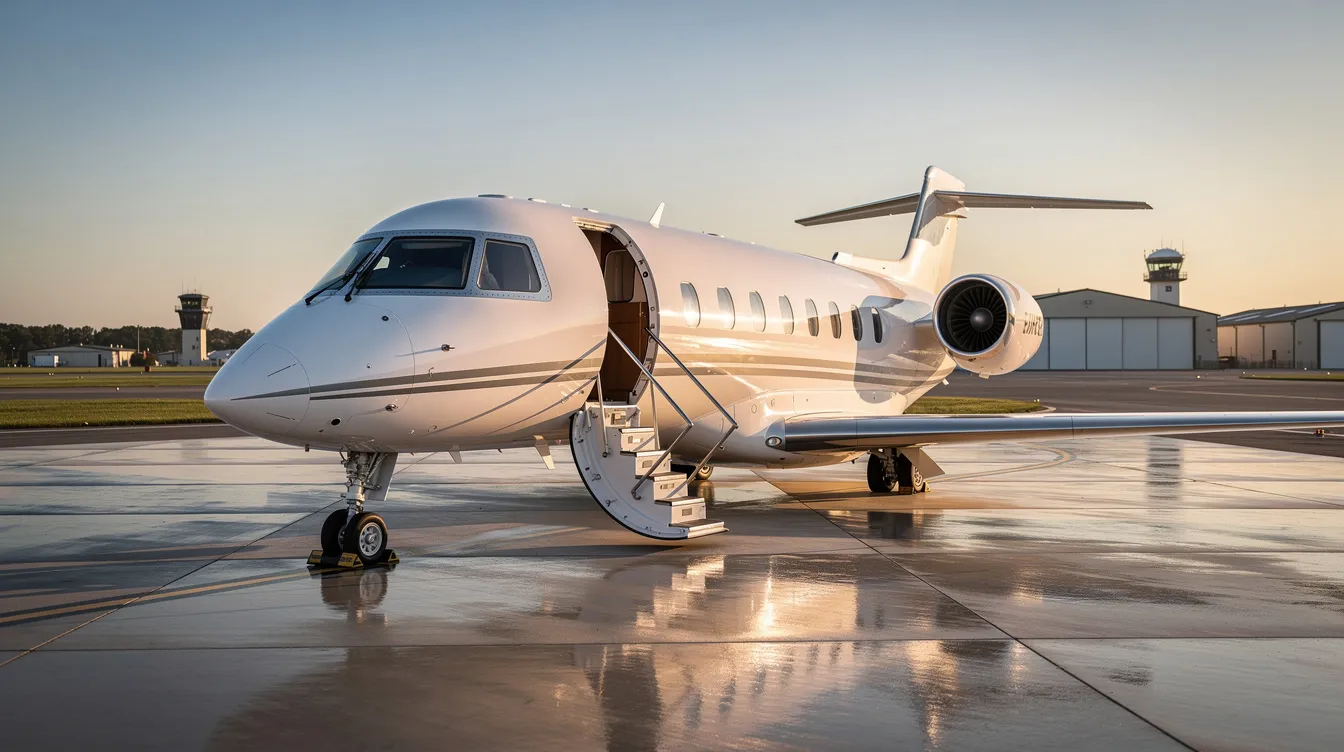
Renting a plane is no longer just about exclusivity—it’s about efficiency, control, and precision. Whether you’re a corporate executive optimizing your schedule or a traveler seeking a seamless experience, private aviation offers a clear advantage over commercial alternatives.
The key is choosing the right model.
Discover how the BlackJet 25+ Hour Jet Card can reshape your travel.
Explore flexible private jet travel solutions with fixed pricing, carbon-neutral flights, and industry-leading safety standards. Explore premium jet access with fixed pricing, carbon-neutral flights, and industry-leading safety standards.
Conclusion: Elevate Your Travel Experience with BlackJet
In today’s fast-paced world, renting a plane through trusted services like BlackJet transforms how you fly—combining convenience, flexibility, and sustainability. With BlackJet’s global network of aircraft and commitment to exceptional safety and customer care, you gain access to the best aircraft tailored to your specific needs. Whether for business or leisure, BlackJet’s transparent pricing, guaranteed availability, and carbon-neutral flights make private aviation smarter and more accessible than ever.
Experience the future of private flights by choosing BlackJet—where your journey is as important as your destination.


 Sign up with google
 Sign up with Apple