Private aviation has evolved. What was once reserved for full-aircraft charters is now expanding into a more flexible model—private jet seat sharing. For modern travelers, especially those balancing efficiency with cost, this shift represents something bigger than convenience. It reflects a broader transformation in how private aviation delivers value. The rise of semi-private options and semi-private jet flights is changing the travel experience for those seeking more than what commercial airlines offer.
For executives, entrepreneurs, and discerning travelers, the decision is no longer just whether to fly private—but how to access it intelligently. Seat sharing introduces a hybrid model that combines the exclusivity of private aviation with the economics of shared travel. Semi-private and private jet flights offer a cost-effective alternative to traditional private jet charters and commercial airlines, providing an enhanced travel experience with greater privacy, flexibility, and access to smaller airports.
This guide breaks down exactly how private jet seat sharing works, how it compares to other options, and when it makes sense, complementing broader advice on buying a seat on a private jet.
Overview of Private Jet Seat Sharing
Definition
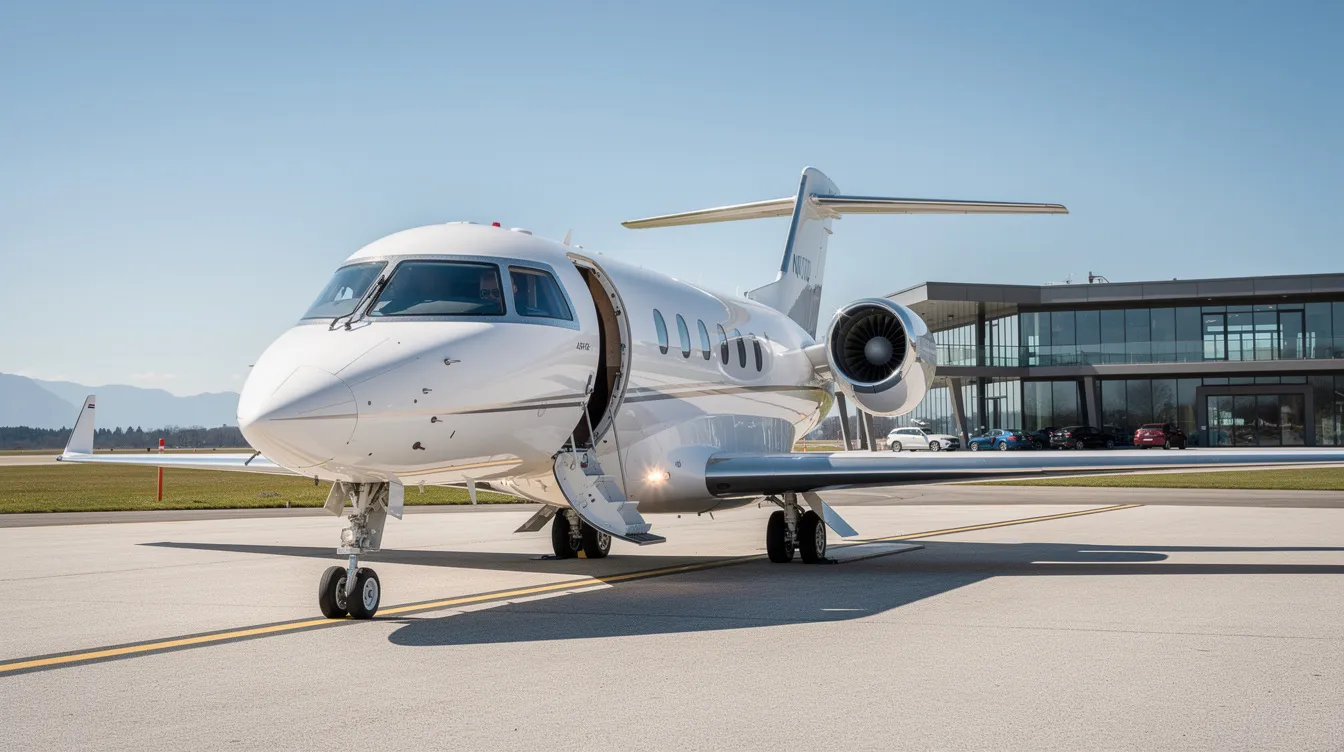
Private jet seat sharing allows passengers to book seats on a private aircraft rather than chartering the entire aircraft for exclusive use. By booking individual seats, travelers share the jet with others, paying only for their seat rather than the full cost of the flight, making luxury private aviation more affordable. Per-seat charters allow individual seat purchases, opening private jet travel to a wider audience.
Market Trend
This model is gaining traction. It blends elements of:
Scheduled commercial travel
On-demand private charter
Subscription-based aviation access
Seat sharing is increasingly positioned as a mid-market entry point into private aviation, especially for travelers who want efficiency without committing to the full cost of a charter. Many companies now offer affordable seat-sharing options, making private jet travel more accessible to a wider audience by lowering costs compared to traditional private charters.
Travelers can also take advantage of empty leg flights—flights returning to base without passengers—offered at significant discounts, sometimes starting as low as $100 for short trips, making private travel even more accessible for those focused on flying private as cheaply as possible.
Typical Passenger Counts
Shared private flights usually carry 4 to 16 passengers, depending on aircraft type. Even at full capacity, this remains far more exclusive than commercial cabins.
While seat sharing is ideal for small groups, chartering an entire aircraft is better suited for large-group travel.
How Private Jet Sharing Works
Sales Models
Private jet seat sharing operates through three primary models:
Open seat marketplaces: These platforms allow travelers to book seats on flights that would otherwise be private charters. Open seat marketplaces often list shared charter flights, providing a cost-effective way for individuals to access private aviation by sharing the aircraft with others.
Crowdsourced flights: Passengers collectively organize and fill a flight, sharing the cost.
Operator-organized shared flights: Charter companies themselves arrange flights with multiple passengers sharing the jet.
Scheduled Seat Routes
Operators run fixed routes (e.g., New York to Miami, Los Angeles to Las Vegas, London to Paris) with set departure times. These resemble airline schedules but use private aircraft, often operating from private terminals (Fixed Base Operators or FBOs), allowing passengers to avoid major airport security lines and enjoy expedited boarding.
Ad-Hoc Pooled Charters
Flights are created when enough demand exists. Travelers commit to a route, and once enough seats are sold, the aircraft is secured.
Open Seat Marketplaces
The platforms list available seats on existing charters or repositioning flights, allowing travelers to book seats on shared charter flights and join pre-booked trips. Jet-sharing apps like Jettly and BLADE connect travelers with scheduled private routes or empty-leg flights to save on costs.
Routing Strategy
Operators focus on high-demand corridors, such as:
New York ↔ South Florida
Los Ángeles ↔ Las Vegas
Dallas ↔ Aspen
By aggregating demand, they maximize aircraft utilization while maintaining access to private terminals.
Revenue Model
The economics are straightforward:
The operator covers fixed flight costs
Seats are sold individually
Revenue is distributed across passengers
This allows operators to maintain profitability while offering lower per-person pricing. To understand how this compares with chartering an entire aircraft, it helps to look at the fundamentals of private jet charter pricing. Prices for semi-private jet flights can range from comparable to commercial air travel to business or first-class pricing. Semi-private jet flights often cost less than traditional private jets because the cost is shared among a small group of passengers. However, the cost of a semi-private flight can vary by airline and route, with some flights more affordable than others.
Booking, Pricing, and Aircraft Types
Booking Timelines
Booking depends on the model:
Scheduled flights: Book like an airline—days or weeks in advance
Ad-hoc sharing: Requires lead time to fill seats
Last-minute seats: Available when flights are already confirmed
Passengers can book semi-private flights using apps or websites by entering their origin, destination, and travel dates. Booking typically requires entering passenger details, reviewing luggage allowances, and confirming payment. It is important to familiarize oneself with booking policies and cancellation terms before finalizing a reservation.
Pricing Drivers
Several factors influence seat cost, mirroring many of the drivers that determine how much it costs to rent a private jet:
The fewer seats sold, the higher the per-seat cost.
Common Aircraft
Seat-sharing flights typically use:
These aircraft offer strong operating economics while still delivering a premium experience, including spacious seating, Wi-Fi, and personalized service from the crew.
Is Seat Sharing Cost-Effective?
Relative Savings
Seat sharing can significantly reduce costs compared to a full charter. However, savings also depend on choosing the right aircraft for your trip, and understanding private jet sizes and cabin categories helps clarify where those efficiencies come from. However:
Cost Variability
Savings depend on:
Frequent routes tend to offer more consistent pricing.
Hidden Costs
Travelers should account for:
These can narrow the price gap versus premium commercial travel.
Cost Comparison: Seat Sharing vs Private Charter vs Commercial
Per-Passenger Economics
Private charter: Highest cost per passenger, maximum control
Seat sharing: Balanced cost and access
Commercial flights: Lowest cost, least flexibility
Time-Value Tradeoff
For business travelers, time often outweighs cost. Consider:
Private terminal access saves hours
Direct routing eliminates connections
Flexible departure reduces downtime
Seat sharing captures some of these benefits—but not all.
Commercial Alternatives
On major routes, first-class tickets may still be cheaper. However, they cannot match:
Where To Book Shared Private Flights
Dedicated Platforms
Several digital platforms list shared flights on their websites and mobile apps. These include scheduled shuttles and ad-hoc charters. Companies such as JSX operate scheduled flights from private terminals, offering a service similar to a high-end bus system. Other providers include Aero, Blade, Tradewind Aviation, Surf Air, and SetJet.
Brokers and Operators
Traditional brokers sometimes offer open seats on repositioning flights, especially when aircraft would otherwise fly empty.
Airports and FBOs
Passengers typically depart from Fixed Base Operators (FBOs)—private terminals that provide:
Expedited boarding
Minimal security delays
Concierge-level service
Private Jet Experience: Onboard, Ground, and Privacy
Ground Experience
Private aviation eliminates traditional airport friction:
This alone can save 2–4 hours per trip.
Cabin Experience
Even with shared seating, passengers enjoy:
Amenities on semi-private flights are similar to those on fully private jets, including comfortable seating and an attentive crew.
Privacy Trade-Offs
Seat sharing reduces exclusivity:
You share the cabin with others, some of whom you may not know, which significantly reduces privacy compared to full private charters.
Passenger profiles may vary
Still, the experience remains far more private than commercial travel.
Safety, Regulations, and Insurance for Shared Private Flights
Regulatory Oversight
Safety standards require that private jet operators hold Part 135 certification and undergo third-party audits. For a broader view of risk and performance, travelers can review how private jet safety compares to other air travel. Passengers should verify third-party safety ratings from reputable organizations such as ARGUS and WYVERN when selecting a private jet operator.
Safety Standards
Reputable operators maintain:
Insurance Considerations
Passengers should confirm:
This ensures full protection during travel.
Popular Routes: Las Vegas and Other Private Flights
High-Demand Corridors
Seat sharing thrives on routes with consistent demand:
Northeast ↔ Florida (e.g., New York to Miami)
California coastal routes (e.g., Los Angeles to Las Vegas)
Texas regional travel
Las Vegas as a Key Market
Las Vegas is a standout destination:
This makes it ideal for seat-sharing availability.
Short-Haul Advantage
Seat sharing performs best on flights under three hours, where:
Who Should Consider Sharing a Private Plane?
Occasional Luxury Travelers
Ideal for travelers who:
Cost-Conscious Business Groups
Small teams can:
Route-Driven Users
Travelers on frequent corridors benefit most, as seat availability is more consistent.
Alternatives: Private Charter, Empty-Leg Flights, and Memberships

Private Charter
Full charter offers:
Complete control
Maximum privacy
Flexible scheduling
But comes at a significantly higher cost.
Empty-Leg Flights
These are repositioning flights offered at discounts. They can provide:
Substantial savings
Limited flexibility
One-way availability
Membership Programs
Jet cards and subscription models, which are explained in depth in our guide to jet card costs and private jet memberships and this broader overview of jet card pricing, costs, and benefits, offer:
This is where providers like BlackJet differentiate, particularly through products such as the BlackJet 25+ Hour Jet Card, making it easier to compare jet card cost per hour across programs.
Fractional Ownership
Fractional ownership involves purchasing a share of an aircraft, typically recommended for those who fly more than 50 hours a year, offering a blend of private access and cost efficiency, especially when you understand fractional jet ownership depreciation and the broader tax benefits of fractional jet ownership, and it sits alongside other long-term solutions such as leasing a private jet.
How To Fly Private Cost-Effectively
Book Flexible Dates
Flexibility increases access to:
Discounted shared seats
Empty-leg opportunities
Compare Total Cost
Always evaluate:
Sometimes, chartering the entire aircraft becomes more efficient.
Optimize Ground Logistics
Choosing nearby airports and coordinating transfers reduces total trip cost.
FAQs About Sharing a Private Plane
What Drives Per-Seat Pricing?
Key factors include:
Aircraft size
Route length
Seasonal demand
Are There Luggage Limits?
Yes. Shared flights often have stricter baggage limits than full charters due to space constraints. Luggage restrictions should be considered when booking a semi-private flight to avoid inconvenience.
What About Cancellations?
Seat-sharing tickets typically have:
Final Considerations and Next Steps
Private jet seat sharing offers a compelling middle ground. It delivers many benefits of private aviation—speed, comfort, efficiency—without the full cost of charter.
But it comes with trade-offs:
Reduced flexibility compared to full private charters
Limited privacy due to sharing with other passengers
Variable availability depending on route demand
For frequent travelers or those who value reliability, jet card programs, unlimited-flight memberships, or fractional ownership often provide a more strategic solution, especially when you choose among the best jet cards for frequent flyers. Programs that offer unlimited private jet flights for a fixed fee combine predictable pricing, guaranteed availability, and full access to aircraft when needed, while fixed‑hour products such as a 100 hour jet card, a 50 hour jet card, provider‑specific options like Flexjet jet cards, or a NetJets jet card program can deliver similar reliability with defined hourly commitments.
Before booking:
Verify operator safety credentials
Understand the total trip cost, including additional fees
Evaluate route frequency and travel needs
And most importantly—align your travel strategy with your priorities.
Discover a Smarter Way to Fly Private
Seat sharing may introduce you to private aviation. But true efficiency comes from having guaranteed access when it matters most.
Discover how BlackJet can reshape your travel.
Explore premium jet access designed for flexibility, safety, and carbon-neutral performance.
https://www.blackjet.com
Conclusion
Sharing a private plane through seat-sharing and semi-private jet flights offers an accessible, cost-effective way to enjoy many benefits of private aviation, including ample space, personalized service, and greater flexibility than commercial flights. However, for travelers seeking guaranteed availability, enhanced privacy, and a truly tailored private experience, services like BlackJet provide an elevated solution. With BlackJet, you gain direct access to a fleet of modern aircraft, a trusted flight operator, and the convenience of booking on short notice, all while supporting sustainable flying practices.
Whether you prioritize saving money or desire the comfort and exclusivity of flying privately, understanding the options—from shared charter flights to premium memberships like BlackJet—empowers you to make the best travel plans for your individual needs and investment. Embrace the future of private air travel and elevate your journey today.


 Sign up with google
 Sign up with Apple