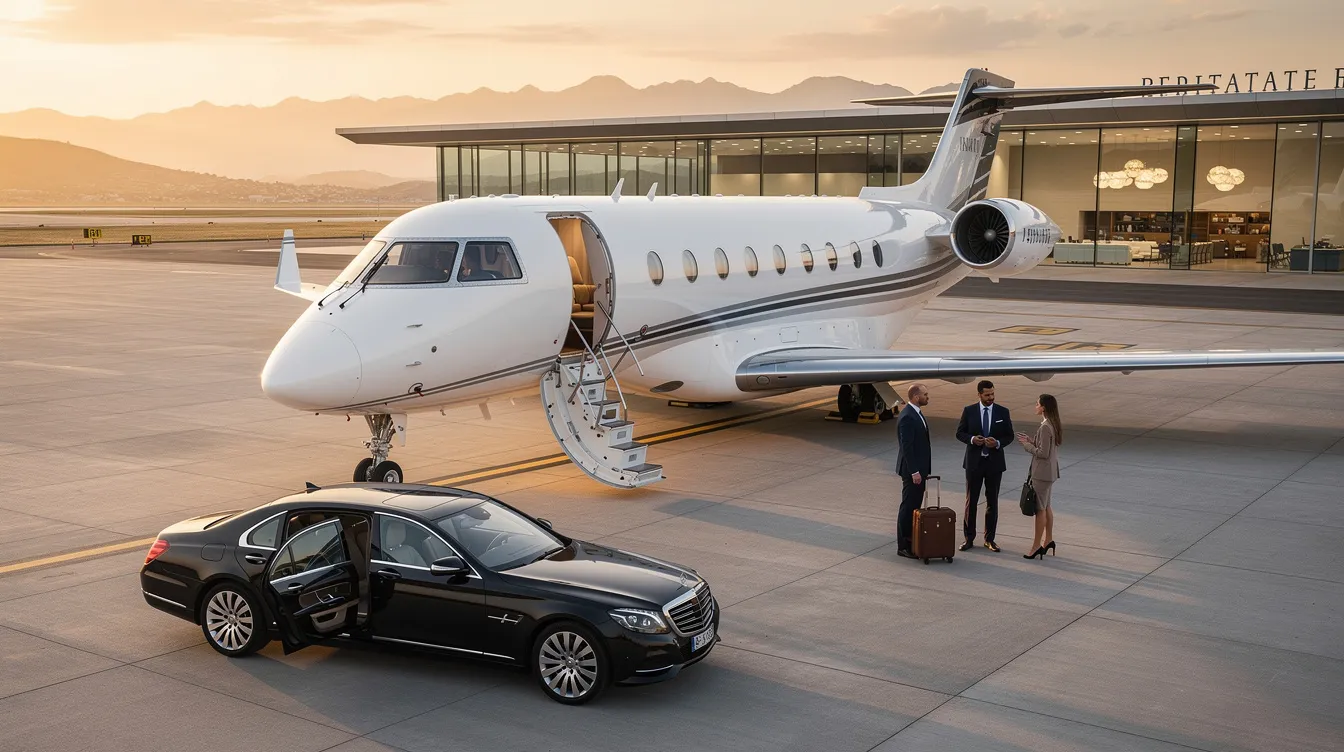
For travelers who understand that time, comfort, and control define the true value of flying, the aircraft matters just as much as the destination. While private jet access delivers unmatched flexibility and privacy, especially on small private jets designed for luxury travel, commercial aviation’s flagship aircraft—the Airbus A380—represents the peak of scale, engineering, and premium cabin innovation.
The Airbus A380 is the world's largest passenger airliner and the only full-length double-deck jet airliner, marking a significant milestone in global air travel by enabling airlines to meet growing demand for higher capacity and efficiency on major routes. It boasts a remarkable range of 8,000 nautical miles (14,800 km), supporting ultra-long-haul flights such as Singapore to London, Sydney, and New York (via intermediate stops).
As of December 2021, the A380 has completed more than 800,000 flights with no fatalities and no hull losses, underscoring its safety and reliability. Designed for 19,000 cycles, this aircraft combines durability with advanced technology, including an integrated modular avionics architecture that reduces wiring complexity and minimizes latency, enhancing operational efficiency.
Singapore Airlines’ A380 stands as one of the most refined interpretations of this aircraft. Designed for high-demand long-haul routes, it blends capacity with carefully segmented luxury—from fully enclosed Suites to high-density economy seating.
Typical A380 routes span 7 to 14+ hours, shaping everything from cabin design to service pacing. On these flights, the difference between economy, business, and Suites is not incremental—it’s transformational.
Airbus A380 Double Decker Overview
The Airbus A380 remains the only full-length double-deck passenger aircraft ever built, fundamentally redefining how airlines design onboard experiences. This plane was developed by Airbus specifically to challenge the dominance of the Boeing 747 in the long-haul market.
Full-Length Double Deck Architecture
Unlike smaller widebody aircraft with partial upper decks, the A380’s entire fuselage spans two full decks, enabling:
Seating for 500+ passengers in standard configurations, with a maximum certified capacity of 853 passengers in an all-economy configuration
Clear separation between premium and economy cabins
Dedicated service zones for different passenger classes
This architecture allows airlines like Singapore Airlines to design entire upper decks for premium travel, while maintaining high-capacity economy cabins below.
Range and Engine Capabilities
The A380 is powered by either:
These powerplants enable the A380 to cruise at a speed of approximately Mach 0.85 (about 560 mph or 900 km/h), which contributes significantly to its long-haul performance and operational efficiency.
These powerplants enable a typical range exceeding 8,000 nautical miles, supporting ultra-long-haul routes such as:
This range capability directly influences cabin design—longer flights demand sleep-focused seating, advanced climate control, and multi-stage service flows.
Historical Background: Singapore Airlines as Launch Customer
Singapore Airlines played a defining role in shaping the A380’s legacy as the launch customer of the world’s largest double-decker passenger aircraft. The first Airbus A380 was delivered to Singapore Airlines on 15 October 2007 and commenced service on 25 October 2007, following the aircraft's landmark initial flight during its development phase.
First Delivery and Industry Impact
In October 2007, Singapore Airlines became the launch customer for the A380, marking a pivotal moment in aviation history. More importantly, it introduced something entirely new:
Influence on Premium Aviation
Singapore Airlines’ early A380 design set a new benchmark:
Other carriers began investing heavily in premium cabins
The concept of “suite-style travel” expanded across long-haul aviation
Passenger expectations shifted toward privacy, space, and personalization
In many ways, the A380 became the platform where commercial aviation attempted to bridge the gap toward private aviation standards.
Cabin Configuration, Class Cabin, and Class Suite Overview
Singapore Airlines’ A380 is designed with intentional separation between passenger experiences, maximizing both efficiency and exclusivity.
Singapore Airlines operates a fleet of 12 A380 aircraft, all featuring updated 2017 cabin products.
Upper Deck Premium Layout
On most configurations:
Suites and business class occupy the upper deck in a spacious 1-1 configuration for Suites, providing passengers with privacy and comfort
The economy is concentrated on the main deck
This design achieves two key advantages:
Suite Design Variations
Singapore Airlines operates multiple A380 configurations, with Suites evolving over time:
These configurations are part of the renowned Singapore Suites experience. Each suite features a comfortable chair that swivels almost 360º, a bed that flips down, and full-grain leather seating. For couples, suites can be converted into a double cabin for added privacy and comfort.
Passengers in Suites Class are warmly greeted with a glass of Champagne upon boarding, setting the tone for a luxurious journey.
These configurations allow flexibility between solo and couple travel.
Lavatories and Amenities
Singapore Airlines' A380 Suites Class features luxurious, spacious lavatories that are larger and more well-appointed than those found on other aircraft, enhancing the premium experience.
Mixed Cabin Efficiency
The A380’s size allows airlines to:
This balance is critical for long-haul economics, just as choosing the right private jet leasing structure, costs, and providers is critical for travelers and companies optimizing long-term private aviation spend or understanding how much to rent a private jet for specific missions.
First Class Suites, First Class Cabin, and Double Bed Configurations
Singapore Airlines Suites represent one of the most sophisticated commercial aviation products available.
Private Enclosed Suites
Each Suite includes:
A fully enclosed space with sliding doors
A separate reclining seat and a standalone bed
Large high-definition in-flight entertainment screens
This creates a two-zone environment—one for relaxation, one for sleep.
Double Bed Configurations
On select A380 aircraft:
This is particularly valuable for couples traveling long-haul, offering a level of comfort rarely seen outside private aviation.
Sleep and Comfort Design
Bedding includes:
Airline-grade mattress pads
Premium linens designed for long-duration sleep
Adjustable lighting for circadian rhythm alignment
These details are essential on flights exceeding 10 hours.
Cabin Size and Exclusivity
Suites cabins are intentionally small:
This ensures a quiet, controlled environment—a key differentiator from other cabins.
Dining and Service
Singapore Airlines’ Suites service includes:
Multi-course à la carte dining
“Book the Cook” pre-order meals
Personalized beverage pairings, including a selection of high-quality wines and champagnes
The crew in Singapore Airlines' Suites Class is known for providing attentive and gracious service, ensuring every need is met with warmth and professionalism.
Service is paced to align with long-haul rest cycles, not rigid schedules.
Business Class
Business class on the A380 offers a refined balance between accessibility and comfort.
Seat Configuration
Most layouts feature:
Seats convert into fully flat beds, with generous width and storage.
Upper Deck Advantage
Business class is typically located on the upper deck, providing:
In-Flight Entertainment
Passengers benefit from:
Service Approach
Business class service emphasizes flexibility:
This aligns well with travelers balancing work and rest during flight time.
Economy Class and All Economy Configuration
The A380’s main deck is where capacity and efficiency take priority.
Standard Economy Layout
Singapore Airlines’ economy cabins include:
Personal IFE screens (typically 9–11 inches) with advanced in-flight entertainment systems featuring a large screen for each passenger
USB and AC power ports to keep devices charged
Multi-course meal service on long-haul routes
Wider seats and improved comfort compared to most airlines' economy cabins
High-Density Configurations
Some operators use all-economy configurations, dramatically increasing seat count for:
While Singapore Airlines maintains a premium balance, the aircraft itself is capable of carrying 800+ passengers in extreme layouts.
Comfort Considerations
The lower deck experience differs from the upper deck:
However, modern A380 systems mitigate these factors through:
Advanced air filtration
Improved humidity control
Stable cabin pressure designed to reduce traveler fatigue, with a quieter interior and higher pressurization than previous generations of aircraft
Amenities
The A380 is noted for having oversized bathrooms and extensive entertainment options, including in-flight Wi-Fi, enhancing passenger comfort and connectivity.
The aircraft is quieter and more stable during turbulence compared to smaller aircraft like the A350 or Boeing 777, contributing to a smoother journey.
The cabin features larger windows and more headroom compared to other aircraft, adding to the spacious feel.
Amenities, Service, and Passenger Experience
Across all cabins, the A380 is designed to enhance long-haul travel.
Premium Cabin Amenities
First and business class passengers often receive:
Crew-to-Passenger Ratios
Premium cabins benefit from significantly higher crew ratios, enabling:
Connectivity and Wi-Fi
Wi-Fi availability varies by aircraft and route, but increasingly supports:
Connectivity remains a key differentiator for business travelers, alongside confidence in aircraft and operator safety, which is why many compare commercial standards with the rigorous protocols that make private jets a highly safe way to fly, especially when exploring strategies to fly private more affordably.
Flight Information: Booking, Boarding, and In-Flight Logistics
Booking Process and Fare Classes
Booking a flight on Singapore Airlines’ flagship Airbus A380 is designed to be as smooth and flexible as the onboard experience itself. Passengers can select from a range of fare classes—Economy, Premium Economy, Business Class, and the renowned Suites (First Class)—each tailored to different travel needs and budgets. The airline’s intuitive website and mobile app make it easy to compare options, select preferred seats, and manage bookings. For those seeking a personalized dining experience, the “Book The Cook” service allows passengers in premium cabins to pre-order gourmet meals up to 24 hours before departure, ensuring their main course is ready to their taste. Travelers with specific dietary requirements or preferences can also take advantage of this feature. Additionally, Singapore Airlines offers a convenient “Waitlist” option, enabling passengers to request an upgrade to a higher class if seats become available. Whether booking a seat in economy or securing a coveted spot in the first class suite, the process is streamlined to provide maximum choice and control for every passenger flying on the Airbus A380.
Check-In and Boarding Experience
Singapore Airlines ensures a seamless start to every journey on the Airbus A380, with multiple check-in options to suit every traveler. Online check-in opens 48 hours before the scheduled flight, allowing passengers to select seats, print or download boarding passes, and even manage meal preferences from the comfort of home. At the airport, dedicated check-in counters and self-service kiosks further expedite the process, minimizing wait times. Boarding is organized by class, with Suites and Business Class passengers enjoying priority access to the aircraft, followed by Premium Economy and Economy Class travelers. This structured approach ensures a calm and efficient boarding experience, allowing passengers to settle into their seats with ease. For those flying in premium cabins, Singapore Airlines’ “Fast Track” service provides expedited security and boarding, reflecting the airline’s commitment to exceptional service from the ground up. Whether boarding in Singapore or at one of the airline’s global destinations, the process is designed to be swift, comfortable, and stress-free for all passengers, in contrast to private aviation, where frequent flyers may instead rely on unlimited private jet flight memberships to streamline travel even further.
In-Flight Procedures and Announcements
Once on board the Singapore Airlines A380, passengers are welcomed by a professional and attentive cabin crew dedicated to safety and comfort. The journey begins with a thorough safety demonstration, ensuring all passengers are familiar with the aircraft’s features and emergency procedures. Throughout the flight, the flight deck crew provides regular updates on flight time, altitude, and weather conditions, keeping everyone informed from takeoff to landing. Shortly after departure, the in-flight entertainment system is activated, offering a huge amount of content—from the latest movies and TV shows to music and games—accessible from every seat. Passengers can order snacks and meals directly through the entertainment system or by requesting assistance from the crew, who are always ready to accommodate special requests. The menu features a diverse selection of Asian and Western dishes, including signature options like spicy peanut sauce and desserts such as vanilla ice cream. With advanced technology like onboard Wi-Fi and live TV, passengers can stay connected and entertained throughout their journey. The crew’s attentive service, combined with the spacious cabin environment, ensures that every flight on the Singapore Airlines A380 is as enjoyable as it is memorable.
Operational Economics: Lower Operating Costs and Capacity Considerations
The A380 was designed to deliver lower operating costs per seat, but only under specific conditions.
Despite its groundbreaking design, the A380's development cost was estimated at $25 billion, a figure that Airbus was unable to recover by the time production ended. The aircraft's production line saw its highest output when production peaked at 30 aircraft per year in 2012 and 2014, before declining as demand waned.
Cost Efficiency Model
At high load factors, the A380 can:
Demand Requirements
However, profitability depends on:
Without these, the aircraft’s size becomes a disadvantage.
Turnaround and Scheduling
A380 operations require:
This impacts scheduling flexibility, especially at congested hubs.
Fleet Shifts
Many airlines have reduced A380 fleets due to:
As a result, only a handful of A380s remain in active service as airlines continue to favor smaller aircraft.
Comparisons With Etihad Airways and Other First-Class Operators
Singapore Airlines is not alone in pushing premium boundaries. Other major Airbus A380 operators include Air France and Lufthansa, both based in Europe, who have also invested in luxurious premium cabins on their double-decker aircraft.
Etihad Airways
Etihad introduced:
Emirates
Emirates focuses on:
Key Differences
Carriers differ in:
Singapore Airlines emphasizes privacy, space, and understated luxury, rather than spectacle, and its A380 Suites Class is considered one of the best travel experiences in the world.
Routes, Scheduling, and Fleet Notes
Singapore Airlines deploys the A380 strategically.
Route Selection
Typical routes include:
These routes feature:
Flight Time Impact
Flights ranging from 7 to 14 hours influence:
Seasonal Adjustments and Dubai Deployment
Singapore Airlines previously deployed the A380 to Dubai in April 2024, but only for two round-trip services at that time.
Starting March 29, 2026, Singapore Airlines will deploy the A380 to Dubai daily until October 24, 2026, significantly increasing capacity on this route by 78%, adding 207 seats per flight compared to the previous aircraft used.
Technical Notes and Safety
The A380 represents one of the most advanced commercial aircraft ever built.
Certification and Capacity
The aircraft is certified to carry up to:
Structural Engineering
Key innovations include:
Maintenance Considerations
Operating an A380 requires:
These factors influence long-term fleet decisions for airlines, much like aircraft type, hourly rates, and fee structures shape NetJets jet card cost and program selection and broader jet card cost and private jet membership pricing for private flyers.
Commercial Aviation vs. Private Jet Access
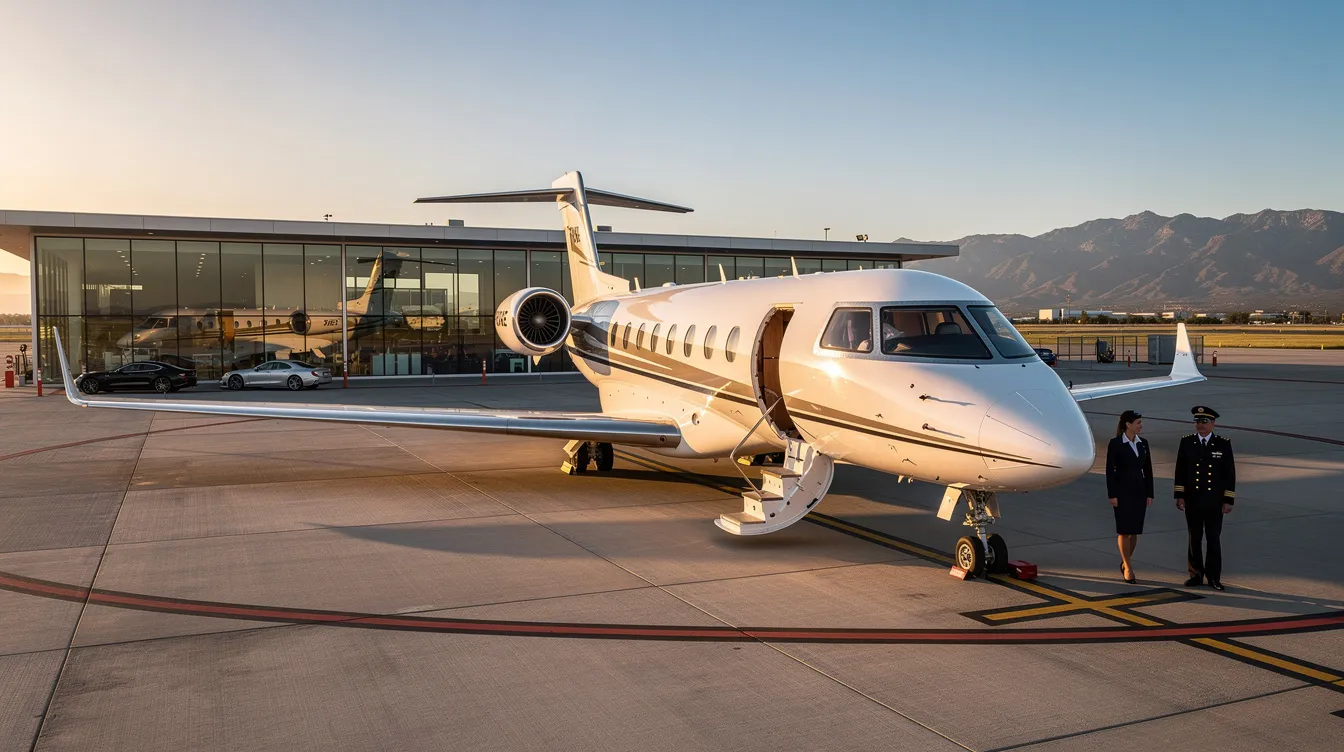
While the A380 showcases the peak of commercial aviation, it also highlights its limitations, especially when compared with BlackJet’s premium private jet cards and jet card programs and other top jet cards for frequent flyers.
As of January 2026, Singapore Airlines has 12 A380 aircraft remaining in its fleet, not all of which are operational. The A380 continues to play a significant role in Asia's long-haul air travel market, reflecting the region's high demand and strategic deployment of large aircraft, in contrast to private aviation, where travelers can select from different private jet sizes to fit their journey.
Even in Suites:
Private jet access offers a different model, with multiple types of private jets for every traveler available to match specific mission profiles and a wide range of jet card cost per hour options to align budgets with expected usage:
For travelers prioritizing flexibility, privacy, and time efficiency, private aviation becomes not just a luxury—but a strategic upgrade, especially once you understand how to buy a seat on a private jet through modern platforms and membership models and compare different jet card pricing structures and benefits.
Discover Elevated Travel Beyond Commercial Limits
Singapore Airlines’ A380 represents the pinnacle of commercial long-haul travel. Its Suites, business class, and economy cabins demonstrate how far airlines can push comfort within a shared aircraft.
But for those who demand complete control over their time, routes, and experience, the next step is clear.
Discover how BlackJet can reshape your travel. Travelers who don’t yet need a full program can start with a 25 hour jet card guide to features and costs to understand entry-level commitments.
Explore seamless, carbon-neutral private jet access designed for those who value precision, privacy, and performance, and consider how the BlackJet 25+ Hour Jet Card and a 50 hour jet card cost comparison or even an in-depth 100 hour jet card cost guide can lock in predictable pricing for frequent private travel.
Conclusion
The Singapore Airlines double-decker Airbus A380 sets a high standard for luxury, space, and efficiency in commercial aviation. From the exclusive Suites class with private, convertible double beds to the spacious economy cabins equipped with modern amenities, the A380 delivers an exceptional travel experience on long-haul routes. However, for travelers seeking ultimate flexibility, personalized schedules, and unparalleled privacy, private jet services like BlackJet offer an elevated alternative. BlackJet’s carbon-neutral private jet access combines convenience with sustainability, providing a bespoke travel solution for those who want to fly on their own terms beyond the limits of commercial flights. Whether flying aboard the iconic A380 or opting for private aviation, today’s travelers have more choices than ever to tailor their journey to their lifestyle and values.


 Sign up with google
 Sign up with Apple