Private aviation is evolving. What was once reserved for full aircraft ownership or high-cost charter is now being reshaped into new access models. Subscription-based flying—led by companies like Surf Air—introduces a different concept: predictable, repeatable regional air travel without owning or chartering a full aircraft each time. Surf Air’s business model disrupts the traditional airline industry by eliminating the hassle of commercial flying and offering a customer-centric, flexible alternative.
Flying on a commercial flight often leads to a complicated, crowded, and time-intensive experience, with long security lines, delays, and packed terminals. Surf Air aims to eliminate this hassle by streamlining the travel process and providing a more convenient, stress-free journey. Members can arrive just 15 minutes before their flight, bypass TSA screening entirely, and board quickly, enjoying a personalized service that avoids the long security lines typical of commercial airlines.
For corporate travelers and high-frequency flyers, the appeal is obvious. Instead of navigating commercial airport delays or spending hours driving between cities, Surf Air positions itself as a time-optimization tool. The time saved by flying Surf Air instead of sitting in a car for hours is significant, making regional travel much more efficient. But unlike traditional private jet access, it operates within a defined regional network and a membership-driven structure, allowing members to book flights minutes before departure and enjoy a private aircraft experience without the high cost of private jets.
Understanding how Surf Air works—and where it fits compared to true unlimited private jet membership programs—is critical before committing. Surf Air launched in 2013 with a subscription-based business model that offers unlimited flights for a monthly fee, setting a new standard for flexibility and disruption in the airline industry.
Overview: Surf Air and the All-You-Can-Fly Concept
Surf Air’s model is built on a simple premise: replace short-haul driving and inefficient commercial routes with scheduled, private-aviation-style flights. The appeal is obvious—Surf Air’s all-you-can-fly program is designed to fulfill the desire for a more convenient and personalized travel experience, offering customers time savings, comfort, and exclusive perks.
Instead of chartering an entire aircraft, members book individual seats on scheduled flights operated within a regional network. These routes are designed for high-frequency corridors where driving or commercial travel is inefficient. Key destinations served by Surf Air include Santa Barbara, San Carlos, Truckee, and Hawthorne, providing customers with flexible access to popular and underserved locations.
Surf Air offers a more personalized service than traditional airlines, catering to its customers' needs and desires. The airline's co-founder emphasizes the importance of customer satisfaction, stating that if passengers are not happy, they will not renew their subscriptions. This focus on customer experience differentiates Surf Air from traditional airlines, which often rank low in customer satisfaction.
Scheduled Flights vs On-Demand Charter
Surf Air offers two distinct experiences, which invite comparison with the practical value of chartering a private jet versus commercial flying:
Scheduled Membership Flights: Members book seats on predefined routes, typically operated by turboprop aircraft such as the Pilatus PC-12. These flights are operated by experienced pilots and supported by a dedicated customer support team to ensure a safe and hassle-free experience. Members can book flights up to 15 minutes before departure when seats are available.
Surf On Demand Charter Marketplace: A separate platform where users can charter full aircraft on demand with transparent pricing, ideal for travelers who are still learning about the meaning and benefits of charter flights.
Surf Air operates a mix of scheduled and on-demand charter flights, primarily using the Pilatus PC-12, an eight-seat executive aircraft that provides business-class seating and complimentary snacks and drinks on every flight, ensuring a comfortable flying experience and illustrating how different private jet sizes suit specific mission profiles.
Operational Model
Surf Air functions primarily as a membership platform and marketplace, while FAA-certified third-party carriers operate the flights under Part 135 regulations rather than the Part 121 standards used by large commercial airlines. Scheduled flights are typically operated with two pilots for enhanced safety and professionalism. This structure allows Surf Air to scale access without owning a full fleet.
Surf Air Offers and Membership Details
New members are required to sign up and pay an initial one-time sign-up fee, typically $1,000.
Surf Air has expanded beyond a single subscription model into multiple tiers designed for different travel behaviors.
The membership structure includes costs for both unlimited flights and a lower-cost tier for individual seat purchases, conceptually similar to how private jet card pricing structures, jet card hourly cost comparisons, and broader private jet charter pricing guides blend access fees with per-use costs. Memberships start at $295 per month or $3,540 per year, with monthly costs for "All-You-Can-Fly" plans ranging from $1,950 to $2,950+ as of 2018–2019. Memberships can be paid in full for the entire commitment term or billed monthly and are tied directly to each individual.
Membership Types
Unlimited Membership Plans Designed for frequent regional travelers with consistent routes, these plans allow an unlimited number of flights within the membership terms.
Pay-As-You-Fly Options Ideal for occasional users who want flexibility without commitment.
Corporate Plans Built for companies needing predictable regional travel across teams and potentially weighing higher-commitment options like a 50-hour jet card program.
Available membership tiers include All-You-Can-Fly, Pay-for-Seat, and Group memberships, which can be compared with structured options like a 25-hour private jet card.
Reservation Limits on Unlimited Plans
Even “unlimited” memberships include active booking caps, typically:
2 active reservations (entry tier)
4 active reservations (mid-tier)
6 active reservations (premium tier)
This ensures network availability while allowing frequent rebooking after each completed flight.
Add-Ons and Flexibility
Members can enhance their experience through:
Prepaid flight credits
Guest passes and family sharing
Additional seat access during peak demand
Additional perks such as discounted rates at partner hotels and car rentals
Billing is offered monthly or annually, with pricing that has historically varied by region and promotional campaigns.
Members may keep two, four, or six reservations in advance at any given time based on their membership plan.
Pricing Models: All-You-Can-Fly, Pay-As-You-Fly, and Corporate Plans
All-You-Can-Fly Memberships
These plans operate on a subscription basis, allowing unlimited flights within a defined network. Pricing depends on:
Reservation limits
Network coverage
Membership tier
The effective cost per flight decreases as usage increases.
Pay-As-You-Fly
This model removes commitment. Travelers can:
However, per-seat pricing is typically higher than unlimited plans when usage is frequent.
Corporate Plans
Corporate memberships provide:
This makes them attractive to companies with predictable regional travel needs, much like the best jet card programs for frequent flyers package predictable access and pricing, especially when paired with strategies to maximize jet card tax deductions.
Policy Differences
Important distinctions include:
Unlimited memberships often have stricter cancellation and reservation rules, much like some structured private jet card memberships
Charter bookings through Surf On Demand follow separate refund and pricing structures
Surf On-Demand Charter Flights and Marketplace
Surf Air’s On Demand platform extends beyond scheduled routes, offering full aircraft charter. Customers can choose from a range of planes, including comfortable turboprops and light jets, designed for both safety and exclusivity, with pricing comparable to typical private jet rental cost structures by aircraft type. These planes often land at smaller, less congested airports, offering more convenient and strategic landing options than traditional commercial flights.
Marketplace Features
This removes traditional broker delays and gives users more control.
Charter Pricing Benchmarks
Turboprops: from ~$500/hour
Light jets: ~$3,000–$5,000/hour
Large jets: $10,000+/hour
Pricing depends on aircraft type, route, and passenger count.
Charter Flights Pricing, Aircraft Types, and Routes
Aircraft Types
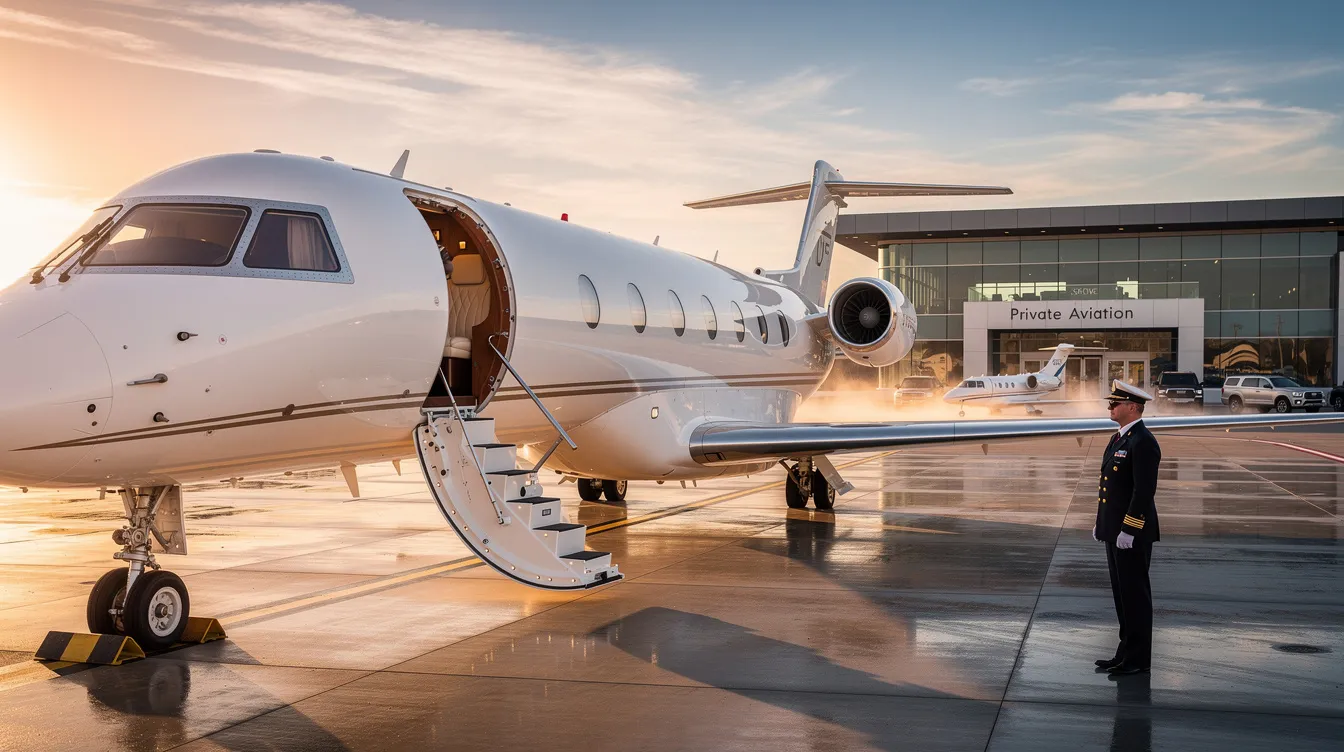
Surf Air’s ecosystem includes:
Each category comes with different cost structures and range capabilities.
Route Strategy
Surf Air focuses on regional point-to-point routes, reducing overall travel time in ways that complement strategies for flying private more affordably, and reducing:
Driving time
Layovers
Airport congestion
This is especially valuable in regions like California, where traffic delays are significant, and travelers may eventually graduate from regional shuttles to premium private jet card solutions like BlackJet or even consider the rarefied world of the most expensive private jets.
Surf Air has expanded its reach to over 5000 public-use airports, many of which are not served by commercial airlines, further increasing convenience and flexibility and overlapping with the network breadth discussed in comprehensive guides to leasing private jets and broader analyses of how many private jets operate worldwide.
Seat Pricing Variables
Seat pricing depends on:
Route demand
Booking window
Membership tier
San Carlos and Other Key Airports Served
San Carlos (SQL)
San Carlos serves as a major Surf Air hub in the Bay Area. Members benefit from:
Private lounge access
Rapid boarding
Minimal wait times
Regional Airports
Other commonly served airports include:
These smaller airports enable 15-minute arrival times and eliminate TSA delays.
Fleet, Safety, and Pilot Standards
Aircraft: Pilatus PC-12
The PC-12 is central to Surf Air’s model:
Reliable single-engine turboprop
Configured for ~8 passengers
Efficient for short regional flights
Safety Structure
Flights are operated by FAA-approved carriers, ensuring regulatory compliance and aligning with the stringent standards highlighted in in-depth analyses of private jet safety and risk, which also address traveler concerns such as turbulence on private jets compared to airlines.
Typical standards include:
Two-pilot operations for scheduled flights
Routine maintenance checks
Established safety protocols
Operational Experience: Booking, Check-In, Lounges
Booking Flexibility
Members can book flights:
Check-In Experience
Members enjoy a comfortable flying experience with business-class seating and complimentary snacks and drinks on every flight.
Continuous Booking Advantage
After completing a flight, reservation slots open immediately—allowing unlimited members to rebook quickly.
Policies: Baggage, Pets, Minors, Cancellations
Baggage
Typical limits include:
Pets
Service animals are prioritized
Non-service pets require advance notice
Additional fees may apply
Minors
Policies vary but often require:
Signed consent forms
Advance coordination
Cancellations
Rules depend on membership type, with stricter policies for unlimited plans, and can be evaluated alongside alternative access models such as fractional jet ownership with tax benefits.
Surf Air Mobility, Corporate History, and Partnerships
Surf Air Mobility is the parent company behind the platform. Surf Air launched in 2013 and has since expanded its service into Texas, Europe, and other regions, growing its all-you-can-fly subscription model beyond its original California base.
In its strategic moves, Surf Air expanded into Texas, offering flights to and from Austin, San Antonio, Dallas, and Houston. The company also pursued international growth, with Surf Air launching routes in Europe, including the UK and Switzerland, despite facing regulatory and operational challenges in those markets.
A key milestone in Surf Air's timeline occurred in February, marking significant developments in its expansion and organizational growth, coinciding with broader innovations, including the use of cryptocurrency to purchase private jets securely.
Strategic Moves
The acquisition of BlackBird expanded the charter reach
Partnerships with operators like Southern Airways Express
Public listing under ticker SRFM
Future Direction
Surf Air has explored electric aviation initiatives, positioning itself for long-term sustainability—though certification and infrastructure remain in early stages.
Industry Context: Subscription Aviation and Environmental Considerations
Rise of Subscription Models
Surf Air helped pioneer subscription flying, influencing:
The subscription model has been successful in the United States, prompting other airlines, such as Frontier Airlines and Alaska Airlines, to introduce their own subscription-based flight passes.
Environmental Considerations
Increased short-haul flights raise emissions concerns. However:
Comparisons: Surf Air vs Commercial Airlines and Private Jet Access
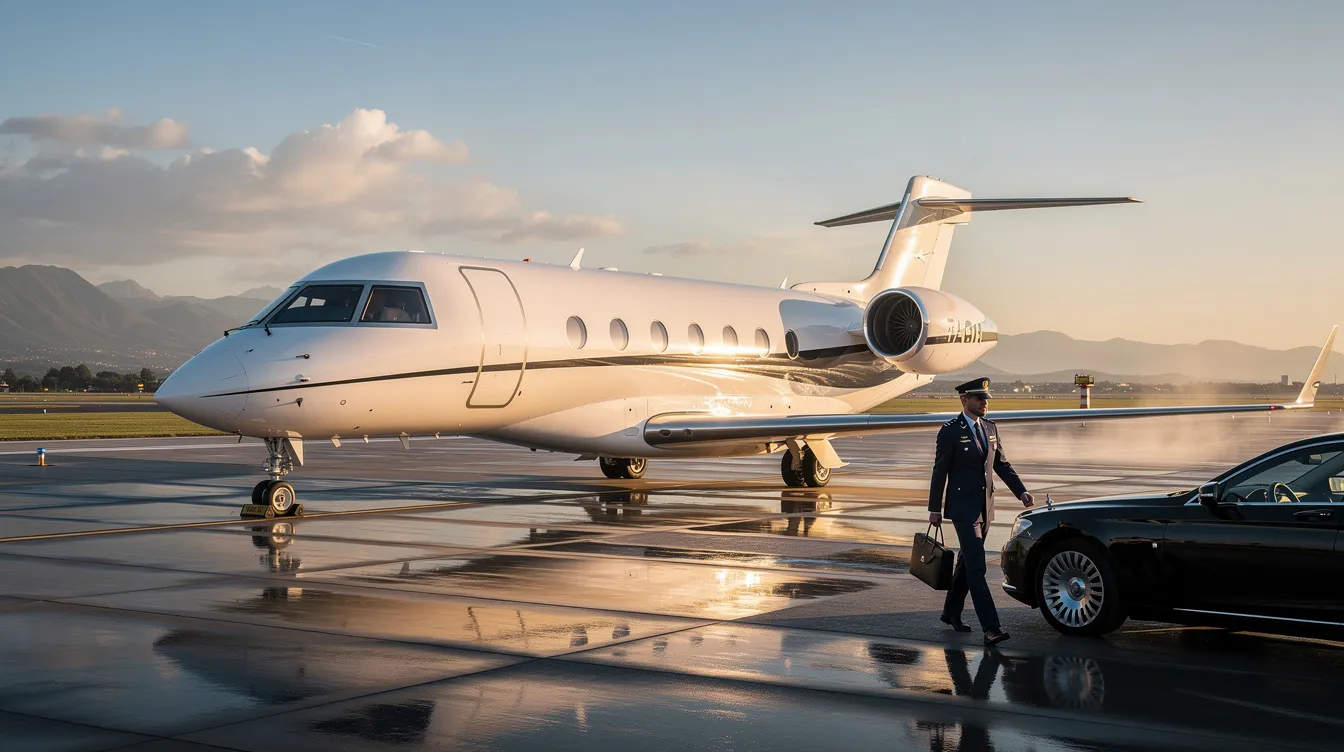
Versus Commercial Airlines
Surf Air eliminates:
However, commercial airlines still offer:
Versus Private Jet Access
This is where the distinction becomes critical.
Surf Air provides:
Seat-based access
Fixed routes
Shared cabins
Private jet programs like BlackJet offer:
For executives, this difference defines whether travel is merely efficient—or truly optimized.
Marketplace Operations and Legal Structure
Surf Air typically operates as:
Marketplace listings aim to provide transparency on:
Aircraft type
Operator
Pricing
Airport access
Frequently Asked Questions and Practical Member Tips
How Much Advance Notice Is Needed?
How Do Aircraft Types Affect Cost?
What Should Members Verify Before Joining?
Reservation limits
Billing cycles
Cancellation policies
Airport access logistics
Are Refunds or Rollovers Available?
Policies vary widely—always confirm terms before committing.
Final Perspective: Where Surf Air Fits in Modern Aviation
Surf Air delivers a compelling solution for regional travelers who value time over traditional airline constraints. It replaces long drives and inefficient short-haul flights with something faster, more streamlined, and more predictable.
But it remains a shared aviation model.
For those who require:
Total schedule control
Global reach
Full privacy
Carbon-neutral travel
A higher tier of access becomes essential.
Discover Elevated Private Jet Access
Subscription flying is a step forward—but true aviation advantage comes from control, certainty, and capability.
Discover how BlackJet can reshape your travel.
Explore premium jet card access with guaranteed availability, advanced safety standards, and carbon-neutral flights—designed for those who expect more from every journey.
Conclusion
While Surf Air’s all-you-can-fly subscription model revolutionizes regional air travel by offering convenience, flexibility, and a personalized experience, travelers seeking global reach and full control over their flights may consider premium options like BlackJet. BlackJet provides access to a wide range of private jets worldwide, combining luxury, guaranteed availability, and commitment to sustainability. For those who value certainty, privacy, and elevated service beyond regional routes, BlackJet’s jet card programs offer a compelling complement to the innovative subscription-based flying pioneered by Surf Air.
To learn more about premium private jet access and how BlackJet can elevate your travel experience, visit www.blackjet.com.


 Sign up with google
 Sign up with Apple