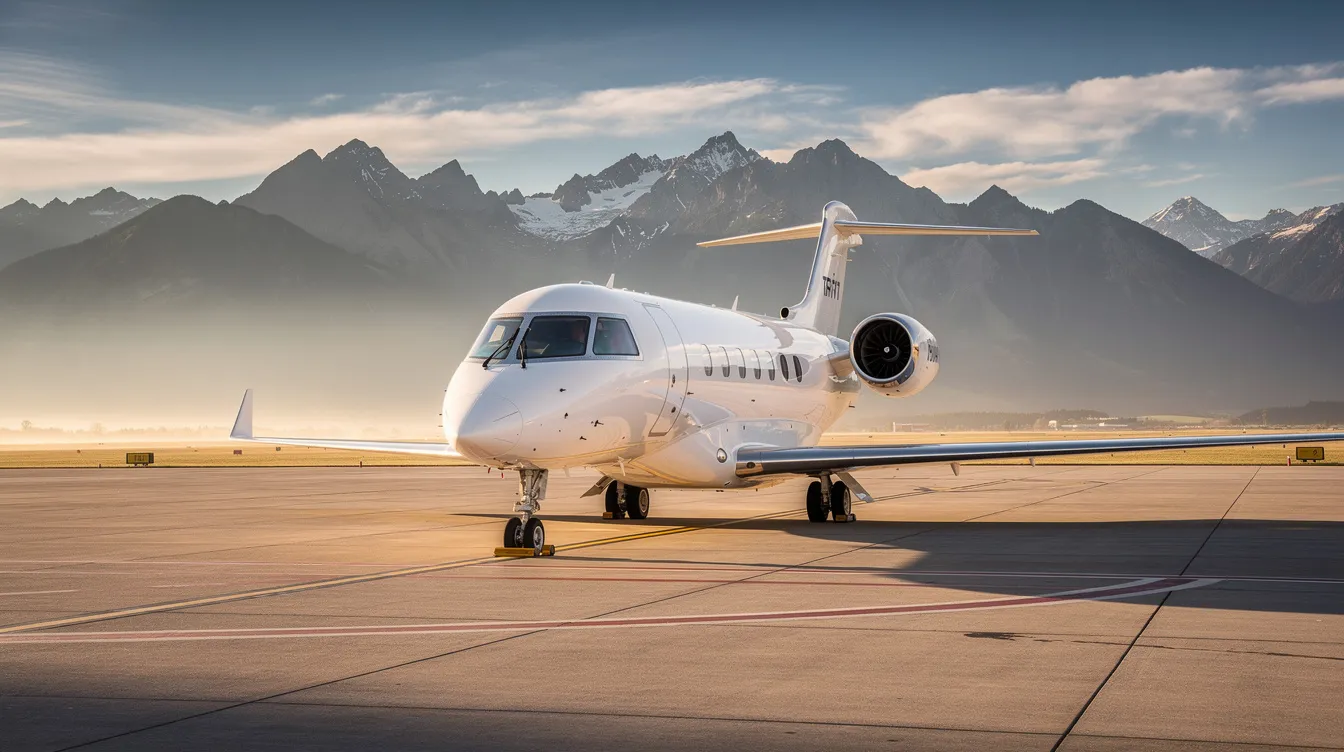
Private aviation is not simply a luxury—it is a strategic tool for those who treat time as their most finite resource. For high-net-worth individuals and corporate travelers, the decision to access private aviation involves weighing flexibility, cost, and control. Aircraft shares have emerged as a compelling middle ground between on-demand charter and whole aircraft ownership, offering meaningful control without the full capital burden of owning a plane outright.
This guide is designed for high-net-worth individuals and corporate travelers seeking to optimize their travel experience. It covers the main models of aircraft shares, cost structures, operational experience, and how they compare to alternatives like jet cards and co-ownership, helping high-net-worth individuals and corporate travelers make informed decisions.
Airplanes are high-capital intensity assets requiring substantial investment, and global passenger air traffic historically grows faster than GDP due to rising middle classes worldwide. Yet air travel remains a discretionary expense sensitive to economic cycles. Aircraft shares address this tension: they provide access to a specific aircraft, guaranteed flight hours, and fleet consistency, while splitting operating costs among multiple owners. For the executive who loses half a day connecting through hubs on a New York–Dallas or London–Geneva trip, the advantage is measured in hours reclaimed and meetings made.
At BlackJet, we see Jet Card programs as the most flexible alternative to owning aircraft shares—no capital at risk, no multi-year contract, and the freedom to fly different aircraft types trip by trip.
What Are Aircraft Shares? Key Models Explained
Aircraft shares represent an undivided interest in a specific aircraft or a managed fleet. In fractional ownership programs, the plane is divided into portions, and the buyer acquires a fraction of the aircraft; ownership allows shares as small as one sixteenth. Most programs assume roughly 800 occupied hours per year per aircraft, so a 1/16 share means owners buy a fraction of the aircraft that grants approximately 50 flight hours annually.
Fractional ownership allows multiple owners to share one aircraft, and owners can interchange hours into different aircraft types within the same fleet. Fractional ownership also allows aircraft exchange between owners in the program. It is worth noting that fractional ownership is not a timeshare arrangement and does not utilize timeshare provisions under FAR—it is a distinct legal and operational structure.
Key terms to understand:
Occupied hourly rate - the variable cost billed per hour flown, including fuel, engine reserves, and maintenance reserves
Management fee - a fixed monthly charge covering crew, insurance, training, hangar, and scheduling overhead
Residual value - the projected worth of your share at the end of the contract term
Fractional Ownership vs Co-Ownership vs Jet Cards
Sophisticated travelers generally weigh three paths: fractional ownership, private co-ownership, and Jet Card membership. Most fractional ownership programs require a five-year commitment when you buy into a share, while some competitors instead steer prospects toward options like a NetJets jet card to reduce long-term obligation. Fractional ownership typically requires a five-year commitment, a significant purchase price, monthly management fees, and a fixed hourly rate—but guarantees availability and fleet standards; for some owners, the tax benefits of fractional jet ownership are a primary part of the value proposition.
Co-ownership involves a small group (two to four partners) sharing title to a single aircraft at one primary location, which contrasts with chartering private jets configured for up to 50 passengers when you need large-group lift only occasionally. Current listings illustrate the range: the Bombardier Challenger 300 is available for co-ownership, the King Air 350i is available for co-ownership only, the Cessna Citation Mustang offers a half share opportunity, and the 2024 Epic E1000 GX offers a 50% ownership share. Co-ownership demands more coordination among fewer owners and carries higher hassles around scheduling and unforeseen maintenance costs.
Jet card programs offer prepaid access to private jets—typically 25-hour or 50-hour blocks—with no asset risk or residual value exposure. Users can choose from multiple cabin types with jet cards, which can make it easier to upgrade to a different aircraft category when a trip requires it, and jet card programs allow flexibility in aircraft selection each trip. Jet card programs provide 24/7 digital booking tools and real-time support, making the method far simpler than managing a share. Through BlackJet Certified, every operator in the network meets rigorous safety benchmarks—giving you peace of mind without the ownership burden, whether you're committing to a share or simply buying a seat on a private jet for a single trip.
How Costs of Aircraft Shares Really Work
Aircraft ownership via shares involves three cost pillars: acquisition, fixed fees, and per-hour charges.
The purchase price for a 1/16 fractional ownership share in a midsize jet runs roughly $600,000–$900,000. Monthly management fees cover fixed overhead like pilot salaries and maintenance—expect $10,000–$20,000 per month for light jets, scaling higher for larger aircraft types. These costs are subject to annual escalation of 3–6%.
Hourly occupied fees are variable charges applied per hour flown. The occupied hourly rate typically includes fuel, engine reserves, catering, and taxi time, though extras like de-icing or international fees may appear separately. Aircraft in fractional ownership programs average 1,000 to 1,200 annual hours of utilization, which is far heavier than a privately held jet's 200–300 hours. That intensity means aircraft depreciation affects their resale value and investment returns—owners can lose 30–50% of their purchase price over a five-year term.
Fractional ownership is a financial tool rather than a profit-yielding investment. Recurring revenue from maintenance services is critical for aviation suppliers, but for the buyer, money flows out, not in. BlackJet's Jet Card model eliminates this: a transparent hourly rate by cabin class, no capital tied up, and no residual value to worry about when your flying needs change.
Operational Experience: What Living With an Aircraft Share Looks Like
Imagine an executive who buys a 1/16 share in a super-midsize jet in 2026, planning to fly 50–75 hours per year across North American and Caribbean routes; for that profile, the arrangement can make sense if those hours are predictable, but less so if plans change often. Booking typically requires 6–24 hours' advance notice, with peak-day restrictions during holidays. When multiple owners want the same dates, scheduling priority is assigned by the provider—guaranteed availability is real, but not absolute.
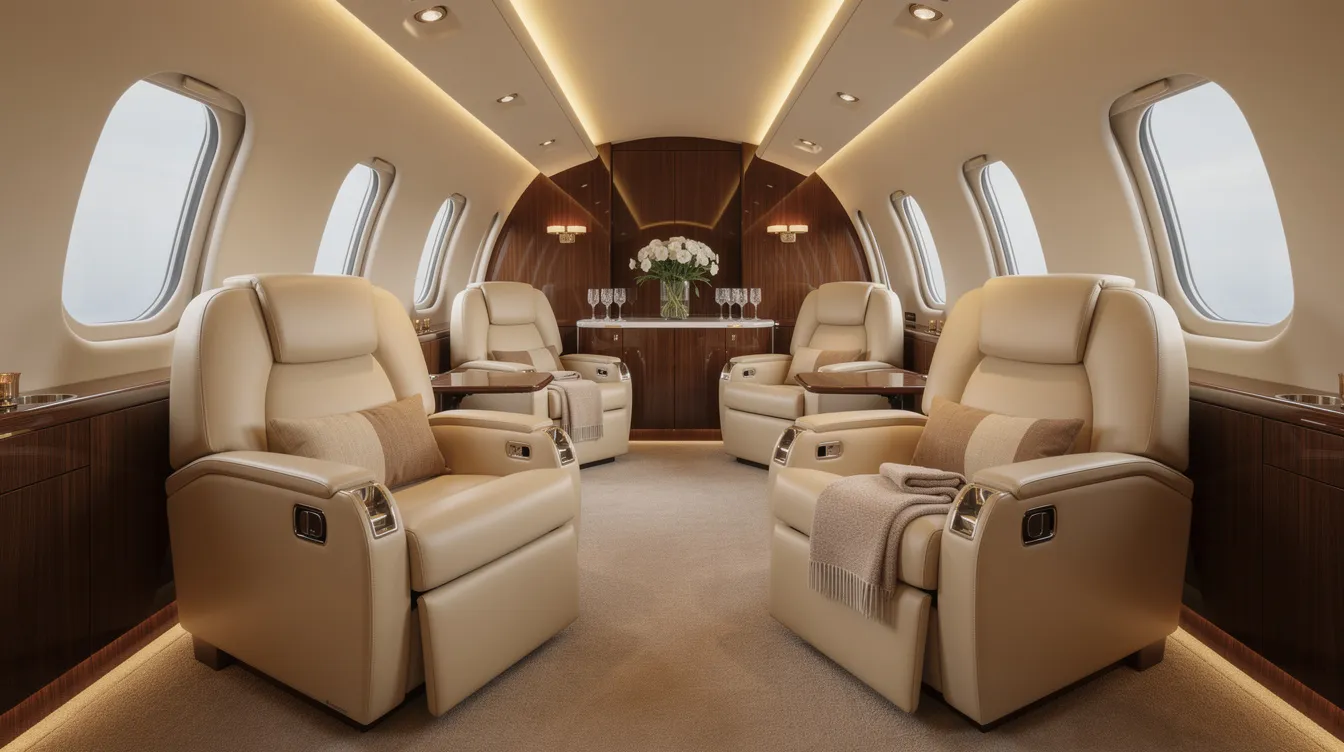
Aircraft manufacturing has high barriers to entry due to capital requirements and regulations, which means fleet options are finite, especially when you are comparing larger-cabin aircraft like 16-seat private jet options for group travel. You may not always fly your "home" tail number; substitution with another aircraft of the same type is standard during maintenance windows. Cabin layouts can vary across tail numbers despite similar interior refurbishment cycles. Dedicated crews are often assigned to specific aircraft in fractional ownership, maintaining consistency in service, though professional pilots may rotate depending on fleet size and crew training schedules, which can affect an owner's sense of continuity from trip to trip.
With BlackJet, you choose your aircraft category each trip, access a broader fleet globally, and tailor every mission without being locked into a single type or provider, much like the flexibility discussed in broader analyses of whether chartering a private jet is worth it. Unused hours never become a source of frustration because your card simply carries forward flexibility.
Risk, Regulation, Tax, and Safety Considerations
Owning aircraft shares means becoming an aircraft owner for regulatory and tax purposes. Regulatory compliance is a significant burden for the aviation industry, and fractional programs in the U.S. operate under Part 91 Subpart K, which imposes strict oversight on pilot fees, crew training, and maintenance. Owners may benefit from depreciation deductions and other tax benefits—including bonus depreciation—but face state sales and use tax exposure, so consult aviation tax counsel for the details because individual circumstances can affect the outcome. The federal transportation of persons tax (7.5%) often applies to the occupied hourly rate portion of charges.
From an investment perspective, aviation shares can provide exposure to the global travel and transportation industries, and understanding the broader private jet price landscape helps frame where fractional programs sit on the cost spectrum, but cyclical economic sensitivity makes aviation investments risky during downturns. Macroeconomic conditions significantly impact airline profitability. Aviation stocks can experience volatility in response to fuel price changes. Dividends from aviation companies depend on sustainable cash flow and financial health, and investing in aviation firms requires understanding financial health and operational efficiency. Many aerospace firms receive government contracts providing financial stability during downturns, but individual shareholders don't enjoy that buffer.
Environmental regulations push the aviation industry towards sustainable practices. Sustainable aviation practices aim to reduce carbon emissions, and sustainable aviation includes using alternative fuels and technologies. Private aviation companies offer carbon offset options for flights, and some also promote more affordable private jet options to broaden access, though many treat them as add-ons. Carbon-neutral flights are available in private aviation—BlackJet provides them by default at no extra cost.
Is an Aircraft Share Right for You—or Is a Jet Card Smarter?
Aircraft shares can be the perfect choice for travelers flying 50–200 hours per year on consistent routes with stable aircraft type preferences, who want ownership status and potential tax benefits, whereas lower-utilization flyers may gravitate toward a 25-hour jet card structure instead. Co-ownership suits those who find the right partners and a single plane that matches their primary mission, but many still compare it directly with chartering a private jet on an as-needed basis.
A BlackJet Jet Card is designed for a different profile: travelers flying 25–100+ hours per year with variable routes, international segments, and changing group sizes who value flexibility across cabin classes without asset risk; the BlackJet 25+ Hour Jet Card is tailored specifically to that use case.
Consider these decision cues:
Do you expect your annual flight hours to change significantly over the next 3–5 years? If yes, a Jet Card offers more flexibility, and comparing the best jet cards for frequent flyers can clarify which program structure matches your forecast.
Are you comfortable with a multi-year contract and capital exposure? If not, avoid a fractional purchase.
Do you need access to multiple aircraft types across different missions? Jet Cards provide that by design.
Is the search for tax depreciation benefits a primary driver? Fractional ownership may offer an advantage worth exploring with aviation tax counsel.
BlackJet is not the enemy of aircraft ownership—it is a complementary strategy, a way to find the right fit before or instead of making a long-term commitment.
Frequently Asked Questions About Aircraft Shares
What is the minimum share size in fractional aircraft ownership?
Fractional ownership programs typically allow shares as small as one sixteenth of an aircraft, granting around 50 flight hours annually.
How long is the commitment period for fractional ownership?
Most fractional ownership programs require a five-year commitment, with options for early exit or extensions at additional cost.
Can I interchange my hours into different aircraft?
Yes, fractional ownership often allows owners to interchange hours within the same fleet or aircraft category, providing flexibility for different trip needs.
How do costs break down in aircraft shares?
Costs include the initial acquisition price, monthly management fees covering fixed overhead like crew and maintenance, and occupied hourly rates for variable expenses such as fuel and engine reserves.
Is fractional ownership a timeshare?
No, fractional ownership is legally distinct from timeshares and does not utilize timeshare provisions under FAR regulations.
What are the tax implications of owning an aircraft share?
Owners are considered aircraft owners for tax purposes and may benefit from depreciation deductions, but state sales and use taxes often apply. Consulting with aviation tax counsel is recommended.
How does fractional ownership compare to jet cards?
Fractional ownership involves capital investment and long-term commitment with ownership benefits, while jet cards offer prepaid access without asset risk or multi-year contracts, providing greater flexibility.
Are carbon-neutral flights available with aircraft shares?
Yes, many private aviation programs, including BlackJet, offer carbon-neutral flight options by default, supporting sustainable aviation practices.
Can I sell my share if my travel needs change?
Shares can be sold or transferred, but the process depends on the program terms and market demand. Some platforms like SMA facilitate finding partners or buyers for shares.
What safety standards apply to fractional ownership?
Fractional ownership programs operate under strict regulatory oversight, including Part 91 Subpart K in the U.S., ensuring rigorous safety, crew training, and maintenance standards.
How to Move Forward: Evaluating Aircraft Shares and Exploring BlackJet
If you are actively considering a share, start by comparing the all-in hourly rate—not just the occupied hourly rate—and how that stacks up against on-demand private jet charter economics. Factor in acquisition amortized over the holding term, fixed management fees, per-hour charges, surcharges, and projected residual value. Ask providers for historical depreciation performance, whether they offer larger blocks like a 100-hour jet card structure, and read the contract end-to-end: scheduling priority, peak-day policies, interchange terms, and exit options.
Then benchmark that proposal against BlackJet Jet Card pricing and broader jet card pricing comparisons for the same routes, aircraft categories, and assumed annual hours. The comparison often reveals that the reliability and flexibility of a Jet Card delivers equal or better value—without the hassles of asset management—and for some business users, potential jet card tax deductions can further improve the equation.
Elevate your travel—effortlessly. Speak with a BlackJet advisor, select a 25-hour or 50-hour card, and start flying with safety, sustainability, and flexibility built in. Discover how refined, meaningful travel becomes your new standard.


 Sign up with google
 Sign up with Apple