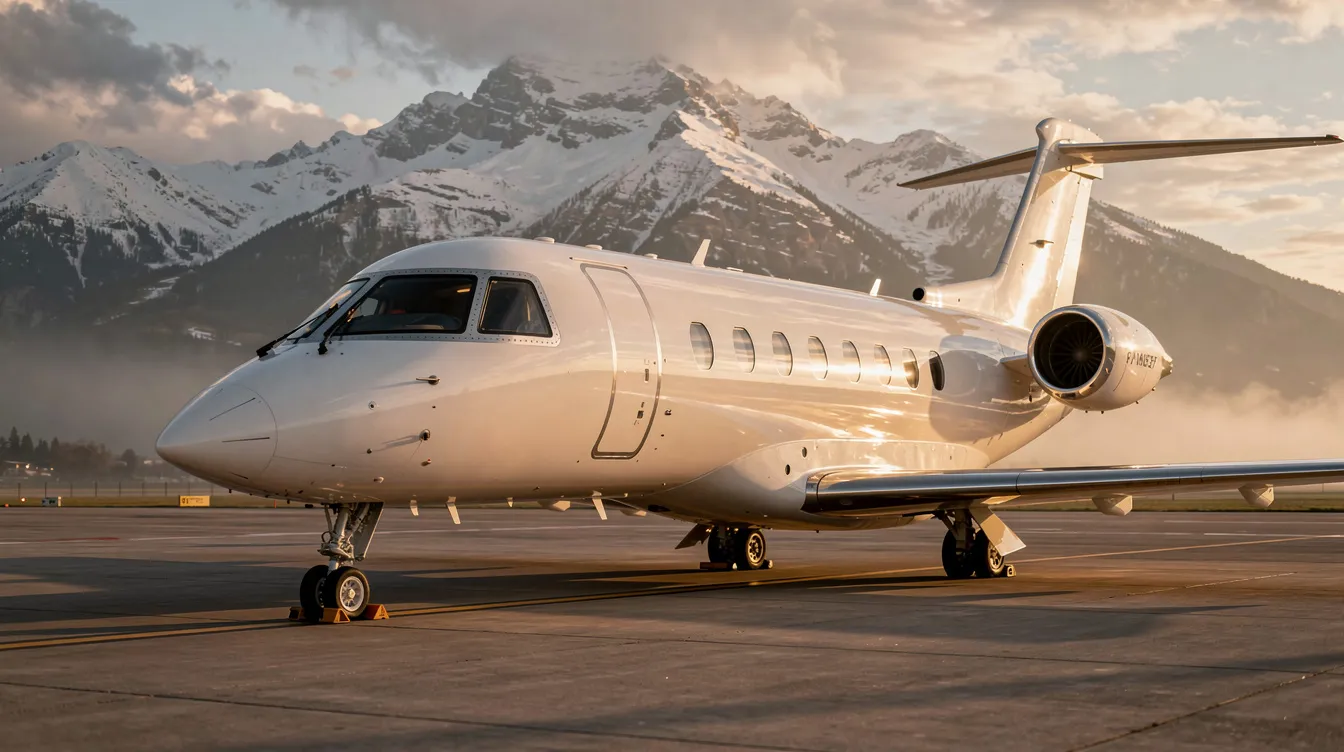
The idea of a travel subscription has moved well beyond streaming services and meal kits. Today, airline subscriptions, flight passes, and jet cards let travelers prepay for access to the skies - replacing the uncertainty of dynamic pricing with predictable travel costs and streamlined booking.
This guide is for frequent flyers, business travelers, and anyone considering a new way to manage travel costs and flexibility.
We’ll compare commercial airline passes, legacy add-ons, and private jet subscriptions, covering pricing, booking rules, perks, and how to choose the right model for your needs.
What Is an Airline Subscription or Flight Pass Today?
At its simplest, airline subscriptions are recurring travel-payment models: you pay a fixed monthly fee, a flat annual rate, or a prepaid block of hours in exchange for predictable, upfront access to flights instead of buying tickets one trip at a time. Subscribers trade fare-by-fare searching for locked-in pricing, defined booking rules, and, in some programs, added flexibility or premium airport access.
The terminology breaks down into a few distinct categories:
A flight subscription usually means a monthly subscription with a commercial airline - credits deposited on a schedule, redeemable toward eligible flights on defined routes.
A flight pass may refer to a route-based plan with geographic restrictions, booking rules, and a set number of trips per period.
An annual pass is the all-you-can-fly model: pay once, fly as often as the airline's restrictions allow.
A jet card is the premium tier - prepaid hours on private aircraft, covering multiple cabin classes, with fixed hourly rates and no seat-inventory gamble.
Airline subscription services charge recurring fees for fixed-rate flights and travel perks, but they serve very different travelers. Commercial passes like the Alaska Airlines Flight Pass and Frontier's GoWild appeal to frequent flyers looking for lower costs and simpler booking, while private jet memberships like BlackJet's Jet Card fit executives and high-net-worth leisure travelers who want flexible, private, safe, luxury air travel without owning an aircraft.
For time-poor leaders, private flight access is not a luxury line item - it is a strategic advantage. Privacy, schedule control, streamlined airport experience, and the ability to bypass congested hubs translate directly into hours reclaimed and productivity preserved. That is why choosing the right model matters: the wrong subscription can lock you into unusable routes or rules, while the right one can deliver predictable costs, faster booking, stronger safety standards, and even sustainability options. This article compares low-cost passes, legacy airline add-ons, and premium private flight subscriptions, including pricing, booking restrictions, airport experience, safety, sustainability, and how to decide which subscription model fits your travel pattern.
Types of Airline Subscriptions and Flight Passes in 2026–2027
Subscription models in aviation fall into three broad camps: low-cost carrier passes, legacy airline add-ons, and private jet flight memberships. Each serves a different traveler profile and comes with distinct trade-offs.
Low-cost "all-you-can-fly" passes. Frontier's GoWild Pass offers unlimited flights for a flat annual fee - roughly $349 for the 2026 season - but with restrictive blackout dates, tight booking windows, and heavy capacity controls. Some subscriptions offer unlimited flight access while others provide a set number of trips.
Route-based airline flight passes. Alaska Airlines Flight Pass gives subscribers monthly round-trip credits on nonstop routes within California, Nevada, Arizona, and Utah. Coverage is narrow but predictable.
Legacy carrier add-on subscriptions. Many airlines now sell Wi fi, extra legroom, and lounge access as standalone monthly plans. These augment your commercial experience but don't replace the act of buying a ticket. Some subscription programs offer bundled perks such as priority boarding or baggage waivers.
Private jet subscriptions and jet cards. Programs like BlackJet's Jet Card offer prepaid flight hours across light, midsize, super-mid, and large cabin aircraft - no blackout dates, no seat lottery, and access to thousands of airports worldwide.
Niche hybrids. Travel bundles combining flights and hotels, corporate SME passes, and email-based flight deal subscriptions round out the landscape. Discount memberships provide lower fares or special prices on eligible flights, but they are not true access programs.
How Airline Flight Passes Work (Frontier GoWild, Alaska Flight Pass & Similar)
Commercial flight passes differ in structure, but they share a common mechanic: pay upfront, receive credits or access, and book within the program's rules.
Payment. GoWild Pass costs $0.01 per segment plus applicable taxes and government taxes on top of its annual fee. Flight Pass starts at $69 per month, with plans offering either six or twelve round-trip credits per year.
Booking rules. GoWild allows last-minute domestic flights - often bookable just one day before departure - while Alaska Flight Pass requires booking up to 14 days in advance, depending on tier. International destinations on GoWild require roughly 10 days' notice.
Coverage. Alaska Flight Pass is restricted to specific West Coast and Southwest nonstop routes - think San Francisco to San Diego, Las Vegas, or Phoenix. Frontier GoWild spans a broader domestic and limited international network,k but seats are heavily capacity-controlled.
Constraints. Both programs enforce blackout dates around peak holidays, limit seat inventory for pass holders, and exclude extras like baggage and seat assignment. You still pay taxes and airport fees on every segment.
Flexibility. Some plans allow you to change flights before credit expiry without change fees, while ultra-low-cost passes impose stricter no-show penalties and non-refundable terms.
Costs of airline subscription programs can include taxes and fees in addition to the base fare, so the advertised price rarely tells the full story. Airlines must balance seat inventory with subscriber demand - and when too many subscribers compete for limited seats, customer frustration follows.
Private Flight Subscriptions and Jet Cards: Flight Subscription at the Top End
Jet cards represent the premium form of flight subscription - built for executives, families, and anyone who values time and privacy over route restrictions.
Private jet cards offer prepaid blocks of flight time. Typical jet card programs includ25-25 or 50-hour options, with entry pricing for a 25-hour program often starting around $175,000. BlackJet's 25+ Hour Jet Card starts around $175,000, scaling with cabin class and included services.
How jet cards work is straightforward: members prepay for hours, then draw down that balance as they fly, following familiar jet card pricing structures. BlackJet's Jet Card provides access across multiple aircraft categories - from light jets for quick hops like Los Angeles to San Francisco, to large-cabin jets for nonstop transatlantic routes like New York to London.
Premium inclusions set jet cards apart:
Exclusive use of the aircraft - no shared cabins
Pet-friendly travel and onboard Wi fi
Privacy suitable for board meetings or sensitive calls
Ground-side concierge and direct car-to-aircraft boarding at private terminals (FBOs)
Jet card members enjoy guaranteed aircraft access without standby. Members can book flights with as little as 24–48 hours' notice, and same-day requests are often accommodated, similar to how established providers structure NetJets jet card costs and access. There are no blackout dates built into the program. Compared to fractional ownership, jet cards require far less capital commitment; compared to ad-hoc charter, they offer more predictability, transparent jet card membership costs, and rigorous safety oversight.

Pricing Structures: Monthly Fee, Flat Annual Pass, and Prepaid Hours
For high-frequency travelers and corporate accounts, the structure of a subscription matters as much as its sticker price. Frequent travelers can save money by engaging in airline subscription services - but only if the model aligns with how they actually fly.
Monthly fee models. Alaska Flight Pass charges a fixed monthly rate - $69 or $,129 depending on the plan - delivering one round-trip credit per month or one every other month. Credits expire when the next batch arrives. You pay monthly, and unused credits vanish. Travel subscriptions often require a commitment period, affecting overall flexibility for travelers; Alaska locks you in for 12 months.
Flat-fee annual passes. Frontier GoWild and similar unlimited passes carry a low entry price but heavy restrictions. The perceived value of unlimited travel erodes quickly when blackout dates, close-in booking, and variable seat access limit actual usage.
Prepaid-hour private jet models. BlackJet Jet Card blocks - 25 or 50 hours - come with all-in hourly pricing. Private jet cards offer fixed hourly rates for prepaid hours, and BlackJet's rates include landing fees, standard catering, and carbon offsets, eliminating dynamic "surge" pricing.
Airline subscriptions provide predictable income for better financial planning - a benefit for providers and customers alike. For UHNW families and companies, prepaid hours lock in rates against fuel and demand volatility, smoothing budgets across quarters; for the heaviest flyers, a 100-hour jet card cost analysis can clarify when larger blocks of time make economic sense. Airline subscriptions may bundle secondary travel costs into standalone fees, but jet cards go further: BlackJet positions its real value against commercial first class by quantifying time saved bypassing hubs and security lines, and the productivity gained from treating the cabin as a secure office.
Blackout Dates, Booking Windows, and Other Key Terms Explained
Terms like blackout dates, booking windows, and cancellation policies determine whether a flight subscription delivers real value or just marketing appeal.
Blackout dates. Budget passes like GoWild exclude major U.S. holidays - Thanksgiving week, Christmas through New Year - from pass-eligible inventory. Airlines face operational challenges with blackout dates and limited routes. By contrast, BlackJet's Jet Cards carry no blackout dates; availability depends on aircraft supply and lead time, not calendar exclusions, differing from some unlimited private jet membership programs that still layer in calendar or route restrictions.
Booking windows. GoWild operates as a last-minute model (one day before domestic departure). Alaska Flight Pass allows booking up to 14 days out. BlackJet typically requires 24–48 hours' notice, with flexibility for same-day arrangements. Booking restrictions may apply to airline subscription programs, influencing availability. Managing last-minute booking requests is an operational challenge commercial airlines struggle with - private providers handle it by design.
Availability guarantees. Budget passes offer access only if a basic seat remains. BlackJet provides guaranteed benefits: contracted cabin categories are secured for cardholders.
Cancellation and no-show policies. Flight subscriptions eliminate change or cancellation penalties on many commercial plans, but ultra-low-cost passes still impose strict no-show penalties and credit forfeiture. Jet card contracts specify transparent cancellation windows - firm but fair- and are designed to minimize punitive fees.
Additional costs. On commercial subscriptions, expect to pay for baggage, seat selection, priority boarding, and associated fares beyond the base subscription. On private programs, BlackJet's rates typically include most operational costs plus carbon offsets - reducing the surprise fees that plague other industries.
Elite Status, Earn Miles, and Loyalty in a Subscription World
Airline subscription services differ from traditional frequent-flyer programs in a fundamental way: subscriptions offer immediate benefits unlike traditional loyalty tiers, which require months or years of spend to unlock.
Some subscription models may allow earning frequent flyer points or miles while benefiting from the subscription. Alaska Flight Pass, for instance, lets passengers earn miles and work toward elite status on eligible flights, depending on fare class. Travelers are more likely to choose the same airline with subscriptions, and subscriptions create habitual engagement beyond traditional loyalty programs. Airline subscriptions can deepen customer loyalty through upfront commitment - you have skin in the game from day one.
Legacy carriers sell elite status benefits à la carte: paid Wi fi, lounge access, and Economy Plus seating let customers "buy" the perks without tier-chasing.
Private jet subscriptions, including BlackJet, do not earn miles with commercial programs. But they deliver elite-equivalent treatment on every trip - no status to chase, no fare-class restrictions.
A blended strategy works well: a San Francisco-based executive might maintain elite status on a major airline for occasional long-haul first-class trips while relying on BlackJet for frequent regional business travel. The psychological shift is significant - from speculative future rewards to guaranteed, present-tense access.
Route Networks, International Travel, and Use-Case Scenarios
Regional airline passes like Alaska Flight Pass focus on specific corridors - San Francisco to San Diego, Palm Springs, Las Vegas, Phoenix - making them ideal for West Coast commuters and remote workers with predictable routes.
Low-cost passes like Frontier GoWild cover broader domestic U.S. territory plus selected Caribbean and Latin American destinations, but seat restrictions and capacity controls limit reliability for anyone who needs to fly on a specific day, which leads some travelers to consider private plane rideshare options as a flexible middle ground between economy and full private charter.
BlackJet's global reach opens access to thousands of airports, including secondary and private fields closer to final destinations, making it comparable to the best jet card options for frequent flyers who prioritize flexibility over fixed routes. Instead of routing through SFO or JFK, a member can fly direct into Napa, Teterboro, or Van Nuys.
International use cases showcase where private subscriptions shine: nonstop New York–London, San Francisco–Cabo San Lucas, or multi-city European roadshows - London to Zurich to Milan in 48 hours - with concierge handling customs, overflight permits, and ground coordination, or even large-cabin jets for 20-passenger groups on board-level roadshows.
On commercial passes, passengers manage passports, visas, and connections themselves. With BlackJet, the member is guided from curb to cabin with minimal friction. For flexible travelers who travel frequently across borders, this managed approach is where jet cards deliver outsized returns.

Airport Experience: Lounges, FBOs, and Time Saved vs. Commercial First Class
For frequent travelers, the airport itself is often the biggest bottleneck. A round-trip flight that takes four hours in the air can easily consume eight or nine hours door-to-door when you factor in check-in, TSA, boarding, and ground transport at both ends, which is why many look for ways to fly private more affordably instead of enduring repeated commercial delays.
Budget-pass holders experience standard queues, crowded gates, and traditional boarding - sometimes with access to a paid priority lane, but no structural time savings. Legacy subscription perks like lounge memberships and extra legroom improve comfort but don't change the fundamental terminal experience.
The BlackJet experience is different by design. Members arrive at private FBOs roughly 20–30 minutes before departure, avoiding the complex logistics common when you buy a seat on a private jet through shared or semi-private models. There is no TSA line, no gate change, no overhead-bin competition - just direct car-to-aircraft boarding with staff who already know your preferences. Private cabins function as quiet offices or family spaces, with Wi fi, catering, and full privacy - more productive than most commercial first-class cabins.
Consider a concrete scenario: a San Francisco founder needs back-to-back investor meetings in Los Angeles and San Diego in a single day. With BlackJet, she departs Van Nuys at 7 a.m., lands at Santa Monica or Carlsbad by mid-morning, and is home by dinner. Trying to align multiple commercial flights, security checks, and inevitable delays would make the same trip a two-day affair.
Safety, Technology, and Sustainability in Private and Airline Subscriptions
For discerning travelers, safety and sustainability are as critical as comfort and cost.
Commercial airlines operate under strict FAA Part 121 oversight. Top-tier private providers layer additional standards: BlackJet works exclusively with ARGUS- and Wyvern-rated operators, enforcing strict pilot hour minimums and standardized maintenance protocols and competing directly with the top private jet companies for luxury travel on safety and service.
BlackJet's technology stack includes mobile booking, real-time flight tracking, digital itineraries, and 24/7 operations support that can re-route or upgrade aircraft in response to weather or schedule changes. This is not a travel agent answering during business hours - it is a round-the-clock service built for a world that doesn't stop moving.
On sustainability, BlackJet includes 300% carbon offsetting on every flight at no extra cost, even on smaller, more affordable private jet options that appeal to first-time private flyers. Carbon offsets cover both CO₂ and non-CO₂ warming effects. BlackJet prioritizes fuel-efficient aircraft where available, and sustainable aviation fuel programs are supported by BlackJet. Compare this to commercial airlines where carbon offsets are typically optional, paid add-ons - and note the growing ESG scrutiny on unlimited passes that may encourage unnecessary flying.
Premium private jet subscriptions combine rigorous safety, advanced technology, and proactive sustainability - appealing to leaders who balance performance with responsibility and value premium private jet card programs that deliver predictable, high-touch service.
Who Should Choose Which Flight Subscription Model?
The right subscription depends on how you fly, how often, and what your time is worth. Misaligned expectations can lead to negative customer sentiment, so matching model to lifestyle matters.
Budget-flexible travelers - digital nomads, students, remote workers - benefit most from low-cost annual passes like GoWild, provided they accept blackout dates and last-minute booking uncertainty.
Regional commuters and hybrid workers on predictable routes benefit from Alaska-style flight passes with a clear fixed monthly fee and set flight credits - ideal for corridors like San Francisco to Los Angeles.
Corporate teams and SMEs gain from corporate flight memberships or pooled jet cards, sharing hours across sales teams and executives while locking in budgets, while cost-focused leaders may also explore budget-friendly private aircraft options when weighing access models. Airline subscription models often require upfront monetization to access benefits, making them easier to plan around than ad-hoc booking.
UHNW individuals and C-suite executives should consider BlackJet Jet Cards for guaranteed access, no blackout dates, true privacy, and the ability to turn every flight into productive or restful time.
Blended strategies work well: maintain commercial elite status for occasional long-haul first class while relying on BlackJet for time-critical regional and cross-border trips where schedules cannot slip.
FAQs About Airline Subscriptions and Flight Passes
What is an airline subscription?
An airline subscription is a recurring payment model where travelers pay a fixed monthly or annual fee, or prepay flight hours, to access flights at predictable rates and with defined booking privileges.
How do airline flight passes differ from private jet cards?
Flight passes are typically commercial airline subscriptions with route and booking restrictions, while private jet cards offer prepaid hours on private jets with guaranteed aircraft access, no blackout dates, and multiple cabin options.
Are blackout dates common in flight subscription programs?
Yes, many low-cost carrier passes and some commercial flight passes have blackout dates during peak travel periods. Premium private jet cards like BlackJet's have no blackout dates.
Can I earn frequent flyer miles with a flight pass?
Some commercial flight passes allow earning miles and elite status credits, but private jet cards generally do not offer miles. Instead, private jet cards provide consistent premium service.
How far in advance can I book flights with a subscription?
Booking windows vary: low-cost passes may allow last-minute booking, while commercial flight passes often require bookings 14 days in advance. Private jet cards typically require 24–48 hours' notice, with same-day options in some cases.
What costs are included in subscription pricing?
Commercial passes often require additional fees for baggage, seat selection, and taxes. Private jet cards include most operational costs, catering, landing fees, and carbon offsets in their hourly rates.
Are carbon offsets included in private jet subscriptions?
Yes, BlackJet includes 300% carbon offsetting on every flight at no extra cost, covering CO2 and non-CO2 warming effects.
Who benefits most from each subscription type?
Budget travelers benefit from low-cost annual passes, regional commuters from route-based flight passes, and executives or UHNW individuals from private jet cards that offer flexibility, privacy, and time savings.
Can I share my subscription with family or colleagues?
Commercial flight passes are usually individual, while private jet cards can offer corporate options allowing shared access under one account.
What happens if I miss a flight or need to cancel?
Policies vary: some commercial passes impose no-show penalties, while many subscriptions allow flight changes or cancellations without fees. Private jet cards have clear, fair cancellation policies designed to minimize penalties.
Why BlackJet for Premium Flight Subscription Access
BlackJet exists for travelers who see flight time as an asset, not a cost to endure. It is a flight subscription built for people who need to book flights and arrive on their own terms.
The core advantages are concrete: guaranteed aircraft access with no blackout dates, no standby lists, operators meeting the highest safety standards, and carbon-neutral flights built into every hour flown. Jet cards provide access to multiple aircraft categories - from light jets for a quick San Francisco–Las Vegas round trip to large-cabin jets for nonstop transatlantic routes - under a single account.
Ease of use defines the experience: 24/7 booking via app or concierge, predictable rates with no dynamic surge pricing, and hours that do not expire. This alignment with real-world travel patterns is rare in an industry where expiring credits and hidden fees are the norm.
Against commercial first class and airline passes, BlackJet offers greater time savings, privacy, and geographic reach - plus the ability to land at thousands of airports inaccessible to scheduled airlines.
Elevate your travel - effortlessly. Explore BlackJet's Jet Card programs, request a tailored comparison against your current travel pattern, and discover how a private flight subscription can quietly transform both your business and personal travel.


 Sign up with google
 Sign up with Apple