
For the discerning traveler, private aviation is a strategic advantage-saving hours, eliminating layovers, and opening doors that commercial routes simply cannot. But even the finest business jet has its limits. There are places on this planet where no paved runway exists, where gravel bars, frozen lakes, and narrow clearings are the only way in. That is where the bush plane enters the picture. This guide delivers a thorough definition of a bush plane, breaks down the engineering that makes these aircraft remarkable, and explains how they complement modern private jet travel for those who seek the world's most remote destinations.
What Is a Bush Plane? (Core Definition Answered Up Front)
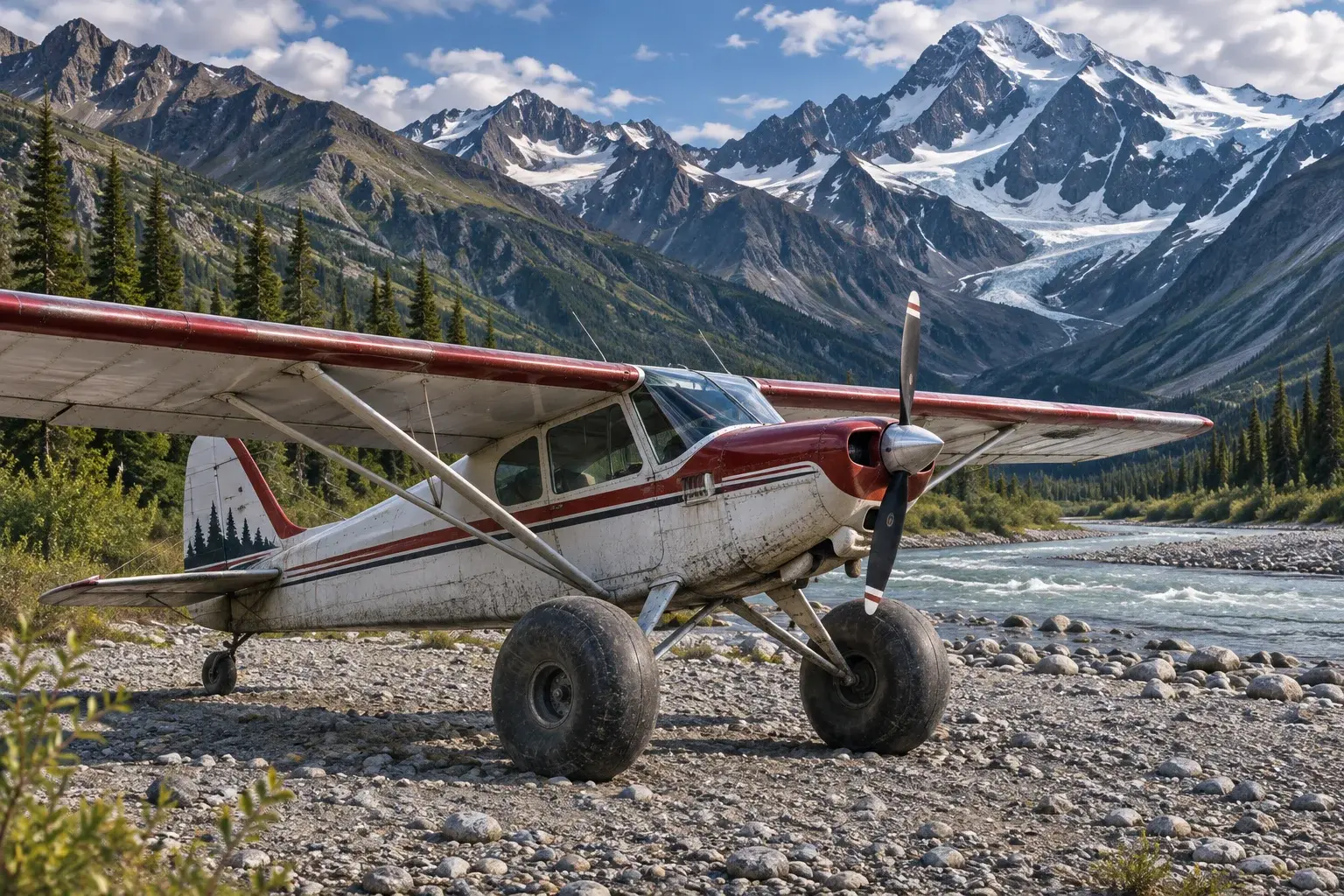
A bush plane is a small, rugged aircraft designed for remote operations-far from conventional airports, control towers, and paved surfaces. These are light, typically single-engine, fixed-wing machines engineered to take off from and land on undeveloped or improvised strips: gravel bars along rivers, grass clearings, frozen lakes, sandbars, dirt roads, and even open water. The term "bush" traces its origins to the Canadian wilderness-simply called "the bush"-where early aviators in the 1920s began using aircraft to reach communities that roads could not serve. Today, the definition extends to any aircraft purpose-built or modified for off-airport, rough-field, and backcountry operations.
Bush planes can operate in wilderness regions where roads and airports are unavailable. They are designed around a core set of priorities: rugged landing gear capable of absorbing punishment from uneven terrain, high-lift wings for maximum control at low speeds, and short takeoff and landing (STOL) performance that allows them to use strips as short as a few hundred feet. Classic examples that have defined the category include the Piper PA-18 Super Cub, the de Havilland Canada DHC-2 Beaver, and the Cessna 185 Skywagon-each one a proven workhorse across decades of service.
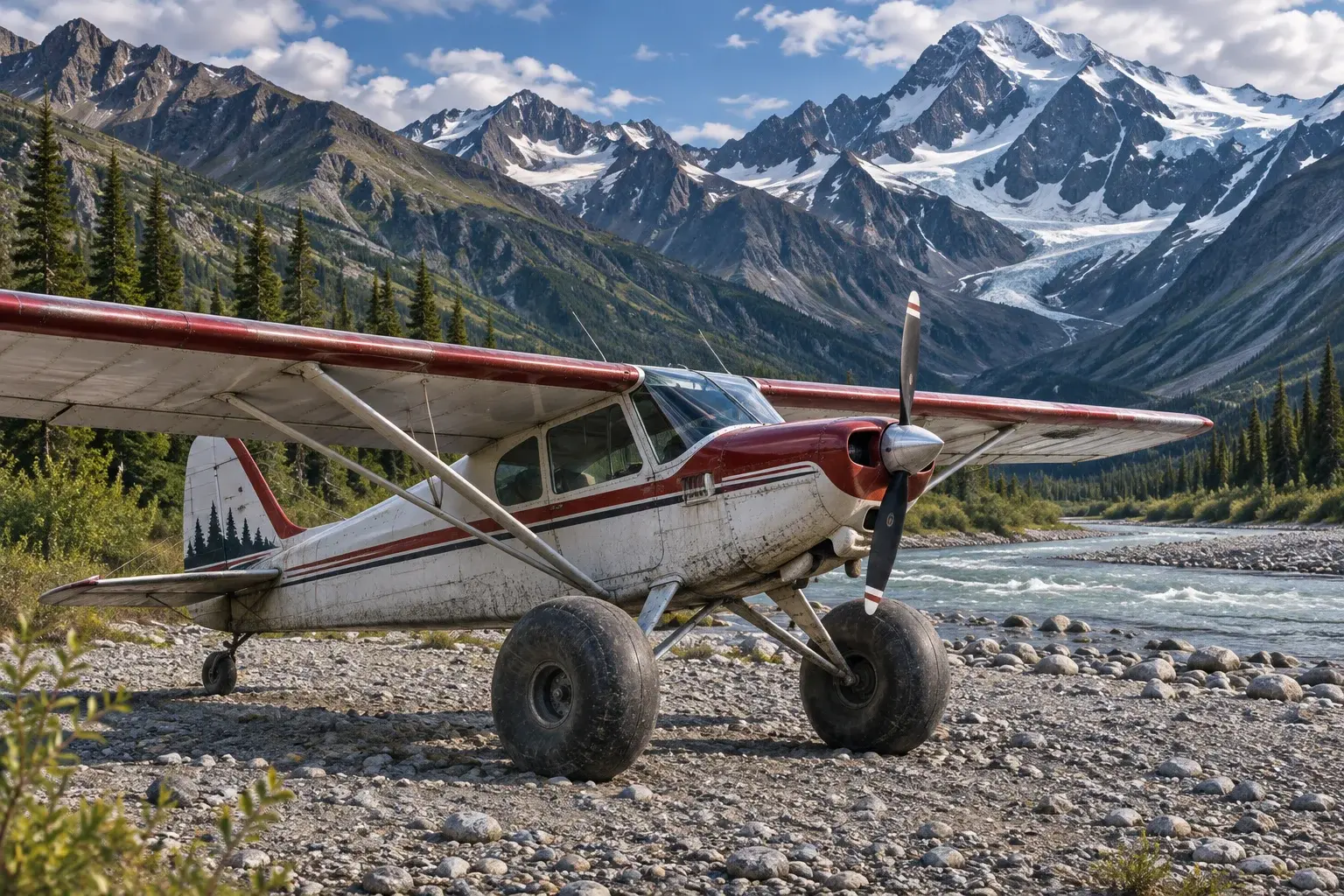
Bush planes are widely used in regions such as Alaska, northern Canada, sub-Saharan Africa, and parts of Australia and New Zealand. They carry passengers to remote lodges, haul cargo to villages with no road access, provide medical evacuation services from remote areas, and support scientific surveys in terrain that no other vehicle can reach. Bush planes can access some of the most remote locations on the planet-and that is precisely their purpose.
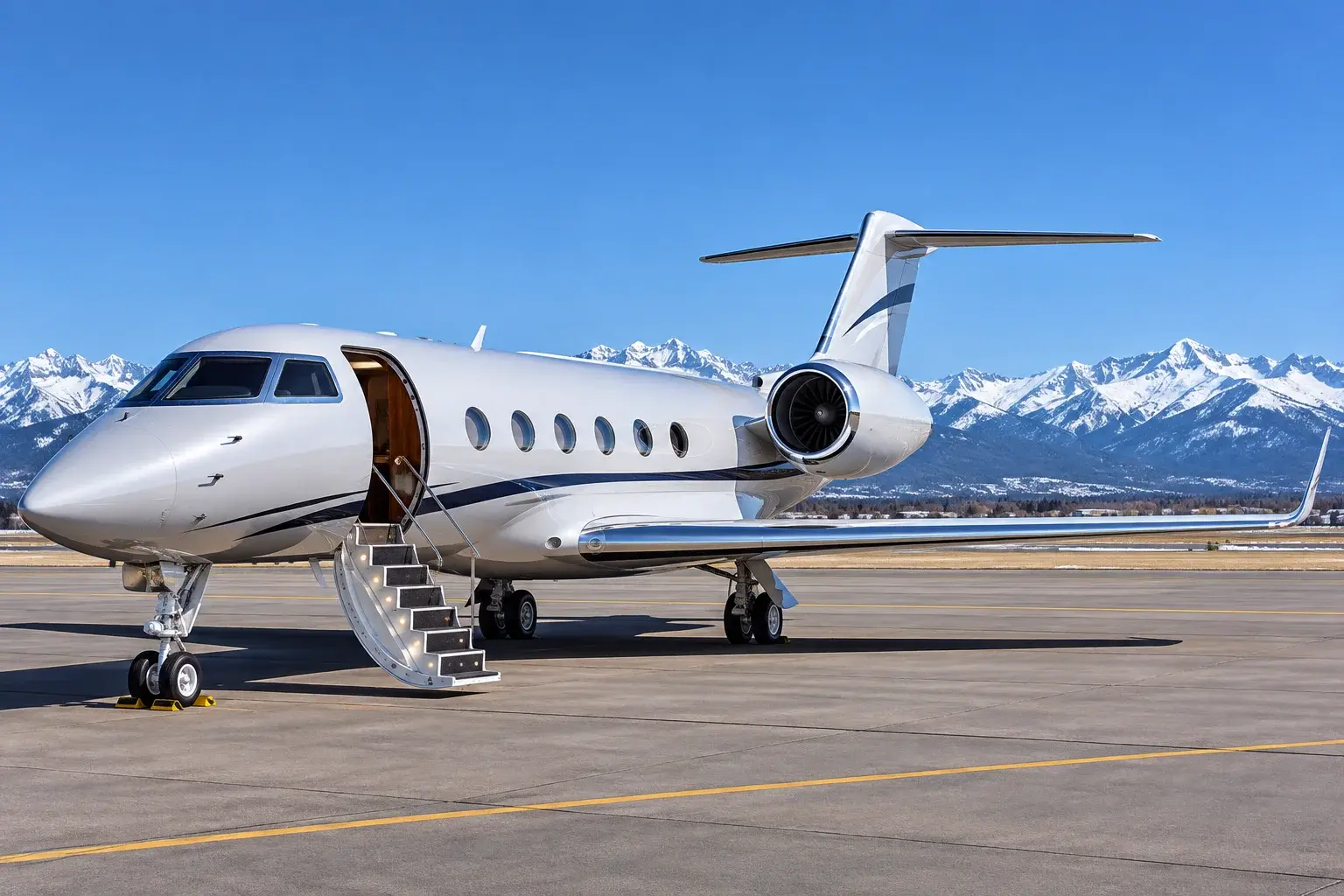
It is important to distinguish a bush plane from the typical premium private jets and Jet Card programs offered by BlackJet. While both serve the goal of getting travelers where they need to go, they occupy different ends of the aviation spectrum. Bush planes are optimized for ultra-short, rough-field access at low speeds and altitudes. Business jets are optimized for speed, comfort, pressurized cabins, and efficient range between established airports. For many adventure-minded travelers, the two work in tandem: a private jet handles the long-haul leg, and a bush plane covers the final miles into the wild.
Feature | Bush Plane | Private Jet |
|---|---|---|
Runway requirement | Very short; unpaved surfaces (gravel, water, snow, grass) | Long, paved, certified airport runways |
Speed and altitude | 90–140 knots cruise; low altitude; unpressurized | 350–500+ knots; high altitude; pressurized cabins |
Typical capacity | 1–10 passengers or modest cargo | 4–19 passengers with full cabin amenities |
Maintenance | Field-serviceable; simple systems; remote-compatible | Dedicated ground support at major hubs; complex systems |
Primary use | Remote access, cargo, medevac, survey, float/ski operations | Corporate travel, intercity and international connections |
Key Design Features of a Bush Plane
The design of a bush plane is what enables it to go almost anywhere safely. Every major feature-from the shape of its wings to the size of its tires-is aimed at low-speed control, rough-field survivability, and the ability to operate where infrastructure simply does not exist.
High-Wing Configuration
Bush planes typically feature high wings to enhance downward visibility, a critical advantage when a pilot is scanning for a suitable place to land on an unmarked river bar or forest clearing. The high-wing layout, seen on aircraft like the Cessna 180, DHC-2 Beaver, and propeller-driven utility planes of similar lineage, also increases ground clearance. Wings mounted above the fuselage stay above rocks, brush, snowbanks, and water spray during float operations. Strut-braced construction adds structural strength for the heavy loads and hard landings that rough strips demand.
STOL (Short Takeoff and Landing) Capabilities
Bush planes are engineered for Short Takeoff and Landing (STOL) operations, and this is arguably their defining performance trait. Bush planes require shorter runways for takeoff and landing than virtually any other category of powered fixed-wing aircraft-some can lift off in under 300 to 500 feet and land in similar distances under favorable conditions.
Consider specific numbers:
The Piper PA-18 Super Cub (150 hp) can clear a 50-foot obstacle on takeoff in roughly 500 feet and land over the same obstacle in about 725 feet. Ground roll alone can be as short as 200 feet.
The Just Aircraft SuperSTOL, a modern kit-built STOL design, achieves takeoff and landing rolls of approximately 150 feet, with a stall speed as low as 32 mph.
These numbers are achieved through high-lift devices: large flaps, leading-edge slats that deploy automatically at high angles of attack, and vortex generators that energize airflow over the wing. The result is an aircraft that remains controllable at speeds where most airplanes would simply fall out of the sky. For more on aircraft that require smaller runways, see our dedicated guide.
Bush Plane Landing Gear Variations
Landing gear on a bush plane must handle terrain that would destroy conventional airplane wheels. Key adaptations include:
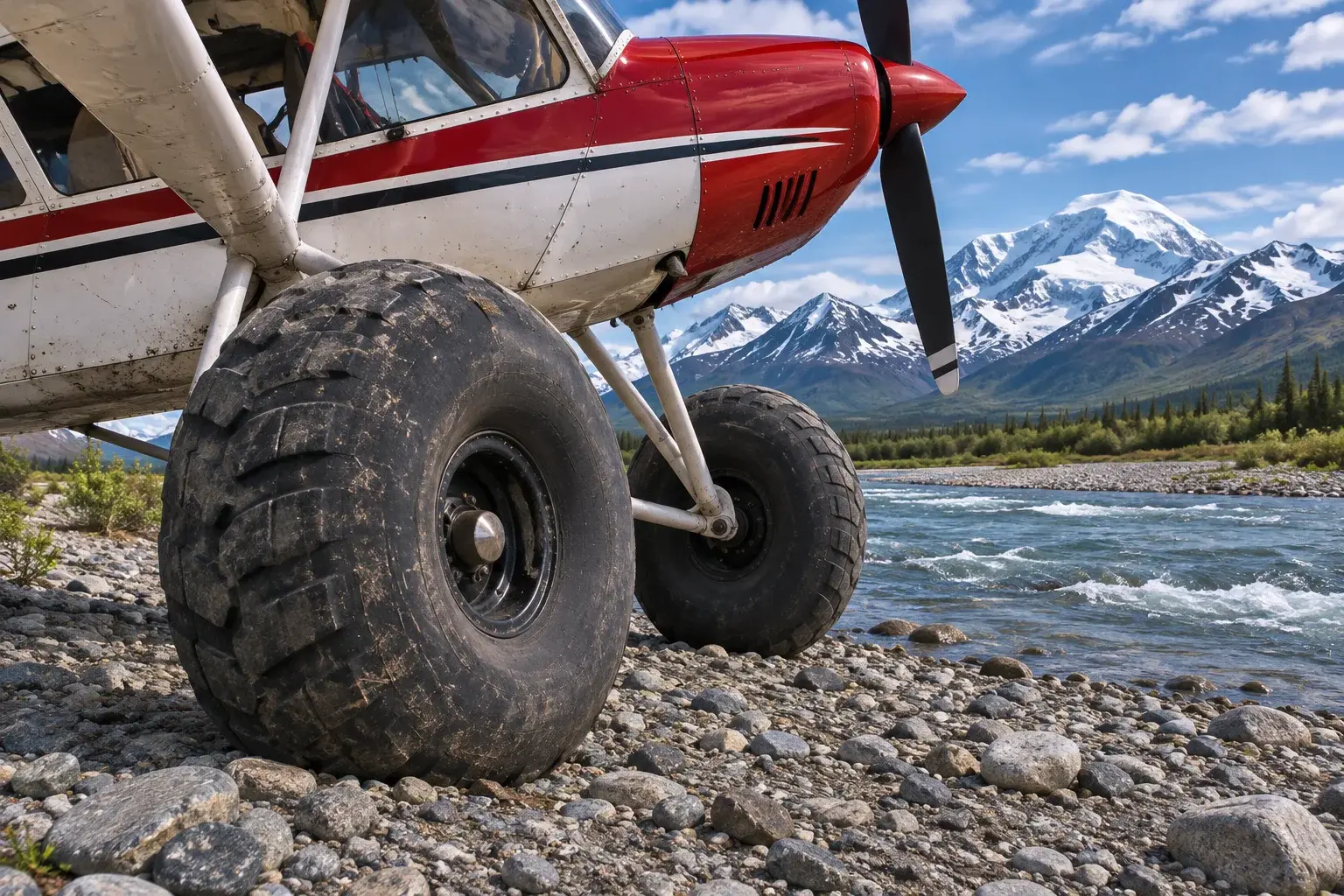
Oversized tundra tires: Bush planes often utilize oversized tundra tires for rough terrain, with diameters ranging from 26 to 35 inches or even larger. These low-pressure, large-diameter wheels absorb the impact of boulders, ruts, and gravel, allowing the aircraft to land on bumpy ground with larger tires that cushion each touchdown.
Taildragger configuration: Most bush planes use conventional (tailwheel) landing gear rather than tricycle gear. This layout raises the nose and propeller higher off the ground, provides better weight distribution on uneven surfaces, and is simpler to maintain in the field.
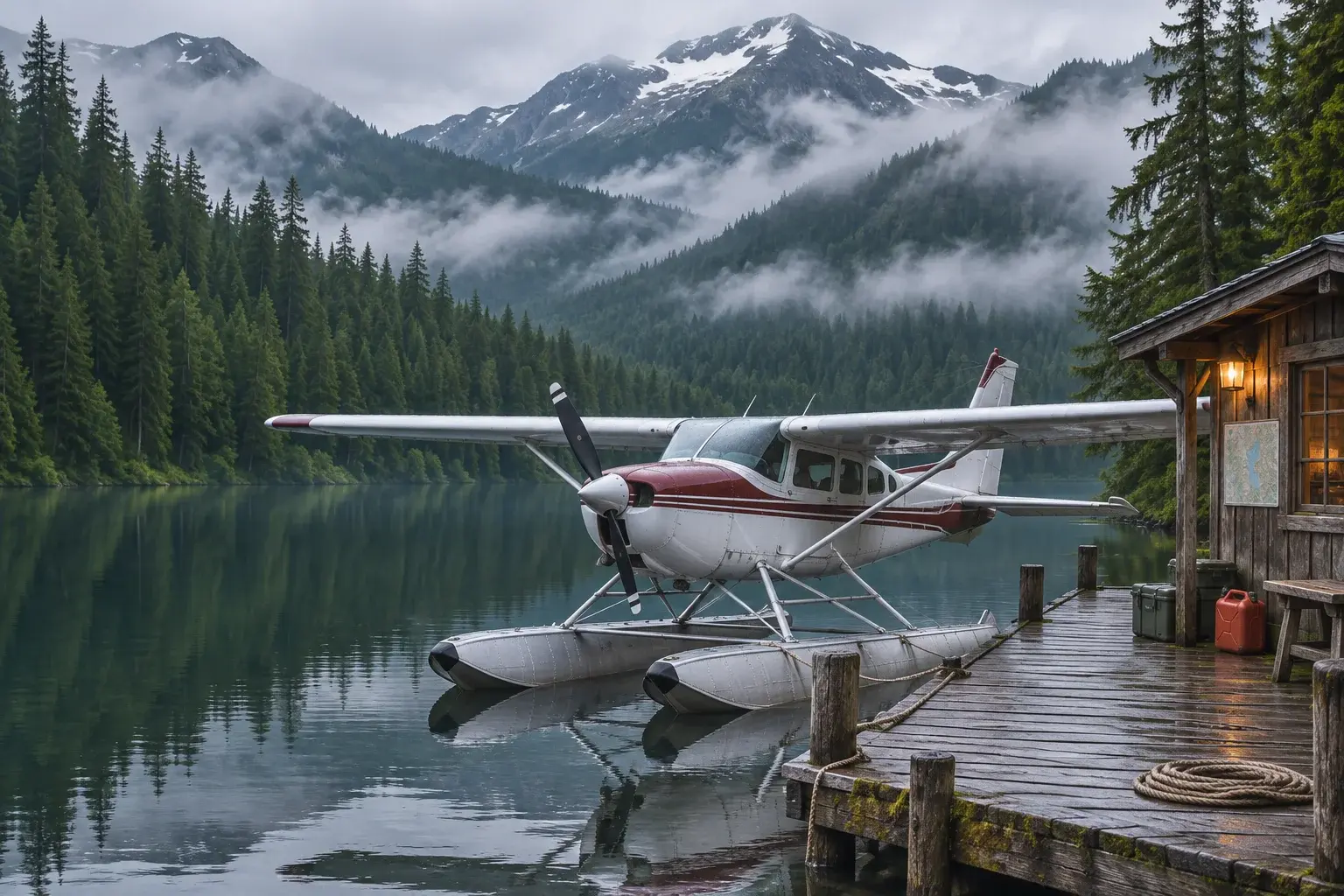
Swappable undercarriages: Many bush planes are equipped with floats or skis for water and snow landings. They can be equipped with pontoons for water landings on lakes and rivers, or fitted with skis for glacier and snow operations-making them remarkably versatile across seasons. Learn more about amphibious aircraft and how water planes operate in our dedicated resources.
Powerplants and Airframes
The most common bush planes are single-engine, piston-powered aircraft with robust, field-maintainable engines-typically Lycoming or Continental models in the 150 to 300 hp range. They are often built with simple and durable systems for easier field repairs, because when something breaks 200 miles from the nearest mechanic, a pilot needs to be able to fix it with basic tools.
Turboprop bush aircraft such as the Cessna Caravan and Quest Kodiak extend the category into heavier payloads (10–14 passengers or equivalent cargo) while retaining the ability to operate from short, unprepared strips. Airframes are built for corrosion resistance-especially important for float operations near saltwater-and ease of maintenance in remote regions.
One practical detail that surprises many newcomers: bush planes can be stored in a barn instead of a hangar. Their compact dimensions and rugged construction mean they do not require the climate-controlled facilities that larger or more complex aircraft demand.
Navigation and Avionics
Historically, bush flying was a seat-of-the-pants discipline-map reading, compass headings, and visual checkpoints were the primary navigation tools. As of 2027, many bush operators integrate GPS with WAAS precision, satellite communication, portable ADS-B transceivers, and terrain awareness warning systems (TAWS) that dramatically improve situational awareness. Still, the majority of bush flights remain daylight VFR operations, and pilot judgment remains the most important instrument in the cockpit.
Roles, Use Cases, and How Bush Planes Differ from Private Jets
A bush plane can feel like the ultimate freedom machine-able to land on a riverbank, a glacial moraine, or a lake so remote it doesn't appear on most maps. But it serves very specific roles that are fundamentally different from corporate and luxury private aviation. Understanding those roles clarifies when each type of aircraft is the right tool.
Core Roles of Bush Planes
Bush planes exist because millions of people and places around the world remain beyond the reach of roads and conventional airports. Their core missions include:
Passenger transport to remote communities: They are used for transporting supplies to isolated communities lacking road access, particularly across Alaska and northern Canada, where hundreds of villages depend entirely on air service.
Cargo and supply runs: Fuel drums, food, mail, construction materials, and equipment move into backcountry locations aboard bush aircraft, often connecting with private jet charter networks in cities like Lahore that handle longer-range logistics before supplies transfer to smaller backcountry planes.
Medical evacuation and emergency services: Bush planes provide critical medevac capability, and they play a crucial role in search and rescue operations in rugged terrain where helicopters may be unavailable or impractical.
Wildlife and environmental work: Bush planes support wildlife management and environmental monitoring efforts, from aerial census counts of caribou herds to anti-poaching patrols in Africa, and can complement private jet charter services in regional hubs like Karachi that position teams and equipment close to conservation sites.
Tourism and recreation: Fly-in fishing, hunting expeditions, glacier sightseeing, and photographic safaris all rely on bush planes to deliver passengers directly into nature. These are the experiences that define a certain kind of adventure travel, which can also extend to larger groups using private jets for around 20 passengers on the main legs before transferring to smaller bush aircraft.
Bush Planes vs. Private Jets: A Complementary Relationship
Airliners and most mid-to-large business jets that BlackJet clients use require long, paved runways and towered airports. They offer extraordinary speed, pressurized comfort, and efficient range across hundreds or thousands of miles. A bush plane may cruise at just 90 to 140 knots at unpressurized altitudes, but it can depart from a gravel bar minutes from a wilderness lodge and reach a remote lake that commercial aircraft can never access.
Here is a concrete scenario: A traveler flying with a BlackJet Jet Card such as the BlackJet 25+ Hour program departs New York for Anchorage in 2027, arriving in roughly six hours aboard a midsize jet-saving an entire day compared to commercial connections. At Anchorage, the traveler transfers to a local operator's de Havilland Beaver on floats for a 45-minute hop to a fly-in lake with no runway at all. The jet handled the long haul; the bush plane handled the last leg into the wild. Neither aircraft could do the other's job.
Cost and Ownership Differences
Smallsingle-propp bush planes cost $15,000 to $100,000 at the entry level for basic airworthy models. Used two-seat Super Cubs in good condition typically range from roughly $52,000 to $235,000 depending on modifications, engine time, and whether floats or skis are included. New utility turboprops like the Quest Kodiak list in the multi-million-dollar range. By contrast, even a light business jet starts well above that threshold-and operating costs, crew requirements, and insurance scale accordingly, a reality explored in detail when examining how much it costs to rent a private jet.
Operating a bush plane involves lower hourly fuel burn and simpler mechanical systems, but the wear from rough terrain is relentless. For longer-leg, time-sensitive travel, professionally crewed and managed private jets accessed through jet card programs and other comprehensive jet card membership options offer a fundamentally different value proposition: predictable scheduling, premium comfort, and rigorous safety oversight.
Pilot Skill and Training
Bush flying is a specialized discipline. Pilots need advanced stick-and-rudder skills: short-field and soft-field technique, precise weight-and-balance management (critical when payloads are small and center-of-gravity shifts are pronounced), and deep experience with local terrain and weather patterns. Tailwheel endorsements, float ratings, and recurrent backcountry training are standard requirements.
This is one reason many high-net-worth travelers prefer to handle the long-haul portion of their journey via jet card or charter, evaluating whether chartering a private jet is worth it for their specific mission profile, then rely on local bush operators who live and train in that environment year-round. The pilots who fly these routes possess an intimate knowledge of the land, the weather, and the aircraft that cannot be replicated from a distance.
Bush Planes, Safety, and Sustainability in the Wider Aviation Ecosystem
Bush planes occupy a vital niche in global connectivity. While they may evoke images of rugged adventure, safe operations and environmental impact are central considerations in 2027-both for the operators who fly them and the travelers who depend on them.
Safety Considerations
The key risks of bush flying are well documented: short and often obstructed landing strips, rapidly changing mountain or Arctic weather, limited navigation aids in remote areas, and higher pilot workload at low altitudes. According to the Air Safety Institute, the fatal accident rate for non-commercial fixed-wing general aviation in the United States stands at approximately 0.64 per 100,000 flight hours-a figure that bush operations likely exceed given the inherent environmental challenges.
Standard mitigations include, for both bush operations and business jets where travelers may worry about ride quality or turbulence, many of the same safety philosophies discussed in our guide on turbulence in private jets:
Strict adherence to aircraft weight limits
Conservative weather minimums
Recurrent pilot training with terrain-specific scenarios
Operators that meet or exceed regulatory standards such as FAA Part 135 (U.S.) or Transport Canada certifications, similar to the high bar maintained by major providers analyzed in our overview of NetJets jet card costs and programs
In business aviation, the safety bar is set even higher. Premium providers like BlackJet select and monitor partner operators through third-party audit programs such as ARGUS Platinum, WYVERN, and IS-BAO, ensuring that every flight meets the most rigorous safety benchmarks in the industry.
Environmental and Sustainability Aspects
Many bush planes are older, piston-powered designs burning avgas in sensitive ecosystems-Arctic tundra, glacial zones, old-growth forests. Per-passenger emissions on short sectors tend to be higher than on larger, more efficient aircraft. However, the industry is evolving:
Newer turboprop bush aircraft offer significantly better fuel efficiency per seat-mile.
Experimental electric and hybrid STOL concepts are under active development, though battery weight remains a limiting factor for backcountry operations, just as evolving technology and fuel choices factor into broader jet card pricing structures.
Sustainable aviation fuel (SAF) trials are beginning to reach regional bush routes where fuel infrastructure allows.
Operators increasingly adopt noise abatement procedures, careful route planning, and reduced idle times to minimize their environmental footprint.
BlackJet does not operate bush planes. However, our jet card and charter programs in 2027 provide carbon-neutral flights as standard, using high-quality offsets and, where available, SAF at no additional cost to the traveler, even on large-group itineraries that may leverage private jets for up to 50 passengers. For those interested in sustainable private aviation and exploring more affordable private jet options, pairing a carbon-neutral BlackJet flight to a regional hub with a reputable, safety-focused local bush operator represents a thoughtful approach to adventure travel.
Frequently Asked Questions
Can a bush plane be considered "private"?
Yes. Bush planes can be privately owned or chartered, and some high-net-worth individuals own modified backcountry aircraft. However, "private" in this context refers to ownership or exclusivity of use-not to the speed, pressurization, cabin amenities, or range that define a modern private jet, all of which are central considerations when evaluating a comprehensive private jet price list. The experience is fundamentally different: utilitarian access rather than refined comfort.
When should a traveler choose a bush plane vs. a private jet?
A bush plane is essential when the final destination has no paved runway-fly-in lodges, remote research stations, backcountry camps, or communities that exist beyond the road network. For intercity, cross-country, or international travel between established airports, a private jet offers vastly superior speed, comfort, and service, and travelers have multiple options for buying a seat on a private jet without committing to full aircraft ownership. In many cases, the ideal itinerary combines both, with travelers comparing on-demand charter pricing to 100-hour jet card costs to determine the best fit for their flying patterns.
Bringing It All Together
A bush plane is, at its core, a specialized tool-a small, rugged aircraft designed to reach the places that define the world's most extraordinary journeys. It is not a replacement for modern private jet travel, nor does it try to be. It is the complement: the aircraft that picks up where the runway ends.
For the traveler who values both the efficiency of flying by private jet and the adventure of landing on a remote Alaskan lake or a gravel strip in Canada's Northwest Territories, understanding the definition of a bush plane is more than academic; it also informs how to choose among the best jet cards for frequent flyers to support those trips efficiently. It is the first step in planning a seamless, multi-leg journey that bridges civilization and wilderness.
Conclusion: A Specialized Aircraft for Extraordinary Access
The definition of a bush plane is simple: a small, rugged aircraft built to reach remote places where conventional airports and roads cannot. Its STOL performance, adaptable landing gear, and field-serviceable design make it indispensable for connecting isolated communities, supporting emergency services, and enabling wilderness travel.
For discerning travelers, a bush plane can also complete a carefully planned private aviation itinerary. A private jet provides speed, comfort, and efficient access between major airports; a local bush aircraft can then carry passengers to a remote lodge, lake, or research site. By understanding the distinct role of each aircraft—and selecting qualified operators with appropriate safety standards—travelers can plan a seamless journey from the city to the backcountry.
Elevate your travel-effortlessly. With BlackJet, private flight is accessible on your terms through our Jet Card programs, complete with rigorous safety certification, carbon-neutral performance, and unmatched flexibility. Whether your journey ends at a major hub or continues aboard a bush plane to a destination only nature could design, our team can help coordinate an itinerary that connects every leg seamlessly and can advise whether a 25-hour jet card program is the right starting point for your travel profile.
Explore BlackJet's Jet Card programs, including options outlined in our analysis of 50-hour jet card costs and value, and discover how refined, meaningful travel becomes your new standard.