Understanding flexjet pilot pay is essential, whether you’re considering a career in fractional aviation or simply want to know what drives private jet costs. This comprehensive breakdown covers everything from first-year earnings to captain compensation through 2026.
Overview: How Much Do Flexjet Pilots Really Make?
Based on pilot-reported data and company announcements through March 2026, most Flexjet pilots earn between $134,000 and $249,000 annually, according to Glassdoor, with the average salary reported at approximately $178,000. As of the latest update, Flexjet pilot pay remains among the highest in the industry.
First-year pilots at Flexjet can expect to earn an average salary of $80,000 per year, while first-year First Officers average $175,000 in total annual compensation, which includes base salary, a tax-free per diem of $42 per day, and bonuses. Fifth-year pilots flying a Challenger 350 can earn up to $176,000 annually. Flexjet pilots' total compensation can exceed that of their competitors by 25 percent or more, making them some of the highest-paid pilots in the industry.
Senior large-cabin captains routinely exceed $200,000, with some reaching $269,000 on some of the largest private jets in service. Notably, Red Label crews—dedicated flight crews assigned to premium aircraft such as top 16-seat private jet models—enjoy compensation that is at least 25 percent higher than their competitors, making them the highest paid in the industry.
Flexjet Pilot Pay Structure in 2024–2026
The compensation model combines several elements designed to be competitive within the fractional ownership sector:
Daily rate: Starting around $751 for first-year FOs
Per diem: $42 daily, tax-free, which pilots keep even when meals are company-covered
Bonuses: Multiple performance-based bonuses, including Fly Right fuel savings bonus ($4,000), fractional bonuses up to 10–20% of base pay depending on rank and fleet, and productivity bonuses ($5,000 for exceeding 220 days on duty)
Overtime: 150% for 12–14-hour days, 300% beyond 14 hours
Unlike Part 121 airline hourly pay, Flexjet uses guaranteed daily rates. A typical schedule of 16 working days per month at $751 plus $42 per diem yields approximately $152,000 base annually before bonuses.
First Officer Pay: Starting Out at Flexjet
A Flexjet pilot starting as an FO can expect:
Year 1: ~$175,000 average total compensation (advertised), including base salary, per diem, and bonuses
Years 2–3: $150,000–$190,000 on super-mids like Praetor 500/600
Texas-based pilots: Often 10–15% higher total comp due to fleet concentration
Pay varies by aircraft type—Phenom 300 positions pay less than Challenger assignments. The schedule matters too: Red Label adds 20–30% through additional bonuses. Data shows median FO earnings in the high-$100Ks by year 3–5, comparing favorably to regional airline captain roles.
Captain and Red Label Pay: Top of the Flexjet Scale
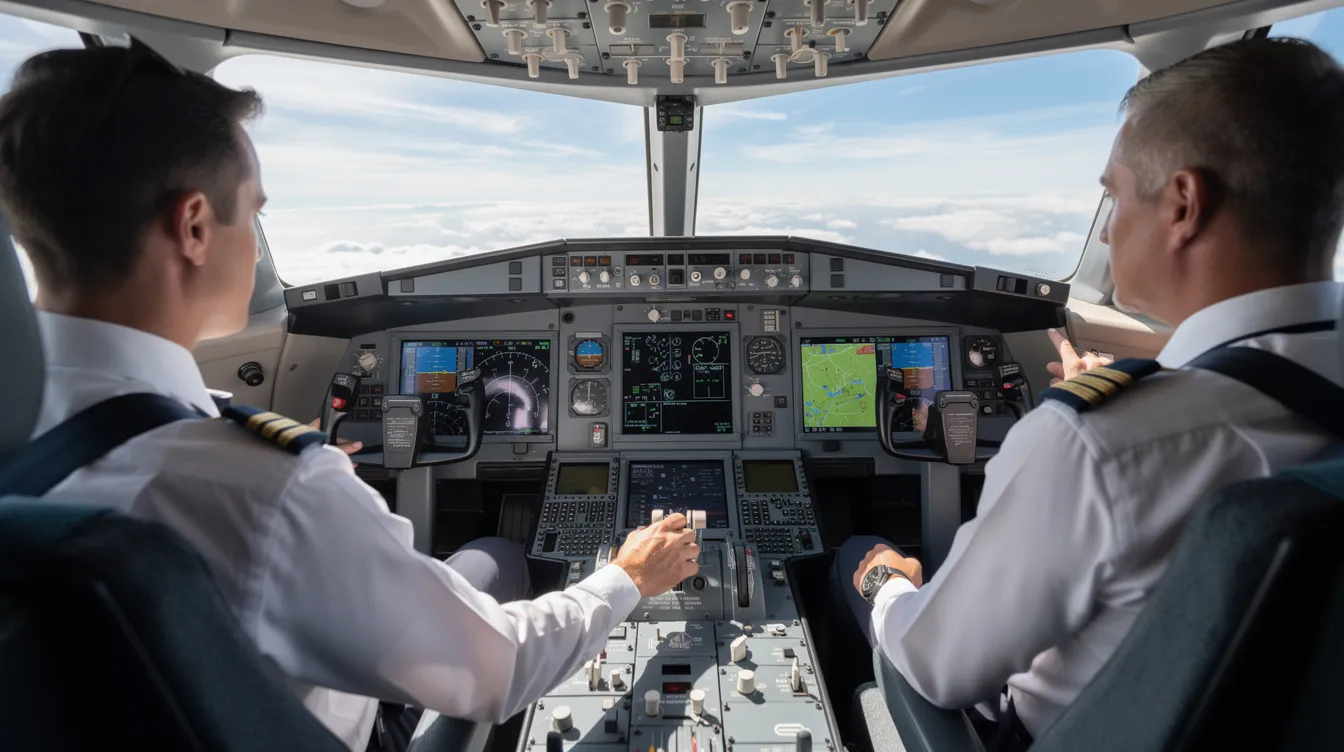
Captain compensation varies significantly by fleet and seniority, with pay scales reflecting aircraft complexity and pilot experience. Flexjet's pay increases annually through 18 years of service, with captain upgrade opportunities typically available within two years.
Position | Typical Range |
|---|
Challenger 350 Captain (Year 5) | ~$176,000 |
Gulfstream G650 Captain (Year 3) | ~$205,000 |
Senior Large-Cabin/International | $249,000–$269,000 |
Career arc example: FO Year 1 ($175K) → Challenger captain Year 2–3 ($190K+) → Red Label large-cabin captain Year 5–8 ($220K+)
The Red Label Program is a premium offering that features dedicated crewing, allowing pilots to assemble their own teams for specific aircraft—this unique feature enhances both the pilot and owner experience. Red Label pilots receive higher base salary scales, quarterly reliability bonuses, and more predictable patterns. The Red Label Program has been a significant differentiator for Flexjet, attracting many pilots due to its superior pay and the opportunity to fly the youngest fleet in the industry.
Real-World Flexjet Salary Data (Pilot-Reported Ranges)
Approximately 42 pilot salary submissions reveal total compensation typically from $134,000 to $249,000, with clustering near $178,000. Pilots with 15+ years of seniority in large-cabin or international operations report near the top.
Dallas, TX pilots specifically report $143,000–$269,000 depending on seat, aircraft, and bonus structure—making DFW a key hub for both career opportunities and interest in premium private jets for sale. Self-reported data may skew slightly high as senior people tend to submit more frequently.
Schedules, Basing, and Commuting: How They Affect Take-Home Pay
Flexjet offers multiple schedule options:
Flexbid: 13 bid periods monthly, seniority-based preferences
Fixed 8x6: Eight scheduled days on, six full days off
Red Label: Owner-tailored predictability
Pilots choose from over 115 domiciles across the U.S., eliminating the need to commute on days off. The company covers airline tickets, hotels, and rental cars for positioning—no commuting on days off. Pilots may keep all hotel and frequent flyer points, enhancing overall compensation and travel benefits. This effectively adds tens of thousands in value through saved personal expenses and preserved time at home.
Flexjet encourages mandatory days off between flight legs, promoting a healthy work-life balance for its pilots.
Training, Type Ratings & Career Progression Value
Flexjet fully funds type ratings on Phenom 300, Praetor 500/600, Challenger 300/350, and Gulfstream models—including several of the top private jets in the world—without repayment contracts. These ratings cost $30,000–$50,000 if purchased independently, with significant hidden compensation.
With 14% fleet growth and 25% pilot rank expansion in certain years, upgrade opportunities remain strong. The average captain upgrade occurs around 2 years, accelerating lifetime earnings substantially.
Fleet Growth, Future Aircraft & Long-Term Earnings Potential
Fleet expansion commitments include and have implications for Flexjet jet card cost, pricing, and options:
Embraer deal: ~$7 billion, adding 182 aircraft over 5 years
Gulfstream G700: Entering service 2025–2026
Otto Aerospace Phantom 3500: Targeted for 2030
This growth creates premium-pay international positions and supports 250+ hires in 2026. Joining during expansion can substantially change total career earnings versus stagnant fleet environments.
Benefits, Retirement & Non-Salary Compensation
Key benefits include:
401(k) retirement plan: Pilots can contribute up to 90% of their gross salary, and the company will match up to 6% of what the employee contributes, eligible after 30 days. Employees can contribute up to the annual IRS maximum for retirement plans, and Flexjet also makes a direct contribution as part of the overall compensation package.
Annual retirement benefits: Can reach up to 18% of earnings through 401(k) match and direct contributions.
Annual bonuses: Up to 10–20% of base pay, influenced by rank and fleet
Health insurance: Plans that cover families
Perks: Designer uniforms, Known Crewmember security access, Starlink connectivity
Safety credentials (ARG/US Platinum, FAA Diamond Awards) correlate with job security and professional excellence.
Flexjet Europe Pay & International Opportunities
Flexjet maintains expanding Europe operations with recruitment and pay data updated as recently as March 21, 2026, on their website. European pay scales differ due to local labor regulations and tax regimes, but remain competitive.
Factors for Europe-based pilots include EUR versus dollar considerations, cost-of-living in London or Milan, and different roster patterns. Consult current recruitment bulletins for precise euro-denominated salary bands and visit the Flexjet careers page for the latest details or to apply.
Quality of Life, Work–Life Balance, and “Soft Pay” Factors
Beyond salary, Flexjet markets a strong work-life balance through:
Predictable 8x6 rotations
Ability to live near any of 115+ domiciles
Better hotels on company expense
No loss of off-days to commuting
Many airline pilots earn similar base pay but lose quality through reserve duties, junior base assignments, and self-funded crashpads. A $175K Flexjet job can feel more valuable than higher nominal salary jobs with greater stress.
Comparing Flexjet Pilot Pay to Other Private Aviation Options
Compared to broader private aviation and even the cheapest private jet access options:
BlackJet operates on the passenger side with jet card memberships rather than as a pilot employer, but understands these cost structures intimately, similar to other top private jet companies for luxury travel and those detailed in a broader private jet price list and cost overview. Pilots should weigh culture, equipment, and growth—not just headline salary.
How Pilot Pay Ties into Private Jet Costs & Membership Pricing
Premium pilot salaries directly drive fractional ownership rates, jet card hourly costs, and charter pricing, which is why understanding both overall private jet charter pricing factors and the full cost of employing a private jet pilot is essential when evaluating private aviation. Six-figure compensation, extensive benefits, paid commuting, and advanced training all factor into what passengers pay.
For travelers using solutions like BlackJet’s jet card membership pricing or evaluating broader jet card pricing structures and benefits, paying for high-caliber flight crews ensures safety, reliability, and premium service. People who work in this industry—whether recruiter, panel interview coordinator, or operations manager—understand this connection.
Advancing Your Aviation Career & Exploring Private Jet Options
For pilots: Evaluate total compensation, including salary, per diem, benefits, basing, and upgrade speed. Flexjet pilot pay in 2024–2026 remains highly competitive with first-year FOs averaging $175K and experienced captains reaching $200K+.
For travelers: These pay levels reflect the expertise needed to operate complex business jets safely. Whether you’re age 25 or 65, understanding this helps you appreciate aviation excellence.
At BlackJet, we structure jet card and charter offerings with transparent pricing that reflects professional crew costs, including our BlackJet 25+ Hour Jet Card program. Our programs deliver top-tier pilots and aircraft without long-term ownership commitments.
Ready to experience premium private aviation? Visit blackjet.com to explore membership options, understand how professional crew costs are built into transparent pricing, and discover why travelers who value safety choose providers who invest in exceptional employment standards.
As pilot pay continues climbing industry-wide, working with a provider like BlackJet—one that deeply understands both crew economics and traveler needs—becomes increasingly important for sustainable, safe private jet travel. Your feedback matters; reach out to learn more about how we prioritize quality at every level.
Conclusion: Elevate Your Private Jet Experience with BlackJet
Understanding the factors behind pilot compensation, such as flexjet pilot pay, helps both pilots and travelers appreciate the value of private aviation. The expertise, benefits, and dedication of professional pilots ensure a safe, luxurious, and efficient travel experience. BlackJet is committed to delivering this excellence through our transparent, flexible jet card programs and charter services. Whether you’re pursuing a career in private aviation or seeking unparalleled travel convenience, visit blackjet.com today to discover how we can elevate your journey with trusted pilots and premium aircraft. Experience private aviation the way it was meant to be—safe, seamless, and tailored just for you.


 Sign up with google
 Sign up with Apple