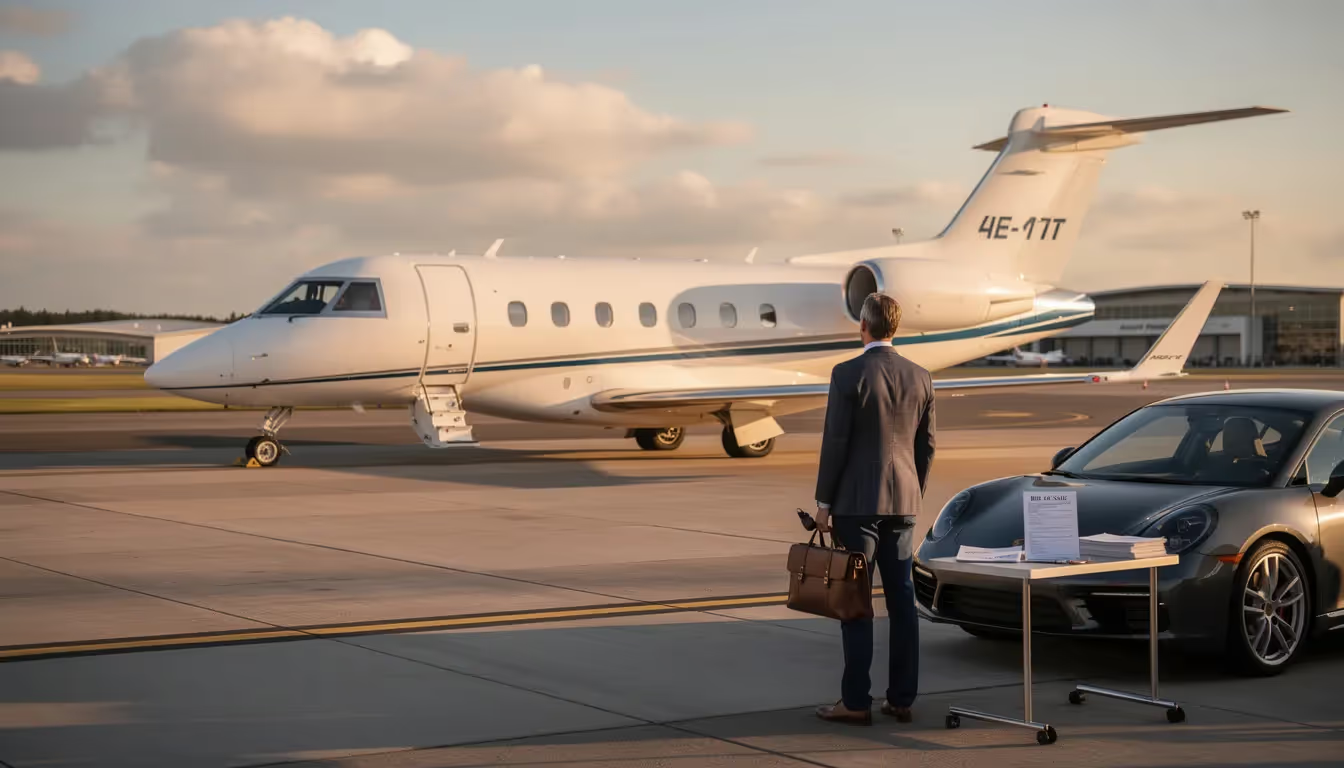
For many pilots and aviation enthusiasts, aircraft ownership represents the ultimate freedom—unlocking the ability to fly on your own schedule, explore new destinations, and enjoy the unique satisfaction of piloting your own airplane. But before taking the leap, it’s crucial for prospective aircraft owners to understand that the true cost of aircraft ownership goes far beyond the initial purchase price.
Owning an aircraft—whether it’s a small single-engine plane, a sophisticated multi-engine model, or a luxurious private jet—means taking on a range of financial responsibilities. These include not only the upfront investment but also ongoing operating costs, such as fuel costs, maintenance expenses, inspection costs, and aircraft insurance. Fixed costs like hangar space, registration fees, and regularly scheduled maintenance can add up to thousands of dollars annually, while variable costs like fuel and unscheduled maintenance will fluctuate based on how many hours you fly and the aircraft’s condition.
For private jet ownership, the stakes are even higher. Fixed costs such as hangar storage, insurance premiums, and crew salaries can quickly escalate, while maintenance costs and engine overhauls for larger aircraft models may reach into the hundreds of thousands—or even millions—of dollars over the aircraft’s lifetime. That’s why a thorough pre-purchase inspection is essential for uncovering any hidden issues or damage history that could impact the actual costs of ownership and lead to unexpected aircraft downtime.
It’s also important to consider the type of aircraft that best fits your intended use. Single-engine planes are generally more cost-effective and easier to maintain, making them a popular choice for private owners and those new to aircraft ownership. Multi-engine planes and specialized aircraft, on the other hand, offer greater performance and capabilities but come with higher maintenance costs and more complex inspection requirements. The number of hours flown, the aircraft’s age, and its maintenance history all play a role in determining annual costs and the true cost per hour of operation.
Beyond the financial commitment, aircraft owners must also factor in the opportunity cost of tying up capital in an airplane versus other investments, as well as the time required for regular training, compliance with regulations, and ongoing management of the aircraft’s condition.
For those who want the benefits of flying without the full burden of ownership costs, alternatives like fractional ownership or joining a flying club can be a smart, cost-effective solution. These options allow many owners to share the purchase price, storage costs, and maintenance responsibilities, making private aviation more accessible while still providing the thrill and convenience of flight.
Becoming an aircraft owner is about more than just buying a plane—it’s about understanding the full spectrum of ownership costs, from the initial purchase price to ongoing expenses and long-term maintenance. By carefully researching aircraft models, conducting a thorough pre-buy inspection, and considering your intended use and budget, you can make an informed decision and enjoy the rewards of aircraft ownership with confidence.
Why Plane Ownership Isn’t Just a Purchase—It’s a Lifestyle Shift
For high-net-worth individuals and discerning flyers, owning an aircraft can seem like the ultimate symbol of autonomy. But make no mistake: private jet ownership isn't just a lavish acquisition—it’s a complex, ongoing financial commitment that extends well beyond the sticker price.
When viewed strategically, private aviation offers undeniable advantages: freedom of schedule, unmatched privacy, and streamlined global mobility. But without a thorough understanding of ownership costs, what begins as a dream investment can quickly turn into a miscalculated burden.
In this guide, we break down the true cost of owning a private plane, from upfront expenses to long-term operational realities, to help you navigate ownership with clarity and confidence.
The Strategic Cost of Entry: Purchase and Financing
What You Pay Isn’t All You Pay
The entry point to ownership can vary dramatically—from $50,000 for a used light aircraft to over $75 million for a new Gulfstream G700. But the purchase price is only the beginning.
Many buyers opt for financing, which introduces interest rates, loan origination fees, and specific lender requirements. Terms may range from 5–20 years, and your credit profile, down payment, and aircraft type will all influence the final loan cost.
Buying a pre-owned jet can reduce the initial cost by 20% to 50% compared to new models. New jets vary drastically in price based on class, ranging roughly from $5 million for light models to over $100 million for ultra-luxury, long-range jets. Very light jets start at $3 million to $5.5 million for new models, while pre-owned units may begin around $1 million.
Pre-Purchase Inspections: Non-Negotiable Due Diligence
Before committing capital, a comprehensive pre-purchase inspection is essential. These evaluations can uncover hidden damage, worn avionics, or deferred maintenance, potentially saving you hundreds of thousands in post-sale repairs.
A $25,000 inspection might seem steep, but it’s a fraction of what you could spend fixing an overlooked turbine or hydraulic system failure.
Beyond the Purchase: Fixed Costs You Can’t Ignore
Insurance & Risk Management
Every aircraft requires insurance, and the premium depends on aircraft value, pilot experience, flight hours, usage (personal vs commercial), and location. Insurance companies assess risk and set premiums based on factors such as aircraft hours, aircraft type, and pilot experience. Aviation insurance covers both plane damage and liability protection.
Small aircraft insurance costs vary based on aircraft type, coverage, and usage, typically ranging from $500 to several thousand dollars annually, with most owners paying between $2,000 and $6,000 annually.
Private jet insurance typically costs 1% to 3% of the aircraft's value annually, with premiums ranging from $10,000 to $500,000 depending on jet value and pilot experience.
Hangar and Storage Fees
Storage isn’t optional. Whether you're based in Aspen, Teterboro, or Van Nuys, hangar costs range widely. Major metropolitan hangars can exceed $20,000 to $40,000 per month, translating to $240,000 to $480,000 annually. More typical rental hangar fees for private jets range from $1,500 to $3,000 per month, with annual costs generally starting from $30,000 and going up to over $200,000 depending on location and aircraft size.
Outdoor tie-downs are cheaper but increase exposure to environmental wear—accelerating depreciation and impacting long-term resale value.
Strategic basing decisions significantly impact hangar costs, fuel prices, and operational convenience, making location choice a critical factor in overall ownership costs.
What It Takes to Stay in the Air: Maintenance and Inspections
Routine Maintenance and Inspections
Aircraft aren’t like luxury cars. Maintenance isn’t cosmetic—it’s mandated for safety.
Routine maintenance can cost about 2% of the original aircraft price per year for a pre-owned aircraft that may require heavier maintenance. Annual maintenance costs for private jets typically range from 5% to 10% of the aircraft's value.
Oil changes, brake replacements, tire inspections, and battery maintenance are part of a regular preventive regimen, often totaling $10,000–$50,000+ per year, depending on aircraft complexity.
Skimping here is not an option: missed maintenance not only risks your safety but can void insurance or FAA compliance.
Private aircraft are subject to annual inspections or 100-hour checks if used commercially. These reviews often include airframe, engine, and avionics evaluations. Expect to pay anywhere from $1,000 to $15,000+ per inspection, especially for turbine-powered aircraft.
Unscheduled Maintenance and Engine Overhauls
Even with the best planning, aircraft break down. Pressurization systems, avionics, and engine components can fail without warning.
These repairs can quickly stretch into six figures, especially if parts need to be flown in or specialized labor is required. Every smart aircraft owner maintains a reserve fund for these situations.
Engines are the heart of your aircraft—and one of the most expensive to maintain, especially when it comes to engine overhaul. Overhauls occur every 1,500–2,000 flight hours, and the cost depends on the make and model. Owners should budget to set aside $10 to $30 per flight hour for a major engine overhaul fund. For larger aircraft, engine overhauls can run into six figures.
The Fuel Factor: Operating Costs and Hourly Calculations
Fuel Expenses and Management
Fuel costs are one of the highest ongoing costs of aircraft ownership and represent the most immediate opportunity for cost savings in private jet ownership.
Single-engine piston aircraft: ~$5.00–$7.00 per gallon
Turboprop or light jet: ~$800–$1,500/hour in fuel
Mid-to-large jets: $1,500–$3,000+/hour
Professional management companies often provide volume purchasing discounts for fuel, insurance, and maintenance services, helping owners reduce operating expenses.
Hourly Cost: How to Run the Numbers
To understand your true hourly cost, total up your annual:
Fuel
Maintenance
Insurance
Hangar/storage
Crew (if applicable)
Depreciation
Then divide by hours flown per year. For example:
This number becomes your benchmark when comparing to Jet Card programs or on-demand charters—often revealing that outright ownership only makes financial sense beyond a certain flight-hour threshold.
Crew and Management Costs
Crew salaries for private jets range from $85,000 to over $300,000 per year, depending on experience and aircraft type. Crew costs are a significant fixed cost that does not vary with flight hours.
Aircraft management fees typically add 10-15% of total operating costs. Management companies help with maintenance scheduling, often arranging work during planned downtime to reduce labor charges and minimize operational disruptions.
Management fees for third-party operations typically range from $50,000 to $250,000 annually.
Ownership Models: Whole vs. Fractional Ownership
Whole aircraft ownership typically involves higher fixed costs compared to fractional ownership, which includes capital fees, management fees, and occupied hourly fees.
Whole ownership becomes cost-effective at around 200-400 annual flight hours. Flying fewer than 300 hours per year generally makes whole aircraft ownership a poor investment.
The breakeven point for private jet ownership versus chartering often falls between 150 and 400 flight hours per year.
Fractional ownership allows multiple owners to share the purchase price and operating costs, reducing individual financial burden while providing access to private aviation.
Using Tools and Making Strategic Decisions
Using professional cost calculators provides baseline estimates but requires understanding their limitations. Real-world costs can vary widely based on aircraft type, usage, location, and management choices.
Strategic basing decisions, fuel management, and charter revenue generation offer additional optimization strategies. Chartering your aircraft during downtime can offset costs through third-party use.
Frequently Asked Questions (FAQs) About Plane Ownership Cost
1. What is included in the total plane ownership cost?
The total plane ownership cost includes the initial purchase price, financing costs, insurance premiums, hangar or outdoor storage fees, routine maintenance and inspections, fuel costs, and unexpected repairs or unscheduled maintenance. Depreciation and taxes may also factor into your overall expenses.
2. How much does fuel typically cost for small planes?
Fuel costs vary depending on the type of aircraft. Small single-engine planes generally consume between 5 and 10 gallons of fuel per hour, with prices around $5.00 per gallon on average. This translates to roughly $25 to $50 per flight hour in fuel expenses.
3. Why is a thorough pre-purchase inspection important?
A thorough pre-purchase inspection helps identify hidden damage, maintenance issues, or outdated avionics before buying the plane. It can save buyers thousands of dollars in repairs and prevent unexpected downtime after purchase.
4. What are the typical annual inspection costs for small planes?
Annual inspection costs for small aircraft typically range from $600 to $2,000. Specialized planes, such as those with retractable landing gear or multi-engine configurations, may incur higher inspection fees.
5. How do hangar and storage costs affect overall ownership expenses?
Hangar space provides protection from environmental wear and can reduce long-term maintenance costs, but tends to be more expensive, averaging around $250 per month or more, depending on location and airplane size. Outdoor storage is cheaper but exposes the aircraft to weather, which may accelerate depreciation.
6. Can financing costs significantly impact the total cost of ownership?
Yes. Most buyers require loans to purchase a plane, and financing costs, including interest and fees, can add substantially to the total ownership cost over time.
7. What is fractional ownership, and how does it affect costs?
Fractional ownership allows multiple owners to share an aircraft, dividing the purchase price and operating costs according to their share. This can be a more cost-effective option for those who fly fewer hours annually and want to avoid full ownership expenses.
8. How often do aircraft engines require overhauls, and what are the costs?
Engines typically require overhauls every 1,500 to 2,000 flight hours. Costs vary widely by engine type but can range from $20,000 for light piston engines to over $1 million for jet engines.
9. How can owners save money on aircraft insurance?
Owners can save money by maintaining good pilot certifications, undergoing regular training, storing their aircraft in hangars, and keeping up with scheduled maintenance and inspections to reduce risk.
10. What should I consider when choosing between new and used aircraft?
New aircraft come with higher initial purchase prices but fewer immediate maintenance needs. Used aircraft are more affordable upfront but may require costly upgrades, repairs, or avionics modernization. A thorough pre-buy inspection is essential when considering used planes.
Conclusion: Owning a Plane Isn’t Just About Flying—It’s About Planning
Aircraft ownership is a bold, powerful decision—but it’s also a complex one. It requires not just capital, but continuous planning, active management, and deep awareness of your usage habits and future needs.
For some, owning a jet is worth every dollar. For others, a smarter alternative—like BlackJet’s elite Jet Card membership—offers the freedom of flight without the overhead.
Discover How BlackJet Redefines Private Aviation
If you're exploring private aviation but not ready for the long-term commitment of ownership, BlackJet offers seamless, carbon-neutral jet access backed by elite safety standards and proprietary scheduling technology.
Explore premium jet access on your terms.
Join the BlackJet Jet Card Program


 Sign up with google
 Sign up with Apple