A recreational airplane is more than a weekend indulgence. For many entrepreneurs, investors, and frequent flyers, it is the first step into a broader private aviation strategy—one that blends freedom, skill, time savings, and eventually, jet-level reach. This guide is designed for entrepreneurs, investors, and frequent flyers interested in private aviation. Whether you are interested in obtaining a recreational airplane, pursuing aviation licenses, or exploring training options, this guide will help you navigate the steps involved. Recreational airplanes offer unique advantages in flexibility, skill development, and travel efficiency compared to commercial options.
Why Recreational Airplanes Matter for Modern High-End Travel
Private aviation is not just a luxury; it is leverage. In general aviation, a personal plane can turn a trip constrained by airline schedules into a direct, efficient flight on your timeline. New York to Nantucket may require connections, security, and delays by airline, while a private aircraft routing from Westchester or Teterboro to ACK can make the journey in roughly 60–75 minutes of flight time.
The same logic applies to LA–Tahoe or London–Nice. A commercial itinerary can turn into half a day of queues, transfers, and compromise. A recreational airplane, piston single, or private jet lets passengers depart early, land closer, and preserve energy for the meeting, family weekend, or investment visit.
Many pilots begin with sport aircraft, flight training, or an ultralight aircraft to build confidence, maintain proficiency, and scout destinations. At BlackJet, we often see the natural progression: ultralight, light sport aircraft, certified piston aircraft, then Jet Card access when the mission demands more range, speed, cabin comfort, and reliability.
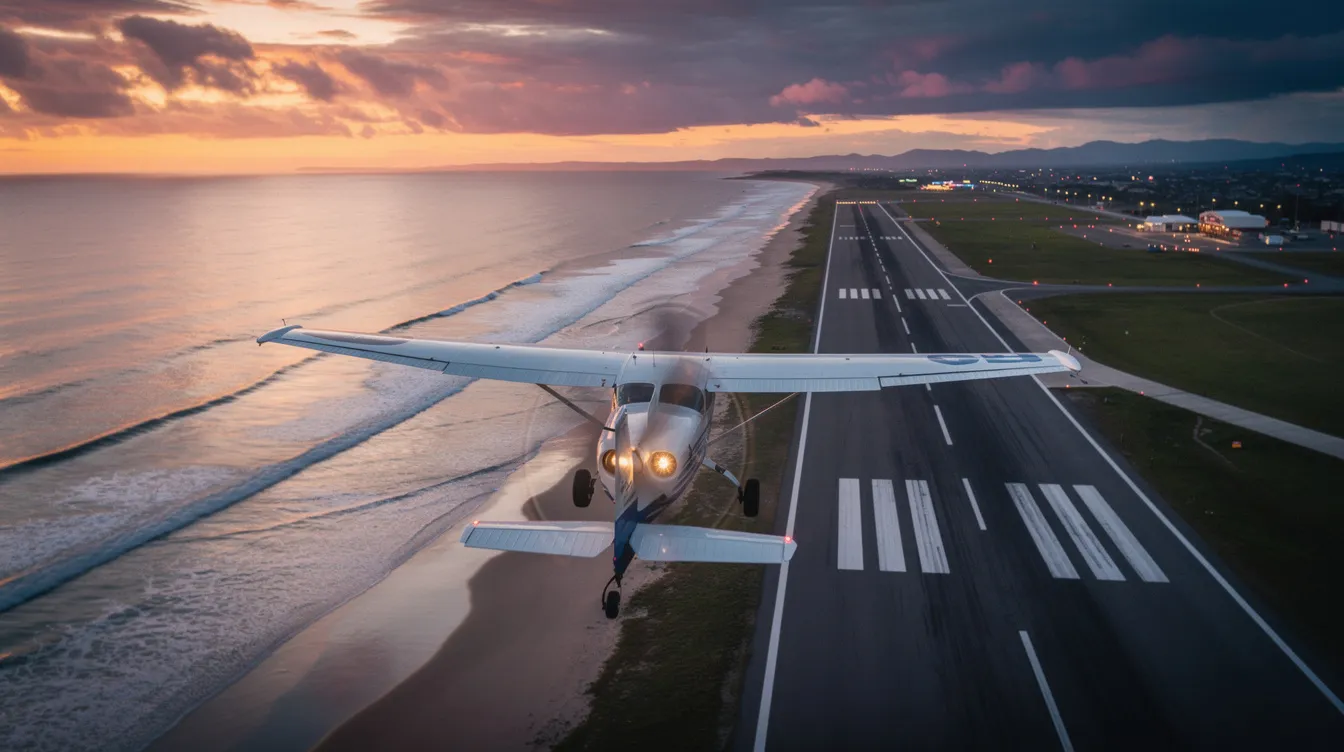
Categories of Recreational Airplanes
Recreational aircraft can include a variety of types, such as powered aircraft, gliders, and lighter-than-air craft, as long as they meet specific weight and performance criteria set by aviation authorities.
There is no single best recreational airplane. The right aircraft depends on budget, passengers, runway type, fuel capacity, cruising speed, maximum range, and whether the owner wants pure fun or business transport capability.
Common categories include:
Ultralight aircraft: Under FAA Part 103, a powered ultralight is basically a single-seat lightweight aircraft for local flight, usually with 5 gallons of fuel, 40–60 mph cruise, and 75–100 miles of range.
Light sport aircraft: The light sport aircraft category generally includes two seats, fixed landing gear, fixed pitch or ground-adjustable propeller, modest fuel burn, 90–120 knot speed, and 400–800 nm maximum range.
Experimental aircraft: An experimental model may be factory-assisted or kit-built, with custom avionics, electric options, retractable gear on some designs, and build hours that vary widely.
Certified piston singles and twins: These include Cessna Skyhawk trainers, Cirrus SR22T, Bonanza, Diamond, and Piper models, with 120–210 knot cruise and 450–1,000+ nm range.
Personal turboprops and light jets: These high-performance aircraft add pressurization, turbine reliability, and jet-class trip planning.
FAA certification differs sharply. Part 103 ultralights need no airworthiness certificate; LSAs use consensus standards; Part 23 aircraft require full certification. BlackJet’s Jet Card inventory focuses on turbine and light jet categories, while many members still rent or own other aircraft for weekend training, drawing on a wide range of private jet types for different traveler profiles.
Recreational Aircraft Categories at a Glance
Category | Seats | Max Weight (lbs) | Cruise Speed (knots) | Range (nm) | Pilot License Required | Typical Use |
|---|
Ultralight Aircraft | 1 | 254 (empty) | 35-55 | 75-100 | No | Local recreational flying |
Light Sport Aircraft (LSA) | 2 | 1,320 | 90-120 | 400-800 | Sport Pilot License | Training, short cross-country |
Experimental Aircraft | 1-4 | Varies | Varies | Varies | Private Pilot License | Custom builds, hobby flying |
Certified Piston Singles/Twins | 2-6 | 2,500+ | 120-210 | 450-1,000+ | Private Pilot License | Business, family, regional travel |
Personal Turboprops & Jets | 4-10+ | 5,000+ | 250-450+ | 1,000+ | Type Rating Required | Business, long-distance travel |
Ultralight Aircraft: Pure Recreational Freedom
FAA Part 103, introduced in 1982, defines ultralight freedom clearly. In the United States, ultralight aircraft must meet specific FAA regulations, including a maximum empty weight of 254 pounds and a top speed of 63 mph (55 kph). The FAA defines ultralight aircraft as single-seat aircraft intended for recreational flying, with a maximum fuel capacity of five US gallons and a maximum stall speed of not more than 24 knots (44 km/h).
Ultralight aircraft do not require pilot licensing, medical certification, or aircraft registration under FAA Part 103, provided they meet the specified weight and speed limitations. That makes the category accessible, but not casual. Good training is strongly recommended because wind, weather, and low-altitude decisions still matter.
Popular 2025–2026 examples include the Aerolite 103 and Quicksilver-style designs. An Aerolite 103 may cruise around 45–63 mph, depending on specifications, engine, and conditions. These aircraft are typically flown at sunrise or sunset, over fields, lakes, and quiet skies, not on demanding cross-country flights.
For some BlackJet clients, the ultralight was the first cockpit where they learned true stick-and-rudder feel before moving into more capable sport aircraft.
Light Sport Aircraft (LSA) and Sport Aircraft
In the United States, light sport aircraft (LSA) must meet specific criteria, including a maximum gross weight of 1,320 pounds (600 kg) and a maximum stall speed of 45 knots (52 mph) in landing configuration. The FAA defines light sport aircraft as aircraft that require a sport pilot certificate to operate, distinguishing them from ultralight aircraft, which do not require a pilot's license.
The FAA’s light sport aircraft rules generally cover airplanes with two seats, fixed gear, a single engine, an unpressurized cabin, and a limited top speed. The FAA Sport Pilot License is the fastest and most affordable route for piloting recreational aircraft, allowing operation with just a valid driver’s license in many cases.
Examples show how varied LSAs can be:
Texas Aircraft Colt: a practical new aircraft for training and short touring, with about 110 knots cruise.
CubCrafters CarbonCub SS: a rugged backcountry airplane for grass strips and short-field flying.
ICON A5: an amphibious aircraft with floats and landing gear for water recreation and land operations.
The introduction of the MOSAIC (Modernization of Special Airworthiness Certification) program is set to expand the light sport aircraft category, allowing for larger aircraft with up to four seats and a stall speed limit of 61 knots. For now, LSAs tend to sit at the intersection of fun and practicality: affordable to fly, forgiving, and useful for building hours toward advanced ratings.
Certified Personal Aircraft: Recreational Flying with Real Travel Capability
Certified piston singles and light twins form the backbone of personal aviation in North America and Europe. They are the aircraft many pilots choose when an LSA no longer has enough seats, range, avionics, or weather capability.
Well-known production models include the Cessna 172 Skyhawk, Cessna 182 Skylane, Beechcraft G36 Bonanza, Cirrus SR22T, Diamond DA40 NG, Diamond DA50 RG, and Piper M350 “Malibu Mirage.” The Cessna Skyhawk and Piper Archer are ideal for training and local flights; the Skylane and DA40 suit friends and family trips; the Bonanza, SR22T, and DA50 RG support faster cross-country work; the M350 adds pressurized comfort.
Performance often ranges from 120–210 knots, with 50–100 gallons of fuel capacity and 450–1,000+ nm maximum range. Modern advanced features-Garmin glass panels, autopilots, traffic, weather, and Cirrus CAPS parachute systems-enhance safety and reduce cockpit workload.
Many recreational models can land on short, grass, or unpaved runways, granting access to remote backcountry landing strips and small community airfields. High-wing models offer superior downward visibility, while low-wing models tend to provide better upward visibility and ground effect during landings. High-wing designs provide unobstructed downward views that are ideal for sightseeing and aerial photography.
Key Performance Factors: Fuel Capacity, Cruising Speed, and Maximum Range
Performance metrics matter differently depending on the mission. A Saturday flight with friends rewards stability, visibility, and simple handling. A business trip rewards speed, dispatch reliability, and weather capability.
Key terms:
Cruising speed: the normal cruise setting, not the maximum speed.
Fuel capacity: usable fuel carried, which drives endurance.
Maximum range: distance under defined conditions, usually reduced by reserves, wind, passengers, and baggage.
Endurance: how long the airplane can remain in the air.
A CarbonCub SS cruising around 100–110 knots is excellent for short strips and backcountry flying. A Cirrus SR22T cruising above 180 knots is better for regional business legs. But every aircraft trades payload against fuel: full tanks may limit baggage, while full seats may reduce range.
Recreational aircraft engines typically run on Avgas or alternative fuels like standard automotive gas or Jet-A, which can significantly reduce operating costs. Recreational planes are typically more fuel-efficient than commercial aircraft, often making them accessible through flying clubs or shared ownership.
BlackJet members often use piston or LSA aircraft for sub-300 nm recreation, then choose Jet Card flights for 800–2,500 nm multi-city itineraries, leveraging jet card cost structures and membership pricing for predictable budgeting.
Regulations, FAA Certification, and Safety in Recreational Flying
FAA certification shapes what pilots can safely and legally do. Compliant ultralights need no license. Most LSAs require a sport pilot certificate. Certified piston aircraft require a private pilot license or higher, and jets often require type ratings and recurrent training.
The FAA defines recreational aircraft as those that are not helicopters or powered lifts, and they must meet certain specifications regarding weight and speed to qualify as light-sport aircraft. Recreational aircraft can include a variety of types, such as powered aircraft, gliders, and lighter-than-air craft, as long as they meet specific weight and performance criteria set by aviation authorities.
Safety depends on maintenance, preflight checks, weather judgment, and honest personal minimums. Recreational planes feature high aerodynamic stability, slow stall speeds, and responsive controls, making them forgiving for pilots who fly less frequently. Recreational aircraft often feature predictable, stable flight characteristics compared to high-performance jets, making them enjoyable to fly.
BlackJet’s private jet access adds another layer: professional crews, audited operators, proprietary safety standards, maintenance oversight, and ARG/US or Wyvern-level expectations, along with the ability for jets to cruise at higher altitudes than most commercial flights for smoother, more efficient trips. Even experienced pilots may prefer BlackJet for night, winter, international, or time-critical trips.
Building Versus Buying: Kits, Build Hours, and Ownership Considerations
Experimental amateur-built aviation appeals to the owner who wants customization, lower acquisition cost, and the satisfaction of building a plane. Recreational aircraft can be factory-manufactured or built from kits, allowing enthusiasts to customize their flying experience while adhering to safety and performance standards.
Typical build hours can run from 600 to 1,500+ hours for many metal or composite kits. Quick-build options reduce time, but avionics, paint, wiring, inspection, and documentation still require discipline.
Experimental aircraft may require a test-flight phase, special operating limitations, and more careful insurance planning. A first-time owner may prefer a factory-built LSA or certified Cessna because financing, training, maintenance, and resale are simpler.
Ownership also includes hangar, insurance, annual inspection, fuel, upgrades, and downtime. By contrast, BlackJet members buy flight hours through 25+ hour Jet Card programs and avoid crew management, turbine maintenance, and capital tie-up.
Picture a business owner with a two-seat LSA for weekend flying. For client visits across multiple states or countries, a 25-hour jet card’s features and costs make BlackJet’s 25-hour Jet Card the practical extension of that lifestyle.
From Recreational Airplanes to Private Jets: How BlackJet Fits In
Many serious aviation enthusiasts follow a clear path: discovery flight, ultralight, sport aircraft, certified personal aircraft, then private jet access when the mission outgrows self-flying.
Flying yourself at 120–150 knots can be deeply rewarding. But a 400+ knot private jet changes the equation: more passengers, a quieter cabin, direct routing, uninterrupted work, and no pilot fatigue after arrival.
BlackJet’s premium private Jet Card programs-available in 25-hour and 50-hour blocks-complement recreational ownership with access to multiple cabin classes. Members gain safety-vetted aircraft, carbon-neutral flights by default, digital booking, real-time support, and transparent pricing without owning a turbine aircraft.

Choosing the Right Recreational Airplane for Your Mission
Choose the aircraft around the mission, not the fantasy. Consider:
Budget for purchase, training, maintenance, and storage
Desired speed and cruise comfort
Typical leg length and maximum range
Grass, paved, or backcountry runway needs
Cabin size, seats, baggage, and passengers
Regulatory complexity you are willing to manage
Example profiles:
Weekend lake house owner: A Texas Colt or CarbonCub offers fun, short-field access, and simple flying; BlackJet covers longer family or business trips.
Startup founder: A Cirrus, Bonanza, or turboprop can support regional work, while insights from the best small private aircraft for varied missions and a BlackJet midsize cabin handle multi-state schedules.
Retired builder: A kitplane satisfies craftsmanship and local aviation community life; budget-focused flyers may explore the cheapest private aircraft options while BlackJet adds winter, international, and long-range reach.
There is no one-size-fits-all recreational airplane. The strongest strategy pairs passion in the cockpit with professional jet access when time and distance matter.
FAQs: Recreational Airplanes, Licensing, and Jet Card Access
Do I need a pilot's license for an ultralight aircraft?
No, if the aircraft fully complies with FAA Part 103. It must remain single-seat, within weight, fuel, and speed limits, and used for recreation. Training is still strongly recommended, just as due diligence is essential when evaluating Flexjet jet card costs and options for professionally crewed flying.
What is the difference between an ultralight and a light sport aircraft?
An ultralight is simpler, lighter, single-seat, and does not require licensing. A light sport aircraft is larger, usually has two seats, and requires a sport pilot certificate. For comparison, some private charters use large private jets for up to 50 passengers, aimed at a completely different scale of mission.
How many build hours are typical for a kitplane?
Many kits require 600–1,500+ build hours, depending on materials, avionics, finish quality, and whether it is a quick-build design. For larger groups that outgrow any kitplane, private jets suitable for around 20 passengers become relevant for efficient group travel.
What cruising speed is realistic for weekend recreational flying?
Ultralights may fly around 40–60 mph. LSAs commonly cruise at 90–120 knots, while certified piston singles may cruise from 120 to over 200 knots. Travelers who prioritize speed but don’t want to own a jet can instead buy a seat on a private jet for select routes.
How far can I travel in a typical sports aircraft on one tank?
Many sport aircraft can cover 400–800 nm under favorable conditions. Real-world maximum range falls with headwinds, baggage, passengers, and reserve requirements, at which point travelers may compare this with 50-hour jet card pricing and value for longer or more demanding missions.
When does it make more sense to use a private jet instead of a recreational airplane?
Use a private jet when distance, weather, schedule pressure, passenger count, or fatigue exceed what a personal airplane can handle comfortably. Understanding jet card pricing, costs, and benefits helps clarify why BlackJet is especially useful for 800–3,000 nm missions.
How does safety and FAA certification compare with BlackJet?
Recreational airplane rules vary from Part 103 simplicity to Part 23 certification. BlackJet uses professionally crewed jets, audited operators, strict maintenance protocols, and proprietary safety review, which align with expectations for clients evaluating 100-hour jet card costs and value.
What about sustainability and carbon-neutral options?
Piston aircraft burn less fuel per hour than jets, but every flight has an emissions profile. Travelers comparing the cheapest private jet options and access models increasingly weigh sustainability alongside budget. BlackJet includes carbon-neutral flights as standard, using offsets designed to address aviation emissions without extra member effort.
Elevate Beyond Recreation: How BlackJet Complements Your Flying Life
Recreational airplanes are about freedom, skill, and the joy of air under your wings. BlackJet is about leverage: reaching farther, arriving rested, and turning private aviation into a strategic advantage.
With BlackJet, there is no hangar, no maintenance planning, no crew hiring, and no turbine ownership burden. Members access aircraft optimized for regional, national, and international travel, supported by rigorous safety oversight, carbon-neutral flights, and 24/7 digital booking with live expert support.
Explore BlackJet’s Jet Card programs to design a travel strategy that pairs your love of recreational flying with seamless private jet access, because the best pilots already understand the value of time, control, and choosing the right aircraft for the mission.
Conclusion: The Strategic Advantage of Recreational Flying with BlackJet
Recreational airplanes offer more than personal enjoyment—they represent a strategic gateway to enhanced mobility, independence, and skill development for discerning travelers and professionals alike. Whether you begin with an ultralight, progress through light sport aircraft, or own a certified piston plane, the freedom to pilot your own aircraft transforms how you approach travel and time management.
Yet, when missions demand greater range, speed, or passenger comfort, BlackJet’s Jet Card programs provide seamless access to a fleet of rigorously vetted private jets. This combination of personal flying and professional jet access elevates your travel experience, ensuring safety, sustainability, and efficiency without the burdens of ownership.
By integrating recreational aviation with BlackJet’s premium services, you unlock a tier of private travel that is both empowering and pragmatic—because true luxury is the ability to control your journey on your terms, every time you fly.


 Sign up with google
 Sign up with Apple


