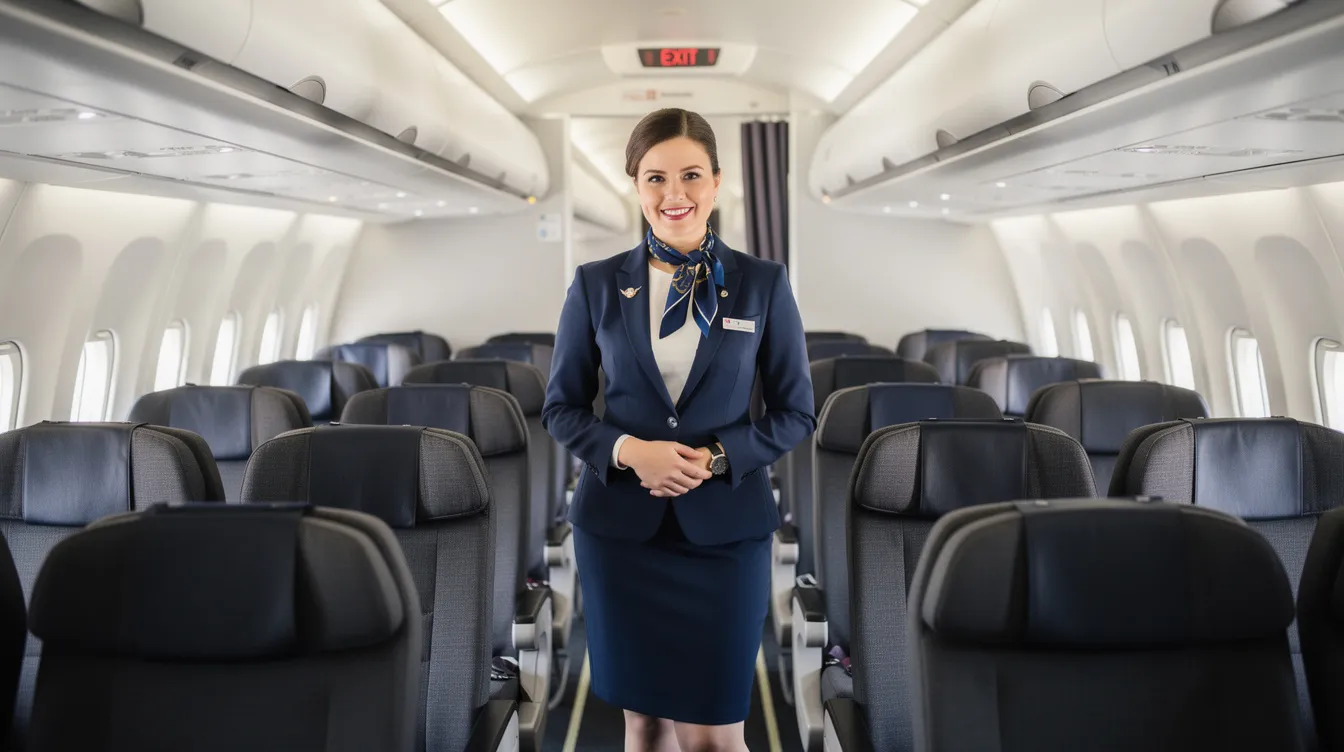
The compensation structure for flight attendants differs significantly from traditional salaried office jobs. If you're researching reserve flight attendant salary figures, you've probably already noticed that the numbers can be confusing-hourly rates that don't mean what you think, guarantees that protect minimum income, and per diem that quietly adds thousands to annual earnings. This guide breaks down exactly how reserve flight attendants get paid in 2026, with real airline data, concrete math, and a look at how private aviation offers a different model entirely.
Quick Answer: How Much Do Reserve Flight Attendants Make?
In 2026, first-year flight attendant earnings on reserve at U.S. major airlines typically fall between $28,000 and $45,000 annually, depending on the carrier, base location, and how much extra flying a crew member picks up. First-year flight attendants earn approximately $28,000 annually at the lower end, while those at top-paying carriers with premium pay and overtime can push well past $40,000.
Here's how the core structure works:
Reserve flight attendants usually receive a monthly guarantee of 72–78 credited flight hours, even if they aren't assigned that many flights. This guarantee protects base income.
Flight attendant pay is calculated per flight hour-meaning the time from aircraft door close to door open at arrival-not a standard 40-hour workweek.
Flight attendants typically log between 75 and 100 flight hours monthly, with reserves often landing closer to the guarantee floor.
In 2026, first-year United Airlines flight attendants earn $38.21 per flight hour, while regional carriers like Endeavor Air start new hires at approximately $26.23 per flight hour.
A new hire at a major airline earning around $30–$38 per flight hour with a 75-hour reserve guarantee takes home roughly $2,250–$2,866 in base monthly pay before per diem or premiums.
Private aviation-including companies like BlackJet’s premium private jet card programs-may offer different compensation structures. Instead of flight-hour-based pay systems, private operators often use day-rate or trip-based packages, reducing the amount of unpaid time spent waiting on the ground.
Reserve vs. Lineholder: What Makes Reserve Flight Attendant Pay Different?
To understand reserve pay, you need to understand the two scheduling categories that govern how flight attendants make their living-in both commercial and private aviation.
A reserve flight attendant is on-call. They must be available on short notice to cover trips when fellow flight attendants call in sick, when flights are added, or when operational disruptions scramble the monthly schedule. Reserve types include airport (ready) reserve, where the flight attendant reports to the airport and waits, and home reserve, where they remain reachable by phone and must report within a specified window.
A lineholder, by contrast, bids for a pre-planned schedule based on seniority. Their trips, days off, and routes are set in advance. They have predictability and control.
Reserve flight attendants may work unpredictable schedules and must be on-call, which creates several pay differences:
Reserves often inherit less desirable flight assignments due to their junior status-red-eyes, short-notice turns, or routes nobody else wanted.
Even with a reserve guarantee, reserves may not reach the same monthly flight hours as senior lineholders who bid for packed schedules.
A typical reserve month might include 18–20 reserve days but only 10–12 actual flying days, depending on base staffing needs and season.
For a deeper look at how much airline attendants get paid across the industry, the gap between reserve and lineholder earnings becomes even clearer at scale.
In private jet operations, "reserve" can look quite different. Crews may work rotational on-call duty-for example, 15 days on followed by 13 days off-with guaranteed minimum compensation per rotation rather than a flight-hour guarantee.
How Flight Attendant Hourly Pay Really Works
Flight attendants get paid per flight hour, not for every minute they are in uniform. This is the single most important concept to understand about flight attendant compensation.
A credited flight hour-sometimes called actual flight time-is measured from door close (or pushback) to door open at the destination. Boarding passengers, deplaning, gate delays, and time between flights at most airlines pay differently or not at all. Flight pay is earned only when the aircraft doors are closed.
Here's a simplified formula for monthly pay:
Hourly rate × credited flight hours + per diem pay + premiums (lead, language, holiday) = gross monthly pay
Many contracts include "rig" minimums to partially close the gap. For example, United Airlines' 2026 contract guarantees one hour of flight time pay and credit for every 3.5 hours of duty elapsed, prorated until return to domicile. But large stretches of duty time still go uncompensated at the same hourly rate as actual flying.
In some private jet and Jet Card operations, crews may be paid for entire duty periods or calendar days rather than only door-closed flight time, a structure that aligns closely with how Jet Card cost per hour is calculated. This structure reduces unpaid gaps and aligns compensation more closely with hours actually worked.
Guarantees and Reserve Flight Attendant Monthly Pay
Reserve flight attendant salary is built around a monthly guarantee that protects minimum income, regardless of how many flights scheduling assigns.
Typical reserve guarantees at major U.S. airlines in 2026:
Airline | Reserve Guarantee | First-Year Hourly Rate |
|---|
United Airlines | ~75 credit hours/month | $38.21/hr |
SkyWest Airlines | 76 credit hours/month | $30.32/hr |
Endeavor Air | 75 credit hours/month | $26.23/hr |
Reserve flight attendants often receive a contractual minimum pay guarantee each month. Here's how it works in practice:
A first-year flight attendant earning $30 per flight hour with a 75-hour monthly guarantee receives $2,250 in base pay before additional compensation.
If a reserve flies fewer than 75 credited hours, they still receive the full guarantee.
If they fly more- say, 85 hours flown- they're paid for all credit hours at their hourly pay rate.
Availability rules matter. Calling out sick, dropping reserve days, or failing to respond within the required window can reduce or forfeit the guarantee under many airline contracts. Endeavor Air's reserve guidelines specify report windows and responsiveness requirements that directly affect eligibility.
For private aviation, operators may use guaranteed day rates or base salaries for on-call rotations instead of strict flight-hour guarantees, giving crew members more income stability per pay period—mirroring how Jet Card membership pricing structures emphasize predictable costs over variable flight hours.
Per Diem Pay: The Hidden Piece of Reserve Flight Attendant Compensation
Per diem-sometimes called diem pay-is an hourly allowance for meals and incidental expenses while a flight attendant is away from their home base. Per diem covers meals and expenses while away from home, and it's a meaningful slice of total flight attendant compensation that many people overlook.
Key details:
Per diem typically starts at report time and ends after final debrief when returning to base or domicile.
Per diem rates for flight attendants range from $2.00 to $3.00 per hour in 2026. Endeavor Air pays $2.25 per hour; United pays $2.97 domestically and $3.54 for international flights.
Per diem is often non-taxable under IRS rules when structured within federal per diem limits, which increases its real value to each crew member.
Here's a concrete example of how diem pay adds up on multi-day trips:
Trip Detail | Calculation |
|---|
Hours away from base | 80 hours |
Per diem rate | $2.25/hr |
Per diem earned | $180 |
Monthly trips (3–4) | $540–$720/month |
Annual per diem impact | $6,500–$8,600 |
That's meaningful additional compensation that doesn't show up in the base hourly rate.

In private jet operations serving Jet Card members and charter clients, per diem may be higher on long-haul legs, and hotel accommodations are consistently premium-level properties-a quality-of-life factor that commercial reserves rarely experience, especially on regional carriers, and one of the core perks highlighted in the best jet cards for frequent flyers.
First Year Reserve Flight Attendant Salary: What New Hires Actually Get Paid
Let's focus specifically on what new flight attendants actually take home during their first year on reserve status.
First-year hourly pay at U.S. major airlines commonly falls in the high-$20s to mid-$30s per flight hour. Major mainline carriers typically offer higher starting hourly rates than regional carriers. First-year United Airlines flight attendants earn $38.21 per flight hour, while SkyWest starts at roughly $30.32.
Here's a realistic case study for a first-year reserve:
Hourly rate: $30/hr
Monthly guarantee: 75 credited flight hours
Monthly base pay: $2,250
Monthly per diem (~80 hours away): $180
Monthly premiums/boarding pay: $50–$100
Monthly gross: ~$2,480–$2,530
Annualized: ~$29,800–$30,400
First-year flight attendants typically earn between $30,000 and $45,000 depending on airline, extras, and willingness to pick up flights. Reserve flight attendants can earn more by picking up additional flights on their days off, working holidays, or qualifying for language-qualified flight attendant premiums. At carriers like United, where the base rate starts at $38.21, first-year earnings can approach $40,000+ with extra hours and holiday pay.
Delta Air Lines offers some of the highest flight attendant pay rates in the airline industry, and Southwest Airlines flight attendants received major pay increases in 2026, further compressing the gap between carriers.
Entry-level private jet cabin crew can have different starting structures-sometimes with higher day rates but fewer guaranteed rotations for brand-new hires, much like how private jet pilot salary ranges reflect premium compensation for specialized aviation roles. For more on that path, see this guide to private jet stewardess salary.
Additional Reserve Flight Attendant Pay: Premiums, Holiday Pay, and Bonuses
Reserve flight attendant salary doesn't stop at base hourly pay and per diem. Several premium pay categories can significantly boost income:
Boarding pay: Flight attendants earn additional pay for boarding time. SkyWest pays $7.58 per boarding event. United's 2026 contract expanded boarding pay as part of a 31% overall pay hike.
Reserve override: United flight attendants receive a $2.00/hr reserve override on top of their base pay rate when on reserve assignments.
Language-qualified pay: Flight attendants fluent in a foreign language can earn additional compensation per flight hour on international routes.
Lead/Purser pay: Crew members managing the cabin or training fellow flight attendants earn $2–$5 extra per flight hour.
Training pay: New hires receive compensation during initial training, though rates vary by airline.
Airline contracts may stipulate additional pay for working holidays or premium shifts. Holiday pay is often 150% of the base rate for six recognized holidays-and reserve flight attendants earn this if assigned trips or on ready reserve on those days. Profit sharing programs at carriers like Delta and United can add thousands more annually.
In private aviation, crews may receive trip bonuses for ultra-long-range or last-minute flights, and overall compensation often parallels how Jet Card pricing balances fixed and variable costs. Tips from high-net-worth clients-while not guaranteed-can occasionally provide meaningful additional compensation that commercial reserves never see on the flight deck side of operations.
Time Away From Home vs. Pay: Why Reserve Flight Attendant Salary Feels Different
Reserve flight attendants can feel underpaid because total duty time is dramatically higher than credited flight hours. A flight attendant reports for duty, waits, deadheads, and sits in airports for hours that may generate little or no pay.
Consider this breakdown:
A reserve might be on duty or on call 250–300 hours a month
They're only paid for 75–90 flight hours plus per diem
A typical 10-hour duty day may yield only 4–6 credited flight hours
That means effective pay per hour of availability can be half or less of the nominal hourly rate. This is a key reason why early-career flight attendants report that enough money can be hard to come by, especially in expensive base cities.
Meal allowances, hotel accommodations during layovers, and free flights as travel perks help offset some costs. Most airlines provide flight attendants full benefits including health insurance and travel privileges, which adds real value. But the lifestyle reality-nights away, on-call stress, commuting to base via sick leave-adjacent exhaustion-requires honest evaluation.
In some private jet roles, scheduling and pay align more closely with total duty time, particularly in operations built around cost‑efficient private aircraft and access models. Managed fleets or Jet Card operations serving predictable business routes often compensate for entire duty days, not just the time between pushback and block-in.
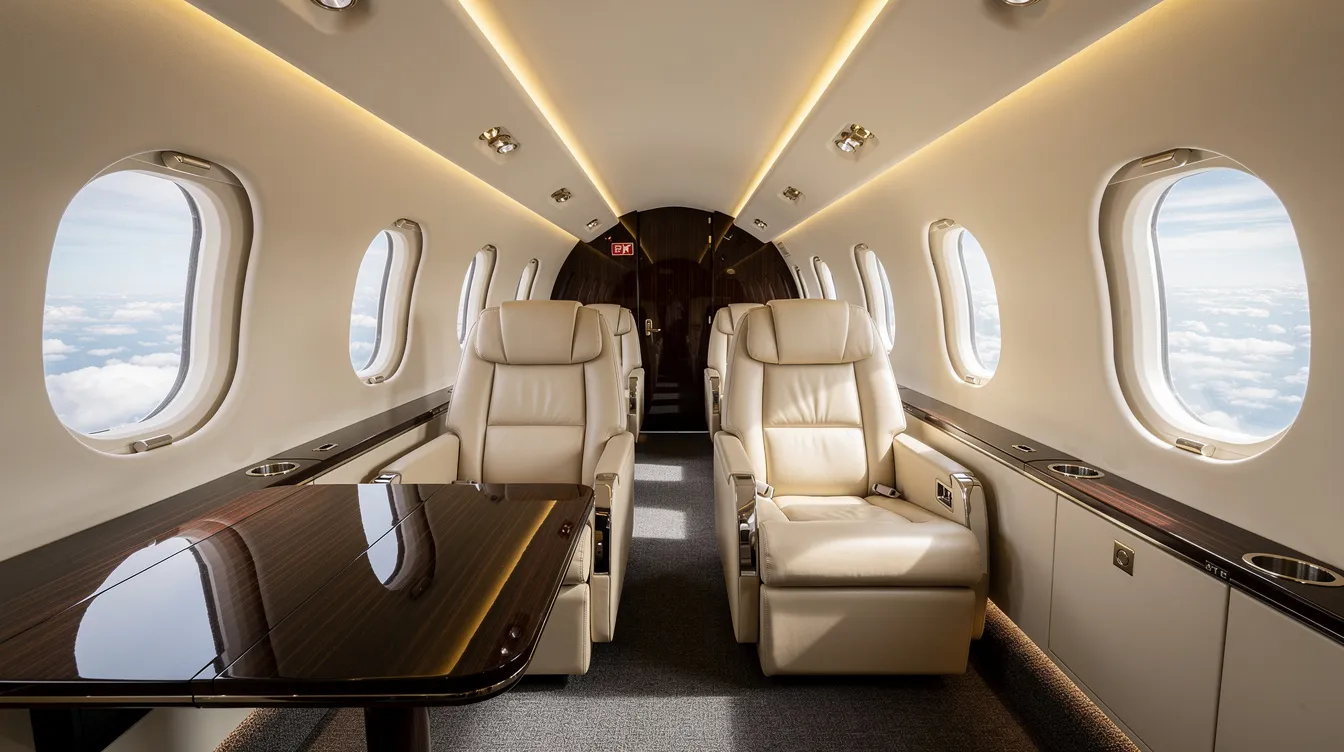
Reserve Pay in Commercial vs. Private Aviation
The pay system for commercial airline reserves and private aviation cabin crew differs in almost every dimension.
Commercial aviation (legacy and low-cost carriers):
Fixed base city, union-negotiated pay scale
Flight-hour-based compensation with formal monthly guarantees
Per diem and premiums defined by contract
Federal law and FAA certification standards govern rest, scheduling, and safety procedures
Private aviation (Jet Card, charter, fractional):
Crews may be paid using day rates, trip rates, or salaries with on-call rotations
Hotel accommodations, ground transport, and per diem are typically more generous and consistently luxury-class
Travel expenses fully covered; rest periods often more generous
Schedule may be less predictable trip-to-trip but more compensated per unit of time
Here's how a BlackJet-type trip might look for cabin crew. Imagine a 3-day New York–London–Zurich rotation for a Jet Card member:
Component | Commercial Reserve | Private Jet (BlackJet Network) |
|---|
Pay basis | Flight hours only | Fixed daily rate |
Per diem | $2.97/hr domestic | Premium international rate |
Hotel | Airport-area hotel | Luxury city-center property |
Ground transport | Shuttle/van | Private car service |
Rest predictability | Variable | Structured and prioritized |
While total annual cash compensation may be similar in some cases, the quality of life, schedule control, and type of passengers served differ sharply. To understand how private aviation works from the passenger side, the crew experience is the mirror image-premium service requires premium treatment of the people delivering it, just as travelers choosing a single seat on a private jet weigh service quality alongside cost.
Long‑Term Earnings: How Reserve Leads to Higher Flight Attendant Pay
Reserve status is usually temporary. As seniority grows, most flight attendants transition to lineholder schedules-and that's where earnings accelerate.
Seniority significantly influences flight attendant pay rates through step-based pay scales:
United Airlines flight attendants earn between $38.21 and $87.47 per flight hour across a 13-step scale
Senior lineholders consistently hit 90–100 credited flight hours per month by bidding for packed schedules
Top flight attendants can earn over $90,000 annually when combining senior hourly rates, international overrides, lead pay, and profit sharing.
The progression from reserve to lineholder also means better trip selection, more international routes, and access to premium pay positions. A senior lineholder at the same airline flying the same aircraft earns substantially more simply because seniority unlocks higher-paying opportunities.
Flight attendants can grow into specialized roles-lead, purser, trainee-, or transition into private jet cabin service for executives and high-profile travelers, especially within structured programs like the BlackJet 25+ Hour Jet Card. Commercial experience with safety procedures, premium service, and operational flexibility is highly valued by charter operators, especially for roles on large‑cabin private jets for 20 passengers, and by private aviation employers seeking experienced crew.
How Reserve Flight Attendant Salary Compares to Other Airline and Aviation Roles
Reserve flight attendant compensation sits in a specific position within the broader aviation labor market:
Pilots on the flight deck earn substantially higher hourly pay using a similar flight-time-based system, reflecting longer training requirements and greater regulatory responsibility.
Ground customer service and gate agents receive traditional hourly pay for all duty time-a more predictable structure-but usually lower annual income than even first-year flight attendants earn when per diem and benefits are included.
Cruise ship hospitality and high-end hotel concierges share service-oriented profiles but operate under entirely different pay structures and labor statistics.
Non-cash benefits matter significantly. Commercial flight attendants receive standby travel perks-free flights for themselves and discounted family tickets. Private jet crews access premium travel environments and luxury hotels as standard.
For high-net-worth readers or corporate travel managers: understanding crew compensation underscores why premium private jet services cost more but deliver higher service quality and safety meaningfully, particularly when leveraging the most affordable private jet options without compromising on safety or service. Well-compensated, well-rested crews perform better-a principle that BlackJet's safety standards and partner vetting process are built around, especially on complex missions like operating private jets for up to 50 passengers.
Becoming a Flight Attendant: Reserve Pay and Career Strategy
If you want to become a flight attendant and you're evaluating starting on reserve, here's the realistic path:
Application and interviews – Competitive at major airlines; hundreds of applicants per class.
Initial training – 3 to 8 weeks depending on carrier, covering safety procedures, service standards, and FAA certification requirements.
Probationary period – Typically 6–12 months at the lowest seniority, assigned to a reserve schedule at your chosen (or assigned) base.
Building seniority – Each month on the job moves you closer to lineholder status and higher pay.
Practical guidance for new reserves:
Budget with the reserve salary in mind-plan for months where net income hovers near the guarantee minimum
Understand union dues timing, uniform costs, and commuting or relocation expenses
Learn your contract's pay rules: minimum day pay, holiday pay, boarding pay, rigs, and how reserve assignments affect your next flight and schedule.
Track every sick leave day, dropped day, and callout carefully-they affect your guarantee
For those eyeing business aviation, strong performance on commercial reserve-an excellent safety record, premium service skills, and flexibility-is a common stepping stone to private jet cabin roles serving Jet Card and charter clients, including programs built around 100‑hour Jet Card commitments.
Understanding how flight attendants are compensated highlights the value of premium, well-rested crews on private jets, which is precisely what 25‑hour Jet Card programs are designed to support for discerning travelers. BlackJet prioritizes this through vetted partners, rigorous safety protocols, and carbon-neutral operations-because the quality of the people onboard matters as much as the aircraft itself.

FAQ: Reserve Flight Attendant Salary and Pay Systems
How much do reserve flight attendants make? First-year flight attendants earn about $28,000 annually at the low end and up to $45,000 at top-paying carriers when including per diem, premiums, and extra hours. The median annual wage depends heavily on airline, base, seniority, and willingness to pick up trips. Flight attendants typically log 75 to 100 hours of flight time monthly.
Do reserve flight attendants get paid when they're not flying? Yes-through the reserve guarantee. If a reserve is available and meets contract requirements but isn't assigned enough flights, they still receive pay for the guaranteed minimum number of credit hours (typically 72–78). However, pure airport standby or home availability beyond guaranteed minimums is largely unpaid at many airlines.
Is reserve per diem taxed? Generally no. Under U.S. IRS guidelines, per diem paid within federal limits as a reimbursement for travel expenses while away from home is non-taxable. This makes diem pay more valuable dollar-for-dollar than regular wages.
How can a reserve flight attendant increase their salary? Several strategies work:
Pick up open trips on days off for extra hours above the guarantee
Qualify as a language-qualified flight attendant for foreign language premium pay
Volunteer for international flights and holiday shifts
Pursue lead or purser certification for premium pay
Consider transitioning to private aviation, where day rates and trip pay can exceed commercial reserve earnings
How do Jet Card and private charter operators pay cabin crew differently? Private operators like those in BlackJet's network typically pay cabin crew on day-rate or trip-rate structures rather than strict flight-hour pay, mirroring how 50‑hour Jet Card programs are priced and structured. Hotel accommodations are luxury-grade, per diem is premium, and rest is prioritized. This model-where compensation reflects total duty time rather than just minutes between door close and door open-produces better-rested crews and higher service quality, which is particularly important on demanding city pairs such as private jet charters in Karachi. To explore what a Jet Card is and how it reshapes the private travel experience from booking to landing, BlackJet's programs offer a clear window into this approach, whether you're flying from major hubs or arranging bespoke private jet charters in Lahore.
Conclusion: Understanding Reserve Flight Attendant Salary
Reserve flight attendant pay depends on more than the advertised hourly rate. Monthly guarantees provide a baseline, while credited flight hours, per diem, seniority, boarding pay, holidays, and extra assignments determine total compensation. Because contract terms vary by airline, review the current agreement and calculate likely earnings against both time flown and time spent on reserve. For a broader comparison, see how much airline attendants get paid and explore flight attendant pay per hour.
For new crew members, reserve can be an unpredictable first step toward greater schedule choice and higher pay as seniority grows. For travelers, the comparison with private aviation is different: Jet Card access is designed around flexible, prepaid travel rather than airline crew compensation or aircraft ownership. BlackJet pairs digital booking, real-time support, vetted safety standards, and carbon-neutral flights to make private jet access more considered and seamless. Learn more about how a Jet Card works.
Explore BlackJet’s Jet Card programs to discover a more flexible way to travel.
Elevate your travel—effortlessly. With BlackJet, our Jet Card programs make private flight accessible on your terms, with rigorous safety, carbon-neutral performance, and unmatched flexibility. Explore our offerings and discover how refined, meaningful travel becomes your new standard..


 Sign up with google
 Sign up with Apple