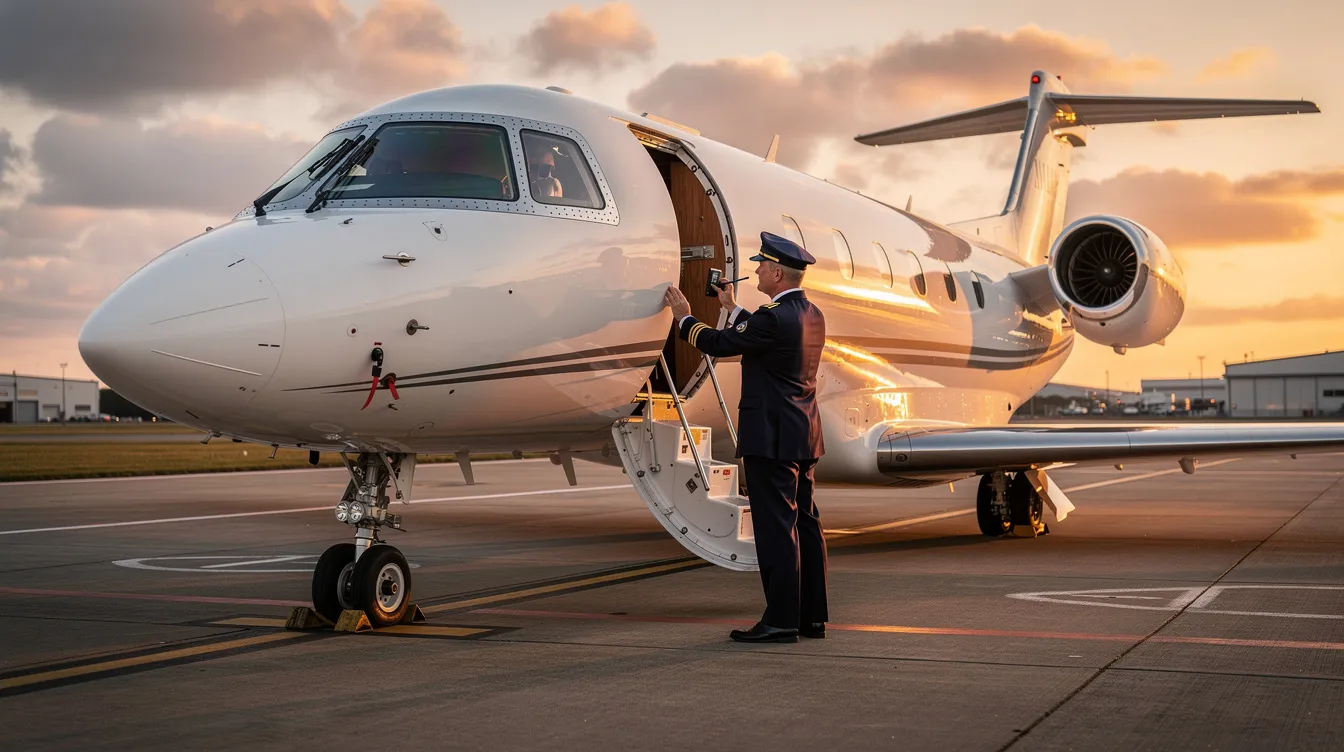
The salary of a jet pilot depends on where they fly, what they fly, and who they serve. Whether strapped into the cockpit of a fifth-generation fighter or commanding a Gulfstream G650 for high-net-worth clients, jet pilots occupy one of the most demanding and rewarding career fields in aviation. This guide breaks down 2026 compensation across military, commercial, and private aviation so you know exactly what drives pilot pay — and why it matters for the quality of every flight.
Quick Answer: How Much Do Jet Pilots Earn In 2026?
In 2026, the salary of a jet pilot spans a remarkably wide range. Entry-level private jet pilots earn around $66,000 annually, while experienced commercial pilots at major carriers see total compensation between $150,000 and $350,000 or more. Private jet pilots earn an average of $96,791 annually across all experience levels in the U.S., but senior private jet pilots can earn between $160,000 and $300,000 per year — with top pilots commanding up to $3,000 per day on high-demand missions.
Pay depends on aircraft type (a light jet versus long-range business jets versus a stealth fighter), whether you're looking at base salary or total compensation, and accumulated flight hours; in military aviation, compensation can also vary across fleets that include fighter jets. The median annual wage for airline pilots, copilots, and flight engineers is approximately $232,140, according to the Bureau of Labor Statistics.
Pilot Type | Approx. Base Pay (2026 USA) | Total Comp Potential | Key Features |
|---|
US Air Force fighter pilot (O-1 to O-5) | $49,800–$140,000+ | $80,000–$190,000+ with allowances & aviation incentive pay | Combat readiness, deployments, rigorous training |
Major airline captain (widebody) | $200,000–$250,000 | $350,000–$470,000+ with overtime & profit sharing | Fixed routes, union contracts, seniority bidding |
Corporate flight department captain | $140,000–$260,000 | $200,000–$350,000+ with bonuses | Structured schedules, strong retirement plans |
On-demand charter pilot | $50,000–$150,000 | $70,000–$200,000 with per diem | Variable routing, building experience |
BlackJet-style Jet Card captain | $170,000–$260,000+ | $220,000–$350,000+ | Safety-audited aircraft, premium service focus |
This article is written from BlackJet's perspective as a private aviation and Jet Card provider, with a focus on how pilot compensation directly supports the safety, reliability, and seamless experience our members expect. For a deeper dive into private aviation pay, see our Private Jet Pilot Salary Guide.
What Does A Jet Pilot Actually Do?
The term "jet pilots" covers a large number of specializations — from fighter jet pilots defending sovereign airspace to commercial pilots operating scheduled routes to a charter pilot transporting business executives on short notice. The scope spans both military aviation and business aviation, and salary expectations reflect the mission each pilot is asked to fly.
Core duties shared by nearly all jet pilots include:
Pre-flight planning: route selection, fuel calculations, weight and balance, weather and NOTAM review
ATC coordination and cockpit resource management during flight
In-flight decision-making under pressure, especially those dealing with weather diversions or system anomalies
Post-flight reporting, maintenance status checks, and debrief
Where pilots diverge is lifestyle, because the job differs across fighter, airline, and private aviation roles. Fighter pilots in the Air Force operate under high-intensity tactical training and unpredictable deployment cycles. Commercial pilots work scheduled, union-governed patterns. Private jet pilots serve on-demand trips with close interaction with passengers and responsibility for ground logistics - catering, transport, client preferences. That complexity and level of responsibility feed directly into higher salaries and bonuses across all categories.
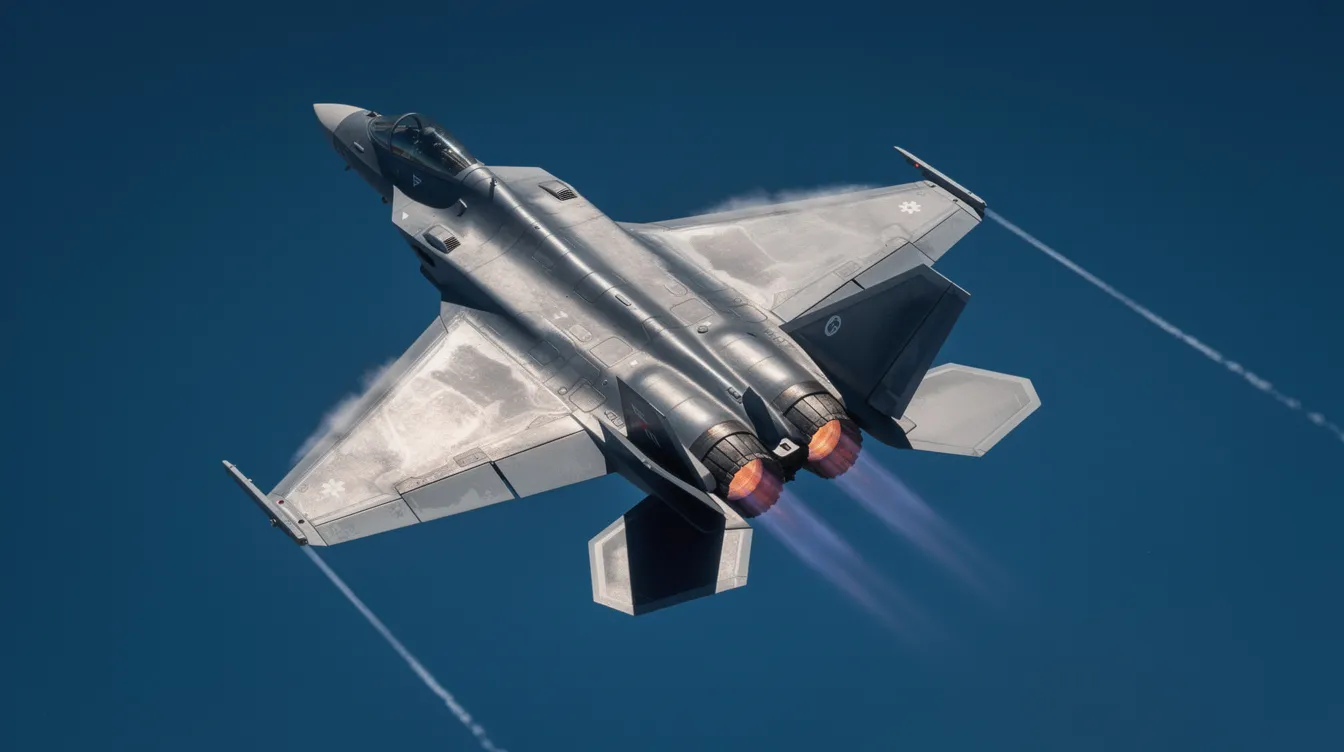
Military Fighter Jet Pilot Salary: United States & Allied Air Forces
Fighter pilots in the US military earn pay tied to rank and years of service rather than aircraft type, but aviation incentive pay, retention bonuses, and tax-free allowances make total compensation substantial. Commissioned officers who pursue flight training enter a pay scale that rewards longevity and leadership roles.
Current 2026 US Air Force base pay bands for active duty pilots:
O-1 (Second Lieutenant): base pay around $49,800 per year at entry, serving as the lower end of the officer pay scale
O-2 and O-3: base pay rising into the $65,000–$110,000 range as pilots reach 4–8 years of service
O-4 and O-5 (Majors and lieutenant colonels): base pay exceeding $110,000–$140,000+ after a decade or more, reflecting greater authority and responsibility
Beyond base pay, the Air Force offers aviation bonuses up to $50,000 per year for eligible rated officers in critical fields. The basic allowance for housing adds roughly $20,000–$40,000 annually depending on duty station and dependents, while Basic Allowance for Subsistence provides about $5,500 per year. Deployed pilots receive additional hazardous duty pay and tax exclusions that significantly enhance take-home earnings.
Among allied air forces, Western European fighter pilots see total compensation often in the $109,000–$230,000 range, with Switzerland and Nordic nations at the high level. Eastern European forces tend to offer lower salaries — roughly $40,000–$73,000 — reflecting different defense budgets. Australia's fighter pilots land around $140,000+ in total compensation, with Canada comparable. For a look at the aircraft these pilots operate, explore our guide to the top fighter jet platforms in 2026.
Training a single F-35 or F-22 pilot costs well above $10 million, which helps explain why the US military invests so heavily in retention. Reserve pilots also receive incentive structures, though their compensation model blends civilian income with part-time military pay.
Private Jet Pilots & Charter Captains: Pay In Business Aviation
Business aviation encompasses corporate flight departments, on-demand charter operators, and Jet Card programs like those offered by BlackJet. Private jet pilots typically start as First Officers or Co-Pilots before advancing to captain roles, where captains assume full command and earn significantly higher salaries.
Concrete 2026 U.S. salary bands for private jet and charter pilot roles:
Entry level pilots on light jets: base salary roughly $50,000–$80,000, with entry-level private jet pilots earning around $66,000 annually on average
Mid-career captains on midsize or super-midsize jets: approximately $110,000–$180,000, consistent with the $80,000–$150,000 mid-career range depending on employer type
Large-cabin, long-range jet captains: commonly $180,000–$260,000 base, with experienced captains reaching $300,000+ including bonuses and per diems
Total compensation typically layers base salary with per diem allowances, health insurance, retirement contributions, duty-day premiums for international flying, and seasonal bonuses during high-demand periods like winter holidays or Davos. Experience level significantly influences private jet pilot salaries, as does geographic location and the size and type of aircraft — larger jets generally command higher salaries. For operators and frequent flyers, understanding Jet Card cost per hour is just as important as knowing crew pays. For more on how much a private jet pilot costs operators, our dedicated breakdown covers the full picture.
Charter pilot work differs from airline flying: highly variable routing, frequent last-minute schedule changes, and direct interaction with high-net-worth individuals who expect flawless service. BlackJet pilots fit squarely in this space — consistently flying modern, safety-audited aircraft on Jet Card and on-demand missions, with compensation calibrated to attract captains who deliver both impeccable safety and luxury-level service.
Commercial Airline Pilot Salaries vs Jet Pilots In Private Aviation
Many aspiring pilots weigh the choice between a private jet pilot career and pursuing a major airline path. Average salaries for airline pilots range from $70,000 to $580,000 depending on rank and type of aircraft, and many airline pilots are paid based on credit hours rather than a flat salary.
Typical 2026 ranges for commercial pilots in the U.S.:
Regional airline first officers: roughly $70,000–$120,000 in early years
Mid-career mainline captains: often $180,000–$250,000
Legacy carrier widebody captains: $250,000–$350,000+ including overtime and profit sharing
Major commercial airlines typically pay higher wages than regional carriers, and seniority in an airline influences both pilot pay and scheduling flexibility. Commercial pilots typically earn between $150,000 and $250,000 at the mid-to-senior level, with the most experienced captains on international routes far exceeding those figures. Compensation for airline pilots varies by factors such as experience, route, and aircraft size.
Private pilots have more flexible schedules than commercial pilots, and private aviation often provides faster access to large-cabin cockpits. Some pilots transition from regional airlines into business aviation to fly newer aircraft types, operate closer to home, or - in many cases — to earn higher salaries sooner. For travelers evaluating whether the economics justify premium service, understanding when chartering a private jet is worth it can clarify the trade-offs versus commercial flying. For a comparison of how Jet Card programs compare to traditional charter, our detailed guide outlines the key differences from a traveler's perspective.
Key Factors That Drive A Jet Pilot's Salary
Across fighter jet pilots, commercial pilots, and charter pilots, the same core factors shape salary potential. These factors intersect with the capabilities of the best aircraft of 2026 across military, commercial, and private aviation, since newer, more complex jets often command higher crew compensation.
Experience and flight hours: Entry level pilots with 1,000–1,500 total hours sit at the lower end of pay bands, while captains with 5,000–10,000+ hours command higher salaries and carry proven safety records. Flight hours and scheduling significantly affect a pilot's total annual earnings.
Aircraft type and category: Light jets pay less than super-midsize or large-cabin aircraft. The size and type of aircraft impact pilot salaries, with larger jets generally requiring more complex type ratings and offering higher base salary tiers.
Certifications and ratings: Holding specialized certifications — ATP license, specific type ratings, international oceanic experience (RVSM, RNP) — can increase a pilot's earning potential significantly. Our overview of pilot qualifications for Jet Card programs details what BlackJet requires.
Employer type: Military aviation uses rank-based pay scales; corporate departments offer structured salary bands; charter operators may pay day rates; Jet Card providers like BlackJet compete for qualified captains via higher total compensation and predictable rosters, supported by transparent Jet Card pricing structures and benefits.
Geographic base and cost of living: Higher salaries in hubs like New York, London, and Dubai match both demand and living cost. Remote bases in oil and gas or mining sometimes offer premiums to attract pilots to challenging locations.
Career Progression: From Entry-Level Pilots To Senior Jet Captains
The typical civil aviation path moves from student pilot to Certified Flight Instructor, then into charter or regional operations, and finally to captain roles on progressively larger aircraft. Private jet pilot salaries vary based on experience and employer type at every stage.
Early career: Flight instructors building to 1,500 hours earn around $35,000–$60,000. First charter or Part 135 positions on light jets offer a base salary of roughly $50,000–$80,000.
Mid-career (5–8 years): Transition to captain on light or midsize jets, with salaries climbing to $90,000–$140,000. Moving into Jet Card networks or corporate departments flying super-midsize or large-cabin aircraft pushes pay above $150,000.
Senior roles: Chief pilot, fleet captain, or director of operations is a senior position tied to greater authority, wider operational responsibility, and pay progression, with compensation often exceeding $220,000–$300,000 in major corporate departments or premium private operators, especially for those with multiple type ratings and international experience.
For military pilots, progression runs from wingman to flight lead to squadron commander and beyond, with leadership roles bringing enhanced rank-based pay and responsibility allowances. Business aviation offers an alternative career arc to the airline seniority ladder, often with faster access to large-jet cockpits and greater day-to-day variety. For professionals who prefer the commercial side of the industry, private jet sales salary and commission potential can rival or exceed cockpit earnings. Explore additional private plane jobs and career opportunities across the industry.
Beyond Base Pay: Benefits, Schedules, And Quality Of Life
Two pilots with identical base salaries can have vastly different total compensation and lifestyles. Salaries can be supplemented with bonuses, per diem allowances, and retirement contributions that reshape the real picture.
Benefits: Health insurance, 401(k) match, life and disability coverage for commercial and corporate pilots. For military aviation roles, pension systems, government healthcare, and education benefits such as the GI Bill serve as significant long-term advantages.
Schedule models: Airline pilots bid for schedules based on seniority. Charter pilots often work patterns like 8-on/6-off or 2-weeks-on/2-weeks-off. Jet Card operators like BlackJet standardize rosters to reduce fatigue and improve retention.
Soft benefits for private jet pilots: Premium hotels and per diem on international layovers, access to advanced simulators for recurrent training, and direct connection to high-net-worth clients — which can lead to long-term positions in dedicated flight departments or parallel cabin-crew careers with competitive private jet stewardess salary levels.
Top private jet operators maintain robust safety management systems, IS-BAO or ARGUS/Wyvern audits, and fatigue-management policies that protect both pilots and passengers over the long arc of a career. They also depend on expert cabin crews, and our guide to top private plane stewardess jobs highlights how these roles integrate with elite flight departments.
How BlackJet Attracts And Compensates Elite Private Jet Pilots
At BlackJet, pilot compensation is a strategic investment in safety, reliability, and the seamless Jet Card experience - not simply a line-item cost. Every member who boards a BlackJet-arranged flight benefits from commanders selected for extensive flight hours on their specific aircraft type, clean safety records, and experience across both domestic and international operations.
BlackJet's compensation philosophy centers on its service model and membership structure, including offerings like the BlackJet 25+ Hour Jet Card, which aligns predictable aircraft access with consistently high pilot pay.
Competitive base pay calibrated at or above leading Jet Card and charter competitors, ensuring we attract the most qualified captains in the world
Incentives tied to safety performance, customer satisfaction metrics, and operational reliability — because high earnings should reflect a high level of service, just as the best Jet Cards for frequent flyers balance predictable costs with guaranteed standards.
Support for ongoing training, new type ratings, and technology adoption, including advanced avionics and data-driven flight planning
Additional knowledge requirements around sustainable aviation fuel and carbon-neutral operations, reinforcing each pilot's professional profile and matching emerging technologies in the best aircraft of 2026 and increasingly affordable private jet options for new travelers
The result is fewer delays, smoother departures from private terminals, and discreet, service-oriented cockpit crews that operate as a trusted team rather than anonymous staff.
FAQ: Common Questions About Jet Pilot Salaries
How much do fighter jet pilots make in the US Air Force? Active duty pilots in the Air Force earn base pay ranging from about $49,800 (O-1) to over $140,000 (O-5) depending on rank and years of service. Aviation incentive pay can add up to $50,000 per year, and housing and subsistence allowances push total compensation significantly higher.
Do private jet pilots earn more than commercial pilots? It depends on career stage. Top airline captains on widebody international routes often earn more than $350,000. However, many large-jet charter and corporate captains match or exceed mid-career airline pay — especially those flying for premium operators, where the average salary for a private jet pilot is $96,791 across all levels, but senior private jet pilots can earn up to $300,000 per year. For travelers calibrating their own budgets alongside pilot pay, understanding the structure of a 25-hour Jet Card and its costs can clarify how aircraft and crew time are packaged.
How many flight hours do you need to become a private jet captain? Most operators require 3,000+ total flight hours plus several hundred hours on the specific aircraft type. Rigorous training and type-rating requirements grow steeper for larger, more complex aircraft.
What is the salary of entry-level pilots in business aviation? Entry-level private jet pilots earn around $66,000 annually, with pay rising quickly as pilots accumulate hours and transition from First Officer to captain on midsize or larger aircraft. High-utilization clients may pair these crews with a 50-hour Jet Card for frequent travel, locking in hourly rates while benefiting from experienced captains.
How does a BlackJet Jet Card member benefit from pilot pay levels? Competitive pilot compensation attracts and retains experienced pilots with proven safety records, advanced certifications, and a sense of service that matches the expectations of discerning travelers. That investment in crew quality translates directly into safer, more consistent, and more refined private flights. For members, it also pairs with clear visibility into Jet Card cost per hour across aircraft types, a full understanding of overall Jet Card membership pricing, and strategies to maximize Jet Card tax deductions when flights support business use. Those comparing providers can review our breakdown of NetJets Jet Card cost and structure, broader Jet Card pricing models, and even innovative options for unlimited private jet flight memberships.
Conclusion
The salary of a jet pilot in 2026 reflects the complexity, responsibility, and skill required across military, commercial, and private aviation sectors. From entry-level private jet pilots earning around $66,000 annually to senior captains commanding up to $300,000 or more, compensation varies widely based on experience, aircraft type, employer, and geographic location. Military fighter pilots benefit from rank-based pay and substantial bonuses, while commercial airline captains enjoy structured seniority-based earnings. Private jet pilots, particularly those flying for premium operators like BlackJet, combine competitive salaries with flexible schedules and personalized service demands.
Understanding these salary dynamics is essential for pilots plotting their career paths and for travelers appreciating the value behind the seamless, safe, and luxurious private flight experience. BlackJet’s commitment to attracting and retaining elite pilots through competitive pay and ongoing training ensures every journey meets the highest standards of safety and service. For discerning travelers, investing in premium Jet Card programs means gaining access not only to exceptional aircraft but also to the expertise and professionalism of top-tier pilots who make every flight effortless and exceptional.
Discover how BlackJet can reshape your travel with unparalleled pilot quality and premium private jet access. Learn more about our pilot qualifications for Jet Card programs and explore the best aircraft of 2026 to understand the technology and safety standards behind each flight. For those interested in the broader industry, our guide on private jet pilot salary offers a detailed breakdown of compensation trends and career progression. Finally, see how our Jet Card pricing models align pilot pay with member benefits to deliver a seamless luxury experience.


 Sign up with google
 Sign up with Apple