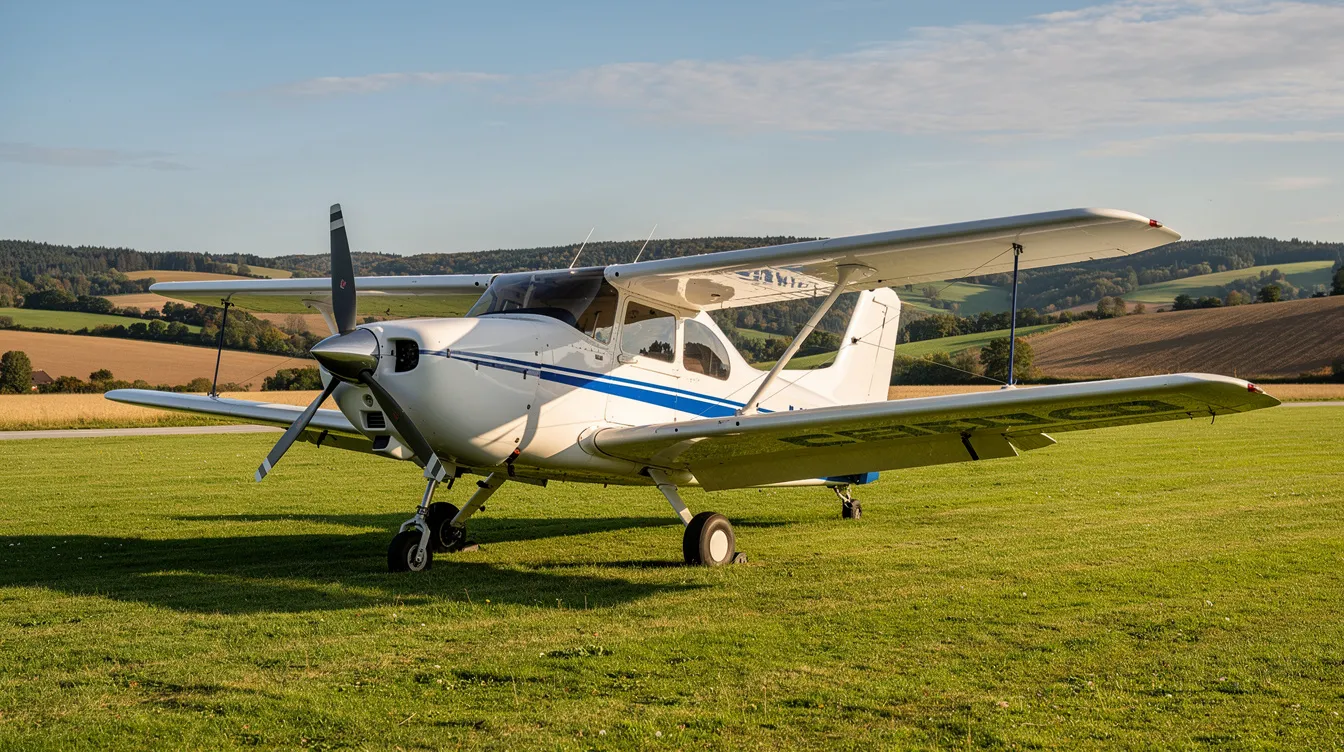
For travelers weighing cost, flexibility, and control, understanding the landscape of tiny planes for sale is a strategic first step into private aviation.
Why Tiny Planes for Sale Matter in a World of Private Jets
The aircraft sales market spans an enormous range:
Prices for small planes can range from $200 for a project airframe to $1,325,000 for a top-spec single-engine touring airplane.
At the entry level, tiny planes cost between $15,000 and $150,000, putting ownership within reach for buyers who would never consider a fractional jet share.
A pre-owned Cessna 172 in good condition currently lists between roughly $110,000 and $310,000.
A 25-hour light-jet Jet Card runs $150,000 to $250,000—similar dollars for a fundamentally different experience.
The strategic advantage is time. A single-engine airplane flying from New York to Boston saves hours over commercial connections, with no security lines or baggage constraints. Yet owning introduces responsibilities:
At BlackJet, we don't broker tiny planes for sale, but many of our customers begin with small plane ownership before graduating to Jet Cards when their mission profiles demand more speed, range, or reliability.
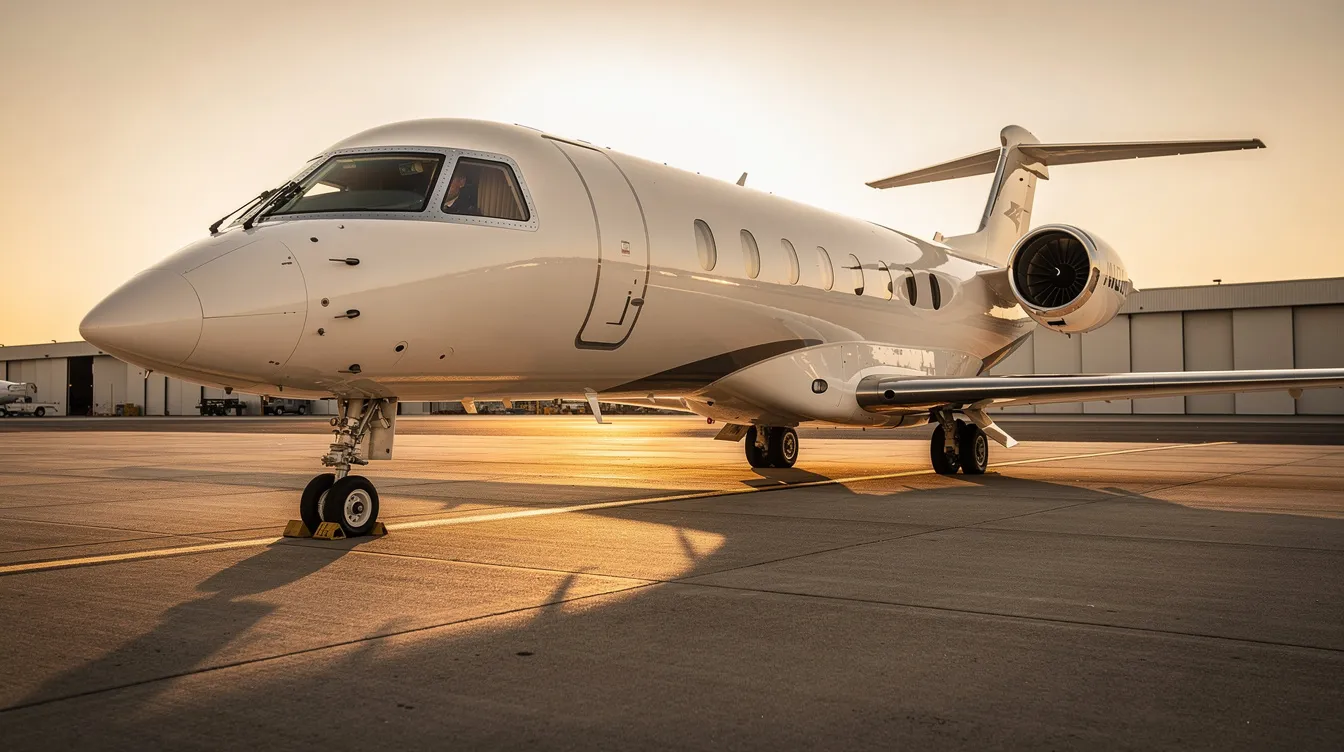
Snapshot: Current Aircraft Sales Market for Tiny Planes for Sale (2024–2026)
Where to Find Tiny Planes for Sale
Typical Prices and Market Trends
Demand and Regional Differences
Training aircraft (Cessna 152/172, Piper PA-28) are in high demand from flight schools.
Modern glass-cockpit touring singles attract owner-pilots.
U.S. and Western European buyers pay premiums for documented history and updated accessories.
In Eastern Europe and Latin America, vintage and utility airframes dominate at lower price points.
Inventory typically includes:
Types of Tiny Planes for Sale: From Trainers to High-Performance Singles
Small planes can weigh between 240 lbs and 1,010 lbs, depending on category. Understanding which model fits your mission and the different private jet sizes available helps clarify whether buying or using a Jet Card is the smarter move.
Entry-Level Two-Seat Trainers
For many pilots, evaluating tiny planes for sale starts alongside research into how much it costs to charter a small plane for comparable missions.
Good-quality used Cessna 150: around $30,000
Upgraded examples: $80,000–$90,000
Local flight schools often sell older, well-maintained trainers like Cessna 150s.
Cruise speeds: 90–110 knots
Limited range—fine for training, not for time-sensitive business hops where BlackJet light jets excel.
Four-Seat Touring Single-Engine Aircraft
Cessna 172/182, Piper PA-28, and Diamond DA40 fill the touring role, representing some of the best small private aircraft for personal and regional travel.
Cruise speeds: 115–145 knots
Ranges: 500–700 nautical miles
Older airframes: $120,000–$200,000
Newer glass-cockpit examples: $300,000+
Used for family trips and regional business flights under 500 nm.
Often switch to BlackJet for longer or weather-sensitive routes.
High-Performance and Luxury Small Planes
Aerobatic and Specialty Tiny Planes
Extra 300/330, Zlin 242L (€150,000–€250,000 used), and kit-built RV-7/RV-8 serve sport flying and competition.
Passion purchases—owners almost always rely on charter or Jet Cards for business travel.
Light Sport and Experimental Homebuilts
For cost-conscious flyers, these categories pair well with strategies to fly private as cheaply as possible using dynamic access models instead of full ownership.
Basic used ultralights: $6,000 to $20,000
Used pre-owned factory-new LSAs: $60,000 to $350,000
Factory-built LSAs require a specific Sport Pilot license to fly.
LSAs are strict two-seaters requiring less demanding medical certificates.
Single-seat ultralights do not require a pilot's license or FAA registration in the US.
Homebuilt aircraft can offer higher speeds and longer ranges than basic ultralights.
Tiny Plane vs. Jet Card: Which Strategy Fits Your Travel Profile?
Three options exist:
The right choice depends on how you fly.
When Owning a Small Plane Makes Sense
Ownership rewards pilot-owners with a high density of short regional trips, such as:
Chicago–Des Moines weekly commute at 330 nm each way
If you fly 50–100 hours annually on similar routes, the per-hour cost can beat charter
Considerations:
When a Jet Card Outperforms Owning a Tiny Plane
For executives and families who navigate frequent trips where the best jet cards add major value:
Multi-city itineraries
Night operations
Winter flying
A Jet Card removes every friction point.
Comparison Table: Jet Card vs. Small Plane Ownership
Feature | Jet Card | Small Plane Ownership |
|---|
Speed | Faster (jets) | Slower (piston singles) |
Range | Longer, nonstop | Shorter, may require fuel stops |
Weather Flexibility | High (all-weather jets) | Limited (VFR/IFR, pilot proficiency) |
Maintenance | Included in the program | Owner responsibility |
Pilot Requirements | None (provided) | Must be licensed and current |
Upfront Capital | None (pay as you go) | Significant purchase/investment |
Predictability | Fixed hourly rates | Variable costs |
What Tiny Planes Really Cost Over Time vs. Private Jet Access
Acquisition is one line item. Annual ownership costs for a small plane average $8,000 to $12,000 before fuel and major repairs, and maintenance costs can range from 10 to 45 percent of yearly expenses, which many buyers compare directly to the Jet Card cost per hour across aircraft types.
Upfront and Hidden Costs of Buying a Small Plane
Pre-purchase inspection: $1,500–$4,000 depending on complexity
AirMart offers pre-purchase inspections for small planes as part of their purchase process
Financing options depend on credit score and aircraft condition
Budget 10–15% above purchase price for:
Avionics modernization
Interior refresh
Catch-up engine work
Always factor engine time to overhaul and calendar age when comparing aircraft in similar condition with similar asking prices
Operating Costs: Fuel, Maintenance, Hangar, Insurance
Many prospective owners compare these recurring expenses directly with the all-in cost to charter a small plane for the same number of hours.
Fuel costs: $2,500 to $5,000 annually for 100 hours
Annual inspections: $750 to $2,000
Storage costs: $50 to $600 monthly
Insurance: $1,500–$5,000+ per year depending on pilot experience
Compare this variability to the predictability of a capped Jet Card hourly rate on products like 25-hour Jet Card programs:
No parts surprises
No hangar invoices
No registration renewals
Safety, Sustainability, and Technology: How Tiny Planes Compare to BlackJet Jets
Safety and Technology
Aircraft should have updated navigation systems to enhance safety and usability.
Modern small planes can be highly capable, but safety outcomes depend on the owner's discipline around training, maintenance, and weather decisions.
Safety Protocols: Private Ownership vs. Jet Card Operations
Sustainability and Carbon-Neutral Flying
How BlackJet Fits into Your Small Aircraft Strategy
Buying a tiny plane for sale is not an either-or decision. Many BlackJet members keep a small plane for local flying while using our Jet Cards or small private jets for flexible luxury travel for weather-sensitive, long-range, or time-critical routes.
Example Itineraries: When to Fly Your Small Plane vs. BlackJet
200 nm weekend hop to a lake house: Ideal for your four-seat single—low cost, flexible schedule, fill the plane with family and gear.
1,200 nm multi-city business roadshow: Book a BlackJet light or midsize jet for speed, cabin workspace, and guaranteed availability across legs.
The smartest owners deploy each option where it delivers the most value, and some even buy just a seat on a private jet for select trips instead of chartering the whole aircraft.
FAQs About Tiny Planes for Sale and Private Jet Alternatives
Is buying a small plane worth it if I only fly 50 hours per year?
At that volume, annual fixed costs often exceed the cost of a Jet Card. Run the details before committing thousands in capital.
Do I need to be a pilot?
For certified aircraft, yes—you need the appropriate license and must maintain currency. Jet Cards require no pilot experience from the member.
What are the safest small planes?
Models with autoland (Cirrus SR22 G7+), composite airframes (DA40), and robust manufacturer support tend to lead in safety content and track record.
How do Jet Cards differ from owning a single-engine aircraft?
Ownership ties up capital and demands ongoing compliance; a Jet Card offers fixed hourly rates, no maintenance burden, and access to multiple cabin classes, especially at commitment levels like a 100-hour Jet Card for frequent travelers.
What are the biggest financial risks?
Hidden engine overhauls, unexpected airworthiness directives, and poor resale if the airplane's condition or avionics lag behind market expectations, which is why some heavy users lean toward 50-hour Jet Card structures for predictable spend.
Key Takeaways: Navigating Tiny Planes for Sale and Private Jet Access
Understanding the unique advantages and challenges of tiny planes for sale is essential for discerning travelers and pilot-owners alike. Ownership offers unmatched control and flexibility for short regional trips, with entry-level prices making it accessible to many. However, ongoing responsibilities such as maintenance, pilot proficiency, and weather limitations require careful consideration.
Jet Cards provide a complementary or alternative solution, delivering speed, range, and all-weather reliability without upfront capital or operational burdens. BlackJet’s Jet Card program ensures premier safety protocols, carbon-neutral flights, and seamless digital booking, elevating private aviation to a new standard of excellence.
Ultimately, the smartest travelers discover a unique balance—using tiny planes for local or leisure flights while relying on Jet Cards for time-sensitive, multi-leg, or longer journeys. This dual approach ensures they can confidently explore every opportunity private aviation offers, with a dedicated team supporting their journey every step of the way.
Conclusion: Making the Most of Tiny Planes for Sale and Private Jet Access
Choosing between purchasing tiny planes for sale and joining a Jet Card program is a decision that hinges on your travel needs, budget, and lifestyle. Tiny planes offer an appealing mix of ownership pride, flexibility, and cost efficiency for frequent short-haul flights, especially when you have the expertise and time to manage maintenance and pilot responsibilities. However, the ownership journey requires careful attention to safety, compliance, and ongoing costs.
On the other hand, BlackJet’s Jet Card programs deliver unparalleled convenience, safety, and sustainability without the operational burdens of ownership. With access to a diverse fleet, real-time support, and carbon-neutral flights, Jet Cards empower discerning travelers to fly faster, farther, and with confidence—especially on complex or time-sensitive itineraries.
By keeping both options in mind, you can craft a tailored aviation strategy that leverages the unique strengths of tiny planes and private jet access. Whether flying your own small aircraft to a nearby destination or booking a BlackJet light jet for a multi-city business trip, you gain the freedom to travel on your terms, backed by expert assistance every step of the way.
Explore how BlackJet can assist you in elevating your travel experience with premier Jet Card access, and discover the possibilities that await beyond ownership.


 Sign up with google
 Sign up with Apple