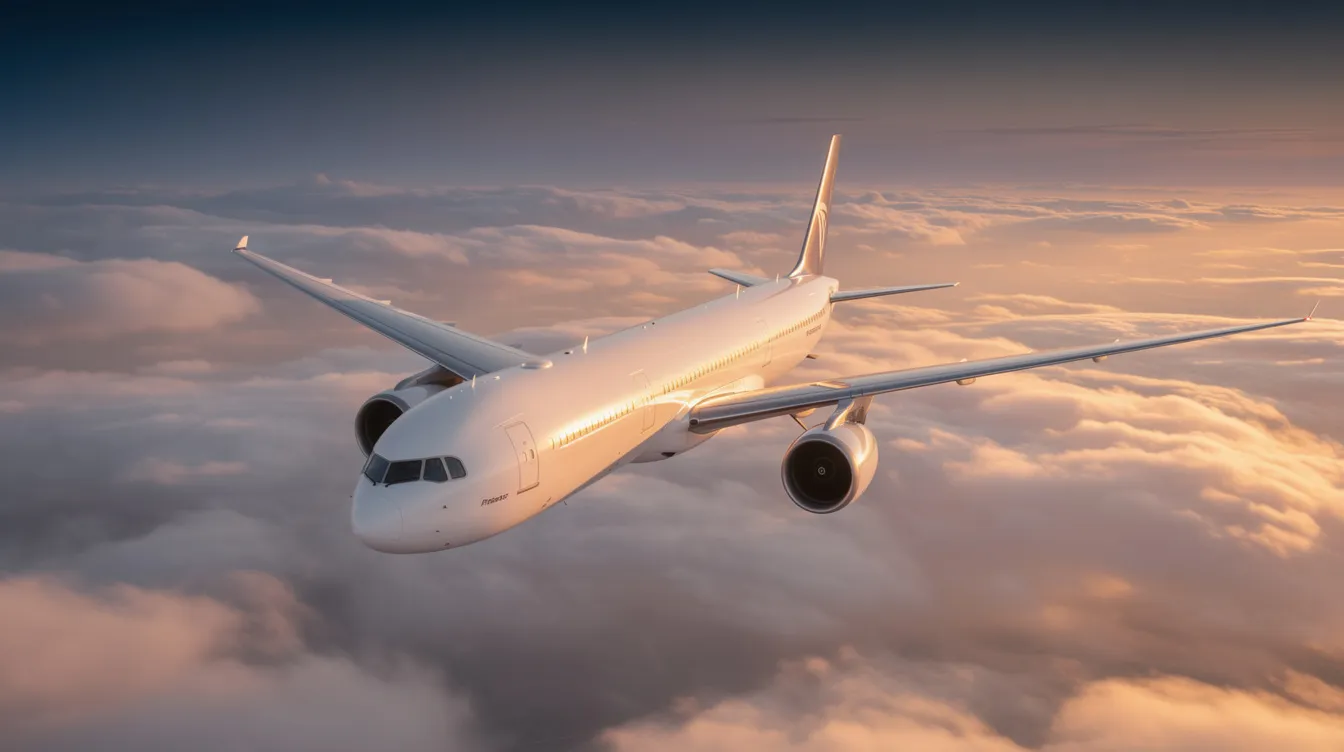
From United Airlines Legend to Symbol of Extreme Frequent Flying
Tom Stuker is recognized as the world's most frequent flyer, best known for logging more than 23 million miles with United Airlines and for buying a lifetime unlimited first-class pass in 1990. By mid-2023, Stuker had logged approximately 23 million miles with United Airlines, a figure that continues to climb. His travel lifestyle inspired the character Ryan Bingham in the film Up in the Air, and his story sits at the intersection of obsessive brand loyalty, financial arbitrage, and a life spent almost entirely in the sky.
Based in the Chicago area, Stuker became the first passenger in United history to reach ten million miles with a single airline on July 9, 2011. In some years, he adds over a million miles to his account. He flies first class and business class on nearly every trip. For business leaders, high-net-worth individuals, and ultra-frequent travelers who care about time, privacy, flexibility, and premium-air-travel efficiency, his experience is a useful case study in how far commercial flying can be optimized.
This article looks at Stuker's record, the economics behind his unlimited flight pass, and the routines and travel hacks that helped him turn airline loyalty into extraordinary value. It also compares the limits of even top-tier commercial service with private jet access and Jet Card programs such as BlackJet's premium private jet card programs, a contrast that matters to travelers deciding whether first-class airline travel still meets the demands of modern luxury mobility.
Who Is Tom Stuker? Career, Background, and Early Flying Years
Early Life and Career
Tom was born and raised in New Jersey in the 1950s, one of seven children. He built a career as an automotive sales and dealership consultant starting in the early 1980s, and his consulting model required constant travel: short, intensive visits to dealerships across the US, Australia, Asia, and Europe.
Automotive Consulting Achievements
He has transformed operations for over 15,000 automotive dealerships globally and is credited with pioneering the Business Development Center concept in automotive dealerships, the same kind of high-intensity travel pattern that today leads many executives to evaluate top private jet companies for luxury travel and service.
Stuker has made more than 300 trips to Australia alone for work, often stacking multiple dealership visits into a single long-haul itinerary. He authored the book Guaranteed Sales Success related to automotive sales and hosted the reality TV show Car Lot Rescue on Spike TV in the early 2010s.
Transition to Frequent Flying
His consulting business, not aviation enthusiasm, turned him into a hyper-frequent flyer decades ago, well before remote work and video calls existed as alternatives.
United Airlines, 10 Million Miles, and the Lifetime Pass That Changed Everything
Stuker's relationship with United Airlines began in 1982 when he joined MileagePlus. Almost all of his commercial flying runs through United hubs like Chicago O'Hare and Newark. His airline loyalty has earned him unique perks such as a dedicated aircraft (a Boeing 747-400, tail number N127UA, named after him) and luxury transfers, including Mercedes ground transport for tight connections.
Stuker has accumulated over ten million airline miles. The timeline: roughly 19 years to reach five million miles, then about 10 more to double that figure. By January 2019, he passed 20 million. United celebrated the ten million milestone with a party and ceremony in Chicago, plus a custom Titanium MileagePlus card, an engraved aircraft model, and Global Services elite recognition. Every one of those miles is a flown, butt-in-seat mile with United, not pooled program balances, a scale of flying that would map in private aviation to products like a 100-hour jet card cost guide for heavy users.
How Did Tom Stuker Pay for All Those Flights? Inside the 1990 Unlimited Flight Pass
The math behind Stuker's flying life starts with a single purchase. In 1990, Tom Stuker bought a lifetime first-class pass from United Airlines for about $290,000. Adding a companion pass brought the total to roughly $510,000, a half million dollar investment that, adjusted for inflation, equals approximately $650,000 to $700,000 in today's dollars.
The unlimited flight pass let him fly anywhere United operated, anytime, booking premium cabins with no per-trip ticket cost. In 2019 alone, Tom Stuker flew 373 times with United Airlines, covering 1.46 million miles. That single year of flying would have cost hundreds of thousands of dollars at published first class fares, which is why many modern travelers look instead at jet card membership pricing for predictable private travel costs.
Airlines like United and American (with its own discontinued AA lifetime pass program) eventually ended such offers because extreme use cases like Stuker's made the financial liability untenable. His golden ticket is now a historical anomaly; no airline sells a comparable product today.

Life as an Extreme Frequent Flyer: Routines, Records, and Travel Hacks
Travel Routines
Stuker spent 200 to 250 days a year traveling before COVID-19. During the pandemic, he reportedly slept at home for a full month straight for the first time in decades, a milestone in its own right. He estimates he has spent the equivalent of about three of his years on earth inside planes and airports, the kind of ultra-frequent usage pattern that makes the best jet cards for frequent flyers appealing to executives who want similar flexibility without living in airports.
Advice for Frequent Flyers
His travel advice is specific and grounded in thirty four years of pattern recognition, and many of the same principles carry over when you buy a seat on a private jet through shared or semi-private options:
Philanthropy and Personal Life
Stuker's frequent flyer miles became a second currency. He redeemed miles for $50,000 in Walmart gift cards, used points to remodel his brother's house, and once bid 451,000 miles at a charity auction to appear in a Seinfeld episode. His philanthropic efforts include supporting pediatric oncology charities, and he regularly gifts trips to family, friends, and children in need. His wife has joined him on what he calls "120 honeymoons" across more than 100 countries, and his companion pass made those plans possible at no additional ticket cost—an illustration of how even cheapest private aircraft and budget-friendly access models can unlock outsized lifestyle value when used creatively.
Commercial First Class vs. Private Jet Access: What Ultra-Frequent Flyers Like Stuker Teach Us
Stuker's story is a case study in prepaid premium access. He locked in a half million for a lifetime of flying and extracted tens of millions of dollars in value. But his model required accepting every constraint of commercial aviation: fixed schedules, TSA lines, boarding processes, and ground time at busy airports, whereas modern travelers can compare these tradeoffs against comprehensive jet card pricing structures on the private side.
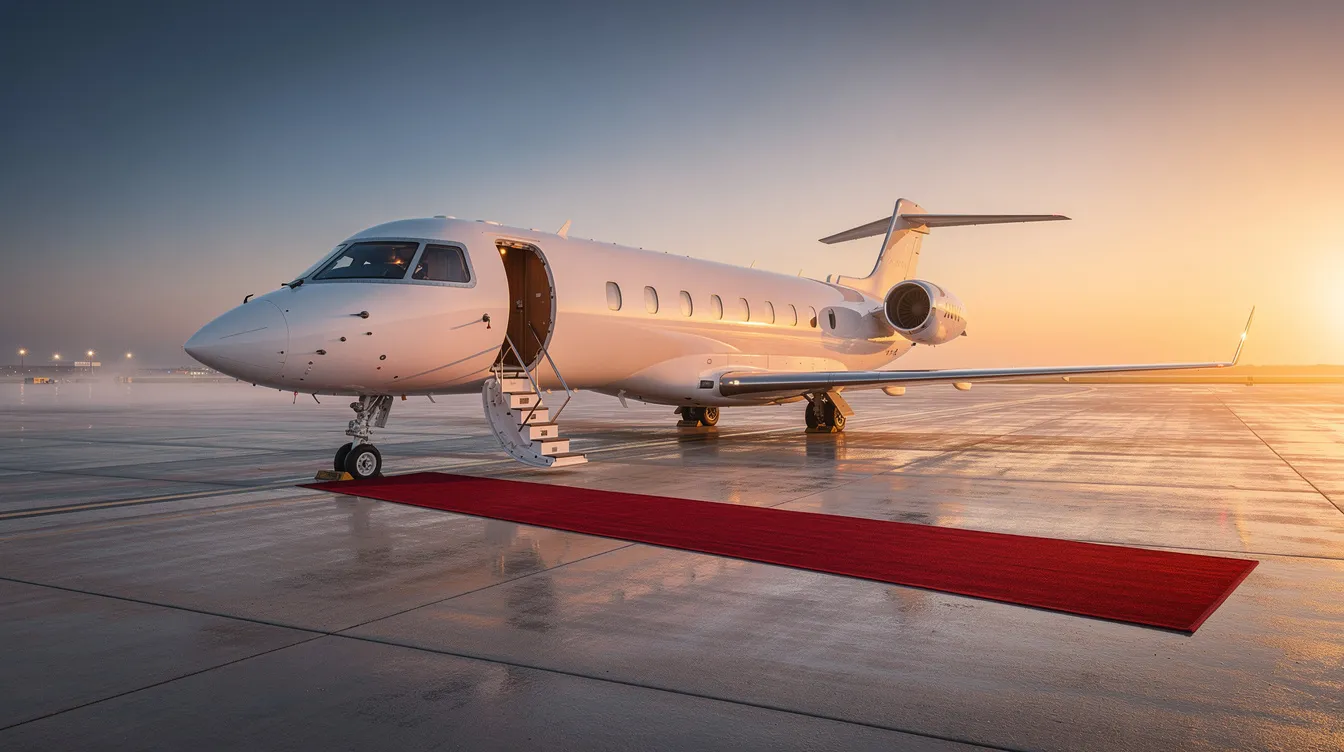
Today, no airline sells an equivalent pass. The conversation has shifted. High-net-worth travelers who want predictable, premium air access now look to Jet Card programs, which function on the private side of aviation the way Stuker's pass did on the commercial side: prepaid blocks of flight time (such as 25-hour or 50-hour cards) across multiple aircraft categories, with no per-trip surprises and transparently modeled jet card cost per hour.
The differences are concrete. A Chicago-based executive flying to San Francisco for a single day of meetings on a commercial carrier faces two to three hours of airport time each way, plus schedule dependency, and could instead compare that grind to the predictability described in a 50-hour jet card cost and value guide. That same executive, using a BlackJet 25+ Hour Jet Card, arrives 15 to 20 minutes before departure, flies direct into a closer airport, and controls the return time. The investment is different from Stuker's, but the principle is the same: prepay, then fly without friction.
On sustainability, Stuker has argued that his flights don't add carbon because the planes fly with or without him. Private aviation carries a different calculus. BlackJet addresses this directly by offering carbon-neutral flights as standard, with audited safety programs and pilot standards that match or exceed commercial benchmarks, reflecting the broader reality that private jets maintain rigorous safety standards and oversight. Real-time digital booking tools and 24/7 support complete a travel experience built for business-critical travel, whether for solo executives or large teams chartering private jets configured for up to 50 passengers.
No one will likely match Tom Stuker's legend on a single airline. But the math he proved in 1990 still holds: the best way to fly is to buy access before you need it, whether through major providers like Flexjet jet card programs with transparent pricing or other membership models. For today's frequent travelers, that access lives on the private side of the sky.
Explore how a BlackJet Jet Card can reshape the way you travel, whether you are drawn to the craftsmanship of the top private jets in the world or even considering purchasing a premium UK-based private jet outright.
Frequently Asked Questions About Tom Stuker and Frequent Flying
Who is Tom Stuker?
Tom Stuker is recognized as the world's most frequent flyer, known for flying over 23 million miles primarily with United Airlines. He purchased a lifetime unlimited first-class pass in 1990, enabling his extraordinary travel lifestyle.
How did Tom Stuker afford to fly so much?
In 1990, Stuker bought a lifetime first-class unlimited flight pass from United Airlines for about $290,000. This investment allowed him to fly anywhere United operated without additional ticket costs, making his extensive travel financially feasible.
What travel tips does Tom Stuker recommend for frequent flyers?
He advises flying the first flight of the day for better prices and on-time performance, avoiding late-night flights due to higher delay risks, and maintaining elite status for perks like lounge access and priority rebooking.
How does Tom Stuker's flying compare to private jet travel?
While Stuker’s model maximizes commercial flying, private jet access through Jet Card programs offers greater flexibility, privacy, and time savings by avoiding airport hassles and fixed schedules.
What philanthropic activities is Tom Stuker involved in?
He uses his frequent flyer miles to support pediatric oncology charities, remodel his brother’s house, and gift trips to family and children in need.
Are unlimited flight passes like Tom Stuker's still available?
No, airlines discontinued lifetime unlimited flight passes due to financial risks. Today, prepaid Jet Card programs in private aviation provide a modern alternative for frequent premium travel.
How does sustainability factor into Tom Stuker’s travel?
Stuker has stated that his commercial flights do not add to carbon emissions since the planes fly regardless of his presence. Private aviation companies like BlackJet actively offer carbon-neutral flight options to address environmental concerns.
Conclusion: The Legacy of Tom Stuker and the Future of Luxury Air Travel
Tom Stuker's extraordinary journey as the world’s most frequent flyer exemplifies how strategic investment and brand loyalty can redefine luxury travel. His lifetime unlimited first-class pass with United Airlines turned a half-million-dollar upfront cost into an unparalleled travel legacy, demonstrating the value of prepaid access in premium air travel. Yet, his story also highlights the inherent constraints of commercial aviation—fixed schedules, airport hassles, and limited flexibility—that prompt today’s elite travelers to explore alternatives.
For discerning business leaders and high-net-worth individuals, private jet access through Jet Card programs like BlackJet offers a modern evolution of Stuker’s model: predictable, seamless, and personalized travel without the compromises of commercial airlines. These programs emphasize safety, sustainability, and technology, delivering effortless journeys that respect the traveler’s time and environmental concerns.
Tom Stuker’s life in the sky teaches us that the future of luxury travel lies in control, customization, and conscious choices. Whether through the legacy of a lifetime pass or the innovation of private jet cards, the principle remains: invest in access before you need it, and elevate every journey beyond mere transportation to a strategic advantage and a statement of lifestyle.
Explore how BlackJet’s premium Jet Card programs can transform your travel experience, providing the freedom, prestige, and sustainability that today’s most frequent flyers demand. Learn more about what is a jet card, discover the best small private aircraft for your missions, understand safety in the skies, and see how carbon-neutral flights redefine sustainable luxury travel. For those considering ownership, explore UK private jets for sale as an alternative investment.


 Sign up with google
 Sign up with Apple