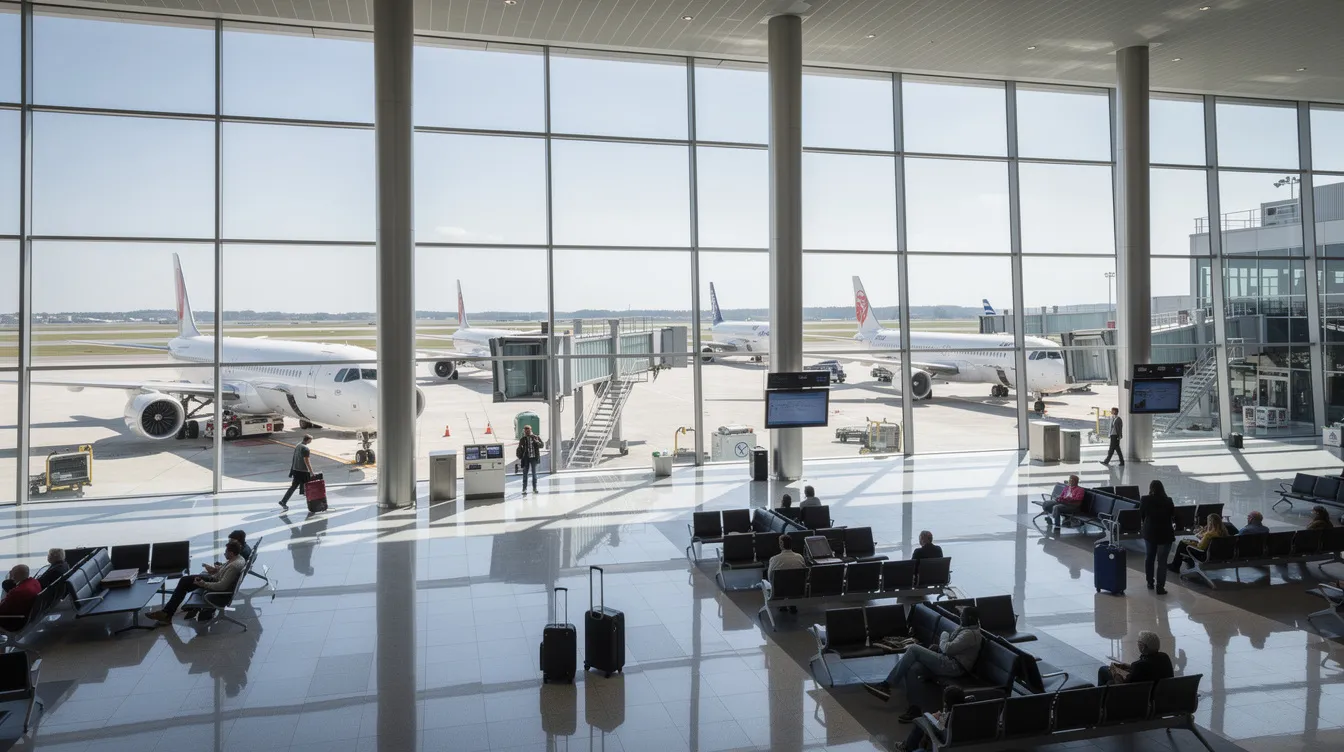
Introduction: United vs American Airlines in 2026 – and Why High-End Travelers Look Beyond Them
Choosing between American Airlines and United Airlines is a decision millions of frequent travelers face every year. In 2025, American carried approximately 224 million passengers across more than 350 destinations in over 60 countries, while United transported over 181 million revenue passengers and expanded into 13 new international markets. These are the two largest legacy carriers in the United States, and the choice between them shapes everything from which airports you connect through to what kind of business class seat you sleep in over the Atlantic.
But for travelers who fly dozens of segments per year, the United Airlines vs. American Airlines debate only tells part of the story. Both carriers still mean security lines, boarding groups, fixed schedules, and the occasional cancelled flight that derails an entire day. For executives and high-net-worth travelers who value flexibility and privacy, the real question is not just which airline is better—it is whether commercial aviation is the right tool for the job at all.
Quick-answer bullets: Who should fly which?
Prefer American Airlines if you prioritize Latin America coverage, oneworld alliance partner awards on carriers like Qatar Airways and Japan Airlines, and the emerging Flagship Suite hard product.
Fly United if you need deep European and Asian connectivity through Star Alliance partners like Lufthansa and Singapore Airlines, consistent Polaris business class seats, and better operational reliability numbers.
Consider private jet access when time, privacy, and schedule control outweigh loyalty points—particularly for domestic flights, multi-city trips, or routes where neither carrier flies nonstop.
Here is a scenario that frames the stakes: an executive commuting monthly from New York to San Francisco on American or United spends roughly 5.5 to 6 hours door-to-door each way—factoring in ground transport to JFK or EWR, 90-minute pre-departure arrivals, boarding, taxiing, and deplaning. That same trip via a BlackJet Jet Card departing from Teterboro takes closer to 3.5 hours total, with a 15-minute arrival window, no security theater, and the ability to work or hold calls the entire flight. Over a year of monthly round trips, the time savings compound into weeks of recovered productivity.
Quick Verdict: United vs American Airlines (Plus the Private Jet Alternative)
Before diving into the details, here is the concise verdict for travelers comparing these two airlines in 2026:
Network breadth: United edges American internationally (~370 destinations vs ~350), especially in Asia and Europe. American dominates Latin America and the Caribbean.
Operational reliability: United wins. Its 2024 on-time performance was 80.9% compared to American's 77.8%, and its cancellation rate was 1.34% versus American's 2.00%.
Long-haul business class: American's new Flagship Suites with sliding doors and 78-inch beds lead in hard product innovation. United Polaris offers direct aisle access from every seat and consistency across its fleet. Both are strong; personal preference determines the winner.
Domestic experience: United has been more aggressive about seatback screens in economy and reliable Wi-Fi. American is investing heavily in retrofits (screens, Starlink) but still has gaps across its mainline narrowbody aircraft fleet.
Loyalty program value: American AAdvantage miles are valued at roughly 1.6 cents each with fixed partner award charts. United MileagePlus miles sit around 1.2 to 1.4 cents each but offer more dynamic pricing flexibility.
Lounges: United's Polaris Lounge is the best commercial airline lounge product in the U.S. American's Flagship Lounge counters with chef-curated dining and champagne on arrival.
The third way: For elite flyers and executives, private jet membership through programs like BlackJet Jet Cards redefines the decision entirely. No alliances, no status games, no fixed schedules—just full control over when, where, and how you fly.
Network and Route Coverage: Where American and United Can Actually Take You
Route network is often the single most important factor when choosing a favorite US airline, because no amount of cabin polish matters if the airline does not fly where you need to go.
American Airlines serves over 350 destinations worldwide, anchored by nine hubs: Dallas/Fort Worth, Charlotte, Miami, Phoenix, Philadelphia, JFK, LaGuardia, LAX, and DCA. American has a strong presence in Latin America and the Caribbean, with Miami serving as its primary gateway to South America, Central America, and the islands. For travelers doing business across the Americas, flying American often means fewer connections and more nonstop options.
United Airlines operates nearly 370 destinations globally across more than 70 countries. United has five major hubs, including Newark, Chicago O'Hare, Houston Intercontinental, San Francisco, and Denver, with additional focus cities at Dulles and LAX. United focuses heavily on routes to Europe and Asia, making it the stronger choice for international travel, and in 2025 it became the only US airline flying nonstop to destinations like Bangkok, Adelaide, and Ho Chi Minh City.
Alliance impacts matter enormously:
American belongs to the oneworld alliance, connecting passengers to British Airways, Qatar Airways, Japan Airlines, and Cathay Pacific. This makes American particularly strong for premium cabin redemptions to the Middle East, Japan, and Hong Kong.
United belongs to Star Alliance, linking travelers to Lufthansa, ANA, Singapore Airlines, and Turkish Airlines. This gives United an extensive route network reaching virtually every corner of Asia-Pacific and Europe, one reason it is often described as the largest airline by fleet size.
On major intercontinental business markets: for New York–London, both carriers compete head-to-head, though American's partnership with British Airways creates a robust joint venture. For LAX–Tokyo, United's Star Alliance partnership with ANA is formidable, while American's oneworld ties to Japan Airlines offer a credible alternative. For Miami–São Paulo, American operates its own nonstop service and dominates the market.
For routes where neither AA nor United fly nonstop-secondary European cities, remote Caribbean islands, or multi-city roadshows across regions—private jet charter fills the gaps. BlackJet Jet Card holders can access thousands of airports that commercial carriers simply do not serve, choosing from different private jet sizes that match trip distance, passenger count, and airport constraints, and eliminating backtracking through congested hubs.
Domestic Flights Experience: Short-Haul Reality in the U.S.
The bulk of what both American Airlines and United Airlines sell is domestic flights-short-haul and transcontinental segments on narrowbody jets. Flying domestically on either carrier in 2026 means a mix of Boeing 737s, Airbus A321s, A220s, and Embraer regional jets, depending on route and market demand.
On American, the domestic experience is undergoing transformation. The airline has committed to installing seatback screens at every narrowbody seat—new deliveries and retrofits—plus Starlink Wi-Fi and USB-C charging. However, this rollout is not yet complete, and many flights still rely on streaming to your own device. American operates a massive regional fleet of roughly 567 aircraft, which means passengers on shorter routes may find themselves on an Embraer E175 with tighter cabins.
United has been ahead on the entertainment front, reintroducing seatback screens across its domestic fleet more aggressively and offering free streaming content even where personal screens are absent. United's domestic first class and Economy Plus products are generally consistent across its mainline fleet.
A practical example: On a popular route like JFK–MIA, American typically deploys A321s with Main Cabin Extra seating, while United may use 737 MAX or A321neo frames. Economy class passengers on American get 30 inches of pitch; United offers 30 to 31 inches. In domestic first class, both airlines offer 2-2 recliner configurations-comfortable but not remotely comparable to what a private cabin provides.
Contrast this with a private hop on the same New York–Miami distance: a BlackJet light jet departs from a private terminal with a 15-minute pre-departure window, no security queue, no boarding group, and direct car-to-aircraft transfer, illustrating how small private aircraft options can radically change short-haul travel dynamics. The flight itself takes roughly the same time, but the total trip is 2 to 3 hours shorter door-to-door.
Cabin Classes Overview: From Economy Class to First and Business
Both American Airlines and United have layered cabin hierarchies that can confuse even experienced travelers. Here is how the classes break down:
Class | American Airlines | United Airlines |
|---|
Restricted Economy | Basic Economy | Basic Economy |
Standard Economy | Main Cabin | Economy |
Extra Legroom | Main Cabin Extra | Economy Plus |
Premium Economy (long-haul) | Premium Economy | Premium Plus |
Domestic Premium | Domestic First Class | Domestic First Class |
International Premium | Flagship Business / Flagship Suite | Polaris Business Class |
International Ultra-Premium | Flagship First (limited) | N/A (no dedicated first) |
Note that "first class" on most domestic flights is actually a premium recliner seat—comfortable, but not comparable to true international first class or to a private jet cabin, especially when you factor in the flexibility and time savings outlined in detailed private jet charter cost comparisons. The naming conventions are marketing artifacts, not descriptions of equivalent products.
Private jets do not use this cabin hierarchy at all. Every seat is effectively first class, with aircraft size and layout chosen based on trip distance, passenger count, and mission profile rather than fare buckets.
Economy Class: Seats, Comfort, and In-Flight Basics
Economy class on both carriers in 2026 is a study in managed discomfort, optimized for yield rather than passenger experience.
Seat dimensions:
American Airlines economy seat pitch averages 30 inches across its narrowbody fleet, with widths around 17 to 18 inches depending on aircraft type.
United Airlines economy seat pitch averages 30 to 31 inches, with similar width ranges. On widebody international flights (787, 777), both carriers offer slightly more generous dimensions.
Soft product differences:
On domestic flights, both airlines provide complimentary soft drinks and a modest snack. Additional food is buy-on-board. Flying economy on international routes is more differentiated: United Airlines serves complimentary alcoholic beverages on long-haul flights, while American reserves that for premium cabins on some routes.
Boarding groups are determined by fare type and status. Basic economy passengers on both carriers board last, cannot select seats in advance (on many routes), and face carry-on restrictions.
The stress points of economy class travel—tight seats, overhead bin competition, long security lines, and schedule inflexibility-are precisely what drive high-net-worth travelers to explore alternatives. Booking a private jet through a Jet Card program eliminates every one of these friction points.
Extra-Legroom Economy: Main Cabin Extra vs Economy Plus
For frequent travelers who are not always in premium cabins, extra-legroom economy is the compromise zone.
American's Main Cabin Extra offers seats with roughly 34 to 36 inches of pitch, early boarding, and complimentary alcohol on select flights. These seats are typically located in the first few rows of the main cabin or exit rows.
United's Economy Plus provides 34 to 35 inches of pitch, early boarding, and overhead bin priority. Economy Plus has been an established product for years and is well-distributed across United flights.
Both airlines allow elite frequent flyers and co-branded credit card holders to select these seats for free or at a reduced cost. For occasional purchasers, the upcharge on popular domestic routes typically ranges from $30 to $90 each way, depending on distance and demand.
United wins slightly on consistency-Economy Plus is available on virtually every United flight. American is expanding Main Cabin Extra across its narrowbody fleet, targeting approximately 40 percent premium-or-better seats versus roughly 25 percent today, but the rollout is uneven.
These are incremental comfort improvements. The step-change experience—moving from any economy product into a private jet cabin—is an entirely different category of travel.
Premium Economy on Long-Haul: United Premium Plus vs AA Premium Economy
Premium economy exists on transatlantic, transpacific, and some South America routes, filling the gap between economy class and business class on long haul aircraft.
United Premium Plus is United’s premium economy product on United long-haul flights, with a 2-2-2 configuration on most widebody frames, wider seats, adjustable leg rests, and larger screens. Meals are served on china with metal cutlery, and an amenity kit is included. The seat offers meaningful recline but does not approach lie-flat territory.
American Airlines premium economy features similar amenities with recline of up to 8 inches. The layout varies by aircraft—some 777s use 2-3-2 or 2-4-2 configurations. American is also introducing premium economy on the A321XLR for long-haul single-aisle routes.
For overnight comfort, reviewers generally give a slight edge to United Premium Plus for its consistent 2-2-2 layout, which avoids middle seats entirely. For daytime productivity, both are comparable.
Premium economy is the closest commercial competitor to entry-level private jet comfort—but it still lacks privacy, schedule control, and the quiet cabin environment that make private travel transformative for business, even when you look at more affordable private jet options designed to lower the barrier to entry.
Domestic First Class: Recliners at the Front of the Cabin
Domestic first class on both American Airlines and United is a 2-2 recliner seat at the front of the aircraft. It is not comparable to international business class or private jet cabins, but it is the best that commercial aviation offers on most U.S. routes.
Hard product comparison:
Feature | American Airlines | United Airlines |
|---|
Seat pitch | ~37–38 inches | ~37–38 inches |
Seat width | ~20 inches | ~20–21 inches |
Power outlets | Yes (most mainline) | Yes (most mainline) |
Seatback screens | Expanding via retrofits | Available on most mainline aircraft |
Meal service in domestic first class varies significantly by route length. On trunk routes like JFK–LAX or BOS–SFO, both airlines offer multi-course meals. American has partnered with chef programs for its meal service on premium domestic routes; United has recently upgraded its domestic catering with better service on competitive transcontinental routes.
On shorter hops under two hours, domestic first class on both carriers feels more like a slightly roomier seat with a free drink. It is a different world from a BlackJet light jet cabin on the same route, where passengers work, make calls, or stretch out in complete privacy with personalized catering—and larger groups can step up to 16-seat private jet options that deliver similar privacy at greater scale.
International Business Class: Polaris vs Flagship Business / Flagship Suites
This is where the rivalry between these two airlines gets genuinely interesting. Both carriers have invested heavily in their international business class product, recognizing it as the highest-margin cabin and the battleground for corporate contracts.
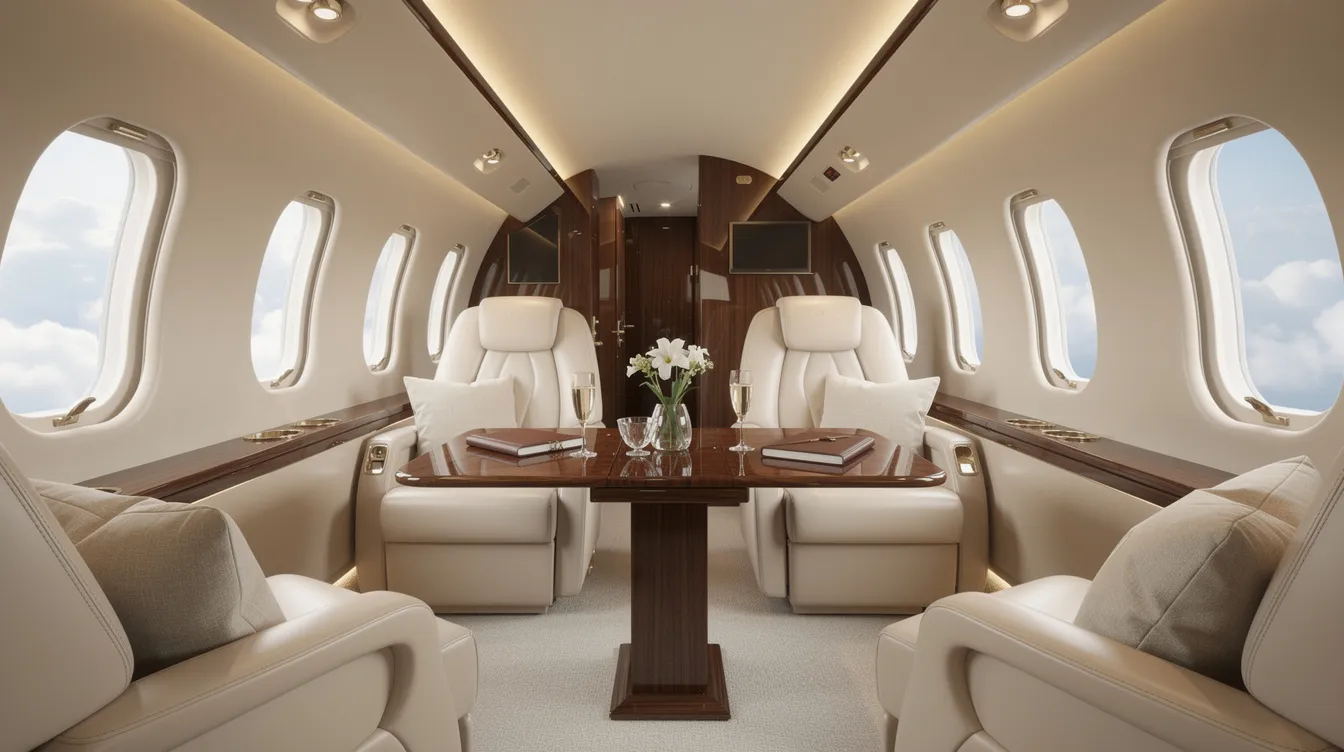
United Polaris business class uses a reverse-herringbone or modified 1-2-1 layout with fully flat beds, Saks Fifth Avenue bedding, and noise-reducing headphones. United's Polaris business class offers direct aisle access from every sseat—afeature that eliminates the awkward climb-over problem. The newer Polaris Studio variant, appearing on refreshed 787-9 and new 787-10 frames, adds sliding privacy doors, a 27-inch 4K OLED screen, and roughly 25 percent more personal space than the standard Polaris suite.
American Airlines Flagship Business uses Collins Super Diamond and Safran Cirrus II seats in 1-2-1 configurations. American Airlines business class features a fully lie-flat seat across its long-haul fleet. The emerging Flagship Suite—debuting on 787-9P and A321XLR frames in mid-2025-takes the product further, using the same seat shell concept seen in Qatar Airways' Mini QSuites but as American's own adaptation: sliding privacy doors, a 78-inch bed, wireless charging, and premium finishes designed to compete with Gulf and European carriers. However, the Flagship Suite is not yet on every widebody, meaning experience varies by aircraft assignment.
Soft product differences:
American Airlines provides a wider variety of food options in business class, with pre-departure menus and partnerships that emphasize culinary quality.
United offers a structured multi-course dining experience with a dessert cart in its Polaris business class-a theatrical touch that passengers remember.
Lounge access also differs: United Polaris passengers get access to dedicated Polaris Lounges (more on this below), while American's equivalent is the Flagship Lounge.
Best business class product by route:
United's 787-10 to London, Frankfurt, or Tokyo showcases Polaris at its best.
American's refitted 777-300ER and new 787-9P to premium destinations like London, São Paulo, and Hong Kong offer the Flagship Suite experience.
For travelers seeking a step above even Polaris and Flagship Suites-true privacy, the ability to fly on your own schedule, and the option to pick cabin category based on mission profile-private aviation remains the definitive answer, with private jet safety standards comparable to or exceeding those of commercial airlines when using reputable operators.
First Class: Is There Any Real First Left on These Airlines?
True international first class is nearly extinct on both carriers. United has effectively consolidated around Polaris as its top international product, choosing not to maintain a separate long-haul first class cabin. American retains limited Flagship First on select 777-300ER routes—primarily from New York and Los Angeles to London and a handful of other premium markets.
What remains of American's Flagship First offers suite-like seats, enhanced multi-course dining with wine pairings, and more personalized attention from flight attendants. But these are a vanishing breed: fewer aircraft, fewer routes, and a clear corporate signal that business class is where the investment is going.
Domestic first class, as discussed above, is a completely different product and should never be confused with the old-style international first suites.
For travelers who once flew international first and feel its absence, private aviation effectively replaces it-with bespoke seating, bespoke catering, and privacy from curb to cabin, on every single flight.
Onboard Food and Beverage: American Airlines Food vs United Catering
Catering remains one of the genuine differentiators between these two airlines, particularly in premium cabins where meal service can make all the difference on a 10-hour flight.
American AiAirlines'ood has earned a distinct identity. American Airlines partners with the James Beard Foundation for catering in its Flagship cabins, bringing chef-driven menus that rotate seasonally. American Airlines offers pre-ordering food up to 30 days in advance on long-haul Flagship Business and Flagship First routes, letting passengers secure their preferred entrée rather than gambling on availability at 35,000 feet.
United's catering in Polaris is structured as a restaurant-style multi-course experience, with a signature dessert cart that rolls through the cabin. United Airlines serves complimentary alcoholic beverages on long-haul flights across all cabins, including economy—a better service standard than many other airlines on beverage policy. United's wine program on key international routes has been upgraded in recent years, and consistency has improved.
In economy class on both carriers, the food story is simpler: buy-on-board snack boxes on domestic flights, complimentary meals on international long-haul. Neither airline distinguishes itself at the back of the cabin.
For private jet travelers, the catering conversation is entirely different, especially on large long-range private jets where full galleys, dedicated crew, and bespoke menus turn in-flight dining into a restaurant-quality experience. Menus are customized in advance, dietary requirements are handled individually, and the meal can be designed around the purpose of the trip—whether that is a working lunch or a celebration. Through BlackJet, members coordinate catering as part of the booking process, with no preset menu constraints.
Lounges and Ground Experience: Admirals Club, Flagship, United Club, Polaris
Lounges are where elite travelers spend the hours that airlines rarely advertise—between connections, before early morning departures, or during weather delays.
American Airlines' lounge ecosystem:
The Admirals Club is American's broad-access lounge, available to members, co-branded credit card holders, and oneworld Sapphire/Emerald elites. American Airlines' Admirals Club is accessible to a wider range of travelers than United's equivalent, though the product quality varies by location.
American Airlines has Flagship Lounges in six major airports, reserved for international business and first-class passengers. Flagship Lounges offer chef-curated dining and champagne on arrival, creating a premium pre-flight experience.
United's lounge ecosystem:
United operates two lounge tiers: United Club and Polaris Lounge. The United Club is the general-access lounge for members, cardholders, and Star Alliance Gold elites.
United's Polaris Lounges offer à la carte dining and spa-like showers, available at key hubs including Newark, O'Hare, San Francisco, Houston, Dulles, and LAX. These lounges are widely considered the best airline lounges in the United States.
Airport-by-airport winners:
Airport | Better Lounge |
|---|
New York (JFK/EWR) | United (Polaris Lounge at EWR) |
Chicago O'Hare | United (Polaris Lounge) |
Los Angeles | Close call; both strong |
San Francisco | United (Polaris Lounge) |
Miami | American (Flagship Lounge) |
Dallas/Fort Worth | American (Flagship Lounge, Admirals Club) |
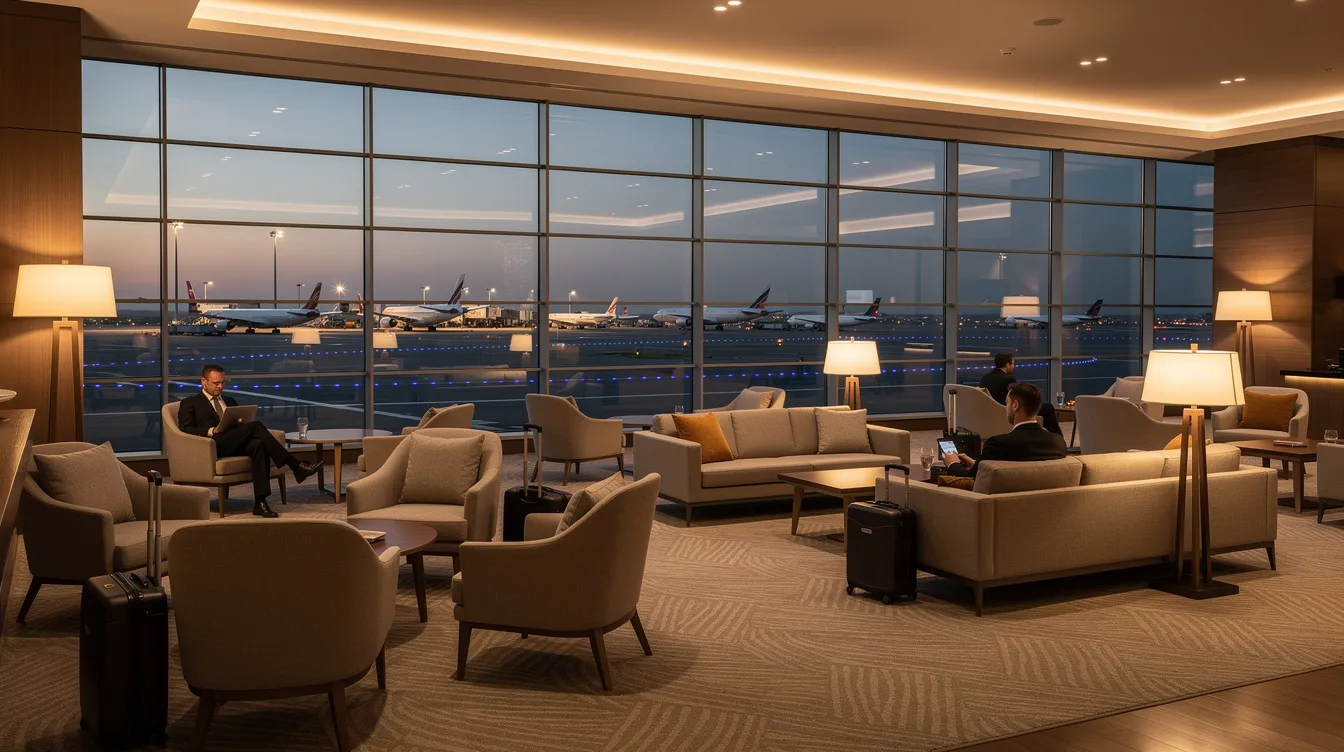
Even the finest airline lounges, however, involve shared spaces, boarding announcements, and the ambient stress of a commercial terminal. Private jet FBOs offer a different paradigm: no crowds, direct car-to-jet transfers, and the calm of a facility designed for single-digit passenger counts. BlackJet coordinates seamless ground handling and real-time flight support, so the transition from ground to air is measured in minutes, not hours, whether you are flying between U.S. hubs or arranging private jet charters in Karachi and other international gateways.
Seat Selection, Priority Check-In, and Boarding: Who Treats Elites Better?
How an airline handles the ground experience—seat selection, check-in, and boarding—reveals a great deal about its priorities.
Seat selection: Both carriers restrict free seat selection for basic economy passengers. Elite members and premium fare holders get free access to preferred and extra-legroom seats. American tends to release more premium seats to elites at booking, while United often holds back some Economy Plus seats for day-of-departure upgrades.
Priority check-in: American offers Flagship Check-in for its highest-tier passengers and premium cabin travelers, with dedicated counters and expedited security. United's Premier Access provides similar priority lanes. Both airlines extend these benefits to partner airline elites (oneworld Emerald/Sapphire and Star Alliance Gold, respectively).
Boarding groups: American boards in nine groups, with priority boarding for elites, co-branded cardholders, and premium cabin passengers. United uses a similar structure. The practical impact is overhead bin availability—top-tier elites board early enough to guarantee space, while lower-status passengers increasingly gate-check bags on full flights.
With private jets, seat selection, check-in, and boarding hierarchies disappear entirely. Every passenger boards when they choose, often directly from a car that pulls up beside the aircraft.
Loyalty Programs: American AAdvantage vs United MileagePlus
For frequent travelers, the loyalty program is often the real reason they stay with one airline over another. American AAdvantage and United MileagePlus are both revenue-based programs, but they differ in meaningful ways.
American AAdvantage:
American Airlines AAdvantage is part of the oneworld alliance, giving members earning and redemption access across British Airways, Qatar Airways, Japan Airlines, Cathay Pacific, and others.
AAdvantage miles are valued at approximately 1.6 cents each—among the highest in the industry.
AAdvantage offers fixed partner award charts for predictable redemptions, meaning savvy travelers can find outsized value booking Qsuites or JAL first class at published rates.
Elite tiers include Gold, Platinum, Platinum Pro, and Executive Platinum, with systemwide upgrades for top-tier elites and Loyalty Point-based qualification.
United MileagePlus:
United's MileagePlus program is part of Star Alliance, connecting members to Lufthansa, ANA, Singapore Airlines, Turkish Airlines, and dozens more.
MileagePlus miles are valued at 1.2 to 1.4 cents each-slightly lower than AAdvantage, though dynamic pricing can produce both bargains and inflated redemptions.
MileagePlus allows earning miles on basic economy tickets, a benefit that AAdvantage restricts.
Elite tiers run from Premier Silver through 1K, with PlusPoints as the upgrade currency for confirmed premium cabin upgrades.
Key differences in practice:
For aspirational international business class awards, AAdvantage's fixed charts make it easier to predict costs on partner airlines. MileagePlus dynamic pricing can surprise in both directions.
United MileagePlus is more generous for lower-frequency travelers (basic economy earning), while AAdvantage rewards higher spenders more richly.
Delta SkyMiles, the third major program, competes with both but follows its own dynamic model—worth noting for travelers weighing all three legacy carriers.
For heavy users of private jets via BlackJet Jet Card programs, airline loyalty becomes secondary. These travelers use AA or United when commercial makes sense-long-haul international, for instance—and value time and privacy more than incremental miles, focusing instead on understanding overall jet card membership costs.
Elite Flyers: Status Benefits and How Each Airline Rewards Loyalty
Elite status fundamentally changes the American vs. United experience. The gap between flying as a general member and flying as Executive Platinum or 1K is enormous.
Key benefit comparisons for top-tier elites:
Benefit | AA Executive Platinum | United 1K |
|---|
Complimentary upgrades | Domestic + short-haul intl | Domestic + short-haul intl |
Upgrade instrument | Systemwide upgrades (4/yr) | PlusPoints (flexible use) |
Lounge access | Flagship Lounge (intl premium) | Polaris Lounge (intl premium) |
Free checked bags | 3 bags | 2 bags |
Priority boarding | Group 1 | Group 1 |
Same-day changes | Complimentary | Complimentary |
Partner lounge access | oneworld Emerald lounges | Star Alliance Gold lounges |
Elite flyers experience the AA vs United rivalry differently from occasional leisure travelers. For them, it is about upgrade success rates on competitive routes, lounge quality at their home airport, and the value of partner status when traveling internationally. Platinum members on American tend to prefer American for its Latin America dominance, while United's 1K elites value the carrier's Asia-Pacific reach.
BlackJet's approach is fundamentally different from the status ladder. Jet Card holders receive consistent, high-touch service on every flight. There is no annual requalification, no tier anxiety, and no upgrade waitlist. Private aviation companies cater to frequent business travelers and leisure travelers equally, with service levels that do not fluctuate based on points balances or spenthresholds—and savvy business users can even explore jet card tax deduction strategies to optimize the financial side of their flying.
Fees and Baggage Policies: The Hidden Cost of Flying Big Airlines
Fees add up quickly on both carriers, especially for travelers who are not elites or co-branded cardholders.
Standard checked baggage fees (domestic economy, 2026):
Item | American Airlines | United Airlines |
|---|
First checked bag | $40 | $40 |
Second checked bag | $45 | $45 |
Oversize/overweight surcharge | $100–$200 | $100–$200 |
Elite members and premium credit card holders on both airlines receive fee waivers-typically two to three free checked bags depending on status level. On family itineraries, American tends to extend bag waivers to companions on the same reservation more generously.
Change and flexibility policies: Both carriers eliminated change fees on most fare types above basic economy during the COVID era. Basic economy tickets remain restricted on both airlines—no changes, no refunds, and limited seat selection.
With BlackJet, baggage is handled differently. There are no per-bag fees in the traditional sense. Luggage allowances depend on the aircraft selected, and bespoke handling for bulky items-golf bags, instruments, specialized equipment—is coordinated as part of trip planning, which becomes especially important on private jets for large groups of up to 50 passengers.
In-Flight Entertainment and Connectivity: Screens, Streaming, and Wi-Fi
For business travelers who need to stay productive at altitude, entertainment and connectivity can determine whether a flight is useful or wasted.
American Airlines has historically relied on streaming to passengers' own devices for domestic entertainment, though the airline announced a fleet-wide upgrade to seatback screens on all narrowbody aircraft, plus Starlink Wi-Fi. On long-haul widebodies, screens have been standard. Full fleet completion is expected over the next several years.
United Airlines has moved faster on screens, with seatback entertainment available on most mainline aircraft, including domestic narrowbodies. The carrier's newest 787s feature 4K OLED screens in Polaris Studio, and United's streaming library is available free of charge. United wins on current entertainment consistency.
Wi-Fi availability is comparable, though speed and pricing vary. Both carriers offer day passes and subscription plans, with complimentary messaging tiers for elites and credit card holders. United currently holds a slight edge for business travelers wanting reliable, VPN-friendly connections across its fleet.
Private jet connectivity operates on a different level. BlackJet provides access to aircraft equipped with high-speed Wi-Fi, and members can configure connectivity needs in advance. The quiet, secure cabin environment is ideal for video calls, deal negotiations, and confidential work that would be impossible in a commercial cabin.
Reliability and Operations: Delays, Cancellations, and Recovery
Operational reliability has become a decisive factor when comparing airlines v. airlines, especially after several high-profile meltdowns in recent years.
2024 performance data from the Department of Transportation:
Metric | United Airlines | American Airlines |
|---|
On-time arrival rate | 80.9% | 77.8% |
Cancellation rate | 1.34% | 2.00% |
United has a growing edge in reliability over American, having invested in operational infrastructure, crew scheduling technology, and hub resilience. American claimed to be the most on-time hub carrier at O'Hare in nine of eleven months in 2025, but its system-wide numbers lag behind United's.
Both carriers manage disruptions through rebooking apps, hotel and meal vouchers, and elite-priority reaccommodation. But when a hub shuts down due to weather or ATC issues, even top-tier elites find themselves in long queues.
Private aviation is subject to weather constraints too, but offers far more routing flexibility. BlackJet's 24/7 operations team can reroute or reassign aircraft faster than commercial rebooking systems, and private jet travelers are not dependent on a single hub for connections.
Safety, Certification, and Fleet Modernization
Both American Airlines and United operate under the same stringent FAA safety regulations, with thousands of highly trained pilots, standardized maintenance programs, and modern cockpit avionics. There is no meaningful safety gap between the two carriers.
Fleet modernization is where they diverge in strategy:
American's mainline fleet sits at approximately 1,013 active aircraft, with an order book of roughly 440 new frames including A321neos, 737 MAX 10s, E175s, and 787-9 widebodies.
United has ordered approximately 198 widebody aircraft and is aggressively expanding its international fleet with 787s and A321XLRs.
Younger fleets improve fuel efficiency, reduce maintenance incidents, and deliver better passenger comfort thstandards—all cabin pressurization and quieter engines.
In private aviation, safety certification takes a different form. BlackJet maintains a proprietary safety program that works exclusively with FAA Part 135 operators, requires third-party audits such as ARGUS or IS-BAO Stage 2/3 certification, mandates dual-pilot crews, and enforces rigorous maintenance standards-all core elements of BlackJet’s premium Jet Card programs. Private aviation services emphasize safety certifications and carbon-neutral flights as foundational commitments, not optional add-ons.
Sustainability and Carbon Footprint: Commercial vs Private Aviation
Both commercial and private aviation face legitimate scrutiny on emissions. Sophisticated travelers are asking harder questions about their carbon impact.
Commercial carrier initiatives:
American is committed to net-zero greenhouse gas emissions by 2050, investing in fleet renewal and more fuel-efficient narrowbodies.
United has expanded sustainable aviation fuel usage at several hubs—Houston, Newark, and Dulles-and is growing SAF purchases as supply allows.
The trade-off: Large commercial aircraft carry 150 to 350 passengers, producing significantly lower per-seat emissions than a private jet carrying 4 to 12. Load factors on commercial carriers reduce per-passenger carbon intensity. Private jets, however, eliminate positioning flights, unnecessary connections, and extended ground time—factors that add emissions to the total trip footprint.
BlackJet's approach: Since 2021, every BlackJet flight has been carbon-neutral by default, through high-quality, third-party verified carbon offsets at no extra cost to Jet Card members. Carbon offset initiatives are important for sustainable aviation in the private jet industry, and BlackJet also makes SAF available at hubs where supply exists. This does not erase the per-passenger intensity gap, but it represents a transparent, proactive commitment that many commercial carriers have not yet matched in practice-and it complements the flexible membership models seen in programs like Flexjet jet cards.
Technology, Booking Experience, and Customer Support
How you book and manage trips reveals the philosophical difference between flying commercial and flying private.
American and United both offer robust mobile apps with real-time flight tracking, digital boarding passes, bag tracking, same-day change tools, and disruption rebooking. For elite members, both provide dedicated phone lines with shorter wait times and more experienced agents. United's app has generally received higher marks for usability and real-time information during irregular operations.
BlackJet's platform operates on a fundamentally different model. Members request and confirm private jet flights digitally through mobile booking platforms, which is essential for convenience in private jet travel. Aircraft categories and pricing are visible upfront, and dedicated aviation specialists provide real-time flight support from booking through landing. Jet Card programs typically include multiple cabin types and 24/7 digital booking tools, meaning a member can go from idea to confirmed flight in minutes rather than navigating fare classes, upgrade waitlists, and seat maps—or, for lighter-use travelers, from browsing how to buy a seat on a private jet to securing space on a shared or semi-private flight.
The core difference: on American or United, you are a frequent flyer number in a system serving over 180 million passengers annually. With BlackJet, you have a relationship-based aviation partner dedicated to fewer, higher-value clients. Private jet travelers prefer the convenience of prepaid jet time without jet ownership—and a booking experience that reflects that preference.
Use Cases and Trip Scenarios: When to Choose American, When to Choose United, When to Choose BlackJet
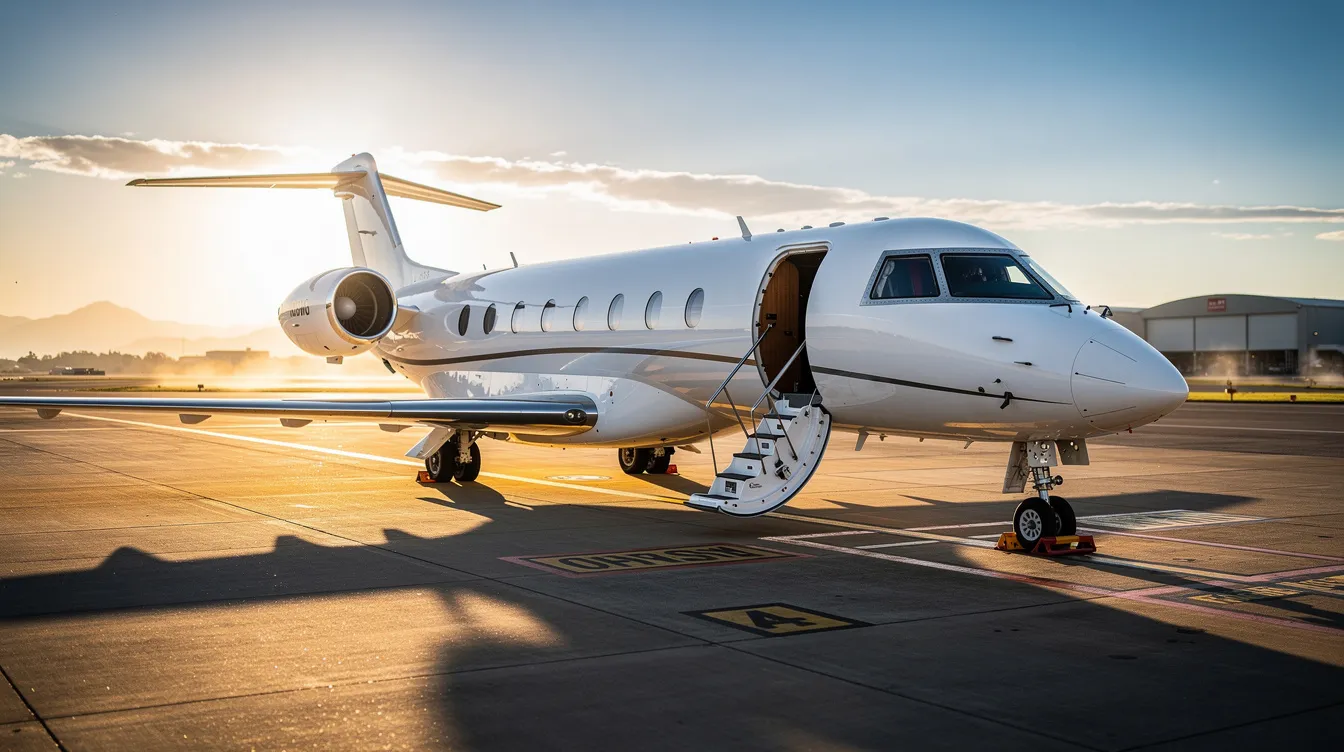
Scenario 1: U.S. executive commuting weekly between Chicago and Houston. United dominates both hubs (O'Hare and IAH), with frequent nonstop flights and strong Polaris and Economy Plus inventory. For a weekly commuter, United MileagePlus 1K status unlocks complimentary upgrades and PlusPoints for confirmed domestic first class. But if the executive's schedule shifts constantly and meetings run long, a BlackJet Jet Card lets them depart Midway or Chicago Executive Airport on their own timeline, arriving at Houston Hobby or Sugar Land without ever navigating O'Hare-and for such heavy usage, understanding 100-hour jet card pricing becomes central to the business case.
Scenario 2: Investor based in Miami doing frequent Latin America deals. American Airlines' network service—Black Jet through America and the Caribbean — is unmatched among US carriers. An investor flying regularly to Bogotá, Lima, or São Paulo can accumulate AAdvantage miles and redeem them on partner airlines for aspirational trips. But when a deal requires a last-minute trip to a secondary city-Medellín, Barranquilla, or a Caribbean island without scheduled service-BlackJet can arrange direct access to airports that no commercial carrier serves, with options ranging from ad hoc charters to a 25-hour jet card program tailored to episodic but high-strategy private travel
Scenario 3: Tech founder flying San Francisco–Tokyo and beyond. For regular transpacific travel, United's Star Alliance APacific—can (ANA codeshares, Singapore Airlines connections) makes it the natural choice from SFO. American's oneworld ties to Japan Airlines and Cathay Pacific provide a credible alternative through LAX or DFW. A hybrid strategy-private jet from San Francisco to LAX for better long-haul connections, then commercial international business class across the Pacific-can optimize both time and comfort, especially if you benchmark options against a detailed 50-hour jet card cost guide.
Scenario 4: High-net-worth family doing a multi-stop U.S. and Caribbean holiday. American or United can handle the trunk routes-New York to Miami, Miami to San Juan. But connecting to remote islands like Anguilla, Mustique, or Harbour Island on commercial schedules means multiple short hops, long layovers, and lost vacation hours. A BlackJet super-midsize jet handles the island segments directly, coordinating luggage and ground transport as part of the trip, and families who travel this way regularly often compare the best jet cards for frequent flyers to lock in predictable pricing.
Decision framework:
Fly American when the route favors its hubs and Latin America strength, or when oneworld partner awards offer outsized value.
Fly United when reliability, Asian connectivity, or Polaris Lounge access at your home airport tips the scales.
Fly BlackJet when time sensitivity, passenger count, privacy needs, or route complexity make commercial aviation the wrong tool.
Frequently Asked Questions: United vs American Airlines for Premium Travelers
Which airline has better business class overall? It depends on what you prioritize. American's Flagship Suite leads in hard product innovation with doors and newer finishes. United Polaris offers more consistent fleet-wide quality and superior dedicated lounges. For the same planes in older configurations, both carriers are comparable. Both airlines continue aggressive cabin refreshes through 2027.
Is American AAdvantage better than MileagePlus for international business class awards? For partner redemptions, yes. AAdvantage offers fixed partner award charts for predictable redemptions on Qatar, JAL, and Cathay Pacific, while MileagePlus uses dynamic pricing that can be either a bargain or inflated. AAdvantage miles are valued at 1.6 cents each versus 1.2 to 1.4 cents for MileagePlus, a meaningful gap for aspirational awards.
Who has better lounges for domestic flights? For domestic travelers, the Admirals Club and United Club are broadly comparable, though specific locations vary. United wins decisively at hubs with Polaris Lounges (available only to international business class passengers). American's Flagship Lounge network is smaller but offers a premium experience where available.
Which airline is more reliable in 2026? United has a slight edge—comfortable on-time performance was 80.9% versus American's 77.8%, and its cancellation rate (1.34%) was notably lower than American's (2.00%). United has sustained this operational advantage into 2025-2026.
How does domestic first class compare to private jets? Domestic first class on both carriers is a recliner seat with roughly 37 to 38 inches of pitch-comfortable but not private, not quiet, and not flexible. A private jet on the same route offers a dedicated cabin, the ability to work or hold meetings uninterrupted, and door-to-door time savings of 2 to 3 hours.
Is American Airlines food better than United's catering in business class? American Airlines food in business class offers more variety and chef-driven partnerships (James Beard Foundation). United's Polaris dining is more structured and theatrical, with a dedicated dessert cart. Both are strong; which you prefer depends on whether you value menu breadth or curated presentation.
How safe is private jet travel compared to commercial? Private jets operating under FAA Part 135 regulations adhere to rigorous safety standards. BlackJet's proprietary safety certification adds layers beyond regulatory minimums, including third-party audits, pilot experience thresholds, and maintenance requirements. The safety record of well-managed Part 135 operators is comparable to commercial aviation.
Does private jet travel offer carbon offsetting? Yes. BlackJet automatically offsets all flights through high-quality, third-party verified carbon credits at no additional cost to members. This makes every BlackJet flight carbon-neutral by default-a commitment that neither American nor United currently matches at the individual ticket level.
Which airline is better for someone who flies both domestically and internationally? Both American Airlines and United Airlines offer comprehensive domestic and international networks. The main difference comes down to your most frequent routes and which alliance partners serve your destinations. For travelers who split time between domestic and international, loyalty to one airline maximizes elite benefits-but supplementing with private jet access for time-sensitive domestic trips can be the most efficient overall strategy.
Can I use both airlines and still benefit from loyalty programs? Yes, but status benefits diminish when you split flying between two programs. Many sophisticated travelers consolidate commercial flying on one airline and supplement with private jet access for trips where commercial does not make sense—preservingyalty value while gaining the flexibility that neither AA nor United can provide alone.
Conclusion: Choosing Between United, American, and Private Jet Access
The differences between United Airlines and American Airlines are real but nuanced. United leads in operational reliability, Asian and European connectivity, Polaris Lounge quality, and entertainment consistency. American leads in Latin America coverage, Flagship Suite hard product innovation, AAdvantage award value, and culinary partnerships. Neither airline is objectively better in service across every dimension; it depends on where you fly, how often, and what you value most.
But for travelers whose time carries a premium, who need schedule flexibility, or who simply refuse to compromise on privacy and comfort, the choice between these two airlines is only part of the equation. Private jet access through a structured program—prepaid hours, fixed rates, no ownership burden—reshapes the decision entirely.
BlackJet Jet Card programs offer access to multiple aircraft categories, carbon-neutral flights on every departure, safety-first standards backed by proprietary certification, and always-on support from dedicated aviation specialists. Whether you complement your commercial flying on American or United with a Jet Card, or transition entirely to private, the result is the same: a travel strategy built around your life, not an airline's schedule—underpinned by transparent jet card pricing structures that make budgeting straightforward.
Discover how a BlackJet Jet Card can elevate your travel at blackjet.com, and compare the model with market leaders using resources like this overview of NetJets jet card costs.


 Sign up with google
 Sign up with Apple