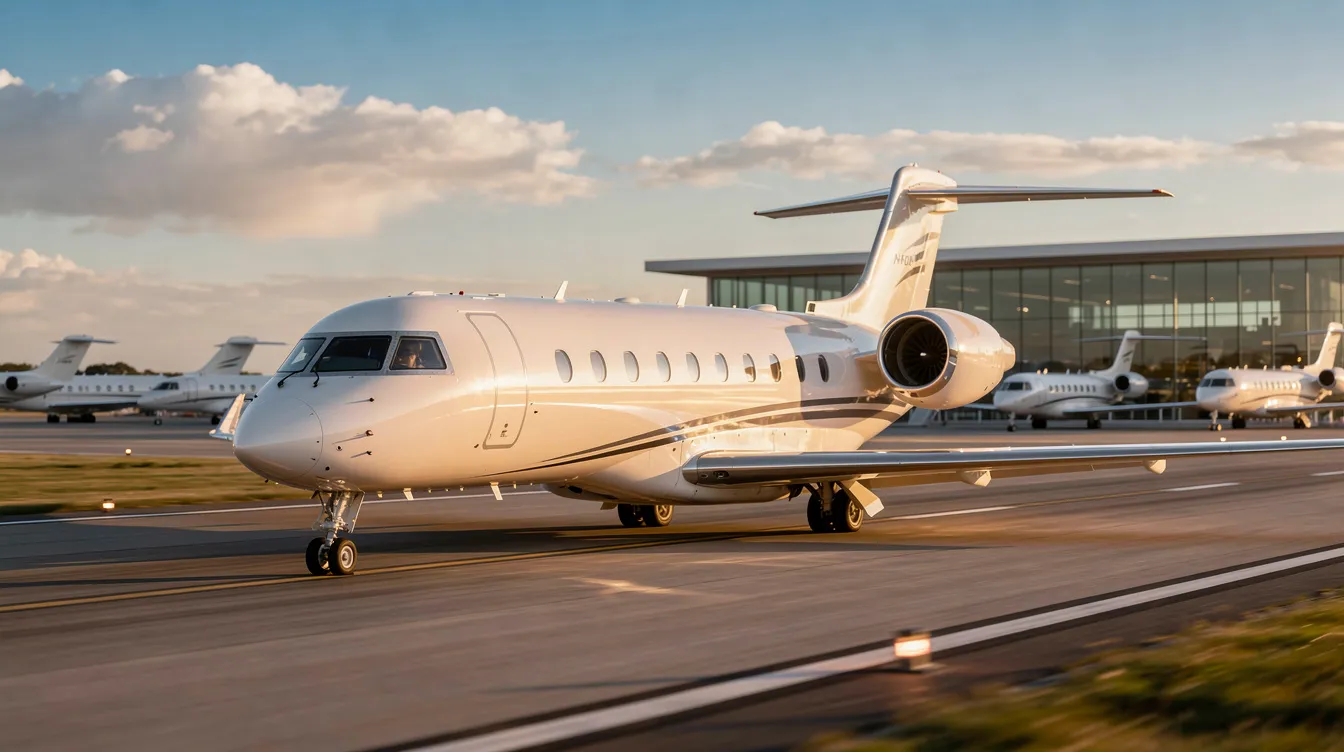
For executives and high-net-worth travelers, airline charter represents more than luxury—it’s a strategic advantage. The private aviation industry is a rapidly growing sector, with an estimated 15,000 business jets available for charter worldwide, and the US market leading as the largest. California stands out as a major hub for private aviation and charter operations in the US, serving as a key destination for both business and leisure travelers.
This article is intended for executives, high-net-worth individuals, and frequent travelers considering private aviation solutions. This comprehensive guide covers what airline charter is, how it works, the different types of charters, aircraft categories, safety and regulatory standards, sustainability initiatives, and how to choose the right provider for your needs.
Private jet charter services save an average of 3-5 hours door-to-door per trip compared to commercial first class, turning wasted transit time into productive hours or precious family moments. Passengers can often arrive just 15–30 minutes before departure for charter flights, highlighting the efficiency and convenience of the process.
What Is (and Why It Matters for High-Value Travelers)
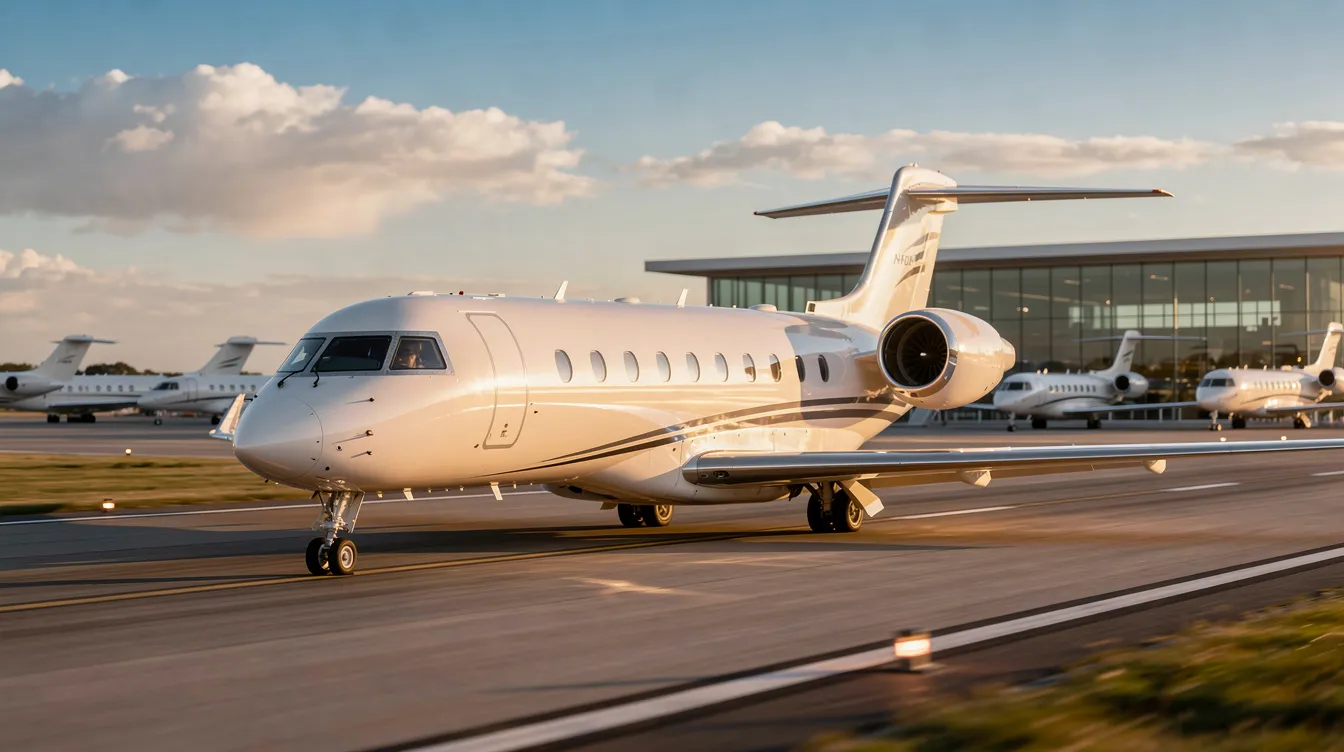
At its core, air charter means renting an entire plane rather than purchasing individual seats on scheduled flights. In the industry, this service is often called 'hire,' emphasizing the flexibility of renting an entire aircraft for your needs. While commercial carriers operate fixed routes and timetables, charter airlines—classified as direct air carriers—offer complete flexibility: you decide the departure time, choose your origin and arrival airports, and control the routing.
Charter services are categorized based on who pays for the flight and who is allowed to board, including private charters, public charters, and affinity charters. The entire aircraft is dedicated to your group, providing a private environment for business meetings or specialized travel.
Consider a weekday New York-to-Miami business trip. On commercial first class, you’re looking at roughly 10 hours door-to-door with security lines, connections, and wait times. A BlackJet charter compresses that to approximately 6 hours, with FBO (Fixed Base Operator) access eliminating crowded terminals entirely.
In the US, charter operations fall under FAA Part 135 regulations, which mandate rigorous pilot training, aircraft maintenance, and operational standards. Pilots are subject to strict training and certification requirements, and safety is a top priority for the industry, with regulatory authorities making enforcement a priority. Top charter operators also undergo third-party safety audits through ARGUS, Wyvern, and IS-BAO certification, ensuring elevated accountability beyond regulatory minimums.
Airline charters provide a non-scheduled alternative to traditional commercial aviation, tailored to the client's needs. Charter prices and safety standards are subject to regulatory compliance and market factors, making it essential to understand the distinctions between different types of charter flights and the protections involved.
This isn’t about indulgence. For travelers flying 25+ hours annually, airline charter becomes a time-optimization and privacy tool—enabling same-day productivity that commercial schedules simply cannot match, especially when you understand when chartering a private jet is worth it.
Comparison Aspect | Commercial First Class | BlackJet Airline Charter |
|---|
Door-to-door travel time | Approximately 10 hours | Approximately 6 hours |
Arrival time before flight | 2+ hours | 15–30 minutes |
Airport access | Major commercial airports only | Over 5,000 airports, including regional |
Privacy | Limited | The entire aircraft is dedicated to the group |
Scheduling flexibility | Fixed schedules | Client-defined departure and routing |
How Airline Charter Works in Practice
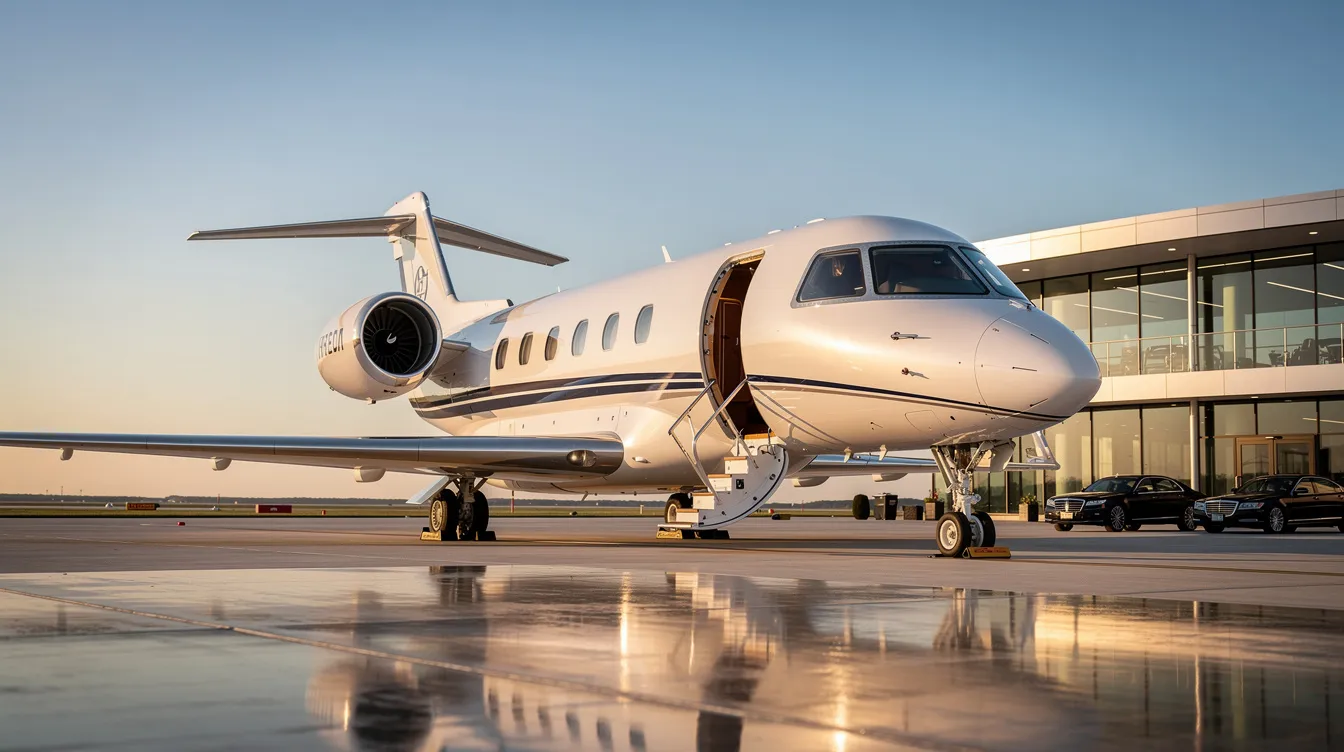
The booking process begins with a client request: sharing your route, date, travel needs, passenger count, and any special requirements. A charter operator or broker then matches suitable aircraft from their charter fleet, issues a tailored quote, confirms via contract, processes payment, and provides a pre-flight briefing covering weather, ground transport, customs, and arrival logistics. Clients choose a jet based on size and features, with luxury amenities and catering options tailored to their preferences. Charter pricing typically includes all baggage and in-flight amenities, such as catering, avoiding additional commercial fees.
A real-world example: A same-day Boston-to-Chicago board meeting. Departing 08:00 with six passengers, you arrive for 8 hours of meetings, then return by 19:30—all arranged within hours via BlackJet’s team, illustrating the core meaning of charter flights and how they work.
Typical use cases include, for those evaluating smaller missions or shorter hops, a range of scenarios where understanding how much it costs to charter a small plane can help align aircraft choice with budget:
Multi-city corporate roadshows (NYC-LA-SF in 48 hours)
Last-minute legal or medical team travel
Luxury weekend escapes to Aspen or the Caribbean
Special events like Super Bowl VIP shuttles
Key players in this ecosystem include certified charter operators (holding FAA Air Carrier Certificates), brokers who source flights from multiple operators, and jet card providers like BlackJet that guarantee prepaid access. Throughout, 24/7 support monitors flights in real-time, enabling reroutes when weather or ATC delays strike. For personalized assistance or to discuss your specific travel needs, contact our team directly.
Aircraft Categories in Airline Charter
The global business aviation fleet numbers approximately 23,000 jets and turboprops, with the US holding roughly 40% market share, Europe 25%, and rapid growth across Asia and the Middle East. Selecting the right aircraft depends on passenger count, route length, runway requirements at your destinations, and desired amenities. Charter aircraft categories include light jets, midsize jets, heavy jets, turboprops, and helicopters, each serving different travel needs and passenger capacities, including more budget-friendly private aircraft options for cost-conscious missions. Light jets are typically used for short-haul flights, seating 4-6 passengers, while heavy jets can accommodate 10-16+ passengers for longer international flights. Charters can land at over 5,000 U.S. airports—compared to roughly 500 served by commercial airlines—and can utilize smaller regional airports closer to your final destination, reducing ground travel time. Charter services are available in major cities worldwide, including popular destinations like Mexico, to meet the unique needs of travelers seeking flexibility and convenience, and programs like the BlackJet 25+ Hour Jet Card provide streamlined access across multiple cabin classes.
BlackJet’s 25+ Hour Jet Card provides access across multiple cabin classes on demand—no single aircraft commitment required.
Aircraft Category | Typical Range (Hours) | Passenger Capacity | Use Case Examples | Notable Models |
|---|
Light & Very Light Jets | 2–3 | 4–6 | Short hops like LA-Las Vegas | Embraer Phenom 100, Cessna Citation M2, HondaJet |
Midsize & Super-Midsize Jets | 4–5 | 6–9 | Business trips like NY-Dallas, London-Dubai | Cessna Citation XLS+, Bombardier Challenger 350, Gulfstream G280 |
Heavy & Long-Range Jets | 6+ | 10–16+ | Transcontinental/international flights | Gulfstream G650, Bombardier Global 7500, Dassault Falcon 8X |
Turboprops, Pistons & Helicopters | Short regional | Varies | Access to short runways, regional hops | Pilatus PC-12, King Air 350, various helicopter models |
Types of Airline Charter: From Public Charters to Exclusive Use
Charter terminology covers several distinct structures, often called private charters, public charters, and affinity charters, and these frameworks also extend to large charter planes for 100 passengers when corporations or groups need to move entire teams. Understanding what each is called helps clarify the regulatory and operational differences in the industry. BlackJet focuses on private, single-entity arrangements as opposed to other commercial or scheduled flights—delivering exclusivity and control that public charters cannot match. In the case of public charters, a person—meaning an individual, institution, or company—organizes and sells these flights, often as part of a travel or vacation package.
Charter Type | Description | Typical Use Case | Passenger Payment Model |
|---|
Private Charter | The entire aircraft is rented by an individual or a company | Corporate travel, family vacations | Single entity pays all costs |
Public Charter | Tour operators hire aircraft and sell seats to the public | Seasonal vacation packages, special event tours | Passengers pay individually |
Affinity Charter | Clubs or associations charter flights for members | Alumni groups, sports fans traveling together | Members pay individually |
Single-Entity Charter | Entire aircraft chartered by one entity, no seat sales | Sports teams, company groups | Single entity pays all costs |
Jet Cards vs On-Demand Charter vs Ownership
Frequent flyers face a strategic decision: how to secure private aviation access efficiently, which starts with understanding overall jet card cost and membership pricing.
On-demand charter works for travelers flying under 25 hours annually—pay-per-trip with variable rates, though availability and pricing fluctuate during peak periods, and some travelers instead explore how to buy a seat on a private jet via shared or semi-private models when full-aircraft charter isn’t required.
Jet Cards like BlackJet’s 25-hour and 50-hour programs offer prepaid blocks at fixed or capped hourly rates, guaranteed availability, and simplified booking, and a clear grasp of jet card cost per hour and broader jet card pricing structures helps frequent travelers choose the right structure. For 50 hours annually, a Jet Card typically costs approximately $300,000 fixed versus $350,000+ variable for on-demand, aligning with broader market benchmarks for 50-hour jet card cost and value.
Fractional ownership requires equity stakes plus monthly management fees and depreciation risk. Full ownership demands $1M+ acquisition plus $500K annual operating costs, making it important to benchmark these commitments against options such as NetJets jet card cost and similar membership models.
For most frequent travelers, Jet Cards deliver optimal value without ownership complexity, especially when you compare the best jet cards for frequent flyers by benefits, fine print, and service levels.
Access Model | Cost Structure | Commitment Level | Benefits | Ideal For |
|---|
On-Demand Charter | Pay per trip, variable pricing | None | Flexibility, no upfront cost | Infrequent travelers (<25 hrs/yr) |
Jet Cards | Prepaid hours at fixed/capped rates | Medium (25-50 hrs) | Guaranteed availability, simplified booking | Frequent travelers (25-50 hrs/yr) |
Fractional Ownership | Equity stake + monthly fees | High | Dedicated aircraft, equity benefits | Very frequent travelers (>50 hrs/yr) |
Full Ownership | Purchase + high operating costs | Very High | Full control, asset ownership | Ultra-high frequency, large budgets |
Safety, Certification, and Security in Airline Charter
Safety and regulatory compliance are non-negotiable for premium private aviation. FAA Part 135 certification establishes baseline standards, while third-party audits from ARGUS Platinum and Wyvern Wingman identify the top 10% of operators. IS-BAO provides global safety benchmarks. The FAA has made cracking down on unauthorized charter flights a high priority, increasing enforcement efforts and regulatory focus within the air charter industry.
Pilot standards require minimum flight hours (typically 1,200+ for Part 135, with BlackJet partners averaging 5,000+), type ratings for specific aircraft, and recurrent simulator training.
BlackJet curates its network exclusively with operators meeting or exceeding top-tier benchmarks—maintaining continuous safety oversight. FBO access provides additional security benefits: discreet handling, identity verification, and zero exposure to crowded commercial terminals.
The aviation industry accounts for approximately 2-3% of global carbon emissions, driving a concerted effort toward adopting more sustainable practices.
Operational Reliability & Real-Time Support
Weather, ATC constraints, and airport congestion affect even private flights—but charter offers flexibility commercial schedules cannot, especially when paired with strategies to fly private more affordably through empty legs, cheapest private jet options, and smart membership use. BlackJet’s operations team monitors flights in real-time, coordinates with FBOs, and arranges aircraft substitutions when necessary.
Example: Diverting from Teterboro to White Plains due to slot constraints while seamlessly adjusting the client’s ground transfer—minimizing delays to under 90 minutes.
Sustainability and Carbon-Neutral Airline Charter
Private aviation’s carbon footprint draws scrutiny—but leading providers are addressing it directly, as reflected in many of the top private jet charter companies in the USA. Carbon offsetting measures emissions per flight and invests in verified reduction projects (reforestation, renewable energy) to neutralize the impact.
BlackJet ensures every flight arranged through its Jet Card programs is carbon neutral by default, at no additional cost to members, which is increasingly factored into jet card pricing and benefit comparisons for environmentally conscious travelers. Sustainable aviation fuel (SAF) is gaining ground at major airports, including Los Angeles, Amsterdam, and London, with 5-10% blends becoming standard by 2025.
How BlackJet Embeds Sustainability into the Experience
Carbon emissions are calculated per sector and automatically offset for every BlackJet member flight through Gold Standard verified projects—including reforestation initiatives and wind power investments across North and South America.
Members can view sustainability reports and flight-by-flight carbon data through the BlackJet digital platform, making environmental responsibility effortless and transparent while still benchmarking providers against top private jet charter companies in the USA on safety, fleet diversity, and innovation, particularly when evaluating 25-hour jet card features and costs.
Choosing the Right Airline Charter Partner
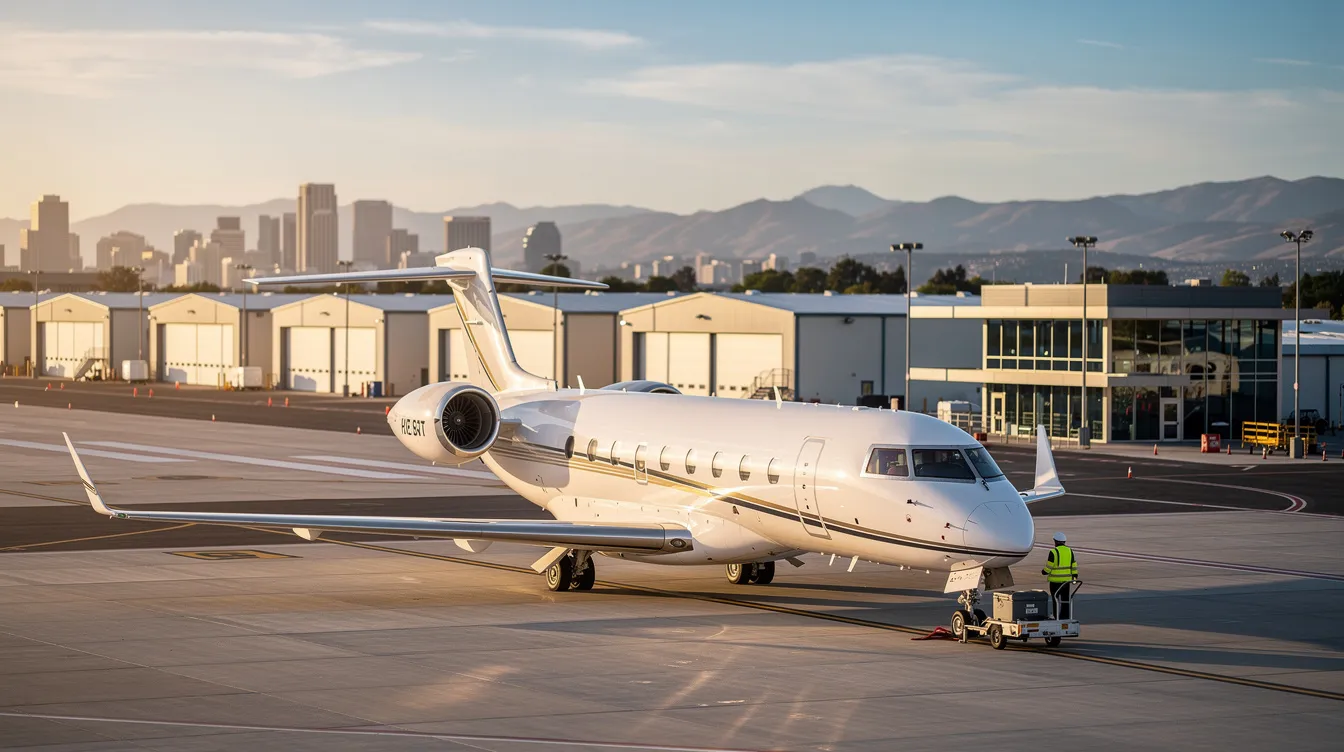
Discerning travelers should evaluate potential partners across several criteria:
Safety record: ARGUS/Wyvern ratings, pilot experience minimums
Aircraft access: Charter fleet diversity and guaranteed availability across everything from light jets to private jets for 20 passengers and even private jets for 50 passengers
Pricing transparency: Fixed rates versus variable surcharges; charter pricing is subject to various factors, and price comparisons should consider all included amenities and services. Chartering for large groups can be financially competitive when factoring in total costs such as hotel stays and ground transportation.
Technology: Mobile booking and real-time support capabilities
Sustainability: Verified offset programs and SAF availability
BlackJet’s curated operator network, predictable Jet Card pricing, and carbon-neutral commitment distinguish it from purely on-demand brokers, where standards vary between trips, reflecting the broader suite of premium private jet card programs from BlackJet.
Questions to ask any provider: What’s your ARGUS score? What pilot minimums do you require? How is carbon neutrality delivered and verified?
For travelers ready to make airline charter a stable, strategic component of their travel planning, BlackJet’s Jet Card programs offer the access, reliability, and responsibility that today’s demanding schedules require.
Discover how BlackJet can reshape your travel. Visit the BlackJet website to learn more or explore the benefits of our programs.
Conclusion: Elevate Your Travel with BlackJet Airline Charter
Airline charter is more than a mode of transportation—it is a strategic asset for executives and discerning travelers who value time, privacy, and safety without compromise. BlackJet’s commitment to rigorous safety standards, sustainability through verified carbon offsetting, and cutting-edge technology ensures every journey is seamless, secure, and responsible.
With flexible Jet Card programs providing guaranteed access to a diverse fleet and 24/7 real-time support, BlackJet transforms private aviation from a luxury into an essential tool for productivity and lifestyle elevation. Whether you need a last-minute business trip, a multi-city roadshow, or a family vacation, BlackJet delivers unmatched convenience and exclusivity.
Explore how BlackJet’s premium airline charter services can redefine your travel experience. Visit blackjet.com today to join our Jet Card program or evaluate a 100-hour jet card cost guide and unlock effortless, carbon-neutral private jet access tailored to your unique needs.


 Sign up with google
 Sign up with Apple