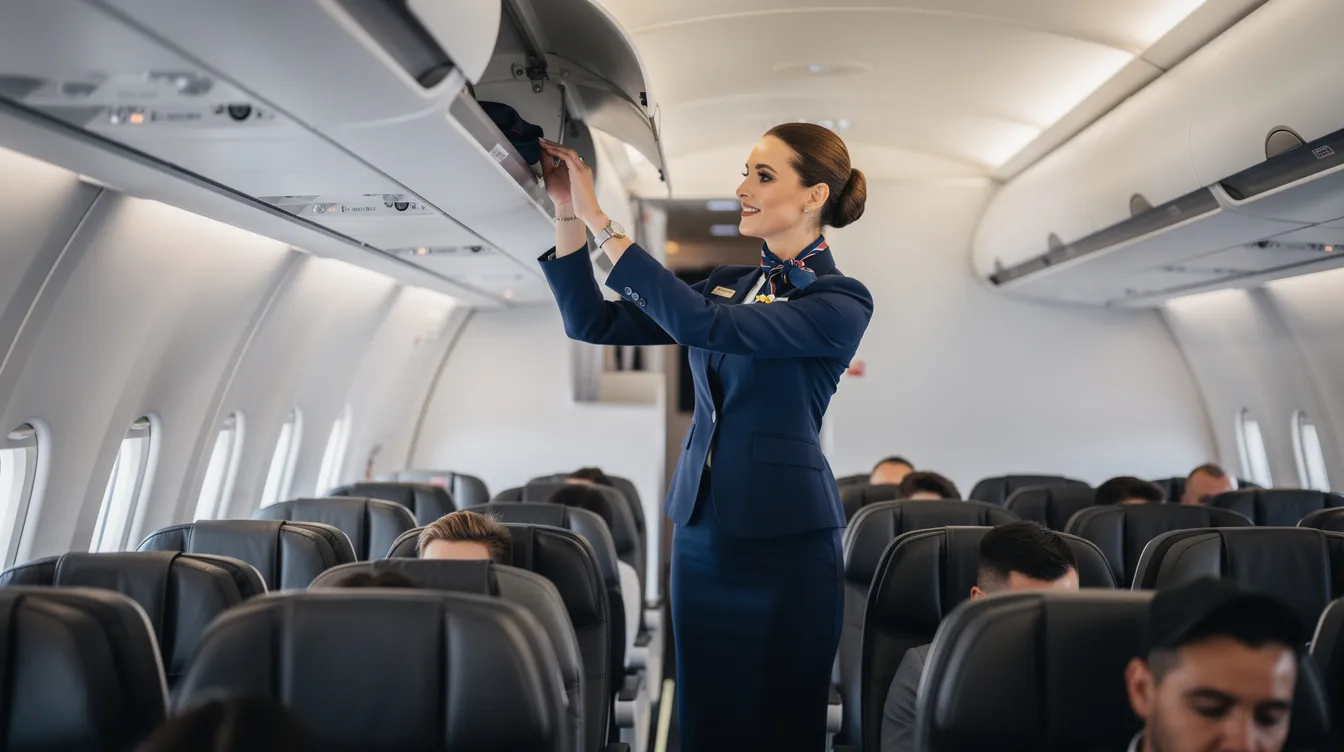
The American Airlines flight attendant role is one of the most recognized positions in commercial aviation, blending passenger safety, in-flight service, and hospitality across cabin classes under strict operating standards. For travelers who regularly fly American, aspiring flight attendants, frequent flyers curious about how the job works, and professionals considering a move from commercial to private aviation, understanding that role gives useful context for what happens on board and what higher-touch service can look like beyond the airlines.
From there, the comparison becomes practical: this guide looks at what American Airlines flight attendants do, how training, hiring, qualifications, scheduling, and compensation work, and where commercial cabin service differs from the more personalized experience of private aviation. For readers who already know the commercial model, that makes it easier to see how providers like BlackJet elevate the flight experience when the entire aircraft is yours.
Why Flight Attendants Matter More in Private Aviation
On a typical American Airlines flight, a single flight attendant may manage dozens of passengers across Main Cabin, Premium Economy, or Business Class. The service is standardized, efficient, and designed for scale. In private aviation, the dynamic reverses entirely. A cabin attendant serving 2–12 guests can tailor every detail—meal timing, beverage preferences, cabin temperature, entertainment—to each person on board.
Consider the operational differences between commercial cabins and a BlackJet private flight:
Boarding time: Commercial travelers arrive 60–90 minutes before departure; private jet passengers often board just 20–30 minutes prior.
Security: Commercial fliers navigate general TSA lines; private travelers use expedited FBO screening with minimal wait.
Onboard attention: One attendant among dozens on a commercial flight versus a dedicated crew member focused entirely on a small party.
Many high-caliber private jet cabin attendants started their career as an American Airlines flight attendant or with other airlines, leveraging rigorous safety training in a more exclusive environment. For travelers accustomed to American Airlines First or Business Class, BlackJet represents the next level—full privacy, bespoke flexibility, and control over every element of the journey, with premium private jet cards and Jet Card programs designed for predictable access and transparent pricing.
American Airlines Flight Attendant Role: Core Duties & Lifestyle
Flight attendants must balance two mandates simultaneously: safety and service. Before every departure, they conduct pre-flight safety briefings with pilots, inspect emergency equipment like life vests and exit slides, and run through FAA-mandated demonstrations. Mid-flight duties include managing service carts, distributing meals and beverages, assisting passengers with special needs, and monitoring the cabin for turbulence or disruptions. On international trips, the workload increases with multi-course dining, customs paperwork, and multilingual announcements.
The lifestyle is anything but predictable. New flight attendants typically work nights, red-eyes, weekends, and holidays. For the first two or more years, most are on reserve, on call with little notice. They report to bases like Dallas-Fort Worth, Miami, Charlotte, or Boston, often commuting from distant cities. Flight attendants are also trained to handle medical emergencies, diversions, and disruptive passengers—skills that translate directly to the demands of private aviation. Travelers who understand these physical demands and the discipline behind each American Airlines flight can better appreciate the heightened, personalized service a dedicated cabin attendant delivers on a BlackJet private flight.
Qualifications & Requirements: American Airlines vs. Private Jet Standards
Many people researching the American Airlines flight attendant position want to understand eligibility, and candidates who meet the listed job requirements are eligible to apply. Here are the concrete requirements, contrasted with what luxury private aviation clients should expect from their crews.
American Airlines basics:
Applicants must be at least 20 years old
A high school diploma or GED is required, so applicants do not need to spend time or money pursuing a four-year degree for this role
Candidates need at least two years of customer service experience
A valid U.S. or foreign passport (current hiring cycles require validity through at least 2027)
Legal authorization to work in the U.S.
There is no rigid height requirement, but flight attendants must fit in the jumpseat, fasten the harness, navigate the aisle, operate emergency exits, and lift up to 50 pounds to stow luggage and close overhead bins. Professional appearance standards govern visible tattoos, body art, facial piercings, and facial hair—policies that mirror the polished, understated aesthetic expected in private cabins as well.
BlackJet's expectations for cabin crew go further: all commercial-grade safety training plus discreet VIP service, fine-dining presentation, familiarity with wines and premium catering, and comfort interacting with UHNW families and C-suite executives—standards that mirror top private plane stewardess jobs across elite business aviation. For travelers evaluating any operator, American Airlines' stringent standards serve as a reliable baseline for professionalism—and BlackJet partners only with operators and crews meeting or exceeding that bar.
The American Airlines Hiring Journey & Flight Attendant Training
The hiring process for the flight attendant trainee opening at American Airlines is multi-layered and competitive. Successfully completing each stage—from the initial application process to earning wings in Dallas-Fort Worth—produces crew members whose safety discipline benefits every person who flies.
The hiring journey follows a structured path:
Online application and assessment - candidates must complete an online assessment after applying
Recorded introduction video - candidates must submit a recorded introduction video showcasing communication skills
Virtual group interview - a "crew-style" evaluation of teamwork and situational questions
In-person interview and in-person experience - after the virtual group interview, candidates who advance attend the training center near Fort Worth for an in-person interview, where they meet members of the team during the experience and may receive a conditional job offer
Flight attendant training lasts approximately six to seven weeks at the Robert L. Crandall Campus in the Dallas-Fort Worth area. Training is unpaid, but food and lodging are provided—single-occupancy rooms, three meals per day, and amenities like fitness centers and communal study areas. Training includes classroom, online, and hands-on components: operating doors and slides, firefighting drills, decompression scenarios, CPR and first-aid modules, and supervised operational experience flights. Base assignments occur during the third week of training, and flight attendants report to their assigned base within five days after training. Successful candidates begin training in 2027 under the current cycle.
Many BlackJet flights are crewed by pilots and cabin attendants who completed similar or more advanced commercial training before going through additional VIP-service programs specific to business aviation, stepping into compensation bands similar to those outlined in private jet pilot salary guides.
Bases, Scheduling & Life on Reserve: Dallas–Fort Worth and Beyond
American Airlines assigns new flight attendants to crew bases—Dallas– Fort Worth, Miami, Charlotte, Phoenix, Los Angeles, and others—usually during training. Many must relocate or commute at their own expense to cover expenses associated with living near their assigned base.
"Reserve" means spending the first two years (or longer) on call. Understanding flight attendant schedules reveals the complexity: 12-hour Reserve Availability Periods, airport standby shifts, and short-notice trip assignments governed by seniority and operational needs. Schedule guarantees hover around 75 flight-hour minimums per month for reserve, with roughly 12 days off—though weekends and holidays are standard working days. Flight attendants often miss personal events due to scheduling constraints. With seniority, flight attendants can customize their schedules, bid for open trips, and gain career advancement into preferred routes and destinations served.
From the passenger's perspective, this complexity explains why commercial premium cabins—though comfortable—cannot match fully on-demand flexibility, which is exactly what the best Jet Cards for frequent flyers are designed to deliver. While commercial crews juggle seniority-based rosters, BlackJet members enjoy aircraft scheduled around their preferred departure time, not the other way around. A Jet Card model eliminates the scheduling friction entirely, and products like the BlackJet 25+ Hour Jet Card lock in fixed hourly rates with guaranteed aircraft categories.
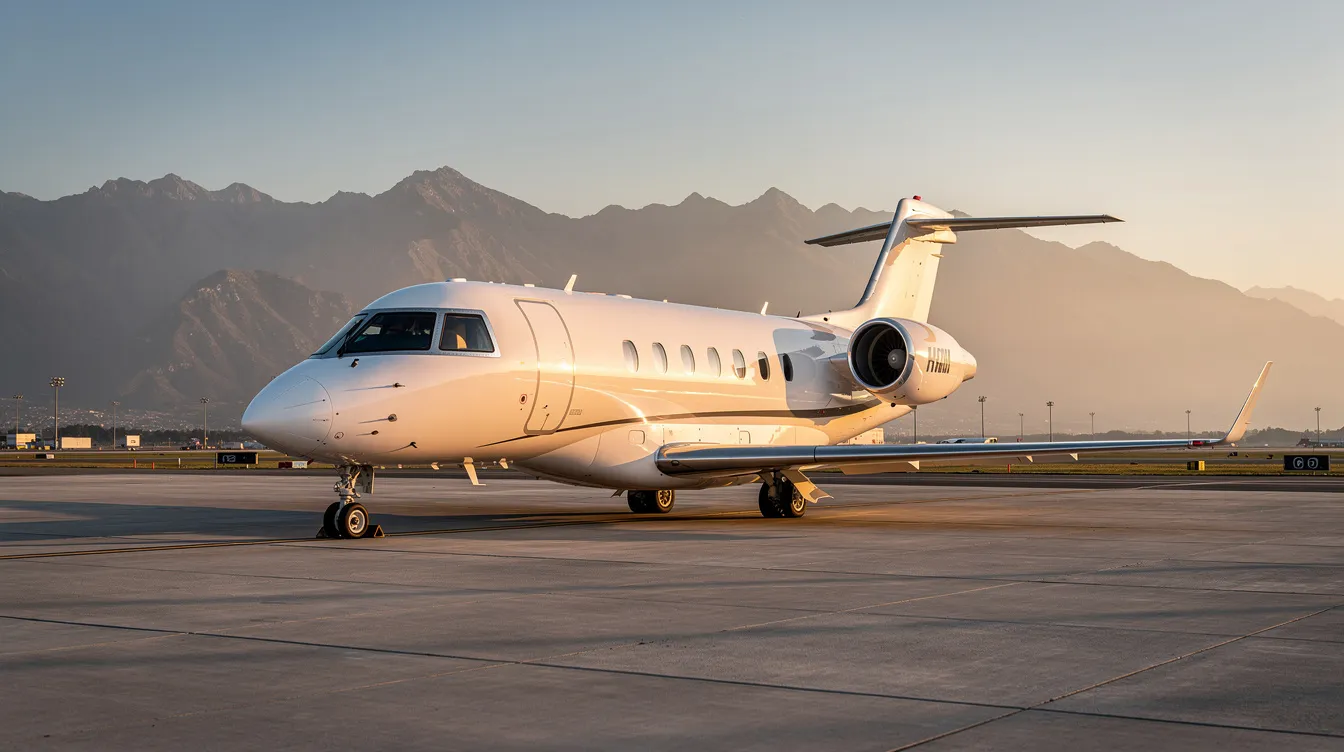
Pay, Benefits & Perks: From Free Flights to Private Jet Access
Compensation is a central question for anyone researching the flight attendant position or comparing commercial premium cabins to private aviation. The national median wage for U.S. flight attendants sits at approximately $63,580 per year. At American Airlines in the Dallas-Fort Worth area, reported averages cluster around $54,053 annually, with pay ranging from under $30,000 for a new hire to over $140,000 for senior crew on international routes. Flight attendants can experience significant career growth over time as seniority unlocks higher pay, better routes, and scheduling control.
American Airlines offers health insurance and a 401k plan with company match, wellness programs, paid sick time, holiday pay, and other benefits. Flight attendants receive free standby travel benefits and can access travel privileges to destinations across the airline's network, including service to 11 countries. However, flight attendants can access standby travel but not guaranteed seats; flexibility, advance planning, and acceptance of last-minute changes are required.
High-net-worth individuals who start in commercial premium cabins often reach a tipping point: after experiencing standby limitations and fixed schedules, they move to private jet charter or Jet Cards for guaranteed departure times and aircraft availability—choices best evaluated with an overview of private jet price lists and options. With BlackJet, travelers don't earn free flights by working them—they prepay for guaranteed access, gaining predictable cost structures, guaranteed aircraft categories, and carbon-neutral flights without standby uncertainty.
Frequently Asked Questions (FAQs) About American Airlines Flight Attendants and Private Jet Service
What are the minimum qualifications to become an American Airlines flight attendant?
Applicants must be at least 20 years old, have a high school diploma or GED, and possess at least two years of customer service experience. A valid U.S. or foreign passport and legal work authorization in the U.S. are also required.
How long is the flight attendant training at American Airlines?
Training lasts approximately six to seven weeks and includes classroom, online, and hands-on components. It is unpaid, but food and lodging are provided during this period.
What is the lifestyle like for new American Airlines flight attendants?
Most new flight attendants spend their first two or more years on reserve, meaning they must be available on short notice and often work nights, weekends, and holidays. Scheduling improves with seniority.
Are there height or physical requirements for American Airlines flight attendants?
There is no strict height requirement, but attendants must be able to safely fit in the jumpseat, fasten the harness, navigate the cabin, operate emergency exits, and lift up to 50 pounds.
How does private jet cabin service differ from commercial airline service?
Private jet attendants serve fewer passengers, allowing for fully personalized service including customized dining, flexible schedules, and attention to individual preferences, unlike the standardized service on commercial flights.
What benefits do American Airlines flight attendants receive?
Benefits include health insurance, a 401(k) with company match, paid sick time, holiday pay, and free standby travel privileges across the airline’s network.
Can American Airlines flight attendants transfer bases?
After completing a six-month probationary period, flight attendants may request transfers based on seniority and operational needs.
How does BlackJet enhance the flight experience beyond commercial airlines?
BlackJet offers guaranteed aircraft availability through Jet Card programs, carbon-neutral flights, 24/7 digital booking, real-time support, and crews trained to provide VIP-level personalized service.
Are tattoos and piercings allowed for American Airlines flight attendants?
Visible tattoos and facial piercings are not permitted while on duty. Appearance standards are strictly enforced throughout the hiring process and employment.
What should candidates expect during the American Airlines flight attendant hiring process?
The process includes an online application and assessment, a recorded introduction video, a virtual group interview, an in-person interview and experience, followed by training if selected.
How soon do flight attendants report to their base after training?
Flight attendants typically report to their assigned base within five days after completing training.
How does standby travel work for American Airlines flight attendants?
Flight attendants have access to free standby travel but seats are not guaranteed, requiring flexibility and advance planning.
How does the Jet Card model benefit frequent travelers?
Jet Cards provide prepaid access to private jets with guaranteed availability, flexible scheduling, multiple cabin options, and eliminate the uncertainties of commercial standby travel.
What safety standards do private jet operators meet?
BlackJet partners with operators who meet top-tier safety certifications, ensuring rigorous compliance with aviation safety protocols.
Can flight attendants use multiple languages during their career?
While not required, multilingual skills can open additional opportunities and routes, especially on international flights.
Explore how BlackJet can elevate your travel experience with exclusive Jet Card programs designed for discerning travelers seeking unparalleled convenience, safety, and luxury.
From Commercial Cabins to BlackJet: How Private Jet Access Changes the Journey
Imagine an executive who flies American Airlines between New York and Dallas Fort Worth several times per month. Each trip involves arriving two hours early, navigating airport security, and hoping for an upgrade. Now picture that same person with a BlackJet 25-hour Jet Card: departing Teterboro or Westchester on their schedule, boarding 20 minutes before takeoff, and landing at Love Field steps from downtown Dallas—after having reviewed a comprehensive guide to 100 hour Jet Card costs to understand how different block-hour commitments compare.
Private jet flights offer direct routing to secondary airports closer to meetings, no TSA lines, and the same cabin attendants focused solely on a small party, all while maintaining the rigorous standards described in analyses of whether private jets are safe and how risks are managed. Aircraft categories—light, midsize, super-midsize, and large-cabin—deliver more legroom, flat floors, conference-style seating, and quiet cabins that no commercial narrow-body can match; guides to understanding private jet sizes and types of private jets for every traveler help match each mission to the right cabin. Jet Card programs typically include multiple cabin types and flexible booking options, giving travelers access to the best small private aircraft for different needs without owning a plane outright.
BlackJet's pillars reinforce every flight: safety certifications are essential, with partner operators meeting top-tier standards; technology delivers 24/7 digital booking tools and real-time support; and sustainability means carbon-neutral flights calculated per mission at no extra cost—all in a competitive landscape that includes top private jet companies for luxury travel and service. Frequent travelers prefer the privacy and convenience of private aviation services—and while competitors like Wheels Up and NetJets serve parts of this world, BlackJet's combination of safety, technology, and sustainability sets it apart.
Former commercial flight attendants—many from carriers like American Airlines and other airlines—bring that same safety discipline to private jet cabins, where they now offer personalized dining, customized amenities, and discreet, one-to-one service for every person on board, whether a client charters the full aircraft or simply buys a seat on a private jet through shared or semi-private models.
For readers who know the American Airlines flight attendant world—whether as passengers, aspiring crew, or frequent flyers ready to expect more—explore how BlackJet's Jet Card programs can transform every future trip from simply efficient to truly effortless. Join a community where every journey is planned around your life, not an airline's schedule.


 Sign up with google
 Sign up with Apple