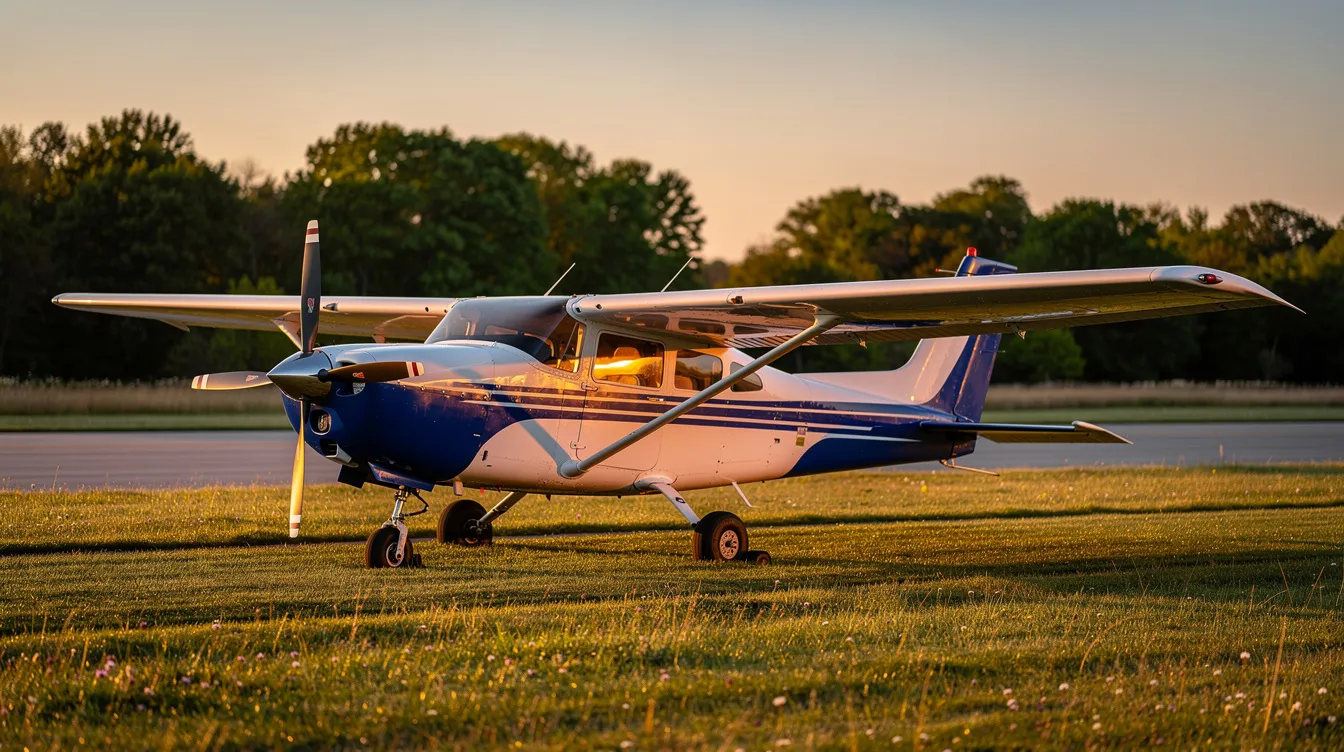
There is a distinct thrill to flying an aircraft you built in your garage, lifting off a grass strip at sunrise, and cruising a few hundred feet above the countryside with nothing between you and the air but a fabric wing and a small engine. If you're searching for the best ultralights available in 2026, this guide will help you choose the right aircraft. Ultralight aviation offers exactly that—pure, personal, unfiltered flight. This guide is for aspiring pilots, aviation enthusiasts, and anyone interested in exploring the best ultralight aircraft options for recreational flying or personal adventure. Understanding the differences between ultralight and light sport aircraft is essential for safe, legal, and enjoyable flying. But choosing the right machine from dozens of models spanning true Part 103 single-seaters to high-performance light sport aircraft can feel overwhelming. This guide breaks down the best ultralight aircraft available in 2026, compares the regulations that govern them, and helps you decide which design fits your flying style, skill level, and budget.
Key Takeaways: Best Ultralight Aircraft Right Now
So what are the best ultralight aircraft in 2026? The answer depends on whether you want a no-license, no-registration Part 103 machine for weekend fun or a faster, two-seat light sport aircraft capable of meaningful cross-country legs. Under current FAA rules, ultralight aircraft must weigh less than 254 pounds empty, cannot exceed a top speed of 63 mph, and pilots do not need a license to fly ultralight aircraft that meet full Part 103 compliance. That means you can be airborne—legally—with less paperwork than it takes to register a car.
For those who want more speed, range, or a passenger seat, light sport aircraft offer a step up, though they require at least a sport pilot certificate and aircraft registration.
Here are the standout models worth your attention right now:
Jordan Lake Air-Bike 103 - The most affordable entry into fixed-wing ultralight flying, with kits starting at $6,995
Thunder Gull 2000 - Best enclosed-cabin ride in a Part 103 package, with a smooth, stable airframe
Composite FX XEL Helicopter - A rotorcraft option weighing 312 pounds, bridging ultralight and experimental categories
Aero-Works Aerolite 103 - A modern Part 103 icon available as a quick-build kit with strong community support
CGS Hawk Arrow II - Heritage tandem two-seater with decades of refinement
Rans S-21 Outbound - One of the fastest ultralight-style LSAs on the market, with cruise speeds exceeding 130 knots
Merlin Lite - A fully enclosed, all-metal single-seat Part 103 aircraft that challenges expectations of what a true ultralight can look like
The distinction matters: models like the Air-Bike 103 and Aerolite 103 qualify as true Part 103 ultralights—no pilot's license, no FAA registration, no medical certificate required. The Rans S-21 and CGS Hawk Arrow II sit in the light sport or experimental amateur-built category, requiring formal certification and training.
For BlackJet members, this spectrum is familiar territory. Many of our jet card holders started their aviation journey in sport or ultralight flying—drawn to the hands-on joy of a small plane—and later adopted premium private jet card programs for speed, range, and business efficiency. The two pursuits complement each other: one is about savoring flight itself, the other about leveraging flight as a strategic tool.
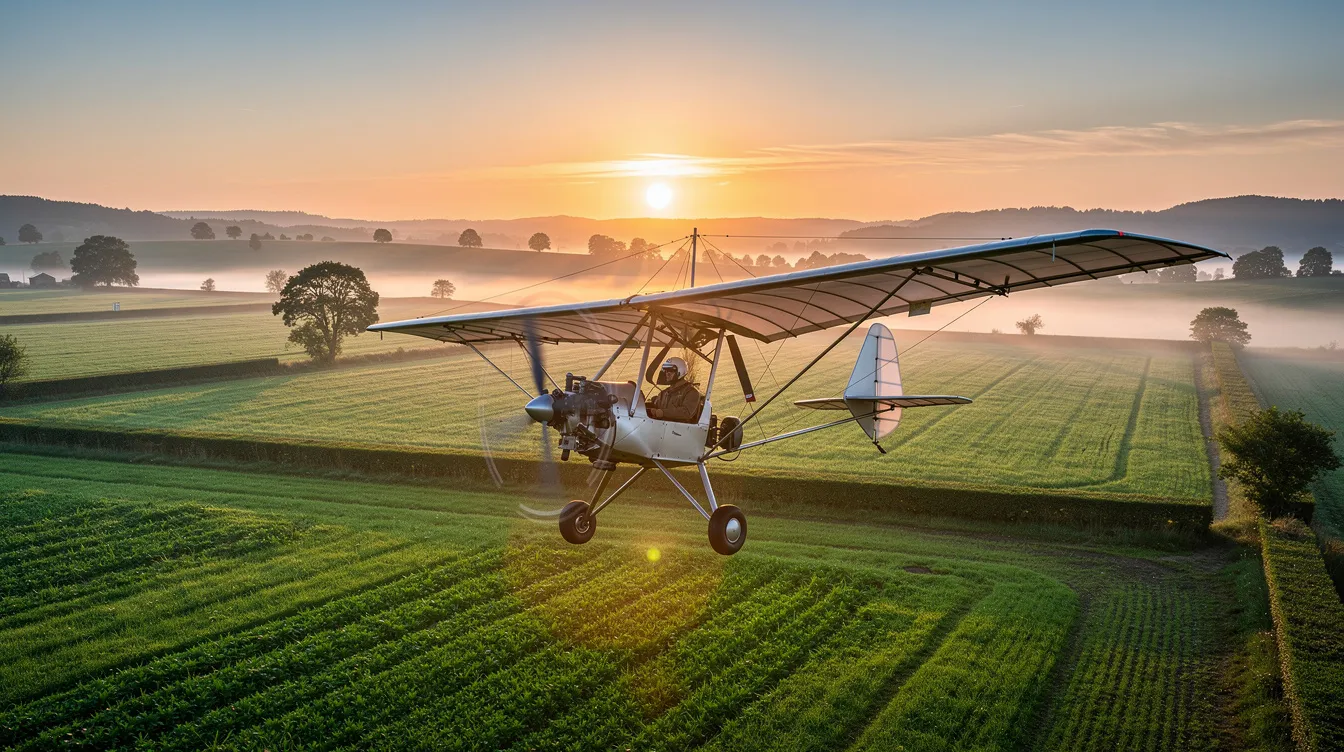
What Counts as an Ultralight Aircraft in the U.S. (Part 103 vs Light Sport)
An ultralight aircraft, as defined by FAA Part 103 regulations, is a single-seat vehicle used exclusively for recreational flying, with a maximum empty weight of 254 pounds, a top speed of 63 mph, and does not require FAA registration or a pilot's license. Light sport aircraft are typically two-seat designs with higher weight limits and require registration and a sport pilot certificate.
FAA Part 103 regulations define the requirements for ultralight aircraft in the United States.
Understanding the regulatory landscape is the first step for any would-be pilot considering ultralight or light sport flying. The FAA draws a clear line between two categories of small aircraft, and the rules governing each have significant implications for licensing, registration, and what you can actually do in the air.
Category | Definition & Requirements |
|---|
Ultralight Aircraft | Single seat, recreational only, max empty weight 254 lb, max speed 63 mph, no FAA registration, no pilot's license needed. |
Light Sport Aircraft | Typically, two seats, max gross weight 1,320 lb (landplanes), require registration and a sport pilot certificate. |
FAA Part 103 - True Ultralights:
Single seat only, used exclusively for recreational flying
Maximum empty weight of 254 pounds (excluding floats and safety devices)
Top-level flight speed is limited to 55 knots (approximately 63 mph)
Power-off stall speed no greater than 24 knots (about 28 mph)
Fuel capacity capped at 5 U.S. gallons
Ultralight aircraft do not require FAA registration under Part 103, and no pilot certificate or medical certificate is needed
Light Sport Aircraft (LSA):
Typically, two-seat designs with a maximum gross weight of 1,320 pounds for landplanes (1,430 pounds for seaplanes)
Require at minimum a sport pilot certificate under FAA Parts 61 and 91
Must carry an airworthiness certificate and N-number registration
Stall speed limits apply (generally ≤ 45 knots for LSA compliance)
Many so-called "best ultralight aircraft" lists blend both categories. You will see Part 103 fixed-wing machines alongside heavier sport planes that technically fall into LSA or experimental categories—like the Rans S-21 Outbound, which is arguably one of the fastest ultralight-style aircraft discussed in aviation media today.
Why stall speed matters: Even when not legally mandated above certain altitudes, a lower stall speed translates to slower landings, greater margin in crosswinds, and reduced risk of inadvertent stalls. For Part 103 machines, the 24-knot stall speed limit is a hard FAA rule. For LSAs, stall speed affects insurance rates, training requirements, and practical safety margins—all of which should factor into your decision.
Regional differences also exist. European microlight aviation categories often permit two seats, heavier maximum empty weight limits, and significantly faster designs. Czech manufacturers like TL Ultralight produce high-performance composite LSAs (the TL-3000 Sirius, for instance) that cruise well above U.S. Part 103 speed limits. But for United States ultralight association members and U.S.-based flyers, Part 103 and LSA remain the governing frameworks.
Top Single-Seat Ultralights You Can Fly Without a Pilot's License
These are the aircraft that define ultralight aviation at its purest: single-seat, Part 103-compliant or near-compliant machines designed for recreational flying. No passengers, modest range, and operating costs measured in single-digit gallons per hour, which is why ultralight aircraft fly mostly local recreational missions so efficiently. They fly an ultralight mission—low and slow, close to home, purely for the joy of it.
Here are the models that stand out:
Jordan Lake Air-Bike 103 - Open cockpit, tube-and-fabric, motorcycle-like simplicity
Aero-Works Aerolite 103 - Long-standing Part 103 staple with quick-build kit option
Merlin Lite - Fully enclosed all-metal design that redefines Part 103 expectations
Thunder Gull 2000 - Enclosed cabin, smooth ride, competitive flight performance within ultralight limits
North Wing Maverick 2 Legend - A trike configuration for pilots drawn to weight-shift control
Each represents a different philosophy. The Air-Bike is stripped to essentials with rudder pedals mounted outside the cockpit. The Thunder Gull offers weather protection and a more conventional airplane feel. The Maverick is a trike—a powered hang-glider-style aircraft that requires different piloting skills and thrives in calm air.
While a pilot's license is not legally required for compliant Part 103 aircraft, proper training and disciplined safety habits are highly recommended. The early days of ultralight aviation saw too many preventable accidents from untrained pilots. Modern instruction through EAA chapters and ultralight-focused schools is widely available and well worth the investment.
These machines are about low and slow enjoyment. BlackJet's private aircraft access is about speed, range, and schedule control—two complementary ends of the aviation spectrum for enthusiasts and executives alike.
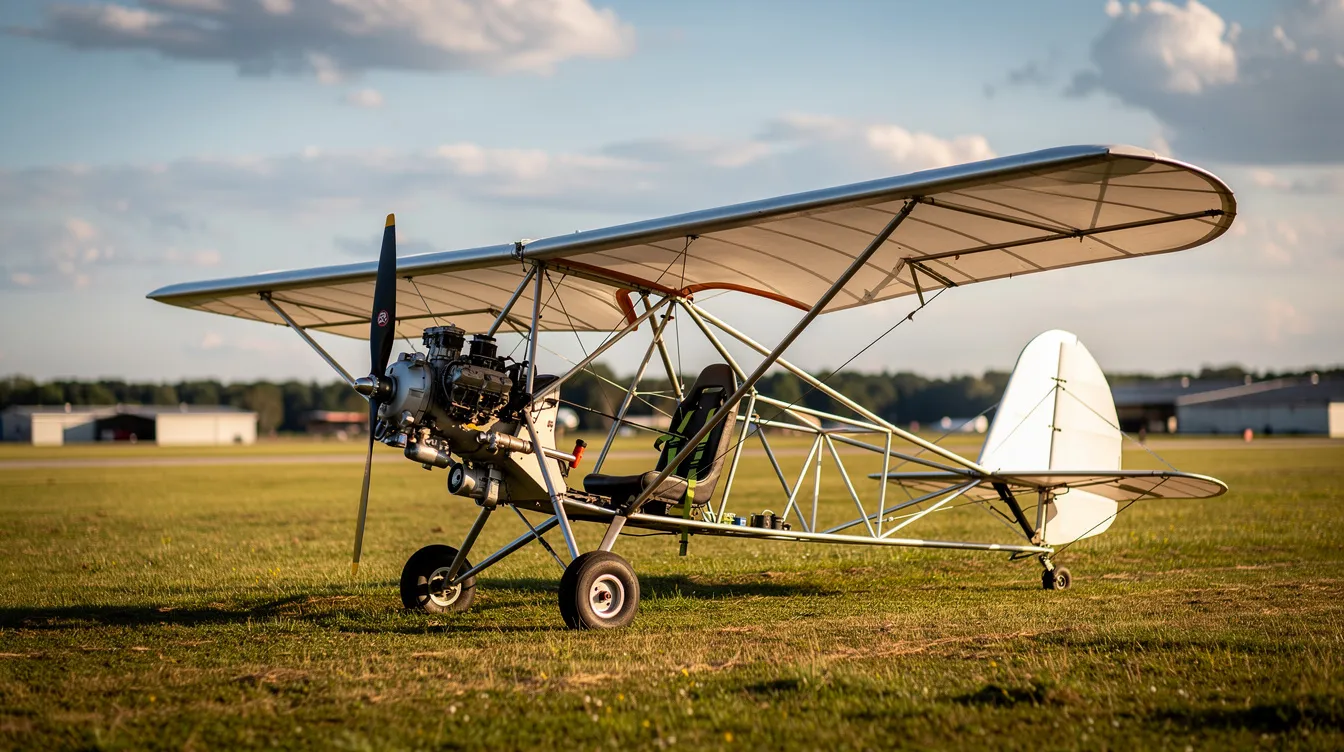
Jordan Lake Air-Bike 103 and LS
The Jordan Lake Air-Bike 103 is one of the most distinctive aircraft in ultralight aviation—and one of the most affordable. Originally designed in the mid-1990s and revived by Jordan Lake Aero, it looks more like a flying motorcycle than a conventional plane.
Design concept: Outside-mounted rudder pedals, open cockpit, classic tube-and-fabric construction. Durable fabrics such as Dyneema or high-denier nylon are preferred for ultralight gear and coverings on aircraft like this. The airframe is minimalist by intent—every gram of extra weight is scrutinized.
Part 103 compliance: The Air-Bike 103 is configured to meet Part 103 empty weight limits with lightweight engine choices (typically small two-stroke units). The Air-Bike LS is a slightly heavier single-seat variant suited to the experimental category, offering more power and flexibility.
Performance: Estimated cruise speed around 50–60 mph, stall speed well within Part 103 limits, and a practical range of roughly 100–120 miles depending on engine and fuel tank selection. The aircraft's range is modest but sufficient for local recreational flying in uncontrolled airspace and unpopulated areas.s
Cost and build: The Jordan Lake Air-Bike 103 costs $6,995 as a kit. Build time runs several hundred hours with basic workshop tools. Components are available as both plans/kits and partially prefabricated assemblies. Building your own ultralight can be more affordable than buying a factory-built machine, and the Air-Bike embodies that philosophy.y
Aerolite 103 and Merlin Lite: Modern Part 103 Icons
The Aero-Works Aerolite 103 has earned its reputation as one of the most user-friendly Part 103 aircraft on the market. It is available as a quick-build kit and also as a fully assembled aircraft, making it accessible to builders of varying skill levels.
Empty weight sits right at the Part 103 edge (~254 lb), with typical engine options including lightweight two-stroke units.
Folding wings are available on some configurations, simplifying transport and storage.e
Typical stall speed runs 27–30 mph; cruise speed ranges from 50–60 mph depending on engine selection and conditions at full power
Strong community support means parts, advice, and shared experience are readily available through forums, fly-ins, and EAA chapters.
The Merlin Lite takes a different approach. It is a fully enclosed, all-metal Part 103 single-seat aircraft with a modern, polished appearance that challenges the "rag-and-tube" stereotype many associate with ultralights. Priced under the cost of an average car, the Merlin Lite appeals to pilots who want cockpit protection from the elements, an airspeed indicator and basic instrumentation, and a "real airplane" feel—all within a low-weight, Part 103-compliant package.
Both models are ideal for readers who want more than an open frame but still want to own aircraft that require no FAA registration.
Best Two-Seat Ultralight-Style and Light Sport Aircraft
Once you add a second seat, you leave Part 103 territory entirely. Two-seat designs fall into LSA or experimental categories, which means registration, an airworthiness certificate, and at least a sport pilot certificate are mandatory under FAA rules. Two-place ultralights have a maximum gross weight of 1,320 pounds for land-based LSAs.
Here are standout two seaters worth considering:
Model | Seating | Notable Trait | Approx. Cruise Speed |
|---|
CGS Hawk Arrow II | Tandem | Heritage design from the 1982 Hawk lineage | ~65 mph |
Kolb Firefly Mark III Xtra | Side-by-side | The Kolb Firestar has been in production since 1985; the Firefly continues that legacy | ~70 mph |
Quicksilver MX II Sprint | Tandem | The Quicksilver MX II Sprint is easy to assemble and fly, ideal for training | ~55–65 mph |
Rans S-21 Outbound | Side-by-side | Up to 135 knots cruise with Titan 340 engine - among the fastest ultralight-style LSAs | ~155 mph |
Jabiru J-230D | Side-by-side | Sophisticated enclosed LSA, strong cross-country comfort | ~120 mph |
The Rans S-21 Outbound deserves particular attention. With an 180 hp Titan X-340 engine, it achieves cruise speeds near the upper LSA envelope - roughly 135 knots at 75% power - while maintaining stall speed around 40–43 knots. Empty weight runs approximately 820–985 lb depending on the engine, and gross weight reaches 1,320 lb in LSA configuration or up to 1,800 lb in the experimental variant. Pricing for a ready-to-fly example runs approximately $275,000–$300,000.
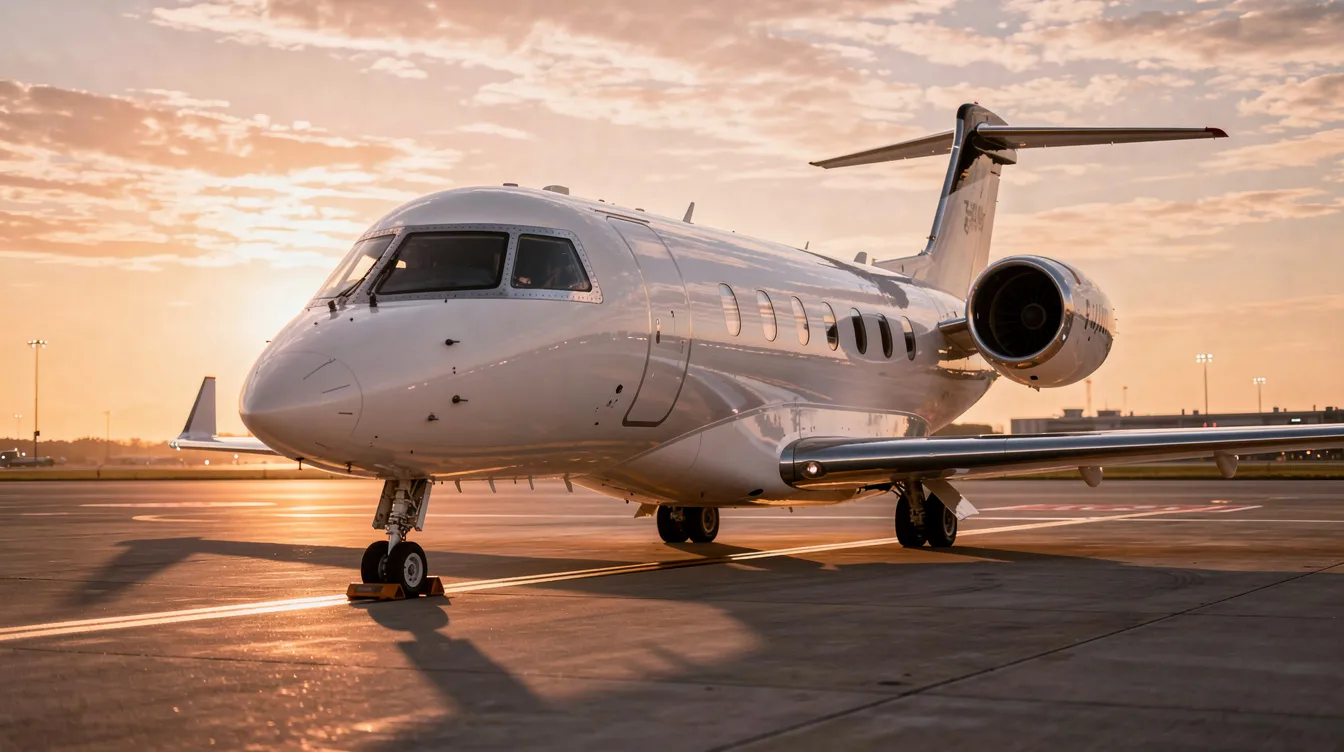
These aircraft bridge the gap between hobby flying and real transport. Their typical 100–700-mile legs compare meaningfully to general aviation, though they still fall far short of the multi-thousand-mile nonstop capabilities of private jets accessible through BlackJet Jet Cards. Understanding the different types of private jets for every traveler underscores just how wide the performance and comfort gap is between ultralights, LSAs, and cabin-class aircraft.
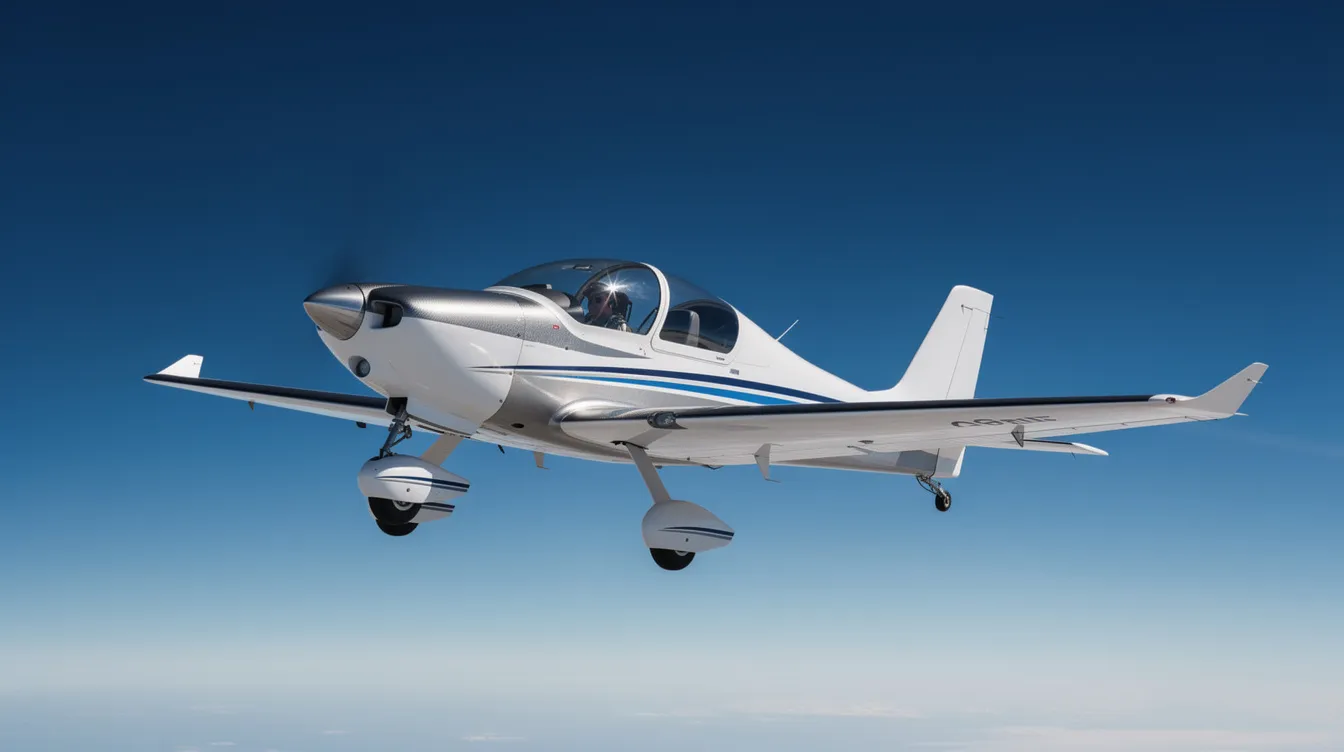
Training and Licensing for Two-Seat Ultralights and LSAs
The FAA licensing path for sport pilots follows a structured progression:
Student pilot certificate → Sport pilot certificate (minimum 20 hours of flight training, including solo time, dual instruction, and ground school)
A valid driver's license can serve in place of an FAA medical certificate for sport pilot certificate holders in many cases.
Endorsements for controlled airspace (Class B, Class C, Class D) may be required depending on where you intend to fly.
Two-seat ultralights used for instruction technically operate under general aviation rules (Parts 61 and 91), even when the aircraft looks identical to a Part 103 machine. Operators must hold appropriate Part 135 certification or operate under other applicable regulations.
New pilots should seek training through local flight schools, EAA chapters, or LSA-focused instructors. Starting in docile trainers like the Quicksilver MX II Sprint or CGS Hawk two-place models builds confidence before transitioning to faster, more demanding designs. If you already charter or fly privately with BlackJet, pursuing LSA training offers hands-on flying without the time commitment of a full private or commercial pilot certificate.
Fastest Ultralight and Light Sport Aircraft: When Speed Matters
The phrase "fastest ultralight aircraft" means different things depending on geography. In the United States, a true ultralight under Part 103 is legally capped at 55 knots—about 63 mph in level flight. European microlight aviation categories are far more permissive, allowing designs that cruise above 150 knots.
Here are the speed leaders across categories:
VL-3 Sprint - Often cited as the fastest microlight in Europe, with cruise speeds exceeding 160 knots in some configurations
TL Ultralight Sparker - A tandem LSA with reported cruise around 170 knots, powered by the turbocharged Rotax 915iS (141 hp)
Rans S-21 Outbound (Titan 340) - Cruise ~135 knots, VNE ~215 mph, one of the fastest kit-built LSA-class aircraft available in the U.S.
Sling High Wing - A comfortable composite LSA with respectable cruise speed and modern avionics integration
High cruising speed invariably means higher stall speed, which demands more training, better runway selection, and stricter adherence to safety standards. A 40-knot stall speed requires meaningful landing distance and leaves less margin for error than the 24-knot stall of a Part 103 machine.
For perspective: even the fastest LSA at 170 knots is roughly one-third the cruise speed of a midsize private jet at 450–500+ knots. For serious business or international travel, jet access remains categorically different from even the most capable light sport aircraft.
Seaplane and Amphibious Ultralights
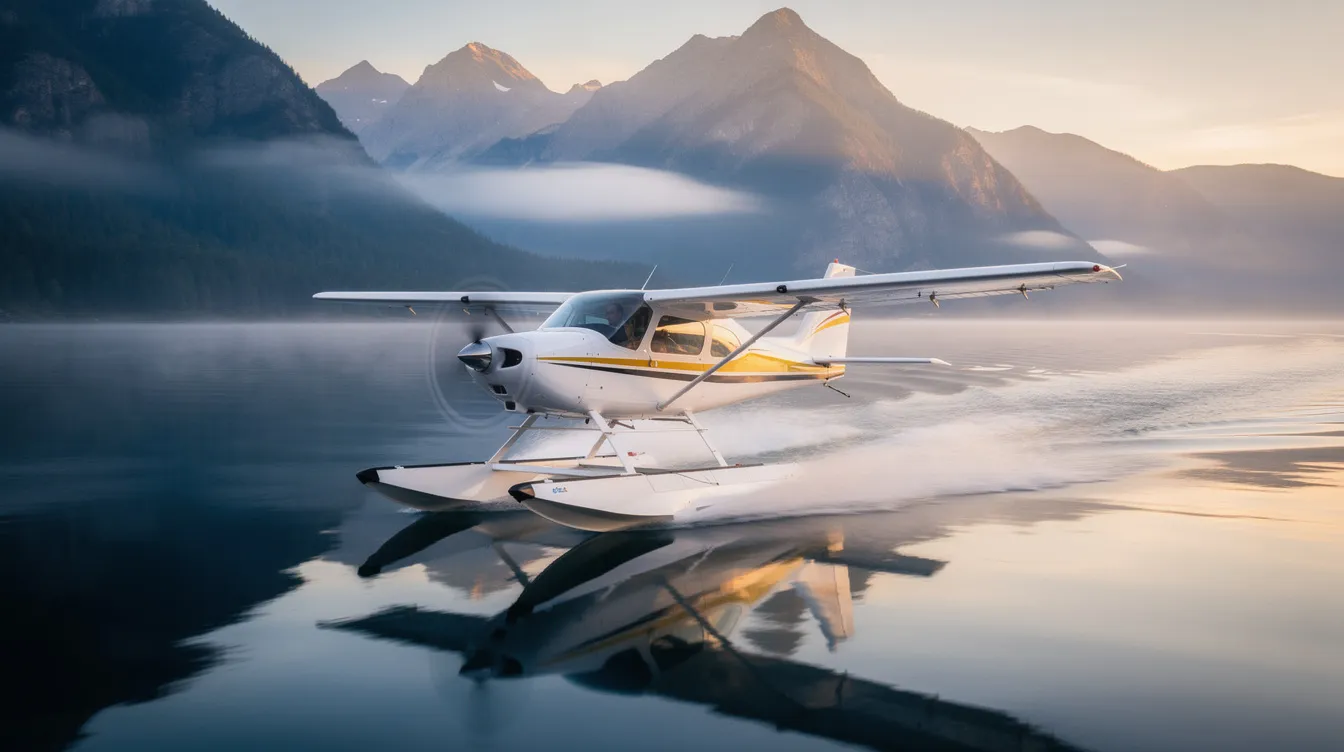
Amphibious ultralights can land on both water and land, opening up lakes, rivers, and coastal waterways as potential runways. Adding floats and retractable landing gear increases weight but dramatically expands versatility. For water takeoff performance, wing area has a major effect on lift and helps amphibious ultralights get off the water more efficiently.
Notable amphibious designs:
Vickers Wave - An amphibious LSA with sliding doors, advanced composite construction, and a ballistic parachute system. Designed with modern CAD tools and intended for both land and water operations
Super Petrel XP - A bi-wing amphibious LSA powered by the Rotax 915iS, known for quick water takeoffs and distinctive retro styling
Composite FX XEL - While primarily a helicopter, it can be fitted with floats for water operations; at 312 pounds, it sits outside Part 103 limits but appeals to rotorcraft enthusiasts
FAA rules allow slightly higher maximum takeoff weight for seaplane LSAs—typically 110 lb more than the standard 1,320 lb LSA limit—and these designs exploit that allowance fully.
Amphibious Model | Type | Engine | Approx. Cruise | Water Capable |
|---|
Vickers Wave | Fixed-wing LSA | Rotax 915iS (141 hp) | ~100–120 mph | Yes |
Super Petrel XP | Bi-wing LSA | Rotax 915iS (141 hp) | ~95–110 mph | Yes |
Composite FX XEL | Rotorcraft | Various | ~80–90 mph | With floats |
How to Choose the Best Ultralight Aircraft for Your Flying Style
Choosing the right ultralight or light sport aircraft is ultimately a question of mission, skill, and budget. Recreational "low and slow" flying, technical kit-building projects, and fast regional touring each point toward fundamentally different designs, much like selecting among the best cheap light aircraft for budget-friendly flying depends on how and where you intend to fly.
Regulatory Category
Budget Considerations
Kit prices range from under $7,000 (Jordan Lake Air-Bike 103) to $275,000+ (Rans S-21 Outbound factory-built).
Engine choice can significantly affect total cost.
Building your own aircraft is often more affordable than buying a factory-assembled one.
Performance Factors
Compare stall speed, cruise speed, range, and useful load.
A 60 mph Part 103 machine and a 155 mph LSA serve very different purposes.
Comfort and Weather Protection
Open frame designs like the Air-Bike offer a visceral flying experience.
Enclosed cabins like the Merlin Lite or Thunder Gull provide protection from wind, rain, and cold.
Maintenance and Support
Consider parts availability, active owner communities, and manufacturer reputation.
Choose equipment that maximizes efficiency and maintains safety.
Requirement | Part 103 Ultralight | Light Sport Aircraft (LSA) |
|---|
Seats | 1 | 1–2 |
Max Empty Weight | 254 lb | 1,320 lb (land), 1,430 lb (sea) |
Max Speed | 63 mph | ~138 mph (120 knots) |
Pilot License Required | No | Yes (Sport Pilot Certificate) |
FAA Registration | No | Yes |
Airworthiness Certificate | No | Yes |
Use | Recreational only | Recreational, training, transport |
Think about where you plan to fly. Grass strips and ranch land favor rugged fixed-wing designs with short landing roll capability. Water operations require amphibious models. Congested areas near Class B airspace demand careful planning regardless of aircraft type.
Ultralights are generally not practical for regular business travel. They complement, rather than replace, private jet charter or jet card solutions for time-sensitive trips.
Review independent rating systems, community forums, and accident summaries rather than relying solely on manufacturer marketing claims. The best ultralight aircraft is the one that honestly fits your skill level and intended use—not the one with the glossiest brochure.
Safety, Training, and Insurance Considerations
Even though Part 103 does not mandate a pilot's license, responsible owners should invest in dual instruction, ground school, and recurrent practice. The principle applies equally to ultralight backpacking and ultralight aviation: the standard for elite ultralight backpacking targets a base weight under 10 pounds through ruthless optimization, and ultralight flying demands the same disciplined approach to weight, preparation, and risk management. Just as frameless packs are among the lightest options for base weights under 10 lbs and air pads with a high R-value provide optimal insulation without adding bulk, every component of an ultralight aircraft is chosen to minimize extra weight while preserving function.
Key Safety Habits
Always perform thorough preflight inspections.
Fly only in calm, fair weather conditions.
Maintain safe airspeed margins, especially on approach.
Know and respect local airspace boundaries.
Operate only during daylight unless properly equipped for night flying.
Proper maintenance makes ultralights as safe as small aircraft in many respects. Insurance availability and cost vary widely—true Part 103 machines with no N-number are harder to insure than registered LSAs, and pilot hours significantly affect premiums.
BlackJet applies the same safety-first philosophy to private jet travel. Our proprietary certification standards include third-party safety audits, pilot experience minimums, and documented protocols that high-net-worth travelers expect—whether they fly a Part 103 ultralight on weekends or a midsize jet on Monday morning. For owners using aircraft partially for business, understanding how to maximize jet card tax deductions is another layer of smart planning. For related stories Monday through Friday, safety remains central to private aviation.
From Ultralight Enthusiast to Private Jet Traveler: Where BlackJet Fits In
Editor's note: BlackJet does not sell, maintain, or provide training for ultralight aircraft. We are a private aviation company. But many of our members are passionate aviators who own aircraft in the ultralight or light sport categories and fly them recreationally—then turn to us when speed, schedule, and range matter.
Consider a typical scenario: a business owner who keeps a single-seat fixed-wing ultralight at a countryside airpark. On Saturday mornings, she flies low over the valley at 60 mph cruise, savoring 100 miles of unscripted freedom. On Monday, she needs to be in Miami for a board meeting and back in New York by dinner. The ultralight cannot do that. A BlackJet 25-hour Jet Card can, and for very frequent travelers, understanding the 100-hour jet card cost and structure can further optimize long-term travel planning.
The contrast in capabilities is stark:
Attribute | Part 103 Ultralight | BlackJet Private Jet Access |
|---|
Cruise speed | ~60 mph | 400–500+ knots |
Range | 80–150 miles | 1,500–5,500+ nautical miles |
Weather capability | VFR, fair weather | IFR, all-weather operations |
Passengers | None (single seat) | Up to 14+ depending on cabin class |
Booking | Self-serve | 24/7 digital booking, real-time support |
A Jet Card is prepaid flight hours across multiple cabin classes—light jets for short hops, midsize for cross-country, large cabin for transatlantic routes—with predictable hourly rates and priority access. Private aviation includes services with digital booking tools and real-time support that ultralight flying simply cannot match. Customers of private aviation prioritize flexibility, privacy, safety, and luxury, and an understanding of the broader private jet price list and access options helps align those priorities with the right ownership or membership model.
BlackJet's core pillars serve the aviation enthusiast who demands the best in every context:
Jet Cards vs Charter vs Ownership for the Aviation Enthusiast
Private aviation companies offer Jet Card programs for prepaid access to private jets, but they are not the only option. Here is how the three primary models compare for someone who already invests time and money in personal ultralight or light sport flying:
Ad-hoc charter: Book individual flights as needed. Best for infrequent travelers, but pricing and availability can be unpredictable, whether you are arranging a one-off private jet charter in Karachi or a domestic hop in the U.S.
Jet Cards (e.g., BlackJet 25-hour or 50-hour programs): Prepaid hours with guaranteed availability, fixed rates, and access across multiple aircraft categories. Ideal for frequent travelers who want predictability without the overhead of ownership and who want to understand jet card pricing structures and benefits in detail
Full ownership or fractional programs: Maximum control, but high fixed costs (hangar, crew, maintenance, depreciation) that many ultralight pilots would rather allocate to their own aircraft projects, even though curated markets for premium private jets for sale in the UK and elsewhere can make ownership appealing for some.
Many ultralight or microlight pilots choose Jet Cards rather than jet ownership precisely because they already devote personal time and budget to their own small plane projects. The Jet Card becomes the "professional travel" counterpart to a reader's personal ultralight hobby—one for strategic use of time, the other for pure enjoyment, with resources that break down jet card cost per hour and value trade-offs helping them choose the right structure.
Discover how BlackJet can complement your flying life with seamless, carbon-neutral private jet access. Explore our Jet Card programs and see the difference structured private aviation makes.
Frequently Asked Questions About Ultralights, Microlights, and Private Jet Access
Do I need a pilot's license to fly an ultralight under Part 103?
No. Under current FAA rules, single-seat ultralights that meet all Part 103 requirements—including the 254-pound maximum empty weight, 55-knot top speed, and 5-gallon fuel capacity—can be flown without any FAA pilot certificate, medical certificate, or aircraft registration. That said, professional instruction is strongly recommended before your first flight.
What is the difference between a true ultralight and a light sport aircraft?
A true ultralight under Part 103 is a single-seat, recreational-only vehicle with strict weight, speed, and fuel limits. A light sport aircraft is typically a two-seat design with a gross weight up to 1,320 pounds that requires a sport pilot certificate, registration, and an airworthiness certificate. Many aircraft marketed as "ultralights" actually fall into the LSA or experimental category.
What is the fastest ultralight aircraft I can realistically buy in 2026?
Within strict Part 103 rules, you are limited to 55 knots (63 mph)—ultralights cannot exceed a top speed of 63 mph by regulation. In the broader LSA and European microlight categories, the TL Ultralight Sparker and VL-3 Sprint achieve cruise speeds exceeding 150–170 knots. In the U.S., the Rans S-21 Outbound with a Titan 340 engine cruises at approximately 135 knots, making it one of the fastest ultralight-style aircraft available domestically.
How safe are modern ultralight and microlight designs compared with older models?
Significantly safer, thanks to better materials, refined aerodynamics, and decades of accumulated flight data. Proper maintenance makes ultralights as safe as small aircraft. Modern designs incorporate features like ballistic parachute systems, stronger airframe construction, and more reliable four-stroke engines. However, pilot training remains the single largest safety variable.
Can I use an ultralight for practical travel instead of chartering a private jet?
Realistically, no. Ultralight aircraft must be used for recreational flying only under Part 103. Even high-performance LSAs cruise at one-third the speed of a light private jet and cannot operate in instrument conditions, at night (for Part 103), or over meaningful distances. For business travel, medical trips, or time-critical journeys, structured jet access through programs like BlackJet's Jet Cards delivers the speed, range, and reliability that ultralights cannot.
How does BlackJet ensure safety and sustainability on private jet flights?
BlackJet operates under rigorous third-party safety audit standards, requires minimum pilot experience thresholds, and vets every operator in its network. Carbon-neutral flights are standard—not optional—achieved through verified carbon offset programs at no additional cost to members. For the complete list of small private aircraft and cabin options available through our programs, our team is available around the clock, whether you are comparing our services to NetJets jet card costs and options or exploring other providers.
Is it worth building my own ultralight versus buying a factory-built one?
Building your own ultralight can be more affordable than buying, with some kits starting under $7,000. Build times range from 30–50 hours for simple powered parachutes to 700–1,000 hours for complex metal LSA kits. The process also gives you intimate knowledge of your aircraft's systems. But if time is more valuable than cost savings, factory-built or quick-build options like the Aerolite 103 compress the timeline considerably.
Conclusion: Embrace the Freedom of Ultralight Flying with Confidence
Ultralight aircraft offer an unparalleled blend of simplicity, affordability, and pure flying enjoyment. Whether you choose a minimalist Part 103 machine like the Jordan Lake Air-Bike 103 or a more sophisticated light sport aircraft like the Rans S-21 Outbound, the world of ultralight aviation welcomes pilots seeking personal adventure and hands-on connection with the skies. Remember, all this freedom comes with responsibility: understanding regulations, prioritizing safety, and selecting the right aircraft for your mission and skill level are essential.
While ultralights excel in recreational flying over unpopulated areas and provide a unique escape from everyday life, they complement rather than replace the speed, range, and convenience of private jet travel. For those moments when time is critical, BlackJet’s premium jet card programs offer seamless access to a broad fleet of private jets, combining safety, sustainability, and luxury.
Explore the best ultralight aircraft to ignite your passion for flight, and discover how BlackJet can elevate your travel experience when business or leisure demands the ultimate in convenience and performance.
Discover how BlackJet can reshape your travel and elevate your journey beyond the skies.


 Sign up with google
 Sign up with Apple