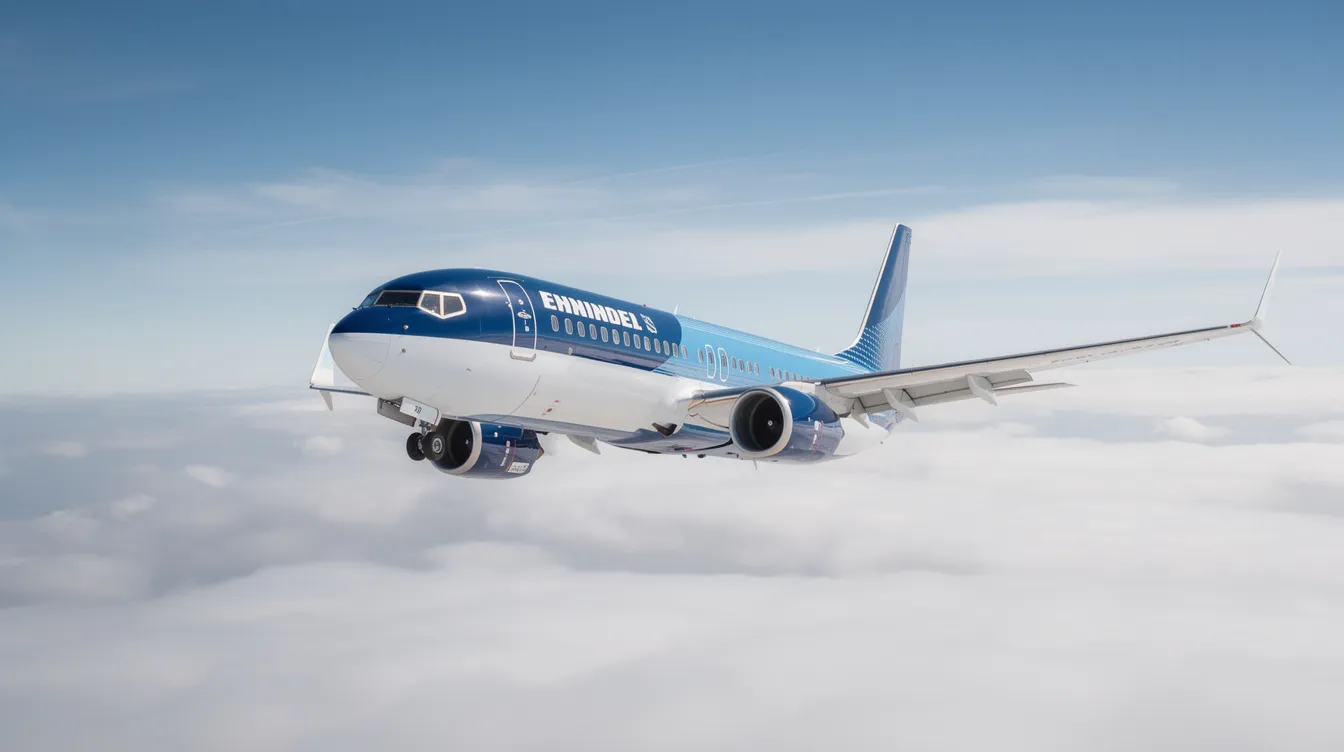
A Boeing 737 for sale represents an airline-scale asset, not a typical private jet purchase. Whether configured for 189 passengers or outfitted as a Boeing Business Jet with master bedrooms and conference rooms, a 737 demands infrastructure, crews, and capital that few individuals genuinely need.
Airlines expanding domestic and international routes, government flight departments, charter operators, and ultra-large corporate flight ops are the typical buyers of the 737.
Most buyers of the 737 include airlines, charter operators, and wealthy individuals—but for the latter, utilization must be extraordinarily high to justify the commitment.
Owning a 737 or BBJ eliminates hub connections, delivers custom schedules, and offers direct routes that commercial first class cannot match.
For most high-net-worth fliers seeking wide-cabin comfort and range without fleet management, BlackJet is the strategic alternative.
Key Takeaways
Purchasing a Boeing 737 or a Boeing Business Jet is a $20M–$80M+ decision with multi-million-dollar annual operating costs, while BlackJet Jet Cards provide access to similar cabin experiences without ownership risk.
A Boeing 737 for sale makes sense for airlines, governments, and large corporates—most high-net-worth individuals achieve better economics through on-demand private jet access.
BlackJet focuses on safety certification, carbon-neutral operations, and digital booking—critical factors whether you buy a 737 or choose a Jet Card.
This article includes an FAQ plus concrete examples covering the 737-800, BBJ2, typical prices, ranges, and operating costs to guide your decision.
Overview Of The Boeing 737 And Boeing Business Jets (BBJ)
The Boeing 737 family is the world's best-selling jet airliner, in continuous manufacture since 1967. Its evolution into Boeing Business Jets created a pinnacle category for VIP aviation.
Classic variants (737-300, -400, -500): 130–168 seats in airline configuration, now largely in cargo conversion or regional use.
Next Generation (737-700, -800, -900ER): the model that dominates the secondary market; the 737-800 typically seats 162 in a two-class layout with a design range of 2,845 nautical miles.
MAX family: The Boeing 737 MAX family is the current production line for new orders. The current production line includes the MAX 8 and MAX 10 models. The MAX 7 allows for a passenger capacity of 138 to 153, while the MAX 10 can accommodate up to 204 or more passengers. The 737 MAX features advanced CFM LEAP-1B engines and winglets to improve efficiency, delivering a 20% reduction in CO₂ emissions and fuel use.
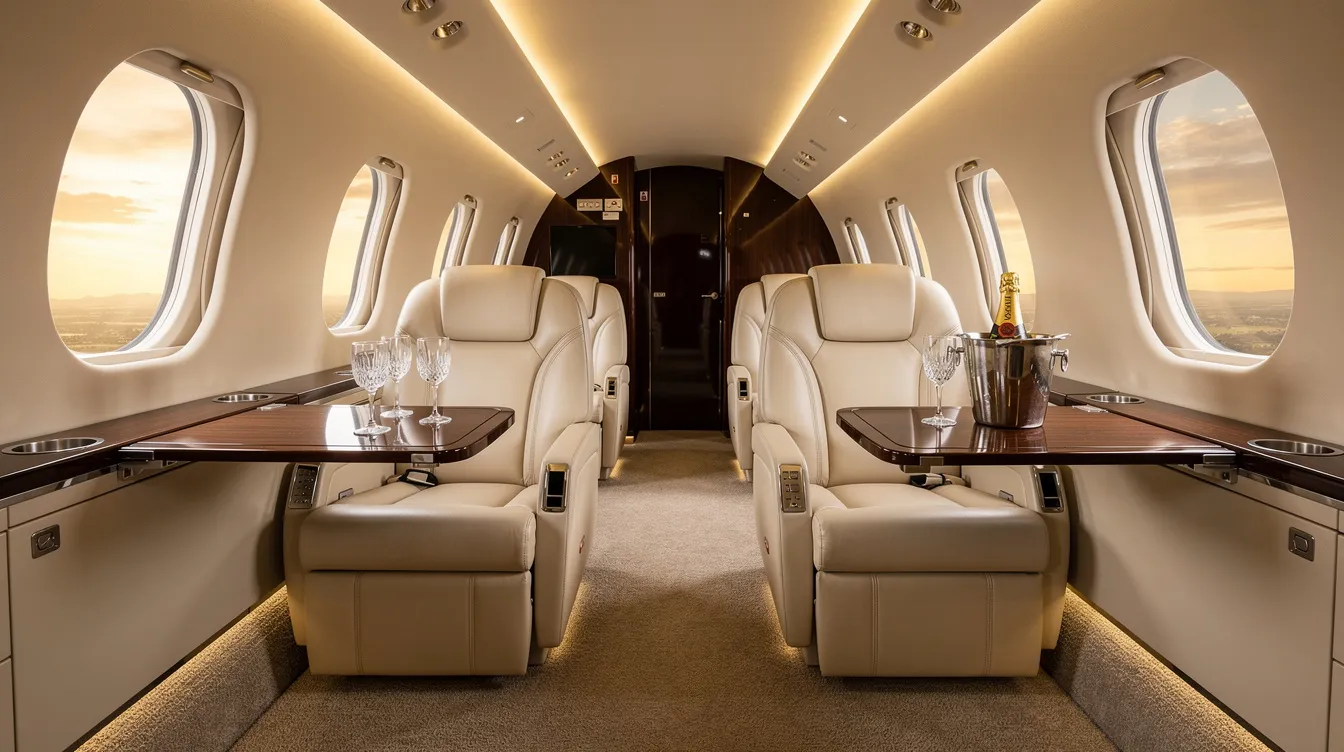
Boeing Business Jets are based on the 737 platform, with the BBJ family also including models based on 737, 777, and 787 platforms. BBJ variants are purpose-built for long-range private operation, with auxiliary tanks enabling a range of over 6,200 nautical miles. BBJ aircraft provide over 1,000 square feet of cabin space, and the Boeing Business Jet variant allows for a custom luxury interior for VIP use—think master bedrooms, showers, and conference zones. A 2018 BBJ2 with auxiliary tanks in a 27-passenger configuration can fly nonstop from New York to Dubai or London to Johannesburg.
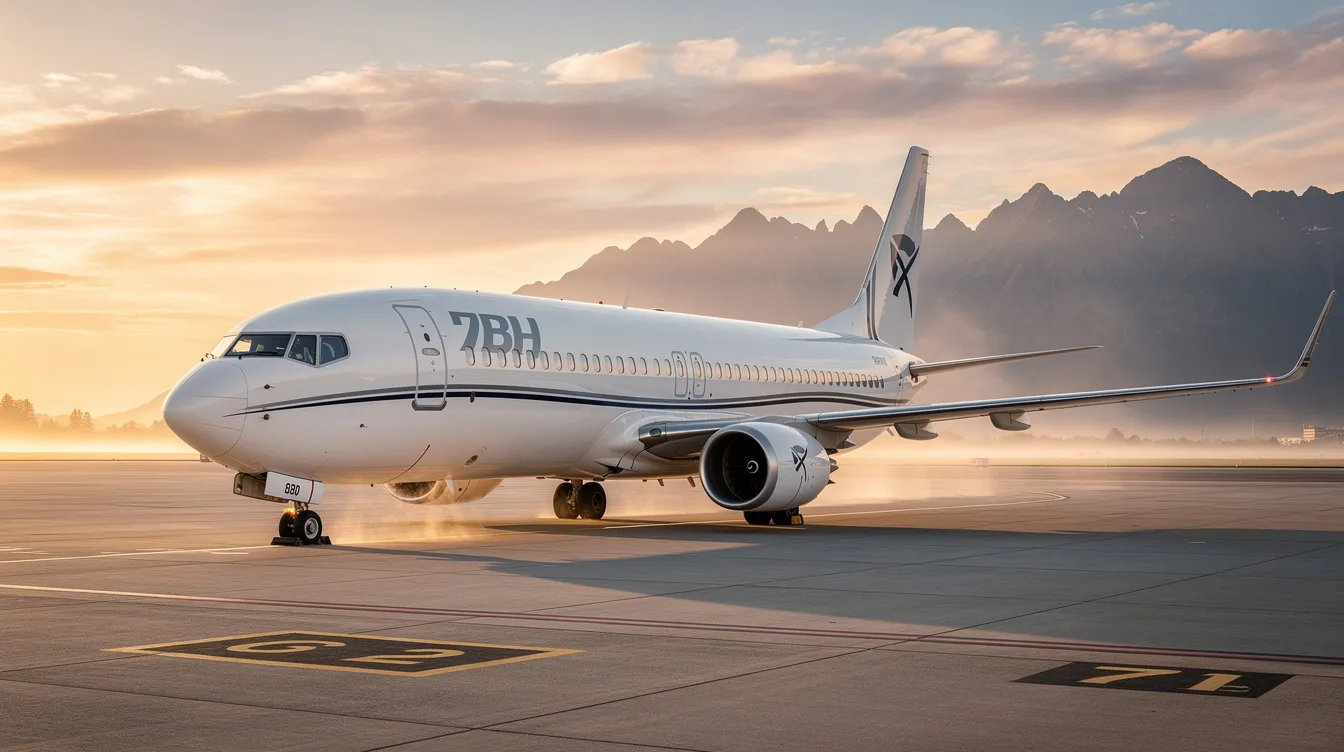
Current Market Snapshot: Boeing 737 Jets For Sale In 2024–2026
The 737 resale market is dynamic, with prices driven by age, flight hours, cycles, and configuration, and prospective buyers should consult a comprehensive guide to buying a Boeing 737 before committing capital.
Variant | Typical Price Range | Notes |
|---|
Classic 737-300/400 | $3M–$8M | Freighter conversion candidates |
737-800 (NG, passenger) | $15M–$30M | Older passenger 737-800s trade for high single-digit to teens of millions |
BBJ/BBJ2 (NG-based) | $25M–$80M+ | BBJ aircraft average pricing is around $25,000,000 |
BBJ MAX 7/8/9 (new) | $97M–$115M | List price with VIP interior completion |
Boeing 737 prices range from $21,219 to $71,000,000 on the open market, with an average price of approximately $22,912,555. For context, in 2018, a new Boeing 737-800 had a list price of $106.1 million. The secondary market offers older models like the 737-800 at lower costs—a recent listing by True Blue Air Services priced a 737-800 at $29.4 million. Aircraft transactions are typically handled through aircraft brokers or leasing companies.
Market volatility can swing values 20–40% based on airline demand, cargo conversions, fuel prices, and regulatory changes. Contrast these ownership-level costs with BlackJet's Jet Card entry levels—25-hour and 50-hour programs where clients commit to hours, not fleet assets.
Who Actually Needs A Boeing 737 Or BBJ?
Before finding a Boeing 737 for sale, ask whether you truly need one. Airlines typically operate fleets of Boeing 737s to achieve operational economies of scale. Governments request BBJs for head-of-state transport. Major corporations moving 20–50 executives regularly on the same routes may justify the purchase.
An ultra-high-net-worth individual or family might justify a BBJ at 200–400+ flight hours per year with large entourages and frequent transoceanic trips with custom security teams.
The 737 MAX family requires type-rated pilots for operation, and the purchase of a Boeing 737 involves regulatory approvals and qualified crews—adding complexity beyond capital cost.
If you fly fewer than 200–300 hours annually or rarely need 30+ seats, dedicated ownership is uneconomical, even if you occasionally require one of the best private jets for 50 passengers. A 25-hour Jet Card delivers flexibility, carbon-neutral flights, and safety without fleet management.
Boeing 737 Variants Commonly Seen On The Sales Market
The sales market spans a wide spectrum of Boeing 737 variants, each suited to different buyers.
737-300 and 737-400F: Classic airframes with 130–168 seats originally, now commonly listed for cargo conversion or short-haul charter. Loading capacity and cargo configuration options make the -400F popular in e-commerce logistics.
737-700 and 737-800: The 737-800 features two CFM56-7B engines with 26,300 lbf thrust, cruises at Mach 0.79, and remains the most traded NG variant. A mid-2000s 737-800 with winglets and a recent C-check is attractive for operators wanting proven performance at lower capital cost.
BBJ, BBJ2, BBJ3: NG-based VIP platforms with extended space—the BBJ2 adds roughly 19 ft of cabin length versus the standard BBJ. The newer BBJ MAX versions deliver improved range and efficiency with LEAP-1B engines.
Boeing Business Jets (BBJ) vs Traditional Private Jets
Boeing business jets occupy the ultra-large, ultra-long-range end of the aviation world, competing with Airbus Corporate Jets and flagship long-range private jets like the Gulfstream G700 or Bombardier Global 7500; many UHNWs instead evaluate the best long-range private jets for sale to balance capacity, cost, and flexibility.
Cabin: BBJ cabins exceed 1,000 sq ft versus 400–600 sq ft in most large-cabin private jets, enabling bedrooms, conference rooms, and showers.
Range: BBJ variants can achieve over 6,200 nm with auxiliary tanks; comparable large-cabin jets range 5,000–7,500 nm depending on model.
Cost: BBJ operating costs range from $8,000 to $12,000 per flight hour, with annual fixed costs of $3M–$5M+. Variable costs for a BBJ2 run approximately $10,900/hour.
BlackJet cardholders can access large-cabin jets for occasional BBJ-like missions without committing to ownership, crew hiring, or interior completion oversight.
What To Look For When Evaluating A Boeing 737 For Sale
Due diligence is crucial for verifying the airworthiness of used aircraft. A 737 or BBJ pre-buy goes far beyond a typical business jet inspection and should be framed by a clear understanding of the broader private jet pricing and ownership costs.
Airframe: total hours and cycles since new, hour-cycle ratio, C and D check history, structural corrosion and fatigue assessments.
Engines: CFM56-3 or CFM56-7B status, remaining cycles, LLP life, enrollment in programs like JSSI. A 737 requires a maintenance team familiar with Boeing systems for ongoing operations.
Landing gear and APU: remaining time to overhaul, model numbers, nose gear overhaul forecasts.
BBJ-specific: interior completion quality, age of cabin refurbishment, connectivity systems (KA Band, AVANCE L5 Wi-Fi), and their impact on resale value. The design of the interior can add or subtract millions from the sale price.
A thorough Pre-Purchase Inspection is essential for quantifying required repairs. Ensure compliance with EASA/FAA standards and verify maintenance records with trusted VIP MROs—this is where the history of the airframe tells its real story.
Owning A Boeing 737 vs Using BlackJet Jet Cards
For executives and UHNWs, the choice between owning metal and owning access defines travel strategy. Maintenance is a high ongoing cost of operating a Boeing 737, and operational costs include fixed and variable expenses like maintenance and training, which many compare against the simplicity of BlackJet 25+ Hour Jet Card solutions instead of committing to full ownership.
Factor | 737/BBJ Ownership | BlackJet Jet Card |
|---|
Capital outlay | $20M–$80M+ | Prepaid hours only |
Annual fixed costs | $3M–$5M+ | None |
Residual value risk | Full exposure | Zero |
Fleet flexibility | Single aircraft | Light to large-cabin access |
Carbon-neutral flights | The owner builds a program | Included by default |
Consider a New York–London board meeting for 10 passengers: a large-cabin jet via BlackJet delivers nonstop capability and BBJ-level privacy without deploying a 737. BlackJet's mobile booking platform and 24/7 support replicate the control of having your own aircraft on a variable-cost basis. Even for clients who eventually sell or purchase a BBJ, starting with a Jet Card provides operational data on true utilization before committing to an airliner-size asset.
Safety, Technology, And Sustainability: Whether You Buy Or Access A 737
Safety, technology, and sustainability are strategic requirements—not optional extras—for both prospective 737 owners and BlackJet members.
Safety: Operator audits (ARGUS, Wyvern, or equivalent), pilot experience on 737/BBJ or large-cabin types, and robust Safety Management Systems are essential. Operators must meet Part 135 or equivalent certification standards.
Technology: High-speed KA-Band Wi-Fi, modern avionics, and digital cabin management systems turn aircraft into flying offices—a capability expected in both owned BBJs and chartered jets.
Sustainability: The 737 MAX series offers improved efficiency, but any 737-class aircraft burns significantly more fuel than smaller jets. BlackJet ensures carbon-neutral flights by default, using vetted operators and offset programs—a key reason to discover Jet Cards over owning a fuel-intensive 737.
Financing, Operating Structures, And Risk Management For A 737 Purchase
Acquiring a Boeing 737 usually involves sophisticated financial structures. Boeing 737 financing options include loans and leases, with operating lease and finance lease being common financing structures, and savvy buyers often benchmark these commitments against the jet card cost per hour for comparable mission profiles.
Lenders review engine maintenance status for financing terms, scrutinizing LLP life, heavy check timing, and appraised value. Export credit support may be available for Boeing 737 purchases.
Boeing 737 insurance includes hull all-risks and liability cover, and insurance costs for a Boeing 737 can exceed $500,000 annually. Underwriters assess pilot experience and maintenance standards for insurance, and insurance policies should align with lease obligations and lender requirements. Boeing 737 insurance is essential for risk management and compliance, just as understanding how to maximize jet card tax deductions is key for those choosing access over ownership.
Owners should prepare a detailed utilization and route plan—projected annual cycles, stage lengths—to support financing and ensure alignment with residual value assumptions.
Compare this complexity against the simplicity of BlackJet Jet Cards, where financial exposure is limited to prepaid hours rather than residual value risk on a 737 asset, and where a clear guide to overall jet card cost helps quantify the trade-offs.
How BlackJet Fits Into Your Boeing 737 Decision
BlackJet offers premium private jet card programs and charter access as a strategic alternative or complement to Boeing 737 ownership.
Some clients use BlackJet alongside a corporate or government 737 fleet to cover overflow missions, short-notice trips in the UK or across Europe, or routes that don't justify deploying a 737.
Jet Card benefits for 737-curious readers: guaranteed availability, transparent hourly rates, carbon-neutral flights, and real-time digital booking via a dedicated bot and advisor team, all underpinned by transparent jet card pricing structures.
Scenario: A European company charters 737-800s for major events but uses BlackJet for executive shuttle flights in super-midsize and large-cabin jets the rest of the year—the perfect hybrid that takes advantage of some of the best jet cards for frequent flyers.
Elevate your travel—effortlessly. Explore BlackJet's Jet Card programs to understand whether access, ownership, or a hybrid model best fits your travel profile.
Frequently Asked Questions About Buying Or Accessing A Boeing 737
Is buying a Boeing 737 or a Boeing Business Jet realistic for an individual?
It is technically possible but usually only practical for ultra-high-net-worth individuals with 200–400+ hours per year of utilization and large travel parties. Most private travelers achieve better economics and flexibility via Jet Cards, charter, or by considering the cheapest private aircraft options that align more closely with their true mission profile. The complexity around regulatory approvals and crew requirements alone can deter individual owners, many of whom instead explore how to buy a seat on a private jet or use shared and semi-private models.
How many hours per year justify considering ownership instead of a Jet Card?
Ownership starts to make sense above 300–400 hours annually on a comparable class of aircraft, which is when some travelers begin comparing 737 economics with a 100-hour jet card cost guide. For a 737 or BBJ, the threshold can be even higher due to airliner-level fixed costs exceeding $3M–$5M per year.
Can I access a Boeing Business Jet without owning one?
Yes. BBJs are available on the charter market for select missions, often coordinated through premium brokers. However, large-cabin private jets via BlackJet often provide 80–90% of the BBJ experience at lower hourly and fixed costs—making options like a 50-hour jet card cost program the more rational choice for most travelers.
What are the typical lead times and costs to complete or refurbish a BBJ interior?
Green aircraft completions can take 18–36 months with $30M–$80M+ in completion costs. Major refurbishments still require many months of downtime. Buyers must choose reputable completion centers to protect asset value and ensure the interior configuration meets certification standards, much as they would when evaluating one of the top 10 private jets in the world for custom interiors and long-term resale value.
How does BlackJet ensure safety and carbon-neutral operations compared with owning my own jet?
BlackJet partners with audited, certified operators, enforcing high pilot and maintenance standards through its proprietary BlackJet Certified program. All flight emissions are offset at no extra cost, and SAF alternatives are explored where available. An owner would need to build all of this infrastructure independently—a significant operational burden on top of the capital already at stake, especially when more economical entry-level and cheapest private jet options can often meet most mission needs without such complexity.
Conclusion: Making the Strategic Choice Between Ownership and Access
Deciding whether to purchase a Boeing 737 or access similar capabilities through BlackJet hinges on your unique travel needs, operational demands, and financial considerations. While owning a 737 or BBJ offers unparalleled customization, range, and capacity, it requires substantial capital investment, ongoing maintenance, and regulatory compliance. For most high-net-worth individuals and corporations, BlackJet’s Jet Card programs provide a premier alternative—delivering effortless, carbon-neutral private jet access across a variety of cabin classes without the complexities of ownership.
BlackJet’s commitment to safety, sustainability, and cutting-edge technology ensures that every journey meets the highest standards, backed by 24/7 digital booking and real-time support. Whether you seek the expansive comfort of a large-cabin jet or the flexibility of on-demand travel, BlackJet reshapes private aviation by making exclusive jet access accessible on your terms.
Explore how BlackJet can elevate your travel experience and discover the freedom of private flight without ownership burdens at www.blackjet.com.


 Sign up with google
 Sign up with Apple