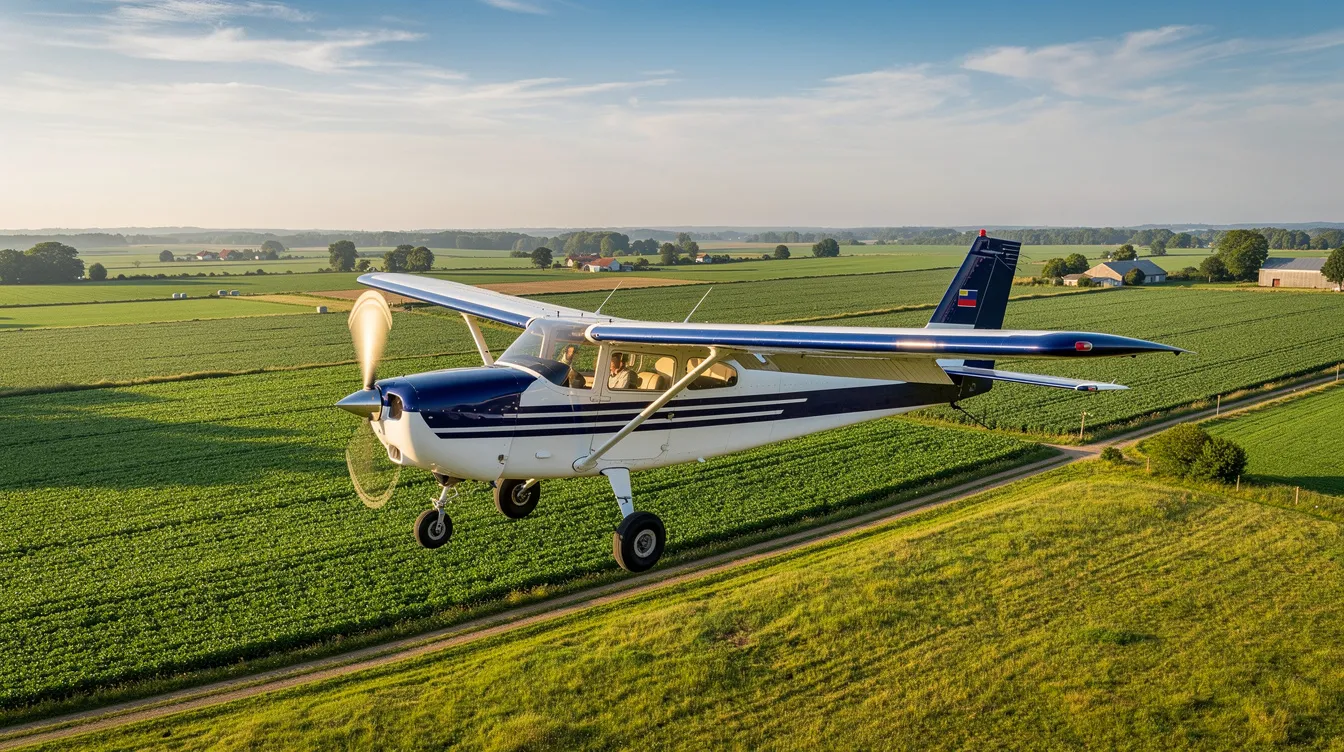
Few aircraft have shaped general aviation quite like the Cessna 150 and Cessna 152. If you're comparing these two seat trainers for flight training, personal use, or your first airplane purchase, this guide breaks down every meaningful difference-from engine performance and useful load to ownership costs and handling characteristics.
Overview: Cessna 150 vs 152
Which is better, the Cessna 150 or the 152? The honest answer: neither is universally superior. The 152 is a refined, slightly more capable successor with better climb performance and higher gross weight, while the 150 is typically cheaper to buy and operate. Both are high-wing, two-seat, light aircraft that have trained generations of student pilots, and the right choice depends on your climate, budget, and mission.
Specification | Cessna 150 | Cessna 152 |
|---|
Engine | Continental O-200-A (100 hp) | Lycoming O-235-L2C (110 hp) |
Typical Fuel Burn | ~5.6 gallons per hour | ~6.1 gallons per hour |
Max Takeoff Weight | 1,600 lbs | 1,670 lbs |
Useful Load | ~490–530 lb (early); ~420–490 lb (later) | ~500–540 lb |
Cruise Speed | ~100–105 KTAS | ~104–107 KTAS |
Production Years | 1958–1977 | 1978–1985 |
For pure economy, the Cessna 150 often wins-it burns less fuel per hour and commands lower prices on the used market. For hot weather, high-density altitudes, or flying with two adults and baggage, the Cessna 152 has the edge thanks to its extra 10 horsepower and higher maximum takeoff weight. Both are economical training aircraft trusted by flight schools worldwide.
While these are entry-level piston trainers, many professional pilots-including private jet captains-took their first takeoff and first solo in a plane just like these. At BlackJet's premium private jet programs, we see that foundation daily: the crews operating our fleet often trace their careers back to simple, honest trainers like the 150 and 152.
History and Development of the Cessna 150
Cessna introduced the 150 in late 1958 as a 1959 model year airplane, designed as a tricycle-gear successor to the conventional-gear Cessna 120 and 140 tailwheel trainers that came before it. The goal was simple: build a forgiving, affordable trainer that any student could learn to fly safely. It worked. The Cessna 150 has been well suited for training since 1959, and it quickly became the standard ab-initio aircraft at flight schools across the United States and beyond.
Production ran continuously through the 1977 model year, with over 23,800 units built worldwide, including Reims-built F150S manufactured under license in France. That volume made the 150 one of the most common trainer aircraft in aviation history, and many pilots have a soft spot for the type, having logged their first flight hours in one.
Key design traits include a high wing for excellent ground visibility, a side-by-side two-seat layout, a 100 hp Continental O-200 engine, fixed tricycle landing gear, and docile stall characteristics. The Cessna 150 has forgiving handling characteristics that make it an ideal platform for student pilots learning stick-and-rudder fundamentals. The airplane also features older 14-volt electrical systems, which are simpler but less capable than what came later in the 152.
Typical C150 performance snapshot: cruise speed of roughly 100–105 KTAS at 65–75% power, range of 350–420 NM with standard tanks, and fuel burn of approximately 5.6 gallons per hour.
Main Cessna 150 Variants
The Cessna 150 saw incremental improvements nearly every model year rather than radical redesigns. Early model 150s (the original 150, 150A, 150B, and 150C) featured a straight tail and a more basic cabin layout. From the 150D and 150E onward, Cessna added the "Omni-Vision" rear window-a wraparound design that replaced the earlier small side windows and dramatically improved rearward visibility.
Starting with the 150F in the mid-1960s, the swept vertical tail was introduced, along with wider doors and other cabin refinements. Later models through the last model year, 150M, saw continued weight and equipment increases, which gradually reduced useful load. The maximum flap deflection on the Cessna 150 is 40°, and models offered either manual flaps or electric flaps depending on year and configuration.
Notable special versions include the aerobat version, the A150 Aerobat, certified for limited aerobatic maneuvers and spins with reinforced structure and special harnesses. Both the Cessna 150 and Cessna 152 can perform aerobatic maneuvers in their Aerobat versions, making them popular for spin training and upset recovery practice.
Some owners converted their 150s to conventional gear using STCs, appealing to pilots who enjoy classic handling on a grass strip or backcountry airfield. The baggage compartment remained modest throughout the line-adequate for a flight bag and a few personal items, but nothing more.
History and Development of the Cessna 152
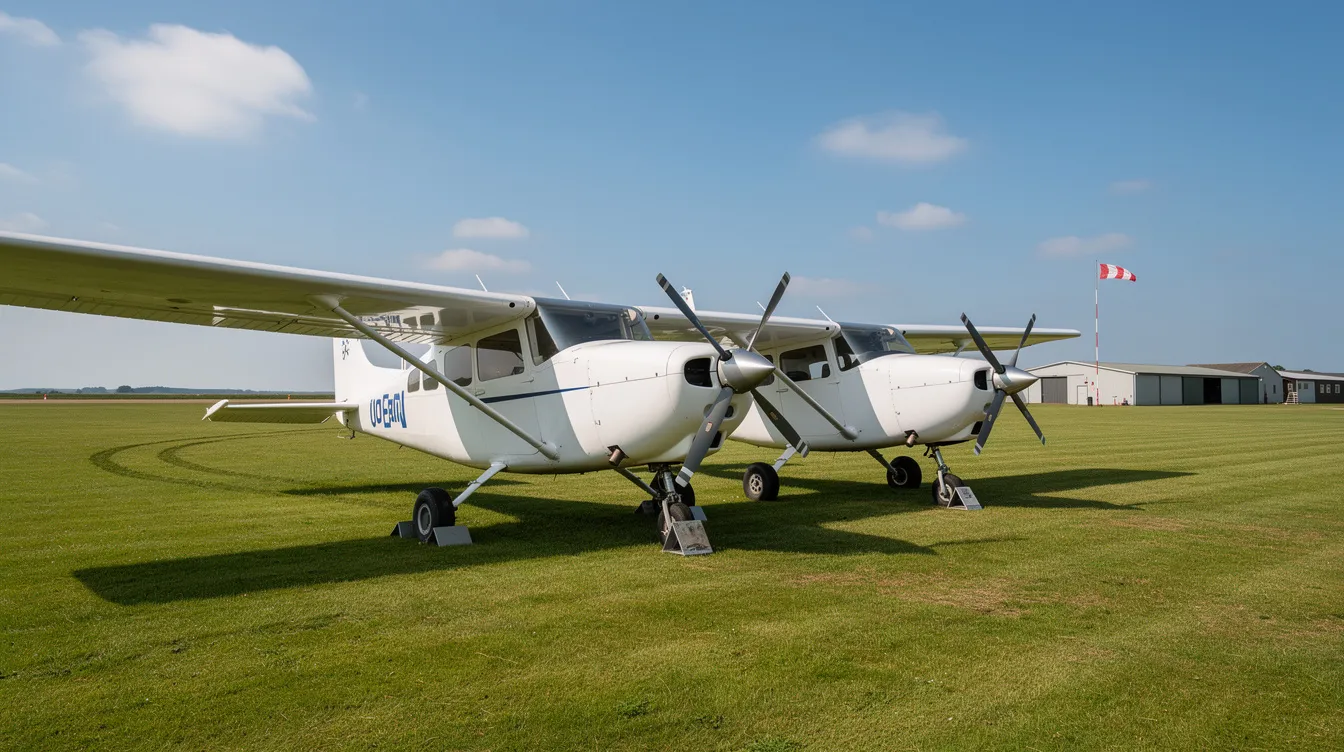
The Cessna 152 arrived in 1978 as an updated version of the 150, designed to address evolving noise standards, fuel availability, and training performance requirements of the late 1970s. Where the 150 used a Continental engine, the 152 adopted the 110 hp Lycoming O-235-L2C, a Lycoming engine specifically designed for compatibility with 100LL avgas, which was rapidly replacing the older 80/87 fuel that many Continental O-200 engines had been certified to run on.
Total production reached approximately 7,584 units between 1978 and 1985 in the United States, with additional F152 and FA152 models built by Reims Aviation in France. The Cessna 152 features a standard 28-volt electrical system (versus the 150's 14-volt setup), which supports more capable avionics and lighting.
The 152 retained the same basic airframe and two-seat layout but introduced meaningful refinements. The Cessna 152 has a cabin that is roughly 4 inches wider than the C150, making it slightly less cramped for two adults. The maximum takeoff weight climbed to 1,670 lbs, and maximum flap deflection was reduced from 40° to 30°-a change that simplified approach technique without sacrificing practical short-field capability. The 152 was designed with better fuel consumption efficiency relative to its power output, and it quickly became the aircraft that flight schools standardized on through the 1980s. The Cessna 152 is preferred for flight training due to improved reliability, better climb margins, and broader fuel compatibility.
Typical C152 performance snapshot: cruise speed of roughly 104–107 KTAS at 75% power, fuel burn of about 6.1 gallons per hour, and rate of climb around 715 fpm at sea level.
Main Cessna 152 Variants
Although the Cessna 152 lineage is short compared with the 150's two-decade production run, there are several recognizable equipment levels and special versions.
The standard 152 came in basic trainer configuration, while the "152 II" designation often refers to later aircraft with improved avionics packages, navigation gear, and trainer-focused interiors suited for instrument training. Equipment differences matter more than structural changes-functionally, all 152s handle the same airplane role in the pattern.
The Aerobat FA152 is the aerobatic variant, offering +6/−3 g maneuvering capability, quick-release doors, and upgraded harnesses. It fills the same niche as the A150 Aerobat: advanced training, spin work, and aerobatic instruction. Reims-built F152 models served European markets with near-identical airframes but sometimes different instrument layouts. These differences are more about equipment and certification than radical structural redesign-the core training mission remains unchanged across all variants.
Technical Comparison: Cessna 150 vs 152
Visually, the Cessna 150 and 152 look nearly identical-same airplane silhouette, same high-wing platform, same general cabin layout. But the technical differences under the cowling and in the systems matter for daily flying, especially when you operate at the edges of the performance envelope.
Parameter | Cessna 150 | Cessna 152 |
|---|
Engine | Continental O-200-A | Lycoming O-235-L2C |
Horsepower | 100 hp | 110 hp |
Typical Empty Weight | ~1,100–1,150 lb | ~1,110–1,170 lb |
Max Takeoff Weight (Gross Weight) | 1,600 lbs | 1,670 lbs |
Useful Load | ~420–530 lb | ~500–540 lb |
Standard Fuel Capacity | ~26 US gal | ~26 US gal |
Cruise Speed (75% power) | ~100–105 KTAS | ~104–107 KTAS |
Fuel Burn | ~5.6 gph | ~6.1 gph |
Electrical System | 14-volt | 28-volt |
TBO (Engine) | 1,800 hours | 2,400 hours |
Max Flap Deflection | 40° | 30° |
The Cessna 152 generally allows a higher gross weight than the 150, giving pilots more payload flexibility. Meanwhile, the Cessna 150 is typically more fuel efficient than the 152, burning less per hour at the cost of slightly lower cruise speed and climb performance. Both aircraft typically share similar fuel capacities of around 26 gallons in standard configuration, though long-range fuel tanks are available for both types.
On the maintenance side, Time Before Overhaul for the C150 engine is 1,800 hours, while Time Before Overhaul for the C152 engine is 2,400 hours-a significant difference in engine time between major overhauls that affects long-term operating economics. Parts sourcing differs between the Continental and Lycoming powerplants, but both remain well-supported in the general aviation aftermarket.
Engine Performance and Fuel Burn
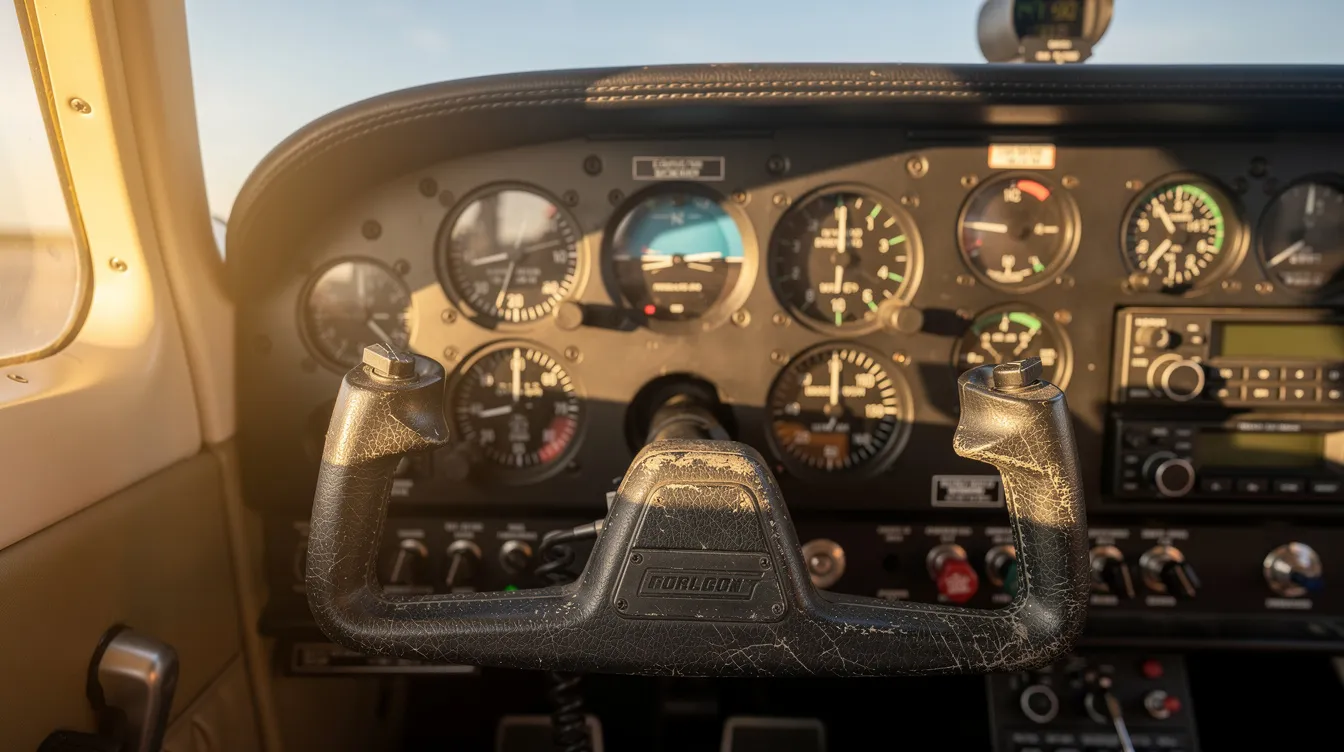
Engine performance is one of the most noticeable distinctions for student pilots transitioning between Cessna 150 and 152 models. The difference isn't dramatic in straight-and-level cruise, but it shows up clearly during climb, go-arounds, and operations at high density altitudes.
A typical Cessna 150 with its O-200 burns approximately 5.6 gallons per hour in cruise, while a Cessna 152 with its O-235 averages about 6.1 gallons per hour depending on power setting. The Cessna 152 has a greater climb rate than the Cessna 150-roughly 715 fpm versus 650–680 fpm at sea level-and the Cessna 152's extra horsepower aids in performance margins during critical phases of flight.
The 152 performs noticeably better in hot weather or at higher density altitudes, where the additional 10 hp prevents the sluggish climb-outs that 150 pilots sometimes experience on summer afternoons. Both engines are considered reliable engine designs with decades of service history, though they do differ in vibration character and sound.
A practical note on fuel: the 150's Continental O-200 was originally certified for 80/87 octane avgas, which has been largely unavailable for decades. Running 100LL introduces lead fouling of spark plugs-a known maintenance annoyance. The 152's Lycoming was designed from the start for 100LL, avoiding this issue entirely. This fuel-type difference was one of the key reasons Cessna made the engine swap in 1978.
Weight, Balance, and Useful Load
As avionics and interior features accumulated over the years, empty weight increased from the early 150s to the late 152s. An early model 150 with minimal equipment might weigh 1,060 lb empty, offering over 500 lb of useful load. A late-model 150 loaded with navigation radios and an intercom might offer only 420–460 lb of payload. The 152, despite being slightly heavier empty, compensates with its higher gross weight limit of 1,670 lbs.
With two adults averaging 170 lb each (340 lb total), plus roughly 25 lb of usable fuel reserve per FAA planning standards, the load budget gets tight quickly in either airplane. In a 150, full fuel (26 gallons, roughly 156 lb) plus two average adults can push you right to-or past-gross weight, leaving nothing for the baggage compartment. The 152's extra 70 lb of gross weight allowance provides more breathing room for fuel or bags.
Scenario: Planning a weekend cross-country trip with a friend. In a 150 with standard tanks, you might need to depart with reduced fuel to stay legal on load, planning a fuel stop en route. In a 152 with long-range tanks, you could carry full fuel and still have margin for two flight bags. It's not a dramatic difference, but it matters when every pound counts in a light aircraft.
Careful weight and balance calculations remain critical in both aircraft-this is where training discipline starts, and where experienced pilots never get complacent.
Handling, Training Use, and Pilot Experience
Many pilots consider both the Cessna 150 and 152 "honest" trainers-the kind of airplane that tells you what it's doing without hiding surprises. The relatively light wing loading of both types contributes to their gentle stall behavior and responsive, predictable control inputs. With light wing loading comes sensitivity to turbulence, but also the ability to fly slowly and safely during training maneuvers.
Control feel in both aircraft is stable but responsive. The 152 generally feels slightly more powerful in climb and less power-limited in the traffic pattern, which makes go-arounds less stressful for students. Common training tasks-pattern work, slow flight, stalls, steep turns, and the first solo-are all well supported by both types. The Cessna 152 offers improved performance for training, particularly in climb-limited scenarios.
Neither the Cessna 150 nor 152 qualifies as a light-sport aircraft in standard configuration. Both are certified as standard category light aircraft, meaning pilots need at least a recreational or private pilot certificate to fly them as pilot in command. Most folks who train in these aircraft are working toward a private pilot certificate, and a single pilot can handle all operations comfortably.
Experience in these small two-seat trainers builds the hands-on skill set that later supports safe operation of larger aircraft-from the Cessna 172 to complex singles and eventually multi-engine or turbine types. The rudder coordination, energy management, and crosswind technique learned here transfer directly to other aircraft categories.
Final Approach, Landing Characteristics, and Short-Field Work
The final approach and landing phase is where many students form their strongest impressions of the 150/152-and where most folks develop their lifelong landing habits.
Both aircraft exhibit stable approach behavior with predictable flare characteristics. A typical Cessna 150 on final approach at full flaps (40°) will carry about 55–60 KIAS, while a 152 at its maximum 30° of flaps approaches at roughly 60–65 KIAS. The 150's lighter weight can translate to slightly lower approach speeds when lightly loaded, but the 152's extra power provides reassurance during go-arounds or missed approaches-a confidence boost that matters for student pilots.
For short-field and soft-field techniques, both aircraft can operate comfortably from a modest grass strip when flown within POH limits. The 152's wider-track landing gear provides slightly more stability during ground operations in crosswinds, while both types handle grass and packed-dirt surfaces well.
Picture this: a summer afternoon, your first solo in a 152. The air is warm, the wind favors runway 27, and you roll onto final with windows open to cool the cabin. The airplane settles into a steady 65-knot approach, the rudder responds crisply to a light crosswind correction, and the wheels kiss the pavement. It's moments like that-simple, tactile, immediate-that make the 150/152 a fun little airplane and earn it the loyalty of pilots who flew them long ago and still remember every detail.
Conventional Gear Conversions and Tailwheel Alternatives
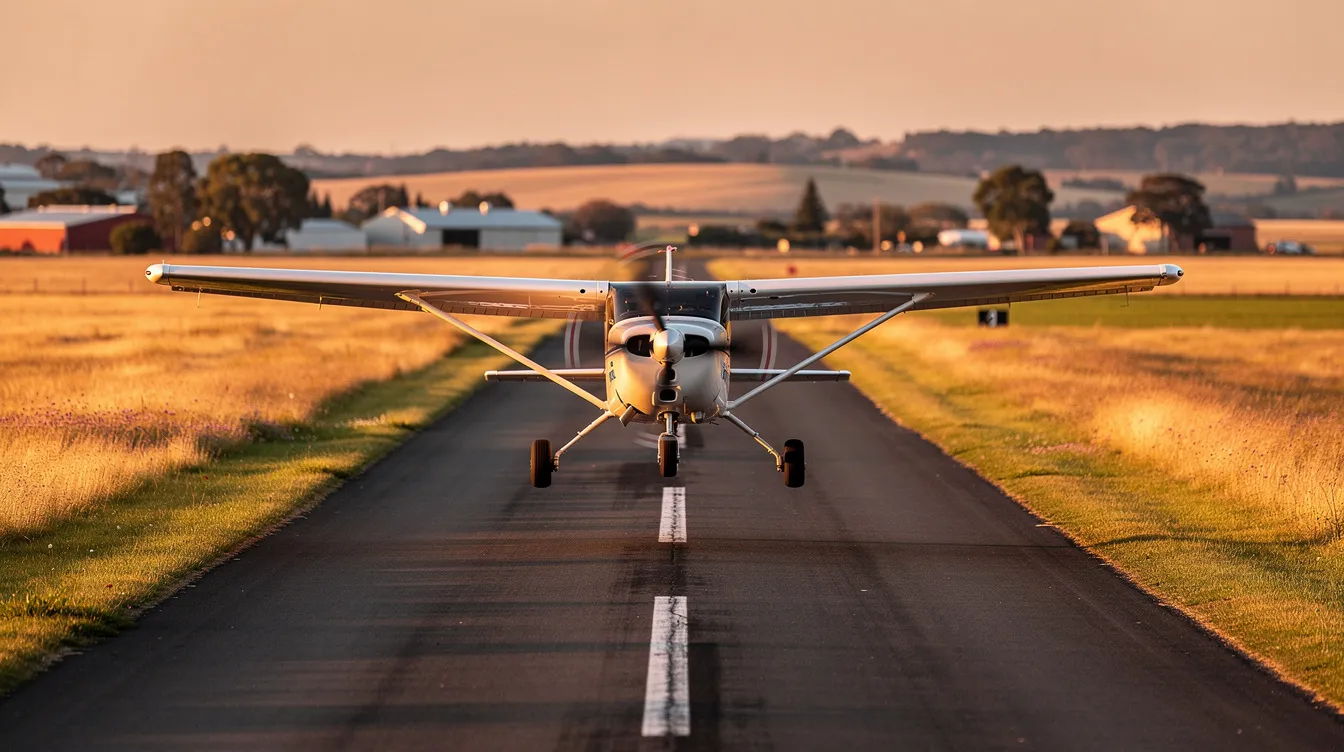
While both the Cessna 150 and 152 are factory tricycle-gear aircraft, tailwheel conversion kits exist for certain 150 models via Supplemental Type Certificates. These conversions install conventional gear similar to the older Cessna 120/140 family, transforming the handling dynamics significantly.
A tailwheel conversion demands more directional control during takeoff and landing rolls-ground loops become a real concern, and pilots must stay active on the rudder throughout the ground roll. This appeals to experienced pilots who enjoy classic taildragger skills or who want to operate from unimproved strips.
There's also the Sparrowhawk conversion, a more comprehensive modification that can include engine upgrades and aerodynamic improvements beyond just the landing gear. These are niche modifications-costly and specialized-but they demonstrate the enduring versatility of the 150/152 airframe.
Most readers will encounter the 150/152 in standard tricycle configuration at their local FBO or flight school. But for those drawn to conventional gear flying, these conversions offer a unique path.
Ownership, Operating Costs, and Affordability
One reason the Cessna 150 and 152 remain so popular is their relatively low acquisition and operating costs compared with virtually any other aircraft type.
Current market pricing (approximate, mid-2020s):
Details | Cessna 150 | Cessna 152 |
|---|
Used Market Price Range | $37,000–$85,000 | $50,000–$93,000 |
Typical Fuel Burn | ~5.6 gph | ~6.1 gph |
Engine | Continental O-200-A (100 hp) | Lycoming O-235-L2C (110 hp) |
Max Takeoff Weight | 1,600 lbs | 1,670 lbs |
Useful Load | ~420–530 lbs | ~500–540 lbs |
Cruise Speed | ~100–105 KTAS | ~104–107 KTAS |
Electrical System | 14-volt | 28-volt |
Engine TBO (Time Before Overhaul) | 1,800 hours | 2,400 hours |
Max Flap Deflection | 40° | 30° |
Production Years | 1958–1977 | 1978–1985 |
The Cessna 150 is generally cheaper to purchase than the Cessna 152, and the Cessna 150 is often chosen by private individuals on a budget who want an affordable way to build hours and stay current. The 152 may justify a higher price with better performance, a newer airframe, and the longer TBO of its Lycoming engine.
Key cost drivers beyond acquisition include:
Engine overhauls: The 150's O-200 hits TBO at 1,800 hours; the 152's O-235 at 2,400 hours. Overhaul costs are broadly similar, but the 152's longer interval spreads the cost over more flight hours.
Annual inspections: Typically $1,000–$2,500 depending on condition and findings.
Insurance: Insurance for Cessna 150 and 152 is generally inexpensive-these are low-value, low-performance aircraft with well-understood risk profiles. The accident rate for both types is in line with the broader GA training fleet.
Hangar or tie-down fees: Varies widely by region, from $100/month at a rural field to $500+ at a busy metro airport.
Avionics upgrades: A panel with modern avionics and ADS-B compliance can add $10,000–$30,000 to the aircraft's value and utility.
Many owners treat these aircraft as economical platforms to build engine time and stay current, recognizing that serious cross-country or business travel usually requires stepping up to a four-seat or multi-engine plane or considering affordable private plane options for budding aviators.
What to Look For When Buying a Cessna 150 or 152
Buying a legacy light aircraft demands careful pre-purchase evaluation. These airframes are 40–65 years old, and their condition varies enormously.
High-level checkpoints:
Logbook completeness: Unbroken records of all inspections, AD compliance, and engine history. Gaps are red flags.
Airframe corrosion: Inspect longerons, wing spar areas, fuel tank sumps, and belly skins. Coastal or humid-climate aircraft deserve extra scrutiny.
Engine time since major overhaul: Low-time engines command premium prices. Ask for compression check results and oil analysis trends.
Accident history: Check FAA records. A repaired aircraft isn't necessarily disqualified, but undisclosed damage is a deal-breaker.
Avionics: A modern GPS/ADS-B panel with a capable comm/nav stack can represent a large portion of the aircraft's value and dramatically increase utility for cross-country flight.
Fuel system: Verify whether long-range tanks are installed, check fuel capacity, and confirm proper fuel selector operation. On 150s, confirm any STC modifications for modern fuel compatibility.
Get a thorough pre-buy inspection from a mechanic experienced with the Cessna 150- 152 family, ideally at a different shop than the seller's usual maintenance provider. Consider your mission: if you plan local flying and training from a temperate-climate airport, a lower-cost 150 may be the great airplane for you. If you fly from higher-elevation fields or need the performance margins for heavier loads, the 152 earns its premium.
From Two-Seat Trainers to Private Jets: Where the C150/152 Fit in the Bigger Picture
Many professional pilots who now command turbine aircraft started their aviation journey in the same aircraft type we've been discussing-a simple two-seat Cessna trainer with a single reliable engine and basic steam gauges. The skills learned in these piston trainers-energy management, crosswind technique, decision-making under pressure-form the bedrock of airmanship that scales to every category of aircraft.
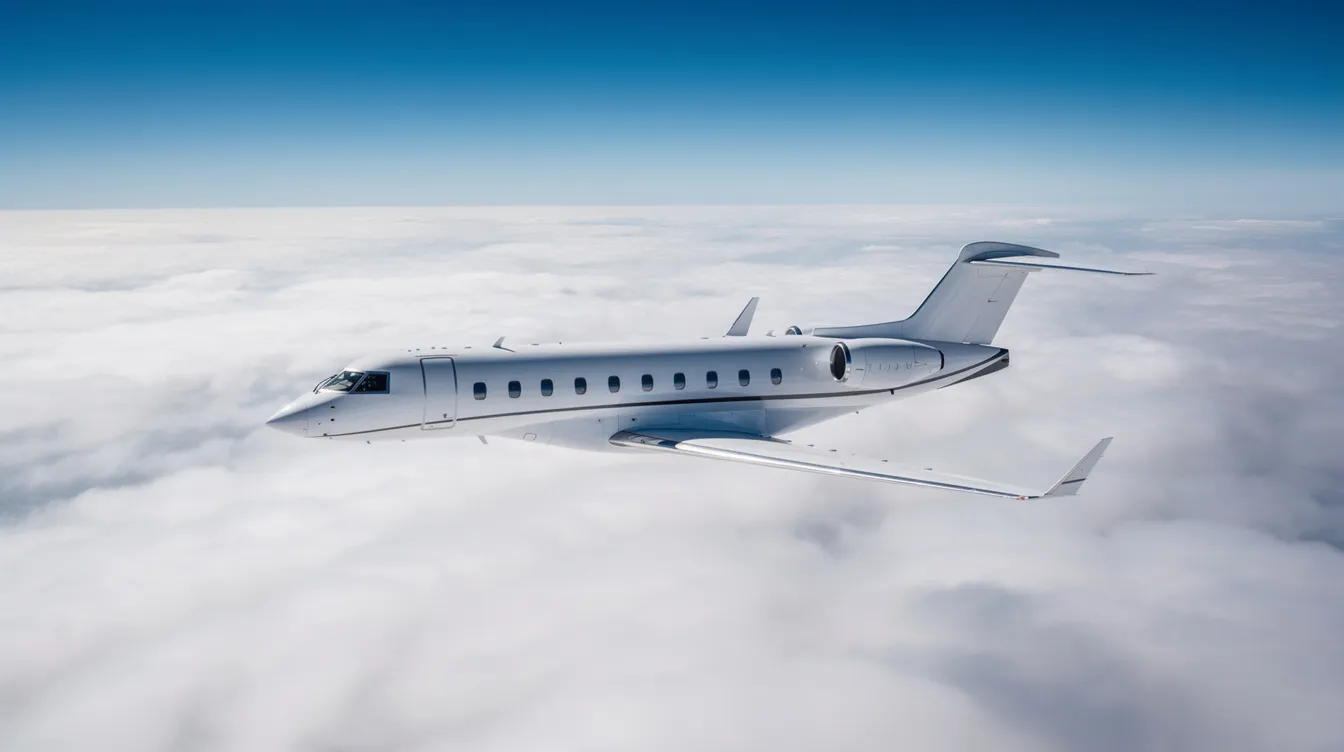
The mission contrast is stark: a 150/152 handles local instruction and short hops at 100 knots and 5,000 feet, while a modern business jet covers thousands of miles at 500+ knots and FL450, with even the cheapest private jet options dramatically extending range and speed beyond what these trainers can offer. But the pilot's foundation is the same.
At BlackJet, we don't operate C150/152s, but we deeply respect their role in aviation. The pilots flying our network's fleet typically accumulated their foundational hours in light aircraft just like these before progressing through complex singles, multi-engine ratings, and type certifications in jet equipment.
Consider one of our members: a business executive who earned a private pilot certificate in a Cessna 152 two decades ago, logging weekend cross-countries from a small grass strip. Today, that same love of aviation translates into traveling via a mid-cabin jet through BlackJet's 25+ Hour Jet Card program, saving hours of commercial travel time while still appreciating the elegance of flight that started in a trainer's cockpit.
Safety, Certification, and Technology at the Next Level
The inherent safety strengths of the Cessna 150 and 152-forgiving handling, benign stall characteristics, and simple systems-set a standard that modern private jets build upon with far more complex and redundant architectures.
BlackJet works only with operators and crews that meet stringent safety and certification standards exceeding basic regulatory requirements, comparable to the leading private jet companies known for luxury travel and exceptional service. Where a 150/152 relies on analog gauges and a single-pilot setup with a VOR receiver, BlackJet's network aircraft feature advanced glass cockpits, multiple redundant flight management systems, and sophisticated weather and terrain awareness technology.
Technology extends beyond the cockpit. BlackJet's digital booking platform and real-time flight support allow members to coordinate multi-city trips seamlessly via app and dedicated flight specialists-a natural evolution from the days when a student pilot planned a training sortie with a paper logbook and a sectional chart, and far more streamlined than traditional methods of buying a seat on a private jet.
Sustainability: From Efficient Trainers to Carbon-Neutral Jet Travel
Both the Cessna 150 and 152 are inherently efficient aircraft, burning just 5.6 to 6.1 gallons per hour; they represent some of the lowest fuel consumption in powered flight. Modern private aviation operates at a vastly different scale, but sustainability remains essential.
BlackJet ensures every private jet flight in its Jet Card programs—structured with transparent jet card pricing for predictable costs and benefits—is carbon neutral through verified carbon offsets and insetting programs. A local hour in a 150/152 may burn 5–7 gallons of avgas; a private jet covers hundreds of miles in the same timeframe but offsets its emissions through structured sustainability initiatives at no extra cost to the member.
This isn't a trade-off-it's responsible aviation evolving to match the scale of the mission while maintaining the environmental accountability that the broader industry demands, much like how travelers increasingly seek out the cheapest private aircraft and budget-friendly options that balance cost, capability, and sustainability.
Frequently Asked Questions: Cessna 150 vs Cessna 152
Is the Cessna 150 or 152 better for student pilots?
Both aircraft are commonly used in flight schools for training. The Cessna 152 offers improved performance for training-better climb, higher gross weight, and 100LL fuel compatibility-making it the more popular choice at most modern flight schools. The Cessna 150, with its lower fuel burn and forgiving handling, remains an excellent option, especially for lighter students or schools in temperate climates.
Can you use a C150/152 for cross-country trips?
Yes, though comfort and range are limited. With standard 26-gallon tanks, expect roughly 3–4 hours of range with reserves. Long-range tanks extend this further. The cabin is a bit cramped for extended flights, and the airplane carries limited baggage, but for weekend adventures within a few hundred miles, either model handles the job. For most folks, these are training and local-flying machines first.
Are these considered light-sport aircraft?
No. In standard configuration, neither the Cessna 150 nor 152 meets U.S. Light-Sport Aircraft weight limits. Pilots need at least a recreational or private pilot certificate to fly as pilot in command. They are certified as standard-category light aircraft.
Which is cheaper to own?
The Cessna 150 is generally cheaper to purchase-a used Cessna 150 costs between $37,000 and $85,000, while a used Cessna 152 costs between $50,000 and $93,000. The 150 also burns slightly less fuel. However, the 152's longer engine TBO (2,400 vs 1,800 hours) can offset some of that savings over time.
Do pilots who fly private jets start in aircraft like the Cessna 150/152?
Frequently, yes. Many pilots who now captain large-cabin business jets logged their earliest hours in trainers exactly like these. The progression from a two-seat piston trainer through complex singles, multi-engine ratings, and jet-type certifications is a well-established career pathway in professional aviation.
Conclusion: Choosing Between the Cessna 150 and 152-and Choosing Your Next Step in Aviation
Both the Cessna 150 and Cessna 152 are proven, great airplane designs that have trained generations of pilots. The difference between them comes down to power, weight, and small performance refinements-not fundamental capability. Either one will teach you to fly, build your confidence, and give you the foundation for everything that follows.
Key decision factors remain straightforward: budget, typical climate and runway length, desired performance margins, and what's available at your local flight school. If you can, fly both models during a few pattern sessions and on a short cross-country. The way each airplane responds on final approach, in the climb, and during slow flight will quickly reveal your personal preference.
For readers whose travel needs have grown beyond what a two-seat trainer can provide-whether for business, family, or the simple desire to cover more ground-private aviation offers the next evolution of that same freedom, and understanding the broader private jet price list and access options can clarify what that next step looks like. BlackJet's Jet Card membership pricing and programs and on-demand charter services deliver seamless, carbon-neutral private jet access backed by professional crews who began their careers, like many pilots, in simple Cessna trainers.
Elevate your travel effortlessly. Explore BlackJet's Jet Card programs and discover how refined, meaningful travel becomes your new standard. Safety, sustainability, and flexibility-built in from the ground up.


 Sign up with google
 Sign up with Apple