A Cessna 172 costs about $480,000 to $520,000 new in early 2026, while used Skyhawks range from roughly $30,000 to $450,000 depending on year, condition, avionics, and engine time. For prospective and current owners, flight school operators, pilot trainees, and buyers comparing piston aircraft with other private aviation options, the bigger number is total ownership: expect annual fixed costs of around $15,000 to $25,000, plus about $110 to $180 per flight hour to operate.
The Cessna 172 Skyhawk is the most popular airplane ever built, and one of the most searched aircraft because the purchase price alone rarely tells the full story. If you're eyeing your first aircraft as an owner-pilot, adding a trainer to a fleet, or deciding whether owning makes more sense than renting, this breakdown covers new and used pricing, maintenance and overhaul costs, the factors that drive aircraft value, performance basics, comparisons with other aircraft and private jet alternatives, and practical ways to control costs before they turn into expensive surprises.
Quick Answer: What Does a Cessna 172 Cost Today?
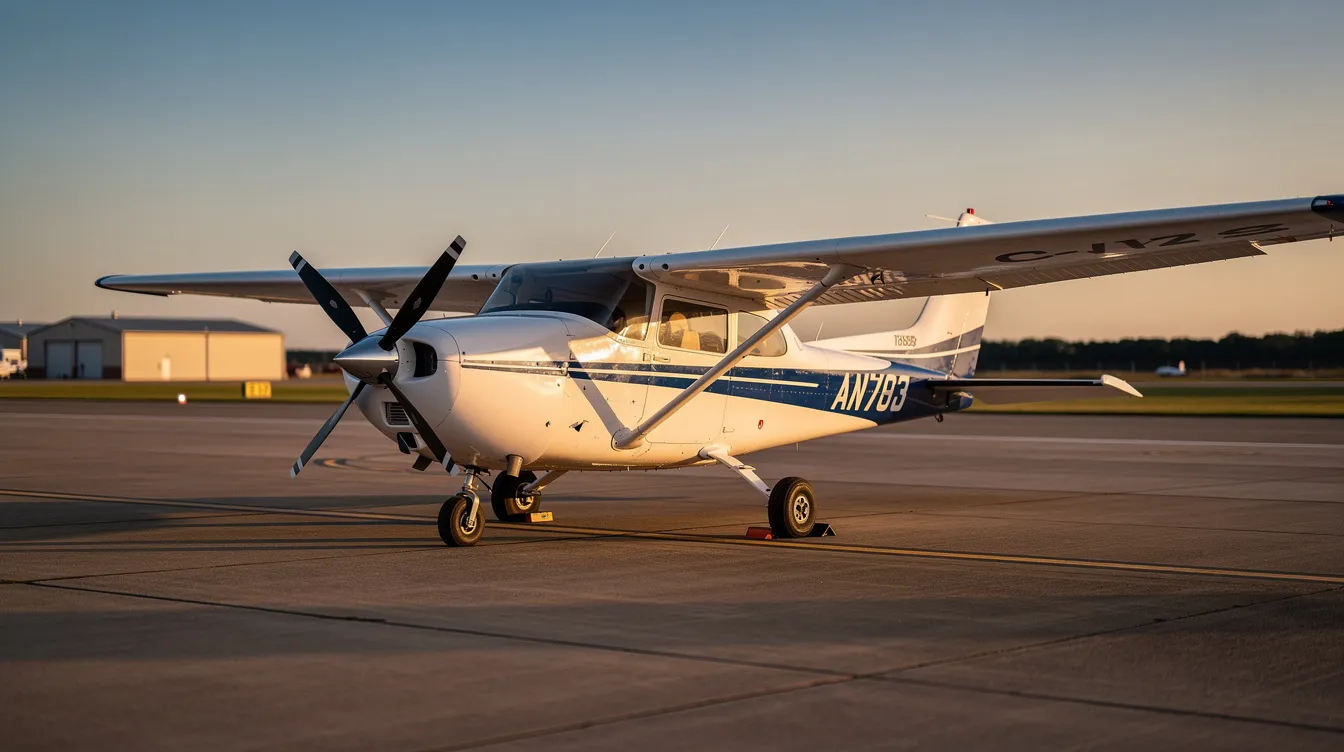
A brand-new Cessna 172S Skyhawk equipped with the Garmin G1000 NXi glass cockpit typically runs $480,000–$520,000 in early 2026. Late-model used aircraft from the 2000–2015 era generally list between $230,000 and $420,000, while older legacy airframes from the 1960s through 1980s often trade for $70,000–$220,000 depending on engine overhaul status, avionics, and corrosion history. Used Cessna 172 prices range from $30,000 to $300,000 across the full spectrum - meaning the spread is enormous, and the details matter far more than the headline number. A new Cessna 172 costs between $400,000 and $500,000 before common options push the delivered price higher.
But the purchase price is only the opening chapter. Private owners flying 100–150 hours per year typically see a fully loaded hourly cost of $110–$180, once you factor in fuel, maintenance reserves, insurance, and hangar rent. Typical total ownership costs for a Cessna 172 range from $15,000 to $25,000 annually before you even start the engine.
It's worth noting that while the Cessna 172 is among the most cost-effective entry points into aircraft ownership, high-net-worth travelers often find that a jet card or charter is more strategic for business trips - and that owning a Skyhawk is really about passion, training, and the freedom of personal flying.
Overview: Why the Cessna 172 Matters (and to Whom)
The Cessna Aircraft Company introduced the 172 Skyhawk in 1956, and it has been in nearly continuous production ever since. With over 44,000 built, it is the world's most-produced airplane - a four-seat, high-wing, single-engine aircraft that has become synonymous with general aviation itself.
The 172 fills several distinct roles:
Primary trainer for flight schools - the backbone of Part 61 and Part 141 programs across the United States and globally.
Time building platform - aspiring airline pilots log cross-country hours economically before stepping into turbine aircraft.
Family and personal utility - short regional hops, recreational flying, and weekend getaways within a few hundred miles.
Cost, however, is nuanced. Acquisition price is only part of the story. Ongoing fixed costs like hangar fees, annual inspection, and insurance accrue whether the plane flies or not. Variable costs - fuel, oil changes, and maintenance reserves - scale with every hour of flight. Understanding this distinction is what separates a confident buyer from one who is blindsided a year after purchasing.
From BlackJet's perspective, the 172 is an excellent "personal air mobility" solution for sub-500-mile day trips and hands-on flying. It complements, rather than competes with, private jets, which handle longer, multi-city, or weather-sensitive missions where turbine performance, pressurization, and higher cruise speeds matter, and where understanding the broader private jet price landscape and access models becomes crucial for strategic planning.
New Cessna 172 Price in 2026
Textron Aviation's current production model is the Cessna 172S Skyhawk, delivered from the factory with the Garmin G1000 NXi avionics suite. Newer models generally command higher prices due to improved features, warranty coverage, and the latest technology in cockpit integration.
Current typical pricing:
Base new Skyhawk price: around $480,000 in early 2026 (USD), consistent with reports that fleet acquisition costs run $450,000–$500,000.
Realistic fly-away price with common options - synthetic vision, premium interior, wheel fairings, custom paint schemes - pushes the total to $500,000–$520,000.
Price will vary depending on avionics packages (integrated autopilot, traffic and weather sensors), interior trim and seats, delivery fees, and support or training packages bundled by the dealer.
For a professional training operation, purchasing new can make financial sense because factory warranty reduces unplanned maintenance and modern avionics align students with airline-style glass cockpits. For private owners, however, tying up $500,000 in a single piston aircraft is a significant capital decision. Many BlackJet clients instead allocate that capital to jet card hours usable across multiple cabin classes for both domestic and international missions - preserving flexibility while avoiding depreciation risk while leveraging comprehensive jet card pricing structures and benefits to align costs with actual travel needs.
Used Cessna 172 Prices by Era
The used Cessna 172 market in 2025–2026 has been tight. Demand from flight schools, a persistent pilot shortage, and limited supply of clean airframes have kept prices elevated compared to pre-2020 levels. Cessna 172 listings generally stay active for about 103 days, reflecting steady but selective buyer interest. Cessna 172 aircraft typically have a total time of about 6,631 hours on the market - meaning many available planes have seen decades of faithful service.
Here's how pricing breaks down by production era:
1950s–1960s (early 172, 172A–H, F172 series): roughly $60,000–$130,000. Lower purchase price, but older Continental O-300 engines mean scarcer parts and higher maintenance. Cessna 172 prices range from $40,000 to $300,000 across all eras, and these classics sit at the lower end.
1970s–1980s (172M, 172N, 172P, R172, 172RG): typically $90,000–$220,000. Many in this group have upgraded engines or modern avionics. Recent listings show used Cessna 172s priced between $219,000 and $244,499 for well-equipped examples from this period.
1997–2008 (172R and early 172S fuel-injected models): around $230,000–$350,000 depending on hours and glass panel retrofits.
2009–2020 (late G1000 and G1000 NXi Skyhawks): usually $320,000–$450,000, especially with low total time and clean logs. Late-model Cessna 172s with modern cockpits can cost $250,000 to $400,000 or more.
Real-world listings in 2025–2026 show well-equipped late-1970s Hawk XP or 172N examples advertised around $190,000–$220,000, and aircraft listed at the top end are usually in good condition, with cleaner logs, better cosmetics, or stronger equipment status. Some high-time training airframes are discounted but need impending engine work or avionics investment. The average price figure alone can mislead - model year, airframe time, engine time since overhaul, avionics, and operational history drive value far more than age on paper, much like other affordable small planes for budget-conscious pilots where smart selection matters more than headline price.
Key Factors That Drive Cessna 172 Purchase Price
Several variables determine whether a Cessna 172 is priced at $70,000 or $350,000, and similar tradeoffs show up when comparing top affordable private planes for new aviators:
Model and year - a 172S with fuel-injected Lycoming IO-360 commands a premium over older carbureted models.
Total airframe time (TTAF) and engine time - the Lycoming engine TBO is 2,000 hours; a plane with a freshly overhauled engine is worth substantially more.
Avionics suite - steam gauges versus Garmin G1000, GTN 750/650, ads b in/out, and autopilot. Modern avionics upgrades can significantly increase aircraft value.
Damage history and logbook completeness - a clean logbook history is essential for preserving aircraft value. Maintenance history is crucial for retaining an aircraft's value over time.
Interior and paint condition - a fresh paint job or new interior can add tens of thousands in resale value.
Modifications and STCs - STOL kits, long-range fuel tanks, floatplane conversions, and more powerful engine upgrades (e.g., 180 hp swaps on older 150 hp airframes).
Buyers should also consider where the aircraft has been based. Coastal environments increase corrosion risk, while dry inland hangared storage generally means easier cosmetic upkeep and higher resale. Equipment condition - landing gear components, propellers, wings - all factor into the final negotiation.
One-Time Acquisition Costs When Buying a Cessna 172
The cost of purchasing a Cessna 172 extends well beyond the listing price. Budget for these closing expenses:
Pre-purchase inspection: typically $1,500–$4,000 at a reputable shop; combining it with the next annual inspection gives deeper insight into the airplane's condition and parallels the diligence smart travelers apply when evaluating small plane charter costs and options.
Sales tax and registration: state-specific in the U.S., often 3–8% of the sale price. FAA registration, title search, and escrow fees add roughly $500–$1,500.
Ferry flight and delivery: hiring a ferry pilot plus fuel and landing fees can add $1,000–$5,000 depending on ground distance.
Initial upgrades: a common post-purchase upgrade path for older aircraft includes first-year avionics or safety additions- ADS-B out compliance, shoulder harnesses, panel clean-up - which may run $5,000–$25,000 if not already installed.
A sound plan is to budget an additional 10–20% of the purchase price as an immediate improvement reserve, especially for older aircraft where equipment may need attention before the plane truly matches your mission.
Engine Overhaul Costs and Maintenance Reserves
The engine is the single largest maintenance expense in a Cessna 172's lifecycle and a major factor in every purchasing negotiation. It is powered by a Lycoming IO-360 engine producing 180 horsepower in the modern 172S, a reliable engine with a recommended TBO of 2,000 hours. Older models may use the Lycoming O-320 (150 hp) or Continental O-300 variants with similar overhaul intervals, just as engines and crew are central to the total cost of employing a private jet pilot in larger aircraft operations.
Current overhaul cost ranges:
Field or independent shop overhaul: approximately $26,000–$40,000 in 2026, depending on shop, parts, and scope. A Cessna 172 engine overhaul can cost between $20,000 and $40,000 at the standard tier.
Factory rebuilt or remanufactured engine: can exceed $45,000–$55,000 installed, sometimes more if cylinder work is extensive. An engine replacement with a zero-time remanufactured unit represents the top of this range.
To calculate your maintenance reserve, divide the estimated overhaul cost by the remaining hours to TBO. For example, $35,000 ÷ 2,000 hours = $17.50 per flight hour. Owners commonly set aside $15–$25 per hour for engine reserves alone. An overhauled engine with only 200 hours since overhaul is far more valuable than one approaching 1,800 hours - even if the airframe hours are similar. This distinction makes or breaks many sales negotiations.
Annual Inspection, Routine Maintenance, and Unexpected Repairs
The FAA requires an annual inspection for all general aviation aircraft used in non-commercial operations. Aircraft used in commercial instruction or rental service also need 100-hour inspections. Annual inspections for a Cessna 172 typically cost between $1,000 and $2,000 for basic labor, though most owners find that parts and corrective maintenance discovered during the inspection add $1,000–$4,000 per year.
Routine items to budget for also mirror the ongoing costs seen in the cheapest private aircraft and other budget-friendly options:
Oil and filter changes every 25–50 hours of flight - about $150–$300 per change, covering oil, filters, and consumables.
Tires, brake pads, and batteries at multi-year intervals; landing gear components should be inspected regularly.
Compliance with service bulletins and Airworthiness Directives (ADs) - some mandatory, others recommended but prudent.
Unexpected issues - corrosion repairs, cylinder work, avionics failures - can occasionally spike costs by $5,000–$15,000. A healthy contingency fund is essential. Owners who maintain clean, detailed logs and stay ahead of potential problems generally spend less over time and preserve their airplane's resale value.
Operating Costs: Fuel, Oil, and Hourly Cost Breakdown
Variable costs increase with flight hours, and fuel is the largest single variable expense. A modern 172S at typical cruise burns about 8.5–10.0 gallons per hour of 100LL avgas. With 2026 average U.S. avgas prices in the $6.00–$8.00 per gallon range, fuel costs for a Cessna 172 are about $100 to $150 per hour depending on location and power setting, which is modest compared with entry-level private jet options and their operating costs.
Here's the hourly breakdown:
Fuel: $55–$80/hr (at moderate cruise settings)
Engine overhaul reserve: $15–$25/hr
Maintenance reserve (non-engine): $10–$25/hr
Oil and minor consumables: $2–$4/hr
Total direct operating cost: commonly $80–$130/hr
When owners include fixed costs - hangar, insurance, annual inspection - spread over a typical 100–150 flight hours per year, the realistic fully loaded hourly cost often reaches $110–$180/hr.
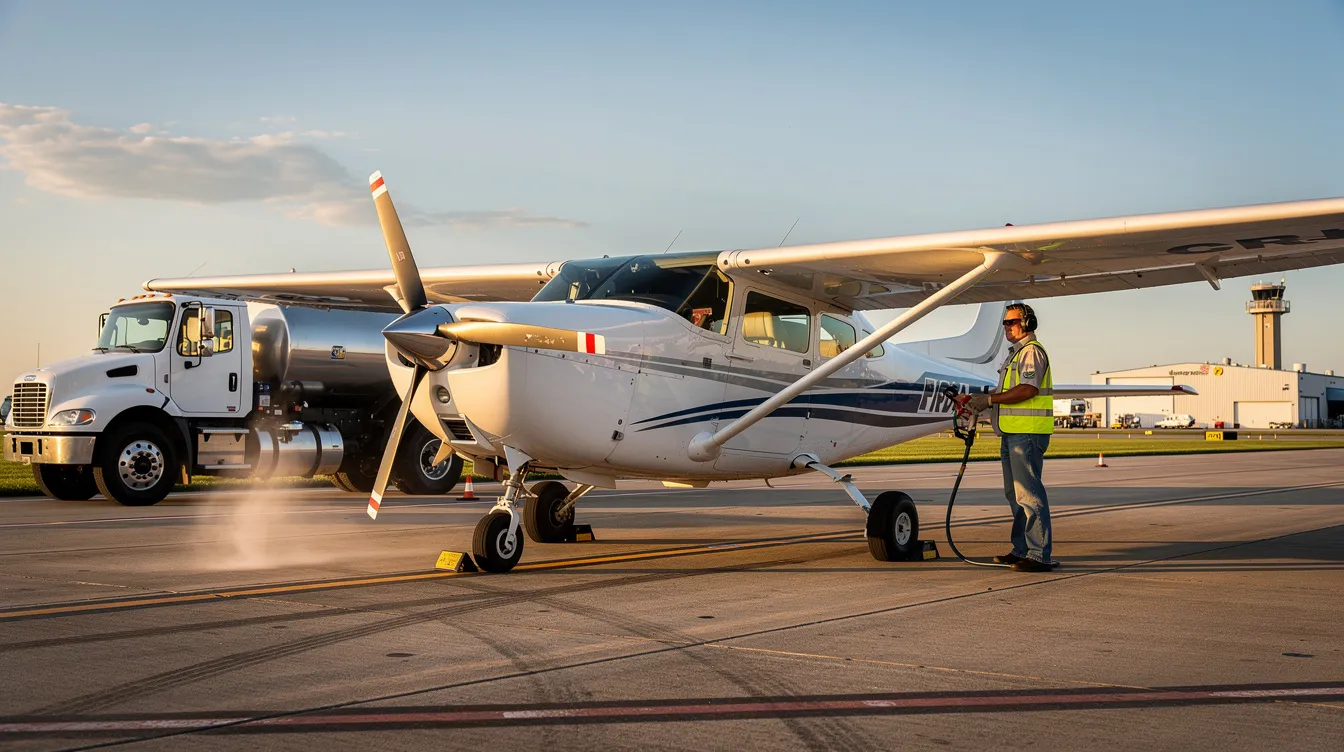
Fuel capacity and range influence how those costs play out on real trips. Standard 172S fuel capacity is 56 gallons total (53 gallons usable). With that useful fuel load, the typical real-world range is around 500–650 nautical miles with reserves, depending on weather conditions, power setting, and winds. The range of a Cessna 172 is about 640 nautical miles under standard conditions - enough for a solid day trip but not a cross-country marathon.
Fixed Ownership Costs: Hangar, Insurance, and Fees
Fixed costs are incurred regardless of flying hours, and they weigh heavily on owners who fly infrequently. Hangar rental and insurance can add $10,000 to $20,000 annually before a single flight.
Hangar and tie-down:
T-hangar rental at smaller inland airports: often $150–$300 per month
Major metropolitan or coastal airports: commonly $500–$1,000+ per month
Outdoor tie-down: cheaper at $50–$150 per month, but exposes the aircraft to weather, which accelerates corrosion and can increase long-term maintenance costs
Hangar fees can range from $150 to $1,000 per month - a significant spread that depends entirely on geography and should be weighed alongside other ownership expenses when comparing affordable personal aircraft choices and even other budget-friendly private plane alternatives.
Insurance:
Annual insurance premiums for a Cessna 172 range from $1,200 to $5,000. Private owners with decent experience and moderate hull values typically pay $1,200–$3,000 per year.
Low-time pilots or higher hull values (late-model or new aircraft) can push premiums toward $4,000–$5,000.
The difference between liability-only and hull-plus-liability coverage is substantial; hull coverage protects your investment in an accident but comes at a premium.
Other fixed expenses:
Navigation database subscriptions for modern avionics (Garmin): $500–$1,000 per year
Memberships (AOPA, type clubs) and local airport association fees
To understand your true per-hour impact, total these fixed costs and divide by your expected annual flight hours. An owner flying 50 hours per year pays dramatically more per hour in fixed costs than one flying 150 hours.
Performance, Useful Load, and How They Relate to Cost
Performance characteristics - speed, useful load, fuel capacity - don't directly change the purchase price but strongly influence which 172 variant fits a buyer's mission profile and whether the plane will actually serve your needs without forcing you to rent or charter something larger.
Representative numbers for the 172S Skyhawk:
Empty weight: around 1,680 lb
Maximum takeoff weight: 2,550–2,558 lb
The Cessna 172 can carry a maximum useful load of 878 pounds in a standard configuration
Payload with full fuel (53 usable gallons): often around 540–580 lb - roughly three adults plus bags, or two adults, two kids, and luggage
The Cessna 172 has a cruising speed of 120 knots at 65–75% power
Its maximum speed is approximately 163 knots
Service ceiling: about 14,000 ft
Takeoff ground roll: ~960 ft; landing distance over a 50-ft obstacle: ~1,600 ft in standard conditions
Stall speed in landing configuration: approximately 48 knots - one reason the 172 is such a forgiving trainer
The airplane does not feature variable-pitch propellers in its standard configuration (the fixed-pitch prop keeps things simple and reduces maintenance), though some modifications and the 172RG variant introduced more powerful engines and constant-speed prop options.
Adding heavy avionics, air conditioning kits, or floatplane equipment reduces useful load. Lighter, simpler aircraft may be cheaper to operate and more flexible for four-passenger trips with baggage. Mission-appropriate performance helps avoid "overbuying" - paying for capability you rarely use - or "underbuying," which forces you to charter larger aircraft for real-world trips.
Ownership vs. Renting vs. Private Jet Solutions
Three approaches exist for accessing a Cessna 172 - or private aviation more broadly - and each suits a different profile.
Owning a 172 makes sense when:
You fly locally or regionally 75–200 hours per year
You value easy access to your own airplane for training, last-minute trips, and personal flexibility
You're willing to manage maintenance, annual inspections, and regulatory compliance
Renting or club membership works when:
You fly fewer than 50–75 hours per year
Typical rental rates of $130–$220 per hour wet (fuel included) make more sense than carrying fixed costs year-round
You're a student or occasional recreational flying enthusiast.
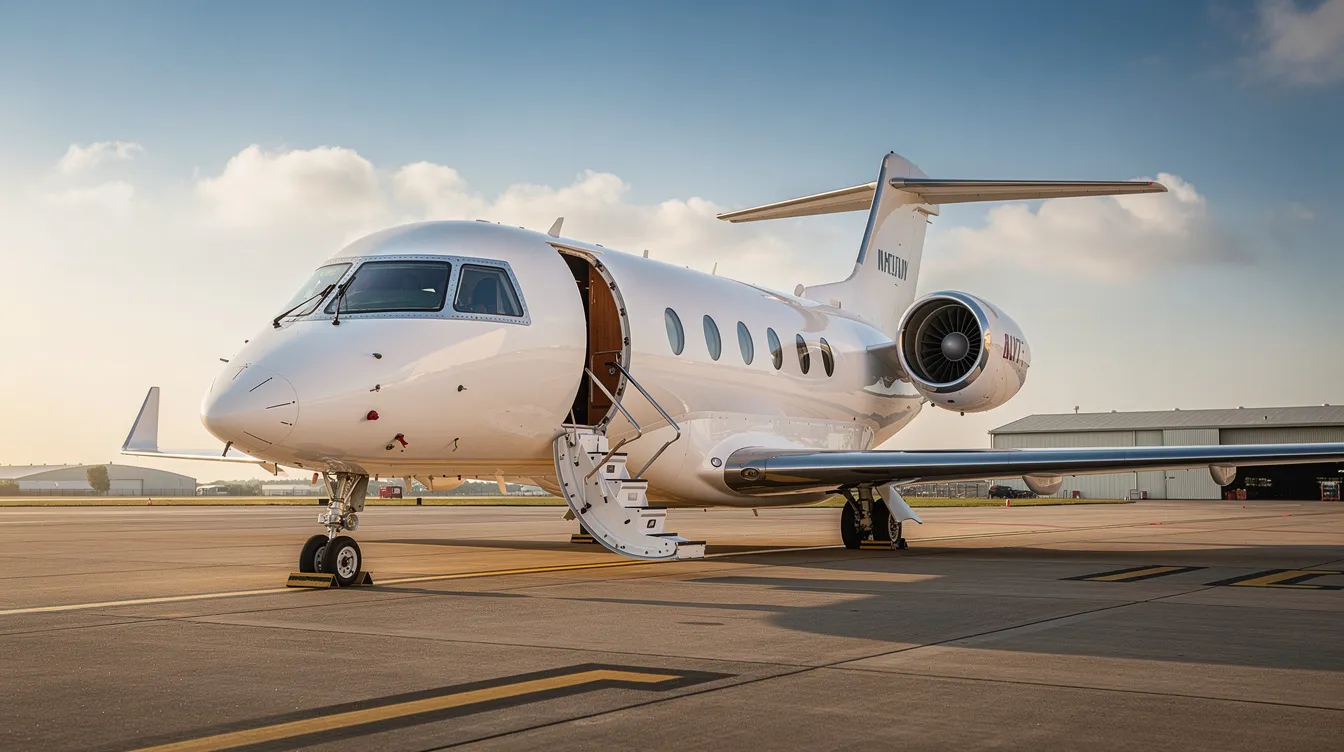
Private jets via jet cards or charter serve a different mission entirely. For business executives or high-net-worth travelers, the real cost consideration is time and productivity - not only dollars per hour. A Cessna 172 is ideal for personal or hobby flying, but it cannot deliver same-day cross-country business meetings, international hops, or weather-critical itineraries.
BlackJet's Jet Card programs provide prepaid access to light, midsize, and large-cabin jets, eliminating the capital commitment, depreciation risk, and maintenance complexity of owning an aircraft. They complement - rather than replace - a personal 172 for those who enjoy hands-on flying but want turbine-dependable performance for serious travel.
How the Cessna 172 Compares to Other Ownership Options
The 172 sits in a sweet spot, but understanding where it falls relative to alternatives clarifies whether it's the right choice, especially when you compare it with the cheapest private aircraft options across categories.
Two-seat trainers (Cessna 150/152, Piper Tomahawk): lower purchase prices but less useful load, fewer seats, and limited passenger or family utility.
More powerful piston singles (Cessna 182, Cirrus SR20/SR22): higher acquisition and operating cost, but faster cruise, greater useful load, and better performance at high-altitude airports. The Cirrus features a whole-airplane parachute system, adding a safety layer.
Entry-level turboprops and very light jets: acquisition often $2–5 million+, with drastically higher hourly costs but much greater speed, altitude, and weather capability. For a deeper comparison, explore private jet ownership costs.
The 172's appeal remains its balance: moderate speed, excellent handling, forgiving characteristics for the pilot, and comparatively low hourly cost among certified four-seat aircraft. Many BlackJet clients keep a 172 or similar piston plane for hands-on flying and local trips while relying on a jet card for mission-critical business travel where the money saved on hourly rate pales compared to the value of time.
Cost-Saving Strategies for Cessna 172 Owners
Reducing total cost of ownership without compromising safety is entirely achievable with the right approach, and many owners also evaluate whether chartering a private jet is worth it for select missions where a 172 is not practical:
Join or form a partnership: co-owning with two to four pilots spreads fixed costs like hangar rent, insurance, and annual inspections across multiple users.
Choose a high-quality older airframe: a well-maintained 1970s–1980s 172M, 172N, or 172P can be far more cost-effective than a newer model when upgraded appropriately. A strong operational history and clean logs matter more than a recent model year.
Invest early in preventative maintenance: corrosion treatment, timely engine and propeller servicing, and proactive avionics checks prevent expensive surprises. Regular oil changes and careful record-keeping protect both safety and resale value.
Fly regularly: consistent operation keeps systems lubricated and functional. Aircraft that sit idle develop seized bushings, corroded magnetos, and flat batteries - all of which cost money to fix.
When it comes to big-ticket decisions, opting for a thorough engine overhaul at a reputable company instead of a budget quick-fix preserves long-term value. Similarly, selecting avionics upgrades that match your actual mission - rather than over-spending on equipment you rarely use - keeps expenses proportionate. Working with a trusted A&P mechanic and, when appropriate, an aviation tax professional can further optimize your ownership structure, particularly if you later layer in jet card tax deduction strategies as part of a broader aviation plan.
When a Cessna 172 Isn't Enough: Stepping Up to Private Jets
There are situations where the 172's cost advantages are simply outweighed by time, range, and cabin comfort requirements.
Consider a New York–to–Miami executive trip. In a Cessna 172, you're looking at multiple fuel stops, 8–10 hours of flight time, exposure to adverse weather conditions, and arriving fatigued. In a light or midsize jet, you're there in 2.5–3 hours nonstop with full cabin privacy, Wi-Fi, and room to work. The opportunity cost of a senior executive spending an entire day piloting a piston airplane versus a few productive hours in a jet cabin is significant money left on the table.
For international business or long-range continental trips, the 172 simply isn't suitable. Private jets offer higher speed, altitude, and safety margins in complex airspace - the kind of dependable performance that business-critical travel demands.
BlackJet's Jet Card model gives easy access to a vetted fleet with rigorous safety and certification standards. Every flight is carbon neutral via offsets - complementing the relatively low fuel burn of a 172 for owners who care about sustainability. And modern digital booking with real-time support makes flying privately as seamless as summoning a car.
For many high-net-worth individuals, the optimal aviation portfolio is a Cessna 172 for personal flying, training, and local leisure alongside a jet card for business-critical and long-range missions. The two aren't competitors - they're complements.
FAQs About Cessna 172 Cost and Ownership
What is the average price of a used Cessna 172 in 2026? The realistic band depends heavily on era and condition. For late-model used aircraft (2000–2020), expect $230,000–$420,000. Older 1970s–1980s airframes typically run $90,000–$220,000, while pre-1970 classics can dip below $60,000. Extremes exist in both directions depending on avionics, engine time, and history.
How much does it cost per hour to fly a Cessna 172? All-in, private owners generally pay $110–$180 per hour when fixed and variable costs are combined over 100–150 annual flight hours. Direct variable costs alone - fuel, reserves, consumables - run about $80–$130 per hour.
How often do I need an engine overhaul, and how much should I budget? The standard TBO for most Lycoming engines in 172s is 2,000 hours. A field overhaul in 2026 runs approximately $26,000–$40,000; factory remanufactured units can exceed $50,000. Budget $15–$25 per flight hour toward your engine reserve to avoid a painful lump-sum surprise.
Are older Cessna 172s from the 1960s–1970s safe and economical? With proper maintenance, they can be safe and deliver dependable performance. However, they may require more frequent repairs, upgrades for modern requirements, and close attention to corrosion. A thorough pre-purchase inspection and complete logbooks are non-negotiable before purchasing any older airplane.
Is owning a 172 cheaper than flying private jets with a jet card? Per hour, a 172 is dramatically cheaper. But jets solve fundamentally different problems - speed, range, passenger comfort, and weather capability. Many owners find that keeping a 172 for personal flying while using a jet card for business travel is the most strategic plan. To explore how these solutions work together, discover BlackJet's Jet Card options and build a travel strategy that matches every mission in your life.
Conclusion: Is a Cessna 172 the Right Investment for You?
The Cessna 172 remains an iconic and practical choice for pilots seeking reliable, cost-effective personal aviation. Its enduring popularity stems from a balance of performance, versatility, and manageable ownership costs. Whether for flight training, recreational flying, or building valuable flight hours, the 172 offers an accessible entry point into aircraft ownership with predictable expenses and proven safety.
However, owning a Cessna 172 requires thoughtful financial planning beyond the purchase price. Fixed costs like hangar fees and insurance, combined with variable operating expenses and periodic engine overhauls, create a comprehensive cost profile that can rival other private aviation options. For high-net-worth travelers and frequent business flyers, supplementing or replacing piston aircraft ownership with a private jet card or charter service often makes strategic sense, delivering time savings, enhanced comfort, and broader mission flexibility.
Ultimately, the decision to invest in a Cessna 172 should align with your flying goals, budget, and lifestyle. For those passionate about hands-on flying and local trips, the Skyhawk offers an unmatched blend of accessibility and capability. For those prioritizing efficiency and global reach, BlackJet's premium jet card programs provide seamless, carbon-neutral access to a diverse fleet of private jets. Together, these options create a tailored aviation experience that elevates every journey.
Explore how BlackJet can complement your aviation portfolio and discover premier private jet access designed for discerning travelers. Your next flight awaits.


 Sign up with google
 Sign up with Apple


