Fuel is the single largest variable cost in aviation, and the answer to how much it costs to refuel a plane is: it depends on the aircraft and fuel price, with jet fuel averaging about $3.00 to $3.50 per gallon at contract rates in 2026. In practical terms, refueling a light private jet can run roughly $2,100 to $2,450, while topping off a large long-range jet can cost $19,800 to $23,100 or more.
For frequent business travelers, Jet Card members, and high-net-worth leisure flyers comparing private aviation costs, that spread matters because fuel has a direct impact on charter pricing, hourly rates, and Jet Card value. Below, you'll see how fuel pricing changes by aircraft type, the main aviation fuel options, what drives fuel burn and hourly fuel cost, how sustainable aviation fuel fits into the market, and how all of it flows through to private jet pricing in 2026.
Fast Answer: How Much Does It Cost to Refuel Different Aircraft Types?
A quick answer depends on the aircraft type, fuel type, and where you refuel. The average jet fuel price was $3.98 per gallon on May 8, 2026, at the wholesale/index level, though retail prices at FBOs run considerably higher. Refueling costs vary widely based on airport pricing and fuel type, so the figures below use a representative contract-to-retail range of $3.00–$3.50 per gallon for bulk Jet A to illustrate how much fuel different aircraft actually consume as a rough estimate.
Aircraft Type | Fuel Type | Capacity (gal) | Estimated Cost to Fill |
|---|
Cessna 172 (piston) | Avgas (100LL) | ~56 | $330–$360 |
Light private jet (Citation CJ3) | Jet A | ~700 | $2,100–$2,450 |
Super-midsize jet (Challenger 350) | Jet A | ~2,100 | $6,300–$7,350 |
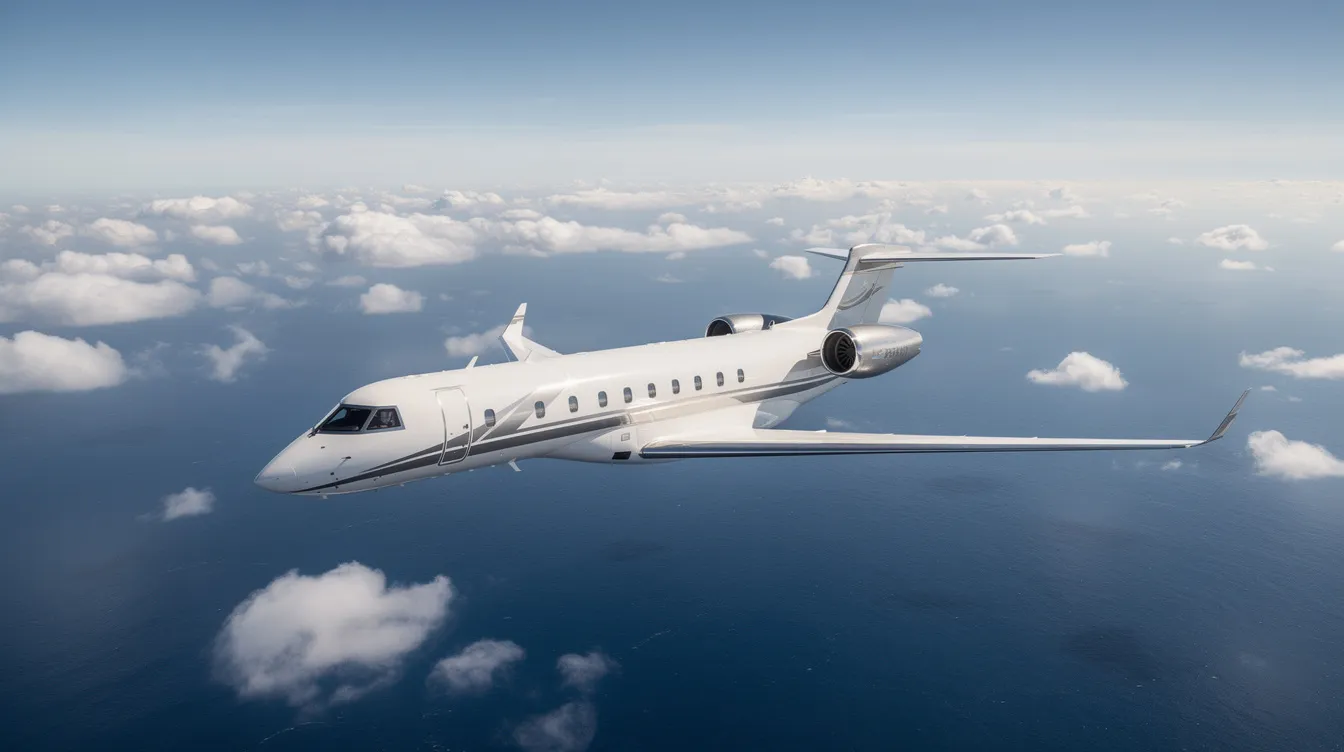
Large-cabin long-range jet (Gulfstream G650) | Jet A | ~6,600 | $19,800–$23,100 |
Boeing 737-800 | Jet A | ~6,875 | $20,600–$24,000 |
Boeing 777-300ER | Jet A | ~47,890 | $143,000–$167,000 |
Boeing 747-8 | Jet A | ~63,000 | Over $250,000 |
Airlines rarely fill to maximum capacity for every flight. Pilots and dispatchers load fuel for the planned sector length, required reserves, alternate airport contingency, and regulatory minimums - carrying unnecessary weight burns more fuel and raises overall costs.
For private jet travel, the fuel line is usually built into the hourly rate or all-in charter price. Depending on the aircraft type and mission, fuel typically represents 20–60% of the operating cost per hour and can account for over half on some missions or in some aircraft categories, making it the single most influential variable in what you pay.
Jet Fuel Basics: Jet A, Jet A-1, 100LL, and SAF in 2026
The answer to how much it costs to refuel a plane starts with which aviation fuel goes into the tanks. There are distinct fuel types, and per-gallon pricing differs significantly between them.
Jet A and Jet A-1 are kerosene-based fuels powering turbine engines on most commercial aircraft and private jets. Jet A is the U.S. standard; Jet A-1 is the international standard. The key difference is freeze point: Jet A has a freeze point of −40°C, giving it a higher freezing point than Jet A-1, while Jet A-1 has a lower freeze point of −47°C - critical for long-haul international flights over polar routes or at high altitudes. Jet A-1 fuel costs 5–8% more than Jet A due to tighter refining specifications; for a broader overview, see our guide to the different types of jet fuel.
100LL avgas fuels piston-engine aircraft. Piston planes typically use 100LL Avgas, which is more expensive than Jet A because of smaller refinery volumes and the lead additive. In 2026, 100LL costs $5.50–$7.50 per gallon at most general aviation airports.
Sustainable aviation fuel (SAF) is a drop-in alternative produced from renewable sources. SAF currently costs $6–$12 per gallon pure and runs 2–4 times more than conventional jet fuel, though U.S. tax incentives are narrowing the gap. Global production of SAF is roughly 0.7 million tons, and it is available at approximately 200 airports globally.
In May 2026, the national average retail price for Jet A fuel is $7.94 per gallon at FBOs, though operators with volume discounts and contract pricing typically pay well below that figure. BlackJet-approved operators uplift Jet A or Jet A-1 and can arrange SAF blends for carbon-conscious members on select routes.
What Actually Drives Jet Fuel Cost? (Oil, Taxes, and Airport Factors)
Aviation fuel prices in 2026 are shaped by global oil markets at the macro level and highly local airport conditions at the point of sale. Together, these factors influence what you pay per gallon - and therefore the cost to fuel any plane.
Global drivers start with crude oil prices. Brent and WTI benchmarks set the baseline for kerosene production. Refinery margins - the "crack spread" specific to jet fuel - add another layer of volatility. Geopolitical tensions and supply chain disruptions such as refinery outages or shipping bottlenecks can swing jet fuel prices by tens of cents per gallon within weeks. Jet fuel prices fluctuate with crude oil prices and geopolitical events, making market fluctuations a persistent concern for airline executives and private operators alike.
Local and regional drivers matter just as much:
Federal and state taxes: the U.S. levies ~21.8 cents/gal on general aviation jet fuel, with additional state and environmental fees.
Proximity to refineries: airports closer to major refining hubs generally offer lower fuel prices. As of May 11, 2026, Jet A prices in the Southeast average $3.45 per gallon, while Hawaii's average fuel price is approximately $5.50 per gallon and Alaska's average is around $4.80 per gallon due to trucking premiums.
Competition: busy airports with multiple FBOs see competitive fuel prices, whereas monopoly suppliers at smaller fields charge more. Jet fuel prices can vary 20–50% between different airports.
Fuel is the highest variable operational cost for airlines, and commercial airlines negotiate bulk contracts to lower fuel prices. Even so, a single-cent increase in fuel price adds $40 million annually for major carriers - illustrating how small per-gallon changes scale dramatically. For private flyers, understanding how fuel feeds into overall charter pricing is equally important: for a Gulfstream-class jet, a $0.50/gal increase adds roughly $3,300 to a single fill, and tens of thousands across a frequent traveler's annual profile.
From Price Per Gallon to Total Bill: How to Calculate Refueling Cost
The core formula is straightforward: total fuel cost = gallons required × current jet fuel price per gallon. For practical trip budgeting, private aviation converts this into fuel cost per hour: gallons burned per hour multiplied by the price per gallon, with aircraft burn, route conditions, and fuel price as key factors in the final refueling calculation.
Here are three worked examples at realistic 2026 contract rates:
Light jet, 2-hour hop: burns 180 gal/hr, Jet A at $3.25/gal → 360 gallons × $3.25 ≈ $1,170 in fuel for the sector.
Super-midsize jet, 5-hour cross-country: burns 260 gal/hr at $3.40/gal → 1,300 gallons × $3.40 ≈ $4,420.
Large-cabin long-range jet, 10-hour mission: burns 400 gal/hr, Jet A-1 at $3.30/gal → 4,000 gallons × $3.30 ≈ $13,200, with reserves pushing actual uplift closer to 4,800 gallons ≈ $15,840.
Fuel consumption rates depend on aircraft size and weight, and weather conditions like headwinds can increase fuel consumption by 5–10% on any given leg. Pilots and dispatchers calculate trip fuel, contingency fuel, alternate-airport fuel, and final reserve according to regulations and operator SOPs - they never simply "fill the tank."
For BlackJet Jet Card holders, this calculation is already embedded in the all-in hourly or trip-based pricing. Understanding how jet card costs are structured, however, helps you see why longer legs, headwinds, and remote refueling options naturally increase the fare.

Private Jet Fuel Burn per Hour: Light, Midsize, and Heavy Jets
Fuel burn per hour and fuel efficiency vary significantly by aircraft category, making the aircraft type one of the biggest factors influencing the total refueling cost and the per-hour rate you see on a Jet Card or charter quote.
Jet Category | Typical Burn Rate (gal/hr) | Example Aircraft | Fuel Cost per Hour (at $3.50/gal) | Notes |
|---|
Light Jets & Very Light Jets | 120–200 | Embraer Phenom 300 (~160 gal/hr) | $420–$700 | Ideal for 1–3-hour regional hops; most fuel-efficient |
Midsize & Super-Midsize Jets | 200–300 | Citation XLS+ (220 gal/hr), Challenger 350 (260 gal/hr) | $700–$1,050 | Cabin comfort, range, and reasonable fuel expenses |
Large & Ultra Long-Range Jets (Heavy Jets) | 300–500+ | Gulfstream G650 (400–450 gal/hr) | $1,050–$1,750+ | Fuel can reach 50–60% of operating costs |
Choosing fuel-efficient aircraft for a given route length is one of the simplest ways to reduce fuel burn significantly. Exploring the cheapest private aircraft and budget-friendly options can also highlight models that combine reasonable operating costs with solid performance. A full large-cabin jet can deliver better fuel burn per passenger-mile than an under-filled one, but in private aviation, the priority is personalization, not packing seats.
Commercial Airliners vs Private Jets: Fuel Cost and Ticket Prices
Airlines pay far less for fuel per passenger because they buy at large-scale contract rates and spread aviation fuel costs across hundreds of seats. Private jet fuel cost, by contrast, is absorbed by a small group or a single client - a fundamentally different equation.
Consider the numbers: a Boeing 737-800 burns roughly 690–790 gal/hr. A 2-hour sector at $3.25/gal costs the airline approximately $4,500–$5,100 in fuel. A Boeing 777-300ER on a 10-hour long-haul route burns around 1,800 gal/hr, yielding roughly $58,500 in fuel per flight, with full refueling for very long routes exceeding $150,000—figures that are especially relevant when comparing fuel economics to large private jets that seat around 20 passengers.
In March 2026, U.S. airlines spent $5.06 billion on fuel across all operations. Refueling a plane accounts for 20% to 31% of total airline operating expenses globally, and fuel costs account for 20%–40% of airline operating costs depending on the carrier and route mix. When aviation fuel prices spike, airlines respond with higher fares, fuel surcharges, and capacity cuts - directly affecting ticket prices for travelers.
For private jet travel, the per-passenger fuel component is significantly higher. A 3-hour New York–Miami trip in a super-midsize jet may involve roughly $2,500–$3,000 in fuel spread across 6–8 passengers - about $375–$500 each purely for fuel use. That's comparable to or above commercial first class, but with incomparable flexibility, privacy, and direct routing. BlackJet's Jet Card pricing smooths fuel volatility so members see a predictable hourly cost rather than raw exposure to price spikes on each trip, with the BlackJet 25+ Hour Jet Card tailored for frequent midsize and large-cabin travelers.
How Long-Haul Routes Change the Fuel Equation
Long-haul routes magnify every element of the fuel equation: burn rate, fuel efficiency, reserve planning, and total fuel consumption. The longer the sector, the more fuel dominates your overall costs.
Consider a London-to-Los Angeles mission - approximately 11 hours in a Gulfstream G650 burning ~430 gal/hr. At $3.30/gal, that's roughly 4,730 gallons × $3.30 ≈ $15,600 in fuel. Add reserves for headwinds, alternate airports, and holding at busy airports, and the actual uplift can approach 6,000 gallons, pushing fuel cost past $20,000. These flights typically require Jet A-1 due to its lower freeze point for high-altitude, high-latitude operations.
Operators sometimes "tanker" fuel - loading extra at airports with competitive fuel prices to avoid paying higher costs at the destination. But more weight means more burn, so it's a calculated trade-off.
For commercial aviation, a Boeing 777 on a similar route might consume 18–20 tons of fuel per leg, with fuel cost often exceeding $50,000 per flight. Per-seat cost stays manageable on a full aircraft, but for most commercial aircraft, that math only works at high load factors.
BlackJet's flight planning tools and operator partners optimize long-haul fuel efficiency through flight-level selection, seasonal demand routing, and weather-adjusted planning - managing both cost and comfort for cardholders on international flights, whether they're chartering occasionally or exploring longer-term options like leasing a private jet.
How Fuel Costs Flow Into Private Jet Hourly Rates and BlackJet Jet Cards
Most private fliers never see an itemized fuel bill. Instead, fuel cost is embedded in one of three structures: a fixed hourly rate (Jet Card model), a trip-specific all-in charter quote, or a base rate plus fuel surcharges indexed to a jet fuel benchmark.
Here's how operators build the number: they estimate expected burn per hour for each aircraft type, multiply by a projected jet fuel cost per gallon, and layer in crew, maintenance, insurance, and overhead to arrive at the hourly charter rate. When global crude prices push fuel beyond a reference price band, some providers add variable surcharges, while others quietly adjust hourly rates - creating unpredictability.
BlackJet's Jet Card programs aim to keep fuel-inclusive hourly rates stable over the card term, shielding members from short-term aviation fuel price swings. By leveraging a diversified operator network and real-time market data, BlackJet negotiates competitive per-gallon rates that keep member pricing steady without surprise add-ons, mirroring the best practices outlined in our broader guide to jet card pricing structure and costs.
One practical tip: booking flights 7–14 days in advance allows for better fuel hedging and route optimization. And always ask whether the quoted hourly rate is fully inclusive or subject to post-flight adjustments - BlackJet discloses this upfront within its digital booking platform, applying the same principles you'd use when evaluating the best jet cards for frequent flyers.
Fuel Efficiency, Sustainability, and SAF: Beyond Just the Fuel Bill
How much fuel a plane burns is only part of the story. Fuel efficiency and environmental considerations matter for long-term cost control and responsible travel, especially for travelers exploring the cheapest private jet options where operating costs are a key decision factor.
Efficiency gains from newer airframes are substantial. Modern jets use advanced aerodynamics - winglets, laminar flow surfaces, lightweight composites - and next-generation turbine engines to cut fuel burn per hour by 10–20% compared to older equivalents. Upgrading from an older midsize jet burning 280 gal/hr to a newer one burning 240 gal/hr saves roughly $140 per flight hour at $3.50/gal, generating meaningful annual savings across a busy travel schedule.
Sustainable aviation fuel SAF represents the aviation industry's most promising path to reduce carbon emissions. Produced from renewable sources and blended up to 50% with Jet A or Jet A-1, SAF can reduce lifecycle CO₂ emissions by up to 80% on the blended portion. In 2026, a 10–30% SAF blend may add 5–15% to the fuel component of a private flight, depending on the blend ratio and local availability.
U.S. tax credits for SAF range from $1.25 to $1.75 per gallon, helping offset higher costs. The European Union is also implementing blending mandates that are expanding supply. BlackJet offers carbon-neutral flights through verified offset programs and, where available, SAF refueling options on selected routes - flagging SAF-capable airports and estimating incremental cost and carbon emissions reduction right at the quote stage. For a deeper look, see our guide to green private jet travel.
Sample Trip Scenarios: What You Really Pay in Fuel for Private Jet Travel
Concrete trip scenarios help high-frequency travelers understand the real fuel cost inside a private jet quote, whether they're chartering the whole aircraft or buying a seat on a private jet through shared and semi-private models.
Route | Aircraft | Block Time | Burn Rate (gal/hr) | Fuel Price | Total Fuel Cost |
|---|
New York (Teterboro) – Washington, D.C. | Phenom 300 (Light Jet) | 1 hour | ~160 | $3.40/gal | ~$544 |
Los Angeles – New York | Challenger 350 (Super-Midsize Jet) | ~5.5 hours | ~260 | $3.30/gal | ~$4,720 |
London – New York | Gulfstream G500 (Large Jet) | ~7 hours | ~380 | $3.40/gal | ~$9,040 |
BlackJet's real-time support team and booking platform preview these cost drivers, letting members compare aircraft categories, refueling options, and schedules to align fuel cost, comfort, and timing before confirming a flight.

FAQ: Common Questions About Plane Refueling Costs and Private Jet Travel
How much does it cost per hour in fuel to run a private jet?
At 2026 contract rates of $3.00–$4.00 per gallon, light jets run approximately $400–$800 per hour in fuel. Midsize and super-midsize jets fall in the $700–$1,200 range. Large-cabin and ultra-long-range jets typically exceed $1,200–$1,800+ per hour. Retail FBO prices (averaging $7.94/gal nationally) push these numbers considerably higher for operators without volume discounts.
Do Jet Cards lock in fuel cost?
Most Jet Cards, including BlackJet's, offer fixed hourly rates that already include an assumed fuel cost per hour. Rates may adjust only when fuel moves outside specified bands, with terms disclosed in advance - far more predictable than ad-hoc charter where average fuel prices hit your invoice directly, and particularly attractive for travelers evaluating the economics of a 100-hour jet card program.
Can I reduce the fuel cost on my private flights?
Yes. Choose an efficient aircraft matched to your route length, avoid unnecessary repositioning, depart from airports with competitive Jet A pricing near refining hubs, and consolidate trips where feasible. BlackJet advisors assist with each of these levers through the platform and can also help you assess whether a 50-hour jet card program offers better value than purely ad-hoc flying.
Does using SAF dramatically increase my trip cost?
A 10–30% SAF blend typically raises the fuel portion modestly - often in the single-digit percentage range on the total trip price - while delivering meaningful reductions in carbon emissions.
How closely do fuel prices track airline ticket prices?
Fuel is a major cost driver in commercial aviation. Prolonged price spikes in jet fuel costs generally lead to higher ticket prices, fuel surcharges, and capacity cuts across the aviation industry. Seasonal demand and peak travel seasons amplify the effect.
Understanding how much it costs to refuel a plane - and how those costs flow into the rates you actually pay - is a strategic advantage for any frequent flier. Whether your next mission is a one-hour regional hop or a transatlantic crossing, fuel remains the largest variable in your flight cost and a major line item within any comprehensive private jet price list and cost breakdown. A well-structured Jet Card program turns that volatility into predictability.
Conclusion: Mastering the Cost of Refueling a Plane in 2026
Understanding how much it costs to refuel a plane is essential for travelers and operators seeking to optimize private aviation expenses. Fuel remains the largest variable cost, influenced by aircraft type, fuel choice—from conventional jet fuel to sustainable aviation fuel (SAF)—and regional pricing disparities, such as those seen at major hubs like Los Angeles International Airport. Market volatility driven by crude oil prices, taxes, and geopolitical factors further impacts pricing, making fuel management a strategic priority.
For private jet travelers, integrating fuel costs transparently into hourly rates or charter quotes provides predictability and peace of mind. Choosing fuel-efficient aircraft, planning routes thoughtfully, and leveraging programs like BlackJet’s Jet Card can help mitigate fuel cost fluctuations. Moreover, embracing sustainability through SAF blends offers an opportunity to reduce carbon footprints while balancing cost considerations.
Ultimately, mastering aviation fuel costs is not just about saving money—it’s about elevating the entire travel experience with safety, efficiency, and environmental responsibility at the forefront, alongside an informed view of other major expenses such as private jet pilot and crew costs. Discover how BlackJet’s fuel-inclusive Jet Card programs and real-time support can transform your journey, offering seamless access to premier private aviation worldwide.
Discover how BlackJet's Jet Card programs deliver fuel-inclusive, transparent pricing across every cabin class - from light jets to ultra-long-range aircraft. Explore your refueling options at BlackJet.com.


 Sign up with google
 Sign up with Apple


