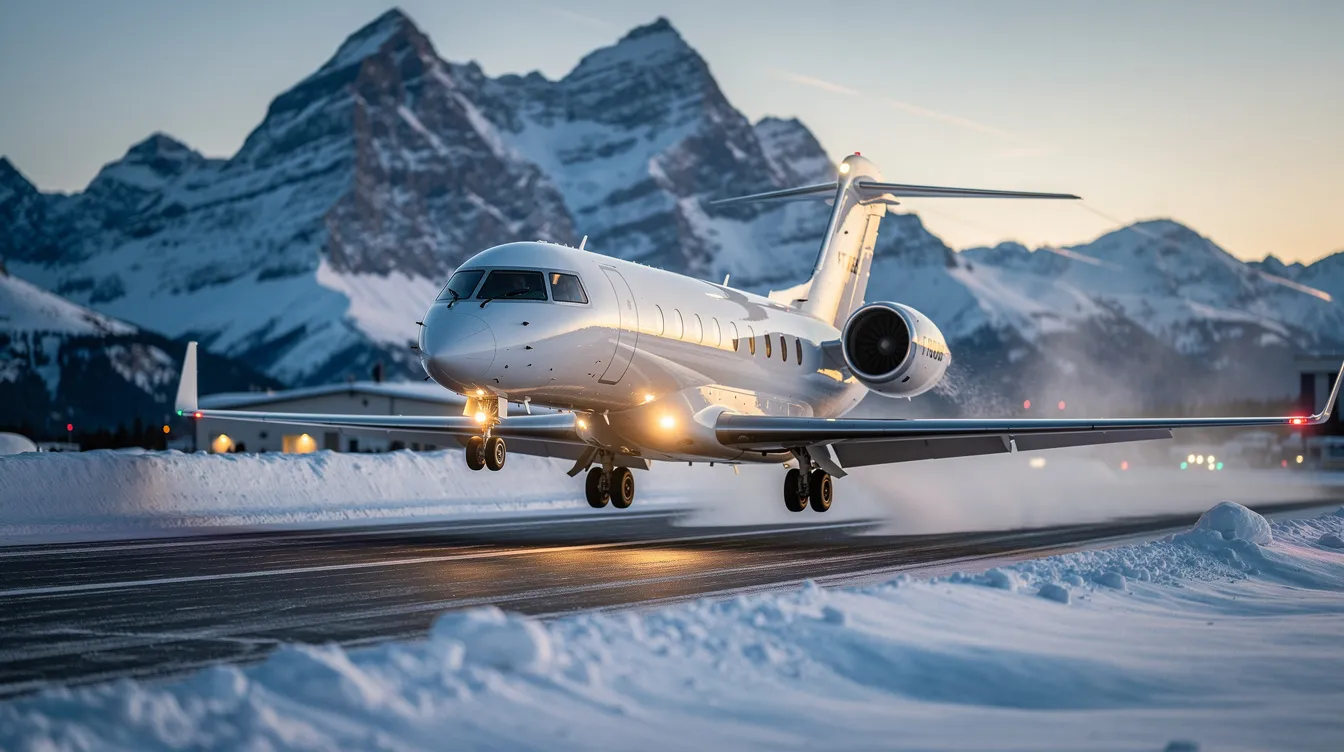
Private jet access is no longer just a marker of luxury. For executives, family offices, founders, and discerning travelers, it is a strategic tool: fewer wasted hours, more control over the itinerary, private working time in the cabin, and access to thousands of airports that commercial airlines do not serve.
This guide answers the practical question first - how much does private jet rental cost in 2026 - then explains what changes the final quote, when a Jet Card makes sense, and how BlackJet helps members make private aviation more predictable, transparent, and efficient.
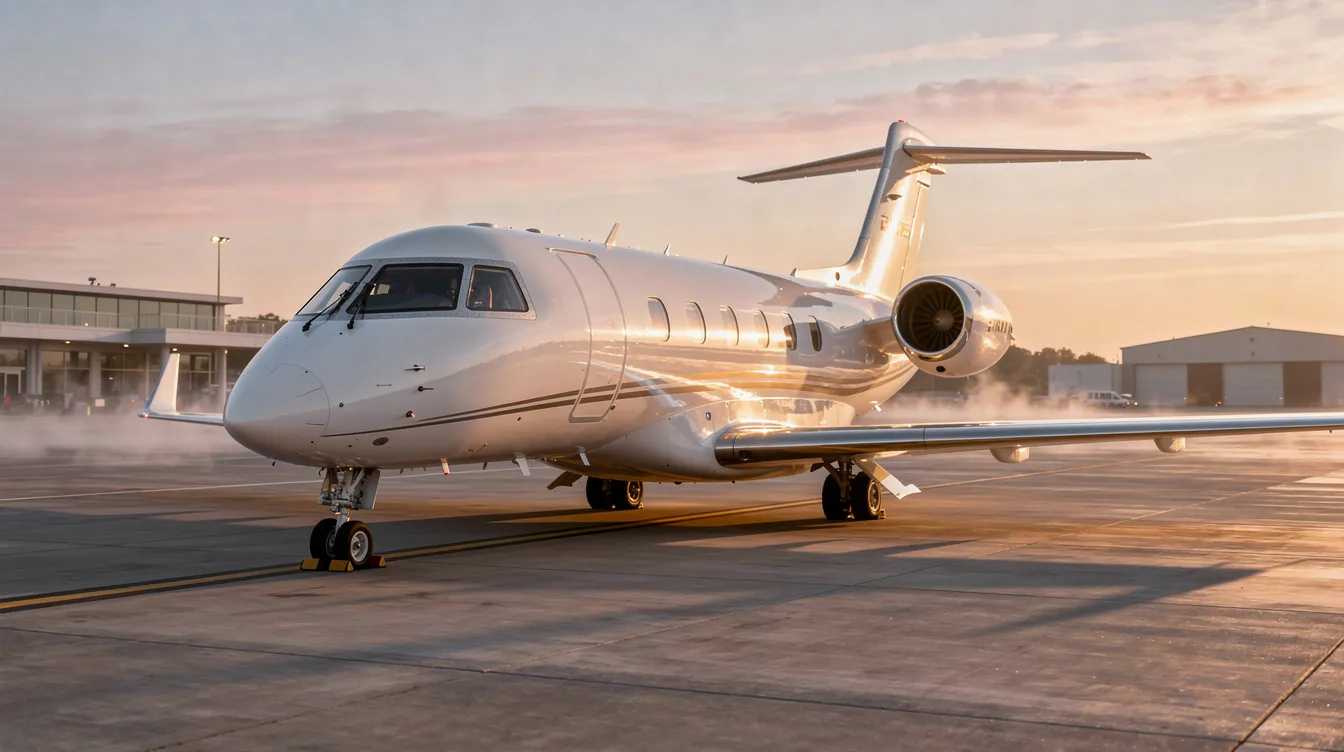
Quick Answer: How Much Does It Cost to Rent a Private Jet?
In 2026, private jet rental prices typically range from about $2,000 to over $14,000 per hour, depending on the aircraft type, route, flight time, aircraft availability, and additional services required. At the high end, heavy and ultra-long-range aircraft can exceed $18,000 per hour for long-haul flights and international flights, with total trip pricing often reaching the tens of thousands on larger aircraft and longer missions.
Pricing is for the whole aircraft, not per seat. Whether two passengers or ten passengers board the same aircraft, the private jet charter cost is generally based on the aircraft, crew, routing, airport fees, and flight hours. Most operators also apply minimums, often around 2 billable hours per day, which is why short hops can look expensive on paper.
Here are the 2026 ballpark hourly rates:
Aircraft category | Typical 2026 hourly rates | Best suited for |
|---|
Turboprop / Very Light Jet | $2,000–$3,000 per hour | Short regional hops |
Light jets | $4,000–$6,000 per hour | Domestic flights under 3 hours |
Midsize jet | $6,000–$8,000 per hour | Longer domestic and regional trips |
Super-midsize jet | $8,000–$10,000 per hour | Coast-to-coast U.S. routes |
Heavy jet / ultra long range | $11,000–$18,000+ per hour | Transatlantic and intercontinental missions |
A few common one-way examples:
New York to Miami on a light jet: about $18,000–$24,000 all-in.
Los Angeles to Las Vegas on a light jet: about $7,000–$10,000 all-in.
New York to London on a heavy jet: about $90,000–$130,000 all-in.
Compared with commercial flights, flying private is rarely cheaper per seat. The value is in control. A private jet flight can depart closer to your home or office, avoid major terminals, access 5,000+ airports versus roughly 500 commercially served airports in the U.S., and turn flight time into confidential working time.
BlackJet Jet Card members use fixed hourly rates and avoid many of the ad hoc surcharges seen in on-demand private jet charters, making it easier to compare jet card cost per hour against traditional charter. That matters most when schedules change, aircraft positioning becomes complicated, or peak travel demand pushes private jet charter prices upward.
What Drives Private Jet Rental Cost?
Two trips that look almost identical on a map can produce very different private jet rental costs. The difference usually comes down to aircraft size, airport choice, demand, minimum billable time, and whether the aircraft has to reposition before or after your charter flight. The aircraft category is the largest cost driver. A turboprop, light jets, a midsize jet, a super-midsize jet, a heavy jet, and an ultra-long-range aircraft all have different crew requirements, aircraft engines, maintenance costs, insurance costs, fuel burn, and operating profiles.
Hourly rates are not just “fuel plus margin.” Private jet charter costs reflect aircraft ownership costs, crew salaries, maintenance reserves, insurance, management, inspections, training, hangar fees, and regulatory compliance.
Flight time and distance matter, but not always in a straight line. Longer routes generally cost more in total, while very short routes can have a high effective hourly cost because operators apply minimum daily hours and short leg fees.
Passenger count affects aircraft size. A family of four may be comfortable on light jets, while a board team of nine may require a midsize or super-midsize cabin. Choosing too many aircraft increases the total cost; choosing too few aircraft affects comfort, baggage, and range.
Airport selection can change the private jet cost significantly. Regional airports and executive airports often have lower landing fees and handling charges than major hubs. Airport Landing and Ramp Fees vary by location and aircraft size, running anywhere from $300 to over $5,000 per stop.
Aircraft positioning can add cost. Repositioning Fees may apply if your chosen jet is not located at your departure airport, requiring payment for the “empty leg” cost to fly the plane to your location. These may appear as aircraft positioning fees or be built into the quote.
Timing can move the market. Travelers can save money by booking private jet charters during off-peak times, as prices can surge by 20-40% during high-demand periods like holidays and major events. Art Basel Miami, the Super Bowl, the Monaco Grand Prix, Christmas, and New Year’s are classic examples.
Private Jet Rental Cost by Aircraft Type
Choosing the right cabin class is the main lever to control jet rental cost without sacrificing comfort. The ideal private jet is the smallest aircraft that can safely and comfortably complete the mission with the right range, baggage capacity, cabin height, and runway performance.
Aircraft type | 2026 average hourly rates | Typical passengers | Example routes |
|---|
Turboprop / VLJ | $2,000–$3,000 | 4–6 | Dallas–Houston, Los Angeles–Santa Barbara |
Light jet | $4,000–$6,000 | 6–8 | New York–Boston, Los Angeles–Las Vegas |
Midsize jet | $6,000–$8,000 | 8–10 | New York–Palm Beach, Chicago–Denver |
Super-midsize jet | $8,000–$10,000 | 8–10 | New York–Los Angeles, Miami–Aspen |
Heavy jet | $11,000–$16,000 | 10–16 | New York–London, Los Angeles–Honolulu |
Ultra long range | $14,000–$18,000+ | 12–19 | Los Angeles–Tokyo, New York–Dubai |
Turboprops and very light jets are the entry point into private aviation. Turboprops and very light jets (VLJs) represent the most affordable entry point into private aviation, with hourly rates ranging from $1,200 to $2,500 and suitable for short regional hops. Broader 2026 market averages place Turboprops and Very Light Jets (VLJs) at $1,500 – $3,500 per hour.
Light jets are popular for domestic trips under three hours, typically seating 6 to 8 passengers and having a range of approximately 1,500 to 2,000 nautical miles. Typical light jet costs run $4,000–$6,000 per hour, with New York–Boston or Los Angeles–Las Vegas often pricing around $8,000–$12,000 all-in, depending on minimums and fees.
Midsize jets, such as the Hawker 800XP and Citation XLS, can accommodate 8 to 10 passengers and are capable of cruising over 2,500 nautical miles, making them suitable for both short-haul and long-haul flights. Midsize and Super-Midsize Jets average $4,000 – $10,500 per hour in the wider market, and a typical New York–Palm Beach trip may run $25,000–$35,000.
Super-midsize jets are a strong choice for coast-to-coast missions. New York–Los Angeles on a super-midsize can range from about $40,000–$55,000, while larger cabins, fuel stops, peak dates, or aircraft positioning may push the total charter cost higher.
Heavy jets, like the Gulfstream G450 and Challenger 605, typically carry 10 to 16 passengers and have a range of 4,500 to 6,500 nautical miles, with many offering stand-up cabins, which is one reason they are favored for longer flights, making them ideal for long-distance travel. Heavy and Ultra-Long-Range Jets average $8,500 – $20,000+ per hour, with Los Angeles–Honolulu often around $80,000–$110,000.
Ultra-long-range jets, such as the Gulfstream G700 and Global 7500, enable nonstop routes from New York to London or Dubai, catering to high-net-worth individuals and business travelers. Los Angeles–Tokyo can exceed $180,000 on premium ultra-long-range aircraft, especially when international handling fees, overflight permits, catering, and crew logistics are included.
At the very top of the market, a Boeing business jet, vip airliners, or ultra luxury vip airliners may be appropriate for heads of state, touring delegations, entertainment groups, or large corporate movements. These are specialized aircraft with a private jet price well beyond standard charter categories.
BlackJet Jet Card clients can move between cabin classes, from efficient light jets for quick regional trips to ultra-long-range jets for nonstop Europe or Middle East missions, using fixed, published hourly rates rather than renegotiating every trip from scratch.
Light Jets and Light Jet Costs in Detail
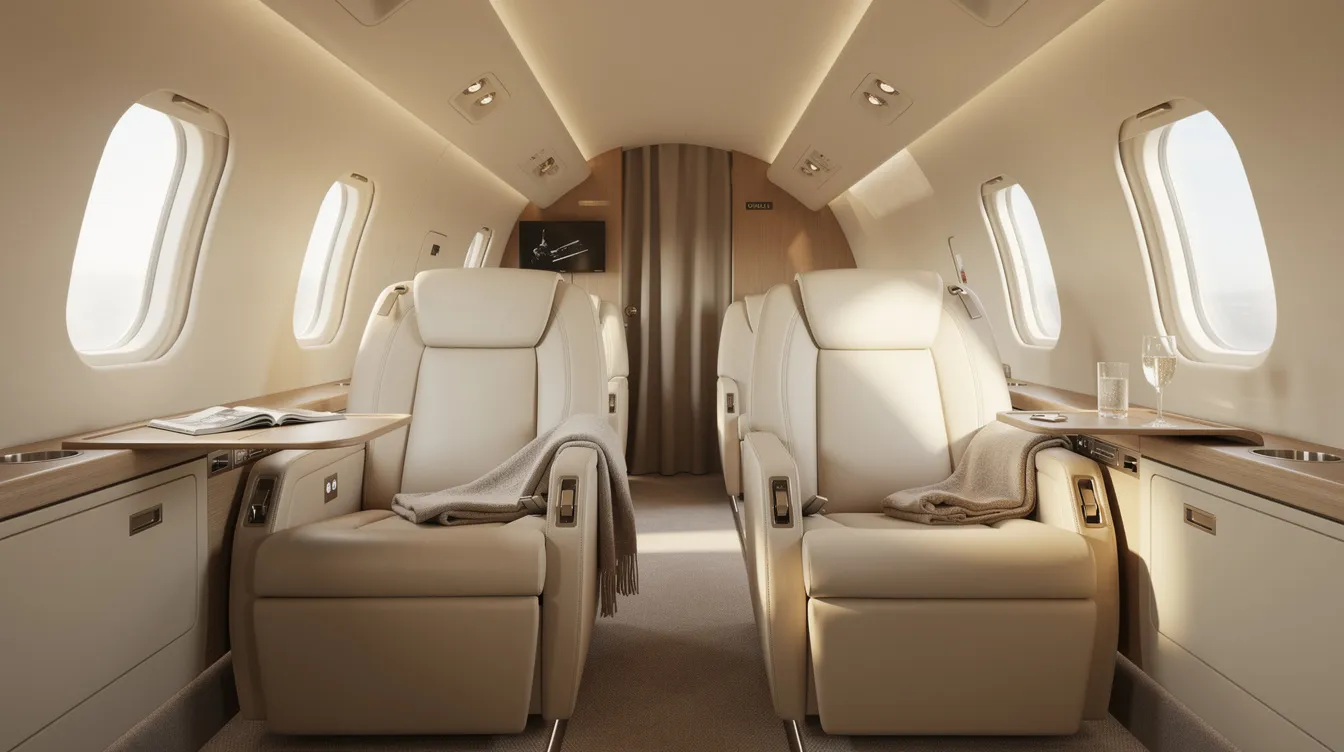
For many travelers, light jets are the first practical step into private jet travel. They balance speed, comfort, and cost for short business and leisure travel, especially when the route is under three hours, and the passenger group is small.
Typical light jets seat 6–7 passengers comfortably, with many models accommodating up to 8, depending on configuration.
Range usually falls around 1,200–1,800 nautical miles, while many popular models can approach 1,500–2,000 nautical miles under favorable conditions.
Cruise speed is commonly around 430–460 knots, which makes light jets meaningfully faster than turboprops on slightly longer routes.
Los Angeles–Las Vegas may be only about 45 minutes of block time, but it is often billed as 1.5–2.0 hours due to taxi time and minimums. The all-in cost is commonly $7,000–$10,000.
New York–Toronto usually involves 2.0–2.5 billed hours and often prices around $10,000–$15,000 all-in.
Light jets are more economical than turboprops when speed reduces enough to justify the higher hourly rate.
Turboprops often win on very short legs, tiny airfields, lower-speed regional missions, or routes where runway access is more important than speed.
BlackJet’s light jet costs on Jet Cards are quoted as a simple hourly figure that already factors in fuel and standard fees, helping members avoid hidden extras and compare private jet rental prices clearly.
Beyond the Hourly Rate: Taxes, Fees, and “Hidden” Costs
The advertised hourly rate is only part of the private jet rental cost. The total private jet price can include tax, repositioning, airport fees, crew expenses, fuel surcharges, catering, ground transportation, deicing, and other additional fees.
The Federal Excise Tax (FET) is a mandatory 7.5% tax applied to all domestic charter flights booked under FAR Part 135 regulations. In plain terms, the federal excise tax fet applies to most U.S. domestic private charter transportation, and the NBAA Federal Excise Tax guide is a useful reference for the rules.
Segment fees can also apply. In 2026, the per-segment passenger fee is around $4.80 per passenger per leg, depending on the applicable government schedule.
Landing fees at airports can vary widely, generally ranging from $100 to $1,500 per flight, depending on the specific airport and the size of the aircraft.
At premium hubs or for larger aircraft weight categories, landing and ramp charges can be much higher.
Airport Landing and Ramp Fees vary by location and aircraft size, running anywhere from $300 to over $5,000 per stop. Fixed base operators provide passenger lounges, aircraft parking, fueling coordination, baggage handling, and ramp services, and fixed base operators charge accordingly.
Crew overnight accommodation fees can add between $200 and $600 per crew member to the total charter cost if the crew needs to stay away from home overnight. Crew Incidental Expenses include covering the pilots’ and attendants’ hotel rooms, ground transport, and daily food stipends, typically between $300 and $500 per crew member per night.
Hangar fees can appear during winter operations or severe weather planning, especially when an aircraft needs to remain inside overnight to avoid frost, ice, or snow exposure.
Short leg fees may be charged when a flight is shorter than the operator’s minimum billable flight time, which typically ranges from 30 to 60 minutes.
A 30-minute hop may still be billed as 1.0–1.5 hours, and operators often require 2–3 billable hours per day for the aircraft.
Fuel surcharges are applicable when jet fuel prices exceed a certain threshold, adding to the overall cost of the charter. Some private jet charter services include standard fuel in the quoted rate; others pass volatility through as a separate line item.
De-Icing Fees for winter operations can add unexpected costs ranging from $1,500 to $15,000, depending on the plane’s size. Deicing is a safety requirement, not an optional service.
International handling fees, customs coordination, overflight permits, and navigation charges can add $500–$5,000+ per trip, especially on international flights or complex multi-country itineraries.
Wi-Fi charges still appear on some long-haul aircraft. Some charter companies include connectivity, while others bill by data usage or package.
Pet cleaning fees may apply when animals travel, especially if additional cabin cleaning is required before the next private flight.
BlackJet’s philosophy is transparent pricing with no surprise hidden fees. Jet Card trips are quoted all-in except for clearly itemized government taxes and extraordinary services, such as bespoke caviar service, rare vintage wine, or an onboard chef.
Charter vs. Jet Card vs. Ownership: Which Model Makes Sense?
There are three main ways to access private aviation: on-demand private jet charter, a Jet Card or membership program, and full or fractional aircraft ownership. The right model depends on how often you fly, how predictable your routes are, and how much operational responsibility you want to carry.
On-demand charter is the most flexible entry point. You pay trip by trip, select the aircraft for each mission, and avoid long-term commitments. Chartering a private jet allows users to select the most suitable aircraft for each trip, providing flexibility that ownership does not offer, as owners are limited to their specific aircraft.
The tradeoff is variability. On-demand jet rental exposes travelers to changing hourly rates, aircraft positioning fees, fuel surcharges, peak-day pricing, and less predictable aircraft availability during high-demand periods.
Membership programs, such as jet cards, provide fixed hourly pricing and guaranteed aircraft availability, making them a cost-effective option for frequent flyers. BlackJet’s 25-hour and 50-hour Jet Card programs sit in this strategic middle ground.
For most individuals and companies flying under roughly 150–200 hours per year, on-demand private jet rental or a Jet Card is typically more cost-effective than owning a private jet outright.
For most individuals, chartering a private jet is the more financially efficient choice unless they fly 200 or more hours per year, as ownership incurs fixed costs exceeding $1 million annually.
Owning a private jet involves not only the purchase price but also ongoing expenses such as maintenance, fuel, storage, and staffing, which can add significantly to the total cost of ownership.
Ownership economics are substantial. Acquisition often ranges from $5M–$70M+ for a 20-million-dollar private jet and comparable aircraft, while annual fixed costs for crew, hangar, maintenance, insurance, management, and inspections can run $1M–$4M per year even if the aircraft barely flies.
The total cost of ownership for a private jet can reach $500,000 to $1.2 million annually, making chartering a more flexible option for those who do not fly frequently. Larger jets, newer aircraft, and internationally operated aircraft can cost materially more.
Fractional ownership can be a viable option for frequent flyers, allowing them to share the costs and benefits of private jet travel without the full financial burden of ownership, and it may deliver additional advantages through the tax benefits of fractional jet ownership, but it is not suitable for those flying less than 50-75 hours per year.
A CFO flying New York–Chicago monthly may benefit from a 25-hour jet card program, such as a 25-hour BlackJet light jet card, because the route is repeatable, the schedule may change, and the executive needs predictable private jet flight costs.
A global family office team flying New York–London and New York–Dubai regularly may use a 50-hour jet card or similar super-midsize, heavy, or ultra-long range card to secure premium cabin access, international support, and consistent service standards.
When a Jet Card from BlackJet Lowers Your True Cost
A Jet Card can beat ad hoc private jet rental when you fly consistent routes, book frequent last-minute departures, or travel during peak periods such as Christmas, New Year’s, major sports finals, and school holidays.
BlackJet Jet Card members lock in hourly rates for the term of their deposit, helping insulate them from fuel surcharges and seasonal rate spikes that affect on-demand private charter, and the structure of jet card pricing makes it easier to forecast total travel budgets.
BlackJet’s 25+ Hour Jet Card programs provide prepaid access, fixed hourly pricing, and guaranteed aircraft category access, which makes budgeting easier for executives and families.
Cards can be used across multiple cabin sizes, allowing members to choose light jets for short hops and ultra-long range jets for transoceanic flights without renegotiating terms every time.
Members receive 24/7 real-time flight support, vetted operators, and access to aircraft operated under the appropriate air carrier certificate and overseen by the Federal Aviation Administration.
Safety adds financial value. A cheaper quote is not a bargain if it comes with weaker oversight, inconsistent crew standards, or unclear operational responsibility.
BlackJet integrates carbon-neutral flights automatically, and sustainable aviation fuel is increasingly available on select routes, helping members align private jet service with sustainability expectations.
Example Trip Scenarios and Estimated Private Jet Costs
The following examples show how the aircraft, route, flight hours, federal excise tax, minimums, and operational fees come together. Actual private jet charter prices vary by aircraft, dates, airport choice, weather, and aircraft availability.
Spring 2026: New York–Miami weekend on a light jet.
A light jet flying from New York to Miami typically involves about 2.5–3.0 flight hours. At $4,000–$6,000 per hour, the base charter cost may sit around $12,000–$18,000 before tax and fees. With federal excise tax, landing fees, handling, and standard services, the all-in range is often $18,000–$24,000. A BlackJet Jet Card member may see a 10–15% effective saving on the true trip cost through fixed pricing and fewer variable extras.
Winter 2026: Los Angeles–Aspen ski trip on a midsize jet.
This route can involve around 2.5–3.5 billed hours, depending on routing and weather. A midsize jet at $6,000–$8,000 per hour may produce an all-in estimate of $28,000–$40,000 when airport handling, crew planning, winter operations, and potential deicing are considered. For a typical 2-hour domestic flight on a midsize jet, the average cost to charter a private jet falls between $5,000 and $10,000, including base hourly rates and additional fees, though premium ski routes often price higher because of demand and operational complexity.
Autumn 2026: London–Dubai on an ultra-long-range jet.
London to Dubai generally requires about 7–8 hours of flight time. At $14,000–$18,000+ per hour, the base cost can quickly move into six figures. With international handling fees, permits, premium catering, crew logistics, and airport charges, the total cost may range from $100,000–$160,000+. Ultra-long-range jets, such as the Gulfstream G700 and Global 7500, are built for this style of mission.
Q2 2026: Multi-stop U.S. roadshow on a super-midsize.
A route such as Los Angeles–Phoenix–Dallas–New York might total 6–7 flight hours but includes multiple stops, multiple handling events, possible crew overnight expenses, and route complexity. At $8,000–$10,000 per hour, a realistic all-in range may be $70,000–$85,000+. For a leadership team, the benefit is visiting several cities in two days without relying on commercial airlines or overnighting in each market.
Short regional hop: Palm Beach–Nassau.
This is a short private jet flight, but the apparent per-minute price can look high because minimum billable time applies. A 30- to 45-minute segment may be billed as 1.0–1.5 hours, with customs, handling, and international coordination layered on top. This is where short leg fees and minimums matter more than distance.
Empty leg flights can reduce the bill when timing aligns. Empty leg flights offer significant discounts, typically ranging from 25% to 75% off standard charter rates, as they involve repositioning flights that would otherwise fly empty, and they illustrate how private jet charter pricing can shift when operators monetize otherwise empty segments. The tradeoff is flexibility: empty leg flights can change or disappear if the original aircraft schedule changes.
Sharing the cost of a private jet with other passengers through semi-private or seat-share services can significantly reduce the overall expense of flying privately, especially when paired with affordable private jet options like turboprops and VLJs. That model can work for flexible travelers, although it does not provide the full privacy, timing control, or aircraft choice of a dedicated private jet rental.
Safety, Technology, and Sustainability: The “Invisible” Value Behind the Price
Safety should be the first filter, not the final question. Lower private jet charter costs can sometimes reflect weaker oversight, less consistent operator quality, or reduced service depth.
BlackJet uses audited FAR Part 135 or equivalent operators, with emphasis on third-party safety standards such as ARGUS Platinum and Wyvern Wingman, where applicable. Crew training, checking, maintenance oversight, and operational control matter on every private jet flight.
The best private jet charter services are transparent about who operates the aircraft. Travelers should know whether a provider is a certified operator or a broker arranging the flight through an operator with the proper air carrier certificate, and they should understand when chartering a private jet is worth it relative to premium commercial options.
Technology improves cost control. BlackJet’s digital booking platform, real-time itinerary support, and in-app flight tracking provide the transparency clients expect from top commercial airlines, tailored to private aviation.
Real-time support is especially valuable when weather shifts, airport slots change, or aircraft positioning must be adjusted. The earlier those variables are managed, the less likely they become expensive surprises.
Sustainability is now part of the value equation. BlackJet’s premium private jet card programs support automatic carbon-neutral flights through high-quality carbon offsets and the increasing availability of Sustainable Aviation Fuel on select routes.
Sustainable aviation fuel can reduce lifecycle emissions compared with conventional jet fuel, but availability varies by airport. That is why carbon offsets and SAF access work best together rather than as competing solutions.
Choosing a reputable provider means evaluating total value, not just the lowest quoted private jet cost. Reviewing a comprehensive private jet price list with access models and aircraft categories helps frame those decisions. Safety, certification, technology, sustainability, and service recovery all influence the true cost of flying private.
How to Avoid Surprises and Overpaying on Private Jet Rentals
Request itemized quotes that separate hourly rates, aircraft positioning, federal excise tax, landing fees, handling charges, crew expenses, catering, Wi-Fi, and ground transportation.
Ask whether aircraft positioning fees are included. If the jet must fly empty to reach you, that repositioning may affect the total private jet price.
Clarify minimum billable hours per leg and per day before you charter a private jet. Short flights can be disproportionately expensive if minimums are not understood.
Ask about short leg fees, peak-day surcharges, cancellation terms, and deicing policies before signing.
Confirm whether fuel surcharges are included, capped, or passed through at actual cost.
Verify whether the company is the certified operator or is transparent about which operator will fly the trip.
Review safety credentials, including FAA operating authority, third-party ratings, and whether the aircraft is operated under the appropriate Federal Aviation Administration rules.
Compare the total cost, not just the hourly rate. A low base rate can become expensive once landing fees, crew overnights, airport fees, and hidden fees are added.
Consider off-peak travel when possible. Moving by a day or even several hours can reduce private jet charter prices during major events and holidays.
Use empty leg flights when your timing is flexible, but do not rely on them for mission-critical travel; instead, compare overall jet card cost structures if you need more predictability.
Ask about semi-private or seat-share services if your priority is reducing expense rather than controlling the whole aircraft, or explore the best jet cards for frequent flyers if you value guaranteed access and predictable pricing.
BlackJet provides all-in, written proposals with no hidden fees and dedicated advisors who walk clients through every line, making it simple to compare charter services objectively and decide whether a 100-hour jet card program or a different jet card pricing structure best fits your flying profile.
Is Renting a Private Jet Worth the Cost?
The value of private jet travel is not measured only against ticket price. It is measured against time, privacy, security, flexibility, decision quality, and the ability to move exactly when the mission requires.
Consider a leadership team of six flying from New York to Chicago in one day. Commercial first class may look less expensive per seat, but the team must build in airport arrival time, security, boarding, delays, fixed schedules, and ground transfers from major airports. With a private jet, the team can depart from an executive airport, hold confidential meetings in the cabin, visit the client, and return home the same evening without hotel stays.
Private aviation reduces total travel time by using smaller airports closer to homes, offices, factories, resorts, and meeting venues.
A private cabin protects confidential conversations, board materials, deal negotiations, and family privacy, which becomes especially important when selecting the best private jet for 20 passengers or other large-group configurations.
A controlled environment can reduce travel fatigue, especially for high-frequency travelers, families, and executives moving through multiple cities, and is one reason some groups choose private jets for up to 50 passengers instead of fragmented commercial itineraries.
Environmental concerns are real. A private jet generally has higher per-passenger emissions than a commercial flight, particularly when passenger load is low.
BlackJet addresses this directly through carbon-neutral flight commitments and SAF access where available, helping members reduce the impact without turning sustainability into an upsell.
For frequent business travelers, high-net-worth families, and time-sensitive missions, the private jet cost is often justified by reclaimed hours, sharper decision-making, and a better quality of life. The question is not only “how much does it cost,” but what the journey allows you to accomplish.

Frequently Asked Questions About Private Jet Cost and BlackJet
How much does it cost to rent a private jet for a day?
A single day can range from about $10,000 for a short light jet trip to $100,000+ for a heavy jet or ultra-long range itinerary. The final price depends on flight hours, aircraft size, routing, airport fees, crew duty time, and whether the aircraft must reposition.
What is the minimum flight time I’ll be billed for?
Many operators use minimum billable time, often 1.0–1.5 hours for very short legs and around 2 billable hours per day for many jet categories. This is why a 30-minute private flight may not be priced as “half an hour.”
Are there hidden fees in private jet charters?
Some quotes exclude federal excise tax, landing fees, fuel surcharges, crew expenses, deicing, Wi-Fi, catering, or aircraft positioning. BlackJet focuses on transparent, written, all-in quotes so members understand the total cost before confirming.
How does the federal excise tax affect my final price?
In the U.S., the federal excise tax is generally 7.5% on domestic private jet charter amounts under FAR Part 135, plus applicable segment fees. Some providers show it as “+FET,” while BlackJet aims to make tax treatment clear in the proposal.
When does a BlackJet Jet Card make more sense than paying trip-by-trip?
A Jet Card typically makes sense when you fly regularly, need guaranteed aircraft availability, value fixed hourly pricing, or often travel during peak periods. BlackJet’s 25-hour and 50-hour programs are designed for frequent flyers who want predictability without aircraft ownership.
Can I switch between light jets and larger aircraft on the same card?
Yes, BlackJet members can access multiple cabin categories depending on the mission. A member might use light jets for New York–Boston and an ultra-long-range aircraft for New York–Dubai.
Are BlackJet flights carbon neutral?
BlackJet includes carbon-neutral flight support through high-quality offsets, with Sustainable Aviation Fuel available on select routes where airport supply allows. Sustainability is part of the service model, not an afterthought.
How far in advance do I need to book?
More notice improves aircraft availability and pricing, especially around holidays, major sports events, and international trips. Last-minute travel is possible, but peak demand can push prices up 20–40% and reduce aircraft choice.
Elevate Your Travel: Why Choose BlackJet for Your Private Jet Rental
BlackJet brings predictable Jet Card pricing, premier safety standards, carbon-neutral flights, and a powerful digital platform into one private jet service built for modern business and leisure travel. Members can access everything from efficient light jets for quick regional trips to ultra-long-range jets for nonstop intercontinental missions, all under one program.
Explore BlackJet’s 25-hour and 50-hour Jet Card options, or speak with an advisor to model your annual travel and determine whether on-demand private jet charter flights or a Jet Card delivers the best total value.
Elevate your travel - effortlessly. With BlackJet, private flight becomes a predictable, carbon-neutral extension of the way you already do business and live your life.
Conclusion: The True Value of Private Jet Rental in 2026
Private jet rental in 2026 represents far more than an extravagant expense—it is a strategic investment in time, flexibility, and peace of mind for discerning travelers. While hourly rates vary widely based on aircraft type, route, and operational factors, the real advantage lies in the unparalleled convenience: access to thousands of airports, bespoke scheduling, and a secure environment tailored to your needs. BlackJet’s Jet Card programs further enhance this value by offering fixed pricing, guaranteed availability, and integrated sustainability through carbon-neutral flights and Sustainable Aviation Fuel options. Whether for business or leisure, choosing the right aircraft and service model transforms private aviation from a luxury into a practical, efficient tool that elevates your travel experience. Explore how BlackJet can redefine your journeys—unlock seamless, safe, and sustainable private flight on your terms.


 Sign up with google
 Sign up with Apple