Private jet access is no longer only a luxury marker; for executives, founders, and families with demanding schedules, it is a strategic advantage. This guide is for executives, founders, and families evaluating private jet solutions. We focus on NetJets 25 Hour Card pricing, cost drivers, and alternatives for high-end flyers. The right private aviation program can compress airport time, protect privacy, and turn fragmented travel plans into controlled, productive movement.
Below, we break down the real NetJets cost, where the NetJets jet card cost changes, and when BlackJet’s jet card programs may be the more flexible solution.
Quick Answer: Current NetJets 25 Hour Card Pricing
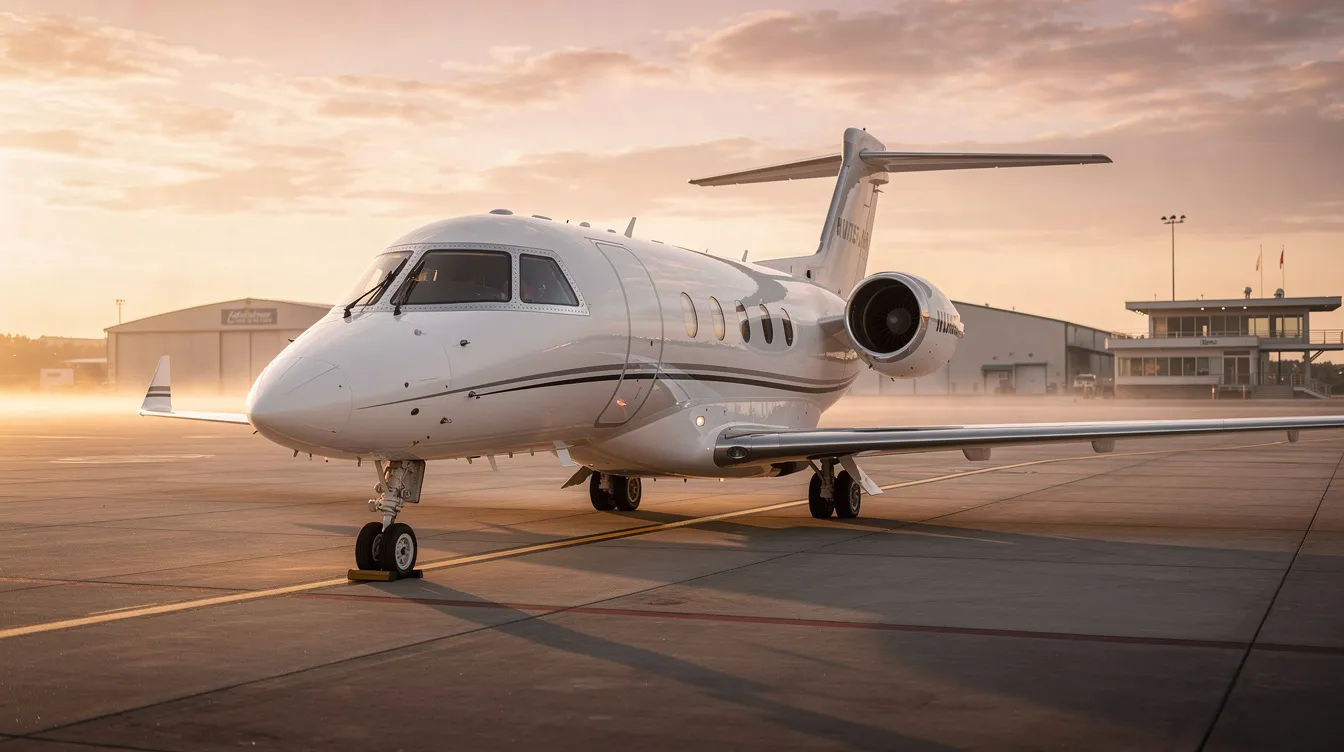
The 25-hour card is a benchmark because it is the smallest structured block many frequent flyers consider before fractional jet ownership, lease programs, or full asset ownership. As of 2025–2026, the NetJets 25 Hour Card starts at approximately $205,000 for 25 hours of flight time on a light jet, with costs varying based on aircraft type and additional fees.
Pricing for light jets (e.g., Embraer Phenom 300) starts at approximately $215,000 to $225,000; older market references place light jets between $150,000 to $200,000 for a 25-hour card, while heavy jets can cost around $400,000 for the same duration. Card275 Phenom 300 pricing is about $8,600 per hour, including 7.5% federal excise tax, or roughly $215,000, while Card320 can reach about $11,000–$11,200 per hour, or $280,000+ before fuel surcharges and other premiums. Treat these as realistic ballparks, not fixed quotes; sources such as SherpaReport and ACEJet show how aircraft category, region, and market conditions change the final figure. BlackJet offers similar prepaid access with transparent all-in pricing and carbon-neutral flights as standard, aligning closely with many principles covered in our broader guide to jet card cost and membership pricing.
What Exactly Is The NetJets 25 Hour Card?
A NetJets jet card is a prepaid block of flight time on a defined aircraft class, with fixed hourly rates and guaranteed availability on most eligible days. The NetJets card is usually tied to one aircraft category, such as the Embraer Phenom 300, Citation Latitude, or Gulfstream G450, and aircraft size materially changes the total cost. NetJets programs feature a tiered access structure and exclusive benefits, such as priority availability for fractional and lease owners, along with a wide range of aircraft options categorized by size and mission suitability.
NetJets currently brands many private jet card products as Card275 or Card320, with 25-hour minimums and different annual access, peak-day, and blackout dates rules, which are conceptually similar to how a 100-hour jet card’s cost and rules scale for heavier users.
A jet card sits between charter and fractional ownership, and many of the structural pros and cons are similar across providers, as outlined in our complete guide to the 25-hour jet card features and costs:
No acquisition cost, no NetJets share, and no long-term commitment like fractional ownership.
More predictable than an ad-hoc charter because fixed rates support budgeting.
Less complex than a NetJets lease or fractional share because there is no monthly management fee or monthly management burden, though a full breakdown of NetJets jet card cost structures shows how fees and guarantees differ by program.
Useful for specific flying patterns where frequent private jet travel matters, but full asset ownership does not.
How Much Is The NetJets 25 Hour Card By Aircraft Type?
Aircraft type is the biggest driver of NetJets cost. NetJets offers a variety of aircraft categories, including light jets, midsize jets, super midsize jets, and large cabin jets, catering to different travel needs and budgets.
Below is a table summarizing typical NetJets 25 Hour Card pricing by aircraft type (2025–2026 estimates):
Aircraft Type | Typical Passenger Capacity | Typical Range (hours) | 25-Hour Card Price Range | Example Models |
|---|
Capacity, Typical Light Jet | 2–6 | 1–3 | $215,000+ | Embraer Phenom 300, Citation Excel/XLS |
Midsize/Super-Midsize Jet | 6–8 | 3–5 | $250,000–$325,000+ | Citation Latitude, Challenger 350 |
Heavy/Large Cabin Jet | 8–14 | 5–8+ | $400,000–$500,000+ | Gulfstream G450, G650ER, Global-class |
Light Jets: Entry-Level NetJets 25 Hour Card Costs
Light jets such as the Embraer Phenom 300 and Citation Excel/XLS suit 2–6 passengers on short regional trips of 1–3 hours: New York–Nantucket, Dallas–Aspen, or London–Geneva.
Typical range: $150,000–$200,000 historically, now closer to $215,000+ for current Card275 Phenom 300 pricing, which fits into broader benchmarks for jet card cost per hour across aircraft types.
Current benchmark: about $8,600 per hour, including 7.5% Federal Excise Tax, or about $215,000 for 25 hours.
Best fit: short regional trips, weekend leisure, and executive shuttles.
Why it works: It is often the most cost-effective immediate entry into the NetJets fleet.
Midsize & Super-Midsize Jets: NetJets 25 Hour Card Costs
Midsize jets such as the Citation Latitude and super-midsize aircraft such as the Challenger 350 support 6–8 passengers, more luggage, better Wi-Fi, and longer routes.
A 25-hour card on a midsize jet, such as the Citation Latitude, is approximately $250,000.
Super-midsize aircraft often move into the $275,000–$325,000+ band, overlapping with many providers’ 50-hour jet card pricing and value benchmarks.
Pricing for midsize and large-cabin aircraft typically ranges from $300,000 to $500,000+, depending on the plane model and market conditions.
Example: a company flying New York–Miami monthly and New York–Los Angeles quarterly may find midsize aircraft more efficient per seat-mile than buying extra light-jet hours.
Heavy & Large Cabin Jets: NetJets 25 Hour Card Costs
Heavy jets and large cabin aircraft, including Gulfstream G450, G650ER, and Global-class aircraft, are designed for 8–14 passengers and missions such as New York–London or Los Angeles–Honolulu.
Heavy jets can cost around $400,000 for the same flight time.
Some configurations exceed $500,000 depending on range, cabin, and high-demand travel periods.
When filled, per-passenger economics can rival last-minute commercial first class on major business routes.
Heavy aircraft are overkill for regional hops, but ideal for international families, boards, and deal teams, and they feature prominently in any serious private jet price list and ownership cost comparison.
Beyond The Headline Price: What Actually Drives NetJets 25 Hour Card Cost?
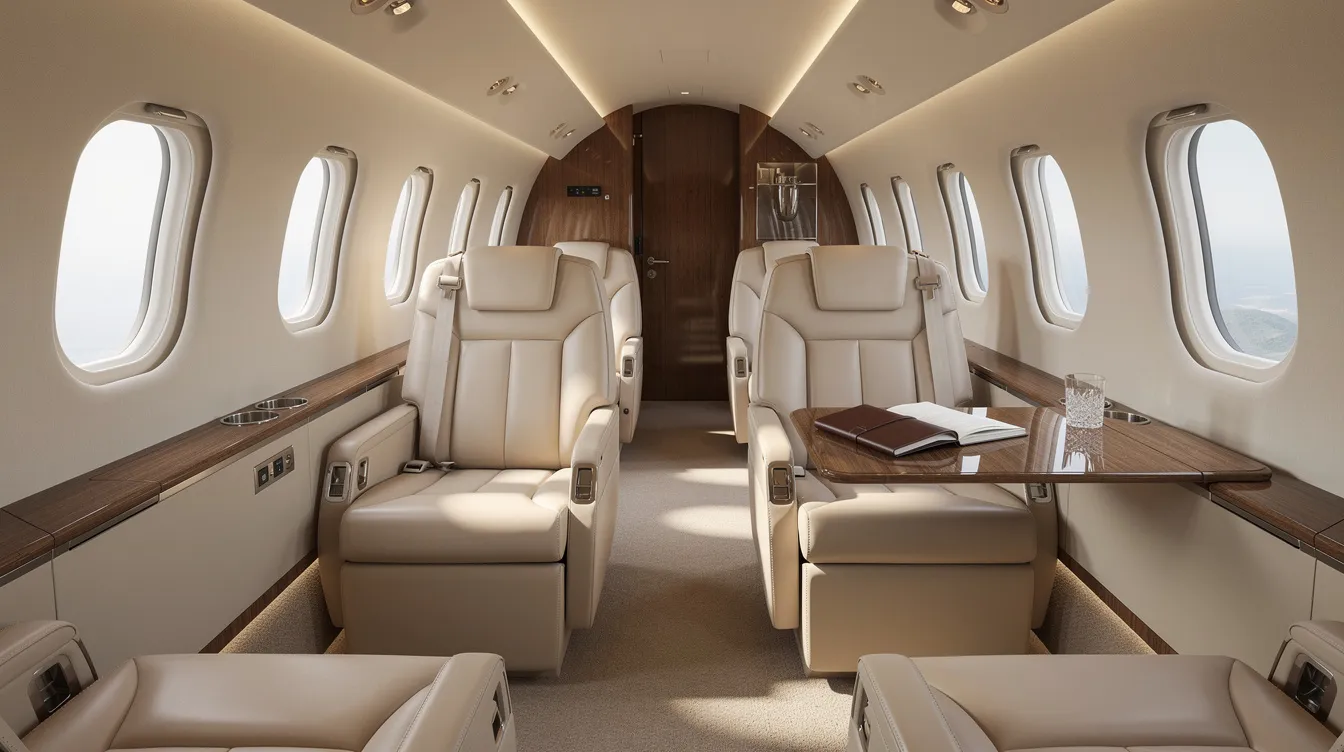
The advertised price is only the starting point. Real spend depends on aircraft options, route profile, Card275 vs Card320, direct operating costs, fuel surcharges, peak-day rules, and extras, all of which mirror the variables discussed in our broader overview of jet card pricing structures and benefits.
Fuel Surcharges and Taxes
The 7.5% U.S. Federal Excise Tax (FET) is often factored into all-in Card275 pricing examples; however, the base price of a NetJets lease or card typically excludes FET, which can add a significant amount to the total cost.
Peak Day Surcharges
NetJets card programs may include blackout dates, advanced booking rules, and peak day surcharges; peak day surcharges may be imposed on certain high-demand travel days, which can further increase the cost of using a NetJets jet card.
Repositioning Fees
NetJets jet card programs do not impose repositioning fees within standard service areas, and NetJets promotes no repositioning costs inside the collective service area; however, special routings, international handling, or travel beyond the service area can still create repositioning fees.
Inside NetJets Card275 vs Card320: How They Affect Your 25-Hour Costhours'
How much is the NetJ25-hour card pricing? It depends heavily on whether you select Card275 or Card320.
Card275 offers about 275 to 290 days of annual access, with more blackout dates and peak controls. Guaranteed access to the NetJets fleet is available with as little as 48 hours' notice, allowing for 275 to 290 days of annual access. Card275 Phenom 300 pricing is about $8,600 per hour on a 25-hour minimum.
Card320 is the premium tier, with around 320 days of availability, about 45 blackout days, and more forgiving rules during major holidays and high-demand periods. Some Phenom 300 examples reach about $11,200 per hour. The trade-off is simple: Card275 lowers price; Card320 helps travelers avoid blackout dates and supports flexible schedules.
How NetJets 25 Hour Card Compares To Other Private Aviation Options
The NetJets 25 Hour Card sits above ad-hoc charter and many third-party cards, but below fractional ownership and NetJets lease commitments. NetJets is recognized as the largest and most established fractional jet ownership program in the world, operating over 800 aircraft, which provides a significant advantage in terms of availability and reliability compared to competitors, and it routinely appears in roundups of the best jet cards for frequent flyers.
Jet card holders enjoy access to a global fleet of over 750 aircraft, ensuring a wide range of options for different travel needs and preferences. NetJets also describes a vast fleet and, in many owner communications, one of the finest fleet platforms in private aviation.
NetJets 25 Hour Card vs Fractional Ownership & NetJets Lease
Fractional jet ownership usually involves a large acquisition cost, a multi-year commitment, NetJets' structure, fixed costs, monthly management, and an occupied hourly rate. A 1/16 light-jet share may represent about 50 hours annually and can require hundreds of thousands of dollars upfront.
For a business owner flying 30 flight hours a year, a 25-hour jet card or BlackJet program may be more sensible than a NetJets share. It avoids depreciation, unused capital, and monthly management fee exposure while preserving the ability to fly private when needed.
NetJets 25 Hour Card vs Other Private Jet Companies’ Jet Cards
Other private jet companies, such as Magellan Jets, Sentient Jet, XO, and Flexjet, position jet card programs around flexibility, fewer blackout dates, or broader operator networks. Some providers quote estimated time instead of actual airborne time, which can help frequent flyers budget, and programs like the Flexjet jet card cost and options illustrate how pricing and rules can differ from those of NetJets.
Many private jet companies impose minimum flight charges, making shorter trips less cost-effective, whereas NetJets does not have such a policy, allowing for more flexible pricing based on actual flight hours.
NetJets offers a transparent pricing model that minimizes hidden fees, which is a common issue with other private jet services that often include extra charges for amenities not covered in the base price.
NetJets 25 Hour Card vs BlackJet Jet Card Programs
BlackJet offers 25-hour and 50-hour jet card programs across light jets, midsize, super-midsize, and heavy jets. Unlike traditional single-fleet models, BlackJet curates vetted operators and multiple aircraft types that NetJets buyers often compare against, balancing safety, value, and aircraft choice, which is formalized in the BlackJet 25+ Hour Jet Card.
Transparent prepaid access with clear communication on taxes, fuel, and peak rules.
No repositioning fees in core service areas.
24/7 digital booking and real-time support.
Rigorous safety certification aligned with ARG/US, Wyvern, or equivalent standards, reflecting the broader realities discussed in our analysis of private jet safety, risks, and protections.
Carbon-neutral private jet travel at no extra cost.
For a traveler buying 25 hours on light or midsize aircraft, BlackJet can often deliver tailored solutions with similar cabin quality, modern technology, and clearer economics.
Understanding The Fine Print: Fees, Blackout Dates, And Usage Rules
The better question is not only “how much is NetJets 25 hour card?” but “what do I get during peak travel days?”
NetJets card programs may include blackout dates, advanced booking rules, and peak day surcharges.
NetJets jet card holders benefit from guaranteed aircraft access within 4 to 24 hours, providing flexibility for last-minute travel plans, although some programs still require 48+ hours on standard days.
The NetJets jet card provides onboard amenities such as Wi-Fi and catering, enhancing the overall travel experience for passengers.
Purchased hours in the NetJets program generally come with an expiration timeframe of up to 24 months, so unused hours before the contract end date can raise your effective hourly cost.
Fuel surcharges may be applied to NetJets jet card programs depending on market conditions, potentially increasing the overall cost significantly.
How To Decide If A NetJets 25 Hour Card Is Right For You
For C-suite executives, founders, and families flying 15–75 hours annually, evaluate four variables: annual flight hours, aircraft class, route profile, and tolerance for blackout dates. Two helpful frameworks here are understanding overall jet card cost and membership structures, and drilling into how providers calculate jet card cost per hour across fleets.
If you fly under 25 hours, on-demand charter or a flexible BlackJet card may be the perfect solution, and some travelers instead explore ways to simply buy a seat on a private jet via shared and semi-private options.
If you fly 50–75+ hours with predictable routes, compare fractional ownership, a NetJets lease, and premium private jet card options, including structured 50-hour jet card programs and pricing, or even 100-hour jet card solutions for heavier users.
Divide the total projected spend by realistic hours flown; that reveals whether the program is genuinely cost-effective for your travel plans.
BlackJet Perspective: A Smarter Path To Structured Private Jet Access
At BlackJet, we view private jet access as a tool for time savings, reliability, and meaningful experiences. Our jet card programs provide 25-hour and 50-hour structures, carbon-neutral flights, advanced digital booking, and curated aircraft options from light jets through heavy jets, as outlined on our premium private jet cards and programs page.
Safety is central, not decorative.
BlackJet works with certified operators, rigorous standards, and real-time support so every journey is seamless.
If you want structured access without unnecessary opacity, explore BlackJet’s jet card programs and model your next year of flying before making a commitment.
FAQ: NetJets 25 Hour Card & Jet Card Programs
How much does a NetJets 25 Hour Card cost in 2025–2026?
Light-jet cards generally start in the low $200,000s, with current Phenom 300 examples around $215,000; heavy jets can reach $400,000+, which aligns with many benchmarks in our dedicated overview of NetJets jet card costs and tiers.
What is the difference between Card275 and Card320?
Card275 reduces hourly price with more restricted days; Card320 costs more but improves guaranteed availability during busier periods.
Are there repositioning fees with NetJets?
Usually not inside the collective service area, but repositioning fees may apply outside standard zones or for special international routings.
When does fractional ownership make more sense than a jet card?
Usually, when annual use reaches 50–100+ hours and predictable routes justify fixed costs and monthly management, and at that point, it can be useful to compare offerings from the top private jet companies for luxury travel.
What notice is required?
NetJets offers guaranteed access with as little as 48 hours notice on many card days, with some references noting 4–24 hour access for NetJets jet card holders.
Can family or corporate users share hours?
Program rules vary; confirm approved users, entities, and transfer rights before signing.
How does BlackJet compare?
BlackJet emphasizes flexible schedules, safety certification, all-in pricing clarity, and carbon-neutral flights without requiring ownership.
What should buyers check first?
Ask about fuel surcharges, federal excise tax, minimum flight charges, landing fees, blackout dates, unused hours, and the contract end date.
Conclusion: Calculating The Real Value Of A NetJets 25 Hour Card
NetJets 25-hour cards typically run from the low $200,000s for light jets to $400,000+ for heavy jets, with final spend shaped by aircraft type, fuel, taxes, peak rules, and routing. More budget-conscious flyers sometimes look instead at the cheapest private aircraft and access models or evaluate affordable private jet options and entry-level jets. The real value is not just price; it is guaranteed access, schedule control, and the ability to reclaim time lost to commercial aviation.
For discerning travelers who want structure without unnecessary rigidity, BlackJet offers a premier alternative: flexible prepaid access, certified safety standards, carbon-neutral operations, and technology-led service. Explore BlackJet’s Jet Card programs or speak with a BlackJet advisor to model your specific flying needs before your next commitment.


 Sign up with google
 Sign up with Apple


