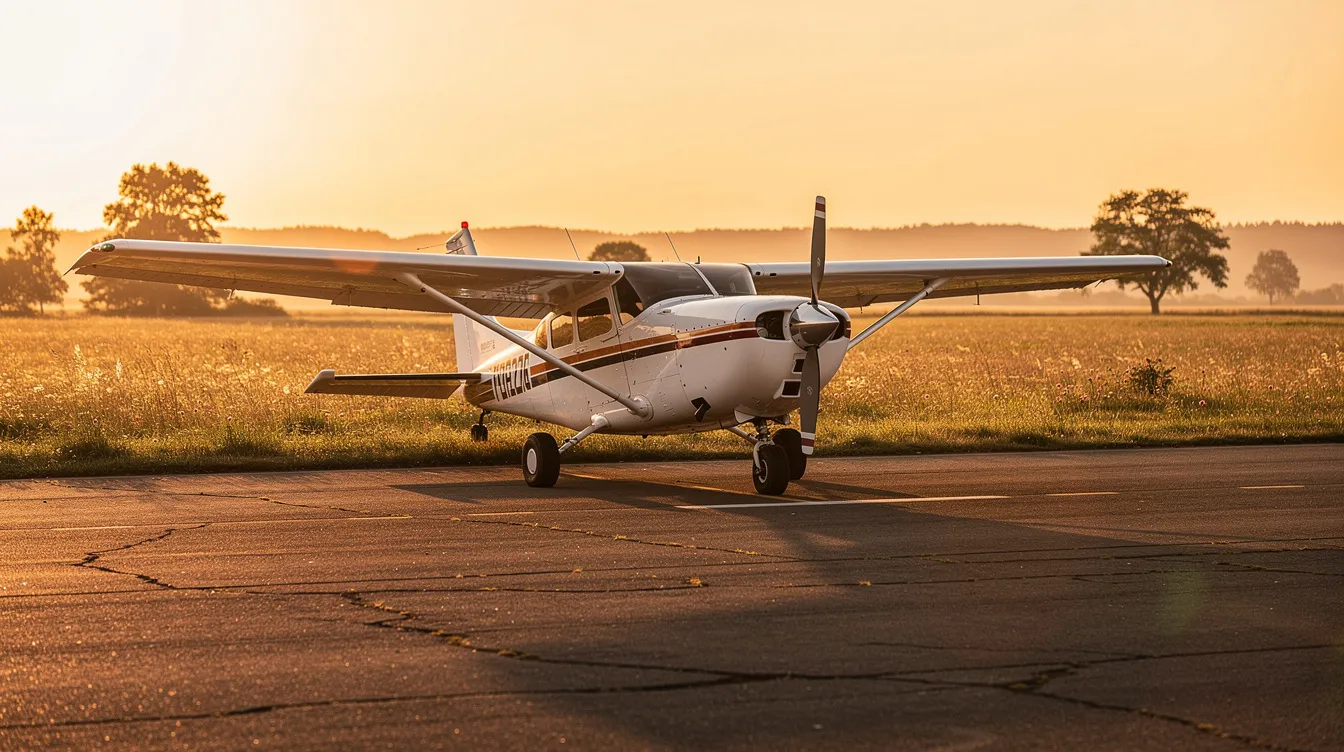
The idea of owning a plane stirs something primal in high-achievers: complete freedom over your schedule, the open sky as your personal highway, and the unmistakable confidence that comes with commanding your own aircraft. But between the romance of plane ownership and the reality of operating costs, there is a gap most buyers discover only after they sign on the dotted line. This guide breaks down when owning an aircraft truly makes sense-and when private jet access through a Jet Card program delivers the same benefits without the burden. This guide is for prospective aircraft owners, frequent private flyers, and anyone weighing the pros and cons of owning an airplane versus using private jet services. Understanding the true costs and benefits of aircraft ownership is crucial before making a major financial and lifestyle commitment.
The Fast Answer: When Is Owning a Plane Worth It for Personal Use?
As a general rule, flying 200+ hours per year justifies owning an aircraft from a purely financial standpoint. Below that threshold, a private jet card or on-demand charter is almost always the more cost-effective path. If you fly fewer than 10 hours per year, renting is ideal. Between roughly 50 and 150 hours, a Jet Card like BlackJet's membership programs hits the sweet spot of flexibility, safety, and predictable pricing, especially when you understand the Jet Card cost per hour and how it compares to full ownership. Owning a plane typically costs more than flying commercial on a per-trip basis, but the comparison isn't really about money alone-it's about what you value, much like choosing it over a car for freedom and time.
Consider a concrete example. An owner-pilot flying a Cirrus SR22 roughly 220 hours per year faces variable and fixed costs approaching $40,000–$60,000 annually before depreciation, financing, or hangar expenses. That works out to roughly $175–$250 per flight hour. Now compare that to a BlackJet member flying 60 private-jet hours per year on routes like New York–Miami and New York–Los Angeles using a 50-hour Jet Card. The member pays an hourly rate that covers crew, maintenance, scheduling, and safety, without a single dollar sunk into a depreciating asset during the months the aircraft would otherwise sit idle.
Pure financial savings from ownership are rare, though it can still be a good deal for the right flyer. The real justification is control, customization, and the love of flying itself. At BlackJet, we exist precisely for the traveler who wants every benefit of private air travel-flexible timing, luxury, speed-without the capital burden and complexity that aircraft ownership demands, as well as for readers who love flying and want access without full ownership.
What "Owning a Plane" Actually Means Today
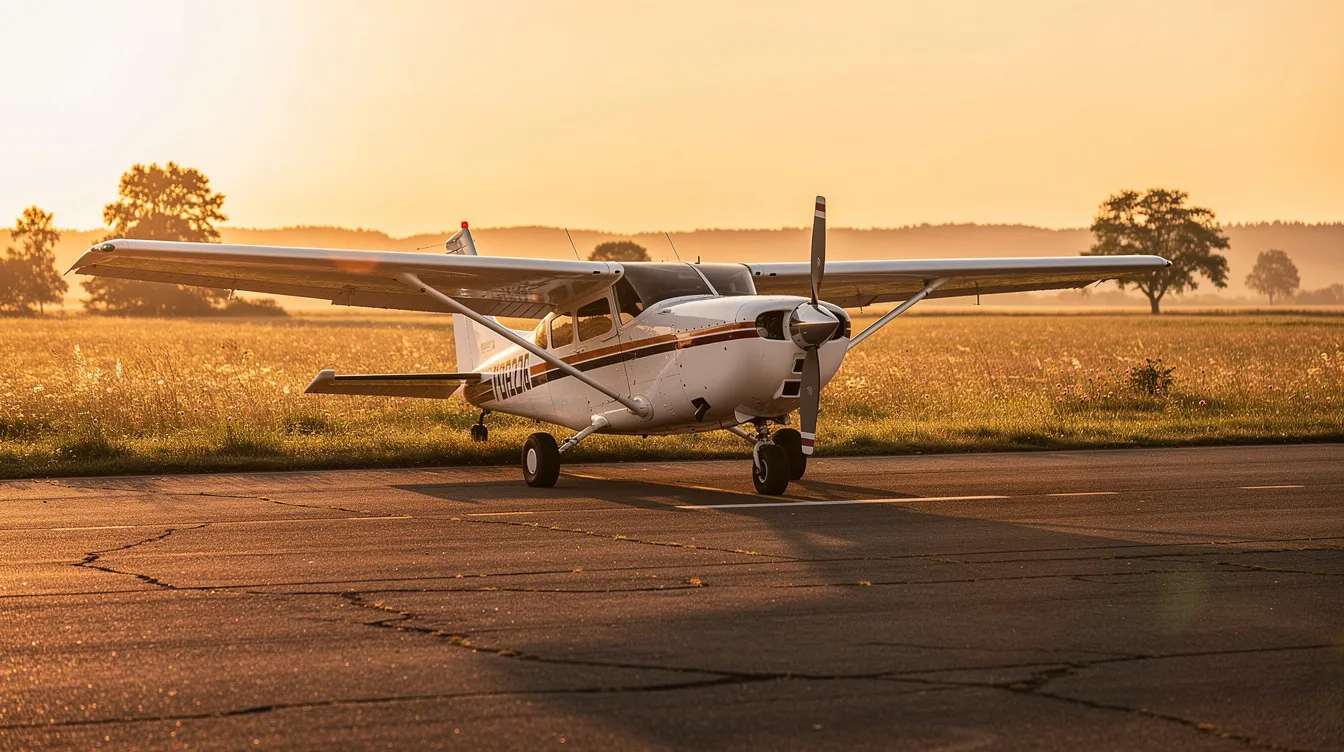
Owning an airplane in 2026 spans a remarkable spectrum. At one end sits a late-1990s Cessna 172 purchased for roughly $90,000, used for weekend hops and local fun. At the other, a 2022 Bombardier Challenger 3500 listing near $30 million, flown by professional pilots on intercontinental business missions. Less than 16,000 private aircraft are registered in North America, and the ownership models behind them are equally varied.
Sole ownership means one individual chooses to operate their own plane rather than share access, bearing full financial and operational responsibilities-every expense, every decision. Operational responsibilities include managing the aircraft's maintenance, regulatory compliance, and day-to-day use. Co-ownership or shared aircraft ownership splits the schedule and costs among a small group, often structured through a private LLC. Fractional ownership, popularized by programs like NetJets Jet Card programs and shares and Flexjet, lets you purchase a share of a specific aircraft in exchange for a guaranteed number of hours per year, though monthly management fees and occupied-hour charges add up quickly. Some owners pursue whole ownership with charter management, leasing their aircraft through a Part 135 operator for additional revenue when they are not using it, an approach that offsets cost but adds regulatory complexity.
For those flying 100 to 200 hours per year, a partnership or co-ownership arrangement often makes the most financial sense, especially when a nearby house or airport-based routine makes regular use more practical. Aircraft management can be handled personally or through professional services, and key factors in any acquisition include the make, model, and condition of the airframe. A used 2015 Pilatus PC-12, for instance, trades for $4–$6 million; a mid-generation Cirrus SR22 might cost $180,000–$500,000. In every case, the purchase price is just the opening chapter. A clear view of the broader private jet price list, costs, and options helps put that number in context. Maintenance, hangar fees, and insurance add significant annual expenses on top.
Pros of Owning an Aircraft for Personal Use
There is no point pretending that the emotional appeal of ownership doesn't matter. Less than 1% of the population holds a pilot license, and owning a plane places you in an even smaller circle. But beyond prestige, aircraft ownership offers tangible freedoms that neither flying commercial nor even private charter can fully replicate.
Fly on Your Own Time, From Your Own Airport
Owning a plane allows you to travel on your own schedule. You can depart at 06:15 from a non-towered field, skipping every line at every terminal. You avoid TSA lines and, unlike commercial travel, do not have to pay extra for checked luggage. The process is remarkably simple: drive up to your hangar, load bags directly into the aircraft, perform a preflight, and you are airborne within 20–30 minutes.
Contrast that with a commercial departure from a hub airport, where arriving 90–120 minutes early is standard. Even at regional GA airports like Dallas Executive, Van Nuys, or Teterboro, owners enjoy walk-up access that commercial passengers can only dream about. You can base your aircraft wherever it best serves your lifestyle-a home airpark community, a rural property, an island strip, or near your house if that makes frequent departures easier-instead of where airlines choose to fly.
Turn Regional Travel Into Door-to-Door Convenience
Ownership transforms grueling 3–6 hour drives into 45–90 minute flights. Think Los Angeles to Napa Valley, Chicago to Traverse City, or London to Courchevel via Chambéry—exactly the kind of mission where chartering a private jet can also be worth it for travelers who prefer access over ownership. For certain high-traffic or poorly served routes, owning an aircraft can save 5–10 hours per week compared to airline schedules, though savvy flyers can also fly private more cheaply using smart charter and membership strategies without taking on ownership costs.
An owner-pilot can combine multiple meetings in different cities in a single day-Houston to Austin, then Austin to Dallas, then home for dinner-without checking a single departure board. That said, for longer or international missions, many owners still prefer to use a Jet Card or charter solution like BlackJet due to crew, range, and comfort considerations, often comparing the best Jet Cards for frequent flyers to complement their owned aircraft.
Customization, Control, and the Joy of Flying
Owning an airplane lets you decide on avionics upgrades, interior materials, seating layout, and in-flight connectivity. Retrofitting a 2005 airframe with a 2026 glass-panel cockpit and Wi-Fi is entirely your call. Being a pilot in command, logging flight time, exploring backcountry airstrips or coastal routes at your own pace-these experiences are amazing and deeply personal.
Some owners value the technical mastery involved in ownership and maintenance oversight. Consider a pilot who purchases a shared Piper Archer in 2024, completes his instrument rating using that aircraft, and then flies family trips throughout the US Southeast at his own schedule and speed. That kind of freedom is something no commercial ticket can replicate.
The Real Costs of Plane Ownership: Beyond the Purchase Price
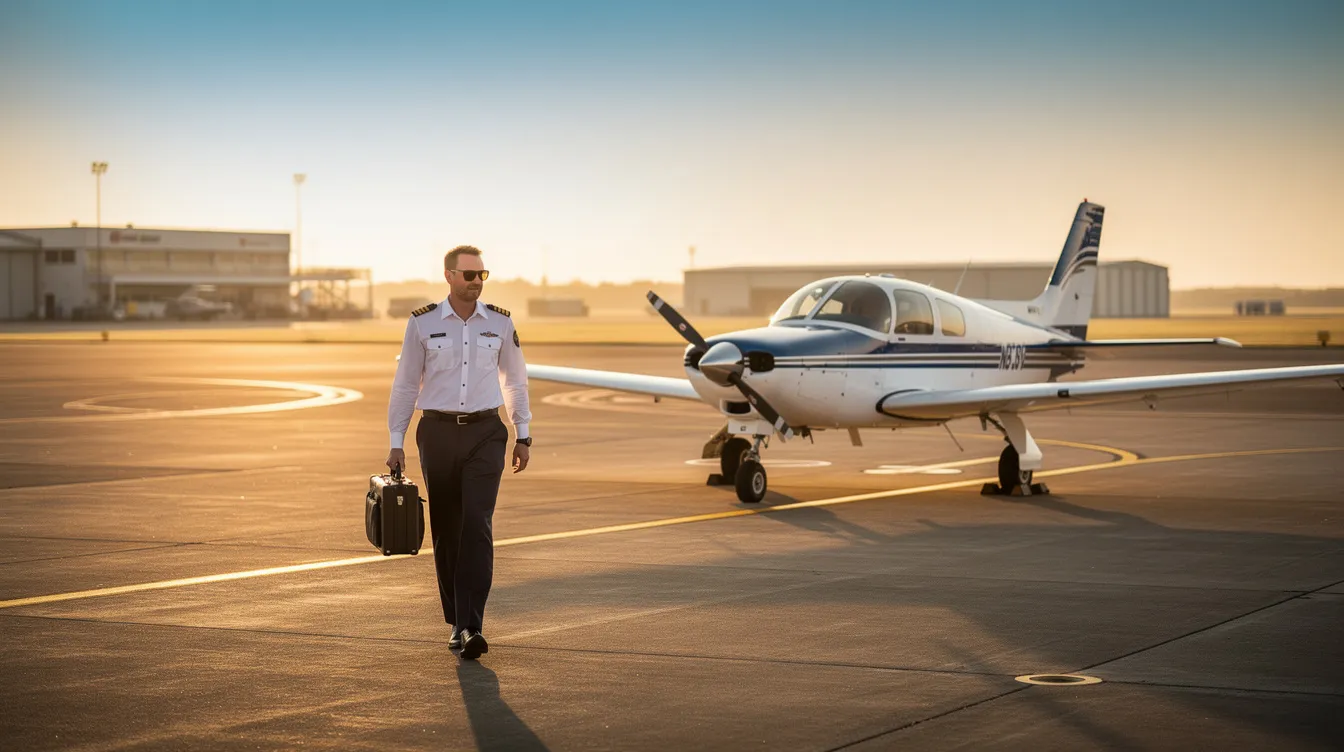
Here is where the dream meets the spreadsheet. Operating costs and total cost of ownership are routinely underestimated, especially by first-time buyers. Aircraft ownership involves financial and operational responsibilities that extend far beyond the purchase, and even a "simple" single-engine plane can cost $15,000–$25,000 per year for 100–150 hours of flying, excluding capital improvements.
Fixed Annual Costs: Hangar, Insurance, and Compliance
Owners must manage fixed costs such as hangar fees and insurance regardless of how often they fly. In 2026, a T-hangar at a mid-sized US airport runs roughly $200–$800 per month; at high-demand fields like Palo Alto or Teterboro, expect significantly more. Executive hangars for light jets can reach $18,000–$50,000+ per year for parking alone.
Insurance for an aircraft can cost around $2,500 annually for a basic piston single, but high-performance singles like a Cirrus SR22 push that to $3,000–$8,000, and turboprops insured at $4 million hull value may exceed $25,000 per year. Comprehensive insurance is crucial for both liability and hull damage protection. Annual inspections are required for all aircraft ownership, typically costing between $1,500 and $2,700, depending on the airframe. Add pitot-static and transponder checks, ELT battery replacements, and potential airworthiness directive compliance, and the figure climbs further.
Direct Operating Costs and Reserves
Variable costs in aircraft ownership depend on usage and include fuel and maintenance as the primary drivers. Fuel costs can average $5.81 per gallon at some airfields, though national avgas prices in 2026 hover closer to $6.50–$8.50 per gallon. A Cirrus SR22 burns roughly 13–15 gallons per hour, putting fuel cost alone near $85–$128 per flight hour.
Routine maintenance costs can average $4,000 to $5,000 annually for lighter piston aircraft, but that figure excludes engine overhaul reserves. Owners should establish reserve funds for major overhauls-an SR22's IO-550 engine overhaul runs $55,000–$75,000 at a TBO of roughly 2,000 hours, translating to $30–$90 per hour set aside. Maintenance can require extensive repairs and downtime that are difficult to predict, and unscheduled expenses can easily add 20–30% to planned costs in a given year. For detailed private plane maintenance planning, budgeting conservatively is always the wiser course, especially if you are evaluating the cheapest private aircraft and budget-friendly options as an entry point into ownership.
Financing, Depreciation, and Opportunity Cost
Most aircraft are financed over 10–20 years with significant down payments and interest rates influenced by central bank policy. Newer aircraft depreciate steeply early on, while older airframes may hold value but demand higher maintenance investment. Tax advantages exist for business use of aircraft, including bonus depreciation provisions, but rules shift frequently. Work with an aviation-specific CPA.
The deeper point is opportunity cost. Capital tied up in a $3 million jet could be invested elsewhere while you spend on a Jet Card or charter for private travel. Owning an aircraft can cost tens of thousands per year, even before you factor in what that money could have earned. Financing, depreciation, and lost investment returns are the hidden expenses that turn many ownership deals from "affordable" to "expensive" in the long run.
Safety, Compliance, and Liability When You Own a Plane
When you own an aircraft, safety, certification, and regulatory compliance rest squarely on your shoulders-even if you hire professional pilots. The FAA strictly regulates aircraft operations and compliance, and owners must ensure compliance with FAA airworthiness directives at all times. Operating under Part 91 or Part 135 dictates different regulatory requirements for personal versus commercial use.
BlackJet's model shifts this operational responsibility to vetted operators that meet rigorous safety standards, providing a significant contrast to self-managed ownership and aligning with what many travelers learn when they ask whether private jets are safe.
Maintenance and Safety Culture
A disciplined maintenance program, annuals, 100-hour inspections when applicable, and progressive inspections support safe operation. 100-hour inspections are mandatory for rental aircraft, adding another layer of cost and scheduling complexity for owners who lease their plane out. Private owners who fly fewer hours face a double-edged sword: more calendar time between flights can erode pilot proficiency and affect aircraft reliability.
Regular recurrent training, annual instrument proficiency checks, simulator time, and upset recovery sessions help maintain a strong safety margin. BlackJet members benefit from professional crews, standardized operating procedures, and third-party safety audits as a benchmark of best practice.
Liability, Insurance, and Risk Management
Owner liability encompasses airworthiness, recordkeeping, proper maintenance, and ensuring pilots are qualified and current. Adequate insurance is essential to protect assets in aircraft ownership, covering bodily injury, property damage, passenger liability, and hull damage. Many owners establish an LLC to limit personal liability, but inadequate documentation or deferred maintenance can expose even well-structured entities to major legal and financial risk.
Professional private jet services like BlackJet deliver corporate-level risk management and coverage, allowing members to enjoy private travel without personally bearing aircraft liability, and they can also structure private jet leasing solutions for flyers who want medium-term access without buying an aircraft outright.
Owning a Plane vs Using a Jet Card or Charter Program
The choice between aircraft ownership and private jet access is basically a question of how you want to spend your time and money. Many BlackJet clients consciously choose not to own because their mission profiles, travel frequency, or desire to avoid complexity make a Jet Card the better fit.
Picture this side-by-side: an executive flying 40–60 hours per year on routes like New York–London, New York–Miami, and Los Angeles–Aspen using a 50-hour Jet Card versus someone flying 250 hours per year in a personally owned turboprop across a regional network. The first traveler pays a predictable hourly rate, accesses multiple aircraft categories, and bears zero fixed costs through BlackJet’s premium private jet card programs. The second has lower per-hour costs at high utilization but carries six figures in annual overhead. There is no single right answer-there is an optimal mix that depends on hours flown, mission range, cabin requirements, and appetite for capital commitments.
When Private Jet Access (Without Ownership) Wins
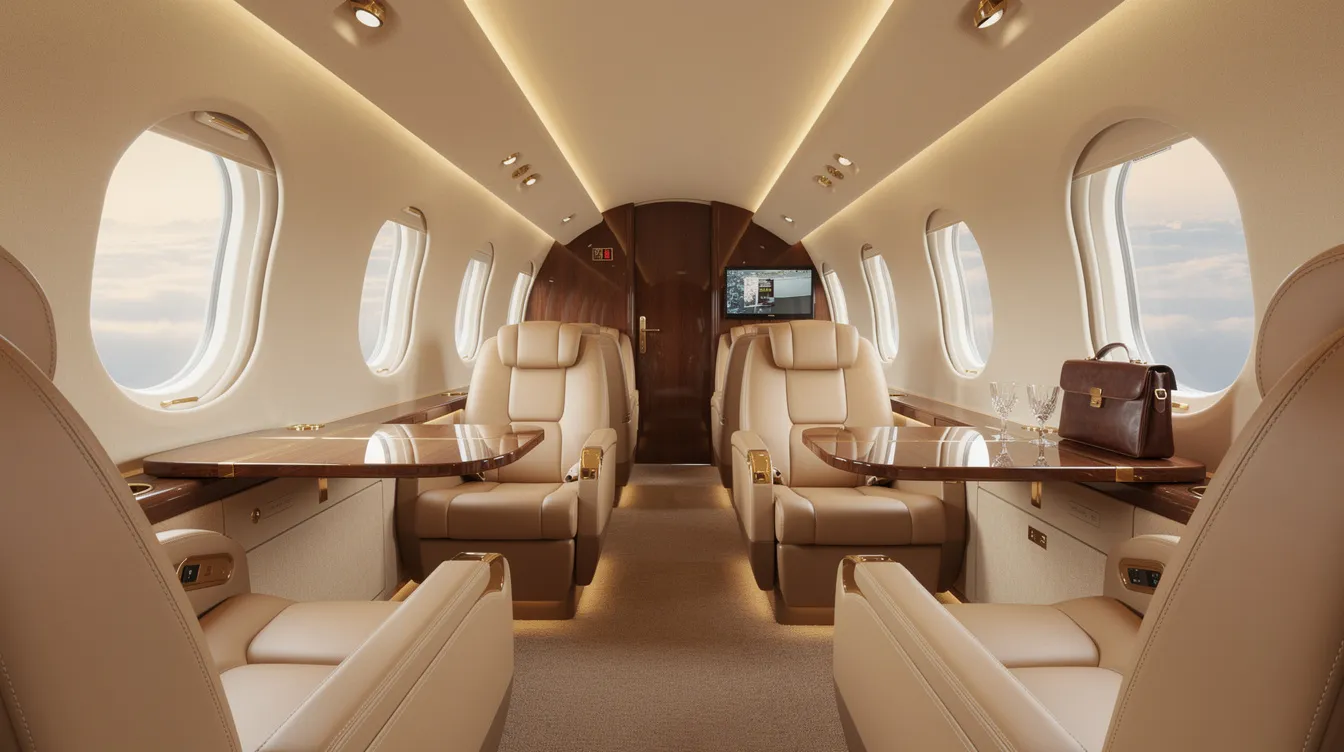
For travelers flying fewer than roughly 150 hours of private jet time per year, Jet Cards and on-demand charter usually deliver lower overall cost and far greater flexibility; understanding Jet Card pricing structures is key to making an apples-to-apples comparison with ownership. With BlackJet, members access light, midsize, super-midsize, and large-cabin jets instead of being locked into one specific aircraft. Crew, maintenance, scheduling, and safety vetting are all handled; members focus entirely on their travel agenda.
A sample scenario: a BlackJet member purchases a 25-hour Jet Card in 2026 and uses it for New York–Nassau in winter, Los Angeles–Sun Valley for ski season, and London–Nice in summer—a classic use case explored in our complete guide to 25-hour Jet Cards. No hangar, no annual inspection bills, no engine reserves, no idle aircraft burning money on a parking ramp. Flying commercially would be cheaper on paper, but the convenience, privacy, and time savings make the Jet Card the clear value proposition.
Hybrid Strategies: Own a Plane, Use a Jet Card
Some clients suggest-and we agree-that a hybrid approach works well. Own a smaller aircraft (a TBM, Pilatus PC-12, or high-performance piston) for short personal use trips, and partner with BlackJet for longer or transcontinental missions. This reduces the required size and cost of the personally owned aircraft because the heaviest missions are handled via Jet Card or charter.
An owner-pilot might fly 120 hours per year in a turboprop for regional hops while using a BlackJet Jet Card for another 30 hours of large-cabin travel, while another flyer with heavier usage might analyze a 100-hour Jet Card cost structure instead of stepping into ownership. The economics can be compelling when modeled carefully with realistic operating costs, utilization assumptions, and the value of your own time. Owners can also lease their aircraft for additional revenue when not in use, further offsetting fixed expenses.
Sustainability, Technology, and the Future of Private Aviation
Modern private aviation increasingly focuses on sustainability, advanced avionics, and digital tools. Owning an older aircraft may require costly upgrades to meet evolving noise, emissions, and navigation standards-a significant factor when planning for the future.
BlackJet offers carbon-neutral flights as standard, using high-quality carbon offset and SAF (sustainable aviation fuel) programs, and shared or private plane rideshare options can further improve sustainability per passenger. This removes the complexity of sourcing offsets or tracking regulations for individual owners. Digital platforms-real-time booking, flight-planning apps, and 24/7 support-are reshaping what travelers expect from private aviation, and BlackJet's technology stack delivers that seamlessly, whether you want to buy a seat on a private jet or secure a whole-aircraft charter.
Safety and Sustainability as Decision Drivers
New-generation aircraft from 2020 onward feature improved fuel efficiency, lower emissions, and enhanced safety systems like envelope protection and autoland, but at higher acquisition costs. Individual owners who want to manage their own sustainability initiatives face the challenge of sourcing SAF, calculating offsets, and optimizing routes independently. Programs like BlackJet handle this as a turnkey service.
Environmentally conscious travelers often prefer flexible access models that leverage newer fleets and centrally managed sustainability frameworks, pairing efficient aircraft with affordable private jet options rather than owning an older, less efficient plane outright. You need at least 100 hours per year to justify ownership on financial grounds, but the sustainability equation adds another dimension: a newer, shared fleet operated at high utilization is almost always greener per passenger-mile than an older, personally owned aircraft sitting in a hangar most of the year.
How to Decide: Is Plane Ownership Right for You?
Owning an aircraft is most compelling when flight hours, mission profile, and passion for aviation all align. If those elements don't converge, private jet access through a Jet Card or charter almost always prevails, with products like the BlackJet 25+ Hour Jet Card offering a middle ground between ad hoc charter and full ownership. Owning an aircraft costs tens of thousands annually, and the point at which that cost becomes cheaper than alternatives depends on how honestly you assess your actual usage.
Here is a simple decision framework:
Factor | Ownership Likely Wins | Jet Card / Charter Likely Wins |
|---|
Annual flight hours | 200+ hours consistently | Under 150 hours |
Mission type | Regional, repetitive routes | Varied domestic and international |
Piloting preference | You fly frequently as PIC | Prefer a professional crew |
Capital tolerance | Comfortable with illiquid assets | Prefer to invest capital elsewhere |
Complexity appetite | Enjoy managing an aircraft | Want to focus on travel, not logistics |
Run a specific 12-month scenario: estimate total cost of ownership for a realistic aircraft type, including hangar, insurance, fuel, routine maintenance, inspections, engine reserves, and financing, then compare it to the total annual cost of a BlackJet membership plus ad hoc charter or strategies to fly private on a tighter budget. Factor in the money you would otherwise afford to invest, the hours you would spend managing the aircraft, and the risk you would personally carry. Ownership offers flexibility and convenience but involves substantial costs. For the traveler who values private aviation's benefits without its burdens, a Jet Card is not a compromise-it is the plan that respects both your ambitions and your time.
Explore BlackJet's Jet Card programs, consider whether an unlimited private jet membership model fits your flying profile, discuss your travel pattern with an aviation advisor, and design a strategy that fits your life, whether or not it includes a hangar key.
Frequently Asked Questions About Owning an Airplane
How many flight hours justify owning an aircraft versus using a Jet Card?
Generally, flying more than 200 hours per year financially justifies owning an aircraft. Between 50 and 150 hours, Jet Card programs like BlackJet provide optimal flexibility and cost-effectiveness. Flying fewer than 10 hours per year typically favors renting.
What are the main ongoing costs associated with aircraft ownership?
Owners should budget for fixed costs such as hangar fees and insurance, plus variable expenses including fuel, routine maintenance, annual inspections, and reserves for major overhauls. These can total $15,000–$25,000 annually for smaller aircraft flying 100–150 hours.
Can owning an aircraft save time compared to commercial or charter flights?
Yes. Ownership allows you to fly on your own schedule from your preferred airport, avoiding TSA lines and checked baggage fees. This often translates into significant time savings, especially on regional or repetitive routes.
What safety responsibilities come with owning a plane?
Owners must ensure compliance with FAA regulations, maintain a disciplined maintenance schedule including annual inspections, and carry adequate insurance. They are also responsible for pilot qualifications and operational safety.
Is it possible to offset ownership costs by leasing the aircraft?
Yes. Some owners lease their aircraft through Part 135 operators when not in use, generating additional revenue to offset fixed expenses. However, this adds regulatory complexity and scheduling considerations.
How does sustainability factor into aircraft ownership?
Older aircraft may require costly upgrades to meet evolving environmental standards. Programs like BlackJet offer carbon-neutral flights and sustainable aviation fuel, simplifying sustainability efforts compared to managing these initiatives independently.
What are the benefits of a hybrid approach combining ownership and Jet Cards?
Owning a smaller aircraft for regional trips while using Jet Cards for longer or international missions can optimize costs, convenience, and aircraft utilization. This strategy leverages the strengths of both ownership and private jet access.
Conclusion: Making the Right Choice for Your Aviation Lifestyle
Owning an airplane embodies the pinnacle of personal freedom in travel, offering unparalleled control, customization, and the thrill of flight. However, this freedom comes with significant financial, operational, and regulatory responsibilities that require serious commitment. For those flying 200 or more hours annually with a passion for piloting and managing their own aircraft, ownership can be a rewarding and cost-effective choice.
Conversely, for most high-net-worth individuals and executives, private jet access through a Jet Card program like BlackJet offers a seamless blend of luxury, flexibility, and safety without the burdens of ownership. It delivers access to a diverse fleet, professional crews, and cutting-edge sustainability initiatives, all while preserving your capital and time.
Ultimately, the decision hinges on your flying habits, lifestyle priorities, and appetite for complexity. Whether you choose to own or access private jets, BlackJet stands ready to elevate your travel experience with tailored solutions that respect your ambitions and simplify your journey. Discover how BlackJet can reshape your travel and unlock effortless, premier private aviation today by exploring our Jet Card programs and learning more about the benefits of private jet access.


 Sign up with google
 Sign up with Apple