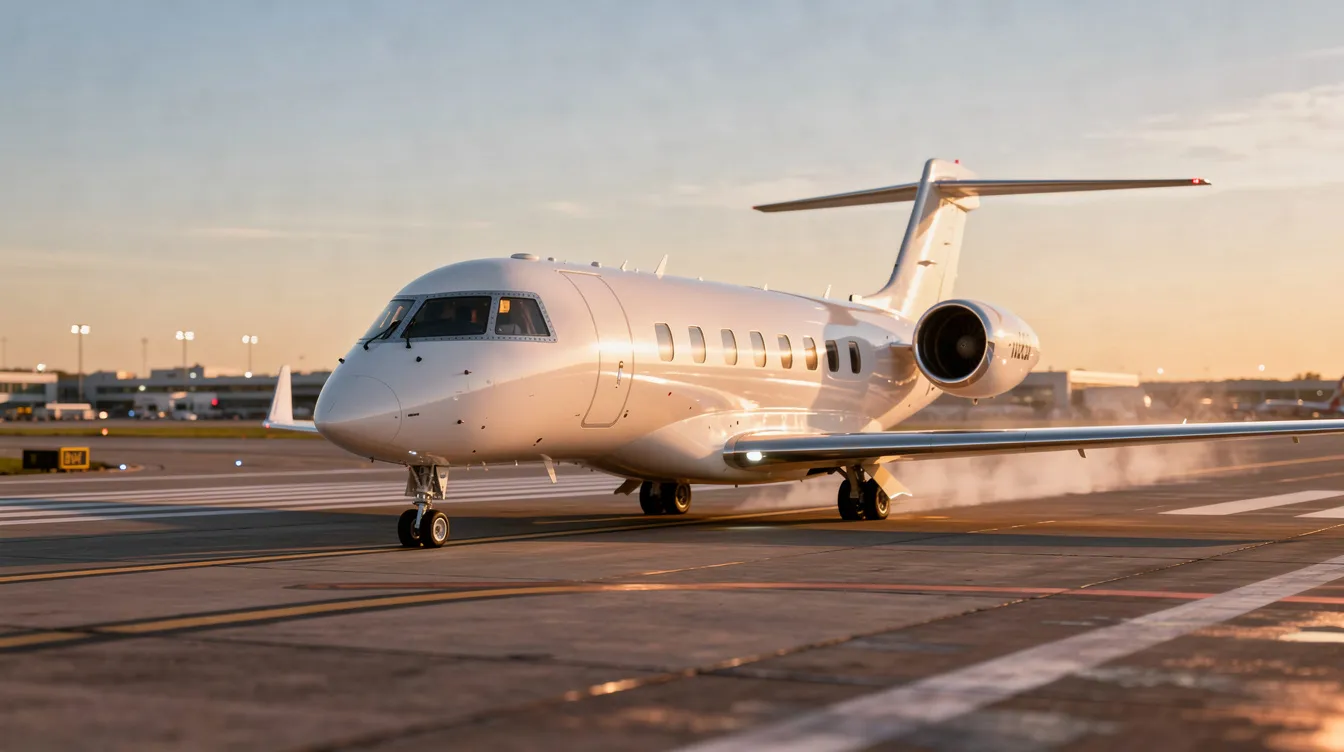
Chartering a private jet is no longer reserved for the ultra-elite. But it does require an understanding of how pricing actually works. Whether you are weighing your first private jet charter or looking to optimize an existing travel budget, this guide breaks down every cost component that shapes plane charter prices in 2026—from hourly rates and aircraft categories to taxes, surcharges, sustainability mandates, and how Jet Card programs can bring predictability to what many assume is an opaque market.
Plane charter prices at a glance: quick 2026 cost ranges
Private jet rental is priced per billable flight hour, not per seat. That means you pay for the entire aircraft for the duration of your mission, regardless of whether two passengers or ten are onboard. Charter flight pricing is usually calculated using an hourly rate based on aircraft size, but the headline number rarely tells the full story. Chartering a private plane typically costs between $2,000 and $15,000+ per flight hour, and additional operational fees can increase total trip costs by 20% to 40% beyond hourly estimates. The total trip cost—including taxes, positioning, surcharges, and extras—is what truly matters.
Here are typical 2026 hourly rates by aircraft category in the United States:
Turboprops: $2,000–$3,500 per flight hour
Very light jets: $2,900–$4,600 per flight hour
Light jets: $3,500–$6,500 per flight hour
Midsize jets: $5,000–$8,500 per flight hour
Super-midsize jets: $7,500–$12,000 per flight hour
Heavy jets: $8,500–$14,000 per flight hour
Ultra long range jets and VIP airliners: $14,000–$22,000+ per flight hour
Charter costs range from $2,300 to $17,000 per flight hour across the market, with VIP airliners costing between $18,000 and $23,000 per hour. Turboprop charters start at around $2,000 per hour, while heavy jet charters can cost up to $10,000 per hour at the lower end of that category.
To put those into trip budgets: a 2-hour New York to Boston hop on a light jet at $5,000 per hour yields roughly $10,000 in base flight time alone. A 6-hour New York to Los Angeles leg on a super-midsize jet at $10,000 per hour could run $60,000+ before fees and taxes are added. BlackJet Jet Card members lock in fixed hourly rates by aircraft category, avoiding the seasonal price swings and quote volatility that plague on-demand charter bookings when using premium private jet card programs.
Why flying private is a strategic advantage, not just a luxury
Consider the total journey. New York to Chicago via commercial first class—factoring in the commute to a major hub, security lines, boarding, potential connections, and ground transport on the other end—consumes roughly five to six hours door-to-door. On a private jet departing from a closer regional airport, the same trip can be completed in about two and a half to three hours. Private jet charters eliminate security lines and layovers, and chartering a private jet allows for departure on your schedule.
The strategic benefits extend well beyond time savings:
Schedule control: depart when you're ready, not when the airline decides. No missed connections, no rebooking chaos.
Multi-city days: visit two or three cities in a single business day—something commercial airlines make nearly impossible.
Productive flight time: hold confidential meetings, prepare for negotiations, or simply rest in a private cabin.
Airport access: private jets can access over 10,000 airports worldwide, including smaller airports and private terminals that commercial airlines never serve.
Privacy and security: critical for M&A discussions, IPO preparations, or sensitive family office conversations.
For frequent travelers logging 25 to 100+ flight hours per year, understanding private jet cost structures unlocks a time ROI that often exceeds the premium over business and leisure travel on commercial carriers.
Prices rise during peak travel periods due to high demand, but BlackJet's carbon-neutral flights and rigorous safety certification make flying private a repeatable, institutional-grade solution for executives and families—not a one-off indulgence.
Key factors that drive plane charter prices
Private jet charters are arranged on an on-demand basis and priced trip-by-trip. While hourly rates provide a useful benchmark, the actual cost depends on four main buckets: aircraft category, flight time and routing, demand and positioning, and extras and taxes.
Here is how each driver works:
Aircraft category and specific aircraft type: a turboprop, a light jet, and a heavy jet charter carry fundamentally different hourly rates. Larger aircraft require more fuel and maintenance, increasing hourly rates significantly, so understanding the types of private jets available is central to estimating costs accurately.
Flight hours and total distance: block time includes taxi, runway queue, and airborne time. Headwinds, weather diversions, and ATC routing all affect flight duration and therefore cost.
Route structure: a one-way charter, a same-day round trip, or a multi-city itinerary each carries different economics. Repositioning fees apply when an aircraft must fly empty to reach the departure airport.
Peak demand periods: seasonality affects private jet pricing, especially during holidays and major events. Mid-December, New Year's, Davos, and Art Basel Miami can push rates up sharply.
Aircraft positioning and empty leg flights: an empty leg flight occurs when a jet repositions without passengers, and those flights can sometimes be purchased at steep discounts. But availability is unpredictable, and they must be evaluated within the broader framework of private jet charter pricing.
Local fees, Federal Excise Tax, and international charges: government taxes, landing permits, handling fees, and international fees all layer on top of the base hourly rate.
A concrete example: the same New York to Miami itinerary booked over Christmas week may run 30 to 50 percent higher than that same charter flight booked on a random Tuesday in February, when demand is lower, and operator availability is greater.
Aircraft category and type: how cabin size shapes your bill
Aircraft category influences pricing more than any other single factor. The categories—turboprop, very light jet, light jet, midsize jet, super-midsize, heavy jet, and ultra long range-differ in seats, range, speed, fuel burn, and cabin amenities. Choosing the right category for your mission is the most consequential decision you'll make when estimating private jet flight cost.
Here is what each category offers:
Turboprops (e.g., Pilatus PC-12): 4 to 8 passengers, range up to roughly 1,800 nautical miles, hourly rates of $2,000 to $3,500. Ideal for short-haul flights like Boston to Toronto or New York to Boston.
Very light jets (e.g., Eclipse 500): 4 to 5 passengers, range around 1,100 to 1,300 nautical miles, rates of $2,900 to $4,600 per hour. Best for quick regional hops.
Light jets (e.g., Embraer Phenom 300): 6 to 8 seats, range of 1,500 to 2,100 nautical miles, rates of $3,500 to $6,500 per hour. Light jets are ideal for flights lasting 2 to 4 hours, such as Dallas to Vail or New York to Miami.
Midsize jets (e.g., Citation XLS+): 7 to 9 passengers, range of 2,500 to 3,000+ nautical miles, $5,000 to $8,500 per hour. Midsize jets are suitable for transcontinental flights and longer domestic flights.
Super-midsize jets (e.g., Challenger 350): 8 to 10 seats with stand-up cabins, range of 3,000 to 4,000 nautical miles, rates of $7,500 to $12,000 per hour. Cross-country nonstop capability with cabin space that makes long-haul flights comfortable.
Heavy jets (e.g., Gulfstream G450): 10 to 16 passengers, ranges of 4,000 to 7,500+ nautical miles, $8,500 to $14,000+ per hour. The go-to for international flights like New York to London or Miami to São Paulo.
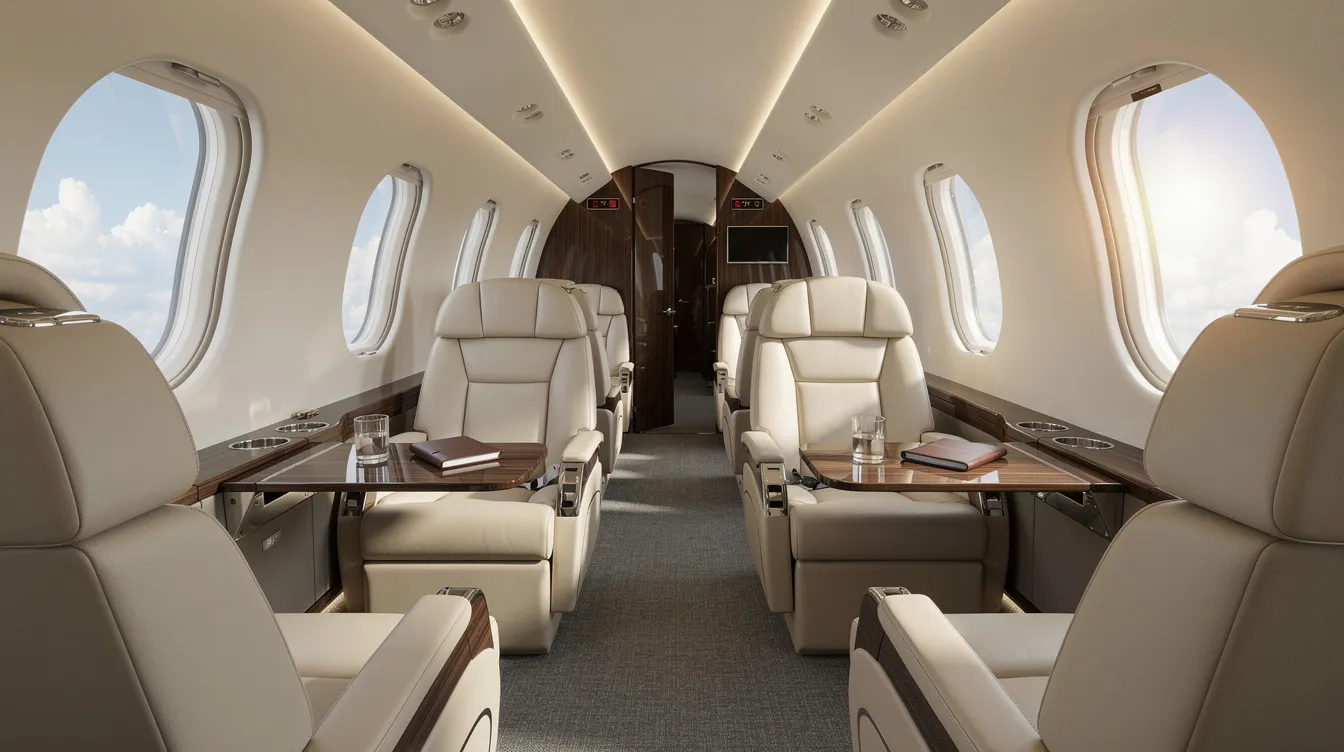
Within any category, specific aircraft types matter. An Embraer Phenom 300 and a Citation XLS+ both qualify as light to midsize, but they differ in speed, cabin refurbishments, Wi-Fi capability, and operator brand—all of which influence private jet prices per hour. Private jets offer flexibility to choose aircraft type for each trip. BlackJet Jet Card members can select from multiple cabin classes per mission without needing to own or commit to one specific aircraft.
How flight hours, routing, and schedule affect total charter price
A billable flight hour is the unit of measurement for private jet pricing, but it rarely equals the simple takeoff-to-landing time you might imagine. Billable flight time typically includes block time—taxi out, airborne time, and taxi in—plus any operator-imposed minimums or positioning legs. Understanding this distinction is essential for accurately estimating private jet flight cost.
Key factors that shape your bill:
Scheduled block time versus billable time: you're billed for the full block, including runway queues and taxi, not just the airborne segment.
Minimum flight hour requirements: many charter operators enforce a minimum flight time for billing purposes, often around two hours. Some heavy jets carry a three-hour minimum. This means a quick 45-minute hop can still cost you two hours of billing.
Same-day round trips versus overnight stays: if the crew must stay overnight at your destination, crew expenses include per diem, accommodations, and other costs. If you return the same day, you may avoid those but face different duty-time constraints.
Multi-city efficiency: a multi-leg itinerary like Los Angeles to Phoenix to Las Vegas to Los Angeles in one day is far more efficient as a private jet rental than booking three separate commercial hops-because you eliminate connections, minimize ground time, and keep one aircraft and crew throughout.
A concrete example: a 1.0-hour New York to Boston leg on a light aircraft may still be billed as 1.5 to 2.0 hours due to operator minimums and aircraft positioning from a nearby departure airport. BlackJet's Jet Card simplifies this by pricing purely on occupied flight hours for members, with transparent policies on minimums.
Plane charter prices by aircraft size: turboprop to heavy jet
This section provides a quick reference for approximate trip budgets by aircraft size, drawn from 2026 U.S. and transatlantic market data. These are what you can expect to pay for common routes:
Turboprop (e.g., Pilatus PC-12): New York to Boston one-way, approximately $6,000 to $8,000, aligning with many benchmarks for small private plane charter costs.
Light jet (e.g., Phenom 300): Los Angeles to Las Vegas same-day round trip, approximately $12,000 to $16,000, consistent with typical ranges when you examine how much it costs to rent a private jet.
Midsize jet (e.g., Citation XLS+): Palm Beach to New York one-way, approximately $24,000 to $32,000.
Super-midsize (e.g., Challenger 350): New York to Aspen one-way, approximately $35,000 to $45,000, which illustrates how small-plane and midsize charter pricing diverge as distance and cabin size increase.
Heavy jet charter (e.g., Gulfstream G450): New York to London one-way, approximately $90,000 to $120,000+.
These figures assume standard conditions: mid-week travel, average fuel prices, no major repositioning, and normal demand on the departure date. Exact quotes depend on live availability, passenger count, and specific aircraft options, and they should be weighed against whether chartering a private jet is worth it for your specific use case.
BlackJet can often improve these budgets for Jet Card members through contracted fleet access, priority availability, and optimized routing that reduces empty repositioning legs.
Understanding private jet hourly rates vs. total trip cost
While hourly rates are convenient benchmarks, the real question every traveler should ask is: how much does it cost door-to-door for my specific mission? Charter pricing is typically all-inclusive, covering aircraft and crew at the base level, but many variable costs can shift the final number significantly.
Here is why a low hourly rate can still produce a high total:
A jet quoted at $5,500 per hour for 3 billed flight hours yields a base cost of $16,500. A different jet quoted at $4,750 per hour—but requiring 5 billed hours due to repositioning and minimums—costs $23,750. The cheaper hourly rate delivers the more expensive trip.
Clients should always ask for an all-in quote that includes taxes, likely surcharges, fuel surcharge projections, crew overnight, and handling fees.
Trip details such as routing, timing, and aircraft availability can swing the same itinerary by 20 percent or more between two providers.
BlackJet's Jet Card shifts the conversation from complex line-items to a predictable model: fixed hourly rate multiplied by occupied flight hours, with transparent breakdowns and minimal surprises.
Taxes, airport fees, and the impact of Federal Excise Tax
In the United States and on international routes, fees and taxes can add 10 to 25 percent to base plane charter prices, depending on the route, airports used, and aircraft weight. These costs are easy to overlook but hard to ignore on the invoice.
Here is what to expect:
Federal Excise Tax is 7.5% on all domestic flights in the U.S. This applies to virtually every private charter leg within the country.
Per-passenger segment fees apply on U.S. legs—approximately $5.30 per person per segment for non-rural airports in 2026.
International fees include head taxes of roughly $23.40 per passenger for international flights to or from the U.S., with reduced rates (around $11.70) for certain domestic segments involving Alaska or Hawaii.
Airport landing fees range from $100 to $1,500 per flight. Landing and handling fees vary dramatically by airport and aircraft weight-a light jet landing at a quiet regional field pays a fraction of what a heavy jet pays at Teterboro (TEB), Van Nuys (VNY), or Miami Opa-locka (OPF).
FBO and ramp handling charges at busy hubs can reach well into four figures, especially during peak hours or event weekends.
Using smaller airports or secondary FBOs can cut both airport fees and ground time, sometimes making the total private jet cost lower than routing through a congested metro field. BlackJet itemizes these fees transparently in member quotes and proactively suggests cost-efficient airport choices for every trip.
Additional services and surcharges that influence private jet cost
Beyond the base aircraft and crew charges, several additional services and surcharges can meaningfully affect final plane charter prices—particularly in winter, on complex itineraries, or for high-profile passengers.
Here are the most common extras to anticipate:
Crew overnight accommodation and per diems: overnight expenses for crew members typically range from $200 to $600 per person per night. For a multi-day trip involving two pilots and a flight attendant, these costs can add between $1,000 and $5,000 or more, depending on the city.
For a multi-day trip with a two-pilot crew plus a flight attendant, this can add $1,000 to $5,000 or more depending on the city.
De-icing and hangar fees: deicing fees can range from $1,500 to $15,000, depending on aircraft size and storm severity. Northern U.S. and Canadian departures in winter are particularly affected.
Short-leg fees: very short flights on larger aircraft are inefficient in fuel burn and maintenance cycles. Some charter companies impose surcharges for these missions.
Wi-Fi and inflight connectivity: Wi-Fi charges can be $2 to $9 per megabyte on some aircraft, or offered in capped packages on long-haul flights. Other operators include connectivity as standard.
Catering: basic catering services may be included, while premium options—custom menus, specialty wines, dietary accommodations—usually incur additional charges.
Cleaning fees: pets, smoking violations, or special events that require deep cleaning can trigger additional service charges.
Extra insurance or security arrangements for high-profile passengers, along with landing permits and international overflight approvals, add cost on complex international missions.
BlackJet's approach for Jet Card members: standard catering, normal Wi-Fi, and typical concierge services are bundled or clearly quoted upfront, minimizing surprise add-ons and keeping the booking process straightforward.
Heavy jet charter and ultra-long-range flying: when bigger is better value
Heavy jets and ultra-long-range jets carry higher hourly rates, but they often deliver better mission value on long flights by eliminating fuel stops, overnight crew changes, and the complexity of multi-aircraft itineraries, similar to the advantages highlighted when evaluating the best long range private jets for sale. For long-haul flights, a single larger aircraft frequently costs less in total than cobbling together two shorter legs on a smaller jet.
Here is when going bigger makes strategic sense:
Cabin features that justify the premium: stand-up cabins, lie-flat beds, full galleys, dedicated flight attendant service, and cabin space for productive work or rest. VIP airliners can seat up to 50 passengers for group charters or corporate delegations, making them ideal when you need the best private jet for 50 passengers.
Typical mission pricing: Los Angeles to Honolulu nonstop on an ultra-long-range jet runs roughly $70,000 to $90,000. New York to London on a heavy jet charter costs approximately $90,000 to $120,000+. Miami to São Paulo is in a similar range, which overlaps with scenarios often discussed when analyzing the cost of a 12-seater private jet.
Nonstop versus tech-stop comparison: a 12-hour ultra-long-range nonstop at $15,000 per hour costs roughly $180,000 in base flight time. The alternative—two shorter hops on a smaller, less efficient aircraft with a fuel stop, double crew, overnights, and turnaround delays—often approaches or exceeds the nonstop total while adding hours of travel time.
Prime use cases: global roadshows, multi-country board meetings, or family expeditions where a single long range private jet flight is strategically essential.
BlackJet offers access across heavy and ultra-long-range jet categories under a single Jet Card, so members need not commit to owning a specific aircraft or purchasing fractional shares in larger aircraft.
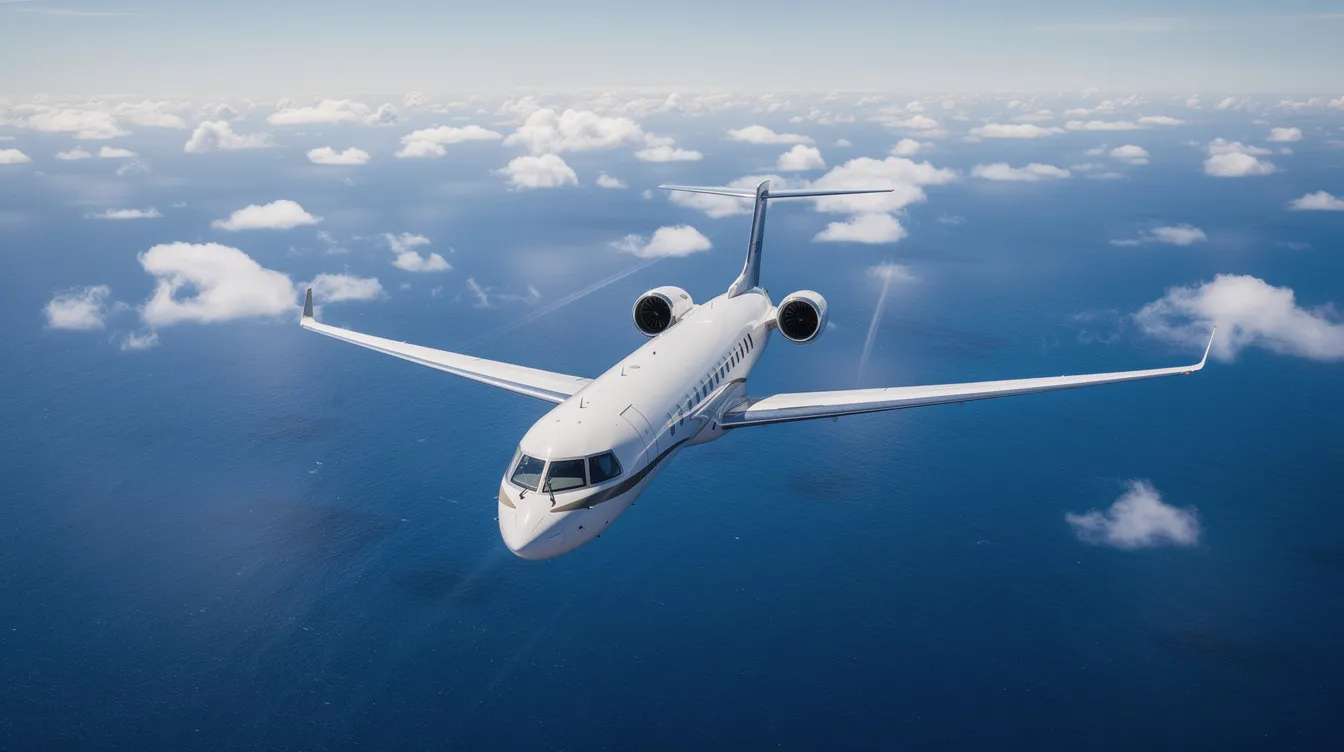
Private jet rental vs. owning a jet: where the economics cross over
Full aircraft ownership tends to make economic sense only above roughly 200 to 300 flight hours per year, depending on aircraft type, financing structure, and whether you're willing to carry the asset on your balance sheet. Below that threshold, private charters and Jet Cards almost always win.
The ownership cost stack is substantial:
Major ongoing costs for aircraft owners include full-time crew salaries and training, hangar fees, comprehensive insurance, scheduled and unscheduled maintenance, engine overhaul programs, navigation database subscriptions, interior refurbishments, and ongoing regulatory compliance.
A ballpark comparison: chartering a midsize jet for 75 hours per year via a Jet Card at roughly $7,000 per hour yields approximately $525,000 in annual flight costs plus fees. Owning a comparable aircraft—even before flying it—can carry fixed annual costs of several million dollars once crew, hangar, insurance, maintenance, and jet operating costs are totaled, which is why many buyers of a 5 million jet ultimately reassess full ownership.
Chartering a private jet through a Jet Card avoids balance-sheet commitments and eliminates asset depreciation risk. You can book a private jet without long-term commitments and scale up or down as travel plans change.
For travelers flying 25 to 150 hours per year, a Jet Card like BlackJet's is often the sweet spot: predictable private jet cost, no capital expenditure, and the ability to vary cabin class per trip, particularly with products such as the BlackJet 25+ Hour Jet Card.
How Jet Cards change plane charter prices and predictability
A Jet Card is a prepaid block of flight hours—typically 25-hour or 50-hour programs—that locks in fixed hourly rates by aircraft category. Jet card programs typically require upfront payment for guaranteed access to jet hours, and in return, members gain pricing stability that on demand charter simply cannot match. Charter pricing models include on-demand charters, jet cards, and fractional ownership, but Jet Cards occupy the sweet spot between flexibility and cost control.
Here is how they shift the economics of private travel:
Jet Cards decouple members from day-to-day charter market volatility. When demand spikes over holidays or major events, your rate stays the same because the jet card pricing structure is predetermined rather than quote-by-quote.
Members know their private jet cost per hour in advance, with clearly defined inclusions: fuel, standard catering, Wi-Fi, and often taxes and fees transparently listed upfront, mirroring what the best jet cards for frequent flyers deliver across the industry.
Compared to on-demand private jet charters, Jet Cards trade some spontaneity for consistency. Compared to fractional ownership, they avoid capital lock-up and maintenance risk entirely, which is a key theme in most detailed jet card pricing guides.
A concrete BlackJet example: a client purchases a 25-hour super-midsize Jet Card in early 2026 at a fixed rate, similar in structure to the broader BlackJet 25+ Hour Jet Card offering. Over the year, they fly U.S. coast-to-coast legs, Caribbean trips, and a San Francisco to Aspen ski weekend. Each mission invoice is predictable—no surprise fuel surcharge spikes, no repositioning penalties. Without the Card, those same missions booked on demand could cost 20 to 40 percent more in aggregate.
For family offices and corporate travel policies, Jet Cards deliver the budgeting certainty that finance teams require while giving travelers the flexibility of private aviation.
Sample private jet charter scenarios and what they cost
Real numbers make abstract pricing tangible. Here are three realistic trip scenarios with estimated 2026 costs, including base flight hours, federal excise tax, and standard handling fees.
Scenario 1: Family long weekend - New York (TEB) to Miami (OPF) on a light jet
A family of four departs Teterboro on a Friday afternoon. Flight time is roughly 2.5 hours one-way. At approximately $5,000 per hour on a light jet, the base round-trip cost comes to around $25,000. Add 7.5 percent FET, segment fees, handling at both airports, and standard ground transportation, and the total lands between $28,000 and $33,000. A two-hour flight can cost between $8,000 and $37,000 depending on the aircraft type and route. Commercial business class for four would cost less in ticket price alone but would consume roughly five to six hours each way door-to-door versus about three hours flying private.
Scenario 2: Executive same-day multi-leg - Chicago to Dallas to Atlanta to Chicago on a midsize jet
An executive team of six needs face-to-face meetings in three cities in one day. Total block time across all legs is approximately 5 hours. At $7,000 per hour for a midsize jet, the base cost is around $35,000. Add crew per diems, landing fees at three airports, and FET, and the total reaches roughly $40,000 to $48,000. On commercial airlines, this itinerary would require at minimum two overnights and a full scheduled flight on each leg—completely impractical for a single business day.
Scenario 3: Board meeting - Los Angeles to London on a heavy jet
A board delegation of eight charters a heavy jet for a 10.5-hour nonstop flight. At roughly $14,000 per hour, base flight time costs approximately $147,000. Add crew overnight expenses in London (two pilots plus one flight attendant), international fees, customs handling, London landing and handling charges, and fuel uplift costs, and the all-in price reaches approximately $180,000 to $220,000. Commercial business class for eight individuals could run $60,000 to $80,000 in tickets alone but would add eight to ten hours of total travel time per person.
BlackJet advisors can mirror these scenarios for your specific home airport, preferred aircraft category, and travel plans.
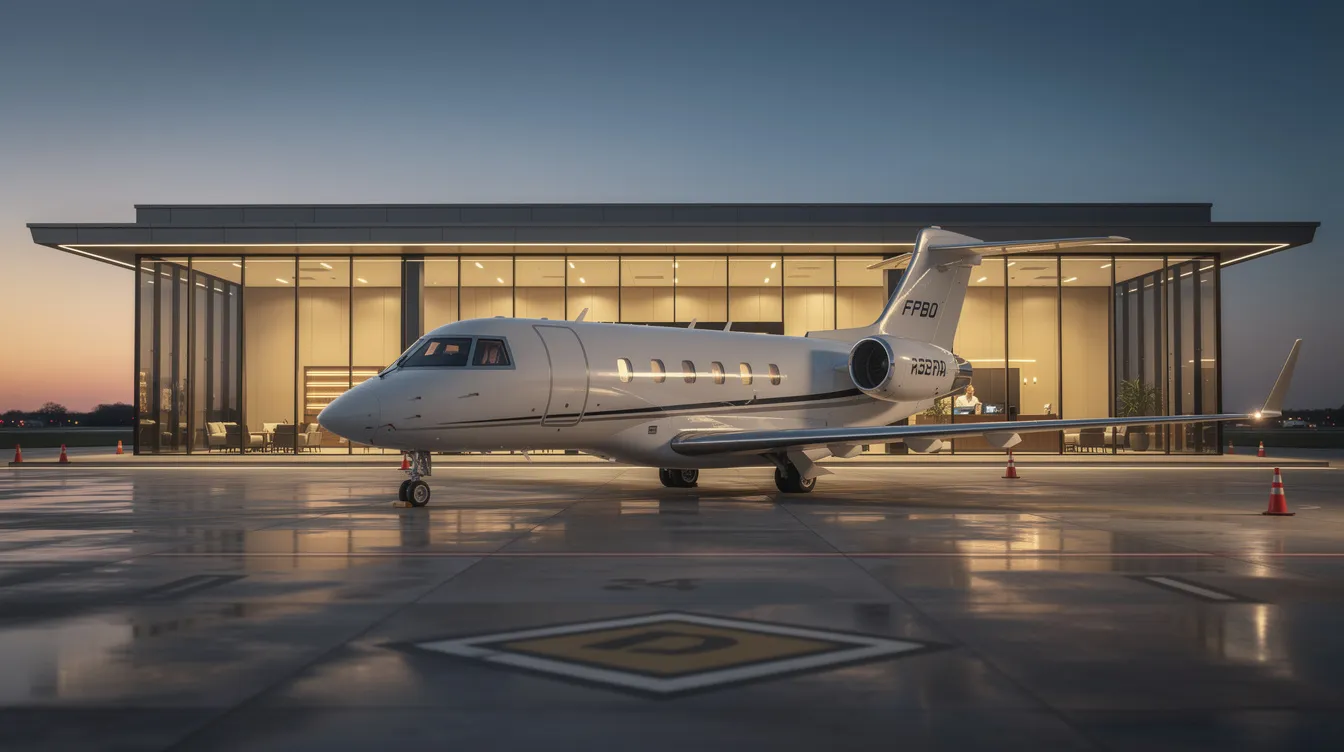
Membership, technology, and real-time support: the BlackJet difference
BlackJet is built as a technology-forward, safety-first private aviation company centered on Jet Card membership rather than ad-hoc brokerage. The infrastructure—digital tools, certified operator network, sustainability commitments—is designed for travelers who fly private regularly and expect consistency every time.
Core capabilities include:
25-hour and 50-hour Jet Card options with multi-cabin access across light, midsize, super-midsize, and heavy jet categories—all under a single membership, with structures that scale naturally toward a 100-hour jet card cost model.
24/7 mobile and web booking tools that display aircraft category, estimated flight hours, and all-in charter prices in real time, which is especially useful when planning small private plane charters to secondary airports. Charter flights can be arranged in as little as four hours when schedules shift unexpectedly.
Dedicated flight support teams that handle last-minute changes, weather diversions, catering adjustments, and ground transport coordination—true concierge services from booking process to arrival.
Industry-recognized safety certifications and third-party audits (ARGUS, Wyvern, IS-BAO) for every operator in the BlackJet network, ensuring every private flight meets institutional-grade standards.
BlackJet offsets 100 percent of flight emissions as standard, keeping every private jet flight carbon-neutral at no extra cost to members. In an era when ESG compliance and sustainable private travel are moving from optional to expected, this is not a marketing footnote—it is a core pillar of the membership.
Sustainability and fuel: how green policies influence charter pricing
Fuel represents approximately 25 to 30 percent of total operating expenses for private aircraft, making it a significant driver of private jet charter cost. Environmental mandates and the growing adoption of Sustainable Aviation Fuel are reshaping how that fuel cost reaches your invoice.
Key developments affecting 2026 pricing:
The EU's ReFuelEU Aviation regulation, effective from 2025, mandates that fuel suppliers at EU airports provide minimum blends of SAF. Switzerland has adopted similar requirements. These mandates increase the base cost of fuel at European departure points.
SAF is significantly more expensive than conventional jet fuel. Traditional jet fuel has averaged roughly €816 per tonne in northwestern Europe, while SAF (such as HEFA biofuel) trades at approximately €2,768 per tonne. Synthetic fuels (power-to-liquid) are projected at €6,600 to €8,700 per tonne. Some of this cost increase flows into fuel surcharges on your quote.
Carbon offset programs add a small, transparent cost to some operators' pricing. High-quality, independently verified projects—such as reforestation, methane capture, or renewable energy deployment—are purchased to neutralize the emissions of each flight. BlackJet absorbs this cost so all member flights are carbon-neutral by default, with no separate line item.
Sustainability is increasingly part of RFP and ESG requirements for corporate travelers choosing a green private jet provider. Choosing an operator with built-in offset programs and SAF adoption is becoming an efficient alternative to managing environmental compliance internally, even for clients focused on the cheapest private jet options.
How to compare private jet charter quotes fairly
Comparing quotes solely on hourly rates or headline totals is misleading without identical underlying assumptions. A $4,500-per-hour quote and a $6,000-per-hour quote may reflect entirely different aircraft options, routing, inclusions, and fee structures, which is why any evaluation of how much it costs to rent a private jet must look beyond the headline number.
To compare fairly, especially when looking at competitors such as Flexjet jet card costs:
Fix the same dates, airports, aircraft category, and passenger count before requesting multiple quotes. Apples-to-apples is essential.
Check what is included: fuel, de-icing, Wi-Fi, catering, federal excise tax, segment fees, crew overnight charges, and ground transportation. Some charter companies bundle everything; others list each item separately.
Confirm whether billable flight hours include positioning, empty legs, or minimums. A quote showing fewer billed hours might exclude repositioning that another quote includes honestly.
Ask for sample invoices or standardized terms from each provider to see how charges are actually presented after the flight.
BlackJet presents itemized yet simple proposals: a clear per-flight breakdown plus a locked Jet Card hourly rate where applicable, so members can see exactly what they are paying for without needing a forensic accountant.
Frequently asked questions about plane charter prices
This section answers the most common pricing questions we hear from new clients considering private aviation.
How much does it cost to charter a private jet for a 2-hour flight in 2026?
It depends on the aircraft category. On a light jet at roughly $4,500 to $6,500 per hour, a 2-hour domestic flight costs approximately $9,000 to $13,000 in base flight time. Add FET, handling, and standard fees, and the total typically falls between $11,000 and $15,000. A two-hour flight can cost between $8,000 and $37,000 depending on whether you choose a light aircraft or a heavy jet.
Is it cheaper to fly private if I share the aircraft with friends or partners?
Most quotes assume whole-aircraft hire, so splitting the cost among more travelers reduces each person's share but doesn't change the charter price itself. Empty leg flights can save up to 75% off standard rates if your itinerary matches a repositioning route—but those are limited and unpredictable.
How far in advance should I book to get the best hourly rates?
Off-peak mid-week flights booked several weeks ahead generally offer the best rates. Peak-season and event-driven travel plans should be locked in as early as possible. Booking a private jet can take as little as four hours, but availability for preferred aircraft narrows as departure dates approach.
Do plane charter prices drop last-minute?
Sometimes. Many charter companies have access to thousands of empty leg flights, and flexibility in dates and routes increases your chances of finding one. Empty leg flights are often available for last-minute bookings. However, matching your exact route, timing, and cabin preference to an available leg flight is not guaranteed.
Can I fix my private jet rental price for the year?
Yes. Jet card programs allow you to lock in a fixed hourly rate for a prepaid block of hours, shielding you from seasonal surges, fuel price volatility, and market-driven rate fluctuations. You can request a charter quote online or by phone to explore Jet Card options.
What happens to my cost if my plans change on the day of departure?
There are typically change fees, potential repositioning charges, or crew standby costs. Policies vary by operator. BlackJet Jet Card members benefit from clearly defined change and cancellation policies tied to their agreement—transparent terms established before you ever fly.
Are there cancellation fees, and how are they calculated?
Depending on how far in advance you cancel, the operator may retain a portion of any deposit or bill for certain minimums, repositioning, or crew standby time. Jet Card agreements generally offer more favorable cancellation terms than ad-hoc bookings.
How safety, certification, and service level factor into pricing
The lowest possible quote is not always the best value. A bargain rate that comes with deferred maintenance, under-trained crews, or limited insurance exposes you to risks that no amount of savings can justify. In the aviation industry, cost and safety are directly linked.
Key factors that influence pricing through safety and service:
Industry safety certifications such as ARGUS, Wyvern, and IS-BAO require operators to meet rigorous maintenance, training, and operational standards. These certifications cost operators money—passed along as part of the base rate—but they dramatically reduce operational risk.
Experienced crews, robust insurance policies, and well-maintained aircraft with current avionics cost more to field. These are not optional upgrades—they are the foundation of reliable private travel.
Service differentiators like dedicated flight attendant service on heavy jets, curated catering, and concierge logistics (ground transport, in-airport fast-track, bespoke requests) add meaningful value for long or complex missions.
BlackJet's proprietary safety screening and continuous operator evaluation are core to what members pay for. Every operator in the network undergoes third-party audits and compliance checks, and that oversight is maintained continuously—not just at onboarding.
High-quality private aviation is a blend of fair price, stringent safety, and consistent, high-touch service, whether you are exploring ultra-long-range options or the cheapest private aircraft for shorter missions. The right provider delivers all three.
Planning your private jet budget with BlackJet
If you expect to fly private several times a year, building a realistic annual budget starts with three simple inputs: your estimated number of trips, the average flight hours per trip, and your preferred aircraft category for each mission.
Here is how to approach it:
Create a simple forecast. If you anticipate eight trips averaging 3 flight hours each on a midsize jet, that is 24 hours — close to a 25-hour Jet Card. Locking in that card sets a predictable baseline spend for the entire year.
Combine Jet Card flying with occasional on-demand upgrades. Use your midsize Jet Card hours for routine domestic flights, and book an on-demand heavy jet for a once-a-year transatlantic trip or a family expedition. This keeps costs efficient without restricting your aircraft options. Learn more about heavy jet charters and on-demand private jet charters.
Share your 12-month travel calendar with BlackJet, so our team can propose an optimal card size and aircraft mix. Whether your next trip is a quick hop to San Francisco or a coast-to-coast board meeting circuit, we tailor recommendations to your actual usage patterns. See our types of private jets for more details.
Discover how BlackJet can reshape your travel request a confidential plane charter pricing consultation today.


 Sign up with google
 Sign up with Apple