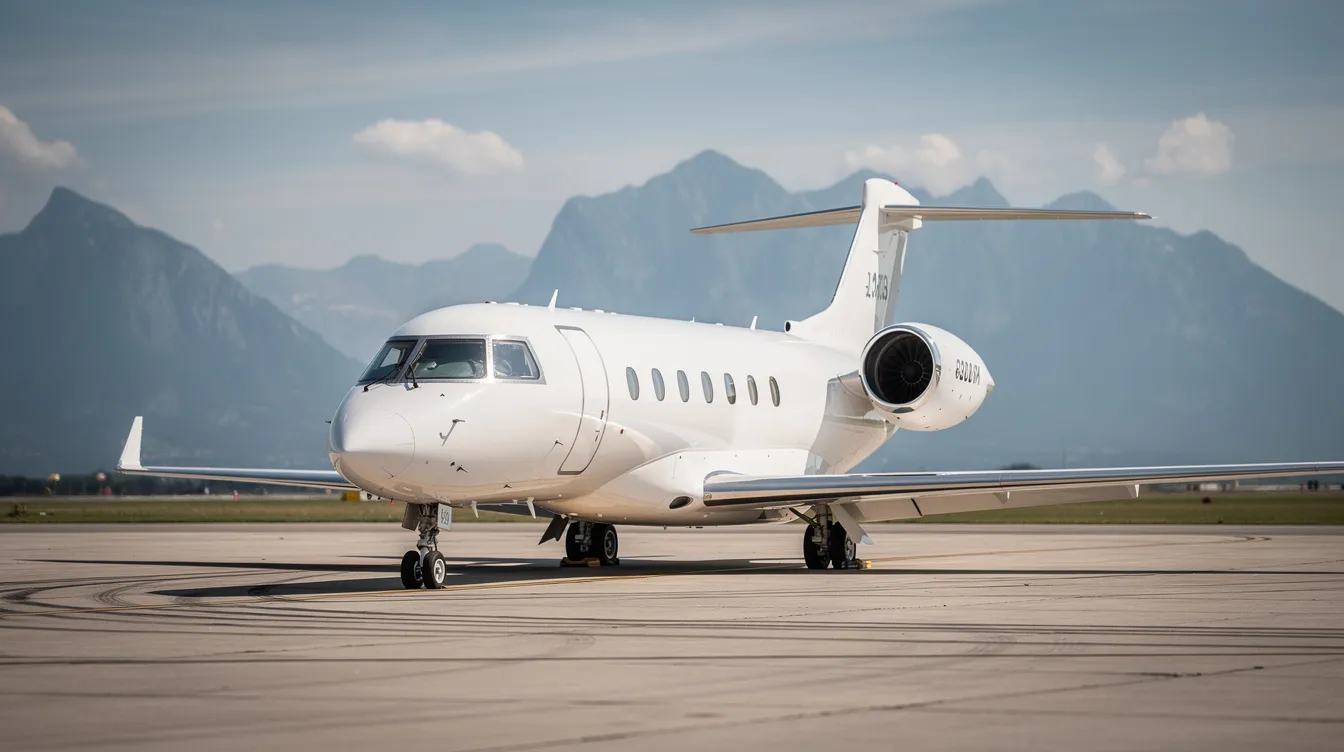
For executives and discerning travelers, private aircraft flights represent more than convenience—they represent a strategic advantage in how you move through the world. When a New York-to-Miami journey takes 2.5 hours gate-to-gate on a private jet versus 5+ hours door-to-door commercially (factoring in security lines, boarding delays, and terminal transfers), the calculus becomes clear. This guide explores how BlackJet transforms private aviation from an occasional indulgence into a predictable, sustainable, and rigorously safe travel solution through our Jet Card programs.
Key Takeaways
Private aircraft flights deliver a decisive edge over commercial airline travel for those who value time, privacy, and control. Consider the math: arriving 15–30 minutes before departure versus 90–120 minutes, accessing over 5,000 airports in the U.S. alone compared to fewer than 500 commercial hubs, and eliminating layovers entirely with direct flights. For travelers flying 25+ hours annually, the efficiency gains compound into weeks of recovered productivity. Private jet travel is particularly beneficial for executives and families with complex itineraries, offering a more comfortable cabin environment compared to commercial airlines. Many private jets also feature advanced HEPA air filtration systems that reduce health risks by lowering exposure to germs, enhancing passenger well-being during flights.
BlackJet Jet Cards (25-hour and 50-hour programs) provide prepaid, predictable access to multiple aircraft categories—light jets through ultra-long-range cabins—without the capital outlay, maintenance burden, or crew management of ownership.
Every BlackJet flight is carbon-neutral by default through verified offset programs aligned with Gold Standard and VCS certifications, at no additional cost to Jet Card members. Starting in 2026, Sustainable Aviation Fuel (SAF) will be available at select hubs to enable deeper emissions reductions. Many private jet companies are committed to offering carbon-neutral flights as part of their sustainability initiatives.
Safety standards exceed FAA Part 135 minimums, with BlackJet partnering exclusively with ARGUS Gold/Platinum, Wyvern Wingman, and IS-BAO Stage 2/3 rated operators. These Part 135 charter companies are FAA-certified on-demand air carriers that adhere to strict safety and operational standards. Travelers are encouraged to verify a company's Part 135 status by requesting their FAA Air Carrier Certificate and ensuring the aircraft tail number matches the approved list. Real-time flight monitoring operates 24/7/365 from our operations center. Industry leaders like Stratos Jets have cultivated networks of the safest, most reputable air carriers globally, with safety teams continuously monitoring operational excellence and customer experience. Airshare exemplifies commitment to safety with IS-BAO Stage 3 and ARGUS Platinum designations. Choosing a private jet charter service involves evaluating safety records, reliability, and customer service to ensure peace of mind.
Digital-first booking with human expertise means members search and confirm flights in under 60 seconds via the BlackJet mobile platform, with 24/7 Flight Advisors available for complex itineraries or last-minute departures. Many private jet booking services offer 24/7 support, transparent pricing with no hidden fees, and mobile apps like XO's for quick, easy flight booking.
Ready to experience private aviation on your terms? Explore BlackJet Jet Cards or request a tailored private flight plan for your typical routes.
The Easy Way to Book Private Aircraft Flights
Booking Process Overview
BlackJet operates as a premium alternative to commercial business class, combining digital-first tools with human aviation experts available around the clock. As a leading provider of air charter services, BlackJet delivers flexible, premium private aircraft flights tailored to both business and leisure travelers. Where fragmented charter brokers require multiple calls and opaque pricing, BlackJet streamlines private jet travel into a single, transparent process.
The booking process works like this:
Search in seconds: Members enter departure, destination, date, and passenger count via the BlackJet mobile platform or web portal—typical searches complete in under 60 seconds.
Receive tailored options: The platform surfaces 2–4 aircraft options with transparent pricing, estimated flight times, and cabin specifications.
Confirm with an advisor: BlackJet Flight Advisors are available 24/7 via phone, chat, or email to refine options, address luggage or pet requirements, and lock in the trip. Shipping luggage on private flights often has fewer restrictions compared to commercial airlines, allowing for larger and bulkier items.
Fly: Arrive at a private terminal (FBO) 15–30 minutes before departure, bypassing long security lines and crowded terminals.
Fleet Diversity
Through our diverse fleet network, BlackJet provides on-demand access to thousands of vetted aircraft across North America and Europe. This fleet spans:
Turboprop aircraft: Cost-efficient for shorter distances (600–1,000 miles) and regional hops.
Very light jets (VLJs): Ideal for 1–4 passengers on short, point-to-point flights of approximately 2–3 hours.
Light jets: Accommodate 4–8 passengers for short regional business trips with ranges up to 1,500 miles and speeds between 400 and 480 mph.
Midsize jets: For coast-to-coast US flights, seating 6–9 passengers with ranges around 2,450 miles and speeds of 400 to 500 mph.
Super-midsize aircraft: For transcontinental routes.
Large-cabin or ultra-long-range heavy jets: For nonstop intercontinental travel, accommodating 10–19 passengers with ranges exceeding 7,000 miles and speeds up to 600 mph, with select models suitable as the best private jets for around 20 passengers.
Every operator meets our internal safety thresholds before entering the network.
Last-Minute Flights
For urgent needs, BlackJet regularly arranges last-minute private aircraft flights on short notice, with departures within three hours in major markets such as Teterboro, Van Nuys, and Dallas Love Field.
Example scenario: A Chicago-based executive needs a same-day ski weekend trip for six passengers from Midway to Aspen. Using the 25-hour Jet Card, she opens the BlackJet app at 9 AM, receives super-midsize aircraft options by 9:05 AM, confirms with her advisor by 9:30 AM, and departs by 1 PM—total planning time under 30 minutes.
This model contrasts sharply with traditional charter options, where clients juggle multiple brokers, negotiate ad hoc pricing, and face uncertainty about aircraft quality. For travelers simply looking to buy a seat on a private jet via shared or semi-private services, understanding these alternatives is key, but BlackJet’s integrated platform and dedicated team eliminate that friction entirely.
An Elite Global Network of Private Aircraft
BlackJet’s network is curated for quality, not simply volume. Rather than operating as a marketplace where any operator can list aircraft, we systematically vet every partner against safety ratings, maintenance records, and operational excellence standards. The result is exclusive access to thousands of aircraft that meet or exceed the highest industry benchmarks, supporting BlackJet’s global reach and ability to serve clients across continents.
This global network covers heavily traveled routes—Teterboro to Van Nuys, Dallas to Aspen, London to Nice—while also serving niche regional airports that commercial flights simply cannot reach. With BlackJet’s global reach, travelers gain access to more airports worldwide, enabling them to land closer to their final destinations and bypass congested commercial hubs.
Members can match aircraft size to each mission. A 4-passenger business trip from Houston to Chicago doesn’t require a heavy jet; a midsize aircraft delivers the right aircraft at the appropriate cost. Conversely, a 10-person executive team flying from Los Angeles to Dubai needs an ultra-long-range cabin with lie-flat beds and catered dining. BlackJet advisors translate flight details and passenger needs into specific aircraft recommendations, not just tail numbers.
Many private jets are equipped with high-speed Wi-Fi, video conferencing tools, and customized catering to support a seamless workday in the air. The mobile office environment allows for confidential business meetings and strategy sessions without distractions.
BlackJet Jet Cards: The Smart Way to Fly Private
Jet Cards occupy the strategic middle ground between ad hoc charter flights and fractional ownership. They deliver guaranteed access and fixed hourly rates without the asset risk, capital requirements, or operational headaches of putting your name on an aircraft title. For frequent private aircraft flights, Jet Cards are a cost-effective solution—offering predictable pricing and efficiency compared to outright ownership or pay-as-you-go charter, and many clients compare these structures directly with NetJets jet card costs and programs before deciding.
BlackJet offers two primary Jet Card programs, and travelers evaluating options often benefit from a deeper look at how jet card pricing works, including fees and benefits:
Each card locks hours to specific cabin classes (Light, Midsize, Super-Midsize, or Large-Cabin) at transparent all-in hourly rates. Members know their cost per hour months in advance, eliminating the pricing variability that plagues on-demand jet charter.
Jet Card benefits include:
Priority access during peak periods (winter holidays, Art Basel Miami, 2026 World Cup matches in North America)
Reduced daily minimums on certain aircraft categories
Simplified billing through one agreement and one monthly statement
Guaranteed availability windows (typically 24–48 hours’ notice for most cabin classes)
No repositioning fees on approximately 80% of missions
Jet Cards vs. on-demand charter—key differences:
Price predictability: Fixed hourly rates vs. fluctuating market quotes
Availability: Guaranteed windows vs. first-come, first-served
Repositioning: Included on most trips vs. potential empty-leg charges
Peak access: Priority during high-demand periods vs. limited inventory
Example scenario: A London-based executive purchases a 50-hour Large-Cabin Jet Card for quarterly London–New York trips plus ad hoc European hops to Geneva, Paris, and Milan. She knows her per-hour cost for the full year, books with 48 hours’ notice even during ski season, and never worries about repositioning surprises. Her annual private travel budget is locked in by January.
How Jet Cards Differ from Ownership and Traditional Charter
Three models dominate private aviation: full or fractional ownership, Jet Cards, and private charter.
Full/Fractional Ownership requires significant capital ($5–75 million for outright purchase, plus $1–4 million annually in operating costs for crew, maintenance, hangar, and insurance). Owners bear the risk of asset depreciation and the complexity of management. This model suits those flying 400+ hours annually who want a specific aircraft type available at all times.
Jet Cards avoid all asset risk while delivering consistent access. Members prepay hours at fixed rates, enjoy guaranteed availability, and let BlackJet handle operator relationships, safety vetting, and trip logistics. This model fits travelers flying 25–150 hours per year who want boardroom-level predictability without balance sheet complications.
Private Charter (formerly referred to as on-demand charter) offers maximum flexibility for occasional flyers, allowing you to book luxury air travel as needed. However, private charter comes with variable pricing, uncertain availability during peak periods, and inconsistent operator quality unless using a vetted platform like BlackJet. It is ideal for those seeking convenience for business or leisure without long-term commitments.
BlackJet’s membership agreements avoid the long-term commitments common with traditional programs. Hours can typically be used within 12–24 months, with options to upgrade cabin classes at known differentials. If your travel patterns change, your Jet Card adapts with you.
Private Aircraft Categories and Cabin Experiences
Aircraft selection directly impacts your travel experience. Choosing the right private plane is essential for optimizing comfort, range, and efficiency. Range, runway requirements, passenger count, and cabin comfort all affect the right choice. Understanding these categories helps you and your BlackJet advisor match aircraft to mission, and resources outlining the full types of private jets for every traveler can further clarify which class best fits your needs.
Turboprops
Very Light Jets (VLJs)
Light Jets
Examples: Cessna Citation CJ4, Embraer Phenom 300
Passengers: 4–8
Range: 1,000–1,500 miles
Speed: 400–480 mph
Best for: Short regional business trips, such as NYC–Nantucket or LA–Vegas
Midsize Jets
Examples: Hawker 800, Citation Latitude
Passengers: 6–9
Range: 2,000–2,450 miles
Speed: 400–500 mph
Best for: Coast-to-coast US flights, Denver–Miami, Boston–Aspen
Super-Midsize Jets
Examples: Citation Longitude, Challenger 350
Passengers: 8–10
Range: 3,000–4,000 miles
Speed: 500–540 mph
Best for: Transcontinental flights, heavy baggage (ski equipment, golf clubs), extended family travel
Large/Ultra-Long-Range Jets (Heavy Jets)
Examples: Gulfstream G700, Bombardier Global 8000
Passengers: 10–19
Range: 7,000+ miles
Speed: 550–600 mph
Best for: Nonstop NYC–London, LA–Honolulu, Geneva–Dubai; lie-flat beds, full catering, stand-up cabins
These aircraft are also known as heavy jets, designed for long-distance private flights and high passenger capacity, making them ideal for international or multi-passenger travel. They contrast with more affordable private jet options, such as turboprops and very light jets, for shorter routes, which are often among the cheapest private aircraft options for budget-conscious flyers.
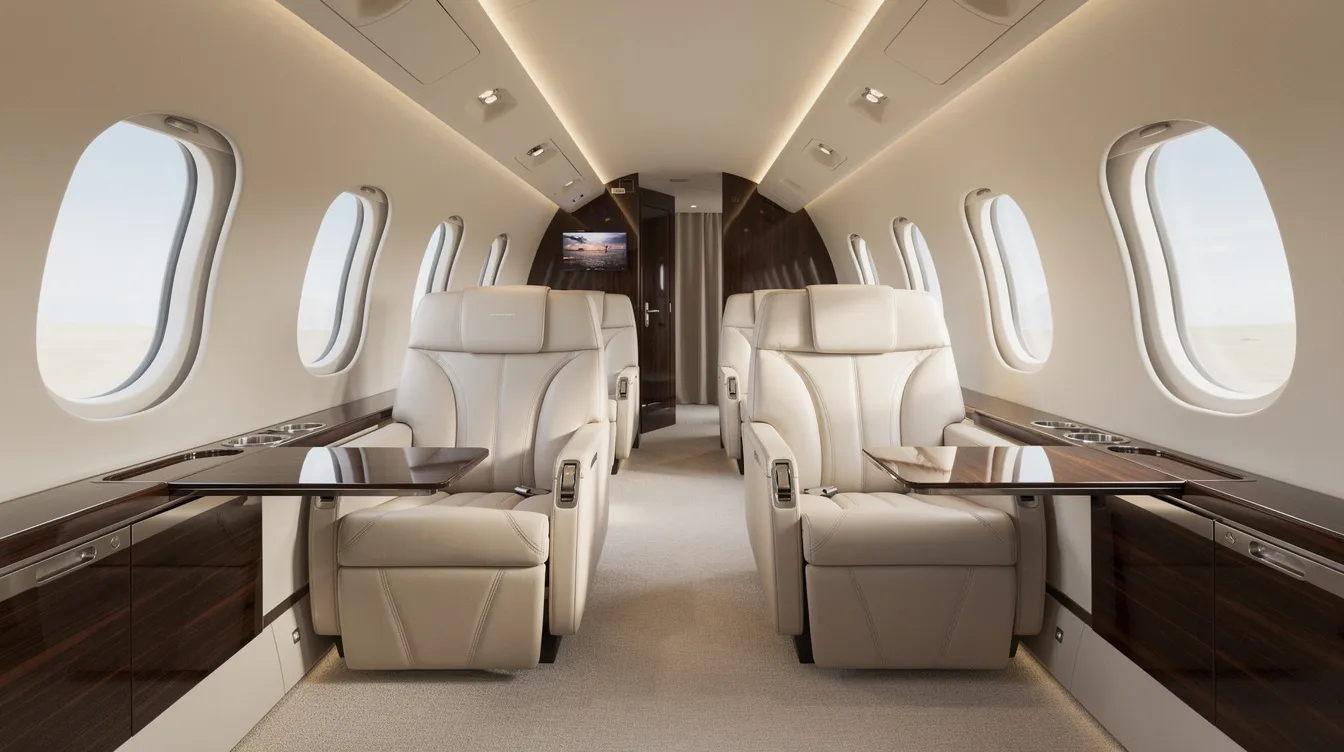
Larger jets offer stand-up cabins, enabling in-flight meetings in club seating configurations; lie-flat beds for overnight travel; enclosed lavatories; and catered dining rivaling top restaurants. High-speed Wi-Fi enables secure video calls over the Atlantic.
Matching Aircraft to Your Mission
Mission planning—route, passenger load, luggage volume, timing—drives aircraft choice more than brand names alone. BlackJet advisors factor runway length, weather conditions, and payload to propose 2–3 optimal options for each trip.
Sample trip profiles:
NYC–Miami weekend
LA–Sun Valley ski trip
London–Dubai nonstop
Dallas–Aspen day trip
BlackJet’s technology surfaces aircraft meeting specific safety ratings and operational profiles before an advisor contacts you. When you request a trip, the platform has already filtered for ARGUS-certified operators with appropriately typed aircraft and available crew.
For business executives flying regularly between Dallas and Chicago, a light jet balances cost efficiency with speed. For a family taking an LA–Jackson Hole ski week with substantial baggage, a super-midsize cabin ensures everyone and everything arrives comfortably.
Safety and Risk Management in Private Aircraft Flights
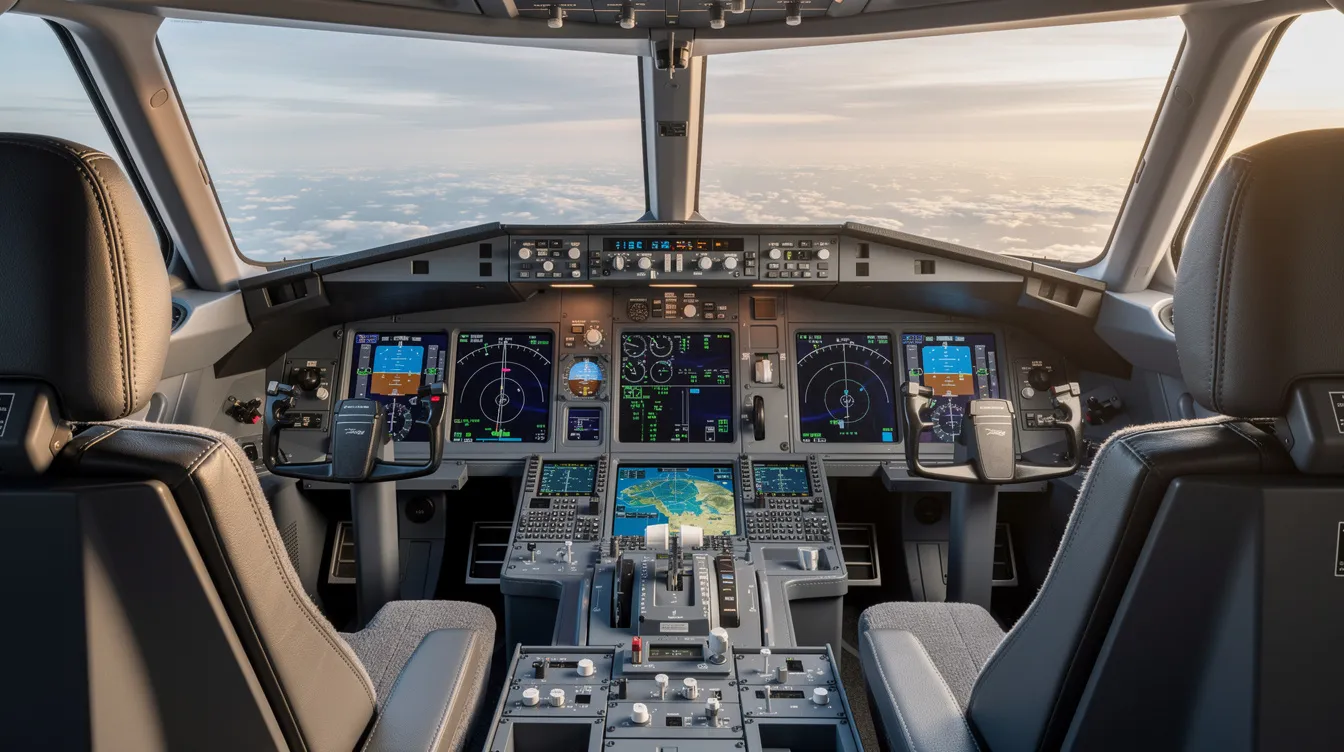
Safety is the defining non-negotiable for BlackJet. While private aviation’s overall accident rate stands at 0.07 per 100,000 flight hours (2020–2024 data)—comparable to commercial aviation’s 0.09—not all operators maintain equivalent standards. BlackJet’s entire model rests on eliminating that variability.
BlackJet exclusively partners with operators holding:
These third-party audits evaluate maintenance programs, crew training frequency, safety management systems, and operational oversight. Research indicates that operators with rigorous third-party audits reduce incident rates by approximately 40%.
Pre-flight safety checks include:
Crew duty time verification (BlackJet enforces stricter rest minimums than the FAA’s 10-hour caps)
Recent training event confirmation (recurrent training every 6–12 months)
Aircraft maintenance status review (inspections every 100–200 hours or annually)
Higher-risk profile assessment for challenging destinations
Example: A winter approach into Aspen involves specific considerations—mountain terrain, de-icing requirements, and potential weather diversions. BlackJet’s operations team confirms that the aircraft has appropriate terrain-avoidance systems (TAWS), the crew holds mountain-training certifications, and alternate airports (such as Teterboro or Eagle-Vail) are pre-briefed in case conditions deteriorate.
Real-time oversight continues through every flight. BlackJet’s operations center monitors weather patterns, NOTAMs, and route changes, coordinating with operators if re-routing or fuel stops become necessary. Clients receive proactive updates about earlier landing times or ground transport adjustments.
Beyond physical safety, BlackJet addresses confidentiality and data protection. NDAs for high-profile private jet travelers, discreet ground transport coordination, and secure payment processing ensure that privacy extends from booking through arrival.
Why Private Aviation Safety Protocols Matter
Not all private jet charter services are equal. The gap between a random broker “finding a plane” and BlackJet’s systematically vetted network can be substantial.
Key distinctions:
Ad hoc brokers may prioritize price over safety, sourcing aircraft from operators with minimal vetting. Legal compliance doesn’t equal excellence.
BlackJet’s network requires ARGUS/IS-BAO ratings before any operator is approved, then monitors performance continuously.
Crew minimums differ: FAA requires 1,500 flight hours for Part 135 captains; BlackJet’s internal threshold often exceeds 1,000 hours on type, with recent recurrent training confirmed.
Ongoing audits matter: Regulatory tightening after notable incidents between 2019 and 2024 reinforced that static certifications aren’t enough—continuous oversight prevents degradation.
The private aviation market has grown rapidly, with global fleets exceeding 23,000 aircraft. That growth brings variability in operator quality. BlackJet’s role as a safety partner means travelers don’t need to become aviation experts themselves; they access a network where that due diligence is already complete.
Sustainable and Carbon-Neutral Private Aircraft Flights
Private aviation contributes to global CO2 emissions, and discerning travelers increasingly expect credible sustainability measures rather than vague green marketing. Business aviation cannot ignore its environmental footprint—but it can meaningfully address it.
BlackJet ensures every flight is carbon-neutral by default through verified offset programs aligned with the Gold Standard and the Verified Carbon Standard (VCS). These offsets fund projects with real-world impact:
Reforestation initiatives that sequester carbon over decades
Renewable energy installations are displacing fossil fuel generation
Methane capture from landfills and agricultural operations
The cost of these offsets is built into BlackJet’s Jet Card programs—members don’t pay extra for carbon-neutral travel.
Beginning in 2026, BlackJet is scaling access to Sustainable Aviation Fuel (SAF) on select hubs, including Van Nuys, Teterboro, and London Farnborough. SAF reduces lifecycle emissions by up to 80% compared to conventional jet fuel. Members can opt to fund additional SAF uplift to achieve deeper emissions reductions beyond offsets.
BlackJet provides post-flight sustainability reporting on request. These summaries detail estimated CO2 emissions for each trip, offsets purchased, and any SAF usage—documentation that supports corporate ESG reporting requirements.
The tone here is transparency, not greenwashing. Aviation cannot be fully decarbonized today. But verified offsets, SAF adoption, and honest reporting represent meaningful progress while next-generation propulsion technologies mature.
Sustainability Choices for Jet Card Members
Jet Card members often have corporate or family ESG goals requiring clear options rather than marketing slogans.
Available sustainability tiers include:
Standard carbon-neutral (default): 100% verified offsets at no additional cost
200% carbon offset: Double coverage for clients wanting deeper environmental contribution
SAF blend guarantee: Minimum SAF percentage on flights departing participating airports (subject to availability)
Members can save sustainability preferences to their BlackJet app profile. Once configured, every booking automatically applies the chosen tier—no manual selection required for each trip.
BlackJet also supports research initiatives exploring next-generation propulsion, including electric and hybrid aircraft expected to reach commercial viability toward the late 2020s. While we don’t overpromise specific technologies or dates, our commitment to continuous improvement in sustainable luxury air travel remains foundational.
Real-World Use Cases: How Clients Use Private Aircraft Flights
Private aircraft flights function as productivity and lifestyle tools, not merely indulgences—especially for those flying 10+ times annually. The many benefits compound when examining how actual clients structure their travel.
CEO Day Trip: Houston to Mexico City
A Houston-based executive needs to attend a board meeting in Mexico City, vote on a critical acquisition, and return the same evening for a family event. On a midsize jet, she departs at 7 AM, arrives by 9:30 AM, conducts her business, and returns by 6 PM. The alternative—commercial flights with layovers and two nights in a hotel—would require at least 48 hours. Similar time savings apply for executives using private jet charters in Karachi and other global financial hubs.
Family Ski Week: Los Angeles to Jackson Hole
A family of six books a super-midsize jet for their annual ski trip, accommodating eight ski bags, four large suitcases, and the family dog (a Labrador Retriever). They depart LAX at 8 AM Saturday, arrive Jackson Hole by 10:30 AM, and hit the slopes by noon. No checked baggage fees, no pet cargo hold, no layover in Denver. Private aircraft flights are ideal for leisure travel, offering unmatched convenience and comfort for family vacations and getaways.
Art Collector: Paris–Basel–Venice Circuit
A European collector tours three art fairs in five days. Using a light jet, she flies from Paris to Basel (75 minutes), spends two days at Art Basel, continues to Venice (90 minutes) for the Biennale, then returns to Paris. Multi-city routing in a single week—nearly impossible commercially without wasted days in airports. For leisure travel, private aircraft flights make it easy to enjoy art events and cultural experiences across multiple destinations with maximum flexibility.
Sports Team Event Travel
Sports teams and entourages flying to major events benefit from private charter’s ability to accommodate groups of 15–19 passengers with equipment, coordinate ground transfers at multiple stops, and maintain confidentiality around travel schedules, while specialized large-group charters using private jets for up to 50 passengers can support even bigger delegations.
For each scenario, BlackJet coordinates ground transfers, special requests (pet-friendly cabins, kosher or plant-based catering, secure Wi-Fi for sensitive negotiations), and flexible scheduling that adapts to last-minute changes.

Private Flights vs Commercial First Class
Many BlackJet clients previously flew business or first class on major airlines and shifted when time and privacy became more valuable than the commercial airline experience.
Comparative advantages:
Arrival time: 15–30 minutes before departure, compared to 90–120 minutes for commercial first class
Airport access: Over 5,000 airports, including regional airports, whereas commercial flights serve approximately 500 hubs
Layovers: None, with direct routing on private flights; frequent layovers on commercial itineraries
In-flight meetings: Conducted in a private cabin with secure Wi-Fi, unlike the shared cabin environment of commercial flights
Schedule flexibility: Ability to depart when ready, versus fixed routes and fixed times on commercial airlines
Long security lines: Minimal or none on private flights, compared to standard TSA screening for commercial travelers
For groups of 4–8 travelers on common routes like New York–Miami or London–Zürich, the effective per-person cost of private travel can approach premium cabin commercial fares—while delivering a radically different travel experience.
Example: A 6-person executive team needs to fly from New York to Chicago, then to Toronto, and back to New York in a single business day for client meetings. Commercially, this itinerary would require overnight stays and missed connections. On a midsize jet with BlackJet, they complete all three cities between 6 AM and 9 PM, landing back at Teterboro for dinner at home.
Technology and Innovation in Private Aircraft Flights
The private aviation market is undergoing a remarkable transformation, driven by cutting-edge technology and a relentless focus on enhancing the private jet charter experience. Today’s private jet travelers expect more than just luxury air travel—they demand seamless access, real-time information, and personalized service at every stage of their journey. Thanks to a wave of innovation, private jet charter services are delivering on these expectations like never before.
Digital booking platforms have revolutionized how passengers access private aircraft, allowing them to search, compare, and confirm flights in seconds. Advanced algorithms analyze your travel needs and match you with the right aircraft based on route, passenger count, and cabin preferences. This not only streamlines the booking process but also ensures cost efficiency and a tailored travel experience for every flight.
Artificial intelligence (AI) is playing a pivotal role in optimizing private jet travel. AI-powered systems evaluate weather conditions, air traffic, and operational factors to recommend the most efficient flight routes, reducing travel time and charter costs. AI-driven chatbots and virtual assistants provide 24/7 support, answering questions about flight details, aircraft types, and booking changes—delivering instant assistance to private jet travelers worldwide.
Blockchain technology is also making inroads into private aviation, offering secure, transparent transactions and improved data management. For private jet charter services, this means greater peace of mind for clients, with every booking and payment securely recorded and easily auditable.
Looking ahead, the development of electric and hybrid-electric aircraft promises to redefine the future of private aviation. These innovative aircraft are designed to reduce emissions, lower operating costs, and offer quieter, more efficient flights—appealing to environmentally conscious travelers seeking sustainable luxury air travel without compromise.
Onboard, the experience continues to evolve. High-speed Wi-Fi, gourmet catering, and customizable entertainment systems are now standard on many private aircraft, ensuring that passengers enjoy productivity and comfort in the air. Some operators are even exploring virtual and augmented reality tools that allow travelers to preview cabin layouts and personalize their in-flight environment before departure.
Technology is also driving new charter options, such as flexible membership programs and empty leg flights, making private jet charter more accessible and cost-effective for a broader range of travelers. These innovations empower passengers to access a diverse fleet, enjoy flexible scheduling, and experience private aviation on their own terms—whether for business, leisure, or last-minute travel.
Platforms like Jettly simplify booking private jets, allowing users to access over 20,000 aircraft worldwide. Platforms such as Jettly and XO provide instant pricing and booking capabilities, enhancing the user experience in private jet travel. Many private jet services offer mobile booking platforms for convenience and real-time support, ensuring travelers can get assistance whenever needed. Transparent pricing on these platforms allows users to see costs upfront without hidden fees, making private jet travel more accessible and predictable.
How to Book a Private Aircraft Flight with BlackJet
BlackJet streamlines the booking process into clear steps, whether you’re a new client requesting a quote or a Jet Card member managing your annual hours.
Step-by-step flow:
Initial inquiry: Submit your request via the BlackJet app, web portal, or phone call—include departure, destination, dates, and passenger count.
Receive tailored options: Within minutes, receive 2–4 aircraft options with transparent pricing, cabin specifications, and estimated flight times.
Confirmation and contract: Select your preferred option; your advisor finalizes the agreement with clear terms.
Pre-flight briefing: Receive itinerary confirmation with FBO (private terminal) details, crew names, and any catering or ground transport arrangements.
Day-of-flight updates: BlackJet concierge provides real-time notifications about weather, departure adjustments, and ground transport coordination.
New clients can get indicative quotes in minutes by entering basic trip parameters. Advisors then refine options based on luggage volume, pets, and schedule constraints—no obligation required to explore pricing.
Jet Card members see estimated hour debits per trip and remaining balances directly in the app. After each flight, notifications confirm the hours used and the remaining balance.
BlackJet also coordinates complex itineraries: round-trips, multi-leg corporate roadshows, and repeating templates for clients flying the same routes monthly. Once configured, rebooking your next journey takes seconds.
Private jet charter services often include a dedicated account manager who assists with bookings and travel needs, providing personalized support from booking through post-flight. When planning private jet travel, having a dedicated charter consultant is essential to manage the booking process and itinerary efficiently.
What to Expect on the Day of Your Private Flight
Simplicity and discretion define the day-of experience, from arrival at private terminals to boarding and in-flight service.
Arrival and check-in:
Typical arrival time: 15–30 minutes before scheduled departure
Clients park steps from the terminal or use a pre-arranged car service
Check-in involves ID verification and brief security procedures (varies by location)
Direct escort to the aircraft; luggage loads while you relax in the FBO lounge
Before takeoff:
The crew reviews flight time, route, weather, and special requests (quiet cabin for rest, specific catering timing, cabin temperature preferences)
Passengers board directly from the ramp—no jetways, no lines
During flight:
The entire experience—designed to eliminate commercial airport friction—reflects what flying private should feel like: effortless, private, and built around your travel plans.
FAQ: Private Aircraft Flights with BlackJet
How much does a private aircraft flight typically cost with BlackJet?
Charter costs depend on aircraft category, distance, and notice period. Short regional hops on a light jet can start in the low four figures per hour (approximately $4,000–$6,000), while large-cabin transatlantic flights run $10,000–$18,000+ per hour. The average hourly rate for a Gulfstream G-IVSP is around $9,000. Charter costs can fluctuate based on peak travel days and additional incurred fees, such as taxes and landing charges. Factors influencing the final price include flight duration, aircraft category, seasonal demand, and additional fees, all of which are broken down in our guide to private jet price lists and options. A short 40-minute flight in a small plane could cost around $2,800, while a 1.5-hour flight in a midsize jet will be closer to $34,500. Chartering a private jet to Florida typically costs between $5,000 for short regional flights and over $80,000 for long-haul missions.
Can I bring my pet on a BlackJet private aircraft flight?
Most aircraft in BlackJet’s network are pet-friendly. Pets travel in the cabin with you—not in cargo holds—provided they meet local regulations (vaccination records, microchips, pet passports where required internationally).
Advisors recommend aircraft and seating layouts accommodating your pet’s size, including space for carriers and comfortable in-cabin positioning. Additional cleaning fees or restrictions may apply to certain aircraft types; these are disclosed at the quoting stage.
Share your pet’s size, breed, and number when requesting a quote so arrangements can be confirmed in advance.
How much luggage can I bring on a private flight?
Luggage capacity varies by aircraft type. Smaller aircraft like light jets offer 200–400 lbs of hold space, while large-cabin jets accommodate 2,000+ lbs—enough for multiple suitcases, golf bags, ski equipment, or musical instruments.
BlackJet advisors ask about approximate luggage volume during booking to ensure the best aircraft is sourced. Unlike commercial airlines, there are no standard baggage fees, though oversized or unusually heavy cargo may require aircraft upgrades or specialized handling.
Flag any special items (e-bikes, artwork, fragile equipment) during planning, so proper packaging and loading can be arranged without last-minute complications.
Do I need to be a Jet Card member to book a private aircraft flight with BlackJet?
BlackJet welcomes both Jet Card members and on-demand charter clients. Membership is not mandatory but is recommended for those flying more than 20–25 hours annually.
Jet Card members receive priority access during peak periods, fixed hourly rates, guaranteed availability windows, and streamlined billing, reflecting the best jet card benefits for frequent flyers. On-demand clients receive bespoke quotes for each trip, with access to the same vetted network—ideal for occasional private travel or for evaluating BlackJet before committing to a card.
If you’re unsure which model fits best, discuss your last 12 months of air travel with a BlackJet advisor for an objective comparison.
How far in advance should I book a private aircraft flight?
While BlackJet can often arrange flights within a few hours for major city pairs, booking 3–7 days in advance typically yields the best aircraft options and competitive pricing.
For peak periods—Christmas/New Year, the 2026 ski season in Colorado and the Alps, or major sporting events—reserving several weeks ahead ensures availability. Jet Card members may have shorter guaranteed notice windows (e.g., 24–48 hours) built into their agreements for certain aircraft categories.
The BlackJet team operates 24/7 to handle last-minute needs, diversions, and schedule changes. A moment’s notice request is always worth asking—our advisors have seen same-day departures confirmed in under two hours for established members.
Elevate your travel—effortlessly. With BlackJet, private flight isn’t reserved for a few; it’s accessible on your terms through our Jet Card programs. Rigorous safety standards, carbon-neutral performance, and unmatched flexible scheduling combine to redefine how you move through the world.
Explore BlackJet Jet Cards to discover how refined, efficient private travel becomes your new standard—or request a tailored flight plan for your most frequent routes today.
Conclusion
Private aircraft flights with BlackJet offer a transformative travel experience that balances luxury, safety, and sustainability. Whether you are a business executive seeking efficiency or a leisure traveler desiring comfort and flexibility, BlackJet’s Jet Card programs provide a cost-effective solution that delivers guaranteed access to a diverse fleet of aircraft worldwide. With advanced technology, expert support, and a commitment to carbon-neutral flights, BlackJet empowers you to fly on your terms, bypassing the hassles of commercial airports while enjoying unparalleled service. Discover how BlackJet can elevate your private aviation experience by visiting www.blackjet.com today and taking the first step toward seamless, secure, and sophisticated private travel.


 Sign up with google
 Sign up with Apple