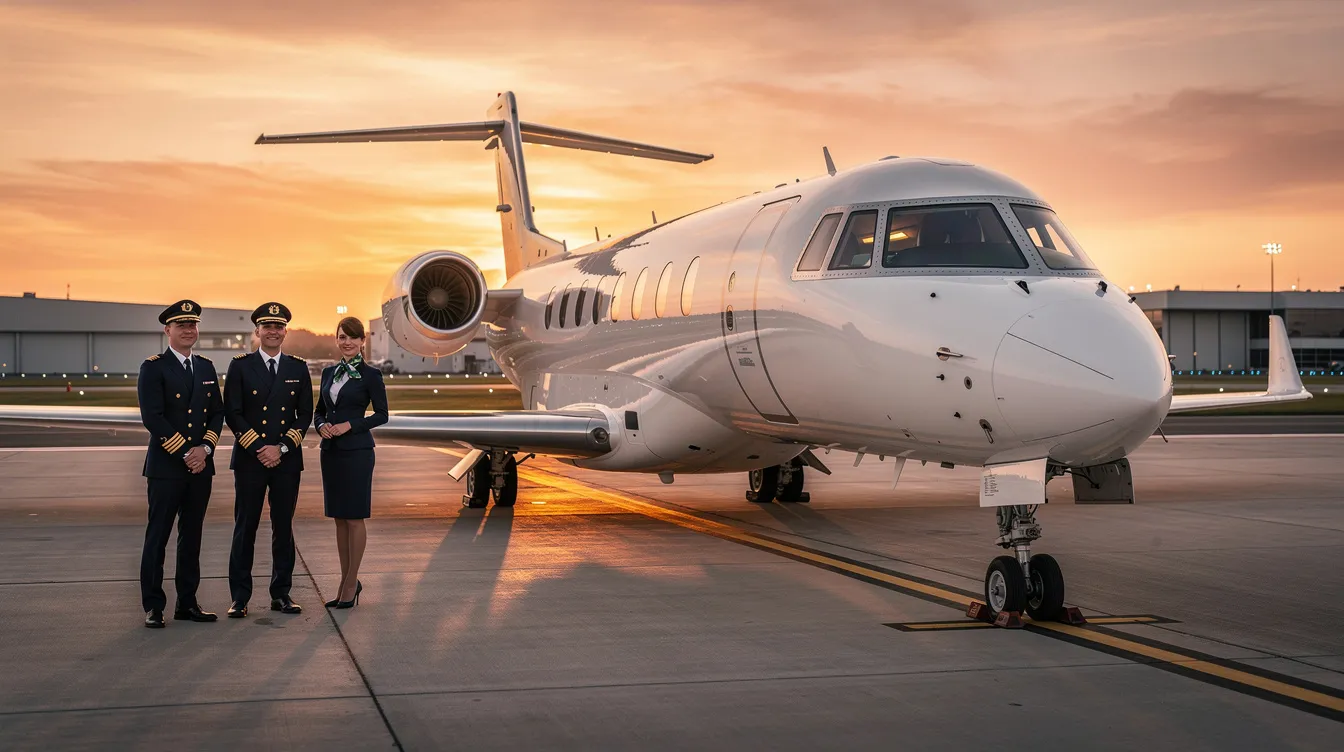
Private aviation is no longer just a luxury - it is a strategic decision. For executives and families who value time, privacy, and control, the question is rarely whether to fly private but rather how safe that choice truly is. This guide breaks down private jet safety with hard data, regulatory context, and practical guidance so you can make informed decisions about how you travel.
Key Takeaways on Private Jet Safety in 2024–2026
Modern business aviation has never been safer, and private aviation safety has improved alongside it. Professionally operated business jets under FAA Part 135 charter certificates now demonstrate accident rates far below the broader general aviation average, and curated Jet Card programs like BlackJet further narrow the gap with commercial airlines by applying multi-layer safety screening to every flight.
U.S. scheduled commercial airlines (Part 121) remain the global safety benchmark. Commercial airlines recorded zero passenger fatalities in 2023, continuing a trend of near-zero fatal accidents in years like 2017.
The highest-risk segment of "private flying" is not professionally crewed business jets - it is owner-flown light aircraft operating under Part 91 with minimal oversight. When you fly private through a vetted charter operator, the risk profile shifts dramatically closer to commercial air travel and is statistically comparable to long-distance driving.
BlackJet's position is clear: by exclusively using audited charter operators, enforcing strict pilot and maintenance standards, and delivering carbon-neutral flights, BlackJet brings private jet safety standards close to commercial airlines while preserving the flexibility and privacy that make private aviation valuable.
Quick facts:
In 2024, private aviation fatalities dropped to 21 worldwide, according to preliminary data - a decline of nearly 35% from 2023
Charter flights under FAA Part 135 have 0.201 fatal accidents per 100,000 flight hours
General aviation exhibits higher fatal accident rates ranging from 0.84 to over 1.19 per 100,000 flight hours
Commercial airlines have a fatal accident rate near zero, with IATA members reporting no fatal jet accidents in 2023
Understanding Private Jet Safety Statistics and Risk Profiles
The phrase "private jet safety" often lumps together vastly different operations - from an owner-flown piston single to a professionally crewed Gulfstream. To understand the real risk, you need to separate these categories.
Private aviation follows a rigorous framework of safety measures and protocols, but that framework varies by regulatory category and the different regulatory requirements that apply to each:
Part 91 (private use): owner-flown, non-commercial flights with minimal regulatory oversight on training, maintenance frequency, and weather minimums. This is where most general aviation accidents occur.
Part 135 (on-demand charter): professionally operated flights requiring commercial air carrier certificates, structured pilot training, crew rest rules, and strict maintenance programs. Part 135 operations require stricter oversight than Part 91.
Part 121 (scheduled commercial airlines): the most regulated tier, with mandatory Safety Management Systems, standardized procedures, and extensive Federal Aviation Administration oversight.
Concrete numbers tell the story. On-demand charter flights have 0.76 accidents per 100,000 flight hours - dramatically lower than the general aviation average of roughly 6.05 total accidents per 100,000 hours. Professionally flown private business jets have an accident rate estimated between 0.1 and 0.3 fatal accidents per 100,000 flight hours. Commercial airlines maintain the lowest accident and fatality rates in transportation history.
General aviation accident rates have fallen roughly 25% since the early 2000s, driven by improved pilot training, advanced avionics like terrain awareness and warning systems, and better maintenance practices. Business jets flown by professional crews account for only a small fraction of general aviation accidents; the vast majority involve smaller planes used for recreational flying under Part 91.
What this means for you: if you fly private through a Part 135 charter operator with modern aircraft and experienced pilots, your risk profile is fundamentally different from the general aviation statistics that make headlines.
Types of Accidents in Business Aviation and What Actually Causes Them
Most private aviation accidents occur during takeoff and landing - the most dangerous phase of any flight. Landing incidents are the most frequent but are often non-fatal, involving runway excursions or hard landings rather than catastrophic failures.
The cause breakdown is consistent across studies:
Pilot error accounts for approximately 75% of private aviation accidents, including misjudged weather, failure to execute go-arounds, fatigue, and poor decision-making
Weather-related factors contribute to a significant share, particularly for turboprops or smaller planes flying into marginal conditions
Mechanical or engine failure is far less common in well-maintained turbine aircraft with redundant aircraft systems
Critical accident categories and how premium operators address them:
Controlled Flight Into Terrain (CFIT): historically a leading cause of fatalities, now sharply reduced in operations using TAWS/EGPWS. After regulatory mandates for terrain awareness systems, CFIT accidents dropped significantly across business aviation
Runway excursions: mitigated through stabilized approach criteria, performance calculations, and runway condition awareness
Loss of control: addressed via rigorous training, flight envelope protections in newer aircraft, and upset recovery training
Consider two scenarios. A Part 135 jet charter flight approaches a mountainous destination in poor weather conditions. The TAWS alerts the crew to rising terrain; the professional crew diverts immediately rather than pressing on. No incident, no fatality - the decision to trust the system and divert saved lives. In another case, a business jet crew uses advanced weather radar to identify severe convective activity along their planned route and requests an alternate route, adding fifteen minutes but avoiding turbulence and dangerous phase exposure entirely.
Flight crews conduct thorough pre-flight briefings covering emergency procedures on every departure, ensuring that both pilots are aligned on threats, escape routes, and decision points before engines start, with readiness reinforced through regular training tied to emergency procedures and decision-making.
Private Jets vs. Commercial Airlines: Safety Compared to Commercial Travel
Both commercial airlines and curated private charters are extremely safe. The question is how they compare and what drives the remaining differences.
Compared to commercial air travel, here is how the numbers stack up:
General aviation overall: approximately 5–6 total accidents per 100,000 flight hours
Part 135 on-demand charter: approximately 0.76 accidents per 100,000 hours
Commercial airliners: roughly 0.133 accidents per 100,000 hours (using 2019 data), with IATA reporting an all-accident rate of about 0.80 per million flights in 2023
Private aviation had 21 business jet fatalities in 2024; commercial airlines recorded zero passenger fatalities in 2023
Commercial aviation has lower accident rates due to highly standardized operating procedures, massive data sets from fleet-wide flight data monitoring, mandatory Safety Management Systems, and intense regulatory oversight from aviation authorities worldwide. Commercial airlines operate under strict, standardized operating procedures and regulatory oversight that benefit from enormous scale.
However, premium private jet companies narrow this gap substantially by adopting airline-grade safety procedures:
Two pilots on every flight - most professional charter operators mandate a two-pilot crew for private jets, just as commercial airlines always use multi-pilot crews with a structured division of labor
Multi-engine turbine aircraft with redundant systems
Standardized procedures and checklists modeled on airline practices
Recurrent simulator training cycles identical to what airline pilots undergo
Business aviation adds a unique safety dimension through flexibility: corporate jets can reroute in real time, shift schedules when weather deteriorates, and choose from thousands of airports rather than being locked into congested hub approaches. This flexibility can reduce exposure to holding patterns, delayed approaches, and adverse weather conditions that affect fixed commercial flights, particularly because private jets typically cruise at higher altitudes than commercial airliners.
How Different Types of Private Flight Operations Affect Safety
Business aviation covers a broad spectrum, and private aviation includes a broad range of operators with varying pilot experience and training. Understanding where each operation falls on the risk spectrum is essential.
Risk tiers from highest to lowest (and understanding the main types of private jets available to travelers):
Owner-flown Part 91 pistons and small turboprops: highest accident rates per hour; limited regulatory oversight; pilots may fly fewer hours in type; often lacking advanced avionics
Air tours and specialty flights: older private aircraft, irregular operations, flights into marginal airports or challenging terrain
Professionally run Part 135 charter operators and corporate flight departments: substantially lower accident and fatality rates, with airline-like hiring standards and safety management
Jet Card and membership models (like BlackJet's): pre-vetted operators, consistent fleet quality, professional crews, and ongoing safety monitoring - risk approaching commercial airline operations
BlackJet exclusively works with certified charter operators, never ad hoc or "gray" operators. The focus is on business jets and high-quality turboprops, not high-risk recreational categories, and travelers can further refine their choices by consulting resources on the best small private aircraft for different missions. Private jets frequently use smaller, regional airports with limited ground support, and private jets use smaller airports that can present operational challenges - which is precisely why operator experience and pilot workload management matter.
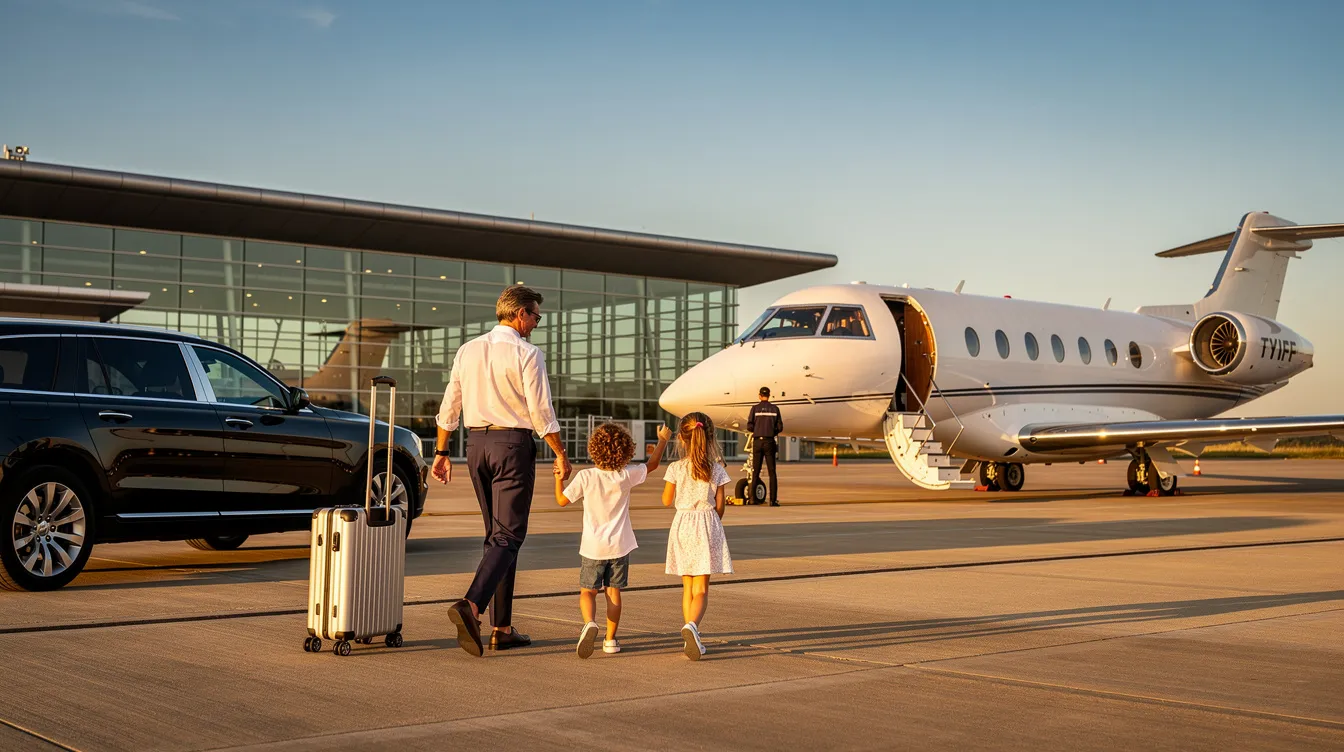
Consider two travelers. A family vacation from Los Angeles to Aspen: choosing an owner-flown turboprop under Part 91 means variable equipment, potentially limited terrain awareness systems, and a single pilot who may fly the route infrequently. Selecting a Part 135 charter with a vetted operator means two experienced pilots, TAWS-equipped aircraft, performance calculations for high-altitude operations, and standing diversion plans. For an executive shuttle - say, weekly flights between New York and Washington - a Jet Card model ensures pre-committed, maintained aircraft and rested crews rather than whichever plane and pilot happen to be available.
Key Drivers of Private Jet Safety: Pilots, Maintenance, and Operations
Three pillars drive private jet safety: pilot experience, maintenance quality, and disciplined flight operations. Private aviation relies on multiple overlapping safeguards for safety management across all three.
Pilot experience and training:
Commercial pilots require an Airline Transport Pilot certificate with a minimum of 1,500 flight hours. Premium private jet pilots often exceed this threshold significantly, with many charter companies requiring 3,000–5,000 total hours plus type-specific experience
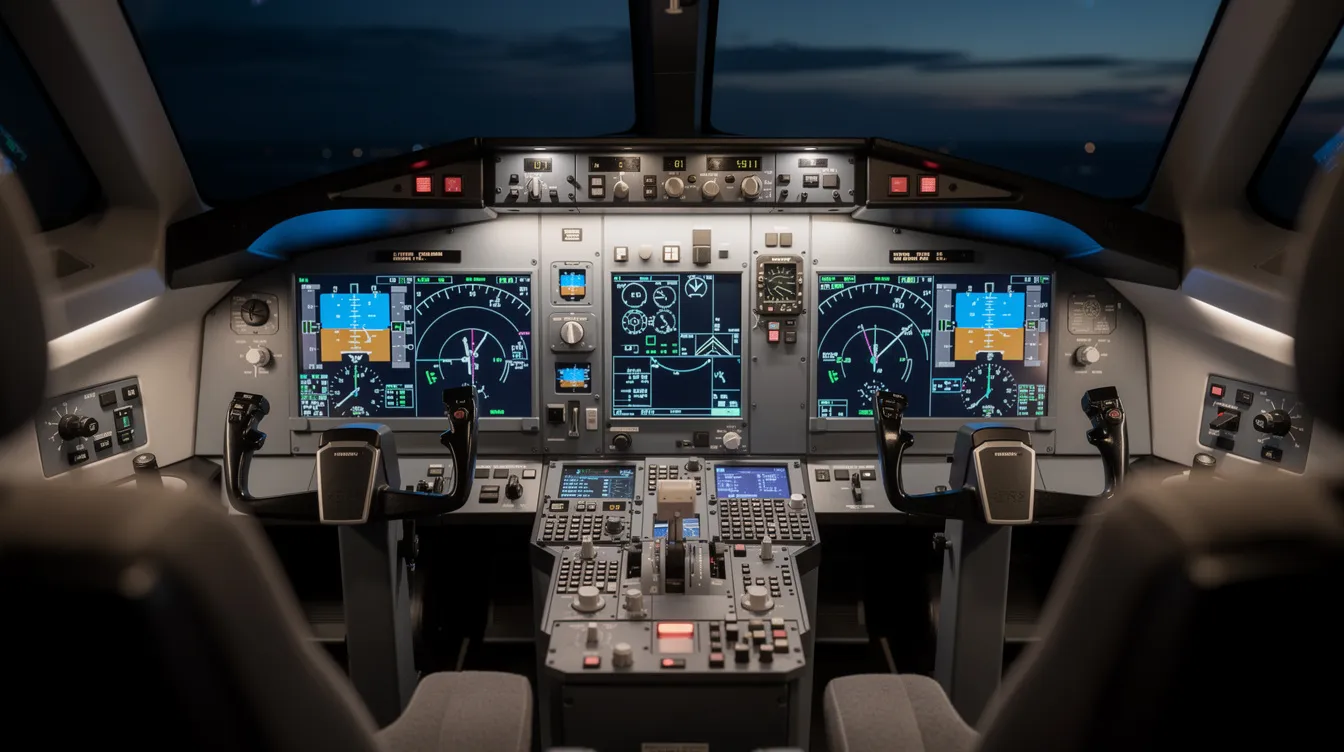
Private jet pilots must complete extensive model-specific training on the aircraft type they fly, including simulator-based upset recovery, emergency procedures, and instrument approaches
Private jet pilots undergo recurrent simulator training and proficiency checks every six to twelve months
FAA mandates strict training and duty limitations for pilots, and reputable private charter operators exceed FAA training requirements with additional CRM (crew resource management) and threat-and-error management programs
Pilot hiring at top charter companies emphasizes not just flight hours but judgment, decision-making, and safety records
Maintenance quality:
Private jets must follow FAA safety standards, including manufacturer-mandated maintenance schedules
Private jets undergo mandatory 100-hour inspections, in addition to calendar-based and cycle-based checks
Private jets must pass annual safety inspections by the FAA
Modern charter fleets use condition-based monitoring, trend analysis, and certified FAA/EASA repair stations for all work
Operational discipline:
Weight-and-balance calculations for every flight, careful fuel planning with reserves, and crew duty limits enforced by dispatch
Go/no-go weather decisions are made by operations centers, not pressured by schedule; the ability to avoid poor weather conditions is built into the operational culture
Seat belts, emergency equipment, and private jets are equipped with emergency locator transmitters (ELTs) as standard
BlackJet partners only with charter operators who demonstrate robust training records, maintenance tracking, and 24/7 flight operations support aligned with or exceeding Part 135 standards.
Safety Culture, Certification, and Third-Party Audits in Business Aviation
Safety culture goes beyond regulatory checklists. It means proactive risk management, voluntary incident reporting, and continuous improvement - an environment where pilots and operations staff are empowered to make safe calls without fear of financial penalty. This article is informational and not legal advice from a law firm.
Safety Management Systems are structured approaches for managing safety risks. Since the mid-2020s FAA rule expansions, many Part 135 operators must now implement SMS programs that mirror airline practices: hazard identification, risk assessment, safety assurance, and continuous monitoring of trends.
The main third-party safety frameworks include:
IS-BAO (International Standard for Business Aircraft Operations): a global code of best practices covering management systems, flight operations, and emergency response
ARGUS (Gold / Platinum ratings): reviews pilot credentials, maintenance programs, safety records, and operational history
Wyvern Wingman: aligned closely with ICAO standards, with comparative studies showing its audit protocol covers nearly all ICAO Annex items related to operations and jet safety
Operators can obtain third-party certifications like ARGUS and Wyvern, and choosing operators with strong safety certifications enhances travel safety. Top-tier charter brokers seek independent safety auditors to rate operators - the difference between operators who simply meet FAA minimums and those who voluntarily submit to multiple independent audits is substantial.
BlackJet uses these independent ratings and safety databases as part of its operator selection and ongoing monitoring, so Jet Card members benefit from passenger safety assurance without having to analyze certifications themselves.
Technology and Modern Aircraft: How Today's Business Jets Protect Passengers
Newer aircraft like the Gulfstream G650/G650ER, Bombardier Global 7500, Dassault Falcon 8X, Embraer Phenom 300E, and Citation Latitude embed advanced technology that actively prevents accidents before they develop, and understanding private jet sizes and cabin categories helps align these capabilities with your specific trip profile.
Key avionics and safety systems on modern business jets:
TAWS/EGPWS for terrain awareness - private jets are often equipped with terrain awareness systems that provide forward-look capability, dramatically reducing CFIT risk
TCAS for collision avoidance with other aircraft
Modern private jets include GPS-based navigation systems integrated with flight management computers
Advanced weather radar systems help private jets avoid turbulence and severe convective activity
Synthetic and enhanced vision systems (HUD, EVS, SVS) that provide visibility in low-visibility and night conditions
Runway overrun awareness tools like ROAAS on the Phenom 300E
Fly-by-wire controls and flight envelope protection on long-range jets, preventing stalls and overspeed even under high pilot workload
Private jets often feature advanced avionics systems that, combined, create layers of protection far beyond what smaller planes offer. Business jets typically cruise at higher altitudes than many commercial aircraft on comparable routes - above weather systems, with less turbulence and more room for rerouting, which also mitigates many passenger concerns about turbulence on private jet flights.
Private jets can access thousands of smaller airports worldwide, giving pilots more diversion options in poor weather or medical emergencies. A crew flying into a mountain destination in deteriorating conditions can divert to a nearby regional field rather than attempting an approach at a congested hub. Similarly, a medical situation mid-flight between major cities gives the crew dozens of landing options within minutes, compared to the more limited choices available on fixed commercial routes.
BlackJet's curated fleet focuses on newer aircraft from reputable operators who invest in these technologies, ensuring that every private flight benefits from the latest safety protections and the broader advantages of BlackJet's premium Jet Card and private aviation services.

Health, Security, and Environmental Dimensions of Private Jet Safety
Safety extends beyond accident prevention. For frequent travelers, health, security, and environmental responsibility are integral to the overall safety equation.
Flying private through FBOs and a private terminal eliminates exposure to crowded terminals, lengthy security lines, and the unpredictability of sharing a cabin with hundreds of strangers. Private jet passengers benefit from fewer exposure points and more controlled cabin conditions, and the smaller groups are easier to clean and disinfect between flights, improving health and safety for families and executives while also enabling flexible access models such as buying an individual seat on a private jet.
Security on private flights is inherently stronger: pre-screening of passengers, manifest checks, and the fact that private groups consist of known colleagues or family members reduce behavioral risk to near zero. Passengers on private jets may be asked to receive a safety briefing before departure, ensuring everyone aboard understands emergency exits and procedures.
Environmental responsibility strengthens rather than compromises overall safety. Newer business jets are more fuel-efficient, meaning newer airframes with updated safety technologies and maintenance standards. Travelers exploring more economical ways into private aviation, such as affordable and entry-level private jets, should still prioritize these modern, efficient designs. BlackJet's carbon-neutral flights - achieved through verified carbon offsets and route optimization - reduce environmental impact while often improving operational safety through smarter routing and modern fleet selection.
How BlackJet Designs a Safer Private Jet Experience
BlackJet's philosophy is straightforward: private jet access should be strategic, safe, and sustainable. Every element of the Jet Card model is designed to deliver private flights with safety standards that approach those of commercial airlines while preserving the flexibility that makes private aviation valuable.
The BlackJet Jet Card model - available in programs like the 25-hour and 50-hour options - allows better planning, aircraft selection, and safety oversight on every trip and reflects the broader principles discussed in our guide to Jet Card membership pricing and value. Committing hours upfront gives BlackJet the leverage to select only vetted operators with proven safety records.
Operator vetting includes:
Only working with charter operators holding Part 135 certificates (or international equivalents)
Verifying pilot experience: total flight hours, hours in aircraft type, type ratings, ATP licenses
Reviewing clean incident histories and current third-party safety ratings (ARGUS, Wyvern, IS-BAO)
Continuous monitoring through incident databases and maintenance records
BlackJet's digital booking platform provides real-time flight support, weather monitoring, and access to operator safety data so members can make informed decisions before they fly private. Operational safeguards include preference for two-pilot crews, strict weight-and-balance policies, and weather-based go/no-go decisions - the flexibility to delay or re-route rather than succumb to schedule pressure.
Consider a New York–London business mission: BlackJet selects a long-range business jet with verified ETOPS capability, confirms crew rest compliance, plans alternates across the Atlantic, and monitors weather from departure through arrival. Or a family holiday from Los Angeles to Aspen: BlackJet ensures the aircraft type is rated for high-altitude mountain operations, the crew has extensive experience with the destination, and terrain awareness and weather radar are fully operational. For larger executive teams or extended families, selecting the best private jet for around 20 passengers requires the same disciplined approach to range, redundancy, and safety standards. In both cases, safety details are managed seamlessly - the traveler simply boards.
Practical Checklist: Choosing a Safer Private Jet Charter
Whether you ultimately choose BlackJet or another provider, use this checklist when evaluating any jet charter or private charter offer, and pair it with a clear understanding of when chartering a private jet is truly worth it:
Is the operator certified under Part 135 (or the local equivalent)? Ask for the certificate number
Ask operators about their pilots' total hours and recent training. What are the pilot's hours on the specific aircraft type? When was the last recurrent training session?
Does the operator hold ARGUS Gold/Platinum, Wyvern Wingman, or IS-BAO accreditation?
Review the operator's incident history and maintenance records before booking - check National Transportation Safety Board databases and FAA records, and compare this due diligence with the broader cost structure of renting a private jet and other access models like shared and empty-leg options.
What is the aircraft's year of manufacture? Does it carry current TAWS/EGPWS, TCAS, and weather radar? When was the last 100-hour inspection completed?
Does the operator require two pilots for this aircraft type and route?
Be honest about passenger count and baggage weight - safety regulations exist for a reason
Accept schedule adjustments when the weather dictates. An operator willing to delay or reroute is demonstrating a mature safety culture, not poor service
BlackJet pre-filters every one of these factors through its Jet Card safety standards, so members do not have to negotiate them flight by flight, a key benefit also highlighted in broader reviews of the best Jet Cards for frequent flyers. But asking these questions remains valuable when comparing private jet companies.
Explore BlackJet membership to have this entire safety checklist managed for you on every trip, while you compare different access and fleet strategies — from budget-friendly private aircraft options and small private jet solutions to understanding NetJets Jet Card pricing and even large-cabin jets for groups of up to 50 passengers.
FAQs: Private Jet Safety, Jet Cards, and Flying With Confidence
Are private jets statistically safe for family travel, and how do they compare to driving?
Chartered business jets under Part 135 have fatal accident rates well under 0.3 per 100,000 flight hours. By comparison, long-distance driving carries a higher per-hour fatality risk. Private jets are extremely safe for family travel when booked through vetted operators with professional crews and modern aircraft, and they eliminate many exposure points associated with crowded commercial airports.
Do private jets crash more often than small planes?
No. Small piston and light aircraft under Part 91 dominate general aviation accident counts. Business jets operated by professional pilots have accident rates several times lower. In 2023, five of six fatal U.S. business jet accidents occurred under Part 91; only one involved a Part 135 charter - making private jets safer when operated professionally.
How do I check the safety record of a charter operator?
You can verify FAA registration, search National Transportation Safety Board incident databases, and check third-party ratings from ARGUS, Wyvern, or IS-BAO. A membership provider like BlackJet handles this vetting continuously, maintaining current data on every operator in its network.
How does BlackJet's Jet Card differ from an ad hoc charter in safety oversight?
A Jet Card involves prepaid block hours, giving BlackJet the ability to select vetted operators, ensure consistent fleet standards, and provide dispatch support on every flight, with programs such as 50-hour Jet Cards and their pricing designed around predictable cost and safety oversight. An ad hoc charter may leave safety evaluation to the client or broker, with inconsistency across charter companies and aircraft.
How is BlackJet's carbon-neutral commitment integrated with flight safety?
BlackJet uses verified carbon offsets, selects newer and more fuel-efficient aircraft, and optimizes routes - practices that correlate directly with operational safety improvements, including modern avionics, current maintenance schedules, and reduced pilot workload. Environmental responsibility is treated as one more layer of professional risk management, not a separate initiative.
Conclusion: Private Jet Safety with BlackJet — Strategic, Secure, and Sophisticated
Choosing private jet travel with BlackJet means embracing a strategic advantage that goes beyond luxury — it means prioritizing safety, reliability, and peace of mind. BlackJet’s rigorous operator vetting, adherence to FAA Part 135 standards, and commitment to continuous safety monitoring ensure that every flight approaches the safety levels of commercial airlines while delivering unmatched convenience and flexibility.
Modern business jets equipped with advanced avionics, flown by highly trained pilots, and maintained under strict oversight create a safety environment where risks are minimized and contingencies are planned. The ability to select aircraft suited to your mission, access thousands of airports worldwide, and adjust schedules to avoid weather hazards further enhances safety.
BlackJet’s Jet Card programs offer more than prepaid flight hours — they provide curated access to a network of trusted operators who share a culture of safety and operational excellence. Combined with carbon-neutral commitments and streamlined digital booking, BlackJet reshapes private aviation into a safer, smarter, and more sustainable choice.
For executives, families, and discerning travelers seeking control without compromise, BlackJet delivers private jet safety as a fundamental pillar of the experience — empowering you to travel confidently, efficiently, and with peace of mind every time you fly. Explore our Jet Card programs and discover how BlackJet can reshape your travel.


 Sign up with google
 Sign up with Apple