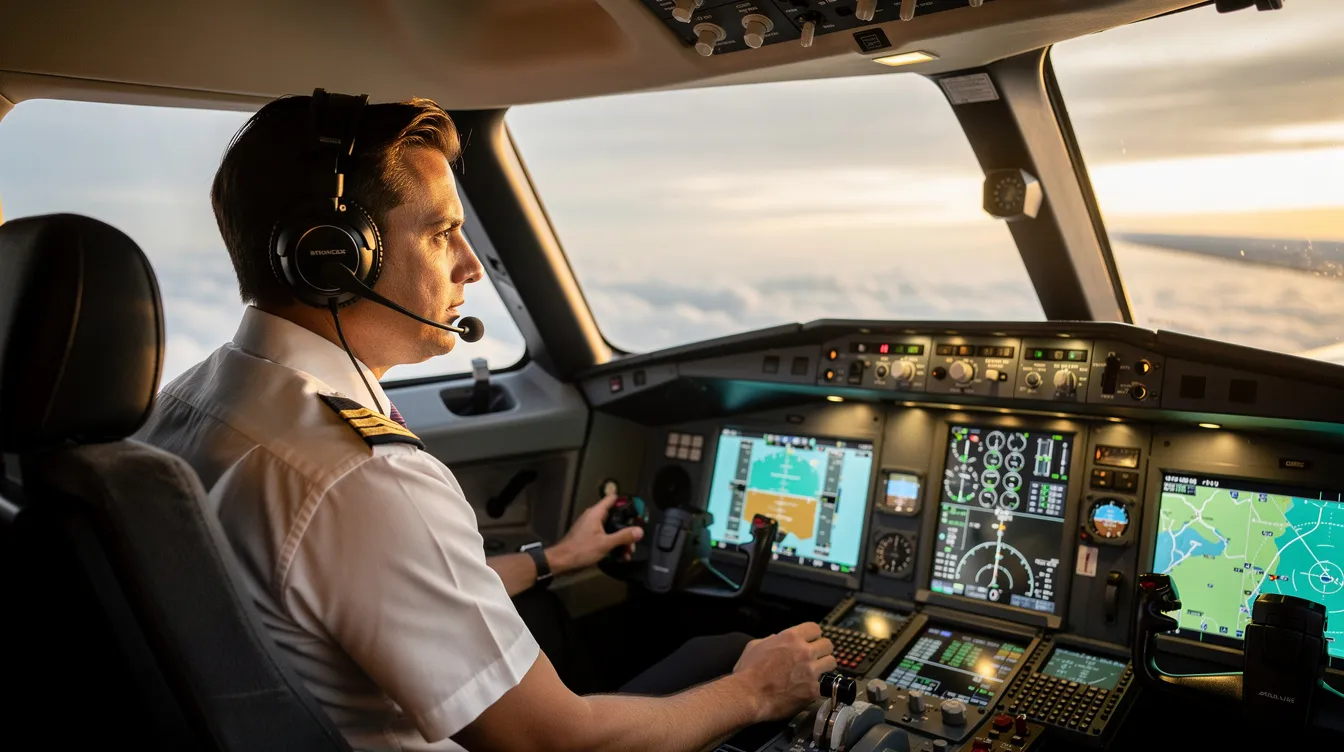
Private aviation is a world where time is currency, safety is non-negotiable, and the professionals at the controls command compensation that reflects both. In 2026, professional private jet pilots in the U.S. typically earn about $80 to $250+ per flight hour, with average annual pay around $112,741 and top earners exceeding that. Whether you're an aspiring aviator comparing career paths, a working pilot evaluating pay structures and advancement, or a discerning traveler curious about what supports the expertise behind your next flight, understanding private pilot salary per hour means separating the private pilot license from professional private aviation jobs and getting to the numbers that matter. This guide breaks down hourly and annual salary ranges, licensing distinctions, how private aviation pay is structured, career progression, how private jet pilot compensation compares with airline pilots, which factors move earnings up or down, and how pilot pay fits into charter pricing—including where BlackJet’s Jet Card model sits in that broader economics.
Understanding "Private Pilot Salary Per Hour" (Answer First)
When people search for "private pilot salary per hour," they are almost always asking about professionally licensed pilots flying private jets, charter aircraft, or corporate turboprops - not recreational pilots holding a basic private pilot license. The distinction matters enormously, because a private pilot certificate holder legally cannot be paid to fly, while commercially licensed pilots who operate business jets earn substantial incomes.
In 2026, most professional private jet pilots in the U.S. earn roughly $80–$250+ per flight hour, depending on aircraft type, seniority, and whether they're salaried or working as a contract pilot. Private pilots earn an average salary of $112,741 annually across all experience levels and aircraft categories, though top earners far exceed that figure.
Here's how those numbers stack up against the broader aviation industry:
The Bureau of Labor Statistics reported that the median annual wage for airline pilots, copilots, and flight engineers was $226,600 as of May 2024.
Commercial pilots, which include many charter pilots, earned a median annual wage of $122,670.
Private and corporate pilots typically earn from $40 to over $150 per flight hour at the journey level, with senior large-cabin captains pushing well past $200 per hour.
Private pilots can earn between $50,000 to $300,000 based on experience, aircraft flown, and operation type.
BlackJet clients using premium Jet Card programs pay a single hourly Jet Card rate that bundles aircraft, pilots, fuel, and fees — pilot pay is only a slice of that total.
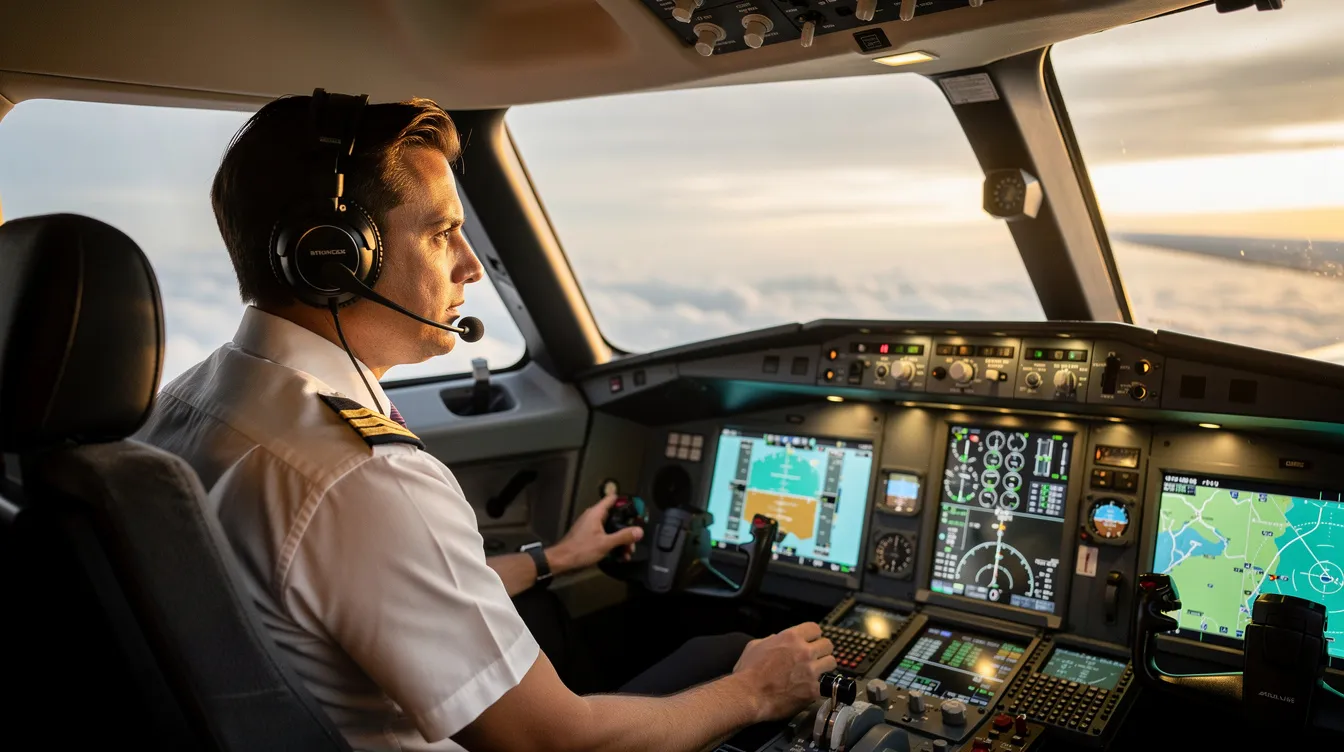
Can a Private Pilot License Holder Get Paid to Fly?
A private pilot license is designed for personal and recreational flying. Under FAA regulations (14 CFR §61.113), a private pilot cannot accept payment for flying — they may only share operating expenses like fuel, oil, and airport fees on a pro-rata basis with passengers. A private pilot must hold a private pilot certificate to exercise even these limited privileges. Private pilots must complete extensive training and exams to earn this certificate, but the license itself unlocks no professional earning potential.
To get paid as a pilot in the United States, you need at least a commercial pilot certificate. Here's how the Federal Aviation Administration structures the path:
A commercial pilot license requires a minimum of 250 flight hours, along with specific cross-country, instrument, and night requirements.
Most commercially licensed pilots working as private jet captains hold an airline transport pilot certificate, which requires 1,500 flight hours — the gold standard in the aviation industry.
The FAA offers some Restricted-ATP pathways with reduced hour requirements for military pilots or graduates of accredited flight training programs.
Flight instructors must hold a commercial pilot license to teach, making it a common first paid role for aspiring pilots.
A student pilot certificate is the very first step, but it carries zero earning authority.
When people Google "private pilot salaries," they are asking about airline and commercial pilots working in business aviation — not recreational pilots flying on weekends.
Typical Private Pilot Salary Per Hour in 2026
In 2026, U.S. pilot salary ranges span a wide spectrum. Entry roles start around $25–$60 per hour, while experienced private jet pilots earn $150–$260+ per flight hour equivalent. In private aviation, heavy jets yield higher earnings than smaller turboprops or light jets. The type of aircraft operated influences pilot pay scales directly.
Flight Instructor Pay
Role | 2026 Hourly Pay Range |
|---|
Flight Instructor | $25–$50 |
(Busy metro schools) | $40–$50 |
Charter Pilot Pay
Role | 2026 Hourly Pay Range |
|---|
Small piston charter pilot | $35–$60 |
Turboprop charter captain | $60–$90 |
Light jet first officer | $55–$90 |
Light jet captain | $90–$140 |
Midsize jet first officer | $80–$130 |
Midsize jet captain | $140–$200 |
Jet Captain Pay
Role | 2026 Hourly Pay Range |
|---|
Large-cabin/long-range jet captain (G650, Global 7500) | $190–$260+ |
Experienced private pilots (annual) | Up to $200,000 (midsize), $300,000+ (large-cabin) |
To illustrate how annual salary translates to hourly pay: a corporate captain earning $220,000 per year who logs approximately 500 flight hours annually has an effective rate of $440 per flight hour. If that same captain flies only 300 hours, the equivalent rises to roughly $730 per hour - demonstrating why low-utilization corporate roles can produce surprisingly high per-hour figures.
Note that hourly pay in this context refers to flight time or block time (engine start to shutdown), not total duty time spent on preflight, waiting, or repositioning.
How Private Pilot Pay Is Structured
In private aviation, "what pilots earn per hour" depends heavily on whether they're salaried, freelance, or paid by the day. Employers in private aviation have varying compensation structures based on operation type, fleet size, and mission profile.
Hourly, Day Rate, and Salary Structures
Hourly flight pay (per block hour): Common at smaller charter operations and flight schools, where pilots are paid hourly only for the time the aircraft is moving.
Contract pilots (day rates): In 2026, contract captain day rates range from roughly $1,500–$1,850 per day for light jets up to $2,500–$5,000 per day for large-cabin types like the G650 or Global 7500. Effective hourly pay varies based on how many flight hours fall within that day.
Salaried corporate pilots: Full-time salary models in corporate flight departments and fleet operators typically range from $130,000–$300,000+ for captains in 2026, plus bonuses and benefits.
Per-diem allowances, overtime, and premiums: International or overnight premiums can boost hourly pay by 15–25% above base rates.
Jet Card and membership models: Clients see a single hourly rate per aircraft category, shaped by the underlying jet card pricing structure. Pilots are typically compensated via salary plus benefits through certified partner operators.
Negotiated contracts: Many pilots flying private aircraft negotiate individual or small-group contracts, which can widen pilot salary ranges significantly within the same aircraft category.
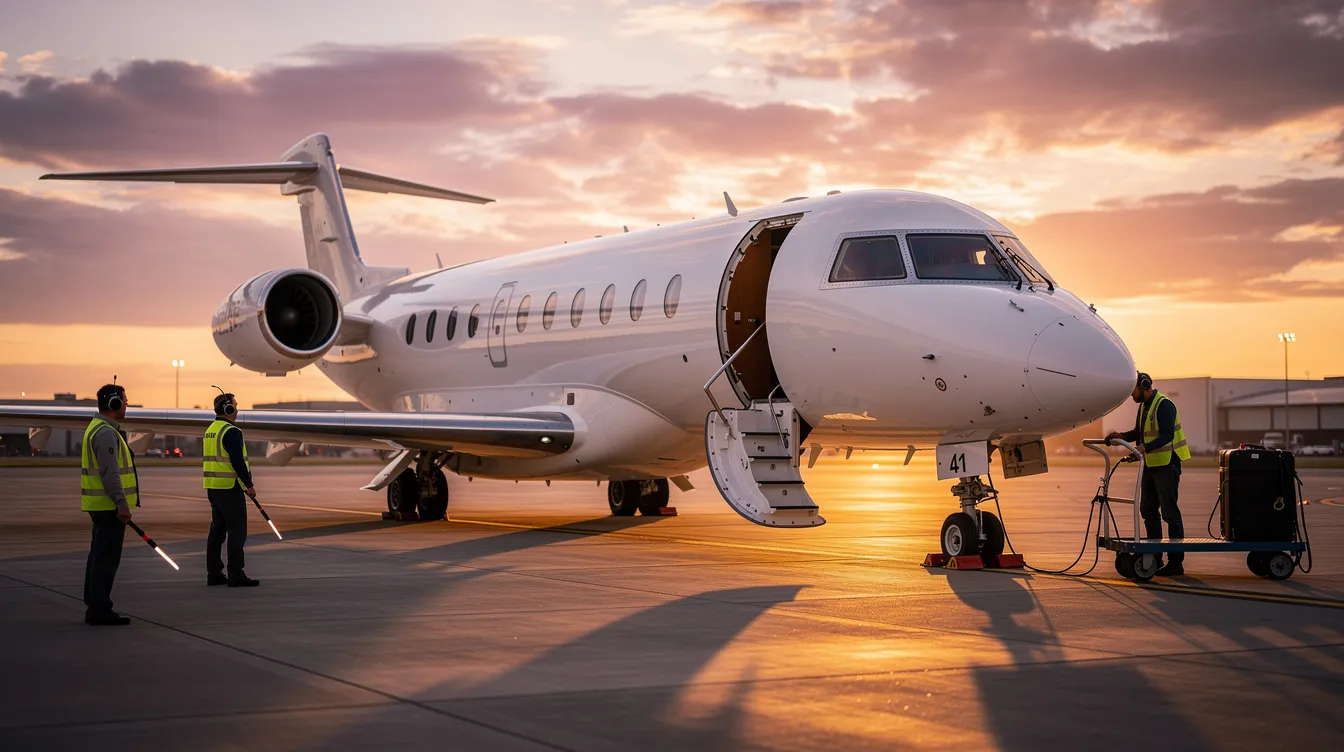
Private Pilot Hourly Pay vs. Airline Pilot Pay
The comparison between private jet pilots and airline pilots is one of the most common questions in aviation, and many readers use the broader airline industry as the benchmark when comparing private jet and airline pay. Both paths lead to six-figure incomes, but the structures differ meaningfully.
Airline Pilot Pay
The 2024 BLS median of $226,600 covers airline pilots, copilots, and flight engineers at major carriers and regional operations combined.
At scheduled carriers, commercial airline pilots usually progress through structured seniority-based pay systems.
Senior major airline captains at carriers like American Airlines can earn $300,000–$450,000+, which equates to roughly $300–$450+ per block hour on wide-body complex aircraft.
A major airline first officer typically earns $150,000–$250,000, depending on seniority and equipment.
Regional airline first officers start around $70,000–$90,000 per year, translating to approximately $70–$120 per hour with 70–85 monthly flight hours.
Airline pilots' pay often includes bonuses and per diem, union protections, and predictable scheduling, while cabin crew on business jets follow different private jet stewardess salary and benefits structures tied to high-touch service expectations.
Private Jet Pilot Pay
Experienced large-cabin captains earn $200,000–$350,000+ in 2026. With relatively low annual flight hours (often 400–600), the per-hour equivalent can rival major airline rates.
First officers in private jets often earn $80,000–$160,000, translating to roughly $80–$180 per hour depending on fleet and schedule.
Private pilots earn an average salary of $112,741 annually across all segments, though this average includes entry-level positions that pull the number down.
Unlike passenger airline and private jet roles, cargo pilots on larger scheduled freight aircraft can see different pay outcomes.
Airline pilot salaries at major airlines tends to be higher in absolute terms, but private jet pilots earn competitive hourly equivalents, especially at the captain level on large-cabin jets.
The trade-off: major airlines offer union protections and predictable schedules. Private jet pilots may have higher day rates, more irregular hours, and closer relationships with clients. This is precisely why operators like BlackJet invest heavily in top-tier crews - retaining experienced pilots requires competitive pilot compensation.
Factors That Drive Private Pilot Salary Per Hour
What private pilots earn per hour is shaped by a combination of experience, equipment, and operational context. Experience level directly influences pilot earnings and pay rates, but it's far from the only variable.
Flight hours and recency: Pay brackets typically jump around 500, 1,500, and 3,000+ total flight hours. Captains upgrading to left-seat roles on specific types generally need 500+ hours in that aircraft type. Experience and total flight hours greatly affect a pilot's earning potential.
Pilot licenses and ratings: The gap between a commercial pilot certificate and an airline transport pilot certificate is significant — both in required hours and in earning power. Pilots with advanced certifications earn higher salaries. Specific type ratings (G550, Challenger 350, Falcon 8X) command premiums.
Aircraft type: Piston, turboprop, light jet, midsize, and large-cabin jets each occupy distinct pay tiers. Aircraft type impacts pilot pay, with larger aircraft offering higher salaries.
Operational context: Operational context, like charter or corporate flying, affects income levels. Corporate flight departments, on-demand charter (Part 135 operations), air ambulance, cargo operations, and flight instruction roles all pay differently.
Geography and base: Salary levels in private aviation are influenced by geographic location and cost of living. Pilots in high-demand regions often command higher compensation rates — hubs like New York, Miami, Los Angeles, London, and Dubai pay meaningfully more due to intense private jet demand. Geographical location significantly affects pilot salary due to demand variations.
Employer size and schedule: Larger operators and well-funded corporate flight departments often pay higher salaries plus stable pilot benefits. On-call lifestyles, nights, weekends, and international trips can command premiums that boost effective hourly pay.
Certifications and ratings can significantly improve pilot earnings at every stage of a pilot career.
Entry-Level Private Pilot Jobs and Hourly Pay
Most pilots begin their earning careers at the commercial pilot stage, typically as a certified flight instructor or small charter pilot. These roles serve a dual purpose: income and flight time accumulation. Flight instructors help aspiring pilots build flight hours while simultaneously logging their own. Pilots often start as flight instructors or charter pilots because these roles offer the fastest path to the hours required for better-paying turbine positions.
Flight Instructor Pay
Role | 2026 Hourly Pay Range |
|---|
Flight Instructor | $25–$40 |
(Busy metro schools) | $40–$50 |
Only time spent in actual flight instruction - in the aircraft or simulator - is typically billable. Ground prep and administrative tasks may be unpaid or folded into flat rates.
Entry-level private pilots earn between $50,000 and $100,000 annually in these early roles, depending on location and volume.
Small Charter and Aerial Work Pay
Role | 2026 Hourly Pay Range |
|---|
Single-engine piston charter pilot | $35–$60 |
Aerial survey, pipeline patrol, sightseeing | $35–$60 |
Consider a 24-year-old instructor in Phoenix logging 80–100 flight hours per month at $35 per hour. Within 12–18 months, they've crossed 1,200 hours and can apply for right-seat positions on turboprops or light jets - where hourly pay doubles or triples.
Corporate and Charter Private Jet Pilot Pay Per Hour
Corporate and charter operations represent the core of what most readers mean by "private pilot salary per hour." This is where qualified pilots transition from building hours to building wealth, often within leading private jet companies known for luxury service and strong compensation models.
Corporate Flight Department Pay
Role | 2026 Annual Salary Range |
|---|
Corporate pilot (all roles) | $80,000–$300,000+ |
Corporate jet captain (light jet) | $150,000–$180,000 |
Corporate jet captain (midsize jet) | $200,000–$270,000 |
Large-cabin captain (G650, Global 7500) | $350,000+ |
First officer (corporate) | $90,000–$170,000 |
Charter and Part 135 Operator Pay
For many readers, understanding how much pilots earn is closely tied to confidence in the overall operation; a clear view of private jet safety standards and risk levels helps explain why well-trained crews command premium compensation.
Role | 2026 Pay Structure |
|---|
Charter captain (base salary) | Slightly less than corporate, but more flight hours and trip-based bonuses |
Contract captain (multiple operators) | $1,200–$2,500+ per day |
Many pilots flying charter hold airline pilot roles as a backup or previously worked at a regional airline before transitioning to business aviation.
Senior corporate captains on large-cabin jets can approach or exceed some major airline captains' compensation on an hourly basis, though with smaller crews and closer client contact. BlackJet's partner operators recruit from exactly this tier: ATP-licensed captains with thousands of flight hours and current type ratings on modern business jets. For a deeper breakdown, see the Private Jet Pilot Salary Guide.
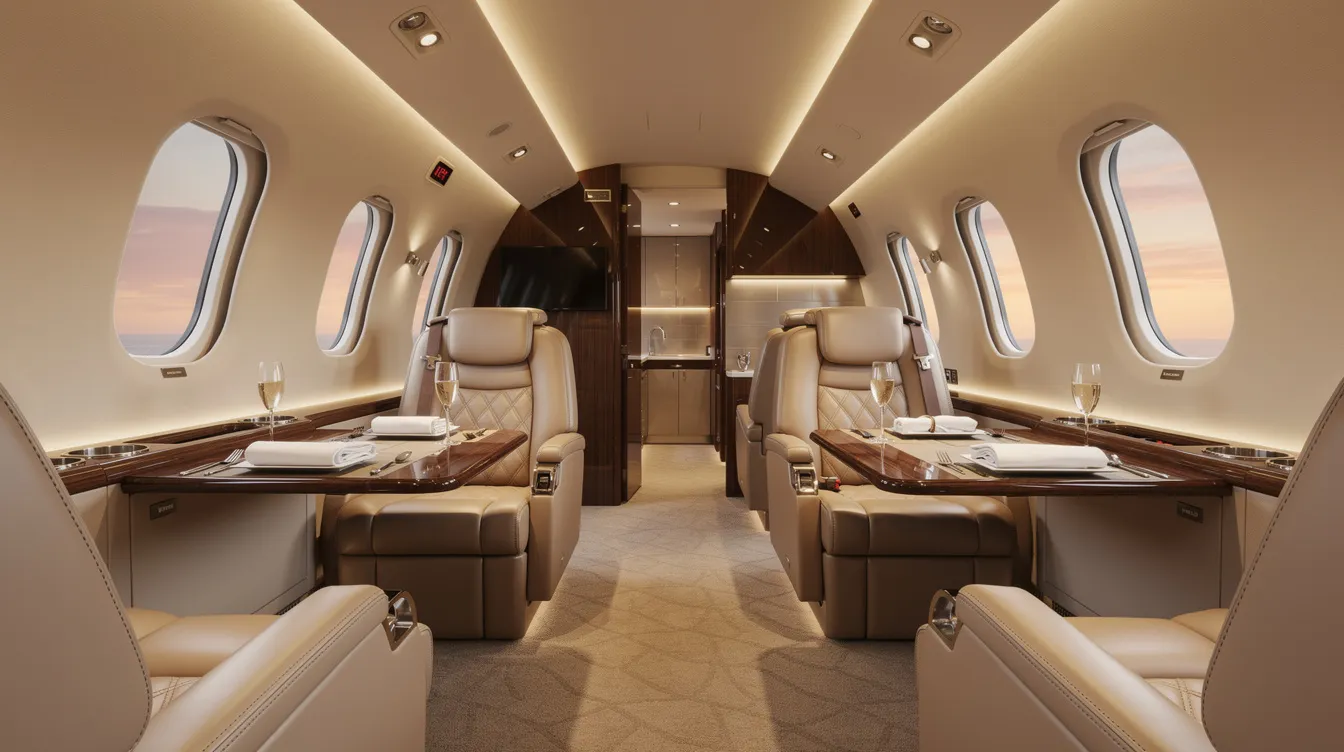
How Pilot Compensation Fits Into Private Jet Hourly Charter Pricing
When travelers see a charter or private jet price list in the $7,000–$15,000 per flight hour range, it's natural to wonder how much of that is pilot salary per hour. The answer: a meaningful but modest fraction.
Typical 2026 Charter Price Bands
Aircraft Type | Charter Price Per Hour |
|---|
Light jets | $2,750–$3,500 |
Midsize jets | $4,000–$6,500 |
Large-cabin/long-range jets | $7,200–$23,000+ |
Where the Money Goes
Pilot salaries and recurrent training typically represent around 10–20% of total hourly operating cost when annualized across all flights.
The remainder covers aircraft ownership or lease payments, maintenance reserves, fuel, insurance, handling and landing fees, catering, and operational support infrastructure.
Commercial pilots earn a median annual wage of $122,670, but the charter client's hourly rate funds far more than just the crew.
Here's a simple worked example: on a $10,000-per-hour large-cabin charter flight, roughly $1,200–$1,800 of that hour effectively funds pilot compensation (salary, training, benefits). The rest covers the aircraft and everything around it.
In BlackJet's Jet Card model, clients see a single, all-inclusive hourly rate that aligns with broader jet card cost and membership pricing dynamics - but behind the scenes, that rate supports highly trained crews, rigorous safety audits, and ongoing recurrent training. For details on how much a private jet pilot costs within the broader operating picture, BlackJet breaks it down transparently, including for larger commitments such as a 100-hour jet card cost breakdown.
Safety, Certification, and How They Influence Private Pilot Pay
Higher-paid private jet pilots are invariably those with the strongest safety records, certifications, and training histories. The correlation between safety investment and pilot compensation is direct and measurable, especially on top-tier long-range private jets renowned for luxury and performance.
An airline transport pilot certificate is the baseline for most captain roles on business jets. Beyond that, simulator-based recurrent training every 6–12 months and type-rating proficiency checks on specific aircraft are mandatory for most operators.
Third-party safety auditing programs - ARGUS, Wyvern Wingman, and IS-BAO - set standards that operators must meet. Compliance raises crew-training costs, which in turn pushes pilot pay upward as operators compete for pilots who meet these elevated standards.
Large-cabin pilots manage transoceanic operations, ETOPS and extended-range planning, and complex weather and regulatory environments across multiple countries, frequently on aircraft sized for executive teams or groups of up to 20 travelers, similar to the best private jets for 20 passengers. This responsibility justifies higher hourly pay.
Private jet crews often shoulder concierge-level responsibilities - bespoke trip planning, dietary coordination, security protocols, and high-touch client care for travelers ranging from ultra-high-net-worth owners to those using more affordable private jet options and entry-level aircraft - all factored into their compensation.
BlackJet partners exclusively with operators that meet stringent safety and training standards. That commitment is reflected both in hourly charter pricing and in the caliber - and pay level - of pilots on BlackJet flights.
Sustainability, Technology, and Premium Pay in Modern Private Aviation
Sustainability and advanced technology are increasingly shaping both charter pricing and what top pilots earn per hour. Many pilots flying modern fleets need skills that didn't exist a decade ago.
Carbon-neutral and carbon-offset private flights are becoming standard among premium brands. Programs like BlackJet's carbon-neutral commitment, paired with operating advantages such as flying private jets higher than most commercial flights, require additional planning, fuel-optimization analysis, and data tracking by the flight department - skills that command a premium.
Pilots trained in fuel-efficient procedures, optimized routing, and next-generation avionics can reduce emissions and operating costs, making them more valuable and better compensated over time.
Advanced glass cockpits, satellite communications, datalink weather systems, and real-time operational platforms require sophisticated technical proficiency. Top-tier pilots who master these systems earn more than those who don't.
BlackJet's digital booking and real-time support tools deliver optimized itineraries and client preferences to crews in advance, enabling smoother execution at scale.
Consider a BlackJet large-cabin captain flying a carbon-neutral New York–London trip in 2026: coordinating with digital operations tools, managing fuel-efficiency protocols, and delivering a seamless client experience across time zones, even when operating larger airframes suited to private jet travel for 50 passengers in comfort and style. That level of expertise is why their hourly pay sits at the upper end of the range.
Career Progression: How Flight Hours Translate Into Higher Hourly Pay
The path from first solo flight to a high-six-figure private jet role follows a predictable trajectory, and flight hours underpin every jump in hourly pay. Here's how it typically unfolds:
Flight Hours | Typical Role/Stage | Hourly Pay Range |
|---|
0–250 | Student, private, commercial pilot training | Little or no pay (training costs) |
~250–1,000 | Early commercial jobs: flight instruction, banner tow, aerial survey | $25–$60 |
~1,000–1,500+ | Regional airline roles, right-seat turboprops/light jets | $60–$120 |
~1,500–3,000+ | Captain upgrade on turbine aircraft/private jets | $120–$200 |
3,000–6,000+ | Senior corporate/charter captains, large-cabin jets | $200–$260+ |
A career snapshot: a pilot begins instructing at age 23, earning $35 per hour. By 26, they're a first officer on a light jet at $85 per hour. At 30, they upgrade to captain on a midsize jet at $160 per hour. By their mid-30s, with 5,000+ hours and a G650 type rating, they're earning north of $240 per flight hour as a large-cabin captain. Each step is measured in flight hours logged, ratings earned, and complexity mastered.
What Private Pilot Salary Per Hour Means for BlackJet Clients
While this article has focused on what pilots earn, BlackJet's audience is primarily travelers. Understanding pilot compensation illuminates the value embedded in every Jet Card flight hour.
BlackJet's Jet Card programs - including 25-hour and 50-hour blocks and the flexible BlackJet 25+ Hour Jet Card - provide a fixed, transparent hourly rate to clients, even though pilot salaries and operating costs fluctuate in the background.
A meaningful share of each flight hour funds highly trained, well-compensated pilots whose primary responsibilities are safety, discretion, and on-time performance. These are not entry-level aviators - they are experienced pilots with thousands of hours and current type ratings, often flying the same categories of aircraft featured in premium private jets for sale in markets like the UK.
Consistent access to top-tier private jet crews allows executives to compress multi-city trips into a single day, creating time savings that far exceed the per-hour rate. A business executive flying from New York to Miami and back in one day reclaims an entire workday that commercial travel would consume.
BlackJet's 24/7 digital booking tools and real-time flight support streamline scheduling and reduce friction compared with ad-hoc charter arrangements, whether a traveler is booking a full aircraft or simply buying a seat on a private jet.
Every BlackJet trip is carbon-neutral and operated by safety-audited partners, so the hourly rate delivers not just speed and privacy, but a responsible, vetted operation from cockpit to cabin.
Explore how a BlackJet Jet Card can convert private pilot expertise into a strategic advantage for your travel.
FAQs About Private Pilot Salary Per Hour
What is the average private jet pilot salary per hour in 2026?
Most private jet pilots earn between $80 and $250+ per flight hour in 2026, depending on aircraft category, seniority, and contract structure. Private pilots earn an average salary of $112,741 annually across all experience levels, though captains on large-cabin jets earn significantly more. The average pilot salary climbs rapidly with aircraft size and total flight hours.
Can private jet pilots earn more than airline pilots?
Yes. Senior large-cabin captains and certain high-demand contract pilots can rival or exceed some airline pilots' pay on a per-hour basis, particularly when annual flight time is relatively low. While senior major airline captains at major carriers may earn $400,000+, a jet pilot on a Gulfstream G650 earning $320,000 with only 400 block hours per year has a higher effective hourly rate.
Do private jet pilots get paid for non-flying time like preflight and waiting?
It depends on the pay structure. Salaried pilots in corporate flight departments are compensated for all duty time, including preflight planning and standby. Contract pilots paid hourly or by the day may only receive their day rate, regardless of how many hours are actually flown. Most pilots negotiate terms that account for duty days, not just block hours.
How many flight hours do I need before I can earn over $150 per hour?
Typically, pilots crossing the 1,500–3,000-hour threshold with relevant type ratings on midsize or larger jets begin earning $150+ per flight hour. Airline transport pilot roles, captain upgrades, and specialized ratings on complex aircraft accelerate this timeline. Many pilots reach this milestone in their late 20s to early 30s.
Does BlackJet pay pilots directly?
BlackJet works with certified operators who employ or contract pilots directly. Pilot pay is embedded in the all-inclusive hourly rate that Jet Card clients see, ensuring that every flight is staffed by qualified pilots meeting BlackJet's stringent safety and pilot qualification standards, without clients needing to manage crew logistics.
Conclusion
Private pilot salary per hour in 2026 reflects a dynamic and rewarding career path shaped by experience, certifications, aircraft type, and operational context. While entry-level roles such as flight instructors and small charter pilots start at modest hourly rates, seasoned corporate and charter jet captains flying large-cabin aircraft command premium pay that can rival or exceed major airline pilots on an hourly basis. Geographic location, employer type, and contract structure further influence compensation, with high-demand hubs offering top-tier salaries.
Understanding pilot pay structures—from hourly wages and day rates to salaried positions—reveals the complexity behind private aviation compensation and its integration into overall charter pricing. Safety certifications, recurrent training, and advanced technology skills also play critical roles in elevating pilot earnings. For travelers, this expertise translates into the seamless, secure, and luxurious flight experience delivered by BlackJet’s certified partner operators.
For aspiring pilots, the journey from initial training through commercial certification to senior corporate captaincy offers a clear ladder of opportunity, with pilot training costs representing an investment toward a high-value profession. For travelers and clients, BlackJet’s Jet Card programs offer transparent access to this elite level of private aviation service.
Explore how BlackJet can elevate your travel experience through premier private jet access, backed by top-tier pilot expertise and uncompromising safety standards.


 Sign up with google
 Sign up with Apple