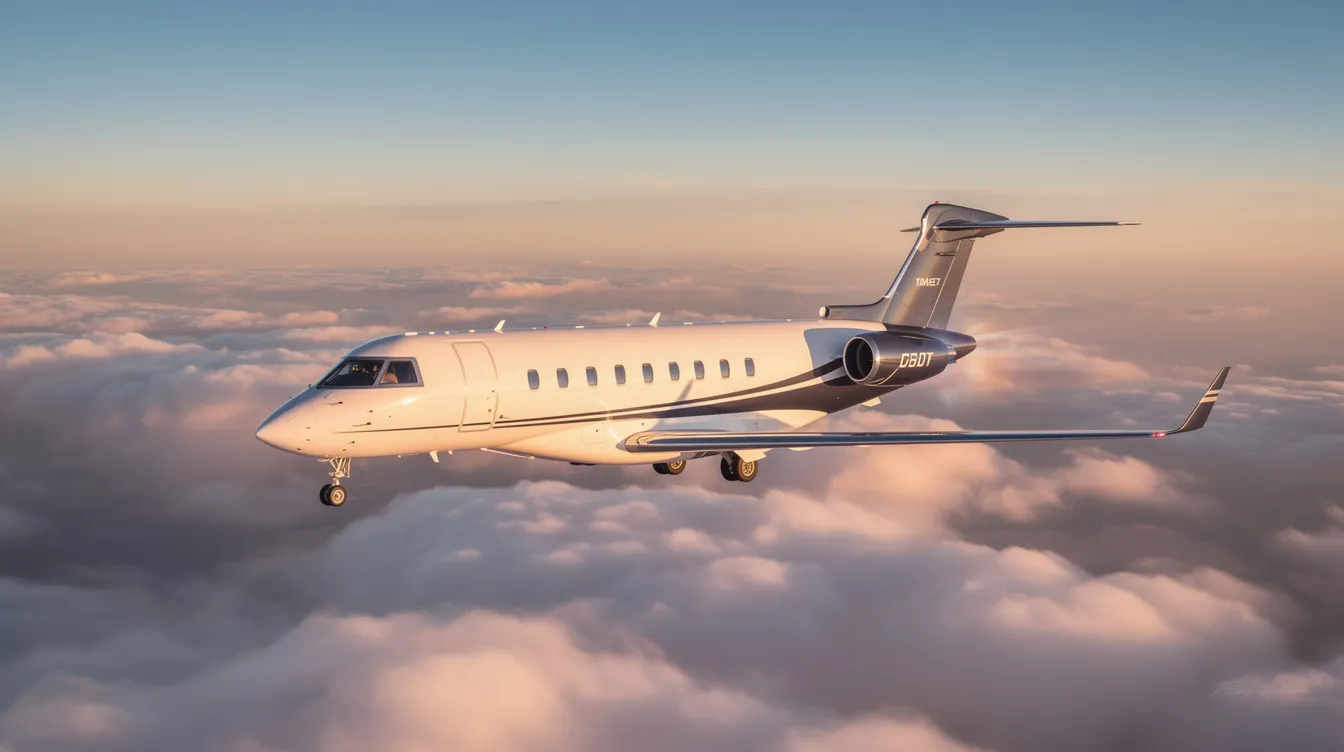
Private aviation has shifted from exclusive luxury to strategic advantage. For executives and frequent travelers, the real value lies not in opulence but in reclaiming time—bypassing commercial security lines, avoiding connections, and arriving ready to work or relax. Private aviation offers the convenience of bypassing crowded terminals and long security lines, transforming travel into a seamless experience. A flight from New York to Miami on a light jet delivers door-to-door savings of 4–6 hours compared to commercial first class when you factor in airport logistics.
In 2026, technology platforms, empty leg flights, and membership models have reshaped what “cheap” means in private aviation. Today’s private jet services offer access to flights anywhere in the world, providing global reach and flexibility for travelers who need to fly internationally or to remote destinations at a moment’s notice. Using local operators can help avoid middleman markup and lead to lower pricing on charter services, enhancing affordability. Digital marketplaces now connect operators with flexible travelers, while structured programs like Jet Cards lock in predictable pricing that often beats ad-hoc charter rates by 15–25% annually. BlackJet stands at this intersection as a premier Jet Card provider offering carbon-neutral, safety-certified private flights with transparent, fixed hourly rates.
This guide covers the fastest ways to access private plane flights cheaply—from opportunistic empty legs to semi-private seats to structured Jet Card programs—then breaks down the details you need to fly smarter.
Fastest Ways to Get a Private Plane Flight for Less (Read This First)
Empty Leg Example: Los Angeles to San Francisco
For example, an empty leg flight from Los Angeles to San Francisco may be available for as little as $2,000—compared to the typical $10,000+ charter rate—demonstrating the significant savings possible with this option.
Key Strategies for Savings
The sections ahead break down concrete routes, price ranges, and strategies for combining these approaches to maximize your savings on private jet travel.
Understanding “Cheap” in Private Aviation: What Drives Price
Private Jet Pricing Factors
Private jet costs depend on three factors: aircraft type, flight length, and scheduling efficiency. In 2026, typical hourly rates range from $4,000–$6,000 for a light jet, $6,000–$9,000 for midsize, and $10,000–$15,000+ for a heavy jet.
Aircraft Categories and Costs
Light jets typically seat four to eight passengers and are ideal for short to medium-haul flights, with a range of up to 1,500 miles. Heavy jets are designed for long-distance travel, often accommodating larger groups and offering a range of approximately 7,000 miles, making them suitable for international flights. A 40-minute turboprop flight might cost $2,800 total, while a super midsize cross-country journey could reach $34,500, aligning with typical costs to charter a small private plane once factors like aircraft type and fees are included.
Cost-Saving Tactics
“Cheap” private flying typically comes from using aircraft that would otherwise fly empty or prepaying hours to negotiate lower rates, combined with tactics like empty legs, shared charters, and last-minute deals. Flying midweek generally offers lower rates for private jet charters compared to peak days like Fridays and Sundays, reflecting demand patterns. Fuel accounts for 25–35% of operating costs, with crew, handling fees, and repositioning adding more. These structural costs explain why discounts exist but aren’t unlimited—operators must recover expenses.
BlackJet’s Jet Card model optimizes fleet usage across light, midsize, and large cabin categories, keeping effective hourly costs lower for members who commit to regular charter flights, particularly through its 25+ Hour Jet Card structure.
Travelers seeking private plane flights cheap should also consider other options such as air taxis and jet cards, and review a detailed private jet price list and access models, which can provide additional flexibility and cost savings.
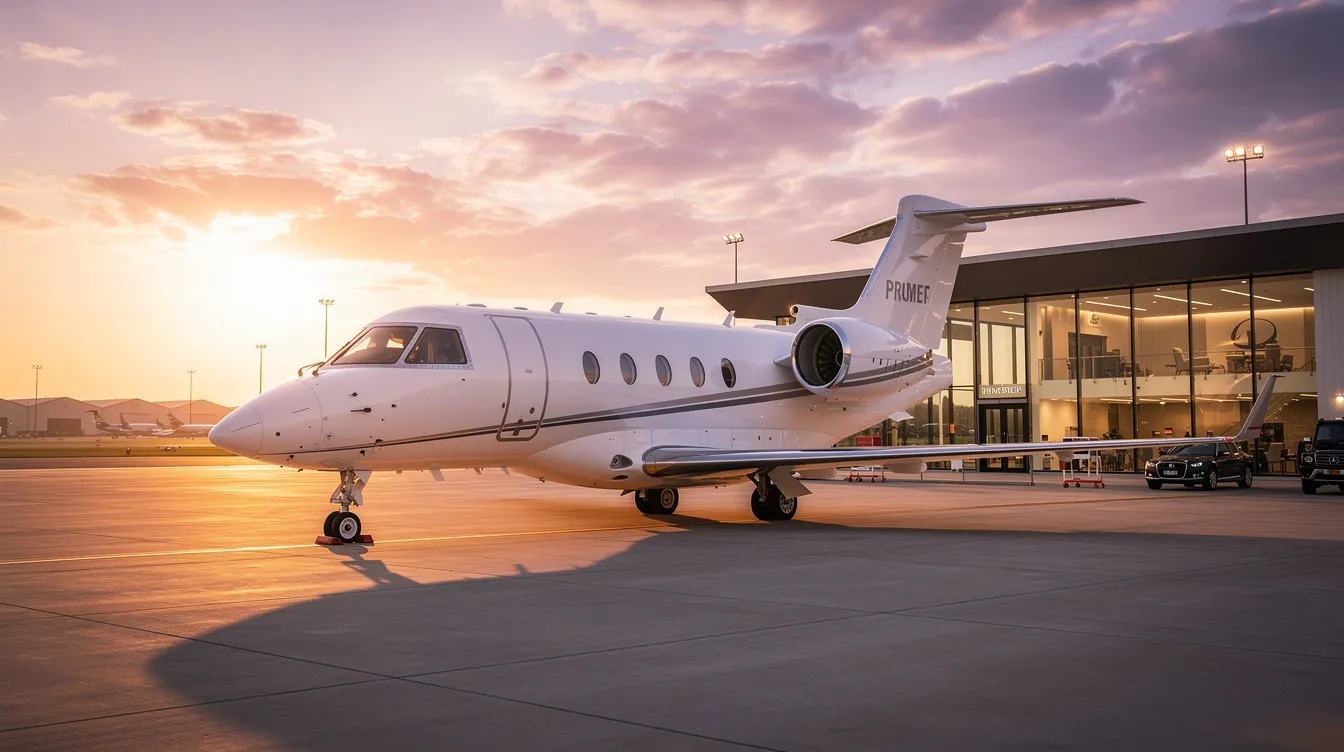
Empty Leg Private Jet Flights: Deep Discounts If You’re Flexible
Empty leg flights are one-way flights that occur when a private jet is repositioning without passengers—often returning to base or heading to another location for its next charter. Rather than burn fuel unproductively, operators offer these legs at 75–90% off regular charter prices, making them highly discounted flights. Depending on the route and jet type, you can find light jet empty legs for $2,000 to $5,000, making them a cost-effective option for travelers with flexible schedules and broadly in line with typical private jet rental costs per hour. A Nice to Lugano leg in April 2026 might list at €1,710 versus €7,000+ for a full charter. After completing an empty leg, the aircraft becomes available for its next set of passengers, which is why these flights are offered at a discount.
These deals come with constraints: fixed routes, specific departure dates (often within 48–72 hours), and one-way itineraries only. They’re ideal for travelers who can adapt their schedule, not for critical business meetings. There’s also a 20–30% cancellation risk if the primary charter changes.
Normal Charter vs Empty Leg comparison:
Feature | Normal Charter | Empty Leg |
|---|
Flexibility | Complete flexibility | Fixed route, fixed schedule |
Reliability | Highly reliable | 20–30% cancellation risk |
Pricing | Standard rates | 75–90% off the regular charter price |
Normal Charter: Complete flexibility and reliability at standard rates.
Empty Leg: Schedule rigidity for savings of 75% or more, best suited for opportunistic leisure trips.
How to Find and Book Empty Leg Flights at the Best Price
Empty legs appear in real time via apps, broker platforms, and membership portals. Dozens of flights list daily across Europe and North America through services like Jettly, Victor, and PrivateFly—each operated by a direct air carrier or aircraft operator with proper insurance.
The process is straightforward: set preferred routes (London–Nice, NYC–Florida), subscribe to alerts, and confirm within hours. Many platforms now allow clients to browse and book empty leg flights directly, offering added convenience and immediacy. Prices often drop as departure approaches—some operators cut to under €1,000 for an entire aircraft within 24–48 hours. BlackJet members receive curated alerts filtered by cabin class and safety certification, catching deals aligned with their usual corridors and applying many of the core fly private cheap strategies in a structured way.
Safety and service remain identical to conventional private jet charter—same crew, same private aircraft, same Federal Aviation Administration (FAA) compliance. Private jet operators are required to adhere to strict safety regulations set by aviation authorities, including the FAA in the United States, which ensures that aircraft are maintained to high safety standards, a key point in any assessment of how safe private jets really are. Many private jet companies obtain safety certifications from independent organizations, such as the Air Charter Safety Foundation (ACSF) or Wyvern, which conduct thorough audits of operators to ensure compliance with safety standards. Private aviation companies often provide real-time flight support and 24/7 customer service to address any safety concerns or emergencies that may arise during a flight, enhancing the overall safety experience for passengers. Only the pricing model differs.
Shared and Semi-Private Flights: Private Terminals, Seat Pricing
Shared charter services allow travelers to book a single seat on a private jet, significantly reducing costs compared to chartering the entire aircraft. Semi-private airlines offer the option to purchase individual seats on private-style aircraft, functioning much like private plane rideshare services and allowing travelers to bypass traditional security lines. Services like JSX and Aero are examples of companies that sell individual seats on private jets, often using smaller aircraft. Platforms like XO allow users to crowdfund flights or sell extra seats on their charter, potentially lowering costs per person.
You gain faster boarding (arrive 20–30 minutes before departure), smaller crowds, and more legroom than commercial flights—at prices closer to business class. You give up the entire aircraft, custom schedules, and some baggage flexibility compared with full private charter flights.
For families or executives flying 5–10 times annually who need guaranteed access and custom routing, BlackJet’s full private flight offering represents the natural next step beyond semi-private services.
Memberships and Jet Cards: The Best “Cheap Private” Strategy if You Fly Often
While empty legs and shared services suit occasional trips, frequent travelers save more with structured Jet Card programs, so it pays to understand Jet Card pricing structures and fees. These prepaid models—typically 25 or 50 hours across specific cabin types—lock in fixed rates with guaranteed availability and capped repositioning fees. Membership programs typically require a monthly or annual fee, allowing members to access private aircraft at reduced rates, which can include fractional ownership or pre-purchased flight hours.
Market entry points for leading cards start around $150,000 for 25 hours on light jets, translating to roughly $6,000/hour effective cost versus $7,500+ for ad-hoc charters, which aligns with broader Jet Card cost benchmarks across providers. BlackJet’s 25-hour and 50-hour cards help clients secure predictable hourly costs on high-demand routes like New York–Miami or London–Geneva.
Benefits extend beyond pricing: 24/7 digital booking, real-time flight tracking, premium catering, and carbon-neutral flights automatically included. For travelers who expect consistent access without the capital burden of ownership, Jet Cards deliver the optimal balance.
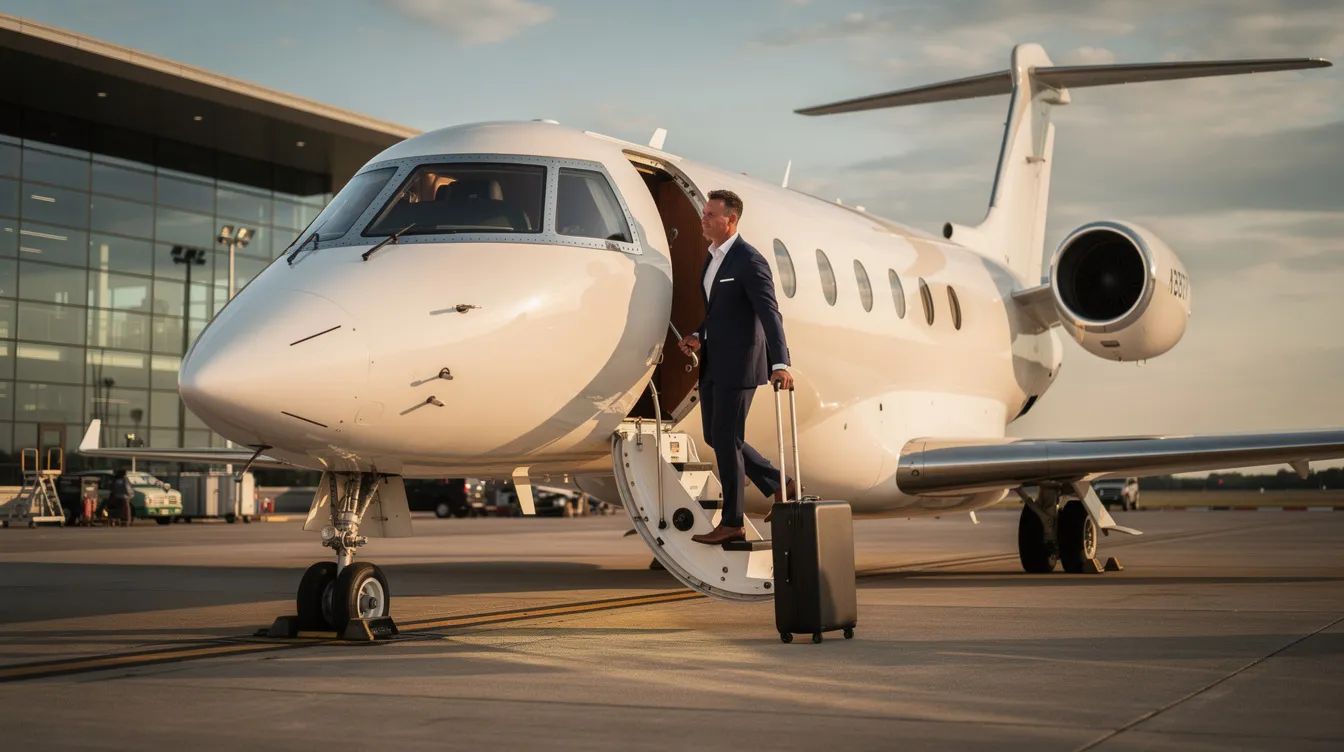
Jet Cards vs On-Demand Charter vs Fractional Ownership
Here’s a summary of the key differences:
Model | Commitment | Cost (2026) | Flexibility | Best For |
|---|
On-Demand Charter | None | ~$5,000/hr (light jet) | High, but variable pricing | Occasional flyers |
Jet Card | Prepay 25–50 hours | ~$6,000/hr (light jet) | Guaranteed rates, priority | Frequent flyers (20+ hrs/yr) |
Fractional Ownership | Buy an aircraft share | $500,000+ upfront, $50k/mo | Highest, but capital tied | Ultra-frequent, specific needs |
On-Demand Charter: Pay per flight at market rates, no upfront commitment, variable pricing, and peak-season surcharges.
Jet Card: No aircraft ownership required, guaranteed access, fixed pricing, and priority service.
Fractional Ownership: Purchase a share of an aircraft, best for ultra-frequent users with very specific needs, but capital remains locked in a depreciating asset.
A London-based executive flying London–Zurich twice monthly might spend $120,000 annually on ad-hoc charters versus $100,000 with a Jet Card—saving $20,000+ while gaining schedule certainty.
Last-Minute Deals and Dynamic Pricing: How to Capitalize
Beyond empty legs, charter brokers—acting as intermediaries—release last-minute deals on unsold flights 24–72 hours before departure, often at 30–50% discounts. A $7,000 flight might drop to $3,500 as operators prefer recovering some cost over grounding the aircraft.
The trade-off: flexibility on timing and airports. You might board at Paris–Le Bourget instead of CDG, or catch a secondary German field. But for spontaneous trips—a LA–Las Vegas weekend or Paris–Nice mid-week—these deals deliver luxurious private travel at public charter prices.
BlackJet members can layer these opportunities onto their Jet Card usage: guaranteed rates for core business travel, plus opportunistic last-minute upgrades when schedules align. Last-minute deals and empty leg offers are subject to availability and specific terms and conditions, which may include restrictions on routes or changes.
Choosing Aircraft Categories Strategically to Keep Costs Down
Aircraft selection directly impacts cost, and understanding how much it costs to charter smaller planes helps calibrate expectations before you choose a category. Short hops like Munich–Verona or New York–Boston favor light jets or turboprops—similar door-to-door time as larger aircraft at 40% lower expense and ideal missions for many of the top affordable private planes and VLJs. A light jet handles 4–6 passengers comfortably for under $7,000 total on these routes.
Longer missions justify upgrading, often into large-cabin long-range private jets that offer global reach and higher comfort levels. A transatlantic flight from New York to London on a heavy jet might cost $50,000+, but split among four passengers, the per-person cost becomes competitive with multiple first-class commercial seats—while delivering superior productivity and rest and mirroring the economics of large private jets for 20 passengers used on group itineraries.
BlackJet operations specialists match aircraft type to each mission: balancing passengers, luggage, and pets against price, often leveraging the cheapest private jet categories and turboprops where they make sense. Whether it’s a golf trip to Olbia or a ski journey to Geneva, strategic category selection prevents overspending on unnecessary capacity.
Technology, Safety, and Sustainability—Without Paying a Premium
“Cheap” should never mean compromising safety. Reputable programs use audited, safety-certified aircraft and crews meeting or exceeding Federal Aviation Administration and EASA standards. Aircraft operator insurance and carry additional liability insurance protect every journey.
Modern digital platforms reduce overhead: instant pricing, route optimization, and automated documentation keep per-flight costs lower for members while optimizing routes and cruise levels to take advantage of the higher altitudes private jets can fly. Apps like XO now search 60,000+ routes with two clicks.
The aviation industry is increasingly focusing on sustainable practices to reduce its carbon footprint, with many companies committing to carbon-neutral flights by offsetting emissions through various initiatives. Sustainable aviation fuels (SAFs) are being developed and adopted by private aviation companies to significantly lower greenhouse gas emissions compared to traditional jet fuels. The private aviation sector is exploring innovative technologies, such as electric and hybrid aircraft, to enhance sustainability and reduce reliance on fossil fuels, alongside increasingly budget-friendly private aircraft categories that pair efficiency with lower operating costs. BlackJet commits to carbon-neutral flying—every Jet Card hour and charter leg is offset automatically through verified carbon offset programs at no additional fee, even on affordable midsize and super-midsize jets under $10 million that many owners and charter clients favor. Sustainable aviation fuel blending and lighter cabin configurations further reduce environmental impact without meaningfully increasing destination costs.
FAQs: Getting Private Plane Flights Cheap with BlackJet
What is the absolute cheapest way to fly private?
Empty leg flights and semi-private seats offer the lowest entry points—from under €1,000 in Europe for entire aircraft to $249 per seat on US routes.
How far in advance should I book?
For the best empty leg deals, monitor 24–72 hours ahead. Jet Card holders can book anytime with guaranteed availability.
Can I really save 75–90% with empty legs?
Yes, but you must be flexible on routes and dates. One-way itineraries only, with some cancellation risk.
Is a Jet Card worth it if I only fly 3–4 times per year?
Likely not. Jet Cards deliver maximum value above 20–25 hours annually. Below that, empty legs or semi-private make more sense.
Are cheap private flights less safe?
No. Empty legs and discounted charters use the same audited crews, aircraft, and private terminals as full-price flights.
Do carbon-neutral private flights cost more?
With BlackJet, offsets are bundled into Jet Card pricing at no extra charge—leveraging fleet scale to cover verified programs.
How to Start Flying Private for Less with BlackJet
Private jet access is now a strategic tool for high-value travelers—“cheap” means smarter structure and planning, not sacrificing quality. The path forward depends on your travel patterns: opportunistic empty legs for flexible trips, semi-private seats for budget-conscious short hops, and structured Jet Card membership for consistent, frequent flying.
BlackJet’s 25-hour and 50-hour Jet Card programs deliver fixed hourly rates, guaranteed aircraft access, and carbon-neutral flights across light, midsize, and large cabin classes. No foreign law complications, no aircraft ownership burden—just convenient, predictable private travel.
Review your last 12–18 months of travel. Routes like New York–Miami, London–Nice, or LA–Las Vegas often reveal where switching from commercial business class and ad-hoc charters to BlackJet could save both time and money.
Discover how BlackJet can restructure your travel over the next 12 months. Request a tailored Jet Card proposal based on your 2026 travel calendar.
Conclusion: Elevate Your Travel with BlackJet
Flying private no longer requires compromising between cost and quality. BlackJet empowers discerning travelers to create a seamless, efficient, and sustainable private aviation experience tailored to their unique needs. By leveraging innovative Jet Card programs, access to opportunistic empty legs, and semi-private flight options, you gain premier access to private plane flights cheaply without sacrificing safety, comfort, or flexibility.
Explore how BlackJet’s proprietary certification, 24/7 digital booking platform, and commitment to carbon-neutral flights redefine what it means to fly privately in 2026 and beyond. Whether you seek the convenience of a single-day trip or a comprehensive travel solution, BlackJet offers a strategic advantage that transforms private aviation from luxury into smart business.
Visit www.blackjet.com today to discover premium private jet access designed for the modern traveler seeking both value and excellence.


 Sign up with google
 Sign up with Apple