Private access has become a strategic advantage, not just a luxury. The same executive who avoids commercial aviation delays with a Jet Card may also question why a multi-million dollar home should sit empty 45 weeks a year. In both real estate and aviation, the new prestige is not excess—it is precision: access, flexibility, safety, technology, and smarter capital deployment.
In This Article: What You’ll Learn About Fractional Ownership
Fractional ownership means several buyers purchase shares of a high-value asset rather than buying the entire property alone. In fractional property ownership, those shares often include deeded ownership, co-ownership, lower financial commitment, and allocated usage rights. This matters now because second-home prices rose sharply from 2020 to 2024, pushing more buyers and accredited investors toward fractional real estate investing instead of sole ownership.
You will learn:
How fractional property ownership works, from shared deeds to LLC structures.
The main types of fractional real estate include vacation homes and commercial real estate.
The benefits, drawbacks, tax laws, financing issues, and resale process.
The key difference between fractional ownership, timeshares, renting, and whole ownership.
Why BlackJet clients often recognize similar logic in private aviation: fractional jet shares versus flexible Jet Card access.
According to Realtor.com, the global fractional real estate platform market was valued at about US$4.2 billion in 2025 and is projected to reach US$14.8 billion by 2034.
What Is Fractional Property Ownership?
Fractional ownership means multiple owners buy portions of a specific asset. In real estate, that might be a 1/8 interest in a $3 million Aspen ski chalet, or a 10% stake in a Grade-A office building. Fractional property ownership allows investors to access high-value assets without the full financial burden of buying and maintaining the entire property, just as some buyers in aviation consider whether to purchase a premium UK private jet for sale outright or access a share.
Fractional ownership involves purchasing a deeded share of a property, allowing owners to build equity and have a tangible asset, while timeshares typically grant only the right to use a property for a specific time each year without ownership of the underlying real estate. If the property appreciates, fractional owners may benefit; if the property value declines, their shares may also decline. Timeshare owners do not benefit from property value changes because they do not own a stake in the real estate itself.
Fractional ownership properties can include:
Residential properties
Urban apartments
Commercial properties
Luxury vacation homes
Resort condo interests
Yachts
Classic cars
Fine art
Private jets
The concept of fractional ownership began in the early 1990s in U.S. ski resorts, where it became clear that many people did not want to buy whole homes they would use for only a few weeks each year.
How Fractional Ownership Works Day to Day
A group, often 4 to 8 people, buys a specific share of a home, granting each buyer a proportional amount of usage per year. Ownership shares in fractional ownership can vary, with common structures allowing for shares as small as 1/8 or 1/13 of a property, which corresponds to a set amount of annual usage. A 1/8 share may provide about six weeks annually; a 25% quartershare may provide roughly 13 weeks.
Access to properties in fractional ownership is restricted to designated time based on ownership shares. Usage of vacation homes in fractional ownership is limited, requiring reservations in advance according to the ownership fraction. Schedules may be fixed, floating, or rotating to allocate holidays fairly among co-owners.
Legal entities like partnerships or LLCs are often used to manage the property, allowing centralized management and distribution of returns based on ownership percentages. A fractional ownership agreement or ownership agreement sets rules for reservations, capital calls, property maintenance, defaults, transfers, and ownership rights. Many modern platforms also use digital portals for bookings, statements, and real-time updates—similar to how BlackJet’s digital booking tools make private jet access more seamless.
A professional management team typically oversees all aspects of property maintenance, including cleaning, repairs, and scheduling, allowing owners to enjoy their time without the burden of upkeep. In fractional ownership, the management company is responsible for coordinating all maintenance tasks, ensuring that the property is well-maintained and ready for use by the owners at all times.
Fractional Ownership vs. Timeshares vs. Whole Ownership
Here is the practical distinction:
Ownership Type | Ownership Rights | Usage Flexibility | Equity & Appreciation | Maintenance Responsibility | Typical Cost Range |
|---|
Whole Ownership | Full deeded ownership | Full control and use | Full equity | Full responsibility | Highest (full property price) |
Fractional Ownership | Deeded share or LLC membership | Proportional usage rights | Partial equity | Shared among owners | Moderate (fraction of property price) |
Timeshare | Right to use, no deeded ownership | Fixed or limited usage | None | Shared or via management | Lower (usage rights only) |
Whole ownership: You buy the entire property, gain complete personal control, pay all the fees, and carry the full financial burden. Traditional ownership provides complete control over renovations, rentals, décor, and sale timing.
Fractional ownership: You buy a deeded or entity-based share, share costs with other owners, receive usage rights, and may benefit when the property appreciates.
Timeshare: You usually buy usage rights for a fixed period, often one week per year, without meaningful equity.
A U.S. timeshare might cost around $20,000 plus annual management fees. By contrast, a buyer may purchase a $400,000 1/8 share in a $3.2 million luxury property and participate in the real resale value. Fractional ownership typically allows more flexible usage rights and can include a greater number of weeks or days for personal use compared to timeshares, which often have fixed schedules.
The key difference is equity. Fractional ownership differs from timeshares in that it involves owning a deeded share of the property, allowing owners to benefit from any appreciation in value, unlike timeshares, which only grant usage rights.
Types of Fractional Real Estate and Shared Assets
Fractional real estate can serve lifestyle, income, or blended goals. Fractional ownership in real estate can include various types of properties, such as vacation homes, urban residential properties, and commercial real estate, allowing investors to access high-value assets without the full financial burden of sole ownership, much like discerning travelers compare top private jet companies and access models to align aviation solutions with their lifestyle and business objectives.
Vacation Homes and Fractional Home Ownership
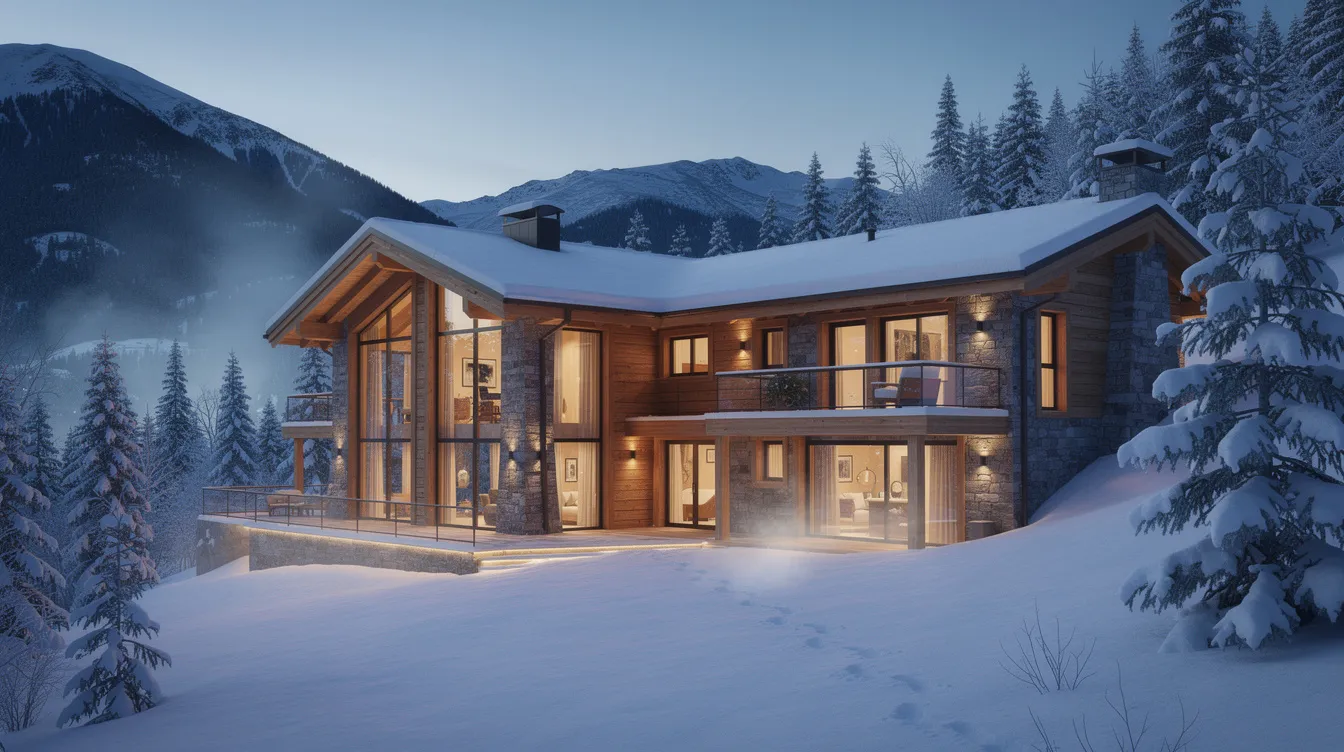
Vacation homes are a popular type of fractional ownership property, where multiple owners share the costs and usage rights of a residence typically located in desirable vacation destinations. A beach villa in Miami, a Napa/Sonoma wine country estate, a French Alps chalet, or a Colorado ski home might be divided into 4–12 deeded shares.
Fractional home ownership is better suited for individuals seeking a vacation home experience without full maintenance responsibilities. Fractional ownership allows individuals to rent out their scheduled time at a property, which can help offset annual operating costs like utilities and maintenance. In fractional ownership, properties can appreciate in value over time, and owners can earn rental income when the property is not in personal use.
This is a significant advantage for family members, retirees, and remote workers who want consistent quality, personal storage, concierge help, and predictable access without managing contractors—and who may already be familiar with flexible ways to buy a seat on a private jet rather than charter an entire aircraft.
Private Residence Clubs and Urban Fractional Apartments
Private residence clubs are upscale fractional ownership properties that combine shared ownership with five-star services:
Housekeeping
Spa access
Concierge
Golf privileges
Private storage
They are common in Aspen, St. Barts, London, and central Paris.
Some private residence clubs provide equity-based deeded ownership. Others offer only membership or usage rights. That distinction matters because deeded ownership may provide appreciation and resale rights, while usage-only clubs may not.
Urban fractional property can suit executives who visit the same city repeatedly. A Paris apartment held through an LLC, or association, may give a business traveler an elegant base without the burden of full individual ownership.
Commercial Real Estate and Income-Focused Fractional Investments
Commercial real estate fractional ownership can involve office buildings, retail spaces, and industrial properties, providing opportunities for rental income and potential appreciation in value over time. Investors may also access hotels, medical facilities, logistics centers, and multifamily buildings.
Through specialized online investment platforms, multiple investors pool their money to purchase a single property. Investors receive regular payouts, or dividends, based on their fraction of the rental income, along with a share of profits if the property is sold. This can create passive income and cash flow, although neither is guaranteed—similar in spirit to how some unlimited private jet flight membership programs convert variable trip-by-trip costs into a predictable subscription.
Many commercial fractional offerings in the U.S., U.K., and India are structured for accredited investors through SPVs or syndications. Some platforms also serve non-accredited investors. You can buy small shares in a fractional ownership arrangement, sometimes for as little as $10 to $100, just as group charter solutions make it possible to share the expense of flying privately for larger groups, as explained in guides to charter plane costs for 100 passengers.
Risks include:
Beyond Real Estate: Jets, Yachts, and Other Fractional Assets
Fractional ownership can also extend to luxury items such as yachts and private jets, allowing individuals to share the costs and benefits of high-value assets that would otherwise be financially out of reach, especially when paired with the cheapest private aircraft options and access models that keep total ownership costs manageable. A fractional jet share may be 1/16th of an aircraft, paired with a monthly management fee and hourly usage fee, and can offer meaningful tax benefits of fractional jet ownership when structured correctly, especially given the growing global fleet of private jets in operation worldwide.
That resembles fractional property in one way: shared expenses and management reduce the individual burden in fractional ownership. But aviation adds aircraft depreciation, crew, maintenance, safety certification, positioning, and operational complexity.
BlackJet offers an alternative through premium private Jet Card programs. Instead of buying an aircraft share, members can access prepaid private flight hours across cabin categories, with 24/7 support, technology-enabled booking, rigorous safety standards, and carbon-neutral flights, and can benchmark options using a detailed guide to understanding Jet Card cost and membership pricing.
Ownership and Investment Structures in Fractional Real Estate
Not all fractional ownership structures are equal. Legal structure determines control, liability, tax treatment, voting rights, usage, and resale options.
Shared-Deeded Ownership and LLC Co-Ownership
Shared-deeded ownership means each fractional owner holds a recorded interest, such as 12.5% of a specific property. LLC co-ownership means the company owns the property, and buyers own membership units.
The fractional ownership model often uses an LLC because it centralizes governance and may limit liability. The operating documents explain whether a co-owner can sell, gift, or will the share, and whether other owners have first-refusal rights.
Fractional ownership allows multiple individuals to co-own a property, sharing both the benefits and responsibilities associated with it, such as maintenance and usage rights. Fractional ownership can lead to shared responsibilities and costs, which can be beneficial for maintenance and management, but it also means that owners are dependent on the financial health and decisions of their co-owners.
Syndications and Accredited Investor Platforms
In syndications, a sponsor or general partner acquires and manages the asset. Limited partners provide capital and receive distributions according to the deal documents.
Many online fractional commercial real estate investments work this way. Investors may receive rental yield plus equity upside after a 5–7 year hold, but usually do not get personal usage rights. Some platforms project annual returns in the 5%–10% range; the average annual return for fractional ownership investments can vary, with some platforms offering returns as high as 18.60%, depending on the property and market conditions, similar to how understanding fractional jet ownership depreciation is critical when evaluating aviation-related assets.
Crowdfunding and Smaller-Ticket Fractional Platforms
Crowdfunding has opened fractional investments to a broader audience. Platforms may use funds, series LLCs, or securities offerings tied to multiple properties or single assets.
Fractional ownership allows multiple individuals to co-own a high-value asset, such as real estate, by purchasing shares instead of the entire property, making it more accessible to those with limited capital. Fractional ownership allows individuals to access high-value assets by pooling resources, which can significantly lower the financial commitment required for ownership.
Liquidity is still limited. Redemption windows, holding periods, and secondary markets vary, so investors should review the platform's track record, regulatory status, property managers, and property management fees before committing.

Benefits and Drawbacks of Fractional Property Ownership
Fractional property ownership can be elegant and efficient, but it is not universally suitable. It works best when the buyer’s use pattern, capital plan, and tolerance for shared decision-making align.
Financial Advantages
Fractional ownership affords access to luxury real estate with less substantial capital. Instead of buying a $3 million vacation property, a buyer might purchase a $375,000 1/8 share plus annual dues.
Costs associated with property maintenance, taxes, and management are typically shared among co-owners, making it more financially manageable than full ownership.
Property taxes, insurance, utilities, cleaning, landscaping, maintenance costs, and property management are spread among multiple owners.
The model enables individuals to access high-value assets, such as vacation homes, and generate income through renting them out when not in use.
Portfolio Diversification
Fractional ownership allows for portfolio diversification compared to investing all capital into one property, just as travelers can diversify their aviation spend across charter, Jet Cards, and private jet rideshare options instead of committing to full ownership.
Potential Risks
One of the main disadvantages of fractional ownership is limited control and flexibility, as decisions often require consensus among co-owners, which can lead to complications.
Renovations, refinancing, rentals, and sale timing may require votes.
Selling a fraction in a fractional ownership arrangement may be subject to the rules of the group or platform.
Reselling a fractional ownership share can be more complex than selling a fully owned property, often due to restrictions or limited markets, making liquidity a concern for owners.
Legal and tax laws can also be complex, especially across borders. Consult qualified advisors before purchase.
How Fractional Ownership Compares with Renting and Whole Ownership
Imagine a family visiting Maui 4–6 weeks per year. Renting gives flexibility but no equity. Whole ownership gives full control but requires buying, insuring, furnishing, staffing, and maintaining an entire property.
Fractional ownership sits between the two, much like private jet charter can sit between commercial travel and full aircraft ownership when you evaluate whether chartering a private jet is worth it:
It also limits spontaneous use and requires coordination with other owners.
Private aviation has a similar continuum: aircraft ownership, fractional jet ownership, Jet Cards like BlackJet, and on-demand charter, each with its own private jet price structure and underlying private jet charter pricing dynamics. The right answer depends on frequency, flexibility, and appetite for fixed overhead.
Understanding the True Cost of Fractional Ownership
Evaluate the full financial commitment, not just the entry price. Model upfront price, closing costs, annual dues, reserves, financing, taxes, special assessments, and resale.
Upfront Share Price, Closing Costs, and Reserves
Share prices are usually based on pro-rata property value plus furnishing, setup, platform, and acquisition costs. Closing costs may include legal review, inspections, title work, registration, and financing fees.
Reserve funds cover major expenses such as roofing, HVAC, furniture refreshes, and renovations. Buyers should ask whether reserves are adequately funded.
This is similar to how BlackJet members think about prepaying 25-hour Jet Card access, 50-hour Jet Card access, or even evaluating a 100-hour Jet Card cost structure: the value lies not only in price, but in service, predictability, and flexibility.
Ongoing Fees, Special Assessments, and Unexpected Expenses
Annual owner dues may cover:
Property taxes
Insurance
Utilities
Cleaning
Landscaping
Management fees
Repairs
Reserves
Property management companies often handle fractional ownership arrangements in real estate, managing home upkeep and ensuring that properties remain in excellent condition for all owners, much like sophisticated analysis of Jet Card cost per hour helps private flyers understand the true ongoing cost of access.
For a $2.4 million home divided among 8 owners, a simplified annual budget might include:
Taxes and insurance: $48,000
Utilities and services: $30,000
Cleaning and turnover: $24,000
Property management company: $36,000
Maintenance reserve: $30,000
Total: $168,000, or $21,000 per owner annually, before special assessments.
Taxes, Financing, and Resale Considerations
Tax treatment depends on use, structure, rental activity, and jurisdiction. Mortgage interest may be deductible in some cases, capital gains may apply on resale, and depreciation recapture may apply if the property is rented.
Financing fractional shares can be harder than financing traditional property. Some lenders participate, but down payments and interest rates may differ.
The resale process may involve:
Internal listing systems
External brokers
Appraisals
Minimum hold periods
Rights of first refusal
A clear exit clause is essential. The property's market—including its current market value, location appeal, and the terms of the ownership agreement—can significantly influence both the resale value and the ease of selling fractional ownership shares.
How to Evaluate a Fractional Ownership Opportunity
Beyond the view and décor, the documents determine the experience. Review the sponsor, governance, calendar, budget, reserves, and exit plan with the same discipline BlackJet applies to private aviation safety and certification.
Company Reputation
Research when the company was founded.
Check how many fractional properties it manages.
Review resale history, owner satisfaction, and financial transparency.
Red flags include opaque fees, weak reserves, reluctance to share financials, or no audited statements for larger programs.
Legal Documents
Ask for the operating agreement, house rules, budget, insurance details, and voting procedures.
Ensure clear governance is in place.
Usage Rules and Scheduling Systems
Ask the following questions:
How many weeks come with each share?
How are peak holidays allocated?
Can owners cancel or trade weeks?
Can unused time be rented?
How far ahead must reservations be made?
Transparent calendars reduce conflict among co-owners. Match the rules to school schedules, business travel, remote work, and family members’ needs.
A cautionary example: a buyer purchases a ski share without reviewing reserve funds. A roof replacement follows, the calendar blocks prime weeks, and the share cannot be sold quickly because other owners have first refusal. The view was spectacular; the documents were not.
Exit Planning
Treat fractional real estate as a medium- to long-term commitment, not a quick flip. Buyer pools vary by region, asset quality, and demand.
Common exits include:
Internal resale programs
External agents
Appraisal-based pricing
Minimum hold periods
The best opportunities explain the exit before you enter.
Fractional Ownership, Private Jets, and the Future of Shared Luxury
Fractional ownership is part of a broader shift: access and experience increasingly matter more than sole ownership. High-net-worth travelers want privacy, consistency, sustainability, and lower fixed overhead.
From Second Homes to Private Jets: Access Over Ownership
Since the 2010s, many affluent buyers have moved from accumulation to optimization. Owning every asset outright can restrict flexibility; accessing the right asset at the right time can be more strategic.
Technology has raised expectations. Property platforms now offer digital calendars and owner dashboards. BlackJet offers digital booking tools, real-time support, safety-focused operations, and carbon-neutral flights at no extra cost to the member, alongside transparent Jet Card pricing structures and insights into the best Jet Cards for frequent flyers that make costs predictable.
For clients who appreciate how fractional ownership reduces unused capacity in luxury homes, a Jet Card can offer a similar logic in aviation: premium access without the long-term capital lock-up of aircraft ownership, and programs such as the BlackJet 25+ Hour Jet Card provide that flexibility with predictable pricing.
Is Fractional Property Ownership Right for You?
Fractional property ownership may suit you if you have stable travel patterns, value consistent quality, accept shared decisions, and are comfortable locking capital into a medium-term asset.
Consider these profiles:
A global executive may prefer an urban fractional apartment in a city visited monthly.
A remote-working couple may choose fractional properties in different locations for seasonal flexibility.
A family with school-aged children may value a predictable vacation home schedule.
An investor may allocate 5%–10% of a diversified portfolio to fractional real estate investment opportunities for cash flow and appreciation.
Before buying, define your destination, usage frequency, budget, liquidity needs, and tolerance for co-decision-making.
Fractional ownership can be a refined answer to an expensive question: how much ownership do you actually need? And in private aviation, the same question applies. Join BlackJet’s Jet Card program for seamless, premium private travel—safety, sustainability, technology, and flexibility built in.
Conclusion: Elevate Your Lifestyle with Fractional Ownership
Fractional ownership redefines luxury by blending accessibility, flexibility, and financial prudence. It offers a strategic way to enjoy high-value assets—whether a stunning vacation home or a private jet share—without the full financial and operational burdens of sole ownership. By sharing costs, responsibilities, and usage rights, owners gain equity, potential income, and the freedom to savor premium experiences on their terms.
For discerning travelers and investors alike, fractional ownership aligns with modern expectations: seamless technology, professional management, and sustainability commitments. Just as BlackJet’s Jet Card programs revolutionize private aviation access with safety and carbon-neutral flights, fractional real estate ownership provides a similarly refined approach to property investment and lifestyle.
If you seek precision in luxury—access without excess, control balanced with convenience—fractional ownership offers a compelling path forward. Explore how this model can elevate your travel and investment portfolio, delivering bespoke experiences that fit your life and values.
Discover the possibilities of shared luxury ownership and elevate your lifestyle with confidence and clarity.


 Sign up with google
 Sign up with Apple


