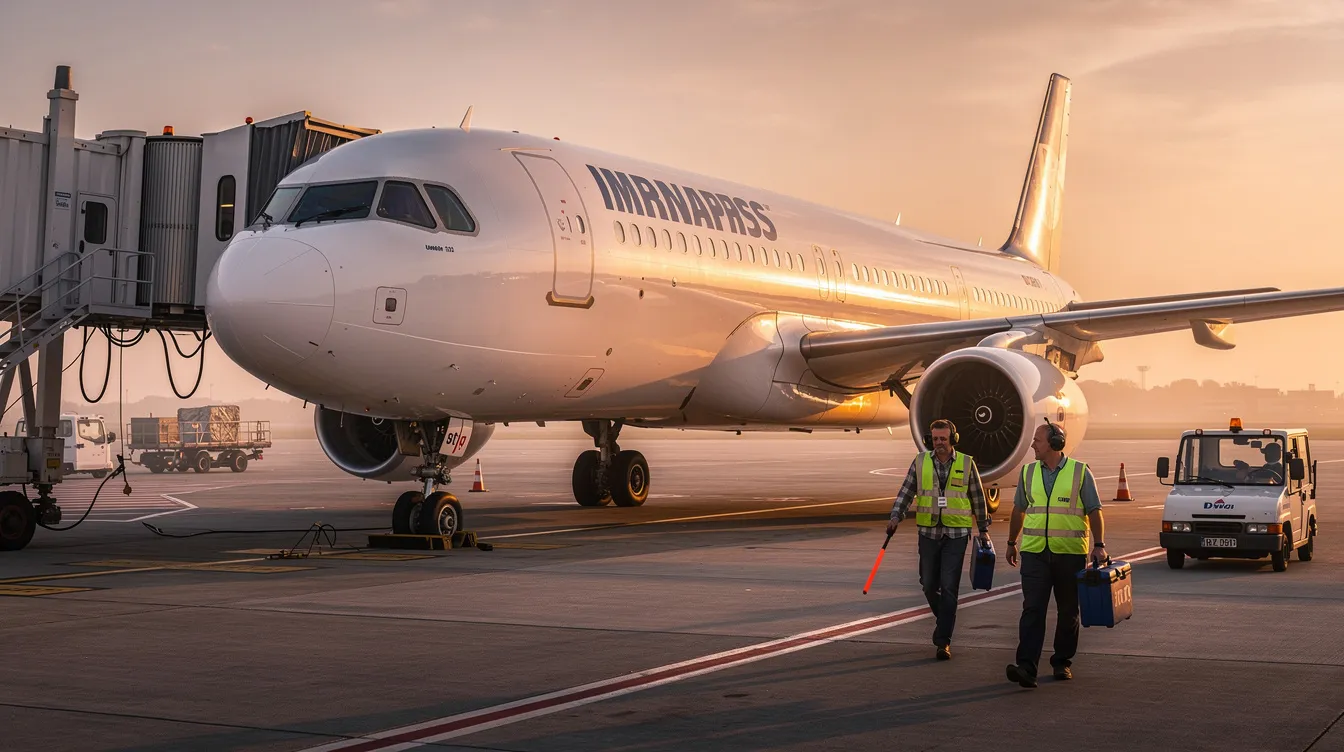
Whether you're filling out your first application, weighing a career pivot from another airline, or simply trying to gauge Delta's earning potential, a first-year Delta flight attendant typically earns about $40,000 to $50,000 in total compensation before taxes—not just base pay, but also boarding pay, per diem, and profit sharing. Delta’s published scale starts at $26.23 per credit hour and can rise to $86.32 by year 12, so understanding the real salary of a flight attendant at Delta means looking well beyond a single hourly rate.
This guide breaks down each piece of Delta’s pay structure, shows how seniority and reserve scheduling affect what you actually make, compares Delta with other major airlines, and reviews the benefits, perks, and longer-term career progression that shape total compensation. It also helps put commercial airline pay in context against private jet cabin crew roles and opportunities, so you can set realistic income expectations and make a better career and financial decision.
Quick Answer: How Much Do Delta Flight Attendants Really Make in 2026?
A first-year Delta flight attendant earns approximately $40,000 to $50,000 in total compensation before taxes, assuming a typical schedule of 75 to 85 flight hours per month after initial training. That number includes base pay, boarding pay, per diem, and a share of Delta's profit-sharing program. New hires start at $26.23 per credit hour, while Delta's top hourly rate is $86.32 as of June 2026 for flight attendants who have reached year 12 on the pay scale.
Compared to the other big three airlines, Delta's base hourly rate sits competitively alongside American Airlines and slightly below United Airlines at certain seniority steps. However, Delta's profit sharing, which can reach approximately 10% of annual earnings in strong years, and its consistent pattern of raises often push total compensation to the top of the pack, especially when contrasted with the leaner pay structures found in entry-level affordable private jet options.
It's worth noting that commercial flight attendant pay is structured very differently from private jet cabin crew compensation, where trip-based pay, smaller passenger loads, and premium service standards create an entirely separate career model, akin to performance-driven private jet sales compensation structures that rely heavily on client relationships and deal size.
How Delta Flight Attendant Pay Is Structured
Delta flight attendants are paid by flight hour rather than a standard work week. Their total compensation package is built from four distinct components, each contributing differently depending on seniority, schedule, and company performance.
Hourly Base Pay (Flight Pay)
Hourly base pay (flight pay): This is the core of a Delta flight attendant's salary. It covers block or credit hours only, meaning you are paid from the moment the aircraft door closes until it opens at your destination. Time spent in the airport between flights, during delays, or on the ground does not count toward in-flight pay.
Boarding Pay
Boarding pay: Delta was the first major US carrier to introduce boarding pay in 2022, making it standard by 2023–2024. Boarding pay is 50% of the hourly flight rate at Delta, applied from the start of boarding until the aircraft door closes.
Per Diem
Profit Sharing
Profit sharing: In strong years like 2024, Delta's profit sharing reached roughly 10% of eligible earnings, with the company distributing approximately $1.4 billion to employees. This is paid annually and depends entirely on company performance.
Delta flight attendants are non-unionized. Pay structures, raises, and benefits are management-driven rather than contract-based, which gives the company flexibility to adjust compensation without prolonged negotiations. Delta has awarded annual pay increases since 2022, totaling 20–25% cumulatively when factoring in base pay raises and the addition of boarding pay, a level of predictability that mirrors how some private flyers use careful planning and jet card tax deduction strategies to stabilize their total aviation spend.
Delta Flight Attendant Base Pay by Year of Service
A structured hourly pay scale is tied directly to seniority rather than geographic location or base assignment. Every completed year of service triggers an automatic step increase, with the most dramatic jump occurring between years 11 and 12.
Here are sample hourly rates by seniority as of June 2026:
Year 0 (new hire): $26.23 per credit hour
Year 1: approximately $40.72/hr
Year 2: approximately $43.32/hr
Year 3: approximately $46.13/hr
Year 4: approximately $50.80/hr
Year 5: approximately $57.52/hr
Year 6: approximately $62.94/hr
Years 7–10: escalating from roughly $64.95 to $71.14/hr
Year 11: approximately $74.55/hr
Year 12 (top rate): $86.32/hr
The sharp increase between year 11 and year 12, jumping from roughly $74–$75 to mid-$80s per hour, is what pushes senior crew well above $100,000 in annual earnings when combined with boarding pay, per diem, and profit sharing.
For context, American Airlines' new-hire rates start around $37.91 and United Airlines around $38.21, making all three carriers competitive at entry level. The differences widen at mid-career and top-of-scale steps, where each airline's contract or management decisions shape the final numbers.
First Year Earnings: What a New Delta Flight Attendant Actually Takes Home
Most people picture a flight attendant salary as a single number, but the first year is more nuanced than that. After completing training, which includes several weeks of paid initial training at Delta's Atlanta facility, new hires typically spend their first few years on reserve status, flying 75 to 85 hours per month as schedules and seniority allow.
First-year Delta flight attendants earn approximately $28,000 annually in base flight pay alone, calculated from credit hours at the starting rate. But that figure tells only part of the story. Boarding pay, per diem, and profit sharing stack on top of it.
Here's a realistic monthly breakdown for a first-year flight attendant flying 75 hours:
Base flight pay: 75 hours × $26.23 = approximately $1,967
Boarding pay: estimated 20 boarding periods × 50% of hourly rate ≈ $260–$300
Per diem: roughly 120 hours away from base × $2.25/hr ≈ $270
Estimated gross monthly total: approximately $2,500–$2,550 before profit sharing
Annualized, that conservative estimate lands near $30,000–$31,000 in raw monthly pay, but higher-hour months, holiday premium pay, and annual profit sharing push total compensation into the $40,000 to $50,000 range that most airline attendants experience during year one.
This is pre-tax income in US dollars. Actual take-home pay varies based on federal and state taxes, health insurance premiums, and retirement contributions. By contrast, entry-level cabin crew in private aviation often see more predictable schedules and trip-based pay, though without the scale of Delta's profit sharing program.

Life After Year One: Pay Growth from Years 3 to 10
The first few years at Delta are about building enough seniority to bid strategically. By years 3 to 5, most Delta flight attendants have moved off frequent reserve days and can target higher-credit trips, international flights, and multi-day pairings that maximize both flight time and per diem.
Annual earnings in mid-seniority (years 3–5): typically $70,000–$80,000 including boarding pay, per diem, and average profit sharing, with base rates between $46 and $57 per hour.
Years 6–10: hourly rates climb to $62–$71 per flight hour. A year 6 flight attendant working 80 hours flown per month on a domestic and international mix can realistically pull $80,000–$95,000 in a strong profit sharing year.
Scheduling strategy matters: stacking long-haul or multi-day trips minimizes low-hour turns and maximizes money earned per duty period.
Premium roles: between years 5 and 10, many flight attendants add lead, in-charge, or international galley positions that layer on additional premium pay per hour.
This period also typically offers better control over days off and vacation, similar to how private jet cabin crew build more predictable rotations with repeat clients over time.
Top of Scale: Senior Delta Flight Attendants and Pursers
Reaching the top rate at Delta takes 12 years of service. For those who stay, the financial payoff is substantial.
Senior Delta flight attendants earn over $86 per hour after 12 years, making the top-of-scale base rate $86.32 per flight hour as of June 2026.
Experienced Delta flight attendants can earn over $100,000 annually when flying full schedules with international trips and strong profit sharing. Employee reports suggest total annual earnings of $110,000–$130,000 or more in peak years.
The purser or international service director role at Delta Air Lines carries additional hourly premiums on top of base pay for leadership, language skills, and elevated passenger service.
Total compensation for experienced pursers, including purser premium, boarding pay, per diem, and profit sharing, can reach $120,000–$140,000 depending on schedule and company performance.
For those considering how these numbers compare to private jet stewardess salary expectations, the private aviation world trades rigid seniority ladders for compensation tied to ultra-high-net-worth itineraries and premium service standards, much like private jet broker compensation is driven by client portfolios and deal volume rather than fixed pay scales.
Boarding Pay, Per Diem & Time Away from Base Explained
These two components sit on top of base flight pay and can meaningfully shift a flight attendant's salary over the course of a year.
Boarding Pay Details
Boarding pay is calculated at 50% of the flight attendant's hourly rate, applied during boarding until the aircraft door closes. At the new-hire rate, that works out to roughly $11–$12 per domestic leg. At the top rate, it's approximately $25 per leg. Across a high volume month with multiple short legs, boarding pay adds hundreds of dollars.
Per Diem Details
Per diem is not taxable income in the US. It compensates for meals and incidentals during time away from base (TAFB). Per diem is paid at $2.25 per hour, with time away from base allowances providing approximately $2.80 or more per hour for domestic trips. Per diem rates are higher for international trips and transoceanic pairings.
Sample 3-Day Trip Calculation
Sample 3-day trip: two overnights, 24–30 hours away from home base. Per diem adds $100 to $200 for a 3-day trip on top of base and boarding pay, while equivalent time in private aviation might be structured through a 50-hour jet card block that pre-pays for a season’s worth of similar missions.
TAFB Calculation
TAFB calculation: time away from base runs from report time at the airport until release time at the end of the pairing, covering all duty periods, overnights, and layovers.
International Trip Compensation
Delta flight attendants commonly earn higher compensation for international trips, where longer flight time, higher per diem rates, and extended layovers all contribute to larger paychecks, just as long-range private flights drive up total private jet pilot cost and salary for aircraft owners.
Compared to American Airlines and United Airlines, the per diem differences are small on a per-hour basis but compound across a full year of flying, much like seemingly minor fee variations can significantly change the lifetime cost of a NetJets jet card program.
Reserve, A-Days & Minimum Pay: What Happens When You're Not Flying?
Understanding reserve status is essential for anyone planning their first year income at Delta. Unlike lineholders who bid and hold specific trip sequences, reserve flight attendants are on call and assigned trips as operational needs arise.
A-Day Reserve Model
Flexibility and Credit Protection
Flexibility: A-days are tradable and can be grouped or split, giving flight attendants more control over their month than traditional block-reserve schemes at some other airlines.
Minimum credit protection: even on quiet reserve days, the minimum credit ensures a baseline level of pay, protecting against months where flying opportunities are limited.
Comparison to Other Airlines
At American Airlines and United Airlines, contracts often guarantee 71–78 credit hours per month for both lineholders and reserves. Delta's system does not include a rigid monthly minimum guarantee in the same way, which means first year flight attendants often focus on picking up extra trips to push their total flight hours and annual earnings higher.
Delta vs United vs American: How Flight Attendant Pay Really Compares
Comparing flight attendant pay across the big three airlines requires looking beyond the hourly rate printed on a pay scale.
Top hourly rates: United flight attendants, under their new contract, see senior rates pushing toward the mid-to-high $90s per hour. Delta's top rate is $86.32, and American Airlines falls in a similar band to Delta. United leads on pure hourly base at the top of the scale.
Union vs. non-union: United and American flight attendants are unionized, with negotiated contracts that guarantee set raises, boarding pay, and reserve protections. Delta's raises are discretionary but have been consistent and aggressive since 2022.
Profit sharing: Delta's industry-leading profit sharing program, which paid out approximately $1.4 billion in 2024, is a major differentiator and stands out in the us airline industry, though broader financial performance across the sector affects how exceptional those payouts look in any given year. Neither United nor American offers profit sharing at a comparable scale.
Reserve and per diem: differences in minimum monthly guarantees, reserve systems, and per diem rates across the airline industry affect how total compensation actually lands in a flight attendant's bank account, just as varied private jet pricing and access models change the value proposition for high-net-worth travelers.
Private jet work sits on a separate path entirely: fewer passengers, more personalization, and different pay logic built around jet card membership pricing models. This is where BlackJet's jet card-based flying model operates, offering cabin crew a different career trajectory altogether.
Benefits, Travel Perks & Non-Salary Compensation at Delta Air Lines
Beyond base salary, Delta's total compensation package includes benefits that add significant long-term value for employees.
Health Insurance
Health insurance: Delta provides comprehensive benefits including medical, dental, and vision insurance, with relatively low employee-only premiums and multiple plan options for family coverage.
Retirement Benefits
Travel Benefits
Travel benefits: Delta flight attendants have standby travel privileges on Delta and partner airlines, including SkyTeam members. Buddy passes extend travel access to friends and family. These are among the most valued stewardess benefits in the industry, even when compared to perks from top private jet companies for luxury travel.
Additional Perks
Additional perks: life and disability insurance, uniform allowance, paid initial and recurrent training, training pay during onboarding weeks, and commuter benefits for those who don't live near their base.
Shared Rewards Program
Shared Rewards program: up to $1,200 annually if operational goals such as on-time arrivals and baggage handling targets are met, which some high-net-worth clients instead channel into 25 hour jet card memberships to gain predictable private aviation access.
While these travel perks are generous, they function on a standby basis. Unlike guaranteed-seat private jet access or structured private plane rideshare options that BlackJet members and their guests experience, standby travel means seats are never certain, particularly during high-volume travel periods.
FAQs: Delta Flight Attendant Pay, Currency & Career Planning
How much does a Delta flight attendant make in their first year?
First-year flight attendants typically earn $40,000–$50,000 in total compensation, including base pay, boarding pay, per diem, and profit sharing. Base flight pay alone for first-year Delta flight attendants is approximately $28,000 annually.
What about years 5 and 10?
By year 5, total annual earnings generally fall between $70,000 and $85,000. By year 10, with a base rate above $71 per hour, most flight attendants with consistent schedules earn $85,000–$100,000.
How does Delta flight attendant pay convert to other currencies?
All official pay is in US dollars. Conversions to GBP, EUR, or other currencies fluctuate with exchange rates and should be checked at the time of comparison.
What are the basic eligibility requirements?
Applicants need US work authorization, must be at least 21 years old, hold a valid passport, and have at least a high school diploma. A background check is part of the application process.
How long does it take to become a purser?
Purser and international service director roles typically require 15–20 years of service at Delta. The pay uplift includes a premium rate on top of the standard seniority-based hourly rate.
How does commercial cabin crew pay compare to private jet cabin crew?
Private jet cabin crew compensation is often more aligned with luxury hospitality and bespoke trip planning than with the strict seniority ladders seen at Delta Air Lines. For a deeper look, explore private aviation job opportunities and how they differ from scheduled airline careers.
From Commercial Cabin Crew to Private Jets: When a Paycheck Becomes a Strategy
The appeal of a Delta flight attendant career is clear: predictable raises, strong profit sharing, world travel, and a seniority system that rewards loyalty. For those who value stability in the airline industry, Delta remains one of the most rewarding paths in recent years, with a pay scale that has grown aggressively and a company culture that consistently ranks among the best in US airlines.
But not every career in aviation follows the same playbook. In the private jet world, smaller cabins, fewer passengers, and higher service expectations create a different kind of professional life—one where compensation is tied to the caliber of clients served and the complexity of the mission, not the number on a seniority list, similar to how private jet pilot salary structures reflect client expectations and mission profile.
For readers who have moved beyond commercial airline schedules entirely, or who serve clients who have, BlackJet's jet card programs offer a premium alternative built around time savings, safety certification, carbon-neutral flights, and seamless digital booking, with options like the BlackJet 25+ Hour Jet Card providing predictable hourly pricing. Whether you're a cabin crew professional exploring your next chapter or an executive who values every hour, understanding jet card cost per hour across providers helps ensure the aviation strategy you choose truly matches your ambition.
Discover how BlackJet can reshape your travel at blackjet.com and explore the best jet cards for frequent flyers, along with a full breakdown of jet card pricing, costs, and benefits.


 Sign up with google
 Sign up with Apple