Picture this: instead of navigating a crowded terminal, clearing security, and enduring a three-hour layover, you step onto a dock at the edge of a pristine harbor and board a floatplane that lifts you directly to your destination. No runway required. No wasted hours. Just water, wings, and arrival.
Why Seaplanes Matter for High-End Travelers Today
Seaplanes often provide unique travel advantages by accessing remote locations that conventional aircraft simply cannot reach - wilderness lodges, private islands, national parks with no paved strip for miles. For the discerning traveler, they extend the core promise of private aviation: point-to-point access, radical time savings, and privacy in the air.
Consider the difference. A commercial itinerary from New York to a remote fishing lodge near Juneau might involve a five-hour flight to Seattle, an overnight, a connecting hop to Juneau, and then a ferry that adds hours to the trip. Total elapsed time: 24 to 30 hours, including transfers and waits. A BlackJet member using a jet card can fly privately to the region, then connect via a local seaplane leg - compressing that same journey to roughly 12 to 16 hours with far less friction.
For BlackJet members, seaplanes serve as the ideal "last-mile" solution, with travelers or essential supplies delivered from regional airports to water-only destinations: remote islands, fly-in lodges, or the shoreline of a national park. Throughout this article, we will explore the aircraft themselves, their storied history, modern operating realities, safety standards, sustainability, and how seaplane connections mesh with jet cards and private charters.
What Exactly Is a Seaplane? (Floats, Flying Boats & Amphibs)
A seaplane is any aircraft designed to take off from and land on water. The category breaks into three distinct types, each with its own engineering and mission profile.
Floatplanes are still a conventional plane, with a standard fuselage fitted with pontoons (floats) in place of wheels. Floatplanes take off and land on water using floats, and classic examples include the dehavilland beaver and the Cessna 208 Caravan on float kits. Seaplane takeoffs require sufficient speed to hydroplane across the water surface before lifting off. The added drag from floats reduces cruise speed and fuel efficiency in seaplanes, but the trade-off is access to thousands of lakes and harbors worldwide.
Flying boats have fuselages shaped like boat hulls to operate on water. The fuselage itself provides buoyancy - no separate pontoons needed- and a hull step helps break water suction to stop drag from impeding takeoff. Flying boats are designed to land on water only. Historical examples include the PBY Catalina and the Canadair CL-415, which is still used for forest fire suppression today. The ShinMaywa US-2, meanwhile, is designed for air-sea rescue operations.
Amphibious aircraft can operate from land or water, combining retractable wheels with water gear. A Cessna Caravan on amphibious floats, for instance, can serve both a paved runway and a remote lake on the same trip.
Seaplanes typically face lower speeds and maintenance costs compared to land-based aircraft of similar size. Most commercial and charter floatplanes seat between four and nine passengers, serving short regional hops, lodge transfers, sightseeing flights, and island connections. Seaplanes are often used in tourism, search and rescue, and cargo delivery - roles where water access is either preferred or the only option.
A Brief History of Seaplanes: From Empire Routes to Adventure Travel
The romance of water flying stretches back to the earliest days of powered flight. Inventors like Wilhelm Kress experimented with seaworthy airframes as early as 1898, and within two decades the technology had matured enough to reshape global travel.
In 1913, the Daily Mail offered a £10,000 prize for the first transatlantic flight, igniting a race that spurred rapid seaplane development. The first heavier-than-air airline service began in 1914 with Benoist XIV biplanes operating across Tampa Bay. By June 1914, the Curtiss "America" was being tested for an ocean crossing attempt. The Felixstowe F.2 flying boat first flew in July 1916, proving the military value of long-range water-based patrol aircraft during World War I. After the war, the Curtiss NC-4 became the first aircraft to fly across the Atlantic in 1919.
The interwar golden era brought Pan American's legendary Clippers - Martin M-130s and Boeing B-314s - which carried passengers and mail across the Pacific and Atlantic on transoceanic routes. Over 2,661 PBY Catalinas were produced during World War II for patrol and rescue. In 1947, the Hughes H-4 Hercules became the largest flying boat ever to fly, an exciting if short-lived demonstration of the scale water-based aviation could achieve.
Post-1950, improved runways and jet aircraft dropped flying boats from mainstream airline service. But seaplanes never disappeared. They remain vital for firefighting, search and rescue, and remote-area logistics - and they continue to serve as the gateway to the world's most compelling wilderness destinations.
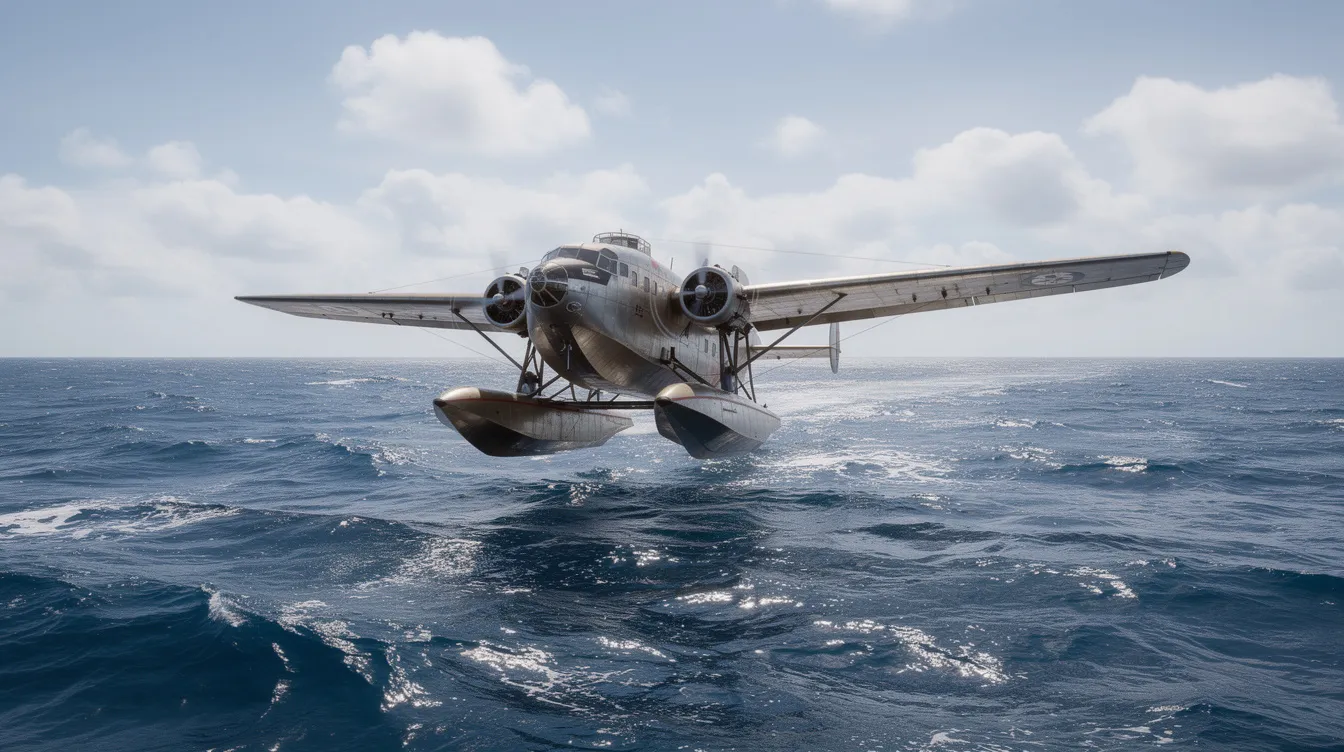
Modern Uses of Seaplanes: From Alaska Seaplanes to Urban Harbors
Today, seaplanes occupy a premium niche where they remain irreplaceable: lifeline transport for remote communities and immersive access for luxury travelers. Seaplanes are used in remote areas like Alaska and Canada, where road networks end, and water becomes the highway.
Alaska alone has 104 recognized seaplane bases, more than any other U.S. state. Alaska seaplane flights take under an hour from Juneau to reach Inside Passage communities where ferries may run only a few times per month and boat journeys can consume an entire day. Seaplanes are often used in remote areas with many lakes, and Alaska's geography - over 250 communities accessible only by air - makes this fleet indispensable.
In the Pacific Northwest, operators fly scheduled service from Seattle's Lake Union and Vancouver Harbour to island communities like the San Juans, Victoria, Nanaimo, and seasonal routes to Tofino. Seaplanes can land directly in city centers, avoiding distant airport commutes - a business traveler can arrive at a downtown harbor and be in a meeting within minutes.
Seaplane operators also offer services between islands in the Caribbean, extending the reach of private aviation to archipelago destinations. Seaplanes require specialized docking infrastructure despite not needing runways, but waterfront terminals in cities like Vancouver and Seattle keep ground transfers to a minimum. These scheduled and charter services interface seamlessly with BlackJet's private jet network, serving as the connector between regional airports and water-only destinations.
Case Study: Isle Royale Seaplanes & Isle Royale National Park Access
Isle Royale National Park sits in the middle of Lake Superior - a remote island wilderness with no roads, no bridges, and limited access. The park is open to visitors from roughly mid-May through mid-September, and reaching it requires either a multi-hour ferry crossing or a seaplane.
Isle Royale Seaplanes operates from mid-May to mid-September as the sole air concessionaire, providing direct flights to key drop-off points like Windigo and Rock Harbor. What might take four to six hours by ferry - plus road transfers from cities like Houghton or Copper Harbor - can be condensed to a short flight departing from Houghton County Memorial Airport.
Here is a sample trip: a BlackJet member flies privately into the Upper Peninsula of Michigan, arrives at the local FBO, can pick up any staged bags there, and then transfers to a same-day seaplane departure to Rock Harbor for a three-day hiking and fishing adventure. The visit requires advance planning - reservations for seaplane seats and park entrance fees should be completed online prior to departure, and a self-check-in permit is required upon arrival at Rock Harbor or Windigo.
Seasonal schedules and inclement weather can shift departure windows, so building buffer days into your plan is essential. But pairing a jet card with Isle Royale seaplanes access gives affluent travelers full control over timing, weather buffers, and multi-leg expeditions across the Great Lakes - a lifetime experience few folks ever get to enjoy.

The Seaplane Pilot: Skill, Training, Seaplane Pilots & Bush Flying Expertise
Seaplane pilots are a breed apart. They combine conventional flight training with a degree of water operations expertise that demands reading wind, waves, and weather in ways land-based aviators rarely encounter. Seaplane operations require extensive pilot training for safety - there are no runway lights, no control towers, and no paved surfaces to forgive a miscalculation.
The typical path begins with earning a private or commercial pilot license, then adding a single-engine sea (SES) rating through Part 61 or Part 135 flight schools or specialized training centers in regions like Minnesota, British Columbia, and Alaska, all within the framework of rigorous private jet and seaplane safety standards. The practical test covers water taxiing, docking, glassy-water landings, confined-area takeoff, and anchoring - skills that cannot be simulated on land.
Seaplane pilots associations, some founded in the early 1970s, advocate for water flying, publish resources like Water Flying magazine, and support safety and environmental best practices. These communities help pilots stay current on evolving regulations and share hard-won operational knowledge from bush flying in Alaska and northern Canada.
BlackJet works only with vetted seaplane operators whose pilots meet or exceed commercial and insurance standards, similar to the criteria it applies when arranging large-cabin private jets for 20 passengers. Every person who sits in the left seat of a partner floatplane has been held to the same rigorous screening that defines the BlackJet Certified standard.
Safety First: Weather, Weight Limits & Operational Realities
Water flying is highly regulated and remarkably safe when operated by experienced pilots and maintained aircraft. But seaplanes are more exposed to weather and weight variables than large cabin jets, and understanding those realities is part of traveling smart.
Seaplanes operate primarily in calm water conditions, and for some routes a semi-private solution may be more appropriate, especially if you prefer to buy a single seat on a private jet rather than chartering the entire aircraft. They can only take off and land on water with little wave action, and seaplanes cannot land in rough water or windy conditions that affect wheeled planes differently. In southeast Alaska and over Lake Superior, fog, low ceilings, and gusty winds are common - particularly in june and early July. Weather delays can stretch over multiple days for seaplane flights, which means flexibility is not optional; it is required.
Typical baggage limitations on small floatplanes range from 50 to 70 lbs pp, with very limited carry-on space. Strict weight and balance calculations are critical for safe takeoff from short lakes or confined harbors. Every pound matters when the aircraft must accelerate across water to reach flying speed.
Practical tips for seaplane travel:
Build one or two buffer days into your itinerary so weather does not leave you missing a connection
Pack soft-sided bags - rigid cases often will not fit in a floatplane's cargo compartment
Separate essentials (medication, documents, a change of clothes) from checked gear
Use onshore storage at FBOs or lodges when available
BlackJet's safety protocols extend to every segment of a coordinated trip, aligning with the same best practices outlined when evaluating the best jet cards for frequent flyers or comparing NetJets jet card cost and inclusions. Flight support teams proactively monitor weather, coordinate with seaplane partners in real time, and activate contingency plans - whether that means rebooking a jet leg or arranging an extra overnight at a nearby lodge.
Seaplanes + Jet Cards: Designing Seamless Multi-Leg Journeys
BlackJet's core customer is a frequent traveler using a 25-hour or 50-hour jet card informed by a clear understanding of jet card cost and membership value and broader jet card pricing frameworks who expects frictionless access to both major hubs and remote waterfronts. Jet cards provide prepaid hourly access to specific cabin classes - light, midsize, super-mid, large cabin - while seaplanes handle the short final segment under charter or scheduled service, all governed by transparent jet card pricing structures and benefits.
Here are three concrete trip scenarios that illustrate how these pieces fit together:
New York → Alaska fishing lodge. A member flies by private jet to Juneau, then boards a floatplane for a 45-minute hop to a fly-in salmon fishing lodge on an Inside Passage inlet. The jet card covers the long-haul leg; the seaplane charter is coordinated by BlackJet's concierge team and offered as a packaged add-on.
Chicago → Isle Royale National Park. A family flies privately to Michigan's Upper Peninsula, then transfers to a same-day seaplane into Rock Harbor for a multi-day hiking trip. The seaplane seat is booked separately, but BlackJet aligns departure windows so the private jet arrive time feeds directly into the seaplane schedule.
Vancouver → British Columbia eco-lodge. An investor uses a short private jet hop from Vancouver International to a coastal airstrip, then a floatplane to reach a remote lodge accessible only by air or water - an end-to-end plan that saves a full day versus commercial options.
BlackJet's 24/7 flight support team coordinates arrival and departure windows, ground transfers between FBOs and seaplane docks, and contingency plans for weather or schedule changes as part of its broader premium private jet card programs, whether you are flying light jets for quick hops or the largest private jets for transoceanic travel. The strategic advantage is clear: maximum control over timing, the ability to explore multiple locations on one trip, and freedom from the compromises of commercial schedules and ferry timetables, while still preserving flexibility through options like affordable private plane rideshare services.

Sustainability & Seaplanes: Carbon-Neutral Adventure
High-net-worth travelers increasingly demand low-impact ways to access wild places, and the conversation around sustainability in private aviation is no longer optional - it is a baseline expectation.
While small piston and turboprop seaplanes still emit carbon, their short sectors and efficient point-to-point routing often reduce overall emissions compared with complex itineraries involving multiple commercial legs and long surface transfers. A direct floatplane hop that replaces a ferry ride, a rental car drive, and a regional airline connection can actually lower the trip's total carbon footprint.
BlackJet's carbon-neutral commitment ensures all jet flights are offset through verified environmental projects at no extra charge to the member, complementing the broader economics outlined in its guide to the private jet price list and access options and to the most affordable private jet options for new flyers. The brand encourages or arranges offsets for connecting seaplane segments as part of a unified trip, so the entire journey remains responsible.
Emerging technology is exciting, and membership innovations such as unlimited private jet flight programs mirror the push toward more flexible access models across the industry. Companies like NOEMI Aerospace in Norway are building fully electric amphibious aircraft targeting roughly 200 km of range with nine-passenger capacity, aiming to serve coastal and fjord communities with near-zero emissions. These innovations remain early-scale, but certification and real-world operations are projected for the early 2030s.
Responsible adventure also means supporting operators who follow invasive species protocols, noise abatement procedures, and wildlife disturbance guidelines - particularly in sensitive ecosystems like Isle Royale National Park.
Planning Your Own Seaplane-Enhanced Itinerary
Imagine your next trip: a private jet whisks you to the edge of the continent, and a floatplane carries you the final mile to a place most people only see in photographs. Making that a reality takes a few deliberate planning steps.
Step 1: Choose your destination type. National park (Isle Royale, Glacier Bay), fishing or heli-ski lodge, remote island resort, or a coastal city with a seaplane harbor - each has different seasonal windows and operating requirements.
Step 2: Confirm timing and weather patterns. Fog seasons in Alaska, summer-only access at Isle Royale (mid-May through September), monsoon windows in the Caribbean - knowing when to book is as important as knowing where to book.
Step 3: Align your jet card hours. Match your BlackJet aircraft size and cabin class to your group size and luggage, then layer on the seaplane legs. Contact BlackJet's flight support team early to vet seaplane operators, synchronize schedules, and pre-arrange transfers between FBOs and nearby docks.
Step 4: Build a movement plan. A one-page document covering departure times, alternative routes, overnight options if weather holds the seaplane, and park or permit requirements - like self-check-in at Rock Harbor or Windigo - keeps the entire party aligned.
Treat the seaplane segment not just as transportation but as a scenic experience, much like time spent aboard one of the largest private jets designed for long-range luxury travel. For many travelers, the floatplane leg - gliding low over glacial lakes, threading between forested islands, touching down on glassy water - becomes the most memorable part of the entire trip.
FAQs: Seaplanes, Private Jets & BlackJet Access
Below are answers to the questions we hear most often from jet card members considering seaplane-connected itineraries.
How far in advance should I book a seaplane add-on to my BlackJet trip?
For peak-season destinations (Alaska in July, Isle Royale in August), plan four to eight weeks ahead. Shoulder seasons offer more flexibility, but early reservations remain wise.
Can I take my full luggage allowance from the jet onto the seaplane?
Usually not. Floatplanes enforce strict weight limits - often 50 to 70 lbs per person. Stage excess gear at the FBO or ship it to your lodge in advance.
What happens if seaplane weather delays my departure?
BlackJet's flight support team monitors conditions and can rebook your jet leg, arrange an extra overnight stay, or search for alternative routing in real time.
Are seaplane flights covered under my jet card hours?
Seaplane segments are typically separate from jet card hours but can be packaged and coordinated through BlackJet so you pay through a single contact point, which is particularly relevant if you are evaluating a 50-hour jet card cost guide and want clarity on what is included.
How safe are seaplanes compared with private jets?
Safety standards for commercial seaplane operators are rigorous, and when comparing providers such as NetJets, it is worth understanding NetJets jet card cost and program structure alongside their safety record. Pilots hold specialized ratings, aircraft undergo frequent inspections, and operators are subject to FAA Part 135 oversight. BlackJet partners only with operators who meet or exceed ARG/US or equivalent audit standards.
Can I book a seaplane directly through the BlackJet platform?
BlackJet's digital tools and concierge team coordinate seaplane legs alongside your jet booking, so a single advisor handles the entire itinerary, whether you hold a smaller card or are considering a 100-hour jet card cost structure for extensive annual flying.
For trip concepts that integrate both jets and seaplanes, speak with a BlackJet advisor - the service is offered to all current and prospective members and is especially valuable if you are comparing jet card cost per hour across aircraft types.
Conclusion: Expanding Your Reach with Water and Wing
Seaplanes turn coastlines, lakes, and islands into accessible destinations. When paired with BlackJet's jet card access, they complete a seamless, fully private journey from your front door to places that remain beyond the reach of commercial aviation.
The benefits are tangible: hours saved over ferries and ground transfers, access to secluded destinations like Isle Royale National Park and Inside Passage communities, and the comfort and privacy of a coordinated, multi-leg itinerary managed by a single team. Safety, certified operators, and carbon-neutral commitments ensure that this freedom of movement is both responsible and reliable.
Whether you are planning a week of salmon fishing in Alaska, a family escape to a Great Lakes wilderness island, or a business retreat at a British Columbia eco-lodge, the combination of private jet and seaplane opens a world that few travelers ever experience, rivaling even the capabilities of a 20 million dollar private jet for global missions or the largest private jets built for 50 passengers.
Discover how BlackJet can design a custom seaplane-enhanced itinerary for your next journey. Explore premium jet access today.


 Sign up with google
 Sign up with Apple


