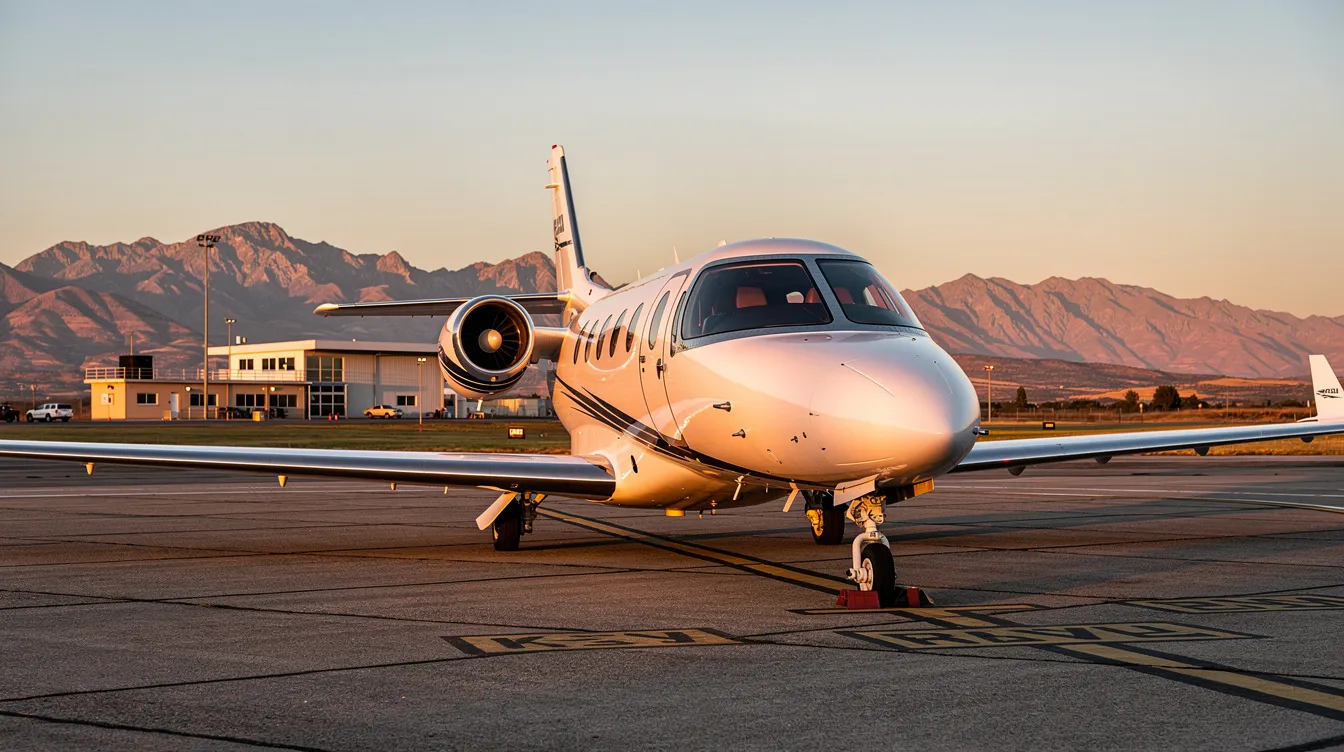
The search for the smallest jet plane for sale is rarely about finding the cheapest plane in the sky. It's about precision-matching aircraft to mission, cost to value, and flexibility to the way you actually travel.
Why the Smallest Private Jets Are a Strategic Advantage (Not Just a Luxury)
For a business executive flying from New York to Chicago, the math is straightforward. A commercial itinerary, ground transport to the hub, security screening, boarding, the flight itself, taxiing, baggage claim, and another ground transfer, consumes four hours on a good day. The same trip aboard a very light jet operating from a regional airport takes roughly ninety minutes door to door. Multiply that gap across dozens of annual trips, and the equation shifts from luxury to an operations strategy centered on travel efficiency and business use.
Owning a small jet offers time savings and personal control over travel that commercial aviation simply cannot replicate. It also allows for last-minute changes in travel plans, a capability that matters enormously when deals close early, meetings shift, or family plans evolve. Very light jets and compact light jets cruise between 300 and 460 mph at altitudes up to 41,000 feet, accessing thousands of smaller airports that airlines ignore entirely.
Yet the conversation around the smallest jet plane for sale isn't only about buying. The real question is whether you can afford ownership, or whether charter or a Jet Card better suits your flight hours, your budget, and the missions you actually fly. For many travelers in the business aviation world, the answer is increasingly clear: prepaid jet access delivers the advantages of a private jet without the capital exposure, depreciation, or management overhead.
BlackJet's Jet Card programs-available in 25-hour and 50-hour blocks-give members fixed-rate access to very light jets, light jets, and larger cabin classes with safety certification, carbon-neutral flights, and 24/7 support built in. No hangar lease. No crew payroll. No surprise maintenance invoices.
What Counts as the "Smallest Jet Plane" Today?
Understanding the category requires clear definitions. The aviation industry draws firm lines between jet classes based on weight, seating, and capability.
Very light jet (VLJ): Any jet aircraft with a maximum certificated takeoff weight at or below 10,000 pounds, certified for single pilot operation. Very light jets typically carry 2-5 passengers. The range of very light jets is between 1,325 nm and 1,610 nm, depending on model and configuration.
Light jet: Slightly larger cabin and payload, often 10,000–17,000 lb MTOW, seating for 5–7 adults, with longer range and greater luggage capacity. Examples include the Cessna Citation CJ3 and Embraer Phenom 300.
Heavy jet: Large-cabin aircraft like the Gulfstream G650 or Bombardier Global 7500, designed for transcontinental and transoceanic missions with 10+ seats and full amenities.
Turboprop distinction: Aircraft like the Pilatus PC-12 offer excellent short-field performance and lower fuel burn, but cruise slower and at lower altitudes than jets.
Among certified jets, the Cirrus Vision Jet SF50 is widely regarded as the smallest modern private jet currently for sale. You can explore the full spectrum of aircraft categories to see how VLJs compare to mid-size and heavy cabin options, or study private jet sizes in more detail to match specific missions.
Meet the Smallest Jet Planes for Sale Right Now
This section profiles the concrete aircraft models most often considered when buyers search for the smallest private jets on the market, whether new or on the used market. Each model represents a different balance of cost, cabin size, range, and technology, and understanding these trade-offs is key to making a sound decision in aircraft sales, especially if you're evaluating small private jets' luxury travel options more broadly.
Cirrus Vision Jet SF50: The Smallest Certified Jet You Can Buy
The Cirrus Vision Jet is the world's first single-engine private jet, certified by the FAA in 2016 and delivered to its first aircraft owners that December. The Cirrus Vision Jet costs approximately $2 million to buy on the pre-owned market, with newer G2+ variants reaching $3.2 million depending on avionics and engine hours.
Key specifications:
Seating: Up to 5 adults + 2 children (7 occupants including pilot)
Cruise speed: 300–345 mph (260–300 KTAS)
Range: Roughly 1,000–1,200 nm, enough for New York to Miami with reserves at light loads
Engine: Single Williams FJ33-5A turbofan
Cockpit: Garmin Perspective Touch+ avionics suite
What sets the Vision Jet apart is its safety architecture. A whole-aircraft parachute system (CAPS) provides a last-resort recovery option unique among jets. Later variants include Safe Return autoland and synthetic vision. Direct operating costs for the Cirrus Vision Jet are under $1,000 per hour, making it one of the most affordable jets to operate.
The typical mission profile suits entrepreneurs, families, and medical or legal professionals who value direct access to smaller airports for regional hops of 1–2.5 hours. The trade-off: a single engine means less redundancy than twins, and the cabin, while comfortable for its class, has limited luggage space, a ceiling height of 4.1 feet, and no full standing room.
Eclipse 500/550: Pioneering the Very Light Jet Category
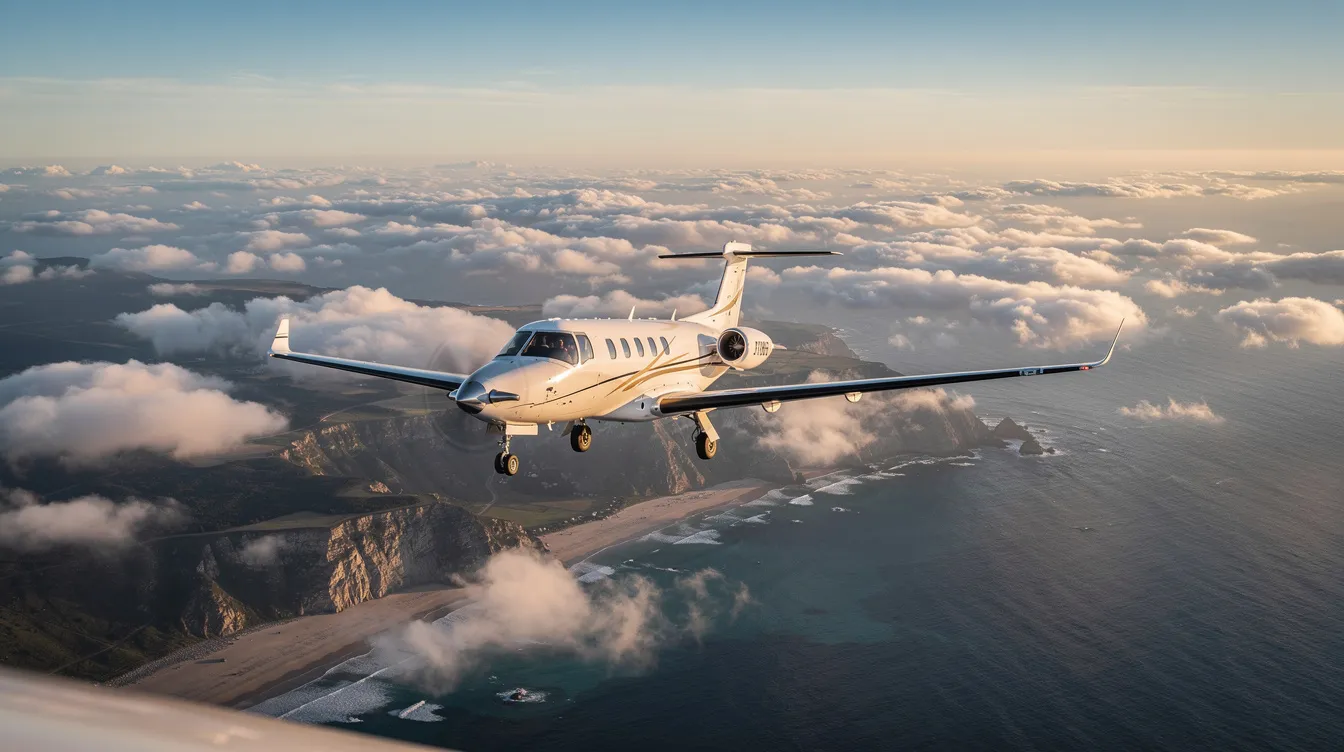
The Eclipse EA500 introduced the very light jet category in 2002, earning its type certificate in 2006 with first deliveries that year. The Eclipse 550, launched in 2013, added upgraded avionics, autothrottle, and enhanced safety systems. Both are powered by twin Pratt & Whitney Canada PW610F turbofan engines.
Key specifications:
Seating: 4 adults comfortably; up to 5–6 in tighter configurations
Cruise speed: 370–410 mph (320–350 KTAS)
Range: Approximately 1,100–1,200 nm
Fuel burn: ~59 gallons per hour-remarkably low for a twin-engine business jet
Pre-owned Eclipse 550s typically fall in the $2–3 million range, while older Eclipse 500 airframes sell for less, though parts and support availability vary. The best-fit mission profile covers short regional business trips-Dallas to Denver, Los Angeles to Seattle-with 2–3 passengers and minimal luggage. Buyers should note that production volumes were modest (roughly 35 Eclipse 550s produced through 2023), which affects maintenance and support compared to major manufacturers like Cessna or Embraer.
Citation Mustang, Phenom 100, and Other Compact Light Jets
Some buyers researching the smallest jet plane for sale ultimately move to slightly larger compact light jets that offer more cabin volume, baggage capacity, and creature comforts while staying firmly in the light jet class.
Cessna Citation Mustang (Cessna 510):
Seats four passengers + single pilot; up to 5 in some layouts
Range: ~1,050 nm NBAA IFR
Cruise: ~340 knots
Pre-owned purchase price: roughly $1.5–2.5M for well-maintained examples
Strengths: reliable Pratt & Whitney engines, Garmin G1000 avionics, simple systems, strong Cessna service network
Embraer Phenom 100/100E/100EV:
The Embraer Phenom 100 can accommodate four passengers comfortably, with a slightly more spacious cabin than the Cessna Citation Mustang
Range: ~1,050–1,200 nm
Cruise: ~385–390 knots
Pre-owned: $2–4M depending on variant
Private lavatories are common in small jets like the Phenom 100, adding comfort for longer legs
HondaJet HA-420/Elite:
Unique over-the-wing engine mounts reduce cabin noise and improve efficiency
Cruise speed: ~440 mph, among the fastest in the light jet class
The HondaJet has a maximum range of 1,437 nautical miles
The HondaJet has a maximum altitude of 28,000 feet
Pre-owned: ~$4–5M; newer Honda variants command premium pricing
The interior is notably quiet, and the galley and lavatory deliver the refinement buyers expected from a jet this size
Although larger than the Vision Jet, these aircraft remain in the best small private aircraft conversation, especially for buyers who need to carry more luggage, fly longer legs, or simply want to relax in a roomier cabin.
Cost to Own the Smallest Jet Planes vs BlackJet Access
Here is where the numbers matter most. The typical acquisition cost for small jets ranges from $2 million to $8 million, depending on whether you're buying a used VLJ or a new compact light jet. Very light jets typically range from $1.5 to $3.5 million on the pre-owned market. Add annual fixed costs that can exceed $200,000 per year, regardless of how much you fly, and the financial picture grows complex quickly, especially in markets with unique dynamics like India, where understanding private jet prices in rupees becomes critical.
High financial costs include fuel, maintenance, insurance, and crew salaries. The high operating costs of private jets depend on inspections and landing fees. And every plane you park in a hangar is a depreciating asset. Private jets are depreciating assets that lose value over time, with VLJs sometimes losing 30–40% over five years due to technology obsolescence and shifting demand—another reason some travelers prefer on-demand options like chartering a small plane or renting a private jet for specific trips instead of buying.
Typical Ownership Numbers for Very Light Jets
Here are representative figures that a CFO or financial adviser can scan quickly; pairing these with a clear view of jet card cost per hour helps benchmark ownership against prepaid access:
Cost Category | VLJ (Vision Jet, Eclipse 550) | Light Jet (Mustang, Phenom 100) |
|---|
Purchase price (pre-owned) | $1.5–3.5M | $2–4M |
Annual fixed costs (hangar, insurance, maintenance) | $150,000–$250,000 | $200,000–$300,000 |
Variable costs per flight hour | $950–$1,500 | $1,400–$1,900 |
Hourly operation costs (all-in for VLJs) | $1,700–$2,200 | Higher |
Annual fixed costs for midsize jets (for comparison) | N/A | $800,000–$1.2 million |
Very light jets typically cost between $2 million and $6 million when purchased new. Very light jets have low operating costs, under $1,000 per hour on a pure variable basis, but once fixed costs are spread across modest annual hours, the effective per-hour expense climbs sharply. Maintenance of private jets requires careful scheduling and management, and even routine inspections can ground an aircraft for weeks, which is why many buyers also research the cheapest private aircraft and budget-friendly options before committing to ownership.
For a deeper breakdown of these numbers, see our guide to understanding the private jet price list and our explainer on private jet charter pricing fundamentals.
Why Many Flyers Choose Jet Cards Over Buying the Smallest Jet
The business logic is clear: for most travelers flying under 100–150 hours per year, a Jet Card delivers a lower fully-loaded cost per hour than outright ownership, and understanding jet card pricing structures and benefits is essential before deciding how to buy your hours.
Consider a five-year scenario for a client flying 50 hours annually, where a 50-hour jet card cost breakdown becomes a useful benchmark:
Ownership (Vision Jet): ~$3M capital tied up, ~$260,000/year in operating and fixed costs, plus depreciation loss of $1.2–1.5M at resale. Effective cost: north of $10,000 per flight hour—figures that contrast sharply with a 100-hour jet card cost model for heavier users.
BlackJet Jet Card (50-hour block): $5,484/hr base rate, inclusive of fuel surcharges and federal taxes. Total annual cost: ~$274,200. No capital at risk, no depreciation, no hangar, no crew expense.
BlackJet's Jet Card locks in transparent hourly rates across aircraft classes, from very light jets to heavy jets, with no surprise repositioning fees on standard trips, aligning with what many travelers look for in the best jet cards for frequent flyers. Members can book a compact jet for a two-hour regional hop, then upgrade to a mid-size or heavy jet for a transcontinental flight without managing multiple aircraft. Every flight is carbon neutral at no extra cost, and all partner operators meet stringent safety and maintenance standards.
The Jet Card sits at the sweet spot between full ownership (maximum control, maximum cost) and on-demand charter (flexible but unpredictable pricing). For a detailed comparison, explore our jet card vs fractional ownership analysis, and see how this stacks up against NetJets jet card cost structures if you're weighing different providers.
Mission Profiles: When the Smallest Private Jets Make the Most Sense
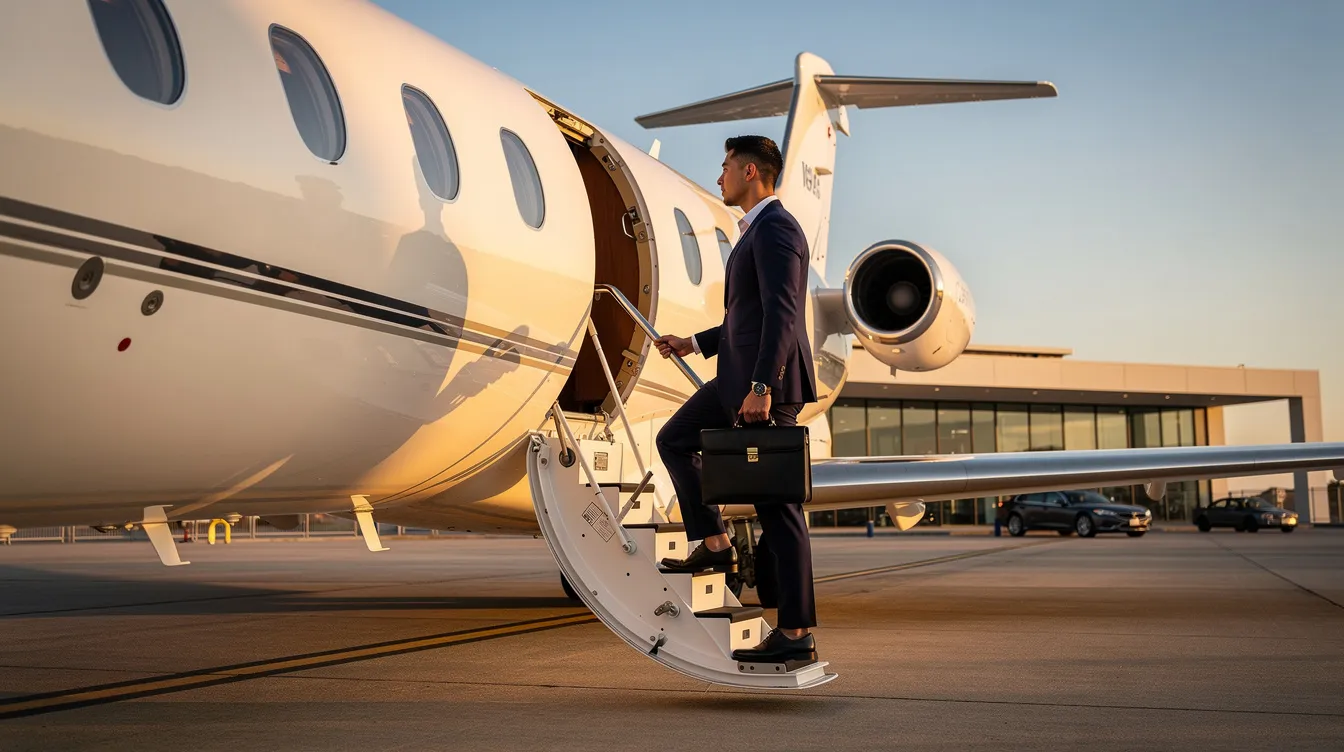
Mission profile-the combination of range, payload, runway length, and trip frequency-matters more than the aircraft's price tag. The smallest private jets excel in specific scenarios and fall short in others. Understanding where they fit is essential, just as grasping how much it costs to charter a small plane clarifies when on-demand charter beats ownership or membership.
Optimal VLJ missions:
Legs of 300–800 nm with 2–4 passengers
Business day trips requiring multiple stops
Weekend family getaways to regional destinations
Routes accessing airports that commercial carriers don't serve
Best city pairs for the smallest jets: Los Angeles to Napa, New York to Nantucket, Dallas to Santa Fe, and similar regional corridors where direct airport access eliminates hours of ground transfer—routes that also showcase the fundamentals of private jet charter pricing when comparing different access models.
When to step up: Missions like New York to London or Dubai to Geneva demand a super-mid or heavy jet. BlackJet seamlessly shifts aircraft types via its membership model, one card, every cabin class.
Business Use Cases for Very Light Jets
A private equity partner managing portfolio companies across Texas, Oklahoma, and Colorado can visit three sites in a single day using a VLJ operating from secondary airports minutes from each facility. Owning a small jet provides a private and quiet environment for confidential calls and focused work between stops, an advantage that commercial business class cannot match.
Example: A CEO departs York (Teterboro) at 7:00 AM, lands in Pittsburgh at 8:15, completes business meetings by 10:30, flies to Cleveland for a noon lunch, and returns to Teterboro by 4:00 PM. The same itinerary commercially would require two overnights. BlackJet members use the company's digital booking tools to schedule these hops in minutes, with aviation specialists available around the clock to recommend matching aircraft to each leg's requirements.
Leisure and Family Missions in the Smallest Jets
Families flying to a ski weekend, a beach house, or a college visit within 1–2 hours' flight time find VLJs perfectly suited to the trip. Seats accommodate 2–4 adults and children comfortably, though luggage planning matters-expect to carry two to three bags per passenger, with ski gear or strollers requiring careful coordination; understanding how much it costs to rent a private jet helps families budget these getaways realistically.
The privacy and flexibility benefits stand out for families with young children or pets. Smaller airports mean faster boarding, no security lines, and the ability to park steps from the aircraft. BlackJet can match members to the right aircraft size-a Vision Jet for a couple's weekend, a compact light jet for a family of four with gear-ensuring the plane fits the mission, not the other way around. For travelers who occasionally need larger cabins, such as corporate teams or extended families, it may be more efficient to charter a 12-seater private jet or even charter a small plane on demand. For more on light jet charter options, explore our detailed guide.
Safety, Technology, and Sustainability in the Smallest Private Jets
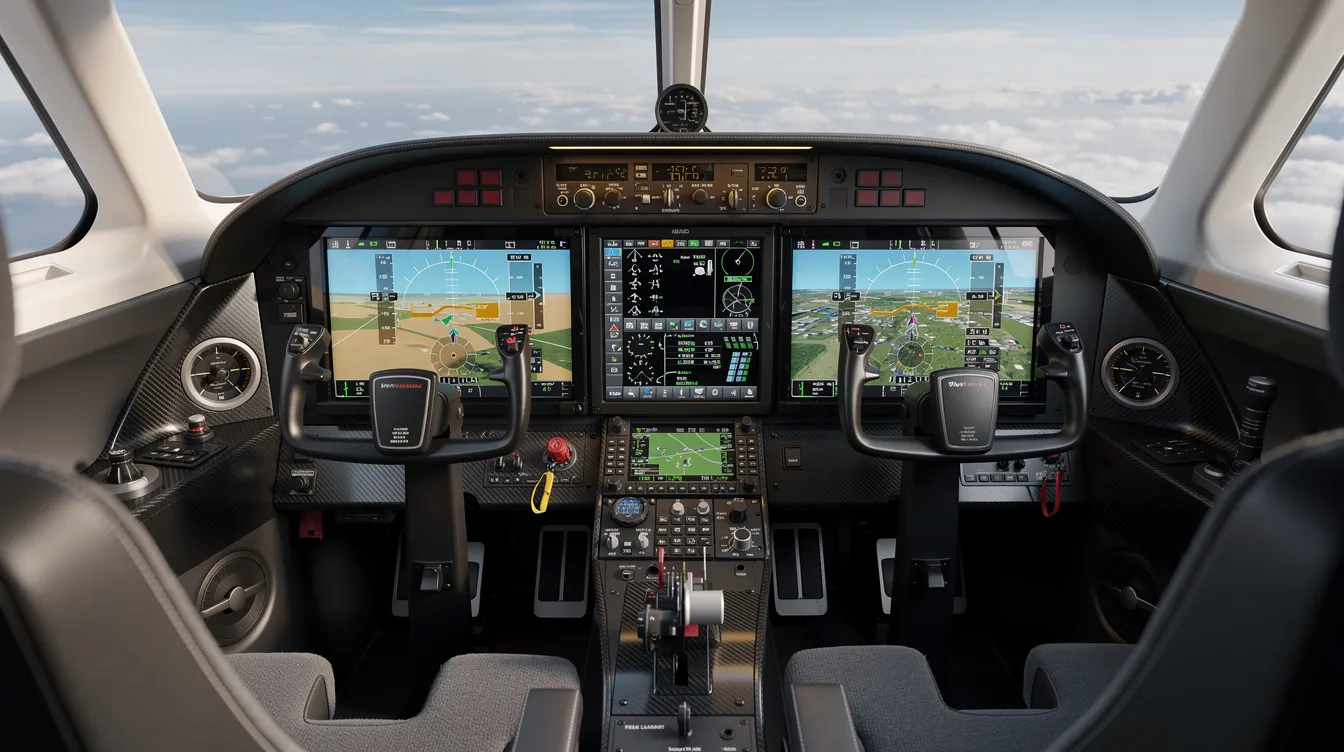
Size does not mean compromise. Every VLJ and compact light jet must meet the same stringent FAA Part 23 certification standards as larger aircraft. Private jets often feature advanced avionics for high situational awareness, including Garmin G3000 and Perspective Touch+ systems with synthetic vision, FADEC engine controls, and enhanced monitoring.
Specific innovations like the Cirrus whole-aircraft parachute and Safe Return autoland supplement, but never replace, professional piloting and rigorous maintenance programs. BlackJet partners exclusively with operators that meet top third-party audits such as ARGUS, Wyvern, and IS-BAO, plus BlackJet's own internal certification criteria.
On sustainability: VLJs burn less fuel per hour than any other jet class. A Vision Jet consumes roughly 50 gallons per hour compared to 200+ for a mid-size jet. BlackJet amplifies this efficiency by including carbon-neutral flights as standard through vetted offset and sustainable aviation fuel initiatives, while also highlighting the cheapest private jet options for cost-conscious travelers who still prioritize sustainability.
How BlackJet Uses Technology to Simplify Access
BlackJet's digital platform lets members request flights, view live pricing, and confirm aircraft type, safety credentials, and trip details before booking. A 24/7 team of aviation specialists advises whether a very light jet or a larger light jet is the better fit for a given leg, using data on load, stage length, and weather to recommend the most efficient option—and for travelers focused on flexibility, the BlackJet 25+ Hour Jet Card extends these benefits across mid, super-mid, and large-cabin aircraft. The result: the smallest private jets, paired with smart technology, create a seamless, high-control travel experience that rivals the convenience of having your own plane on the ramp.
Smallest Jet Plane for Sale: FAQs and How BlackJet Fits In
Which is the smallest private jet you can buy today?
The Cirrus Vision Jet SF50 is the smallest certified jet currently for sale, with a single engine, seats for up to seven occupants, and a purchase price starting around $2 million pre-owned—though travelers moving up to larger groups may instead compare the best private jet for 20 passengers or even bigger cabins.
What does a very light jet cost per hour to operate?
Variable costs for VLJs run under $1,000 per hour, but hourly operation costs for very light jets range from $1,700 to $2,200 when fixed costs are amortized. Variable costs for light jets are $1,400 to $1,900 per flight hour; for comparison, large-group charters on private jets for up to 50 passengers follow a very different cost profile.
How do Jet Cards compare to outright ownership?
For travelers flying under 100–150 hours per year, Jet Cards typically deliver lower effective costs than ownership. No capital risk, no depreciation, no crew management, and ample room to compare options like Flexjet jet card pricing and benefits against BlackJet's own programs.
Does BlackJet sell aircraft?
No. BlackJet delivers curated access to a network of very light jets, light jets, and larger cabins via Jet Cards and on-demand charter, without the burden of ownership.
Are small jets as safe as big jets?
Yes. VLJs meet identical regulatory certification standards. Modern avionics, redundant systems, and programs like CAPS and autoland enhance safety further. BlackJet's operator vetting adds another layer of assurance.
Can my flights be carbon neutral?
Every BlackJet flight is carbon neutral at no additional cost. The company offsets emissions through vetted programs and supports sustainable aviation fuel adoption across its operator network.
What minimum annual hours make ownership more affordable than a Jet Card?
Typically 100–150 hours per year, depending on fixed costs, resale outlook, and whether you fly as an owner-pilot or employ crew.
The smallest private jets represent a philosophy of travel: precise, efficient, and entirely on your terms. Whether you're evaluating an affordable aircraft for purchase or exploring prepaid access that eliminates the complexity of ownership, the right choice depends on your mission profile, not marketing.
Discover how BlackJet's Jet Card programs can reshape the way you fly. Request a personalized mission profile analysis from our aviation specialists and find the aircraft class that fits your world.
Conclusion: Elevate Your Travel with the Smallest Jet Plane for Sale
Choosing the smallest jet plane for sale is more than a purchase—it’s a strategic investment in time, flexibility, and efficiency. Very light jets offer a unique blend of affordability, performance, and convenience, enabling travelers to access regional destinations swiftly while enjoying the privacy and safety of private aviation. Whether you decide to own a VLJ or opt for BlackJet’s Jet Card programs, which provide seamless access without the complexities of ownership, the key is aligning your aircraft choice with your mission profile.
At BlackJet, we understand that the smallest jets are not just about size—they represent a new era of private jet access that prioritizes sustainability, advanced technology, and uncompromising safety. Our curated network and digital platform empower discerning travelers to elevate their journeys effortlessly.
Discover how the smallest jet plane for sale can transform your travel experience. Explore BlackJet’s Jet Card membership today and unlock premier private aviation tailored precisely to your needs.


 Sign up with google
 Sign up with Apple