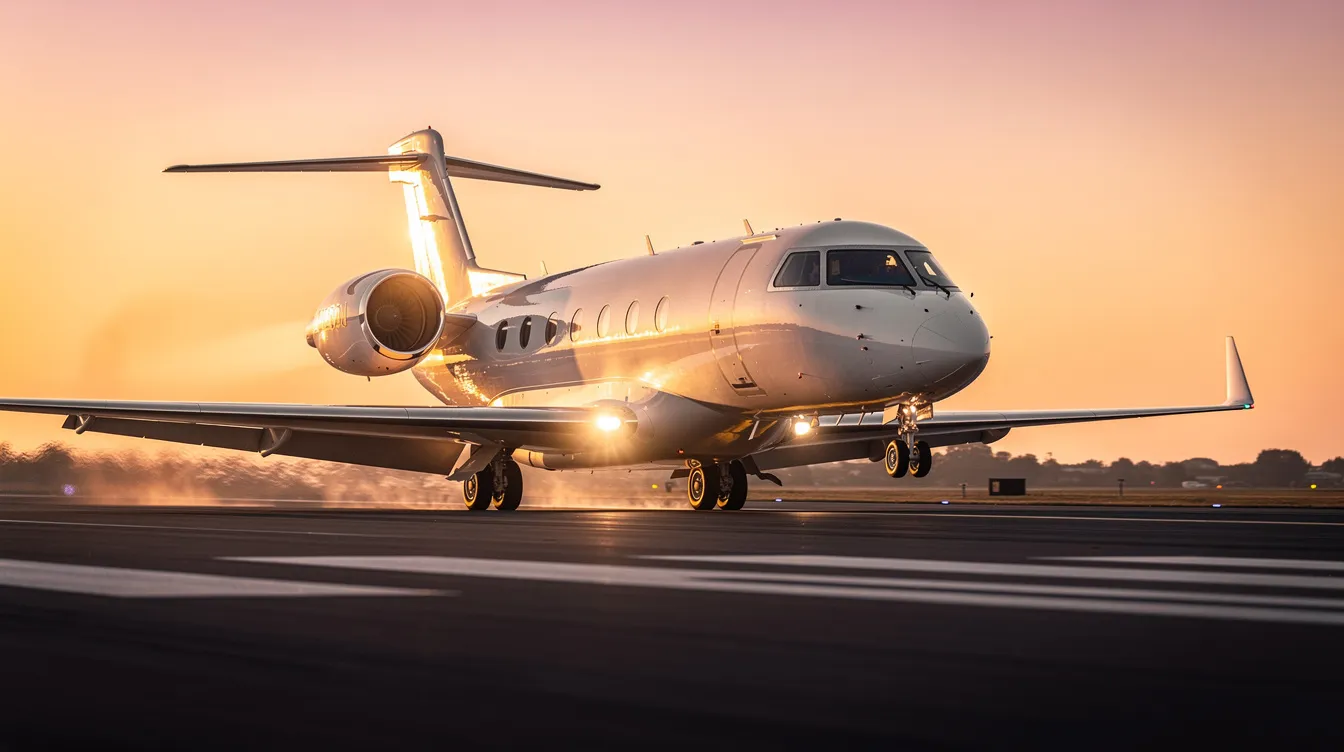
Every flight begins with a deceptively simple question: how fast does an airplane need to go before it leaves the ground? The answer involves far more than a single number. From the physics of lift to the regulatory framework that governs every departure, understanding the speed to takeoff reveals the precision engineering and safety discipline behind modern aviation-especially in private jet operations.
Speed to Takeoff: Quick Answer for Private Jet Travelers
Takeoff speed isn't a universal constant. It shifts with every flight based on the aircraft's weight, runway length, weather conditions, and dozens of other factors. Takeoff speeds typically range from 55 to 180 knots depending on aircraft size and weight, and takeoff speeds vary based on aircraft design and operational factors.
For most private jets, "speed to takeoff" refers to the rotation speed-the indicated airspeed at which the pilot begins to raise the aircraft nose and transition from ground roll to flight. Typical private jets rotate between roughly 120 and 160 knots indicated airspeed (about 140–185 mph). Here's how that compares across categories:
Cessna Citation CJ4 (light-midsize business jet): V1 around 100–104 knots, rotation speed approximately 102–104 knots, V2 near 115–117 knots at maximum takeoff weight, sea level, flaps 15°.
Gulfstream G650 (large-cabin, ultra-long-range jet): V2 revised to approximately 150 knots; rotation speed slightly lower depending on load and configuration.
Airbus A320 (commercial jet): V1 typically 125–150 knots, Vr around 130–155 knots, V2 in the 135–160 knot range.
F-16 Fighting Falcon (military aircraft): Rotation speed varies from roughly 150 to 200 knots depending on weight (32,000–44,000 lbs).
With BlackJet's curated fleet and performance planning, these critical speeds are calculated fresh before every departure, ensuring safety margins remain optimized regardless of airport or conditions.
Key Factors That Determine Speed to Takeoff
No two departures are identical. The proper speed for takeoff on any given flight emerges from a calculation that accounts for the aircraft, the environment, and the mission. Here are the key factors that drive those numbers.
Aircraft weight significantly influences required takeoff speed. Every additional pound of fuel, passengers, or baggage raises the stall speed, which in turn raises the minimum speed needed to generate enough lift. A heavier aircraft requires a longer takeoff roll and higher rotation speed to safely leave the runway. Weight also influences the speed needed for takeoff in terms of climb performance after liftoff.
Engine thrust determines how quickly an airplane accelerates to the speed required for rotation. More powerful jet engines on modern business jets and military jets allow reaching the necessary speed faster, even under challenging conditions. Reduced thrust settings-used for noise abatement or engine longevity-increase the ground distance needed.
Environmental factors play a major role. Higher temperatures reduce air density, increasing takeoff speed requirements. Wind direction can alter the necessary speed for takeoff in terms of ground roll: headwinds shorten it, tailwinds extend it. Runway surface conditions affect aircraft acceleration during takeoff-wet, icy, or contaminated surfaces reduce traction and braking effectiveness. Runway conditions like surface and slope also impact acceleration to takeoff speed.
Runway distance is critical for achieving necessary takeoff speeds safely. A shorter runway at a regional airport demands tighter performance calculations than a long commercial strip.
Pilots rely on the airspeed indicator rather than GPS ground speed to determine when to rotate. Indicated airspeed reflects the aerodynamic reality-how much air is flowing over the wings-while ground speed can be misleading due to wind. Performance software used by BlackJet's partner operators integrates all these variables to compute the correct speed for each leg.
V1, Vr, and V2: The Critical Takeoff Speeds
Modern jets don't operate on a single "takeoff speed." Instead, every departure is structured around a trio of V speeds that form the backbone of safe operations.
V1 is the critical engine failure recognition speed-the takeoff decision speed at which the crew must fully commit to fly or initiate a rejected takeoff and stop on the remaining runway. If an engine fails before V1, there is enough runway to brake safely. After V1, the aircraft must continue. Takeoff decision speed is crucial for determining safe takeoff performance, and it shifts with runway length, the aircraft's weight, engine thrust, flap settings, and weather conditions.
Vr is the rotation speed, the moment the pilot begins to pull back on the controls to raise the aircraft nose to takeoff attitude. Vr is set slightly below the actual lift-off speed to account for the pitch-up transition. Rotating too early risks a tail strike or sluggish departure; too late wastes runway. For a CJ4 at sea level and maximum takeoff weight with flaps 15°, Vr is approximately 102–104 knots.
V2 is the safety takeoff speed ensuring climb after engine failure. It guarantees enough climb performance-including obstacle clearance-even with one engine inoperative. The Federal Aviation Administration and EASA mandate that V2 be achieved by 35 feet above the runway.
Professional crews flying BlackJet members compute and brief these speeds before every departure, including from shorter runways at secondary airports, while clients can reference private jet price lists and cost options to align performance capabilities with budget and mission needs.
From Runway to Sky: Rotation Speed, Ground Speed, and Lift
The transition from rolling on concrete to climbing through the sky happens in seconds but involves precise aerodynamics.
Lift is generated when air flows over airplane wings, creating an upward force due to differential pressure between the upper and lower surfaces. At rotation speed, the pilot increases the wing's angle of attack, dramatically boosting lift until it exceeds the aircraft's weight. Wing design impacts the lift generated at takeoff speed-swept wings on jets behave differently from the high-lift wings on trainers. Extending flaps increases lift at lower speeds, reducing the required takeoff speed. Commercial airliners with sophisticated leading-edge slats and multi-slotted flaps can rotate at a lower flap speed relative to their weight than business jets with simpler high-lift devices.
Ground speed and indicated airspeed diverge during takeoff. A strong headwind means the aircraft reaches the necessary indicated airspeed at a lower ground speed, because more airflow is already passing over the wings. Headwinds reduce the required ground speed for takeoff. Conversely, a tailwind forces the aircraft to reach more speed over the ground before the airspeed indicator shows rotation speed.
What passengers feel: steady acceleration pressing you gently into the seat, a subtle vibration as the nose wheel lifts, and then a smooth pitch upward as the pilot begins the initial climb. Picture a BlackJet member departing Teterboro for Miami in a super-midsize jet-rotation occurs around 130–140 knots indicated airspeed, roughly 30–40 seconds after brake release, followed by landing gear retraction and a steady climb toward cruising altitude.
Typical Takeoff and Cruising Speeds by Aircraft Type
Different aircraft demand different speeds. Here's how the numbers compare across categories—all figures are approximate and condition-dependent.
<table> <thead> <tr> <th>Aircraft Type</th> <th>Takeoff Speed</th> <th>Cruising Speed</th> </tr> </thead> <tbody> <tr> <td>Light business jet (Cessna Citation CJ4)</td> <td>Rotation speed around 102–104 knots at maximum weight, sea level</td> <td>Approximately 451 knots true airspeed at altitudes up to 45,000 feet (Mach 0.77)</td> </tr> <tr> <td>Large-cabin jet (Gulfstream G650)</td> <td>Rotation speed in the 140–150 knot range under typical loads</td> <td>Near Mach 0.90—over 500 knots true airspeed at FL450</td> </tr> <tr> <td>Commercial narrow-body (Airbus A320)</td> <td>Vr around 130–155 knots</td> <td>Mach 0.78–0.84, roughly <a href="https://flyawaysimulation.com/ask/answers/airbus-a320-take-off-speeds-v1-vr-v2/">450–500 knots</a> true airspeed at FL330–FL410</td> </tr> <tr> <td>Wide-body commercial jet (Boeing 747)</td> <td>Typically takes off at around 160 knots</td> <td>Near Mach 0.85 at higher altitudes</td> </tr> <tr> <td>Military fighter (F-16)</td> <td>Takeoff speeds of 160 to 200+ knots depending on stores and fuel</td> <td>Maximum speed exceeds Mach 2 (well past the speed of sound); sustained cruise is far lower</td> </tr> <tr> <td>Light general aviation (Cessna 172)</td> <td>Takeoff speed is about 55 knots</td> <td>Cruising speed around 100–120 knots</td> </tr> </tbody> </table>
Even the space shuttle, for reference, relied on entirely different physics-rocket propulsion rather than aerodynamic lift from jet engines-underscoring how plane speed at takeoff is fundamentally tied to wing-generated lift. At the other end of the spectrum, small private jets and luxury travel options highlight how compact airframes achieve efficient performance at lower speeds.
How Density Altitude and Weather Change Speed to Takeoff
Density altitude is aviation's invisible adversary. It combines temperature, pressure altitude, and humidity into a single number that tells the airplane how "thin" the air really is. Air density affects required takeoff speed significantly, and conditions that raise density altitude degrade both engine performance and wing efficiency.
Higher altitude and temperature decrease air density, requiring higher takeoff speeds and a longer takeoff roll. Consider the contrast: a midsize jet departing Aspen, Colorado (elevation 7,820 feet) on a hot July afternoon may face density altitude above 10,000 feet, requiring perhaps 5–10% higher true airspeed and substantially more runway than the same aircraft at sea level in San Diego on a mild spring morning. The certain speed needed for safe rotation shifts accordingly.
Wind speed and wind direction matter for ground roll. A 10-knot headwind flowing in the opposite direction of travel can shorten required runway by several hundred feet, because the wings encounter more airflow sooner. Tailwinds do the reverse, demanding enough runway to compensate.
Runway contamination-water, snow, ice-doesn't change the indicated airspeed targets but drastically alters accelerate-stop distance. If a pilot needs to execute a rejected takeoff, braking on a contaminated surface takes far longer, which changes the decision speed calculation.
BlackJet's operations team assesses density altitude, NOTAMs, and real-time weather conditions before authorizing any member's flight. At the planning stage, many members also review comprehensive jet card pricing guides to understand how access costs relate to aircraft performance and routing flexibility. Performance tools ingest current pressure, temperature, and wind data to confirm safe margins-quietly ensuring that other factors like humidity and runway slope are accounted for without any burden on the traveler, while travelers focused on convenience can compare the best jet cards for frequent flyers to match operational rigor with flexible access.
Private Jet Operations: Safe Speeds, Shorter Airports, and BlackJet
Private jet access is more than luxury-it's a strategic advantage for those learning how to buy a seat on a private jet or exploring more structured membership solutions. The ability to depart from airports closer to your origin, using shorter runways, while maintaining rigorous safety standards on every takeoff is what separates premium private aviation from commercial alternatives. For travelers exploring the cheapest private aircraft and budget-friendly options, this is high-speed travel without compromise.
Professional crews flying BlackJet members conduct weight-and-balance checks before every leg. They compute regulatory V-speeds, confirm that the aircraft takes off with adequate margin for the available runway, and apply control inputs calibrated to the specific departure conditions. Every detail-from fuel consumption estimates to obstacle clearance-feeds into the performance calculation, reflecting the rigorous standards described in analyses of private jet safety, risks, and realities.
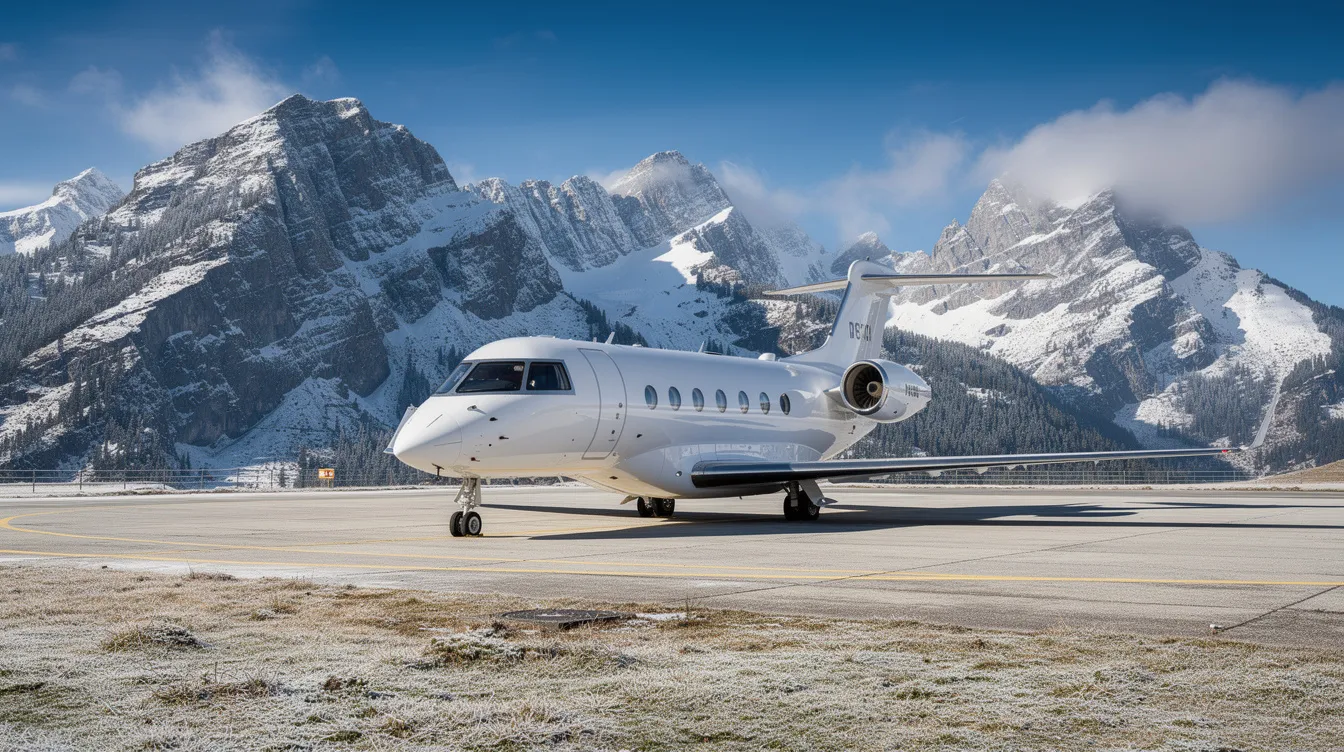
Business jets routinely operate from secondary airports like Teterboro, Van Nuys, and London Farnborough. These fields often feature shorter runways than major hubs, making precise computation of decision speed and rotation speed essential. BlackJet's premium private jet cards and Jet Card programs and Jet Card fleet options span light, midsize, super-midsize, and large-cabin categories, each with different aircraft types and corresponding takeoff performance profiles.
Operators within the BlackJet network meet strict safety certification standards, including third-party audits, comparable to the rigorous oversight found at top private jet companies for luxury travel. Imagine a BlackJet Jet Card member booking a last-minute New York–Chicago trip via the mobile app. Behind the scenes, the operations team selects the optimal aircraft, computes the required field length, verifies weather conditions, and briefs the crew-all before the member arrives at the terminal. Most pilots appreciate working within this kind of system because it removes ambiguity and elevates safety.
From Takeoff to Cruising Speed and Cruising Altitude
The speed to takeoff is only the opening chapter. Once airborne, the aircraft transitions through several phases: acceleration past V2, retraction of landing gear, cleanup of flaps and slats, and a steady climb toward cruising altitude. For larger groups, selecting the best private jet for 20 passengers shapes how these performance phases feel in a spacious cabin at typical private jet cruising altitudes.
A typical private jet climbs to FL350–FL450 (35,000–45,000 feet), where thinner air reduces drag and allows a higher true airspeed at the same indicated airspeed. Cruising speed for modern business jets falls between Mach 0.75 and Mach 0.90, translating to roughly 430–530 knots true airspeed. At these higher altitudes, fuel consumption drops and ride quality improves.
Large-cabin jets like the Gulfstream G650 often match or exceed the cruising speed of a commercial jet. On a New York–London routing, a BlackJet ultra-long-range aircraft might cruise at Mach 0.90 at FL450, arriving faster than a commercial airliner largely because of reduced ground time, direct routing, and the ability to climb above congested airspace. Crews typically fly just below maximum operating speed-respecting the aircraft's structure and MMO limits-to balance efficiency, comfort, and engine wear.
BlackJet's flight support team aligns optimal cruising altitudes and speeds with member preferences, whether the priority is arriving earlier or enjoying an ultra-smooth ride, leveraging the advantages of how high private jets can fly compared to commercial flights.
Speed, Safety, and Technology in Modern Cockpits
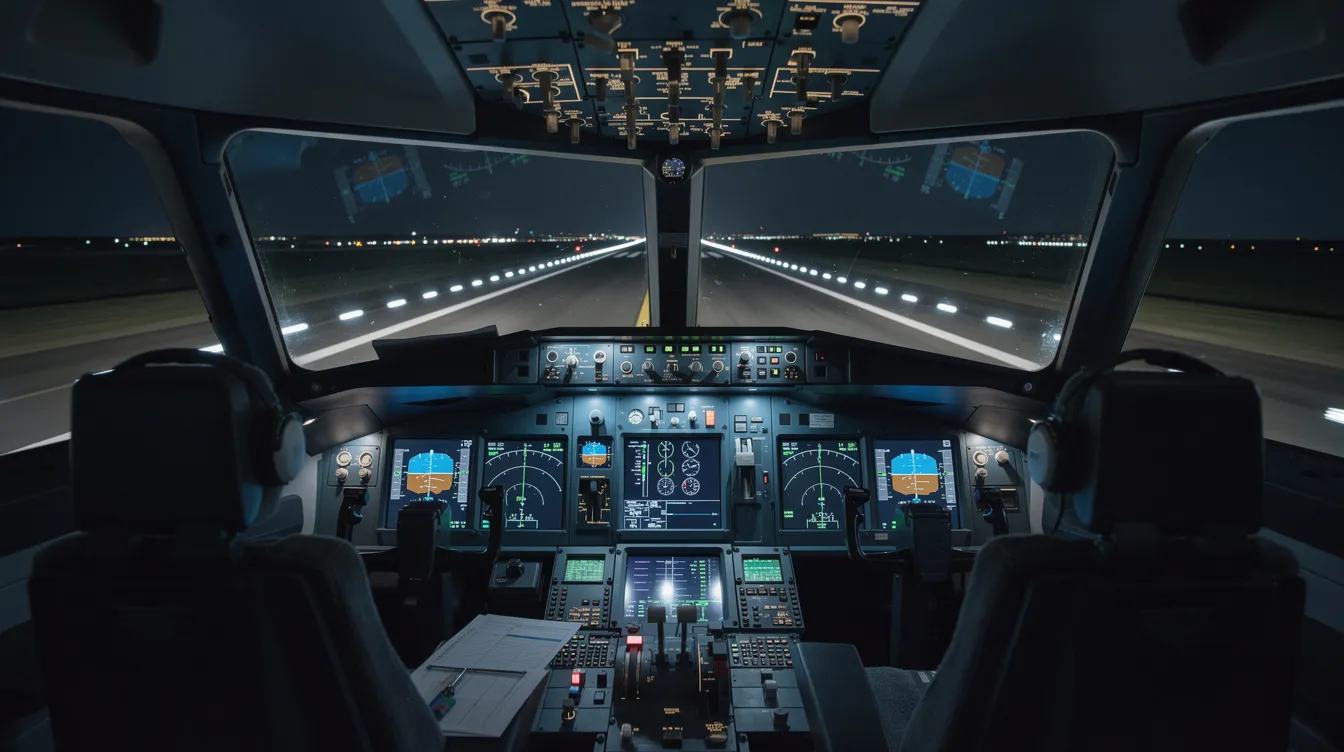
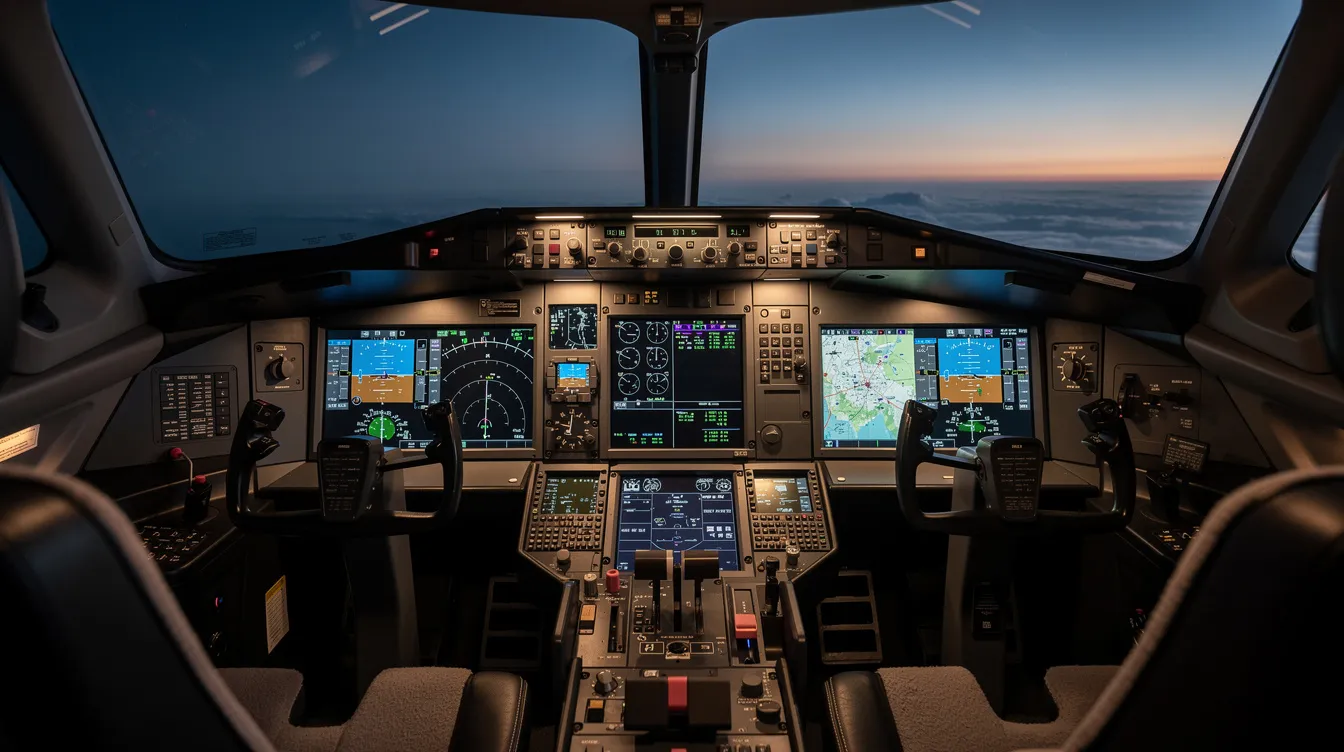
The way pilots determine and monitor plane speed at takeoff has evolved dramatically. Paper charts gave way to Flight Management Systems and electronic flight bags that calculate V1, rotation speed, V2, and climb speeds automatically from real-time inputs: aircraft weight, runway data, environmental factors, and engine performance models.
Air data computers measure static and dynamic pressure to deliver precise indicated airspeed and ground speed readouts. During the takeoff roll and initial climb, these systems provide the crew with continuous confirmation that acceleration is on profile. Pilots cross-check automated outputs against the aircraft's certified documentation-an essential safeguard against overreliance on automation or data-entry errors.
BlackJet partners prioritize aircraft equipped with current-generation avionics. The company's own technology platform integrates with operators to deliver accurate ETAs and routing to members without exposing them to cockpit complexity. On the sustainability front, optimized climb profiles and direct routings reduce environmental impact. Carbon-neutral flights come standard-safety speeds remain unchanged, but everything around them is refined for efficiency.
Frequently Asked Questions About Airplane Takeoff Speeds
How fast does a typical private jet go to take off?
Most private jets rotate between 100 and 160 knots indicated airspeed, depending on size, weight, and conditions. A light jet like the Citation CJ4 rotates near 102–104 knots, while a heavier aircraft like the G650 may rotate closer to 140–150 knots.
Why do pilots talk about V1, Vr, and V2 instead of just "takeoff speed"?
Each speed serves a distinct safety function. V1 marks the last moment to safely climb out or abort. Vr tells the pilot when to rotate. V2 guarantees the aircraft can safely climb even with engine-inoperative conditions. A single number would ignore these layered protections.
Is rotation speed the same as ground speed?
No. Rotation speed is an indicated airspeed-what the instruments show relative to the surrounding air. Ground speed can be higher or lower depending on wind. A strong headwind means a lower ground speed at rotation for the same airspeed indicator reading.
How do commercial jet and military aircraft takeoff speeds compare to private jets?
Commercial airliners typically rotate between 130 and 160 knots. Military jets can require 160 to 200+ knots. Many private jets fall in the 100–150 knot range, reflecting their lighter weight and different mission profiles.
Do carbon-neutral or sustainable aviation practices change speed to takeoff?
No. Safety speeds are dictated by physics and regulation. Green private jet practices focus on fuel efficiency, lighter loads, optimized routing, and carbon offsets-not on altering the critical speeds that protect passengers and crew.
As a BlackJet member, do I need to know these speeds?
Not at all. Crews and operations teams handle every performance calculation. But understanding the basics gives you insight into why certain airports are chosen, why payload may occasionally be limited, and why your flight feels the way it does during departure.
Elevate Your Travel: BlackJet, Jet Cards, and Smarter Speed
While V1, rotation speed, and cruising speed involve complex calculations behind the scenes, BlackJet ensures every variable is expertly managed before you step aboard. Rigorous safety standards, carbon-neutral flights as standard, and advanced technology for seamless booking and real-time flight support form the foundation of every journey.
BlackJet's Jet Card programs-including 25-hour and 50-hour options-offer predictable pricing with access to multiple aircraft categories, each optimized for your mission profile and preferred airports, and can be evaluated alongside broader insights into jet card cost per hour. Whether you need a light jet for a quick regional hop or an ultra-long-range cabin for transatlantic travel, the performance planning, safety margins, and operational precision are built in.
Explore BlackJet's Jet Card programs and discover how private aviation becomes not just a convenience, but a strategic advantage in how you move through the world, especially when you understand jet card costs and private jet membership pricing.


 Sign up with google
 Sign up with Apple