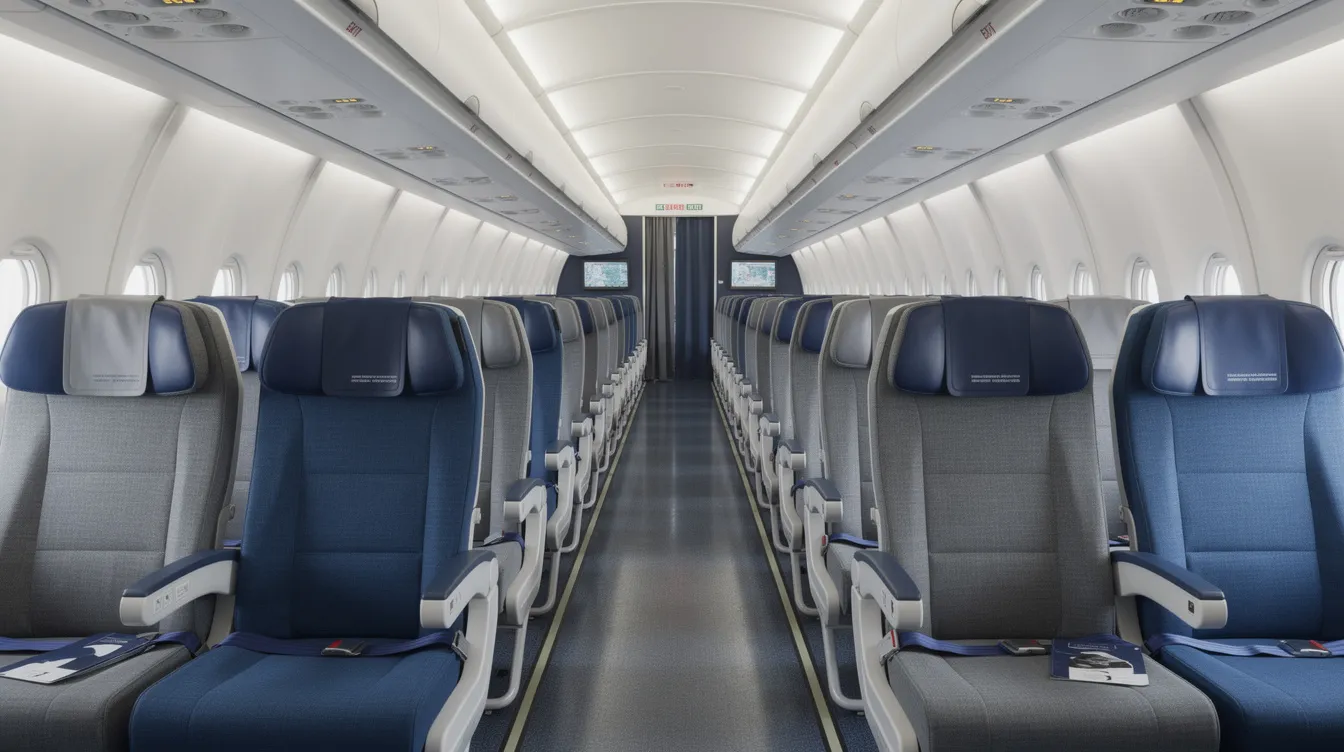
If you fly domestic routes like LAX–IAD, BOS–LAX, or SAN–IAH with any regularity, United Airlines 737-900 first class gives you a 20-seat, 2–2 cabin with recliner-style seats, about 37 inches of pitch, roughly 5 inches of recline, inclusive meals, pre-departure drinks, and priority boarding—but not lie-flat comfort, and on some aircraft the cabin can feel dated. For frequent United travelers comparing whether that upgrade is worth it, and for travelers also weighing private options like BlackJet, this review breaks down the seat, amenities, entertainment, meal service, boarding process, cabin-class differences, safety, and sustainability, then contrasts the experience with private jet charter and Jet Card programs. On routes where comfort, productivity, privacy, and time savings can materially change the trip, understanding both the strengths and limits of United’s 737-900 first class makes it easier to decide when commercial premium seating is enough and when private aviation is the better fit.
Fast Answers: Is United 737-900 First Class Worth It?
United Airlines operates the Boeing 737-900 and its extended-range variant (737-900ER) on some of the busiest domestic corridors in the country. The 737 900 first-class product gives you a recliner-style seat with 37 inches of pitch and about 5 inches of recline across 20 first-class seats arranged in a 2-2 configuration. You'll receive a pre-departure beverage-typically a choice of water or sparkling wine-priority boarding as part of the first-class experience, and a multi-course meal on longer flights. The hard product, however, is aging on many frames, and comfort ceilings are real.
Compared to economy class on the same aircraft, the difference is obvious: wider class seats, inclusive meals, dedicated flight attendants, and a quieter boarding process. Against business class products on widebody international routes, though, this domestic first class is a different category entirely—no lie-flat capability, no suite doors, no direct-aisle access.
Now consider a BlackJet private jet flight of similar stage length. A Los Angeles–Houston or Boston–Washington trip on a super-midsize jet means departing from a private terminal, boarding in under five minutes, and settling into lie-flat club seating with your cabin exclusively for your party. The time saved on the ground alone—skipping security lines, gate area waits, and the boarding process—often exceeds 90 minutes each way.
Quick pros and cons of United 737-900 first class:
More space and privacy than Economy or Economy Plus
Inclusive meals, beverages, and priority airport privileges
Affordable relative to private aviation, especially with upgrades or points
Non-lie-flat seats with limited recline; not suited for restful overnight travel
Inconsistent cabin condition depending on retrofit status
No guaranteed lounge access on domestic itineraries
Aircraft Overview: United's Boeing 737-900 / 737-900ER
The Boeing 737-900ER is a narrowbody workhorse in United's fleet, with roughly 136 aircraft serving transcon routes (BOS–LAX, LAX–IAD), midcontinent runs (SAN–IAH), and short hops (BOS–EWR). A smaller number of older, non-ER 737-900s also remain in service.
Total seats: 179 on most 737-900ERs-20 first class, approximately 39–45 Economy Plus, and 114–120 economy
United Next retrofit: Many frames are receiving refreshed first-class seats, new seatback screens, updated mood lighting, USB ports, and larger "Space Bin" overhead compartments. Older aircraft configurations may lack modern entertainment systems, relying on older hardware instead
High utilization: These planes fly multiple segments daily with tight turnarounds-a stark contrast to the lower-cycle super-midsize and midsize private jets that BlackJet members typically fly, which see fewer hours and more meticulous between-flight preparation
Cabin Layout & First Class Seats on the 737-900
The first-class cabin on the United 737-900 features 5 rows in a 2-2 layout, producing 20 first class seats separated from Economy Plus by either a bulkhead or a curtain. There are no middle seats in this cabin-every passenger gets either a window or an aisle.
Dimensions: Each seat measures approximately 20–21 inches wide with 37 inches of pitch and about five inches of recline. For comparison, Alaska Airlines offers a similar pitch on its 737-900ER first class but with slightly different cushion geometry
Best seats: Rows 2–4 generally offer the best balance of privacy, recline, and distance from galleys. Row 1 delivers a bulkhead feel with more forward privacy but can restrict legroom for taller travelers
Worst seats: The last row-Row 5-has compromised recline due to proximity to the lavatory bulkhead. Seat 5A on certain frames lacks a window entirely, making it feel claustrophobic on daytime flights. The seat map is worth checking before you board
Center console and armrests: On older, pre-retrofit frames, the center console between seats feels dated, with narrow armrests and limited storage. Repadded legacy seats introduced from 2024 onward add cushioning but retain the older structure
Under-seat storage is decent for foot space and a personal item
On a comparable BlackJet aircraft category, you'd find 6–8 individual club seats with full recline, swivel capability, and conference-style arrangements—entirely configurable depending on whether you need to work, sleep, or meet, reflecting the wider types of private jets available for different travelers.
Seat Comfort & In-Flight Experience in 737-900 First Class
For daytime flights in the 3–6 hour range—think LAX–IAD or a BOS–LAX transcon—United first class on the 737-900 is adequate. Most first-class passengers report reasonable comfort for the first few hours. After roughly four hours, however, the lack of lumbar support becomes noticeable. Seats lack lumbar support, causing genuine lower-back fatigue on longer sectors, especially for travelers accustomed to ergonomic office chairs or private jet seating.
Repadded vs. old seats: Repadded cushions feel thicker and fresher, but the seat frame is unchanged. Some passengers actually prefer the original old seats for their more pronounced lumbar curvature, despite the worn appearance
Legroom: Better than most domestic business class recliners on other airlines, with enough room to stretch without encroaching on your seatmate
What's missing: Pillows and blankets on many daytime flights are thin or absent entirely. On evening sectors, the blanket provided won't substitute for a proper sleeping setup
When it starts to feel limiting: For flights over four hours—or any red-eye-the non-lie-flat seat is a real constraint. You'll arrive functional, but not rested
By contrast, a midsize or super-midsize private jet offers lie-flat capability on overnight or long evening sectors, a quieter cabin environment, and often just your own group as neighbors—advantages that build on what small private jets offer for flexible luxury travel. The huge difference is not just comfort-it's arriving ready to perform.
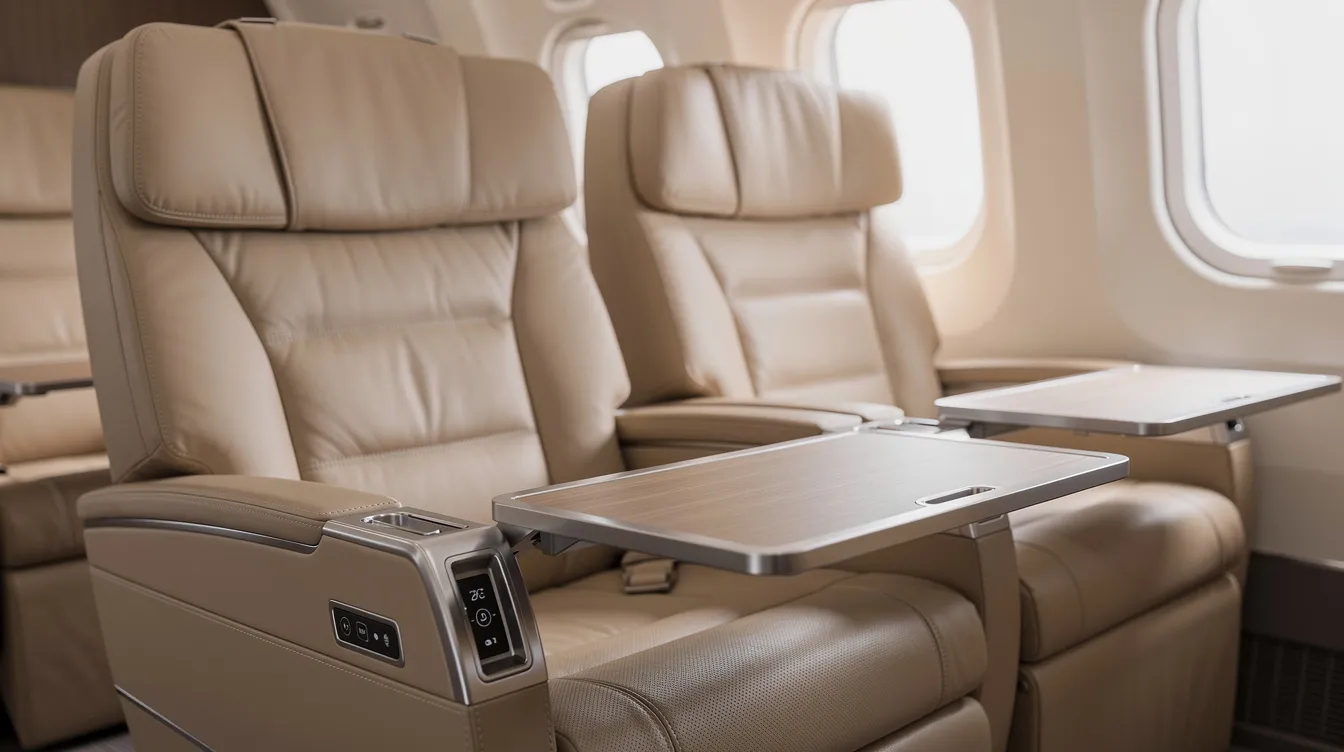
Cabin Amenities, Storage & Lavatories
Overhead bins: Aircraft with the United Next "Space Bin" retrofit offer significantly more room, reducing gate-checking for economy passengers. First class rarely runs out of bin space, but boarding late on a full United flight can still mean competing for room above your row
Lavatories: A single forward lavatory serves the first-class cabin. It's compact and functional but frequently reported as cramped; on flights over four hours, expect it to show wear and tear, water on the floor, and depleted paper towels. First-class passengers may not automatically receive United Club lounge access on domestic itineraries, which limits pre-flight freshening options
Blankets and pillows: Thin airline blankets and basic pillows appear on longer evening flights but feel inadequate for a "premium" product on 5+ hour routes
Amenity kits: First class passengers receive an amenity kit with basic items on select longer routes and Hawaii services—typically an eye mask, earplugs, and a dental kit. Most shorter domestic flights skip this entirely
Checked bags: A domestic first-class ticket typically includes two free checked bags up to 70 lbs each
Private jet lavatories serve at most a handful of travelers per flight, remain consistently clean, and offer more space per passenger-a quiet but meaningful element of the privacy and hygiene advantage, especially on routes where travelers are trying to fly private more affordably.
IFE & Wi‑Fi: United 737-900 vs. Private Connectivity
In-flight entertainment options vary by the specific aircraft's retrofitting status. On United Next retrofitted jets, Panasonic seatback screens offer movies, music, live TV, and a moving map. United's in-flight entertainment includes movies, music, and live TV across hundreds of titles. Older units rely on non-touchscreen monitors with armrest remotes and looping DirecTV content. Passengers on United Airlines' 737-900 can use personal devices for entertainment or may have seatback screens depending on the frame. Streaming video entertainment is also available via the United app—make sure you have the app downloaded before departure.
Wi-Fi pricing: Wi-Fi is available for approximately $10–$20 for the entire flight duration, with some routes showing $8 for MileagePlus members. Free T-Mobile Wi-Fi partnerships have ended on most routes
Audio: Complimentary headphones are provided for in-flight entertainment, but the quality is low. Bluetooth pairing to seatback screens is now available on many updated 737-900ER aircraft-bring your own headphones for a better experience. Keep your mobile device charged
Reliability: Generally solid on long transcons, but short flights like BOS–EWR may never see full Wi-Fi come online due to low cruising altitude and quick duration
On a BlackJet private flight, always-on business-grade connectivity comes standard or is easily arranged—no captive portals, no per-device charges. For executives needing confidential calls, VPN access, or live deal work at altitude, the difference is not incremental. It's structural, and one of the reasons frequent flyers evaluate the best jet card programs for guaranteed access and flexibility.
Meal Service: Breakfast, Dinner & Short-Hop Offerings
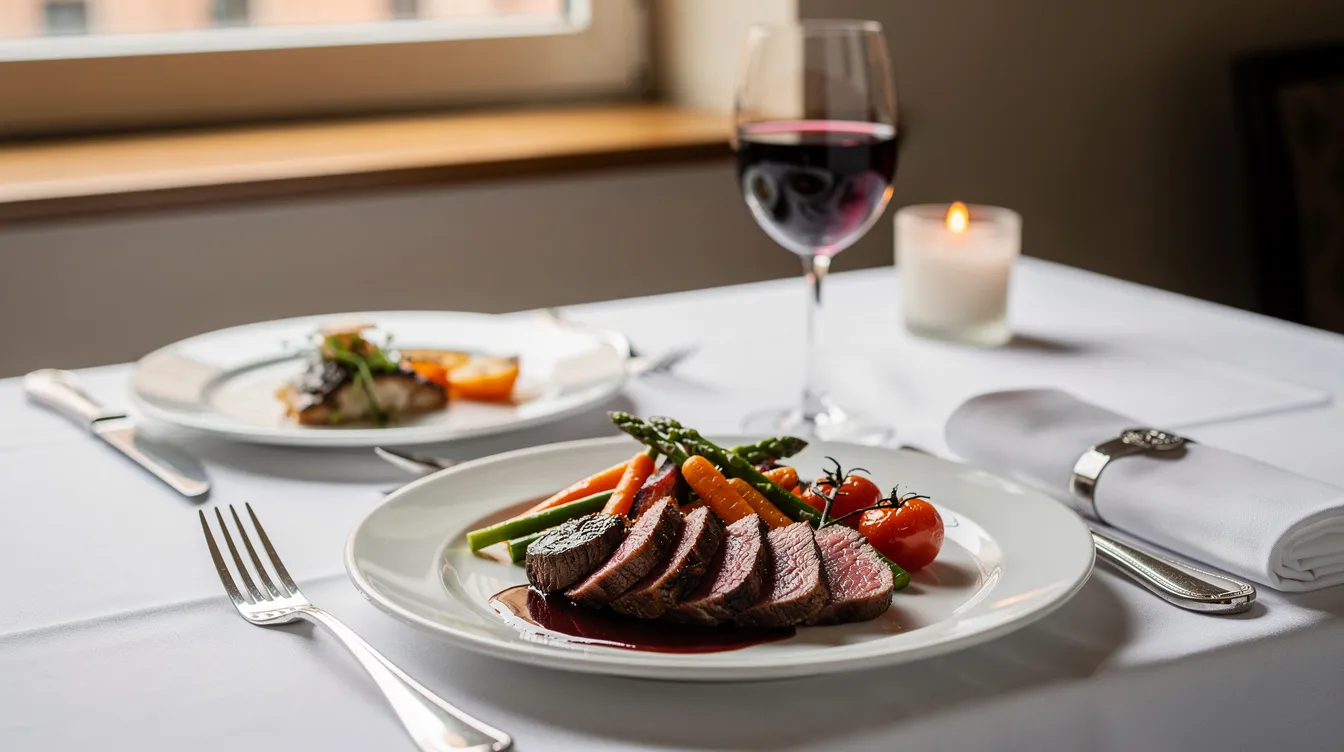
On transcontinental 737-900 routes, first-class meals and beverage service are noticeably more generous than in economy class. Hot multi-course meals are served on flights over 800 miles, and passengers can pre-order meal choices via the United Airlines App before their next flight.
Meal flow: United offers warm mixed nuts before meals in first class, followed by a plated entrée, sides, and dessert. Flight attendants offer pre-departure beverages-typically water or sparkling wine in plastic cups-before pushback
Breakfast options include cream cheese chive scrambled eggs with sausage and potatoes, or options like cinnamon roll bread pudding on select routes
Dinner choices include beef short ribs with hoisin sauce, rice, and broccolini, or Thai chicken. A dessert option is lemon cheesecake served with dinner
Beverages: Illy coffee (often reviewed as weak), sparkling water, complimentary beer, wine, and spirits. United's first class service includes complimentary drinks and snacks throughout the flight
Short hops (SFO–LAX, BOS–EWR, or flights to San Francisco under two hours): Generally limited to drinks only—no time for hot food. Sometimes cookies or small snacks appear on slightly longer segments
With BlackJet, catering is fully customizable and booked in advance. Want a plant-based breakfast from a preferred restaurant, Champagne specified by label, or kid-friendly options for a family trip? You control timing, menu, and presentation—no set cycle, no standardized tray — which aligns well with models where you buy just a seat on a private jet rather than the entire aircraft. You don't guess what you'll be served; you decide.
Service, Boarding Process & Ground Experience
United's boarding process for the 737-900 follows a tiered structure: pre-boarding for Global Services and 1K members, then Group 1 for first class, Polaris, and business class passengers, followed by elites and general boarding. Boarding started in stages, and some reviewers note they board last to avoid the queue, sacrificing a chance at overhead bin space for a few extra minutes in the gate area or departure gate lounge.
Ground experience: United Airlines first class on the Boeing 737-900 includes priority airport privileges-Premier Access check-in and priority security lanes. But first-class passengers may not automatically receive United Club lounge access on domestic-only tickets. Many travelers at airports like Washington Dulles or Newark end up in third-party lounges instead
Cabin crew: Flight attendants were noted as friendly and attentive on multiple flights across class review reports. Flight attendants offer more personalized service in first class due to the smaller cabin size—proactive drink refills, occasional recognition of MileagePlus elite status. Shortcomings are minor: not always addressing passengers by name, or inconsistent pre-departure beverage timing on shorter turns
Gate interactions: Expect occasional "battlefield" upgrades 30 minutes before departure, with careful seat shuffles to respect elite upgrades vs. paid first-class fares. Check the United app for real-time upgrade status
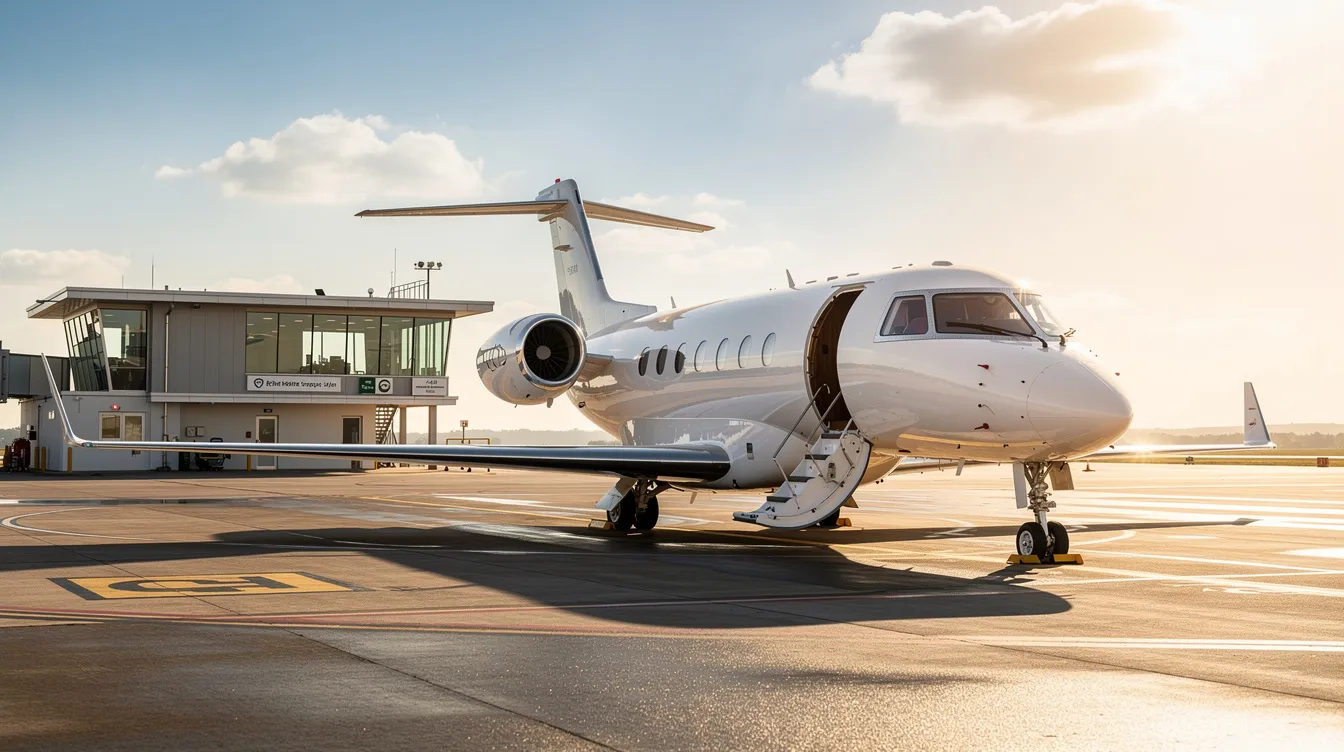
The BlackJet ground experience is a different category entirely: private terminals (FBOs), zero security lines, arrival 20–30 minutes before departure, ramp-side boarding, and crew welcoming you by name. No boarding groups. No delayed flight anxiety. Simply depart when your party is ready—similar to how emerging private plane rideshare services streamline boarding and access for shared private flights.
Seat Map, Cabin Classes & How 737-900 First Class Compares
The United 737-900ER divides into three cabin classes:
First Class: 20 seats, 2-2 layout, 37–38" pitch, 20–21" width, recliner
Economy Plus / Premium Economy: 39–45 seats, 33–34" pitch, 17–17.3" width
Economy Class: 114–120 economy class seats, 30–31" pitch, approximately 17" width
Based on hundreds of public seat map reviews, the 737-900ER first class cabin earns roughly 4.6–4.7 out of 5 from passengers-reflecting generally positive sentiment about space and service, with mixed feedback on seat age and consistency.
An important clarification: on domestic 737-900 routes, "first class" is a recliner product-not a lie-flat business class cabin like international Polaris. Some BOS–LAX or West Coast routes on other aircraft in United's fleet do offer lie-flats, so travelers comparing across other airlines and planes should pay attention to the specific aircraft assigned.
Who should pay for first-class seats on the 737-900? Travelers who need productivity space, inclusive meals, and a calmer cabin environment. Economy passengers and those comfortable in Economy Plus can save significantly-but the service gap is real. The point is whether the premium justifies your specific trip.
Safety, Reliability & Sustainability: Commercial vs. Private
United operates its 737-900/ER fleet under full FAA certification with scheduled maintenance and standardized safety procedures. These are high-utilization aircraft with tight turnarounds—generally safe and reliable, but occasionally showing the wear of heavy service (minor cabin defects, lavatory issues).
BlackJet safety: A proprietary safety certification process vets operators against standards that fewer than 30% of U.S. Part 135 operators meet. Third-party ratings from organizations like Wyvern and ARG/US provide additional verification
Sustainability: United has publicly committed to SAF (sustainable aviation fuel) investments, but most 737-900 flights today still burn conventional Jet A with only modest SAF blending on select routes
BlackJet's approach: Every flight is carbon neutral by default, using verified 300% carbon and emission offsets at no additional cost to the traveler. Where available, SAF-powered operators are prioritized, allowing frequent flyers to upgrade comfort while actively reducing their net environmental footprint
When to Choose United 737-900 First Class vs. BlackJet Private Jets
United 737-900 first class makes rational sense when you're a solo traveler on a BOS–LAX or LAX–IAD run with schedule flexibility, when last-minute upgrades clear from economy class, or when loyalty points and corporate contracts heavily favor flying United.
BlackJet becomes strategically superior when time compression matters. A CEO needing a same-day San Diego–Houston roundtrip, a fund manager running a three-city Northeast roadshow (Boston–Newark–Washington–Boston), or a principal who needs privacy from the departure gate to arrival vehicle—these scenarios expose the ceiling of commercial first class and point toward structured solutions like the BlackJet 25+ Hour Jet Card.
Consider that three-city roadshow: commercially, you'd need two days, two hotel nights, and three separate 737-900 legs with boarding, taxi, and connection buffer each time. With private aviation, the same itinerary compresses into a single day—no overnight stays, no boarding groups, no risk of a delayed flight derailing your schedule — particularly when structured around a 100-hour jet card for frequent trips.
No middle seats, no downgrades, no seatmate surprises
Confidential conversations in the cabin without worrying about who's listening
Departure times that align with your board meetings, not an airline's hub schedule
Pets travel in the cabin, not cargo
FAQs About United Airlines 737-900 First Class
Q: How many seats are in United's 737-900 first-class cabin?
A: There are 20 seats arranged in a 2-2 configuration.
Q: What is the seat pitch and recline in first class on the 737-900?
A: Seats offer approximately 37 inches of pitch and about 5 inches of recline.
Q: Are there any windows missing in the first class cabin?
A: Yes, seat 5A on some frames lacks a window, which can feel claustrophobic.
Q: Does United 737-900 first class provide lie-flat seats?
A: No, the seats are recliners and do not offer lie-flat capability.
Q: What in-flight entertainment options are available?
A: Depending on the aircraft retrofit status, you may have seatback screens with movies, live TV, and music or streaming via the United app on personal devices.
Q: Is Wi-Fi available on United 737-900 flights?
A: Yes, Wi-Fi is generally available for about $10 to $20 for the entire flight duration.
Q: What meals are served in first class on the 737-900?
A: On flights over 800 miles, hot multi-course meals are served, including options like beef short ribs or Thai chicken, with pre-departure beverages such as sparkling wine or water.
Q: Do ffirst-class passengersget United Club lounge access?
A: Not automatically on domestic itineraries; lounge access depends on ticket type or membership.
Q: How does United 737-900 first class compare to private jet travel?
A: While United offers priority boarding and inclusive meals, private jets provide lie-flat seats, personalized service, private terminals, and significant time savings.
Q: What is the typical boarding process for United 737-900 first class?
A: First class boards early in Group 1 after pre-boarding for elite members, with priority airport privileges including expedited check-in and security.
Q: What are the main drawbacks of flying United 737-900 first class?
A: The primary limitations are the aging seat design without lumbar support, lack of lie-flat seats, and inconsistent cabin condition across aircraft.
For more detailed insights, see our previous article and stay tuned for the next article covering broader private aviation comparisons.
How BlackJet's Jet Card Elevates Your "First Class" Experience
For travelers who fly domestic first class several times per year and find themselves consistently wanting more privacy, more control, more rest, a JetCard represents the logical next step, especially once you understand how to compare Jet Card per hour across providers.
Model: Prepaid 25-hour or 50-hour blocks with fixed hourly rates, non-expiring hours, and guaranteed access to multiple aircraft categories—following many of the same principles outlined in this complete guide to jet card pricing and structures. Digital booking runs 24/7 with real-time support
Three pillars: Safety through curated operators and stringent audits. Sustainability through carbon-neutral flights as standard. Technology through mobile booking, live flight tracking, and concierge support—all exceeding what even the best premium commercial experience provides, and with potential advantages for travelers who plan to maximize jet card-related tax deductions with professional guidance
The math: Compare a year's worth of 737 900 first class tickets-say, 20 roundtrips at $700–$1,200 each—with flexibility, time savings, and productivity gains of a 25-hour Jet CardCard—orn benchmark against alternatives such as NetJets jet card pricing and programs. For many frequent flyers, the cost per productive hour shifts dramatically in private aviation's favor
The question isn't whether UniUnited's first class on the 737-900 is a decent product. For what it is, it delivers. The question is whether you've reached the point where decent isn't enough-where your time, your privacy, and your ability to arrive ready to perform deserve something fundamentally better-whether that's leveraging cheaper private jet options and entry-level aircraft, evaluating 10-million-dollar private jet ownership choices, selecting the right jet for 15-passenger groups or 20-passenger missions, planning occasional charters on 50-passenger private airliners, comparing top-tier private jets globally, or even analyzing competitors' Flexjet jet card costs alongside BlackJet.
Discover how BlackJet can reshape your travel. Explore Jet Card options or request a private consultation to model your typical routes.


 Sign up with google
 Sign up with Apple