
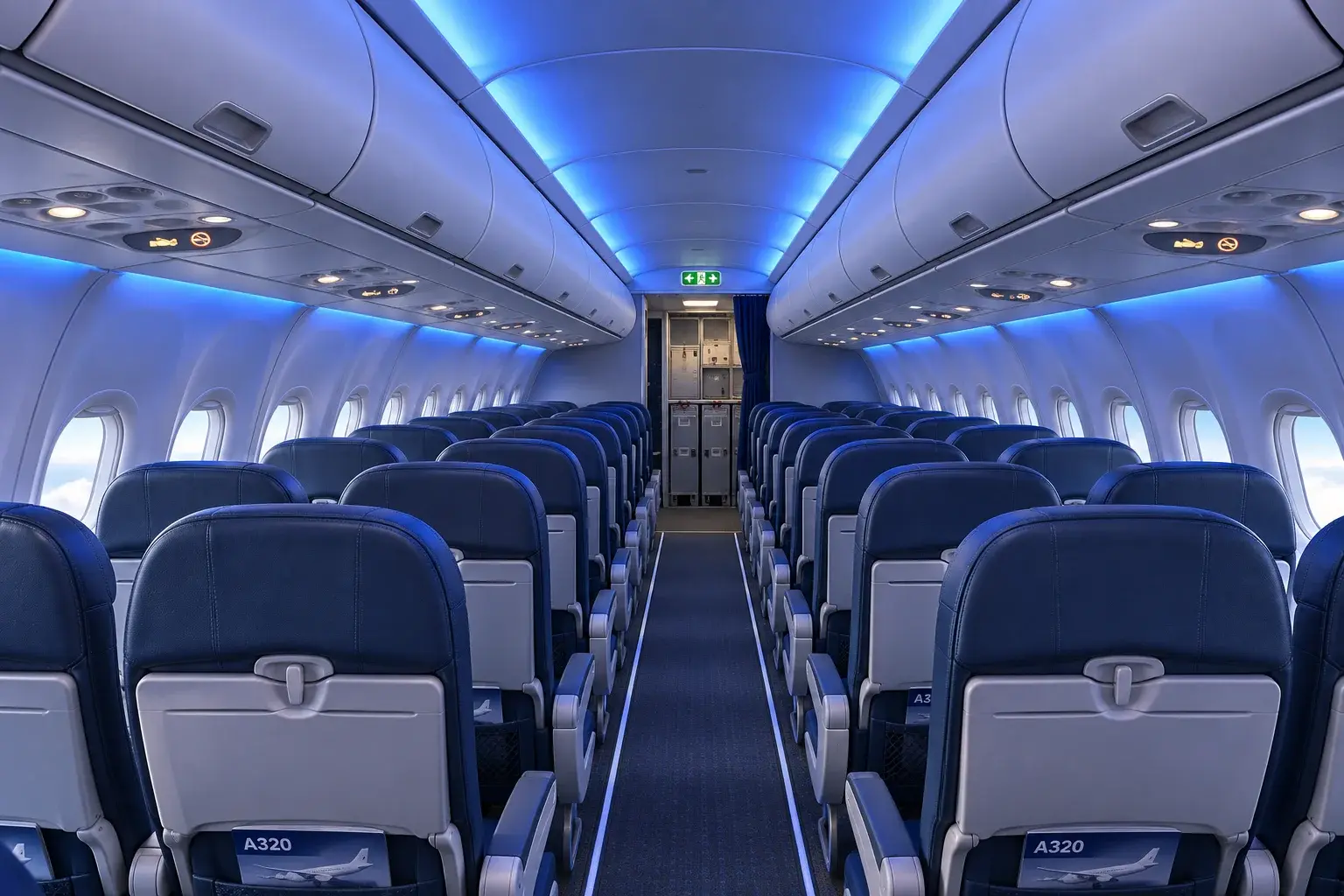
The Federal Aviation Administration certified the Boeing 737 MAX 10 on 20 October 2026, clearing the largest plane in the MAX family for airline deliveries starting in 2027. For travelers who split time between commercial and private aviation, the 737 MAX 10 interior determines whether a scheduled flight can approach the comfort of a private cabin, or whether a Jet Card remains the better option.
Overview: Why the 737 MAX 10 Interior Matters for Premium Travelers
Boeing first announced the MAX 10 at the 2017 Paris Air Show, drawing orders from more than ten customers across the world. Certification delays followed. A US law required new aircraft types to have modern cockpit crew-alerting systems by 2023, but Congress allowed the MAX 7 and MAX 10 to be certified without those new systems in December 2022, extending the deadline. Boeing also redesigned the engine anti-ice system after overheating issues surfaced during testing. The result: the MAX 10's certification faced delays due to safety redesigns that pushed first deliveries years beyond the original target.
With certification now complete, WestJet is set to enter service as launch customer in early 2027. Alaska Airlines has ordered 105 MAX 10s, with standard configurations arriving by spring 2027 and premium "Aurora" interiors scheduled for 2028. Delta Air Lines, United, and other carriers have announced plans to add the aircraft to their fleets through the end of the decade.
For high-net-worth travelers who typically fly private, the 737 MAX 10 interior matters on those occasions when a commercial route is unavoidable. The cabin layout, seat pitch, lighting, and connectivity define whether a 4-hour transcontinental flight is tolerable or uncomfortable. This article covers what people can expect from the MAX 10 cabin across economy, premium economy, and business class, and where a BlackJet Jet Card, including the flexible BlackJet 25+ Hour Jet Card, offers advantages that no airline seat can match: full privacy, on-demand scheduling, and a cabin tailored to each passenger.
Core Cabin Layout on the 737 MAX 10
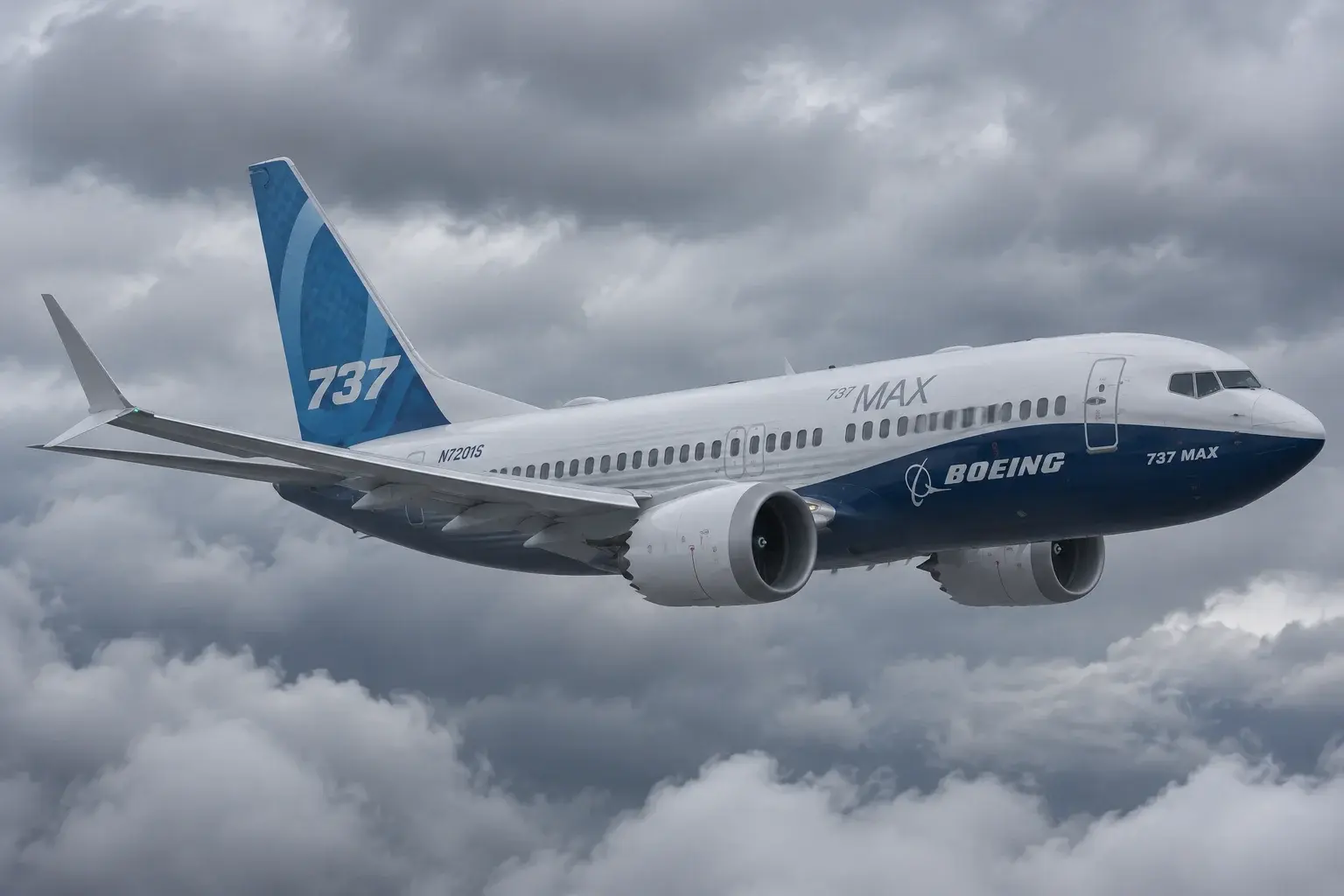
The MAX 10 is 43.8 m long with a wingspan of 35.92 m, making it the longest variant in the MAX family. Its landing gear extends 24 cm taller than the MAX 9 to provide runway clearance for the stretched fuselage. The aircraft includes two extra exit doors behind the wing, which allow airlines to seat more passengers while meeting evacuation requirements.
Cabin feature | 737 MAX 10 details |
|---|---|
Aircraft length | 43.8 m |
Wingspan | 35.92 m |
Seat layout | Six seats across in a 3-3 configuration |
Typical two-class capacity | 188 to 204 passengers |
Maximum single-class capacity | Up to 230 passengers |
Exit doors | Two additional doors behind the wing |
Standard cabin interior | Boeing Sky Interior with LED lighting |
In a standard two-class layout, the 737 MAX 10 seats 188 to 204 passengers. Boeing's layout data shows configurations with 16 business-class seats at 36-inch pitch and 188 economy seats at 30-inch pitch for a total of 204. In a single-class arrangement, it can accommodate up to 230 passengers, though seat pitch drops to 28-29 inches in those high-density configurations. The longer fuselage creates space for extra mid-cabin galleys and lavatories, giving airlines options for zoning premium and economy sections.
Compare this to a private plane layout: a super-midsize jet seats 8-10 people in club-style 1-1 configurations with aisle widths and personal space that no 3-3 narrow-body can replicate. Guides that explain different private jet sizes underline how cabin cross-section scales with comfort, and that cross-section difference is the fundamental constraint Boeing cannot change with the MAX 10 airframe.
Boeing Sky Interior: Lighting, Bins, and Overall Ambiance
The MAX 10 features Boeing Sky Interior with LED lighting, a design standard across the MAX line. This system includes sculpted sidewalls, full-color LED panels programmable for boarding, daylight, evening, and relax modes, and larger pivoting overhead bins that hold more carry-on bags per passenger.
The bins pivot upward rather than outward, reducing aisle congestion during boarding and adding capacity for roller bags. Airlines report fewer gate-check requests on MAX aircraft compared to 737NG fleets. Programmable lighting helps cabin crew simulate time-of-day cues on transcontinental flights departing at odd hours; a September red-eye from Washington to Los Angeles, for example, can transition through dimmed amber tones to encourage sleep. Older 737NG cabins use fixed fluorescent lighting and smaller bins, making the visual difference noticeable from the moment passengers enter the cabin.
In a private jet cabin, lighting is individually controllable by each passenger, the environment is near-silent, and there are no overhead bins to compete for. The Boeing Sky Interior narrows the gap between older commercial aircraft and private aviation, but does not close it, especially when compared with the top private jets in the world that maximize lighting control, sound insulation, and bespoke design.
Economy and Extra-Legroom Seating on the 737 MAX 10
Economy class on the 737 MAX 10 follows the same pattern as the broader MAX family, with seat quality determined by each airline's configuration choices. Standard economy pitch is 29-31 inches depending on airline; Boeing's two-class reference layout uses 30-inch pitch. Seat width between armrests is approximately 17-18 inches, consistent with MAX 8 and MAX 9 economy seats. Extra-legroom sections, including exit rows and forward "economy plus" zones, offer 34-36 inches of pitch and often cost $30-80 per segment. In a high-density 230-seat layout, back-of-cabin rows may have as little as 28-inch pitch.
For a business traveler on a 4-hour flight, the difference between 28-inch and 36-inch pitch is the difference between arriving fatigued and arriving ready to work. Even so, the time spent clearing TSA, boarding in a queue, and taxiing to the runway often adds 90-120 minutes to door-to-door travel. A BlackJet Jet Card flight from a private terminal bypasses all of that, cutting total trip time for the first time below what any commercial seat upgrade can offer, and the underlying Jet Card pricing structures are designed to keep those time savings predictable from trip to trip.
Business Class, Premium Economy, and Lie-Flat Concepts on the MAX 10
Alaska Airlines announced plans to equip at least 25 of its 105 MAX 10s with lie-flat "Aurora Suites" in business class, alongside 12 Premium Reserve recliner seats in a dedicated premium economy cabin. Those deliveries are scheduled for 2028. The Premium Reserve seats include 16-inch 4K entertainment screens, leg rests, privacy wings, and larger tray tables. Travelers moving between MAX 10 business cabins and 16-seat large-cabin private jets will notice that group trips feel very different when everyone can share a single, spacious lounge-style cabin rather than a 3-3 or 2-2 layout.
United had originally planned lie-flat seats for MAX 10 transcontinental routes when it placed its order. After years of delays, United's current cabin designs remain under review; some configurations may use recliners rather than full lie-flats, depending on route yield. Most MAX 10 operators in January 2027 and beyond will offer 2-2 domestic first class with recliners at 36-38-inch pitch, not true lie-flat beds. Lie-flat installations are reserved for high-yield markets like New York to Los Angeles or red-eye services where customers pay a premium.
Compare these suites on airplanes to a private jet cabin: even the best MAX 10 lie-flat shares the cabin with 180+ passengers, operates on a fixed schedule, and offers limited catering customization. A super-midsize private jet provides club-style 1-1 seating, on-demand departure, and a fully private environment, while larger-cabin aircraft designed as the best private jets for 15 passengers extend those comforts to bigger teams without sacrificing range or privacy.
Passenger Technology, Connectivity, and Inflight Experience
By 2027, most MAX 10 deliveries will include gate-to-gate high-speed satellite Wi-Fi, in-seat power (USB-A, USB-C, and in some cases AC outlets), and either seat-back screens or streaming to personal devices. Delta's MAX 10 fleet page confirms every seat will have power ports and onboard Wi-Fi with Delta Studio access.
Alaska's Aurora-configured MAX 10s will carry 4K seat-back screens in premium cabins; economy may rely on personal-device streaming. Airlines are adding digital ordering for food and beverages via onboard apps, real-time flight information displays, and cabin-wide messaging for service updates. Connectivity quality varies. On a commercial flight shared with 200 passengers, bandwidth per person drops. In talks with operators, private aviation providers confirm that fewer passengers per aircraft means more consistent connection speeds for video calls and file transfers.
BlackJet travelers typically treat the aircraft as an extension of their office, with bespoke connectivity and no competition for bandwidth, and structured jet card pricing models help corporate travel teams budget for that productivity over an entire year.
Comfort, Noise, and Environmental Considerations
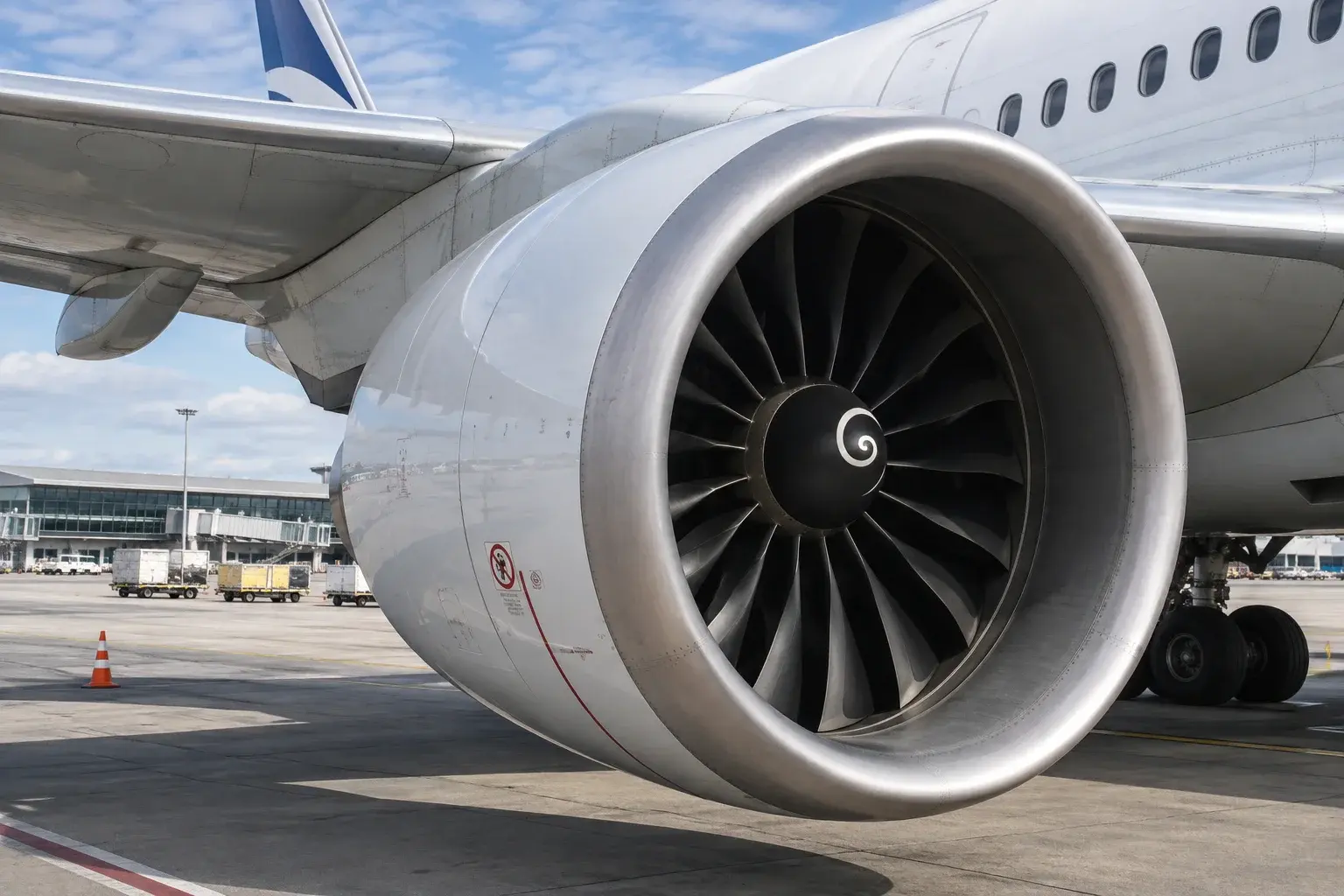
The Boeing 737 MAX 10 is designed to improve acoustics and reduce cabin noise compared to older 737 generations. The CFM LEAP-1B engines burn 20-30% less fuel than the CFM56 engines on 737NGs, and that efficiency correlates with lower noise output both outside the aircraft and inside the cabin. The environmental system maintains a lower cabin altitude of around 6,500 feet, reducing passenger fatigue on flights of 3-5 hours.
Airlines are specifying lighter seat frames and modern foams to cut weight and improve recycling. Alaska's Premium Reserve seats use weight-optimized materials. Boeing markets the MAX 10 as offering the highest efficiency per seat among single-aisle aircraft, with the lowest per-seat fuel costs in its class. The aircraft can support sustainable aviation practices like carbon-neutral flights through airline offset programs, though implementation varies by carrier.
BlackJet delivers carbon-neutral performance on every flight at no extra cost to the traveler, using verified offset programs and prioritizing newer, fuel-efficient aircraft in its operator network, while also advising clients on more affordable private jet options that balance cost, efficiency, and environmental impact.
737 MAX 10 vs Private Jet Cabins: When to Choose Each
A photo of the MAX 10 cabin might look polished, but the experience depends on context. Two scenarios illustrate the trade-off.
New York to Los Angeles, lie-flat MAX 10 vs. BlackJet super-midsize jet. The airline flight takes roughly 5.5 hours gate-to-gate, plus 90-120 minutes for check-in, security, and boarding at JFK. A private departure from Teterboro cuts door-to-door time by 1.5-2 hours, adds full privacy, and allows passengers to customize the cabin for work or rest, even when they buy just a seat on a private jet instead of chartering the entire aircraft.
Regional business tour, three cities in one day. No airline schedule on the MAX 10 can connect Washington, Charlotte, and Atlanta with meetings in each city before the end of business. A tailored private itinerary can. The year 2027 will bring more MAX 10 capacity to major routes, but schedule flexibility remains a commercial aviation limitation.
On safety: the MAX 10 underwent extensive FAA scrutiny after the grounding of earlier MAX variants and certification delays spanning years. BlackJet applies independent audits, operator vetting, and pilot experience standards to every aircraft in its network, adding a layer of accountability that goes beyond regulatory minimums.
For a team of four to eight people, the cost of multiple business-class seats on a MAX 10 can approach Jet Card pricing, while the private option adds time savings and productivity that work well for the bottom line; at that point it becomes worth comparing the best jet cards for frequent flyers against premium airline fares.
Frequently Asked Questions About the 737 MAX 10 Interior
How many passengers can the 737 MAX 10 seat? In a two-class configuration, 188 to 204. Single-class layouts hold up to 230. Standard economy pitch sits around 30 inches; premium sections offer 34-36 inches.
How does the MAX 10 interior differ from earlier MAX models? The longer fuselage adds more rows and two extra exit doors. The cabin cross-section and 3-3 seat layout remain identical to the MAX 8 and MAX 9. Airlines are more likely to install lie-flat products on the MAX 10 because its capacity allows them to dedicate front-cabin space without losing too many revenue seats.
Will all airlines offer lie-flat cabins? No. Alaska Airlines has confirmed lie-flat Aurora Suites on 25 MAX 10s from 2028. Many operators will use standard 2-2 recliners in a domestic first-class cabin or high-density economy across the page of their order book.
Is the MAX 10 quieter than older 737s? Yes. LEAP-1B engines produce less noise than the CFM56, and the Sky Interior architecture reduces perceived cabin sound. The environmental system also maintains lower cabin altitude, cutting fatigue.
When will the MAX 10 enter airline service? The FAA certified the aircraft on 20 October 2026. First deliveries to WestJet and Alaska Airlines are expected in early 2027, with premium interior variants arriving in 2028.
For trips where fixed airline schedules and shared cabins fall short, explore how BlackJet's Jet Card program provides on-demand private access with safety, sustainability, and flexibility built into every flight, including options like a 25-hour jet card structure for travelers who fly privately a few times per quarter.
Conclusion: Choosing the Right Cabin for Your Journey
The 737 MAX 10 interior brings a more modern commercial cabin to high-capacity routes, with Boeing Sky Interior LED lighting, updated overhead bins, and airline-specific choices ranging from standard economy to select lie-flat suites. Yet seat pitch, privacy, catering, and flexibility still depend on the carrier and configuration—and a scheduled flight remains tied to its route and timetable. For a closer look at private plane interiors, compare the shared commercial cabin with the space and personalization available in private aviation and how those choices scale up to 10 million-dollar private jet options that deliver fully bespoke layouts.
For a single nonstop journey, the MAX 10 may be a practical choice, especially in a premium cabin. For a multi-city business itinerary, a family trip, or travel where time and privacy matter most, private jet access can offer a more tailored alternative, especially once you compare the top private jet companies that provide global coverage and different ownership or membership models. BlackJet Jet Cards provide prepaid access across aircraft categories, supported by digital booking tools and real-time assistance, whether a traveler prefers a focused 25- or 50-hour jet card or is evaluating the broader economics of a 100-hour jet card program for heavy annual use. Travelers can also review BlackJet’s safety and sustainability standards, including rigorous operator vetting and carbon-neutral flights at no extra cost, and compare them with alternatives ranging from specialized NetJets jet card programs and Flexjet jet card options to full or fractional ownership of 20-million-dollar private jets or larger aircraft like the best private jets for 20 passengers and even 50-passenger private charter solutions.
In 2027, travelers can compare the comfort of a commercial cabin with the broader value of private aviation: fewer schedule constraints, a private environment, and a journey shaped around their needs. Explore BlackJet’s Jet Card programs to discover a more seamless way to travel.