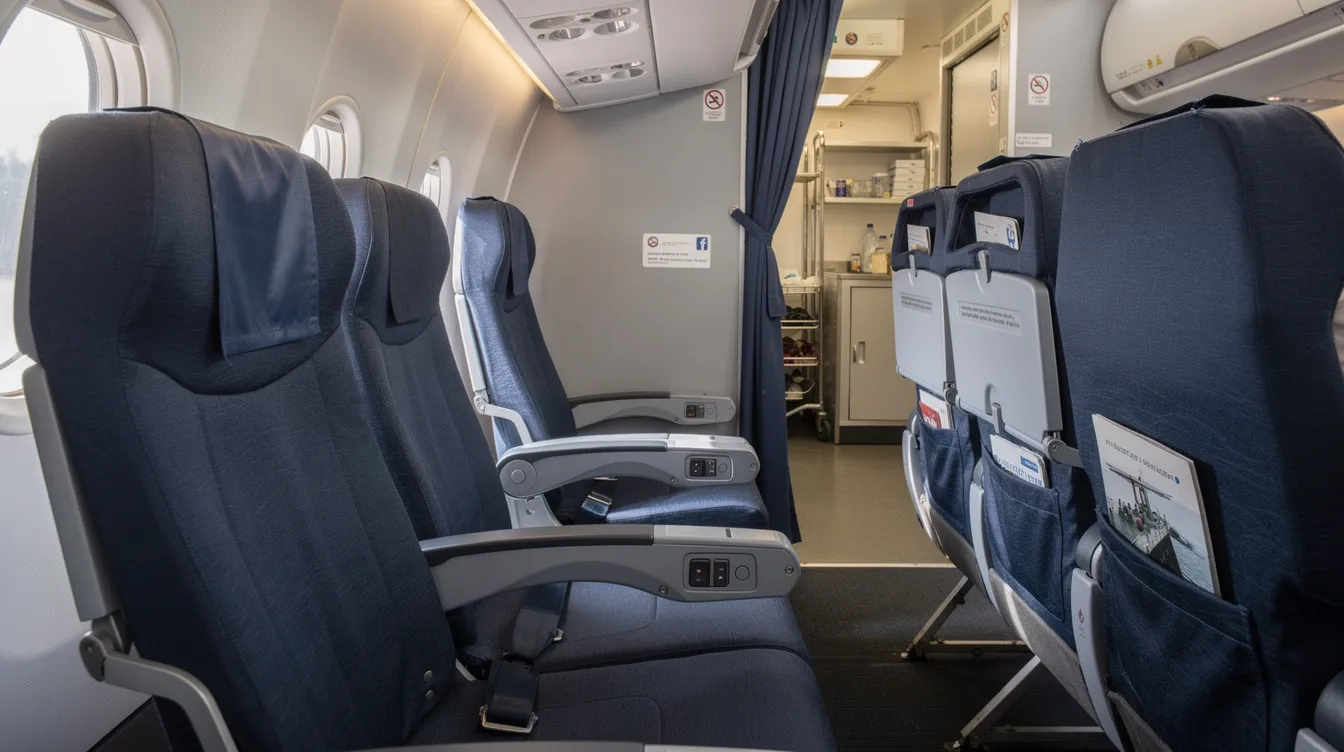
For travelers who measure comfort in inches, the Boeing 737-800 demands scrutiny. This guide explores the seat size and comfort features of the Boeing 737-800, providing a detailed comparison with private jet cabins. Whether you’re a frequent flyer, business executive, or discerning traveler comparing commercial and private jet seating, understanding these differences is crucial. Seat size and comfort directly impact your in-flight experience, productivity, and overall satisfaction—making it essential to know what to expect before you book. By examining seat width, pitch, recline, and amenities, you’ll be better equipped to choose the right cabin for your needs and make informed travel decisions.
Quick Answer: Typical Boeing 737-800 Seat Size & What It Means for You
Here’s a quick breakdown of typical Boeing 737-800 seat features:
Economy class seat width: 16.3 to 17.3 inches
Economy class seat pitch (legroom): 30 to 32 inches
Domestic first class seat width: 20.5 to 21 inches
Domestic first class seat pitch: 37 to 39 inches
Typical passenger capacity: 149 to 166 passengers
Cabin type: Single-aisle (narrow-body), generally tighter than wide-body aircraft
By comparison, private jet cabins across light, midsize, and large-cabin aircraft types offer:
Seat width: 20 to 24 inches
Legroom: Virtually unconstrained
Seating: Fully adjustable, often with lie-flat capability
BlackJet Jet Card members routinely access these cabins with more space than any Boeing 737-800 configuration can provide, often on aircraft that appear among the top private jets in the world.
Exact seat size on any 737-800 depends on airline configuration and layout, but the narrow-body constraints of the Boeing 737 family limit comfort compared to private aircraft. Travelers focused on legroom, privacy, or productivity often use BlackJet's Jet Card programs to avoid those compromises altogether, comparing them with competitors by researching topics like Flexjet jet card cost and options.
Understanding Boeing 737-800 Seat Size: Width, Pitch, and Recline
"Seat size" on a Boeing 737-800 is described by three data points—seat width, seat pitch, and seat recline—the core features and physical properties airlines publish. These are what you should use when comparing different airlines and aircraft types.
Seat Width
Seat width is measured between the armrests. On a 737-800, economy seats are arranged in a 3-3 configuration across one aisle, and aircraft seat comfort is affected by cabin width, which for the Boeing 737-800 is 139 inches.
Seat Width Comparison Table
Aircraft | Typical Economy Seat Width |
|---|
Boeing 737-800 | 16.3 – 17.3 inches |
Airbus A320 | 17.5 – 18 inches |
For context, the Airbus A320 cabin is approximately 7 inches wider than the Boeing 737-800 cabin, and Airbus A320 economy seats often average 17.5 to 18 inches wide, providing more space than the Boeing 737-800. Cabin dimensions can vary as airlines customize their seating layouts, and seating configurations vary by airline and operational needs.
Seat Pitch
Row pitch is the measurement from any point in the seat to the same point in the row ahead. Most low-cost carriers offer about 28–30 inches; network carriers provide roughly 30–32 inches. Airlines may offer extra-legroom sections on the Boeing 737-800, increasing seat pitch beyond standard measurements. Premium economy seats offer more legroom than standard economy, but travelers who want more space without buying the whole aircraft can instead buy a seat on a private jet.
Seat Recline
Seat recline measures the maximum horizontal extent of the incline from the upright position. Economy class seats typically recline around 2 to 4 inches, while first class seats recline more significantly. First class seats use a 2-2 arrangement with no middle seats, and first class passengers typically receive priority boarding and enhanced meal services.
Private jet seating available through BlackJet offers wider seats (often 20–24 inches), far greater legroom, and almost unrestricted recline without impacting others—a fundamentally different experience than even the best Boeing 737 seats, and one that invites comparison with major providers once you understand NetJets jet card costs.
How Boeing 737-800 Seat Maps Show Cabin Features and Amenities
A Boeing 737 or 737-800 seat map encodes seat size, cabin features, and comfort factors shown on seat maps via icons, colors, and labels. On many booking platforms, colors indicate our assessment of overall seat quality based on factors such as legroom, proximity to galleys and lavatories, window alignment, recline impact, and row location. You can often hover over the signal icons to see details, or sign in to view additional information regarding the seats, then compare that experience with more economical entry-level private jet options.
Seat Map Symbols
Features shown on seat maps include recline restrictions in last rows, best window seats ranked by alignment quality, and seats ranked by alignment with the fuselage. Recline measures the maximum horizontal shift available; the display also flags galleys and lavatories, window misalignment, and snack station locations.
Best and Worst Seats
To find the best window view on a 737-800, seat 18A is recommended for a good window view, but travelers comparing cost per passenger may also consider what it takes to charter or own a 12-seater private jet.
Exit rows offer additional legroom on the Boeing 737-800, though exit rows offer extra legroom but may be near lavatories. Bulkhead rows provide immediate access to galleys and lavatories. Typical cabin features shown include accessible lavatory locations, lavatory with washlet availability, bassinet positions, service animal seating zones, and peanut allergy dedicated seating designations.
Comparing with Private Jets
All of these features contrast with the scale and amenities of 16-seat private jets for larger groups. Larger groups comparing airline cabins with private options may find that the best private jet for 20 passengers delivers a very different standard of comfort than high-density 737 seating.
The Boeing 737-800 typically seats between 162 and 189 passengers in high-density layouts, while some configurations accommodate 149 to 166 passengers. Every aircraft is analyzed per seat on every aircraft page to see the specific layout for your flight. Visit the aircraft page to see exact maps for different airlines and aircraft before booking, or evaluate whether private plane rideshare options could provide a better balance of cost and comfort for your route.
With BlackJet, cabin layout is selected aircraft-by-aircraft—club seating, work tables, divans—matched to your work style or group size rather than a fixed airline seat map, and large parties can even opt for a private jet for 30 passengers when a single Boeing 737-800 cabin no longer feels adequate.
Amenities and Tech on the Boeing 737-800 vs Private Jet Cabins
Beyond raw seat size, seat amenities and tech strongly influence perceived comfort on any Boeing 737-800 flight.
Economy Amenities
Economy class offers basic seating with limited amenities, such as:
Premium and Business Class Features
Premium economy provides additional legroom and adjustable headrests. Business class features upgraded service and, on select wide-body routes, lie-flat beds—though most 737-800 business cabins remain recliner-style. Additional amenities may include:
Enhanced meal service
Priority boarding
Extra legroom sections
Private Jet Cabin Tech
Common amenities and tech features on the Boeing 737-800 (varies by airline):
Universal power socket
USB socket
Wireless charging (on select aircraft)
WiFi connectivity (quality may vary by tier: messaging, browsing, or full video streaming)
Connection quality indicators based on signal strength
Connection quality based on signal strength helps passengers judge productivity potential, especially when they compare this to the business-class style amenities on a private jet for 50 passengers.
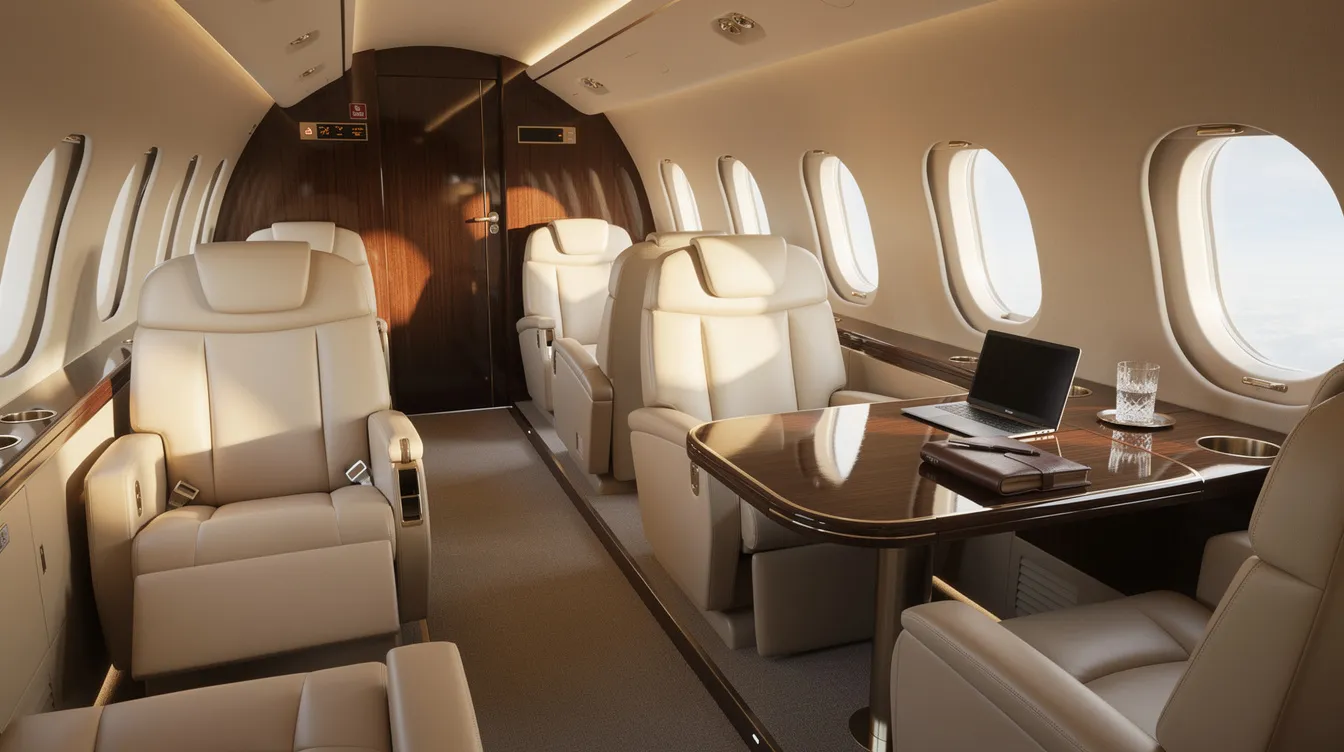
Contrast this with BlackJet's private aviation model: cabins with unconstrained device use, tables large enough for laptops, and quiet environments for calls. Consider the executive who routinely flies a busy Boeing 737 route in cramped economy, then switches to a BlackJet Jet Card—securing a midsize jet where seat space, work surfaces, and connectivity align with their schedule, as outlined in BlackJet’s core offering of premium private jet cards and programs.
FAQs About Boeing 737-800 Seat Size and Comfort
What is the typical seat width on a Boeing 737-800?
Economy seats on the Boeing 737-800 typically range from 16.3 to 17.3 inches wide, while domestic first class seats are wider, around 20.5 to 21 inches.
How much legroom can I expect on a Boeing 737-800?
Legroom, or seat pitch, usually ranges from 30 to 32 inches in economy class, with extra-legroom available in exit rows and premium economy sections. First class seats offer more generous pitch, typically 37 to 39 inches.
How does Boeing 737-800 seating compare to private jet cabins?
Private jet cabins generally offer significantly wider seats (20 to 24 inches), virtually unlimited legroom, and more adjustable seating options such as lie-flat capabilities, providing a much higher level of comfort and privacy.
Are there seat map features that affect comfort on the Boeing 737-800?
Yes. Seat maps indicate amenities and factors like proximity to galleys and lavatories, recline restrictions, window alignment, and extra legroom rows, all of which can influence your comfort during the flight.
What are the advantages of choosing a private jet over flying on a Boeing 737-800?
Private jets provide a strategic advantage with spacious cabins, flexible scheduling, privacy, enhanced safety protocols, and carbon-neutral flight options, making them ideal for business executives and high-net-worth travelers seeking elevated travel experiences.
How do airline configurations affect Boeing 737-800 seat size?
Airlines customize aircraft and configurations based on operational needs, which can affect seat width, pitch, and overall cabin layout, meaning seat comfort can vary significantly between carriers.
Can I find extra legroom seats on the Boeing 737-800?
Yes, exit rows and some premium economy seats offer additional legroom based on legroom proximity, but these may be near lavatories or galleys, which can affect overall comfort.
How can I book a private jet with better seat size and comfort?
BlackJet offers Jet Card programs that provide prepaid access to private jets with superior seat size, cabin space, and amenities, backed by safety certification and sustainable flight options. Explore their membership for a seamless upgrade from commercial flying.
Choosing the Right Cabin: When a Boeing 737-800 Seat Works—and When to Go Private
The Boeing 737-800 is a reliable, fuel–efficiency–optimized narrow-body aircraft with practical cabin features. A 737-800 seat is sufficient for short regional hops, leisure flights where cost is primary, or when travelers secure an exit row or extra-legroom seat with acceptable pitch, especially for those who aren’t yet using strategies to fly private cheaply.
Before booking, study 737-800 seat data and features: look for extra-legroom rows, check recline limitations, review locations of galleys and lavatories, and confirm WiFi and power availability. These steps help any traveler make a more informed assessment, including whether to remain in economy or consider budget-friendly private aircraft options.
Private jet access through BlackJet creates a strategic advantage when the Boeing 737 seat map simply cannot deliver: multi-city business trips in a single day, confidential meetings in-flight, tight turnarounds, or high-net-worth family travel where privacy and flexibility matter more than per-seat pricing, and a clear understanding of the private jet price list and cost drivers helps frame those trade-offs.
BlackJet's Jet Card membership offers a predictable, prepaid way to move beyond the constraints of 737-800 seating—with guaranteed safety standards, carbon-neutral flights, and on-demand access to aircraft categories that provide genuinely generous seat size and cabin space, particularly through structured products like the BlackJet 25+ Hour Jet Card.
Explore how BlackJet can complement or replace your Boeing 737 travel on key routes—and discover what travel feels like when the cabin is designed around you, not around 166 other passengers, especially once you compare jet card cost structures, examine detailed jet card pricing guides, and review evaluations of the best jet cards for frequent flyers.


 Sign up with google
 Sign up with Apple