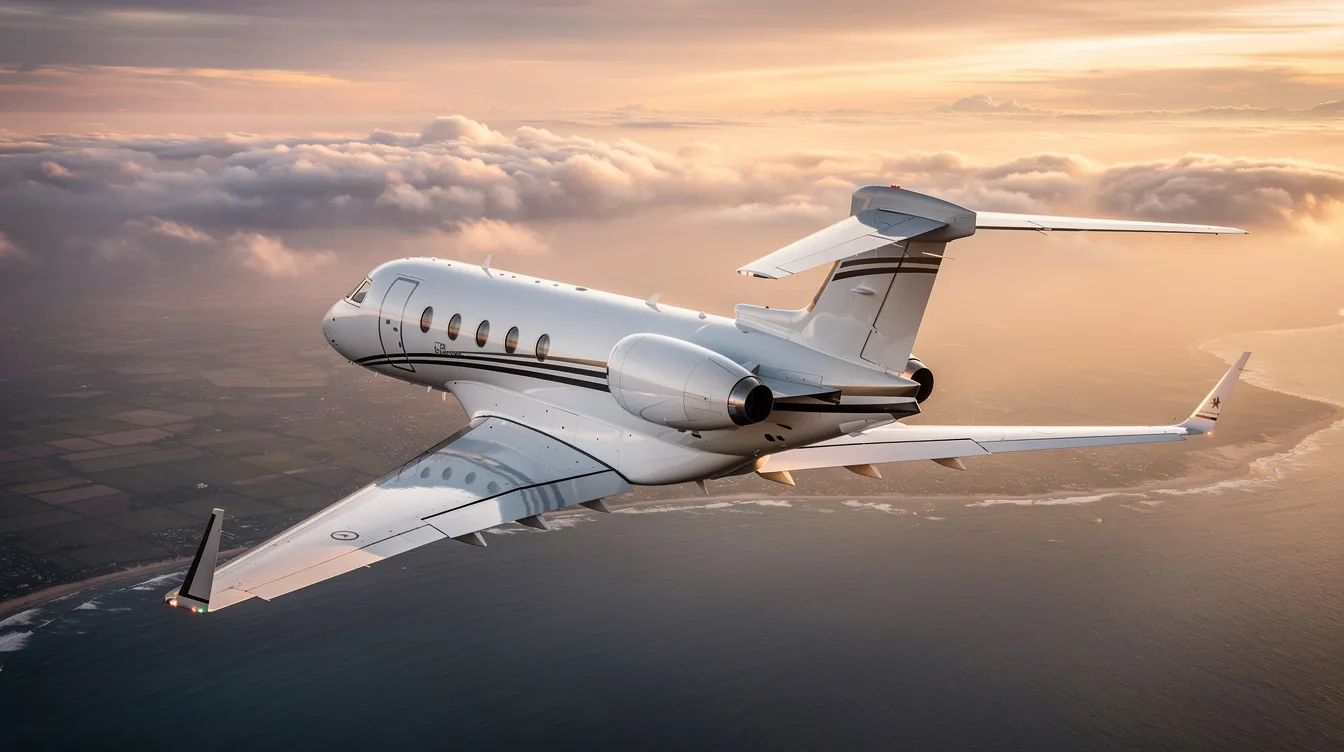
Private jet charter costs in 2026 range from approximately $2,000 to $19,000+ per flight hour, depending on aircraft size, distance, and luxury level. Chartering a plane usually costs between $2,000 and $19,000+ per flight hour, depending on aircraft size, distance, and luxury level. For travelers seeking precision rather than guesswork, a charter plane cost calculator transforms these broad ranges into actionable estimates within seconds.
Here’s what the current market looks like across aircraft categories: Private jet charter prices vary by aircraft type—turboprops/very light jets typically command $2,000–$4,000 per hour, midsize jets fall in the $4,000–$7,000 range, and heavy/long-range jets cost $8,000–$14,000+ per hour. Light jets run approximately $3,000–$4,500 per hour. Super-midsize aircraft cost roughly $6,500–$9,000 hourly. Large and ultra-long-range jets start around $9,000 and extend beyond $18,000 per flight hour for flagship models like the Global 7500.
The BlackJet charter flight cost calculator processes your specific trip details—departure location, your chosen destination, travel dates, number of passengers, and preferred cabin class—to generate a trip-specific estimate in seconds rather than days. For BlackJet Jet Card members, these calculations become even more predictable: fixed or capped hourly rates eliminate seasonal volatility, while priority access and automatic carbon-neutral offsets position every journey as both strategic and sustainable. Factors like time of year and demand can significantly increase charter prices during peak seasons or high-demand events.
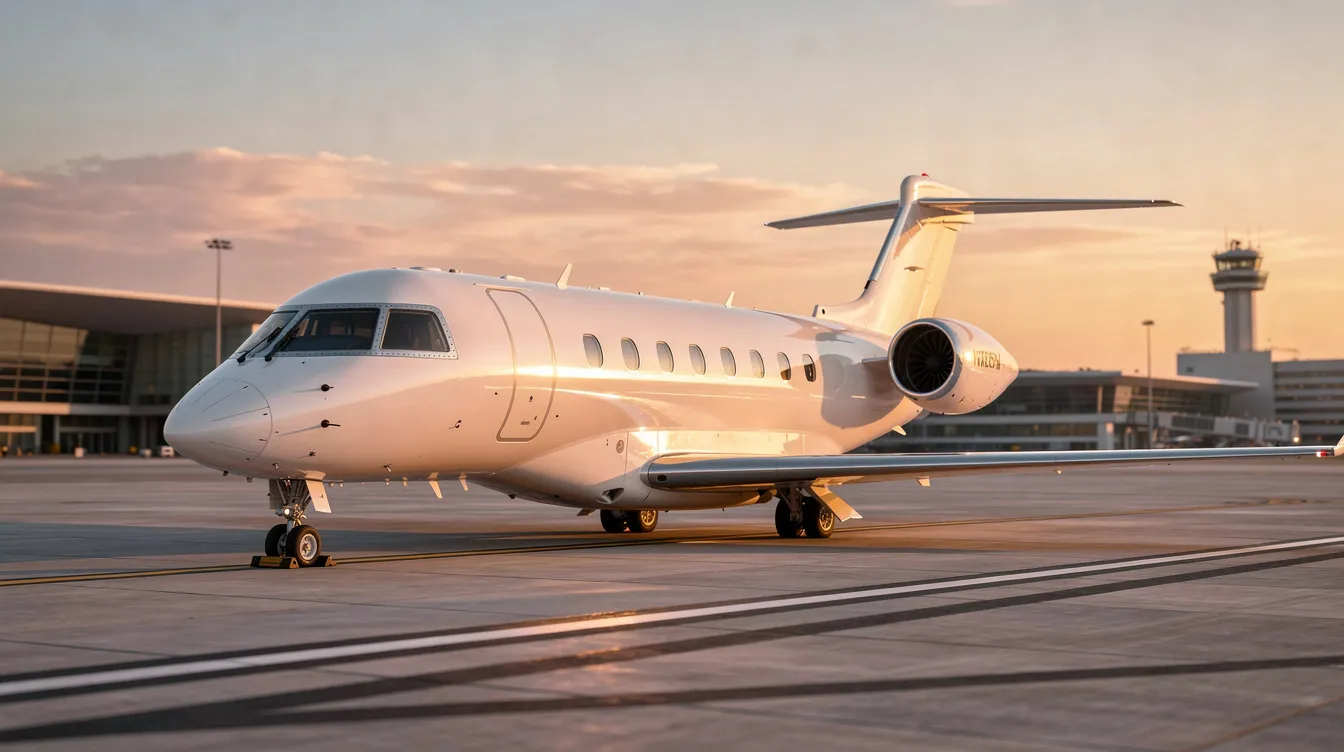
How the BlackJet Charter Plane Cost Calculator Works
The BlackJet private jet cost estimator functions as a real-time estimation engine, aggregating live aircraft availability, current fuel prices, and dynamic routing data. It’s designed for executives and high-net-worth travelers who need decision-grade numbers without placing a single phone call. The service not only provides cost estimation but also offers personalized recommendations and support to ensure a seamless experience.
Inputs You Provide
Departure and arrival airports (e.g., Teterboro TEB to Van Nuys VNY)
Travel dates and preferred times
One-way flights versus round-trip
Number of passengers
Preferred cabin class (light, midsize, super-midsize, large)
Special requirements: pets onboard, Wi-Fi needs, onboard meeting setup
How the Calculator Processes Your Inputs
The tool calculates great-circle distance adjusted for taxi time, headwinds, and contingency buffers. It then maps that into billable flight hours and applies current market hourly rates plus estimated fees—landing fees, handling charges, applicable taxes, and potential aircraft positioning costs.
The output includes an estimated total trip cost, a per-hour blended rate, and suggested aircraft options. The calculator can estimate costs for both domestic flights and international journeys, factoring in the relevant taxes and fees. BlackJet members can immediately see how many Jet Card hours their specific trip would require, turning a cost calculator into a strategic planning instrument.
No payment or binding commitment is required. This is a planning tool that can be followed by a detailed, human-verified quote from BlackJet’s 24/7 flight desk for further assistance.
Typical Hourly Charter Plane Rates by Aircraft Category
Hourly rates form the backbone of any charter flight cost estimate. BlackJet’s charter plane cost calculator helps clients find the best business jet for their needs by transparently outlining assumptions across five main aircraft categories.
Turboprops
Turboprops (Pilatus PC-12, King Air 350). These aircraft command $2,000–$3,000 per hour and excel at short regional hops under 1,000 nautical miles. Routes like Dallas–Houston or Geneva–Milan become efficient same-day missions for 6–9 passengers, with the added benefit of accessing shorter runways unavailable to jets.
Very Light & Light Jets
Very Light & Light Jets (Phenom 300, Citation CJ4, Learjet 45). At $3,000–$4,500 per hour, light jets serve 4–7 passengers on routes like New York–Miami (approximately 2.5 flight hours) or London–Ibiza. Light jets can accommodate six to nine passengers and are suitable for both short and medium-haul flights, offering enhanced speed and range capabilities. These aircraft balance economy with speed, cruising at up to 450 knots true airspeed.
Midsize Jets
Midsize Jets (Citation XLS+, Hawker 900XP, Citation Latitude) The $4,500–$6,500 hourly range suits 6–8 passengers on coast-to-coast legs. Chicago–Los Angeles (roughly 4 hours) or Paris–Marrakech become comfortable business jet experiences with stand-up cabins and enhanced productivity space, similar to many missions outlined in guides on chartering a small private plane and its typical costs.
Super-Midsize Jets
Super-Midsize Jets (Bombardier Challenger 350, Gulfstream G280) Ranging from $6,500–$9,000 per hour, these larger aircraft accommodate 7–10 passengers on longer flights like New York–Aspen or London–Dubai. Their extended range often eliminates fuel stops, reducing total journey time and cost. Longer flights typically require larger aircraft with higher fuel capacities, which increases the overall cost of private jet charters due to higher fuel consumption—an important consideration when evaluating 12-seater private jet costs and options.
Large & Ultra-Long-Range Jets
Large & Ultra-Long-Range Jets (Gulfstream G650, Global 7500, Falcon 8X) Starting around $9,000 and reaching $18,000+ per hour, these aircraft handle 10–16+ passengers on intercontinental routes and overlap with many platforms evaluated when choosing the best private jet for 20 passengers. New York–London becomes a 6–7 hour nonstop private jet flight; Los Angeles–Tokyo requires approximately 11 hours with the right aircraft.
BlackJet Jet Card members can lock in fixed hourly rates within these categories, eliminating the seasonal volatility that on-demand charter pricing often reveals, and articles that break down Jet Card membership pricing and structures can help contextualize how those fixed rates compare with other access models.
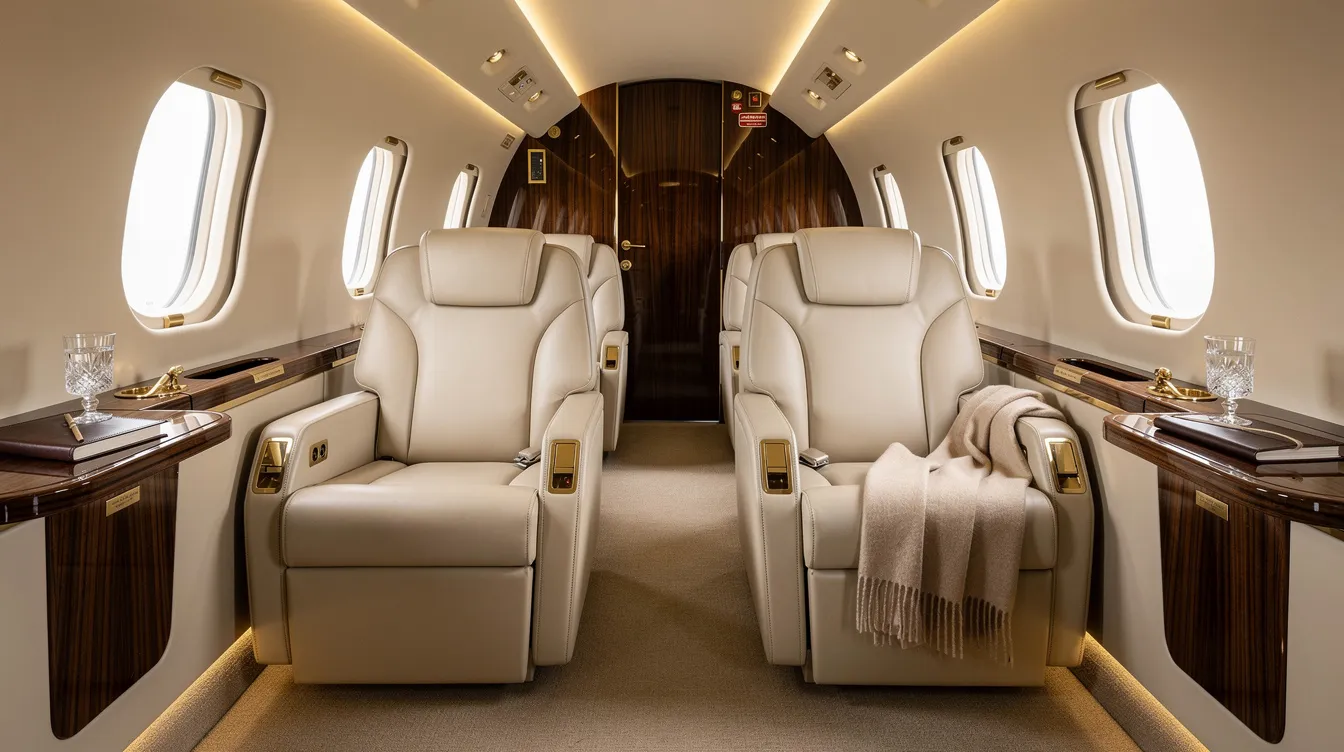
What Drives Charter Plane Cost? Key Factors the Calculator Uses
The calculator models how private aviation actually operates in 2026, accounting for regulation, crew duty limits, repositioning logistics, and demand patterns far beyond simple distance calculations.
Flight Time and Distance
Flight Time and Distance Block time—from engine start to shutdown—determines billable hours. Headwinds on eastbound transatlantic flights can add 30–60 minutes versus tailwind-assisted westbound returns. The calculator adjusts flight time estimates accordingly, mirroring real-world examples found in many guides on how much it costs to rent a private jet.
Aircraft Category and Performance
Aircraft Category and Performance A super-midsize jet at 541 knots might cost more per hour than a midsize alternative, but avoiding a fuel stop on a 3,000 nautical mile route can save $5,000–$10,000 overall. Performance matters as much as hourly rate.
Passenger Count and Cabin Requirements
Passenger Count and Cabin Requirements: Two executives on a $3,500 light jet cost $1,750 per person. Eight colleagues on a $7,000 super-midsize drops to $875 per person while enabling an onboard meeting—a calculation the private jet industry rarely makes explicit and that scales up in specialized analyses of charter costs for 100-passenger private flights.
Peak Demand and Seasonality
Peak Demand and Seasonality Major events drive 20–40% uplifts. Art Basel Miami, the World Economic Forum in Davos, and holiday weekends create measurable demand surges. The calculator reflects current market conditions when you run estimates.
Airport Selection and Fees
Airport Selection and Fees Airport fees, including landing and handling fees, vary by airport and can significantly impact the overall cost. Business aviation hubs like Teterboro (TEB) or Van Nuys (VNY) typically incur landing fees of $200–$800. Major commercial airports like JFK or LAX can exceed $1,000–$2,500, plus longer repositioning times and slot restrictions.
Positioning and Empty Legs
Positioning and Empty Legs. If the aircraft must travel empty to your departure airport, those positioning costs can add $5,000–$20,000. Conversely, empty leg opportunities occasionally offer 30–75% discounts for flexible travelers, as outlined in broader guides to private jet charter pricing fundamentals.
Taxes and Regulatory Fees
Taxes and Regulatory Fees In the U.S., a 7.5% Federal Excise Tax (FET) is applied to all domestic segments, plus segment fees ($4.50–$21.50 per passenger). International flights add head taxes and regional charges. The calculator incorporates these assumptions automatically.
Additional Fees
Additional Fees Fuel surcharges often range from $300 to $900 per hour to account for market fluctuations. Crew fees may include overnight accommodation and daily per diem payments in addition to salaries if required during the trip. Other operational costs, such as catering, ground transportation, and deicing, can increase the final invoice by 25% or more, a pattern echoed in many private jet price list overviews. The BlackJet calculator surfaces these major additional fees upfront rather than burying them in final invoices, ensuring full cost transparency.
Practical Example: A May 2026 New York (TEB)–Miami (OPF) round-trip for 6 passengers on a midsize jet costs approximately $30,000 (6 flight hours × $5,000). Add peak weekend surcharges (15%), airport fees ($1,200), FET ($2,250), crew overnights ($1,500), and fuel surcharges ($1,800), and the total reaches $41,750. Shifting to midweek drops the estimate to roughly $36,000—a 15% savings, the calculator reveals instantly, which is especially relevant when comparing these variable trip costs with a 50-hour Jet Card pricing structure.
Sample Charter Scenarios the Calculator Can Price
Many high-value clients plan around recurring missions. Sample scenarios translate hourly rates into actual trip budgets, factoring in variables such as destination, which can significantly impact pricing and aircraft availability.
Regional Business Hop: London Luton to Zurich
Four executives flying LTN–ZRH same-day return on a Phenom 300 (1.5 hours each way) at $4,500 per hour totals approximately $15,000, including minimal fees. Commercial first-class runs $2,000 per person but requires 4+ hours door-to-door. The private jet travel option saves six productive hours while enabling confidential discussions en route. The choice of destination, such as Zurich, can affect aircraft positioning and the feasibility of discounted or empty-leg flights.
US Coast-to-Coast Meeting: Teterboro to Van Nuys
Seven passengers on a Challenger 350 (4.5 hours one-way) departing Sunday evening with Tuesday return calculates to roughly $78,000 ($7,500 × 10 hours plus $3,000 crew overnight). Commercial first-class for seven runs approximately $10,000 total, but consumes 10+ hours per direction with layovers and ground transportation logistics. Booking a one-way trip may be more expensive if the aircraft must fly back empty; looking for 'empty leg' deals can provide discounts, and broader analyses of whether chartering a private jet is worth it help frame when these premiums make sense.
Transatlantic Board Meeting: New York to London
Eight passengers on a Gulfstream G450 (7 hours each way), estimated at $144,000 for the round-trip charter flight, including international fees and overnight parking. The nonstop privacy and schedule flexibility justify the premium for sensitive board discussions.
Leisure Escape: Miami to Aspen
A family of five with skis and pets on board on a midsize jet (4 hours each way) runs approximately $50,000, including deicing and seasonal surcharges. Mountain airport operations at ASE require specific aircraft performance—a consideration the calculator factors into available aircraft options and one that frequent travelers often address with the best Jet Card programs for regular flyers.
For clients running 15–20 similar trips annually, BlackJet Jet Card pricing transforms these variable estimates into predictable budget line items, and in-depth guides to Jet Card pricing, costs, and benefits can further clarify long-term value.
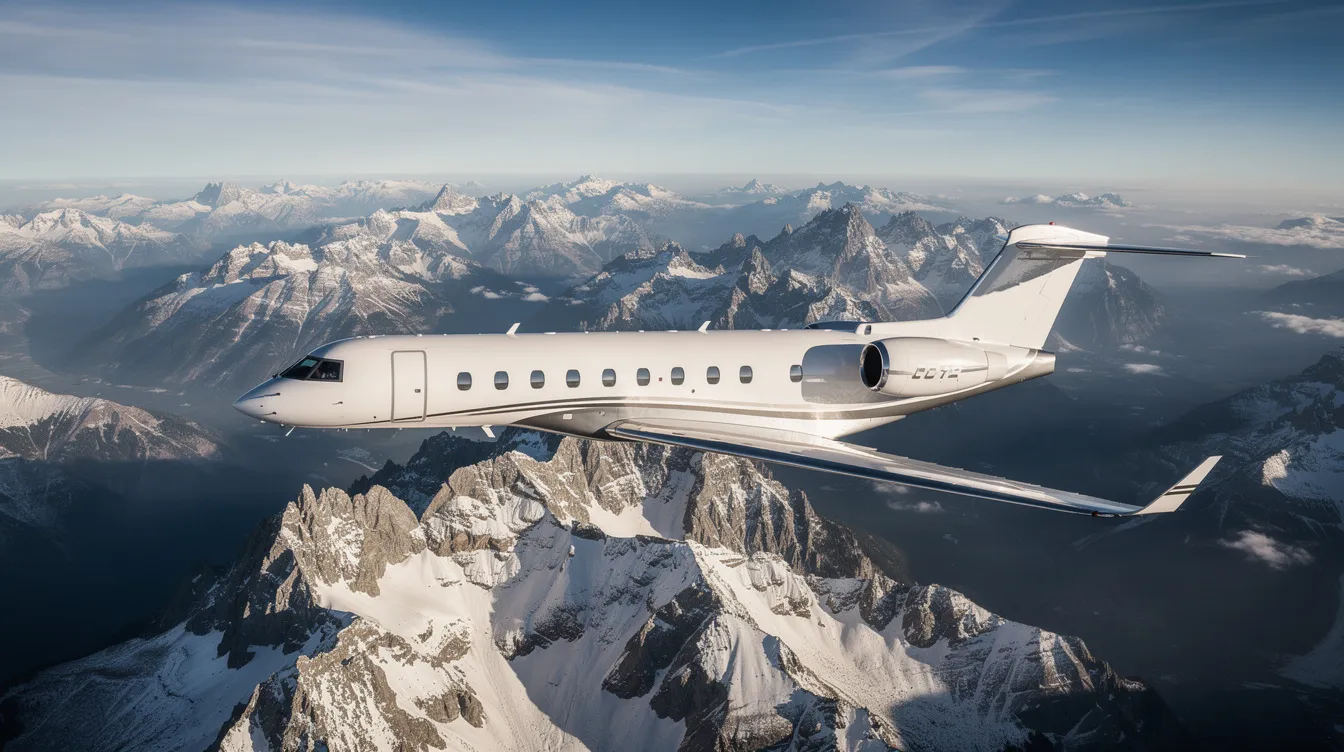
Why BlackJet’s Jet Card and Membership Model Change the Cost Equation
BlackJet operates as a membership-based private aviation platform, not simply an on-demand broker. Jet Card programs (25-hour and 50-hour blocks) simplify what the calculator reveals as a complex, volatile market.
Fixed or Capped Hourly Rates
Fixed or Capped Hourly Rates. Members lock in predictable pricing within chosen cabin classes. While the calculator might show $5,500–$8,500 for midsize jets, depending on dates, cardholders operate at consistent rates regardless of seasonal demand.
No Need to Re-Quote Every Trip
No Need to Re-Quote Every Trip: Jet Card holders translate calculator flight hours directly into card hours. A flight itinerary showing 5 hours becomes a simple deduction, not a negotiation.
Priority Access and Shorter Lead Times
Priority Access and Shorter Lead Times During peak dates, where the calculator shows limited availability, Jet Card members access 75% shorter booking windows and confirmed aircraft through BlackJet’s vetted operator network.
Inclusive Features
Inclusive Features: Many add-ons that inflate on-demand quotes—standard catering, Wi-Fi on select aircraft, de icing coverage—can be bundled into Jet Card structures, such as the BlackJet 25+ Hour Jet Card, reducing surprise additional costs.
Jet Card vs. On-Demand Charter
Jet Card vs. On-Demand Charter: A client flying New York–Florida 15–20 times annually might see on-demand quotes ranging $25,000–$40,000 per domestic flight trip, depending on timing. Fixed-rate Jet Cards average 10–15% below peak pricing while eliminating uncertainty, especially when you understand Jet Card cost per hour across cabin classes.
Jet Card vs. Ownership or Fractional
Jet Card vs. Ownership or Fractional: Aircraft ownership demands $5M+ capital plus $2M annually in depreciation, hangar fees, crew payroll, and maintenance, including substantial private jet pilot and crew costs. Jet Cards offer 40–60% lower entry costs with full scalability—fly more when needed, less when business slows.
Safety, Sustainability, and Technology
Safety, Sustainability, and Technology: BlackJet vets operators against ARGUS Platinum, Wyvern Wingman, and IS-BAO standards, excluding lower-rated aircraft from the calculator’s inventory. Every BlackJet private jet charter flight is carbon neutral through automatic offsetting—displayed in member dashboards alongside estimated CO₂ impact. The digital booking platform integrates the jet charter cost estimator into historical spend analysis for pattern-based optimization.
Beyond the Base Rate: Fees & Extras the Calculator Flags
True cost transparency means accounting for more than the hourly rate. BlackJet’s calculator surfaces major additional fees upfront rather than burying them in final invoices.
Typical Additional Fees
Fee Category | Typical Range | Notes |
|---|
Landing/Handling | $100–$1,500+ | Higher at major hubs (JFK, LAX, Heathrow) |
Ramp/Parking | $500–$2,000/night | Multi-day itineraries increase this |
Taxes (US) | 7.5% FET + segment fees | Per-passenger charges apply |
Crew Overnight | $300–$600/person/night | Premium cities cost more |
Deicing | $1,500–$15,000 | Winter operations, larger aircraft |
Custom Catering | $200–$2,000 | Basic included; gourmet itemized |
Wi-Fi | $1,000–$5,000 or per-MB | Varies by aircraft |
Ground Transportation | $500–$1,500 | Chauffeured vehicles separate |
Airport landing fees at business aviation hubs run considerably lower than at commercial airports. Fuel surcharges fluctuate with jet-A prices, which can vary 20–50% annually. The calculator includes region-specific assumptions, and final trip briefs from BlackJet itemize actual charges with no surprises.
For Jet Card members, many of these additional services are standardized or pre-negotiated, reducing variability from trip to trip.
Using the Calculator Strategically: Tips to Optimize Your Charter Spend
Sophisticated travelers don’t simply seek the cheapest option—they allocate time and budget intelligently.
Flex Your Departure Times
Shifting by a few hours or moving off Friday/Sunday peaks can reduce estimates by 10–25%. The calculator reveals these patterns when you test several parameters.
Choose Smart Airports
White Plains (HPN) instead of JFK, and London Farnborough instead of Heathrow. Business aviation hubs reduce both fees and repositioning time.
Right-Size the Aircraft
Seven passengers don’t require a large cabin jet. Moving from a G650 to a Challenger 350 on a 5-hour flight saves tens of thousands with minimal comfort trade-off, especially when you understand which of the cheapest private aircraft options still deliver on comfort and range.
Leverage Round-Trips and Multi-Leg Planning
Grouping meetings into a single coherent return flight itinerary often beats multiple scattered one-way flights in total cost.
Track Your Patterns
Use the calculator over several months to identify repeated routes, then discuss a tailored BlackJet Jet Card designed around your specific trip patterns.
Consider Empty Legs
Occasionally, the calculator or a BlackJet advisor can identify discounted positioning flights. Flexible travelers may access 40–75% savings on select routes, making it one of the most effective ways to access the cheapest private jet experiences without sacrificing safety or service.
Safety, Certification, and Sustainability Inside the Cost Conversation
Cost is not simply a number—it’s a function of standards. Lower quotes from less rigorous operators exist, but they don’t meet the threshold BlackJet clients expect.
Safety & Certification
BlackJet works exclusively with operators meeting ARGUS Platinum, Wyvern Wingman, or IS-BAO standards. This sometimes excludes cheaper aircraft from the calculator’s inventory—intentionally.
Operational Reliability
Well-maintained fleets with highly experienced flight crews (average 10,000+ hours) reduce cancellation risks from the industry’s 5–10% average to 1–2%. For time-sensitive business travel, reliability justifies premium positioning.
Carbon-Neutral Flights
BlackJet automatically offsets 100% of flight emissions through verified projects. The calculator displays estimated CO₂ footprint and corresponding offset for every trip, allowing clients to factor environmental impact alongside fuel consumption and flight distance considerations.
BlackJet never compromises safety or environmental standards to win a low-cost quote. This is a core brand stance that underpins its broader premium private jet card and charter services.
FAQ: Charter Plane Cost Calculator & BlackJet Membership
How accurate is the BlackJet charter plane cost calculator compared to a formal quote?
The calculator delivers estimates within 80–95% of the final quoted prices for most routes. Variances arise from real-time slot availability, actual aircraft positioning, and specific operator pricing. Treat calculator outputs as decision-grade planning figures, with formal quotes confirming exact numbers.
Why do estimates for the same route vary between dates or times?
Demand, wind patterns, and crew availability all shift. A Friday departure costs more than a Tuesday. Eastbound transatlantic flights in winter face stronger headwinds, extending flight time and billable hours by 20–40% compared to summer tailwinds.
Can I use the calculator without being a BlackJet member?
Yes. The calculator is openly accessible for planning purposes. Non-members receive market-rate estimates; members see Jet Card equivalent calculations alongside.
How does a BlackJet Jet Card change what I see in the calculator?
Cardholders see their locked-in hourly rates rather than fluctuating market prices. The calculator displays how many prepaid hours a given trip requires, transforming estimates into predictable budget line items.
Does the calculator include taxes, deicing, and other extra charges?
The calculator includes estimated landing fees, handling, federal excise tax, and seasonal surcharges where applicable. Final trip briefs itemize exact charges based on confirmed aircraft and routing.
Is it cheaper to charter a jet or buy a fraction/own one outright?
For travelers flying fewer than 200 hours annually, chartering via Jet Card typically saves millions compared to ownership’s fixed costs (depreciation, hangar, full-time crew, maintenance). The calculator helps quantify this comparison.
Can I see the cost per seat, not just the total aircraft price?
The calculator displays the total private jet rental cost. Divide by passengers to derive per-seat economics—often favorable compared to commercial first class when factoring in time savings and enjoyable experience quality.
How does BlackJet ensure all flights are carbon neutral?
BlackJet offsets 100% of CO₂ emissions through verified carbon projects at no extra charge. Member dashboards display estimated emissions and offsets for every flight automatically.
Conclusion: Turn Estimates into a Seamless BlackJet Experience
The charter plane cost calculator represents the first step—immediate clarity on what private jet access costs for your specific missions in 2026. Run your most common routes, compare aircraft categories, and see how flight hours translate into actual trip budgets.
Share those results with a BlackJet advisor to provide clients like yourself with a Jet Card or membership structure designed around your patterns. Experience carbon-neutral, safety-first private jet charter with predictable pricing and 24/7 digital booking through charter experts who understand both the numbers and the nuances.
Explore how BlackJet can transform your travel ledger—from line-by-line charter quotes to a single, elegant Jet Card solution.


 Sign up with google
 Sign up with Apple