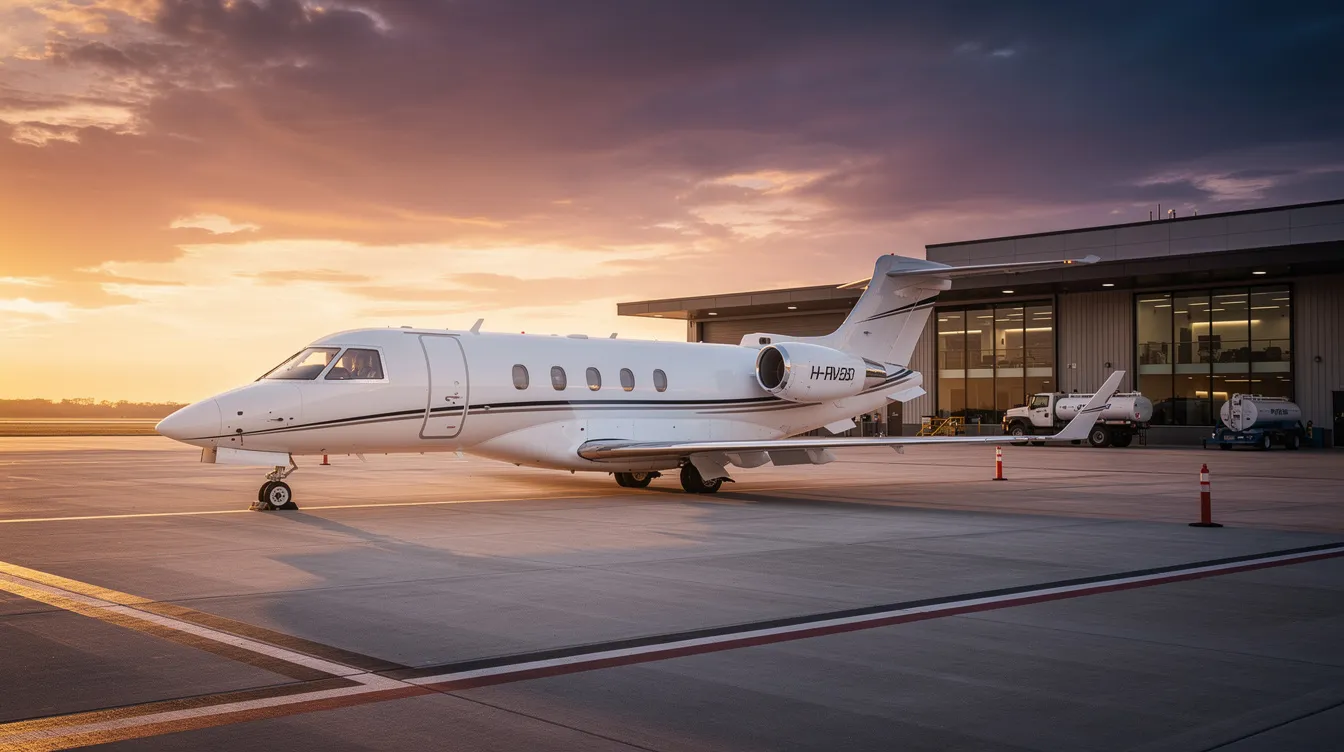
Private jet travel is often perceived as an exclusive luxury reserved for the ultra-wealthy. However, in 2026, affordable private jets and innovative access models are reshaping this narrative. For high-net-worth individuals, corporate executives, and discerning travelers, private jet access is not merely a symbol of prestige—it is a strategic advantage that saves time, enhances productivity, and offers unparalleled convenience compared to commercial aviation.
Consider that private jets can access approximately 5,000 U.S. airports, far exceeding the 500 major hubs served by commercial airlines. This expanded access, combined with the ability to customize schedules and avoid airport congestion, translates into significant time savings and a seamless travel experience. Very Light Jets (VLJs) are ideal for 1,000-mile regional hops, perfectly suited for efficient short to mid-range travel, while heavy jets excel in intercontinental flights, offering optimal efficiency and comfort over long distances. Moreover, advancements in safety certification, avionics enhancement, ice capabilities, and sustainability initiatives ensure that private aviation today meets the highest standards of reliability and environmental responsibility.
This article explores smart strategies to acquire or access cheap private jets in 2026, from pre-owned very light jets and light jets to flexible Jet Card programs. We delve into cost comparisons, safety protocols, and technology enhancements, providing you with a comprehensive guide to making informed decisions that align with your travel needs and values.
Key Takeaways
When searching for a cheap private jet for sale, most savvy travelers discover that “cheap” typically means smart access strategies—pre-owned very light jets, fractional ownership, or Jet Cards—rather than bargain-bin aircraft with hidden maintenance liabilities.
Very light jets like the Cirrus Vision Jet ($2-2.8M used) and light jets such as the Cessna Citation Mustang ($1.5-2.5M) and Embraer Phenom 100 ($2-3.5M) represent the most affordable private jets available in 2026, with the HondaJet HA-420 standing out for its excellent cost-effectiveness compared to other jets in its category.
For travelers flying under 100-150 hours per year, BlackJet Jet Card programs often deliver lower total costs than buying and operating even the cheapest private jet, especially when you compare Jet Card cost per hour to the fully loaded expenses of ownership.
As a company, BlackJet provides innovative, carbon-neutral, safety-certified private jet solutions with transparent pricing, allowing you to fly private without locking capital into an aircraft.
Annual operating costs for private jets typically range from $500,000 to $1 million for crew, maintenance, and fuel—often exceeding the purchase price within a few years, but pre-owned jets offer a lower price point for buyers seeking affordable private jets.
Many private jet charter services provide personalized in-flight catering and luxury amenities, ensuring a premium experience for passengers, whether traveling on-demand or through Jet Card access.
As of July 2024, there are approximately 24,270 private jets in operation worldwide, highlighting the increasing accessibility and popularity of private aviation.
This article offers a comparison between purchasing affordable jets and alternative options such as jet cards, charter, and fractional ownership, with concrete price ranges from 2024 to 2026 to assist you in making an informed choice.
Why “Cheap” Private Jets Are a Strategic Tool, Not Just a Luxury
Private jet access fundamentally enhances travel efficiency for executives, entrepreneurs, and high-net-worth travelers. For example, a typical trip from New York to Chicago takes 5-6 hours via commercial airlines, including airport arrival, security checks, boarding delays, taxiing, and baggage claim. In contrast, a private flight reduces this to 2-3 hours door-to-door, with direct routing to nearby FBOs like Teterboro or DuPage.
The worldwide fleet of private jets totals approximately 24,270 aircraft as of July 2024, underscoring the expanding accessibility and growing popularity of private aviation.
Private jet owners now benefit from a wide range of aircraft options, including other aircraft types beyond VLJs and light jets, allowing them to select the best fit for their travel needs and preferences. Smaller jets can land at roughly 5,000 U.S. airports, whereas larger aircraft are restricted to about 500 major hubs—meaning private travel unlocks destinations commercial airlines simply cannot serve.
Schedule same-day multi-city itineraries (New York–Chicago–Dallas returning the same evening) that would be impossible on airlines
Gain 8-12 hours of productive time per complex trip through the cabin workspace and flexible scheduling
Access smaller airports closer to final destinations, eliminating ground transportation bottlenecks
BlackJet serves as a premier Jet Card provider delivering these strategic advantages through prepaid hours rather than outright aircraft ownership. With rigorous safety certifications, carbon-neutral flights, and transparent pricing, BlackJet offers the benefits of private aviation without the unknowns of purchasing a low-priced aircraft privately.
Defining a “Cheap Private Jet” in 2026
In business aviation, “cheap” is relative. The term typically refers to pre-owned very light jets and light jets with acquisition prices under roughly $3 million—a fraction of what new large-cabin aircraft command.
Typical 2024-2026 market price ranges:
Very light jets (VLJs) like the Cirrus Vision Jet SF50 and Eclipse 500: roughly $1.5-$3 million pre-owned
Light jets such as Cessna Citation Mustang and Embraer Phenom 100: approximately $1.5-$3.5 million used, often more with low hours and updated avionics
Older midsize and large jets, including earlier Dassault Falcon models (Falcon 50 from the 1980s-1990s): sometimes listed around $1-$3 million, but with substantial operating and refurbishment costs
Acquisition cost represents only part of the equation—annual operating costs, including crew, maintenance, hangar, insurance, and fuel, often exceed $500,000-$1 million even for affordable private jets
Buyers can browse categorized and filterable listings to easily compare different affordable private jets for sale and find options that best fit their needs, drawing on frameworks similar to those in a comprehensive private jet price list.
Pre-owned prices for older jets can fall below $2 million, sometimes even dipping under $1 million after several years, making them attractive options for budget-conscious buyers. However, the overall cost of ownership often reveals a more complex financial picture.
Key Categories of Affordable Private Jets
Jet aircraft are typically classified by size, range, and cabin capacity, which helps buyers align aircraft capabilities with their specific mission requirements. Understanding these categories clarifies which private jets for sale represent realistic acquisition targets.
Very Light Jets (VLJs): 3-5 passengers, single-pilot capable, optimal for 500-1,200nm trips; most affordable to buy and operate (e.g., Cirrus Vision Jet, Eclipse 500)
Light Jets: 5-8 passengers, 1,000-1,500nm range, popular entry-level business jets (e.g., Cessna Citation Mustang, Embraer Phenom 100/300)
Midsize/Super-Midsize: 7-10 passengers, 2,000-3,500nm range; mid-size and super mid-size jets provide increased cabin space and range for longer nonstop trips, suitable for intercontinental travel
Large Jets: 10-16+ passengers, intercontinental range; large jets such as the Dassault Falcon and Gulfstream models deliver unparalleled luxury and performance, often featuring advanced technology and spacious cabins for flying long distances without refueling, making them ideal for intercontinental travel
For most buyers seeking a cheap private jet for sale, realistic targets are VLJs and light jets, which sit within the broader landscape of the best small private aircraft, spanning pistons, turboprops, and entry-level jets.
Very Light Jets (VLJs): The Entry Point to Jet Ownership
Very light jets are designed for short-haul flights and typically accommodate 4-5 passengers, making them the most affordable entry point into private jet ownership. VLJs are often the most affordable entry point into jet ownership, offering lower operating costs than larger aircraft.
Very Light Jets (VLJs) are ideal for 1,000-mile regional hops—perfect for routes like Los Angeles to Denver or Chicago to Nashville. They also feature prominently among the cheapest private aircraft options for travelers prioritizing budget and efficiency. Key specifications include:
Typical capacity: 3-5 seats
Range: 1,000-1,200nm
Cruise speed: approximately 300-340 knots
Operation: often single-pilot capable, appealing to owner operators and cost-conscious private owners
Operating costs: roughly $1,000-$1,500 per flight hour for fuel and direct operating expenses
While smaller jets appeal to first-time buyers, they still demand serious maintenance discipline and professional management to meet safety standards, especially regarding well-maintained engines for optimal safety and reliability. BlackJet frequently uses similar-sized aircraft within its vetted network for short regional missions, offering VLJ-level economics without ownership risk.
Cirrus Vision Jet SF50
The Cirrus Vision Jet SF50, a single-engine very light jet in service since 2016, consistently ranks among the most affordable private jets available. The Cirrus Vision Jet SF50 is one of the most affordable private jets available, with a price around $2 million for a new model and a range of 1,200 nautical miles.
2024-2026 market pricing: approximately $2.0-$2.8 million pre-owned, depending on year, total hours, and avionics (G2 and G2+ variants commanding higher prices)
Capacity and performance: up to 5 adults plus 2 children, ~1,200nm max range, cruise around 300 knots
Ideal missions: regional trips like Los Angeles–Denver or Paris–Rome
Unique safety features include:
While acquisition is relatively accessible, annual ownership can reach $300,000+ when factoring in maintenance, insurance, hangar, and engine programs. BlackJet clients can request comparable aircraft for occasional trips without committing millions to a single SF50.
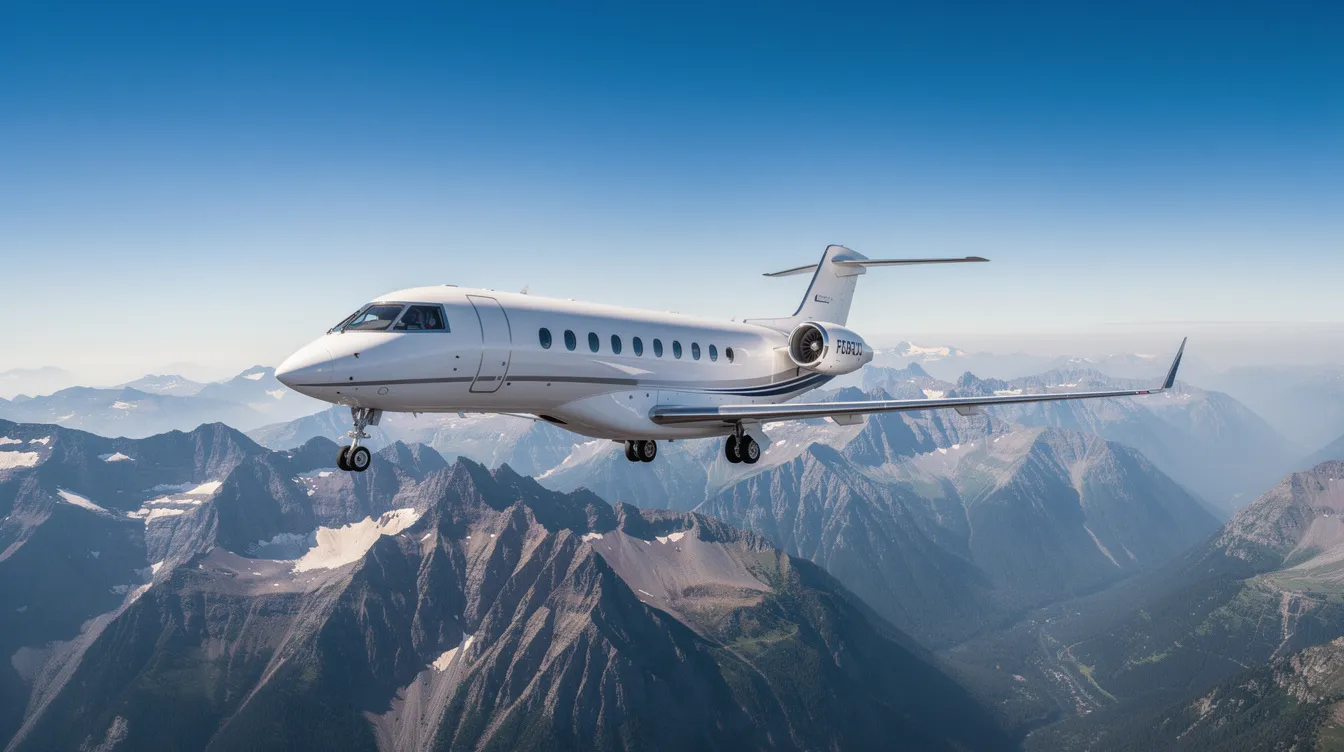
Eclipse 500 and Other VLJ Options
The Eclipse 500 remains among the cheapest private jets for sale, frequently appearing in listings at attractive price points.
Pre-owned pricing (2025-2026): roughly $900,000-$1.5 million, depending on upgrades and maintenance history
Configuration: 4-5 passengers, ~1,100nm range
Best use: short hops between regional business centers
The HondaJet HA-420 is priced between $2.5 million and $3.5 million, featuring a patented over-the-wing engine mount for better efficiency and a spacious cabin. It represents a newer alternative for buyers seeking modern technology and aligns with many of the models highlighted when asking what’s the cheapest private jet that still delivers strong performance.
Older VLJs may have attractive sticker prices but often require avionics retrofits, interior refreshes, and intensive maintenance. Pre-owned jets are typically 20% to 50% cheaper upfront but may lack warranties and require expensive upgrades. Always work with an independent maintenance expert for full pre-purchase inspection and life-cycle cost analysis.
Light Jets: Affordable Private Jets for Serious Business Travel
Light jets, including the Cessna Citation Mustang and Embraer Phenom 100, combine luxury, comfort, and affordability, making them well-suited for business travel and family trips. This category serves as the sweet spot between cost, cabin comfort, and capability.
Light jets fly nonstop on routes like New York–Miami, London–Geneva, or Dubai–Riyadh—making them ideal business jets for regional executive travel
Purchase prices in 2026 for popular models (used) generally range from $1.5-$5 million depending on age, cycles, and avionics
Many BlackJet flights for small executive teams use light jets, providing ownership-level comfort with Jet Card flexibility
Cessna Citation Mustang
The Cessna Citation Mustang, a very light jet available on the pre-owned market for $1.5 million to $2.5 million, is known for its low operating costs and ease of maintenance. Delivered from 2006 to 2017, it remains prominent in the affordable jets market.
Specification | Details |
|---|
Pre-owned price | $1.5-$2.5 million |
Configuration | 4-seat club + 2 cockpit |
Range | ~1,150nm |
Routes | Dallas–Chicago, Berlin–Madrid |
Operating costs for the Cessna Citation Mustang typically range from $1,000 to $1,200 per flight hour, not including expenses for crew salaries and fixed overheads. Many operators use the Mustang for efficient charter and Jet Card missions.
Embraer Phenom 100 and Phenom 300
Embraer, a leading company in private jet manufacturing known for innovation and comprehensive support, offers the Phenom line—modern, popular light jets recognized for comfortable cabins and efficient performance.
Embraer Phenom 100: The Embraer Phenom 100 is a popular very light jet priced between $2 million and $3.5 million for pre-owned models, offering a range of up to 1,178 nautical miles. Operating costs are estimated at $1,200 to $1,500 per hour.
Phenom 300/300E: often $6-$10 million used/new, seats 6-8, range around 2,000nm, among the most in-demand light business jets
Phenoms offer advanced avionics (Garmin Prodigy systems), generous cabin volume for their class, and high dispatch reliability. BlackJet frequently matches clients to Phenom-series aircraft where comfort, cruise speed, and cost efficiency must align.
Older Dassault Falcon Models as “Cheap” Large Jets
Older large-cabin jets like the Dassault Falcon 50 or early Falcon 2000 variants occasionally appear at surprisingly low prices.
Example pricing: some 1980s–early 1990s Falcon 50 aircraft listed around $1-$2 million
Hidden costs: major refurbishments and engine overhauls can cost millions
Capabilities: transcontinental long range (3,000+ nm), full-size stand-up cabins with excellent cabin size
Considerations: fuel burn, crew requirements, and maintenance overhead are substantially higher than those of smaller jets
While these appear cheap on paper, total annual ownership can exceed $1.5 million. For buyers weighing older large-cabin jets against a modern 20-million-dollar private jet with cutting-edge technology and range, it’s essential to compare life-cycle costs and mission fit. BlackJet clients can access modern Falcon aircraft for occasional long-range trips without assuming high fixed costs.
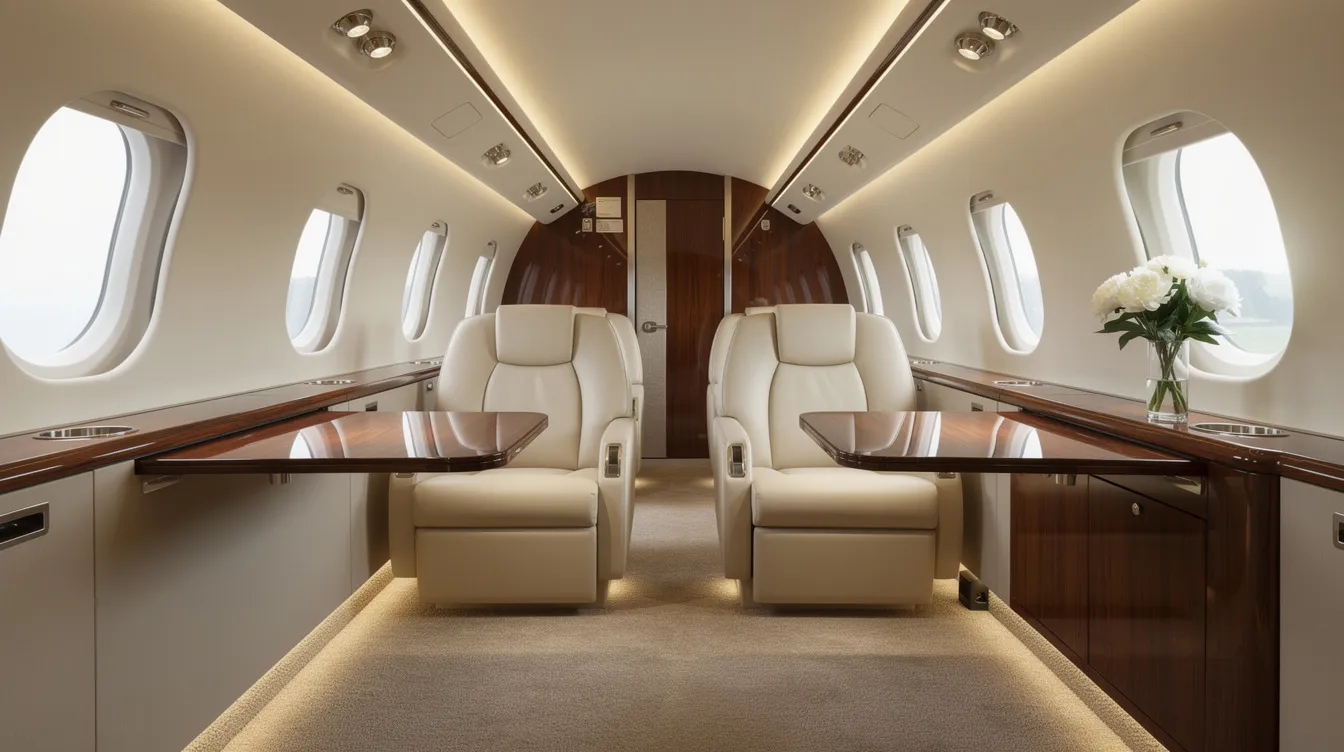
The Real Cost of Owning the Cheapest Private Jet
Annual Operating Expenses
Acquisition represents just the first line of the balance sheet. The total cost of ownership includes fixed expenses such as insurance, hangar fees, flight personnel, and taxes, which can exceed $1-2 million annually, even for smaller jets. Annual operating costs for a mid-size jet can total hundreds of thousands of dollars, making careful budgeting essential.
Typical Annual and Hourly Cost Breakdown for VLJ/Light Jet (2025-2026)
Cost Category | Annual/Hourly Range | Notes |
|---|
Fuel | $300-$700 per flight hour | Varies by jet type and route |
Maintenance | $50,000-$200,000 annually | Includes scheduled and unscheduled maintenance |
Insurance | $15,000-$30,000 annually | Based on hull value, usage, and pilot experience |
Hangar/Parking | $1,000-$3,000 monthly | Location-dependent |
Crew (if not owner-flown) | $80,000-$300,000+ annually | Includes pilot salaries, training, and benefits |
Storage | $50-$500 per month | For additional storage needs |
Depreciation and Tax Considerations
Private jets lose about 10% of their value in the first year and 5% annually thereafter.
Some owners use accelerated depreciation (100% in the first year) to reduce tax liabilities associated with aircraft ownership, though this requires professional tax guidance.
When Jet Cards Make More Sense
Periodic major events—engine overhauls, avionics upgrades, interior refurbishments—each run into six or seven figures.
For travelers flying fewer than 150-200 hours annually, a Jet Card program like BlackJet’s is often financially superior to buying even the cheapest private jet for sale, especially when you account for the structured Jet Card membership pricing versus unpredictable ownership expenses.
Alternatives to Buying: Smarter Ways to Fly Private on a Budget
Access models—jet cards, on-demand charter, and fractional ownership—deliver many advantages of owning your own jet at a fraction of the total cost and commitment. Frequent travelers can use comparisons of the best jet cards for frequent flyers to decide which structure fits their flying profile. The following subsections compare these options concretely.
Jet Cards
Jet card programs offer prepaid blocks of flight hours on specific aircraft types at fixed hourly rates, providing flexibility for frequent flyers. BlackJet’s Jet Card model operates as follows:lackJet’s Jet Card model operates as follows:
Clients prepay for set hours across various cabin classes (very light, light, midsize, super-midsize, large) with transparent hourly pricing and minimal surcharges
24/7 digital booking platform and mobile app enable trip requests, aircraft tracking, and real-time support
BlackJet sources aircraft from rigorously audited operators meeting high safety certifications (ARGUS, Wyvern, IS-BAO)
Financial advantages: Understanding Jet Card pricing structures helps clarify how these benefits translate into predictable annual travel budgets.
No acquisition cost, asset depreciation, or responsibility for maintenance, hangar, or crew salaries
Members pay only for hours flown with predictable costs
All BlackJet flights are carbon-neutral through integrated offset programs
On-Demand Charter
Private jet charter provides maximum flexibility—booking individual flights whenever needed without long-term commitment.
Pros: pay-as-you-go pricing; chartering allows access to a variety of aircraft types without upfront purchase costs; many services offer personalized in-flight catering and luxury amenities, and detailed guides to private jet rental costs make budgeting for each trip more transparent
Cons: pricing fluctuates by season/availability; less cost certainty than Jet Cards; peak surcharges are common
Efficiency: Chartering a private jet bypasses the congestion and delays commonly experienced at commercial flight terminals.
Chartering also provides a hassle-free and convenient alternative to ownership by removing the burdens of maintenance, storage, and crew management.
Fractional Ownership
Fractional ownership means buying a share (1/16, 1/8) of an aircraft and sharing costs among multiple owners.
Lower acquisition cost than full private ownership, but still significant capital outlay, plus monthly management fees and hourly charges
Access governed by hours per year and contract terms; peak-day restrictions and call-out windows may limit spontaneity
BlackJet’s Jet Card alternative offers similar or greater flexibility without equity risk, residual value concerns, or long contract lock-ins. Clients can scale usage annually as travel requirements change.
How to Evaluate a Cheap Private Jet for Sale
If you’re determined to purchase an affordable jet, due diligence prevents hidden costs and safety compromises.
Evaluation checklist
Maintenance history: Examine logbooks, service bulletins, compliance with manufacturer schedules; look for programs like Rolls-Royce Corporate Care or APU enrolled status.
Airframe and engine hours: Understand total time, cycles, and time remaining to major inspections.
Avionics and cabin: Assess whether upgrades meet 2026 navigation and safety requirements; estimate refurbishment costs for new paint or cabin refresh.
Ownership and title: Confirm clear title, no liens, proper records of prior owners (one owner aircraft command premiums).
Independent inspection: Hire a third-party facility for pre-purchase inspection and cost-of-ownership projection.
Pre-owned jets are typically 20% to 50% cheaper upfront but may lack warranties and require expensive upgrades. Compare projected 5-10 year total cost with equivalent BlackJet Jet Card hours—you may find the perfect aircraft is simply consistent access rather than ownership, especially when you evaluate a larger 100-hour Jet Card cost against full ownership.

Safety, Technology, and Sustainability: Where Cheap Should Never Mean Compromise
In private aviation, “cheap” must never compromise safety, modern technology, or environmental responsibility.
Safety considerations
Verify up-to-date maintenance, no unresolved airworthiness directives, and appropriate regulatory operation (Part 91 or Part 135)
Older, low-priced jets may require significant investment to meet modern safety standards
BlackJet mandates Wyvern Wingman and ARGUS Platinum certifications across its network
Technology factors
Newer affordable jets like Cirrus Vision Jet, Embraer Phenom series, and recent Citations include advanced avionics, synthetic vision, and integrated safety systems
Upgrading older aircraft avionics to modern glass cockpits can cost hundreds of thousands, reducing apparent savings
Sustainability
SAF (sustainable aviation fuel) blends are increasingly available, cutting emissions up to 80%
BlackJet integrates carbon offsetting into every Jet Card flight through verified environmental projects (reforestation, renewable energy)
Members achieve carbon-neutral private travel without managing offsets themselves
BlackJet’s curated aircraft network, safety audits, and sustainability commitments provide an alternative to the risks of purchasing the lowest-priced jets for sale.
Is Buying a Cheap Private Jet or Using a Jet Card Right for You?
This decision hinges on annual flight hours, cash flow preferences, and desired flexibility.
Decision guide: If your flying pattern aligns with mid-range usage, analyzing a 50-hour Jet Card cost scenario can clarify whether pre-paid hours outperform entry-level aircraft ownership.
Scenario | Recommendation |
|---|
200-400+ hours annually, similar routes | Evaluate VLJ/light jet ownership |
25-150 hours annually, varying routes | Jet Card programs (BlackJet) like the BlackJet 25+ Hour Jet Card |
Fewer than 25 hours annually | On-demand charter + commercial |
Calculate your scenario:
Total 5-year cost of owning a “cheap” jet (capital, financing, operating costs, resale value)
Versus 5 years of Jet Card usage at expected hours using BlackJet’s transparent rates
For most executives and high-net-worth travelers, the ability to fly private without locking capital into depreciating assets while maintaining access to the company’s rigorous safety and sustainability standards represents the smarter path forward.
Elevate your travel—effortlessly. With BlackJet, private flight isn’t reserved for those who can afford to own jet aircraft outright. Our Jet Card programs deliver safety-certified, carbon-neutral private aviation with the flexibility to scale as your travel patterns evolve. Explore BlackJet’s Jet Card options and discover how refined, strategic travel becomes your new standard.
FAQ: Cheap Private Jets and Jet Card Alternatives
What is the absolute cheapest private jet I can buy today?
Older VLJs like the Eclipse 500 occasionally appear under $1.5 million, and some very old midsize or large jets (including early Dassault Falcon 50s) may list near $1 million. However, these extremely low prices almost always involve significant upcoming maintenance, refurbishment, or operating cost obligations that can quickly exceed the purchase price. View these listings as starting points requiring rigorous technical and financial due diligence—not turnkey bargain aircraft for sale.
How many flight hours per year justify owning a cheap private jet instead of using a Jet Card?
Ownership generally begins making financial sense above roughly 200-300 hours of annual utilization on similar routes and aircraft sizes. Below this threshold, fixed ownership costs spread across too few hours, making jet cards or charter more efficient. Prospective buyers should model scenarios using actual travel patterns and operate realistic cost projections before committing capital.
Can I choose specific aircraft models like Cirrus Vision Jet or Cessna Citation Mustang with a Jet Card?
Most jet cards, including BlackJet’s, are sold by cabin class rather than exact model to guarantee availability and consistent pricing. Within categories, BlackJet’s team can often honor preferences for popular types, subject to scheduling and safety requirements. This approach provides cost predictability while aligning aircraft capabilities with mission needs.
How does BlackJet keep private flying carbon-neutral if jets burn a lot of fuel?
BlackJet calculates carbon emissions for every flight based on aircraft type, distance, and fuel burn, then purchases verified carbon offsets to balance those emissions. Through partnerships with certified environmental projects, every Jet Card trip achieves carbon-neutral status by design. Members maintain sustainable private travel without managing offsets themselves.
Is it harder to resell a cheap private jet in a few years?
Resale liquidity depends on model popularity, maintenance status, avionics currency, and market conditions—not just original purchase price. Niche or outdated aircraft can prove difficult to resell quickly at attractive prices, even when bought cheaply. Jet Card programs like BlackJet’s eliminate residual value and remarketing risk altogether since clients never own the aircraft.
Conclusion: Access Affordable Private Jet Travel with Confidence
In 2026, owning or accessing a cheap private jet is no longer just a luxury reserved for a select few—it is a strategic investment in time, productivity, and seamless travel. Whether you choose to purchase a pre-owned very light or light jet, explore fractional ownership, or leverage the flexibility of a Jet Card program, understanding the full cost, safety standards, and operational considerations is essential.
For discerning travelers seeking the ultimate blend of convenience, safety, sustainability, and cost-effectiveness, BlackJet offers a premier solution. Through its innovative Jet Card programs, BlackJet provides prepaid access to a curated fleet of rigorously certified private jets across multiple cabin classes. Clients enjoy carbon-neutral flights, transparent pricing, and 24/7 digital booking and support—eliminating the complexities and financial risks of ownership while maintaining unparalleled flexibility.
Discover how BlackJet can elevate your travel experience and make private jet access a practical, sustainable, and sophisticated choice. Visit blackjet.com to explore premium Jet Card offerings and unlock effortless, responsible private aviation tailored to your lifestyle and business needs.


 Sign up with google
 Sign up with Apple