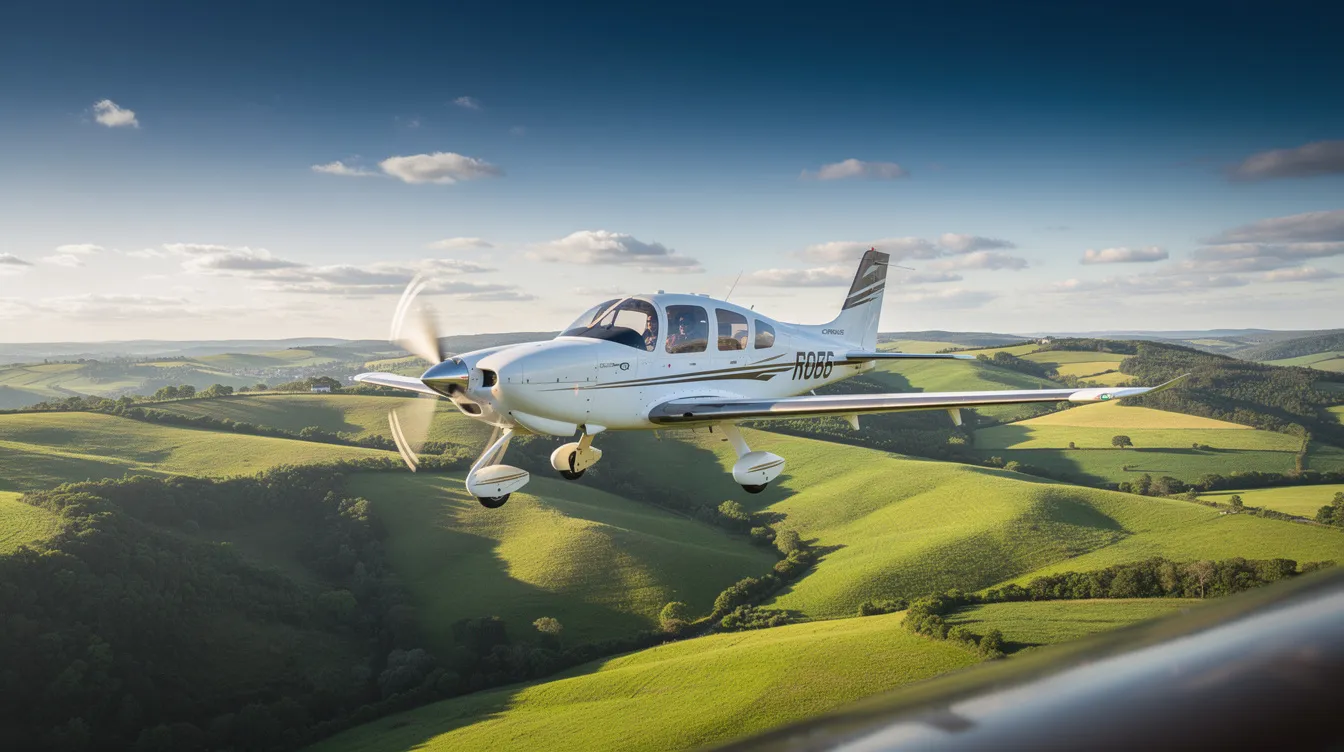
The Cirrus cost of ownership is far more than the purchase price: for a Cirrus SR22, SR22T, or G6, owners need to budget for fixed costs like hangar fees, insurance, training, maintenance, financing, and depreciation, plus variable costs like fuel and engine reserves, bringing typical annual ownership to roughly $35,000 to $60,000 for SR22 models and about $480,000 to $770,000 for the Cirrus Vision Jet, depending on usage. Buyers often focus on the acquisition number, but the real financial decision is what the airplane costs whether it flies or sits.
This guide is built for prospective Cirrus owners—pilots, business travelers, and high-net-worth buyers considering regional or business travel by aircraft—who want a clear view of total ownership cost before they commit. It breaks down purchase pricing, fixed and hourly operating expenses, maintenance, training, safety features, financing, depreciation, and tax considerations for the Cirrus SR22, SR22T, and Cirrus Vision Jet using 2025-2026 data, then compares full ownership with fractional programs, charter, and jet card alternatives. That matters if you are deciding not just whether you can buy a Cirrus, but whether owning one is the right fit for your flight hours, budget, and travel needs compared with other ways to access private aviation.
Key Takeaways on Cirrus Cost of Ownership
A new Cirrus SR22T costs approximately $779,900 in 2025. Late-model G6 SR22T examples trade between $600,000 and $1,000,000 on the used market. New G7/G7+ models list for $950,000 to $1.2 million.
Fixed costs for an SR22 (insurance, hangar storage, annual inspection, CAPS reserve, avionics subscriptions) total roughly $25,100 per year without financing. Add debt service on an $850,000 financed purchase, and that figure rises to approximately $88,300 per year.
Hourly operating costs for an SR22 with a mid-time engine run $150 to $220, covering fuel, engine reserve, maintenance, and consumables. For the Vision Jet, hourly variable costs are estimated at $732, with fuel alone accounting for $350 to $490 per hour.
Total annual ownership costs for a Cirrus aircraft range from $35,000 to $60,000 for typical flight hours on an SR22, while a Vision Jet owner flying 150 to 200 hours per year can expect an annual budget of $480,000 to $770,000.
The highest costs that surprise new owners: depreciation (3-4% per year on an SR22T, larger dollar amounts on a Vision Jet), unexpected costs from unscheduled maintenance, and insurance costs that spike for low-time pilots.
Many owners fly fewer hours than projected. Below 100 hours per year on an SR22, cost per hour often exceeds $1,000, making charter or a Jet Card program competitive on a per-trip basis.
BlackJet Jet Cards provide access to premium aircraft across multiple cabin types without tying up $1 million or more in a single Cirrus airframe, and every flight is carbon neutral at no extra cost.
How Cirrus Aircraft Ownership Works in Practice
Aircraft ownership in the Cirrus world means you are responsible for the airframe 365 days a year. Within general aviation, whether you log 50 hours or 300, the hangar lease renews, the insurance premium is due, compliance items (annual inspections, airworthiness directives, avionics database subscriptions) require attention, and the Cirrus Airframe Parachute System needs periodic servicing on schedule. The cost of private jet ownership involves both fixed and variable expenses, and both categories demand planning.
The two Cirrus models that drive most ownership discussions:
Cirrus SR22 / SR22T: A piston single with a side yoke, advanced avionics, and the whole airframe parachute (CAPS) as standard equipment. The SR22T cruises at 214 knots with a service ceiling of 25,000 feet. Used prices in 2026 span from roughly $175,000 for earlier generations (G1/G2) to over $1 million for low-time G7+ examples with Safe Return.
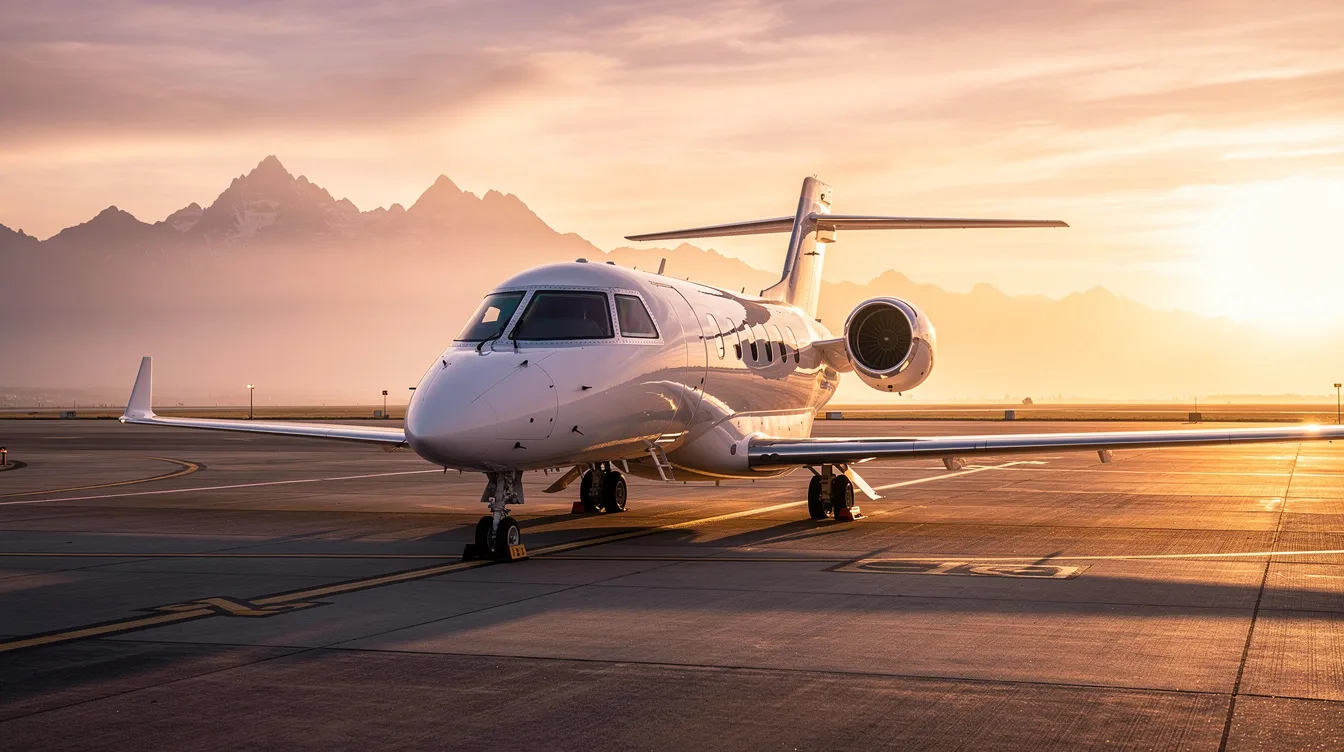
Cirrus Vision Jet SF50: A single-engine very light jet seating up to five passengers plus the pilot, cruising at 300 knots with a range of over 1,200 nautical miles. New pricing hovers around $3.25 million; used G2/G2+ examples start near $2.2 million.
The distinction between fixed costs and hourly operating costs shapes every ownership decision. Fixed costs (hangar, insurance, subscriptions, recurrent training) hit your bank account whether the airplane moves or not. Variable costs (fuel, maintenance reserves, landing fees) scale with the number of flight hours. Ownership economics are utilization-dependent: more hours flown spreads fixed overhead across more flights, lowering cost per hour but raising the total annual budget in absolute dollars.
Cirrus SR22 and SR22T: Purchase Price and Depreciation
The SR series remains the entry point to Cirrus ownership for pilots flying regional trips and business hops. The SR22 features the Cirrus Airframe Parachute System as standard, along with modern avionics (Garmin Perspective or Perspective+ depending on generation) and synthetic vision technology that reduces pilot workload in instrument conditions.
2025-2026 price tiers by generation:
G2-G3 (2004-2012): $265,000 to $500,000 depending on engine time, avionics condition, and logbook completeness
G5 (2013-2016): $450,000 to $650,000 for normally aspirated; SR22T turbo models command a premium
G6 (2017-2023): NA SR22 roughly $550,000 to $900,000; SR22T $600,000 to $1,000,000+
G7/G7+ (2024+): $950,000 to $1.2 million for clean, low-time aircraft. The G7 model introduced Safe Return Emergency Autoland technology, creating an "autoland premium" that is compressing values of older models without the feature
Pre-purchase inspections are critical for revealing hidden mechanical issues in any used Cirrus, and the results directly affect resale and depreciation assumptions. A $700,000 SR22T depreciating at 3-4% annually erodes $21,000 to $28,000 per year in value. Over a 10-year hold, that cumulative loss can exceed $200,000, which is real money even when the airplane performs perfectly. The actual cost of ownership includes depreciation and financing costs on top of operating expenses.
Cirrus Vision Jet: Acquisition Costs and Ownership Profile
The Cirrus Vision Jet SF50 sits at the top of the Cirrus lineup for entrepreneurs and families who want jet speeds, a pressurized cabin at flight levels above weather, and a single-pilot, owner-flown platform. The Vision Jet includes Safe Return Emergency Autoland technology and the airframe parachute system CAPS, making it a complex aircraft with a safety profile unlike any other jet in its class.
Acquisition numbers for 2025-2026:
New Vision Jet G2+: list price circa $3.25 million
Used, late-model SF50 G2 or G2+: approximately $2.2 million for clean, low-time examples
Fully loaded configurations with custom interiors carry additional premiums
Compared to SR22 ownership, Vision Jet owners face higher fixed costs across every category: insurance on a larger hull value, professional pilot services or intensive owner-pilot training, and hangar fees for a jet-sized aircraft. The estimated annual fixed cost for operating the Vision Jet is $179,657 before financing, which aligns with what buyers exploring private jet options around the $2 million mark should expect once ongoing expenses are fully accounted for.
Depreciation on a $3 million-class jet can reach 25-35% off the new price within 2-3 years, driven by market conditions and technology refresh cycles. A tech founder flying 175 hours per year between Los Angeles, Denver, and Austin could see total annual flight operations costs of $600,000 to $800,000 once fuel burn (the Vision Jet consumes more fuel than a piston, around 56-70 gallons per hour of Jet-A), maintenance programs, insurance, depreciation, and financing are combined.
Breaking Down Fixed Costs: Hangar, Insurance, Training, and More
Fixed costs in Cirrus ownership are the line items that do not care how many hours you fly. They renew annually (or monthly) regardless of utilization. Annual insurance premiums for private jets can vary based on pilot experience and aircraft value, and Cirrus is no exception.
SR22/SR22T fixed cost ranges (2025-2026 U.S.):
Hangar fees: $4,000 to $6,000 per year in rural areas; $10,000 to $18,000+ near metro airports
Insurance for an SR22T ranges from $500 to $5,500 annually for experienced, instrument-rated owners with Cirrus time; $12,000 to $18,000+ for low-time, first-time buyers. An instrument rating, total hours, and claims history are the primary drivers of insurance quotes
Annual inspection: $4,500 to $8,000 at an authorized service center. Annual inspections for private jets typically cost between $3,000 and $10,000 or more, depending on findings
CAPS parachute repack reserve: mandatory every ~10 years at $15,000 to $20,000; amortized to roughly $1,500 to $2,000 per year
Avionics subscriptions, Cirrus IQ, charts, databases: $2,000 to $3,000 per year
Recurrent training and transition training (Cirrus Approach courses, proficiency events): $2,000 to $5,000 per year
Fixed annual ownership costs for a Cirrus SR22T are $8,200 to $14,600 when excluding hangar and training, which is why many pilots also compare these numbers with the cheapest private aircraft and other budget-friendly options before committing. Training and recurrent proficiency are vital components of ownership costs, particularly for pilots moving up to complex aircraft.
Vision Jet fixed cost ranges:
JetStream maintenance base fee: approximately $50,000 to $60,000 per year at typical utilization
Insurance, hangar, management, crew/training combined: $300,000 to $550,000 per year depending on location and whether the owner uses professional pilot services or flies solo
Comprehensive liability and hull coverage scales with the jet's hull value and pilot qualifications
Hourly Operating Costs: Fuel, Maintenance, and Engine Reserves
Hourly operating costs are where utilization changes the ownership experience most. An owner flying 50 hours absorbs the same fixed overhead as one flying 200 hours, but the variable bill per flight hour stays roughly constant. Variable costs scale with the number of flight hours and include fuel and maintenance.
Fuel burn and fuel prices:
Fuel consumption for the Cirrus SR22/SR22T ranges from 11 to 18 gallons per hour. At typical cruise power, expect 14.5 to 16.5 gph. With fuel prices at $6 to $7 per gallon in 2026, fuel cost runs $90 to $115 per hour.
The Vision Jet burns approximately 56 to 70 gallons per hour of Jet-A. At $6.50 per gallon, that is $364 to $455 per hour. Flying at higher speeds or climbing to higher flight levels burns more fuel in the initial phase but can reduce total fuel on longer legs.
Maintenance reserves and engine overhauls:
SR22 engine TBO is roughly 1,500 to 2,000 hours. Overhaul costs run $25,000 to $35,000, translating to an engine reserve of $15 to $30 per hour depending on overhaul shop and engine variant.
Propeller overhaul, tire and brake wear, unscheduled squawks, de-ice fluid, oxygen servicing, and landing/handling fees at busy FBOs add $30 to $60+ per hour. Many owners underestimate these costs until they start flying into larger business airports.
Vision Jet JetStream hourly program fees run $400 to $550 per hour, covering scheduled and unscheduled engine work plus inspections. Hourly variable costs for the Vision Jet are estimated at $732 total when including all consumables, fitting into the broader private jet price landscape across ownership and charter models.
Illustrative SR22 cost-per-hour build-up:
At 100 hours per year: fixed costs ($25,100) + variable (~$170/hr × 100) = ~$42,100 operating costs, or $421 per hour before financing. Add debt service and the cost per hour crosses $1,000. At 200 hours per year, that same math yields roughly $630 to $700 per hour with financing.
Sample Annual Budget Scenarios for SR22 vs Vision Jet
These scenarios are generalized illustrations, not financial advice. Every owner's annual budget will shift based on location, fuel prices, maintenance findings, and actual hours flown.
Scenario 1: SR22 owner, 100-150 hours per year, mixed business and leisure
Aircraft: G6 SR22, mid-time engine, financed at $850,000
Fixed costs (no financing): ~$25,100
Debt service (20% down, 20-year loan at 7%): ~$63,200
Variable costs at ~$170/hr: $17,000 (100 hrs) to $25,500 (150 hrs)
Total annual budget: approximately $105,000 to $114,000 at 100 hours; $114,000 to $128,000 at 150 hours
Annual operating costs for an SR22T range from $35,000 to $50,000 when excluding financing
Scenario 2: Vision Jet owner, 150-200 hours per year, regional business routes
Aircraft: SF50 G2+, used at ~$2.5 million or new at $3.25 million
Fixed costs (JetStream, insurance, hangar, training): ~$300,000 to $550,000
Variable costs at ~$732/hr: $109,800 (150 hrs) to $146,400 (200 hrs)
Total annual budget: approximately $410,000 to $700,000+ depending on fixed cost tier
Charter rate for a Vision Jet-class aircraft runs approximately $3,000 to $3,500 per hour wet. Ownership becomes competitive versus charter only above roughly 140 to 150 hours per year, depending on fixed cost assumptions. Below that threshold, on-demand charter or evaluating Jet Card cost per hour across providers eliminates the fixed overhead entirely.
Financing, Cash Flow, and Tax Considerations
Most buyers of new aircraft, whether SR22 G7 or Vision Jet, finance the purchase rather than paying cash. This directly shapes monthly cash flow and long-term ownership costs.
Typical aviation loan structures in 2025-2026:
15 to 20-year amortization, 15-25% down payment, interest rates around 6-8% for strong-credit borrowers
Monthly payment on an $850,000 SR22 (20% down, 20 years, 7%): approximately $5,270 per month, or $63,200 per year
A $3.25 million Vision Jet with similar terms could carry debt service of $200,000 to $250,000+ annually
From a capital allocation standpoint, tying up $680,000 to $2.6 million in a depreciating asset carries real opportunity cost. At a conservative 7% annual return in a diversified portfolio, the opportunity cost on $1 million deployed into an SR22 is $70,000 per year before the airplane burns a drop of fuel.
U.S. tax strategies (bonus depreciation, business use allocations, Section 179 deductions) can offset some ownership costs, but the rules differ for Part 91 versus Part 135 operations and change with legislative cycles. Qualified pilots who own through an LLC or S-corp may find different treatment than individual owners. Work with an aviation CPA rather than relying on generalized guidance. How financing and tax treatment interact often shapes the decision between full ownership and alternatives like fractional programs or jet cards, especially when you factor in strategies to maximize jet card-related tax deductions.
Maintenance Costs, Safety Programs, and Reliability
Cirrus aircraft are engineered with safety as a design priority. The Cirrus Airframe Parachute System (CAPS) is standard on every SR series airplane. The Vision Jet adds Safe Return Emergency Autoland. But realizing these safety advantages requires disciplined maintenance and recurrent training by qualified pilots.
SR22/SR22T maintenance milestones:
Annual inspection at an authorized Cirrus service center: $4,500 to $8,000, with service bulletins and AD compliance adding to the bill in some years
CAPS repack and rocket replacement: every ~10 years, $15,000 to $20,000
Engine overhauls at TBO (1,500-2,000 hours): $25,000 to $35,000; maintenance reserves should be accrued from the first hour post-overhaul
Avionics updates, Perspective+ software, ADS-B compliance: costs vary but are not optional for owners who want to preserve resale value
Vision Jet maintenance profile:
JetStream program covers scheduled inspections, engine work, and many unscheduled items at $400 to $550 per hour. Cirrus provides comprehensive maintenance programs for owners enrolled in JetStream.
Factory or authorized service center work is required to maintain warranty status and dispatch reliability
Calendar-based inspections and CAPS servicing follow strict intervals
Cirrus offers access to over 800 Cirrus Standardized Instructor Pilots (CSIPs) for transition training and ongoing proficiency. The Cirrus community offers events for new owners to connect, share operational knowledge, and build piloting skills. Participating in structured safety training (Cirrus Approach, COPA proficiency programs) can reduce incident risk and, over time, help with insurance costs as pilots build logged hours in type.
Cirrus Ownership vs Fractional, Charter, and Jet Card Programs
The strategic question for any aviation consumer evaluating Cirrus ownership: does complete control of a single airframe serve your mission, or would fractional ownership, charter, or a Jet Card deliver better value and flexibility? Growth in demand for private aviation services is reflected in the competitive landscape of companies like Wheels Up and NetJets, but each model carries different trade-offs.
Fractional Cirrus ownership (1/8 or 1/4 share): investment starts around $125,000 for a 1/8 share in a Cirrus SR22. Monthly fees for fractional ownership range from $2,500 to $8,000 and typically cover insurance, maintenance, and pilot services, helping owners avoid bearing the substantial costs of sole ownership alone. Fractional ownership allows access to aircraft for 50 to 250 hours annually and reduces upfront capital requirements compared to full ownership, but understanding fractional jet ownership depreciation and its impact is critical. The trade-offs: scheduling constraints, shared wear on the airframe, limited customization, and geographic restrictions.
On-demand charter: no capital deployed, pay only when you fly. But pricing varies with demand, aircraft type and condition are inconsistent, and availability at peak times or into smaller airports is unpredictable. For some missions, especially when buying individual seats on shared flights, it can be more efficient to purchase a seat on a private jet via curated platforms.
BlackJet Jet Card programs: Jet Card programs provide prepaid access to private jets across multiple cabin types. BlackJet offers carbon-neutral flights on every trip, strict safety and certification standards, a digital booking platform with real-time support, and the ability to gain access to different aircraft categories (light jet, midsize, large-cabin) instead of being locked into a single SR22 or Vision Jet—while still benefiting from predictable Jet Card membership pricing.
An owner flying 75 to 100 hours per year on business may find a BlackJet Jet Card or curated charter more economical than owning and managing a Cirrus, especially when cabin class flexibility, world-class support, and zero fixed-cost exposure matter; in these cases, comparing the best Jet Cards for frequent flyers against full ownership numbers is essential.
Frequently Asked Questions about Cirrus Cost of Ownership
What are the main fixed costs associated with owning a Cirrus SR22?
Fixed costs include hangar fees, insurance, annual inspections, CAPS parachute repack reserves, avionics subscriptions, and recurrent training. These typically total around $25,000 per year, excluding financing.
How much does fuel cost for a Cirrus SR22T per hour?
Fuel burn ranges from 11 to 18 gallons per hour depending on power settings. At typical cruise power, expect 14.5 to 16.5 gallons per hour. With fuel prices around $6 to $7 per gallon, fuel costs run approximately $90 to $115 per hour.
What is the depreciation rate for a Cirrus SR22T?
The SR22T typically depreciates at 3-4% annually, which can amount to $21,000 to $28,000 per year on a $700,000 aircraft.
How do ownership costs compare between the SR22 and the Vision Jet?
Vision Jet ownership involves significantly higher fixed and variable costs due to its size, complexity, and jet fuel consumption. Annual fixed costs for the Vision Jet can exceed $179,000, with hourly variable costs around $732, compared to roughly $25,000 fixed and $150-$220 hourly variable costs for the SR22.
What are the benefits of fractional ownership of Cirrus aircraft?
Fractional ownership reduces upfront capital requirements and shares fixed costs like insurance, maintenance, and pilot services. It offers access to aircraft for 50-250 hours annually, providing cost savings and scheduling priority compared to sole ownership.
When does owning a Cirrus make financial sense?
Owning an SR22 generally becomes cost-competitive at 150-200 hours of annual flying, while the Vision Jet breaks even near 140 hours. Below these thresholds, charter or Jet Card programs often provide more economical and flexible options.
How does BlackJet support Cirrus owners or prospective owners?
BlackJet offers comparative cost modeling between full ownership, fractional programs, charter, and Jet Cards, helping owners optimize their aviation budget. BlackJet also provides carbon-neutral flights, strict safety standards, and access to multiple aircraft categories through its digital platform.
Are there financing options available for Cirrus aircraft?
Yes, most buyers finance their purchase with typical loan terms of 15-20 years, a 15-25% down payment, and interest rates around 6-8%, which affects monthly cash flow and total ownership costs.
What safety features are standard on Cirrus aircraft?
The SR22 includes the Cirrus Airframe Parachute System (CAPS), and the Vision Jet adds Safe Return Emergency Autoland technology, enhancing safety for pilots and passengers.
How important is recurrent training for Cirrus owners?
Recurrent training is vital to maintain proficiency, especially with complex avionics and safety systems. It also helps reduce insurance premiums and ensures safe operation of the aircraft.
When Does Owning a Cirrus Actually Make Sense?
For some pilots and families, owning a Cirrus SR22, SR22T, or Vision Jet is as much about the flying itself as the economics. The ownership experience of walking to your own airplane, loaded with your gear, on your schedule, is something no Jet Card or charter can fully replicate. But the economics still matter, and some flyers instead lock in a 25-hour Jet Card structure with fixed pricing to balance control and cost.
Utilization break-even bands: SR22 ownership starts to compete with renting or on-demand access at roughly 150 to 200 hours per year of annual flying. For the Vision Jet, the threshold is similar, but the dollar amounts are larger; below 140 hours, charter or a Jet Card typically wins on cost.
Soft factors favoring ownership: desire to self-fly, willingness to manage maintenance logistics, appetite for recurrent training, value of having your own airplane on short notice, and whether you regularly fly to small airports that charter operators rarely serve.
Hybrid strategies: own an SR22 for shorter, self-flown regional trips; use a BlackJet Jet Card or charter for longer legs, international missions, or winter IFR flying where a larger aircraft with professional crew makes more sense, potentially via a50-hourr Jet Card with tiered hourly rates.
Self-assessment questions: How many hours per year will you realistically fly? What are your typical routes and who are your passengers? Do you need cabin size flexibility across different aircraft? What is your tolerance for operational responsibility versus preferring turnkey service?
How BlackJet Helps You Optimize Your Aviation Budget
BlackJet serves as a strategic partner for high-net-worth individuals and corporate travelers who are evaluating Cirrus ownership but want financial clarity before committing seven figures to an airframe. Whether the right answer is owning, sharing, or accessing, the decision should start with data.
BlackJet can model comparative annual budgets: full Cirrus ownership (SR22 or Vision Jet) versus BlackJet Jet Cards versus on-demand charter, factoring in fixed costs, Jet Card cost per hour and inclusions, depreciation, and opportunity cost of capital across 75, 100, 150, and 200-hour scenarios, including scenarios where you hire professional private jet pilots and crew.
Every BlackJet flight is carbon neutral at no additional cost to the traveler. Safety and certification standards for partner operators are non-negotiable. The digital booking platform provides real-time support and access to multiple cabin classes, so you are never constrained by a single airframe's range, speed, or passenger capacity—while still being able to compare these benefits with the cheapest private jet options and entry-level aircraft.
If you are on the fence about Cirrus ownership, request a personalized cost-of-ownership versus access analysis. This is an advisory conversation, not a sales pitch: the goal is to match your mission profile, routes, and budget to the aviation model that preserves both your time and capital.
Before making a seven-figure aviation decision, explore how BlackJet Jet Cards can reshape your travel, whether you fly solo most of the time or occasionally need private group charter solutions for up to 100 passengers. Discover your options here.


 Sign up with google
 Sign up with Apple